English
 Español
 عربى
عربى


Flat Washer Spring Lock Washer
Cat:Metal Washer
Flat washers and spring washers are fastener accessories widely used in industry...
See Details


Content
* Shear Strength and Thread Engagement: In high-vibration machinery, the stability of stainless metric bolts is dictated by the contact area within the helical interface. Selecting between coarse vs fine thread stainless metric bolts involves a trade-off: coarse threads offer deeper penetration and faster assembly, but fine threads provide a larger minor diameter, which enhances the shear strength of metric stainless bolts under transverse loading.
* Self-Locking Mechanics and Lead Angles: The best metric bolts for high-vibration environments utilize a smaller lead angle. This reduced angle increases the friction-based self-locking force, effectively preventing stainless metric bolts from loosening. When stainless metric bolts are subjected to harmonic resonance, a finer pitch reduces the tendency of the bolt to rotate counter-clockwise against the clamping force.
* Thread Tolerance and Fit Precision: To ensure reliable performance, stainless metric bolts must adhere to specific class fits, such as 6g for bolts and 6H for nuts. Maintaining thread tolerance for metric stainless fasteners is essential to prevent microscopic gaps that allow vibrational energy to initiate the "unscrewing" process.
* Property Class 70 vs 80 Performance: Understanding stainless metric bolts requires an analysis of their mechanical markings. A2-70 vs A4-80 stainless metric bolts represent a jump from 700 MPa to 800 MPa in tensile strength of stainless metric bolts. A higher property class provides a higher preload capability, which is a primary defense against vibrational loosening.
* Work Hardening and Thread Galling: One critical engineering challenge is preventing thread galling in stainless metric bolts. During high-speed installation, the friction can cause the passive oxide layer to weld the threads together. Utilizing anti-seize lubricants for stainless bolts or specialized surface treatments can help maintain the Ra surface finish and ensure the torque is converted into clamping force rather than friction.
* Ductility and Fatigue Resistance: Unlike carbon steel, stainless metric bolts exhibit significant ductility. This property allows them to absorb a degree of vibrational energy, but it also necessitates a careful torque calculation for stainless metric bolts to avoid exceeding the yield point, which would result in permanent elongation and loss of clamping preload.
The following table outlines the mechanical differences between thread types for stainless metric bolts used in precision industrial applications.
| Technical Parameter | Coarse Metric Thread | Fine Metric Thread |
| Pitch (Example M10) | 1.50 mm | 1.25 mm / 1.00 mm |
| Self-Locking Ability | Moderate | High |
| Stress Area (Tensile) | Lower | Higher |
| Stripping Resistance | High (Deeper threads) | Moderate (Shallower threads) |
* Preload and Clamping Force Maintenance: The preload retention of stainless metric bolts is the most effective way to resist vibration. If the preload is higher than the external fluctuating load, the stainless metric bolts will remain static. What is the torque for M8 stainless metric bolts? This value must be derived based on the friction coefficient (k-factor) of the specific material grade and lubrication state.
* Chemical and Environmental Resilience: In maritime or chemical processing, A4-80 stainless metric bolts are specified for their molybdenum content. Corrosion resistance of 316 stainless metric bolts is vital because localized pitting can create stress risers, leading to sudden fatigue failure in stainless fasteners under constant vibration.
* Locking Accessory Integration: When thread pitch alone is insufficient, engineers integrate secondary measures. Using nyloc nuts with stainless metric bolts or wedge-locking washers creates a mechanical interference that supplements the frictional locking of the threads, ensuring the assembly remains secure in extreme heavy-machinery cycles.
1. Why are fine pitch stainless metric bolts preferred for high-vibration automotive parts?
Fine threads have a smaller helix angle, which significantly increases the friction required for the bolt to rotate on its own, thus preventing stainless metric bolts from loosening due to road vibration.
2. Can I use a 304 stainless bolt with a 316 stainless nut?
Yes, this is often done to reduce the risk of galling. Since the two materials have slightly different hardness levels, the A2-70 vs A4-80 stainless metric bolts interaction is less likely to result in cold-welding during installation.
3. What does "A2-70" actually mean on the bolt head?
"A2" refers to the chemical composition (Type 304 stainless), and "70" represents the property class, indicating a minimum tensile strength of stainless metric bolts of 700 N/mm2.
4. How do I calculate the correct torque for a stainless bolt?
The torque calculation for stainless metric bolts follows the formula T = K x D x P, where K is the nut factor, D is the diameter, and P is the desired preload (usually 65-75% of the yield strength).
5. Do stainless metric bolts suffer from hydrogen embrittlement?
Austenitic stainless metric bolts (300 series) are generally immune to hydrogen embrittlement, unlike high-strength carbon steel bolts (Class 10.9 or 12.9), making them safer for certain chemical environments.
* ISO 3506-1: Mechanical properties of corrosion-resistant stainless steel fasteners - Part 1: Bolts, screws and studs.
* DIN 13-1: ISO general purpose metric screw threads - Part 1: Nominal sizes for coarse pitch threads.
* ASTM F593: Standard Specification for Stainless Steel Bolts, Hex Cap Screws, and Studs.
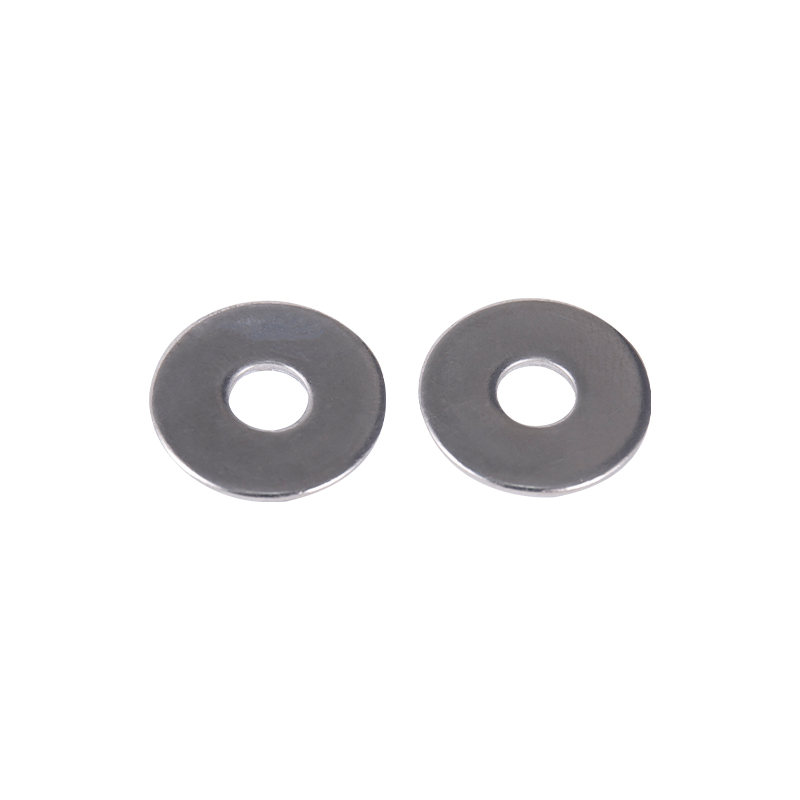
Flat washers and spring washers are fastener accessories widely used in industry...
See Details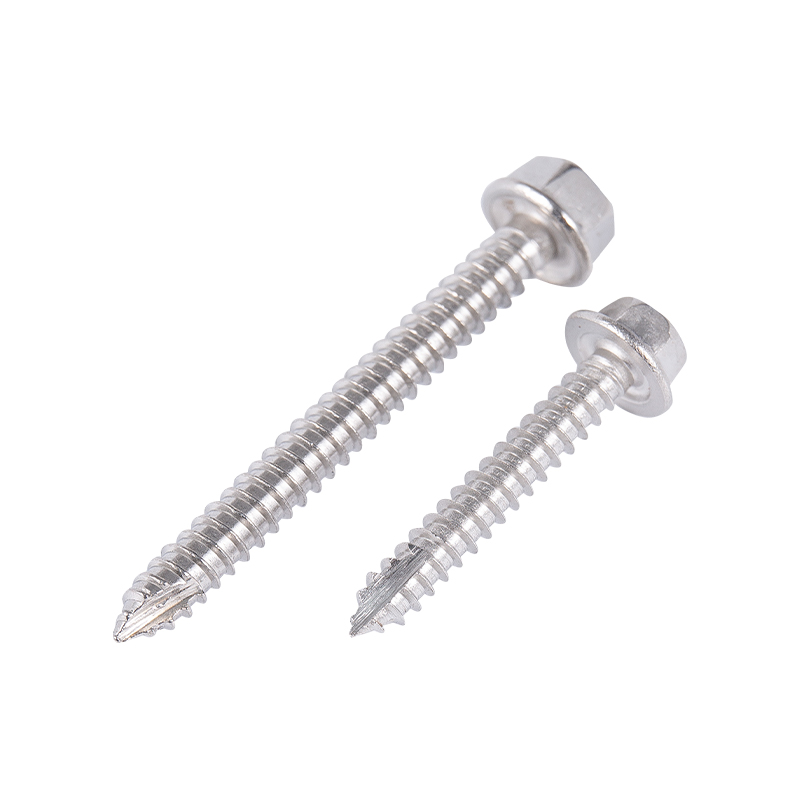
Hexagon head sharp point self-tapping screws are an efficient and convenient fas...
See Details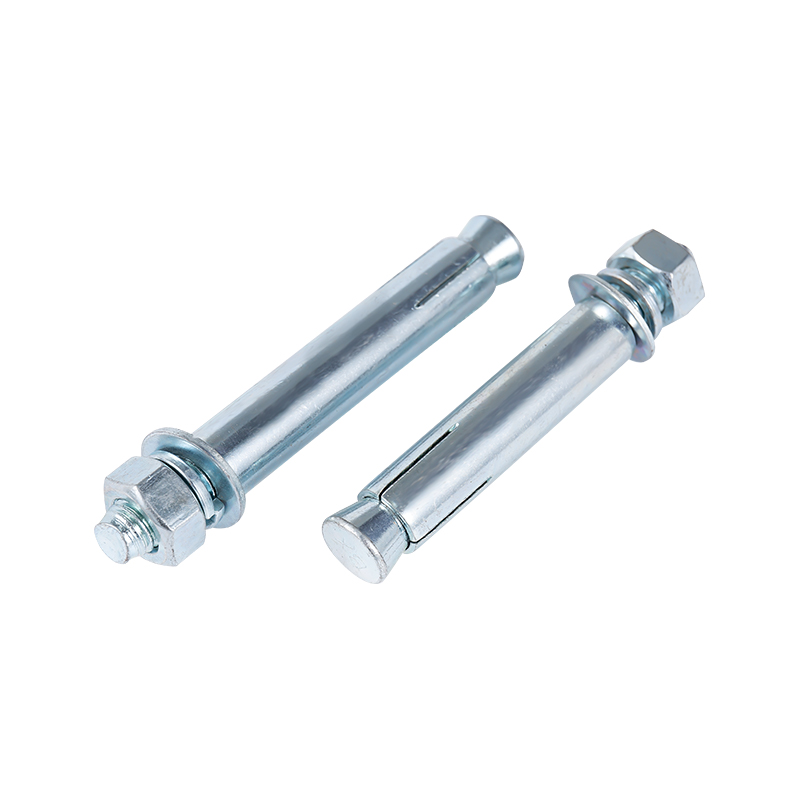
Bolt is a common fastener used in many fields such as machinery, construction, a...
See Details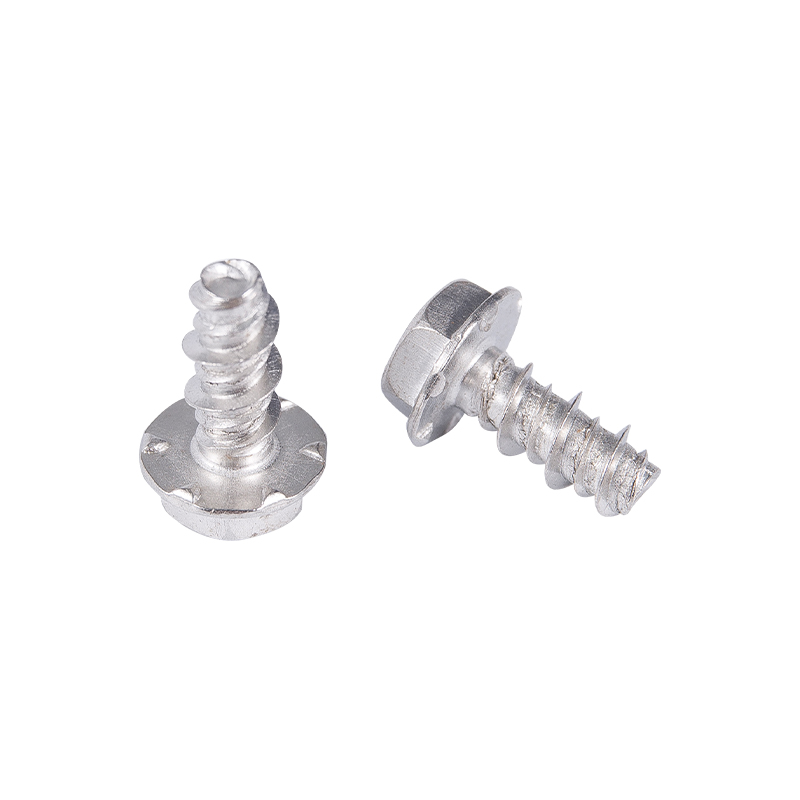
The design feature of the flat-tail self-tapping screw is that the tail has a sc...
See Details+86-13705735391
+86-18868359082
+86-573-83128088
+86-573-83128123
No. 2155, Shuanglong Road, Nanhu District, Jia Xing City, Zhejiang Province
Copyright © Jiaxing Zhongke Metal Technology Co.,Ltd. All Rights Reserved.Custom High Strength Stainless Steel Fasteners Manufacturers Provider