Get Touch
>>
Founded in
Covered area
Manufacturing equipment
Number of employees
High-strength fasteners must survive impact, fatigue, and sudden overload without cracking. Tensile...
View MoreIndustrial machine screws must do more than generate clamping force. In control panels, safety inte...
View MoreBulk orders of metal washers and waterproof washers place severe demands on quality control. A sing...
View MoreSelecting the right screw is rarely about the screw alone; it is about the base material the screw ...
View MoreThread galling is one of the most costly and confusing failures in industrial fastening. It can loc...
View MoreSelf-drilling and self-tapping screws are two of the most widely used fasteners in metal constructi...
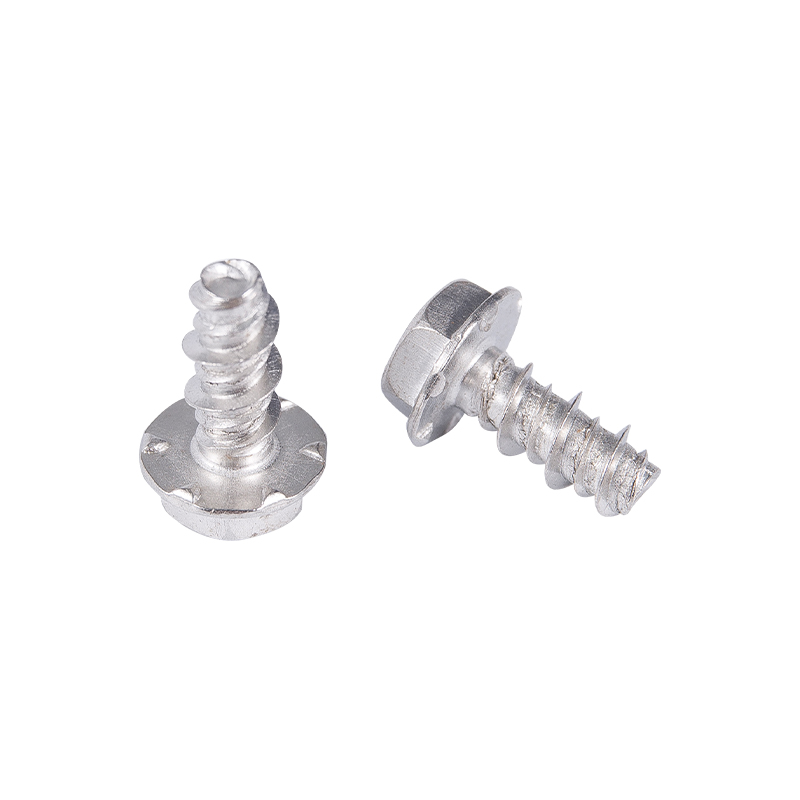
View MoreStainless steel flat tail self tapping screws represent a specialized category of fasteners engineered specifically for applications requiring secure attachment to thin sheet metal, plastic panels, and composite materials. The distinctive flat tip design allows these screws to create their own mating threads while providing excellent resistance to pull-out and vibration loosening, making them ideal for automotive, HVAC, and electronic enclosure applications.
The flat tail geometry offers unique advantages over conventional self tapping screw designs, including improved thread engagement in thin materials, reduced risk of material deformation, and enhanced resistance to back-out under vibration conditions. Our manufacturing expertise ensures precise thread geometry and consistent quality across all production batches, delivering reliable performance in demanding applications.
The flat tail design features a distinctive pointed tip with a flat, squared-off end that provides several performance advantages. This design allows the screw to create a larger thread-forming area, resulting in superior thread engagement and holding power in thin materials. The flat tail also reduces the risk of material deformation or bending during installation, which is particularly important in applications involving thin gauge materials.
The self-tapping capability eliminates the need for pre-tapped holes or nuts, reducing assembly time and complexity. The thread design is optimized to provide consistent torque-tension relationships, ensuring reliable joint integrity across diverse applications.
Selecting the appropriate thread configuration is essential for achieving optimal performance in different materials and applications. Different thread designs are engineered to handle specific material types and thicknesses. The table below provides a comprehensive overview of common flat tail screw types and their recommended applications.
| Thread Type | Thread Forming Feature | Recommended Materials | Maximum Material Thickness | Typical Applications |
|---|---|---|---|---|
| Thread Forming A | Sharp threads, tapered point | Thin sheet metal, aluminum, plastics | 0.5 mm to 1.5 mm | HVAC ductwork, electronic enclosures |
| Thread Forming B | Specialized lobe geometry | Softer metals, thermoplastics | 0.8 mm to 2.5 mm | Automotive interiors, plastic assemblies |
| Thread Cutting C | Cutting edge for chip removal | Harder metals, stainless steel, die castings | 1.0 mm to 3.0 mm | Heavy equipment, industrial assemblies |
| Thread Rolling | Contoured thread profile for cold forming | Ductile metals, aluminum alloys | 0.6 mm to 2.0 mm | Aerospace, precision assemblies |
The selection of appropriate stainless steel grade is critical for ensuring long-term performance in diverse applications. Grade 304 stainless steel provides excellent general-purpose corrosion resistance suitable for most interior and exterior applications. Grade 316 stainless steel offers enhanced protection against chlorides and chemical exposure, making it ideal for marine, chemical, and food processing environments.
Our manufacturing processes ensure consistent material properties through precise control of cold heading, thread rolling, and finishing operations. The work hardening characteristics of stainless steels contribute to increased surface hardness and thread strength, providing reliable performance in demanding applications.
Optimal performance of flat tail self tapping screws depends on proper installation techniques and material preparation. Key considerations include maintaining the correct pilot hole diameter, applying appropriate driving torque, and ensuring consistent screw alignment during installation. The flat tail design provides increased resistance to stripping and improved thread engagement compared to conventional self tapping screw designs.
Our technical expertise extends to providing application-specific guidance for challenging installations, including material compatibility recommendations and torque specifications for automated assembly operations. This comprehensive support ensures reliable performance across diverse applications.
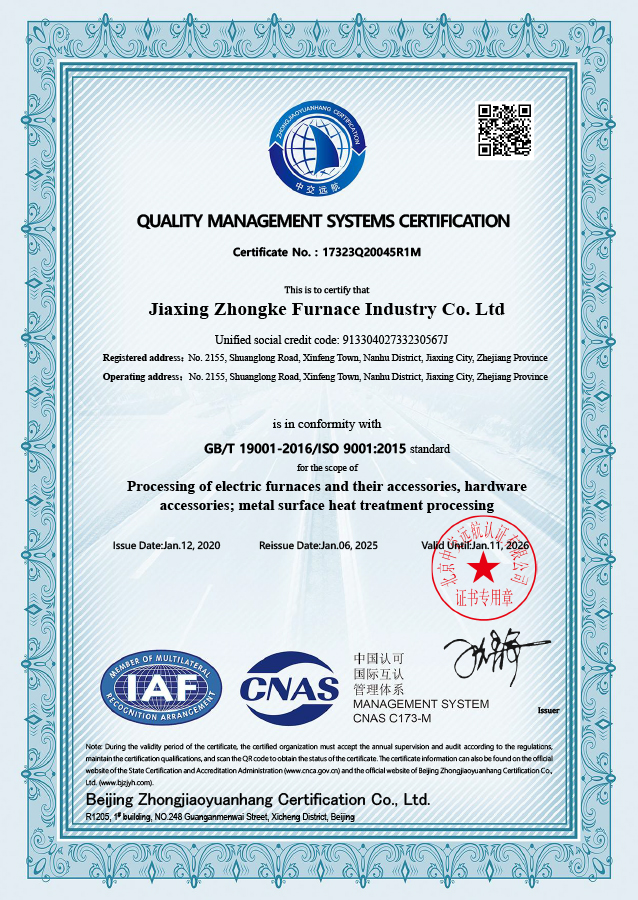
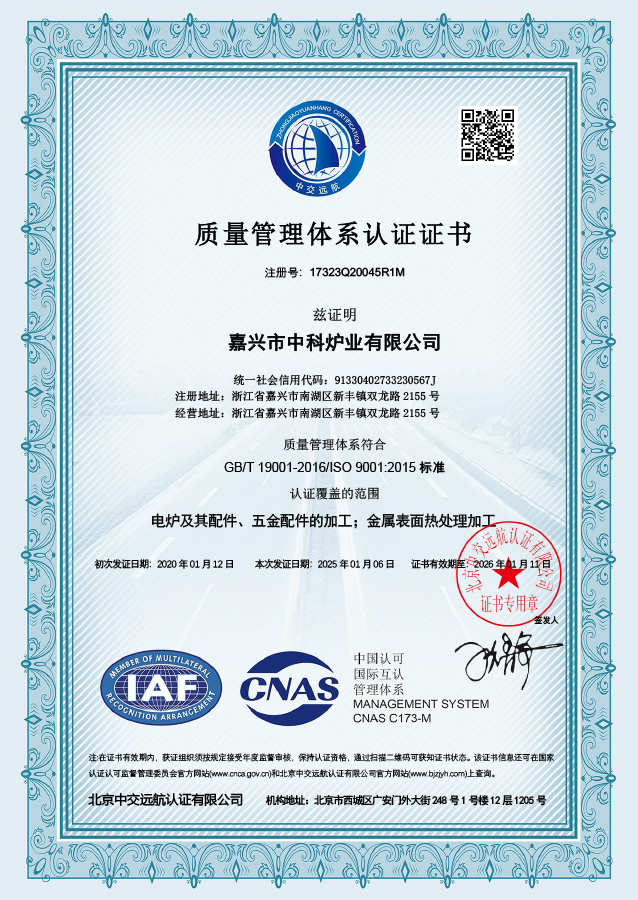
Quality consistency is fundamental to our manufacturing philosophy. Our comprehensive quality management system incorporates in-process inspections at every stage of production, from raw material certification through final packaging. Mechanical property verification includes torque-drive testing, thread gauge inspection, and pull-out testing to ensure performance consistency.
Each production batch is assigned a unique traceability code linking it to raw material certificates and process parameters. This complete traceability enables prompt issue resolution and continuous quality improvement, reflecting our commitment to manufacturing excellence for export markets.
Jiaxing Zhongke Metal Technology Co., Ltd. combines decades of metallurgical expertise with precision manufacturing capabilities to produce stainless steel flat tail self tapping screws that deliver consistent, reliable performance across diverse applications. Our comprehensive approach, from material selection through final verification, ensures that every fastener meets the rigorous quality standards required for successful export to global markets.
+86-13705735391
+86-18868359082
+86-573-83128088
+86-573-83128123
No. 2155, Shuanglong Road, Nanhu District, Jia Xing City, Zhejiang Province
Copyright © Jiaxing Zhongke Metal Technology Co.,Ltd. All Rights Reserved. Custom SS Stainless Steel Flat tail self tapping screw Manufacturers, Factory

 English
 Español
 عربى
عربى