Get Touch
>>
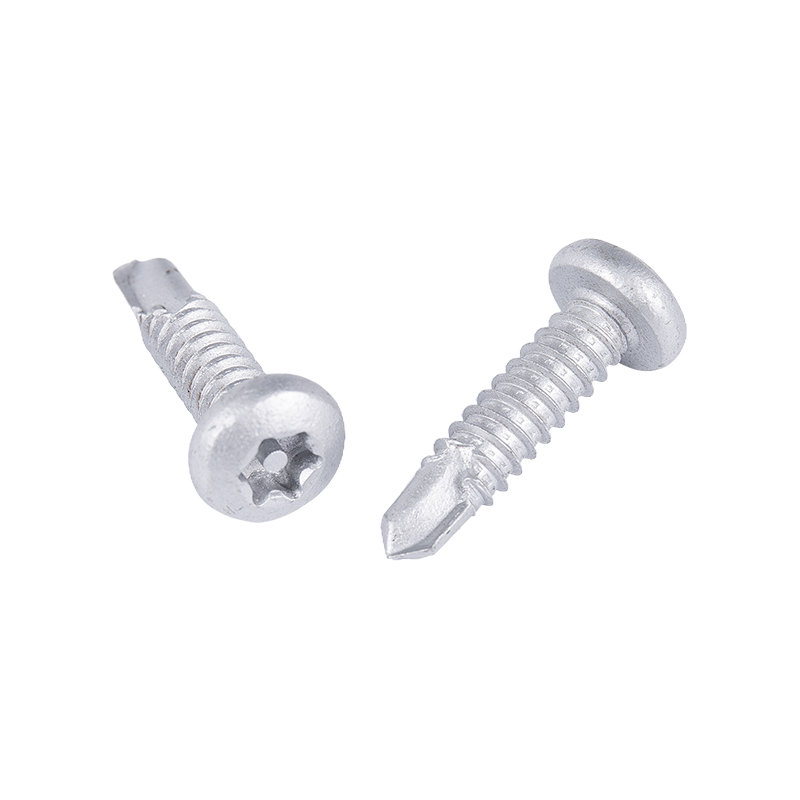
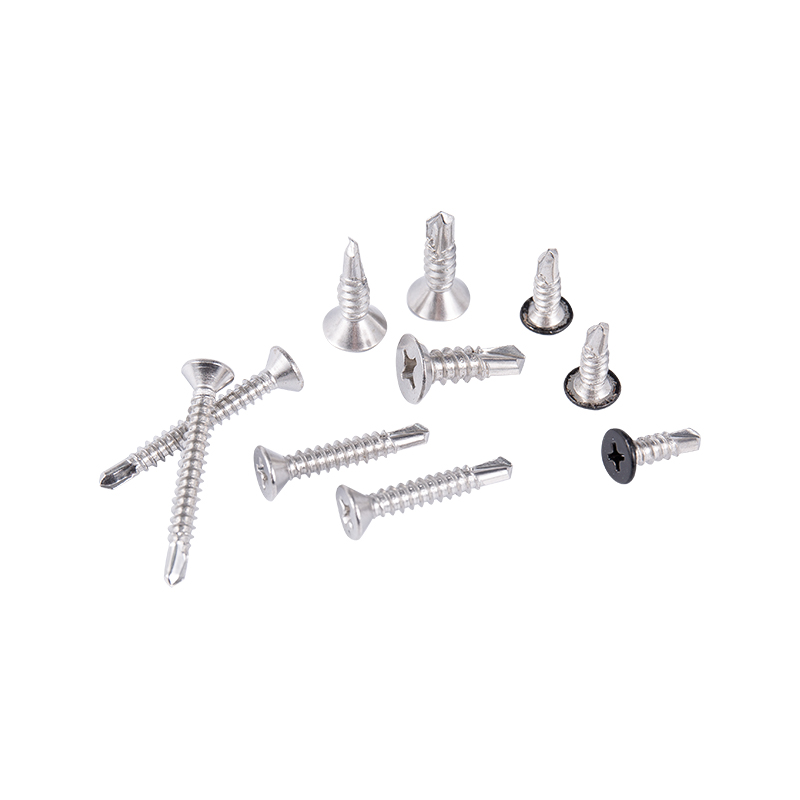
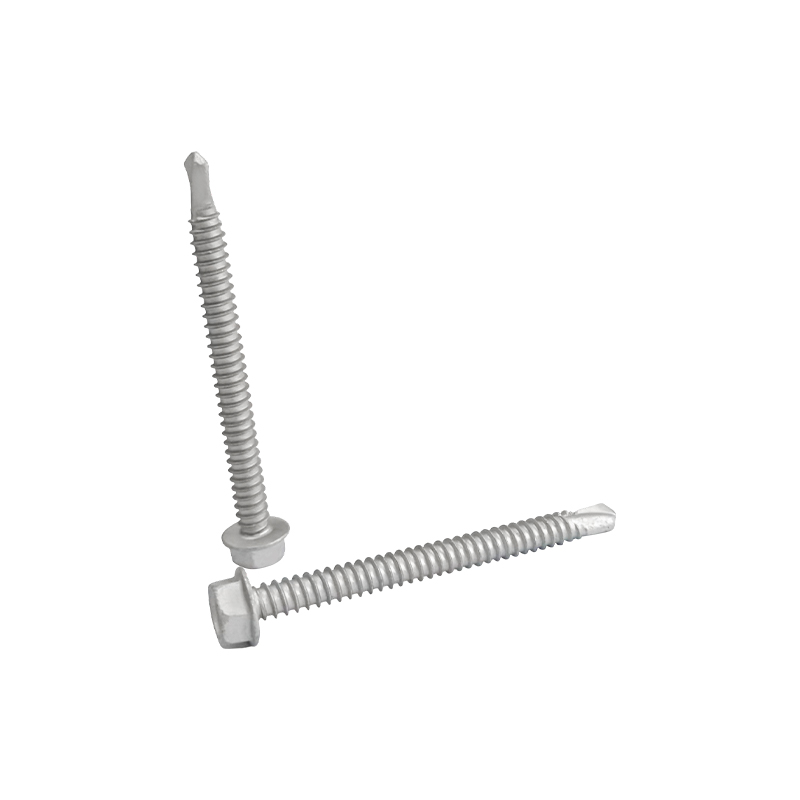
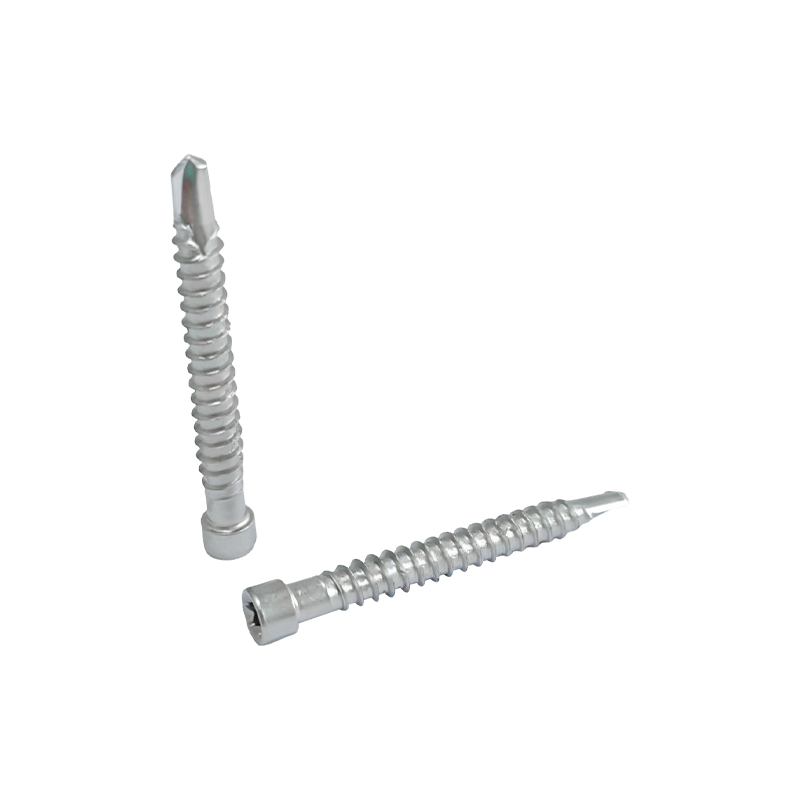
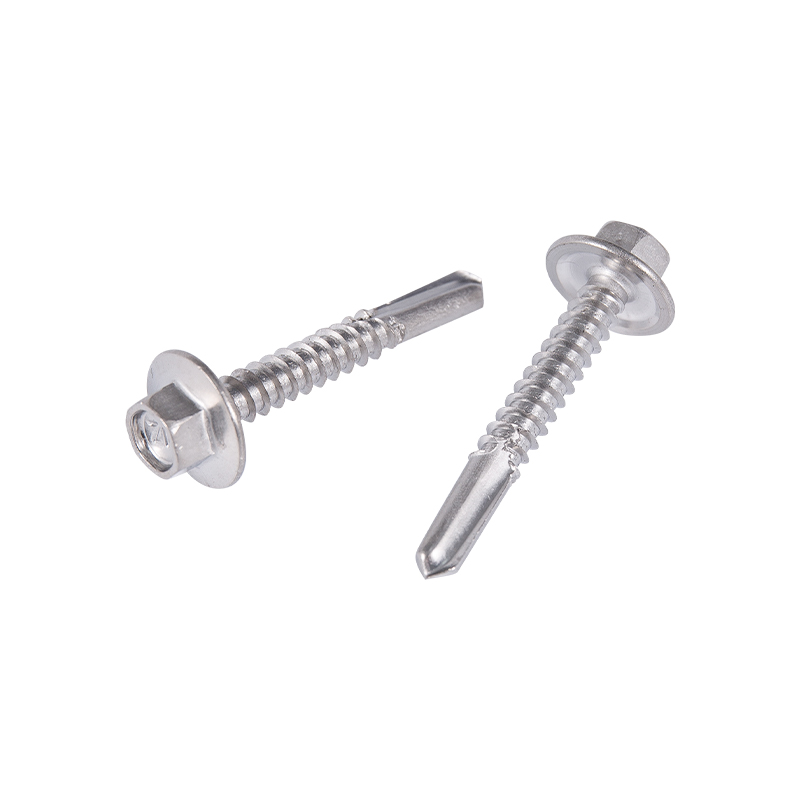
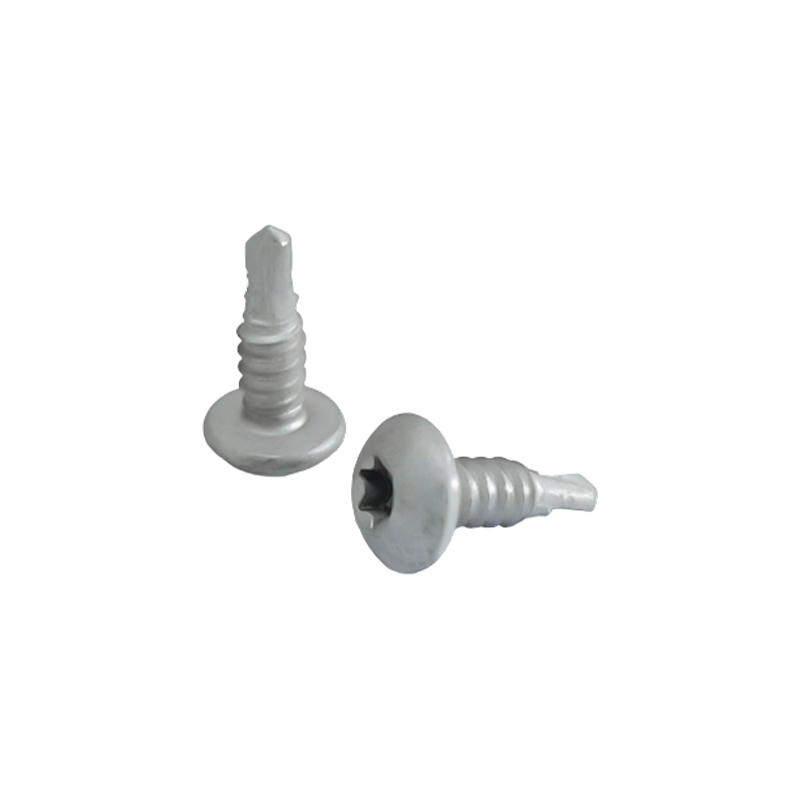
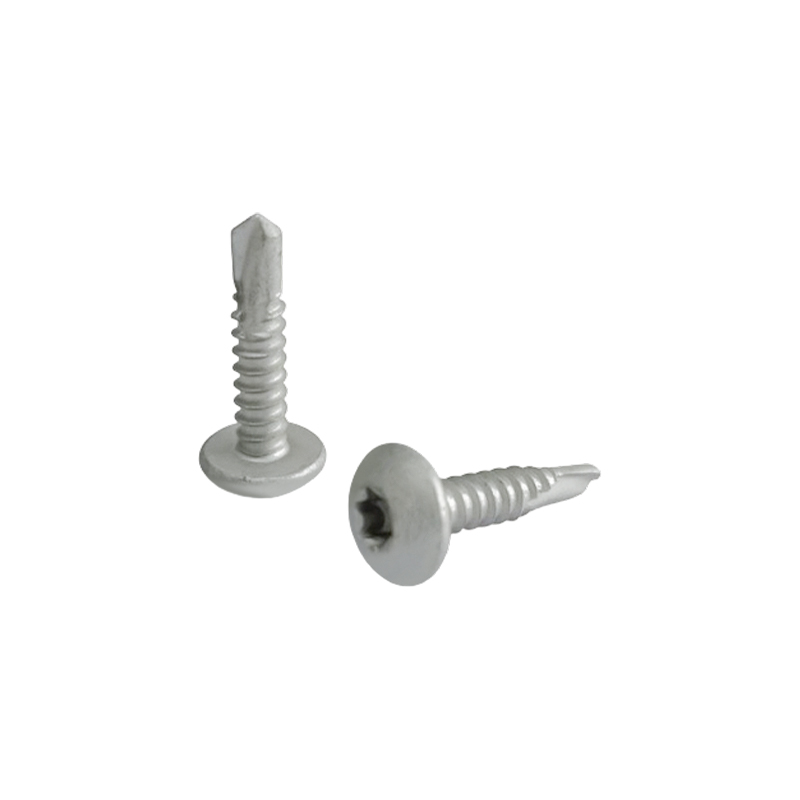
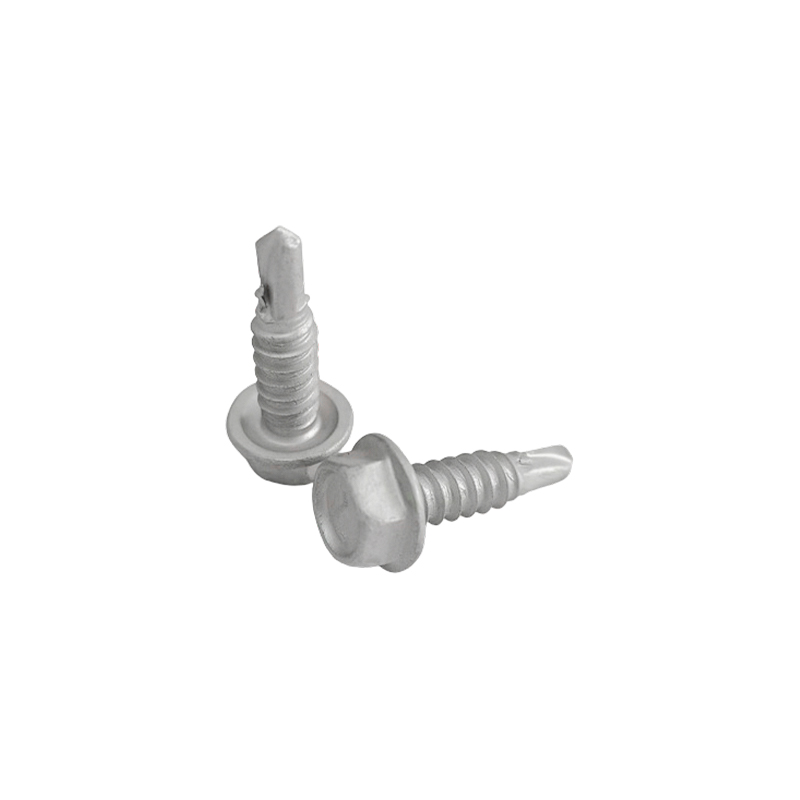
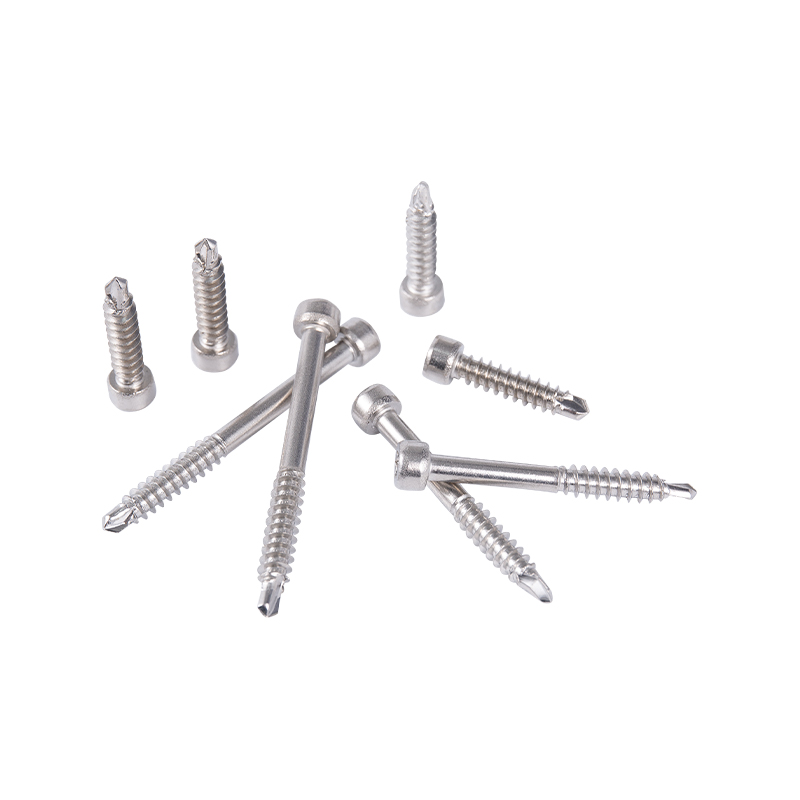
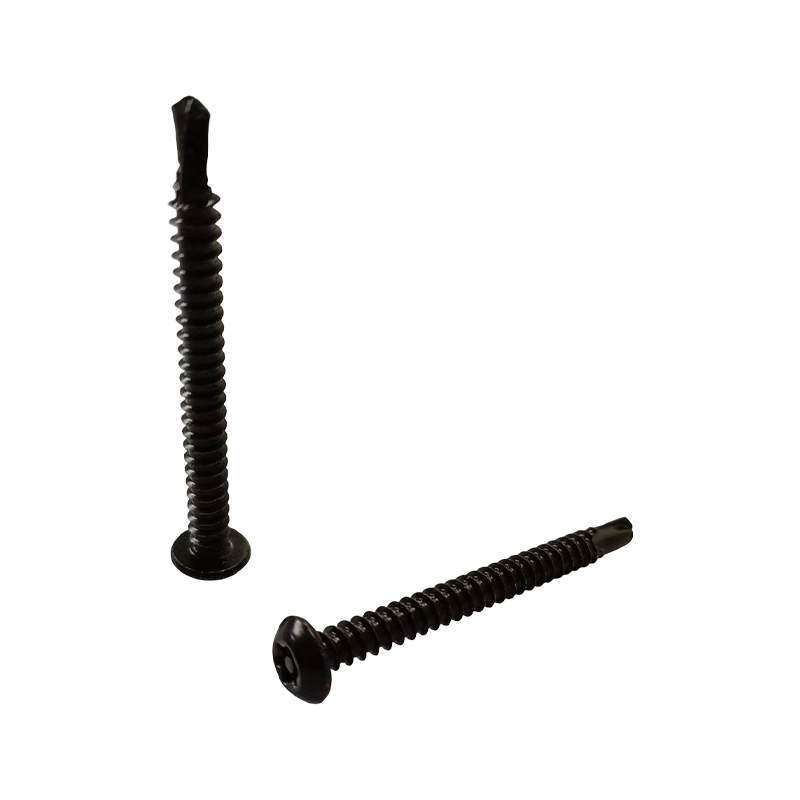
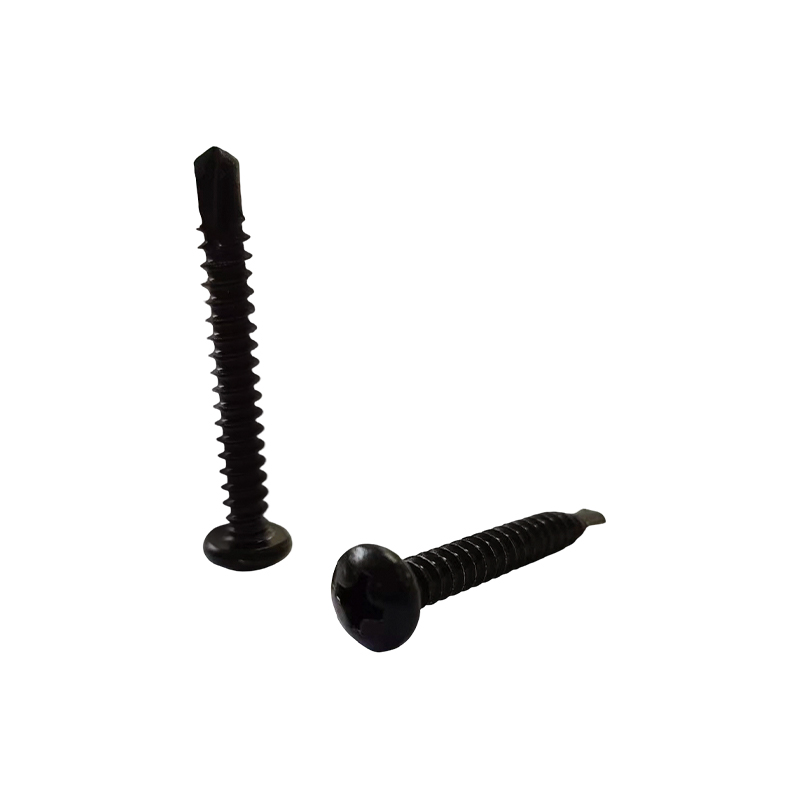
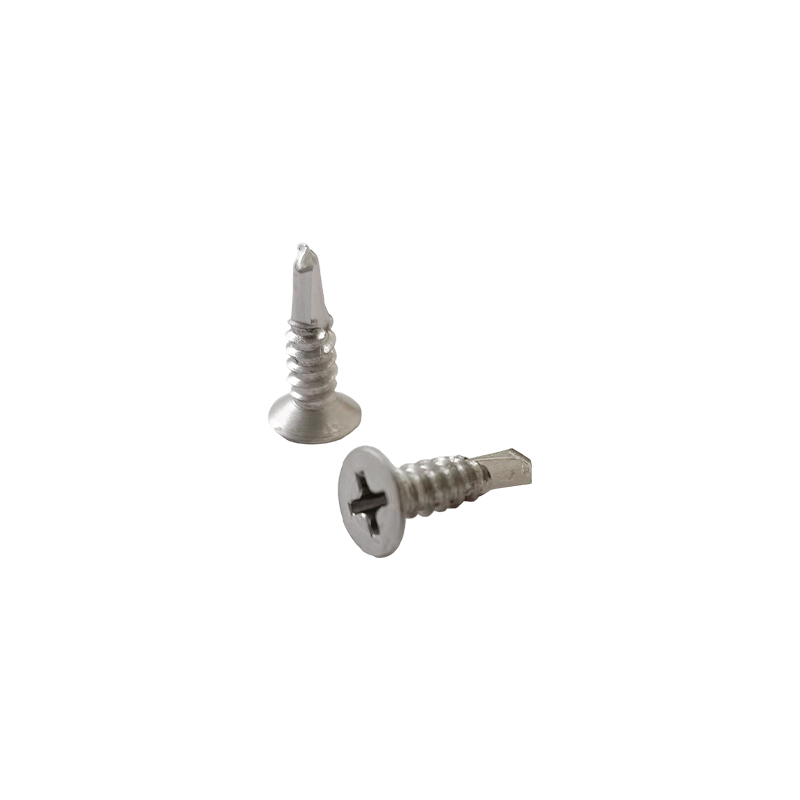
Self-drilling screws (also known as tek screws or drill screws) are fasteners integrating drilling and threading functions. They eliminate the need for pre-drilling and can directly penetrate, thread, and fasten hard materials like metal and plastic in one operation, particularly suitable for thick or high-hardness materials.
Key features:
Drilling Tip: Equipped with a spiral drill bit or triangular drill point that rapidly penetrates materials while creating pilot holes to prevent slipping.
Operational Efficiency: Completes drilling, threading, and fastening in a single operation, significantly improving work efficiency.
Typical applications:
Roof/wall fastening of color-coated steel plates
Connections of C/Z-shaped steel beams
Automotive body panel assembly (requires anti-rust treatment)
Installation of shelving, enclosures, and ventilation ducts
Solar brackets, fencing, and billboards (requires high weather resistance)
Founded in
Covered area
Manufacturing equipment
Number of employees
Self-drilling and self-tapping screws are two of the most widely used fasteners in metal constructi...
View MoreA maintenance engineer opens a drawing that specifies 3/8-16 bolts. The supplier asks one question...
View MoreIntroduction In the world of sealing solutions, two terms often surface: Waterproof Washer and rubb...
View MoreInstalling stainless steel machine screws requires more precision than driving a standard carbon st...
View MoreWhen working with Stainless Steel Bolt assemblies, few experiences are as frustrating as a fastener...
View MoreOperating a ZKL-Box-Type Tempering Furnace requires a thorough understanding of both the equipme...
View MoreSteel self drilling screws represent a significant advancement in fastening technology, combining drilling, tapping, and fastening into a single efficient operation. These engineered fasteners eliminate the need for pre-drilled pilot holes, substantially reducing assembly time, labor costs, and tooling requirements across construction, automotive, and heavy manufacturing sectors.
The fundamental principle behind a self drilling screw lies in its integrated drill point, which features cutting edges designed to penetrate various materials while simultaneously forming matching internal threads. This dual-function capability demands precise metallurgical engineering, as the screw must maintain sufficient hardness for cutting while retaining adequate toughness to withstand torsional stresses during driving.
The performance characteristics of self drilling screws are intrinsically linked to their chemical composition and thermal processing history. Manufacturers typically employ low-carbon and medium-carbon steel grades that respond well to case hardening treatments. Common materials include boron-enhanced steels such as 10B21, 10B22, and 10B33, which offer excellent hardenability and formability characteristics.
Through controlled carburization processes, the surface hardness of the drill point is elevated to 560 to 620 HV, providing the necessary wear resistance for effective cutting. Simultaneously, the core maintains a hardness of 320 to 380 HV, ensuring the ductility required to absorb the high torsional forces experienced during high-speed automated driving operations. This gradient hardness profile is critical for preventing drill point fracture, particularly when fastening through harder materials or multiple stacked layers.
The selection of appropriate drill point geometry is paramount to achieving optimal fastening performance. Different point configurations are designed to handle specific material thickness ranges and substrate hardness levels. Understanding these distinctions enables engineers and procurement professionals to specify the correct fastener for each unique application.
| Drill Point Classification | Point Size Designation | Maximum Material Penetration | Primary Application Sectors |
|---|---|---|---|
| Standard Drill Point | No. 1 through No. 3 | 0.5 mm to 2.5 mm | Light gauge steel framing, metal roofing, HVAC systems, cladding |
| Large Drill Point | No. 3 through No. 5 | 2.0 mm to 6.0 mm | Structural steel connections, bridge components, heavy machinery, shipbuilding |
| Chip Clearance Point | No. 2 through No. 4 | 1.0 mm to 4.5 mm | Automotive assemblies, railcar construction, vibration-sensitive equipment |
| Hardened Material Point | No. 4 through No. 6 | 3.0 mm to 8.0 mm | Pre-cast concrete attachments, mining equipment, offshore structures, heavy plate |
The heat treatment process represents the most critical stage in manufacturing high-performance self drilling screws. Proper thermal processing transforms the raw steel into a precisely engineered component with the mechanical properties required for reliable long-term service. Jiaxing Zhongke Metal Technology Co., Ltd. leverages its extensive expertise in heat treatment equipment design and operation to achieve exceptional consistency in this process.
Our production facility utilizes imported continuous mesh belt furnaces that provide precise control over the entire thermal cycle, including austenitising at carefully regulated temperatures, oil quenching at controlled rates, and tempering to achieve the final hardness profile. This sophisticated equipment, combined with our deep understanding of metallurgical principles, enables us to produce fasteners that consistently meet or exceed international standards including ISO 10666 and ASTM C1513.
The in-house heat treatment capability provides significant advantages over manufacturers who outsource this critical step. We maintain complete control over case depth uniformity, hardness distribution, and microstructural integrity, ensuring that every screw delivered to our customers performs predictably under actual working conditions.
Protection against environmental degradation is essential for self drilling screws used in exterior or corrosive applications. Our comprehensive coating portfolio addresses diverse service environments and aesthetic requirements. Standard electrogalvanised zinc coatings, typically applied at 5 to 8 micrometres thickness, provide effective corrosion protection for indoor and mild exterior applications.
For more demanding environments, we offer zinc-aluminium flake coatings with thicknesses ranging from 12 to 15 micrometres, often incorporating integrated lubricant topcoats that reduce driving torque and prevent galling. These advanced coating systems undergo rigorous salt spray testing according to ASTM B117 standards, consistently achieving 500 to 1000 hours of red rust resistance depending on the specific coating formulation selected.
Additional finishing options include organic sealers for enhanced barrier protection, polyester powder coatings for colour matching and aesthetic requirements, and specialised lubricious coatings that facilitate consistent torque-tension relationships in automated assembly operations.
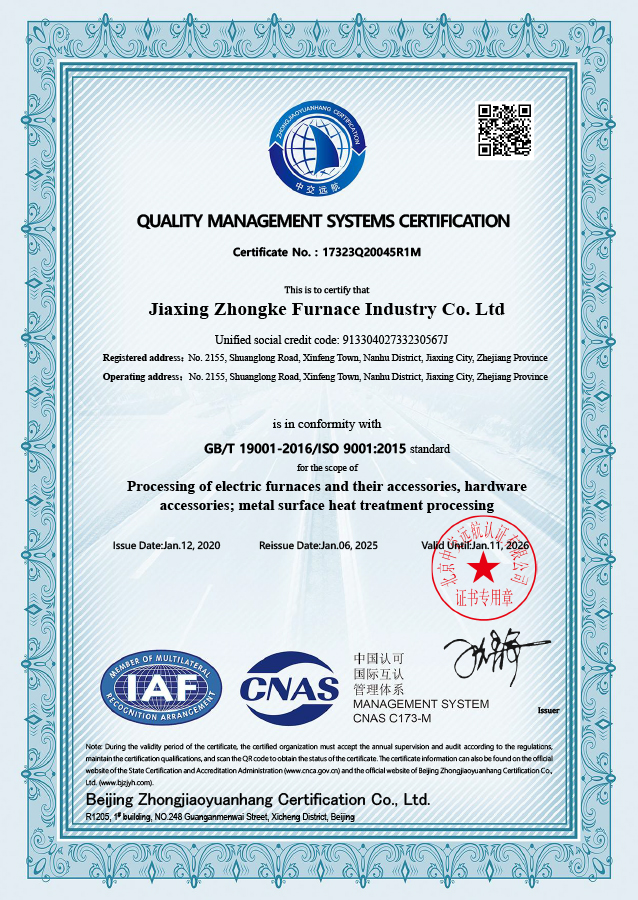
In the competitive export market, quality consistency and traceability are fundamental requirements. Our quality management system is structured around comprehensive in-process inspections performed at every manufacturing stage, from incoming raw material verification through wire drawing, cold heading, thread rolling, point forming, heat treatment, and final coating application.
Dimensional accuracy is verified using state-of-the-art laser micrometers and optical comparators, ensuring that every screw meets specified tolerances. Mechanical performance is validated through torque-drive testing, microhardness profiling, and metallographic examination of case depth and microstructure. Each production batch receives a unique traceability code that connects it to raw material certificates, heat treatment records, and inspection data, providing complete lifecycle accountability.
Jiaxing Zhongke Metal Technology Co., Ltd. combines decades of heat treatment engineering expertise with state-of-the-art manufacturing capabilities to produce self drilling screws that deliver consistent, reliable performance across the most demanding industrial applications. Our integrated approach, from material selection through final quality verification, ensures that every fastener meets the rigorous standards required for successful export to global markets.
+86-13705735391
+86-18868359082
+86-573-83128088
+86-573-83128123
No. 2155, Shuanglong Road, Nanhu District, Jia Xing City, Zhejiang Province
Copyright © Jiaxing Zhongke Metal Technology Co.,Ltd. All Rights Reserved. Custom SS Stainless Steel Self Drilling Screws Manufacturers, Factory

 English
 Español
 عربى
عربى