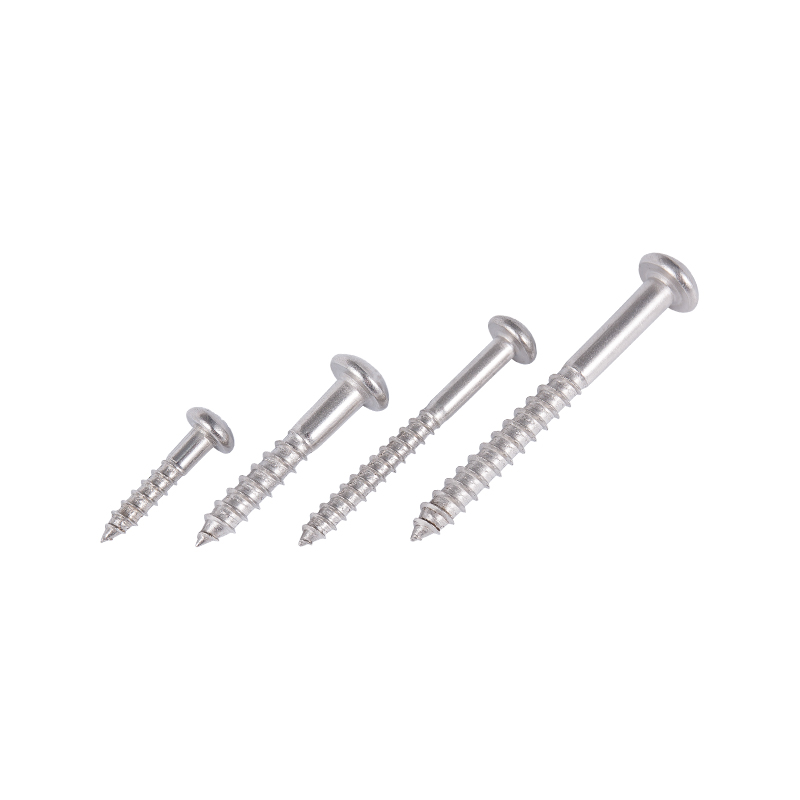
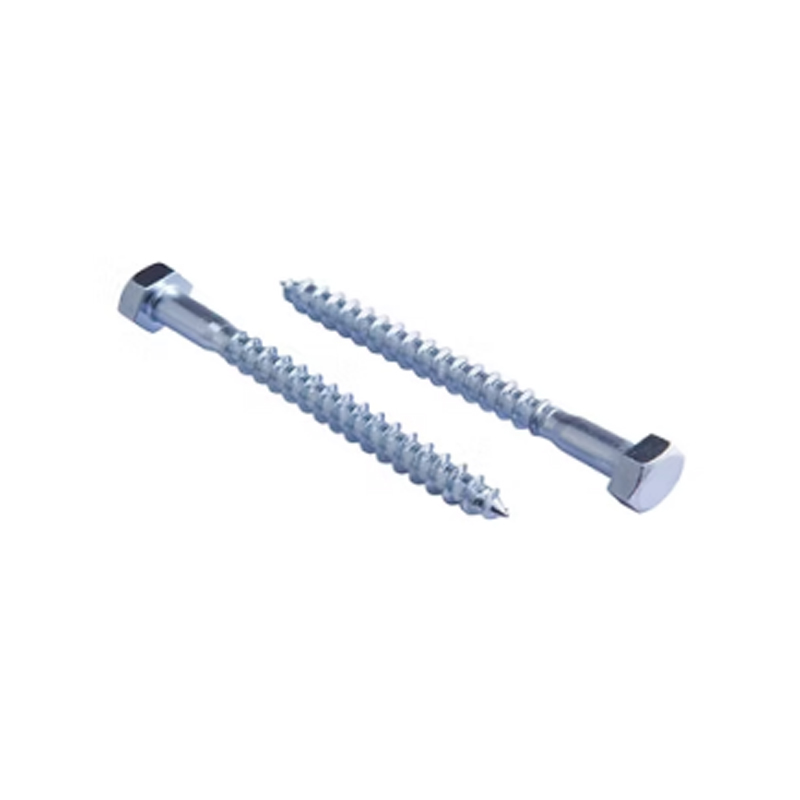
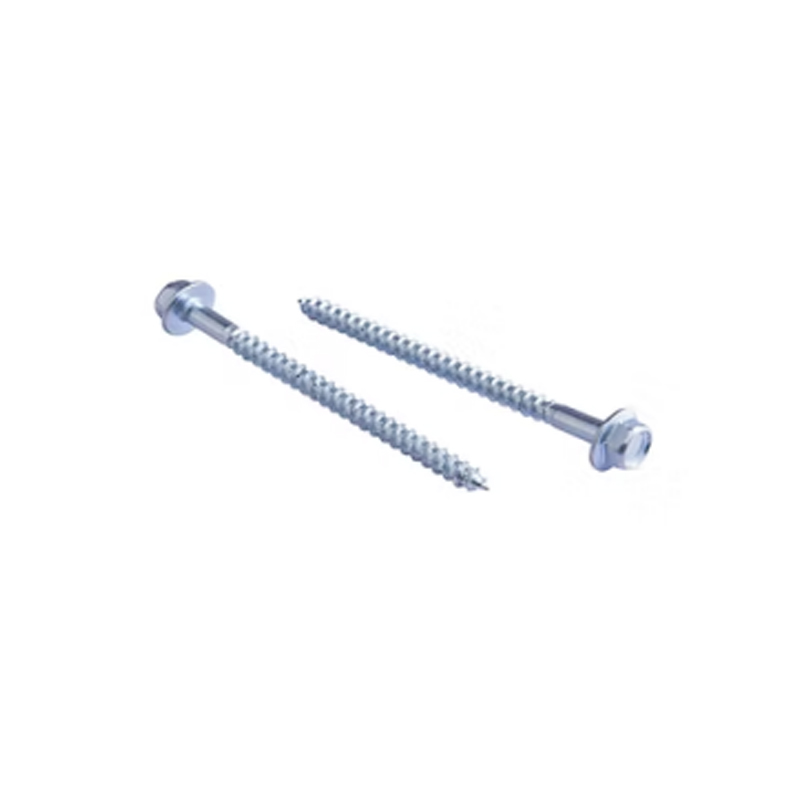
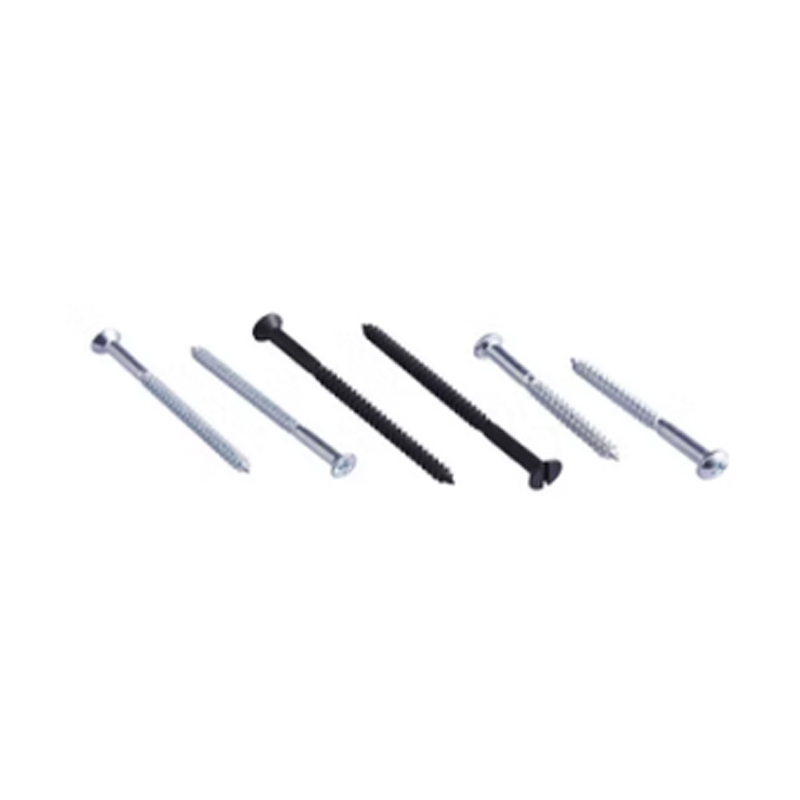
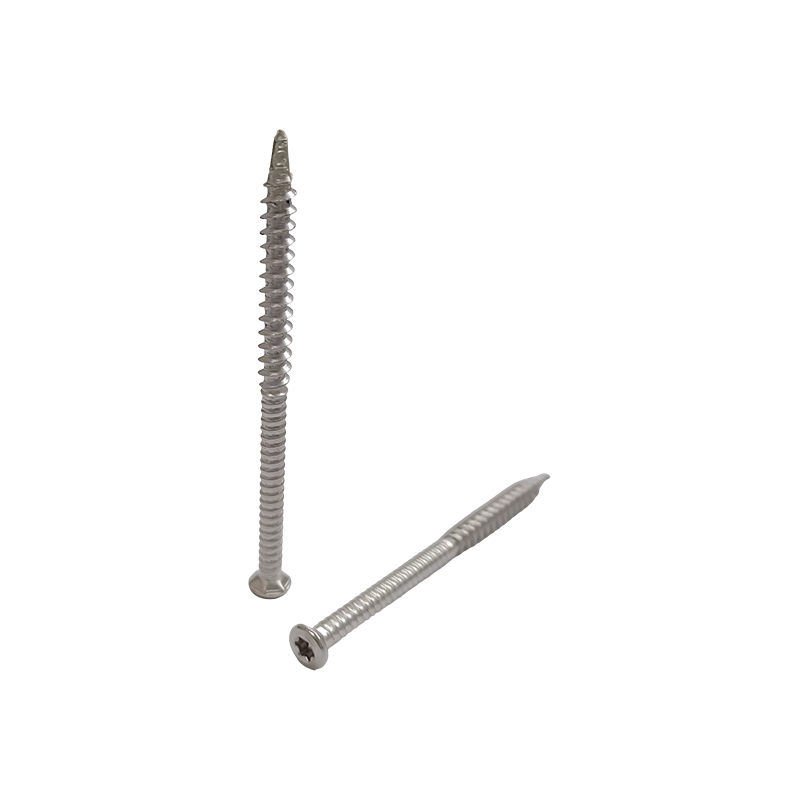
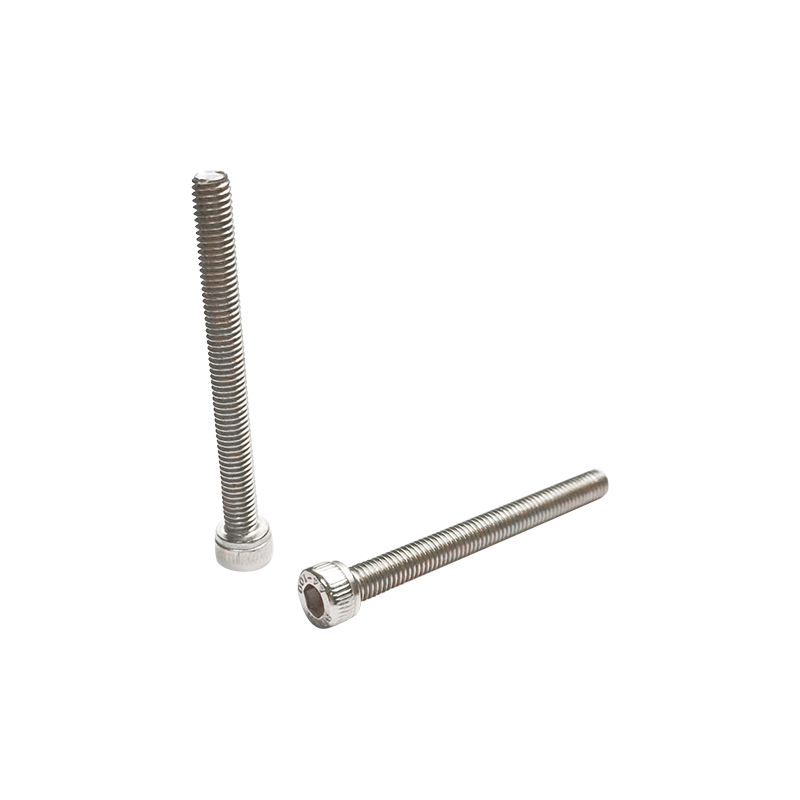
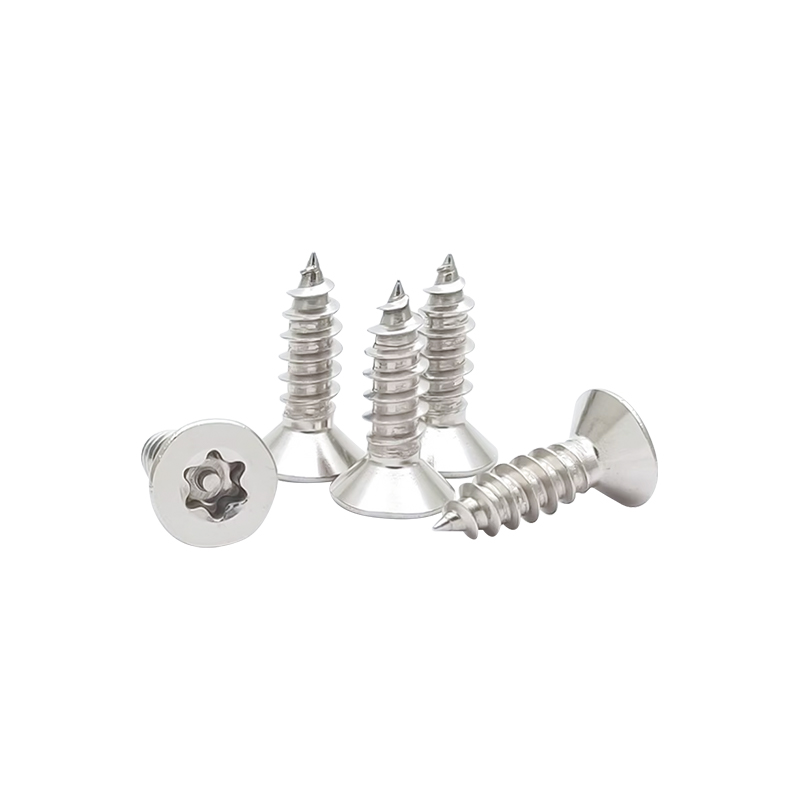
Standard:DIN 7996, ASME/ANSI B18.6.1, DIN 7997, DIN 571
Material:C1022A, SUS410, SUS304, SUS316
Specification:ST3.5, ST3.9, ST4.2, ST4.8, ST5.5, ST6.3, 6#, 7#, 8#, 10#, 12#, 14#, 1/4”
Surface Treatment: Passivated, Galvanized, Nickel-plated, Blackened, Head sprayed, Dacromet, Hot Rust, Rasputin
Product Introduction
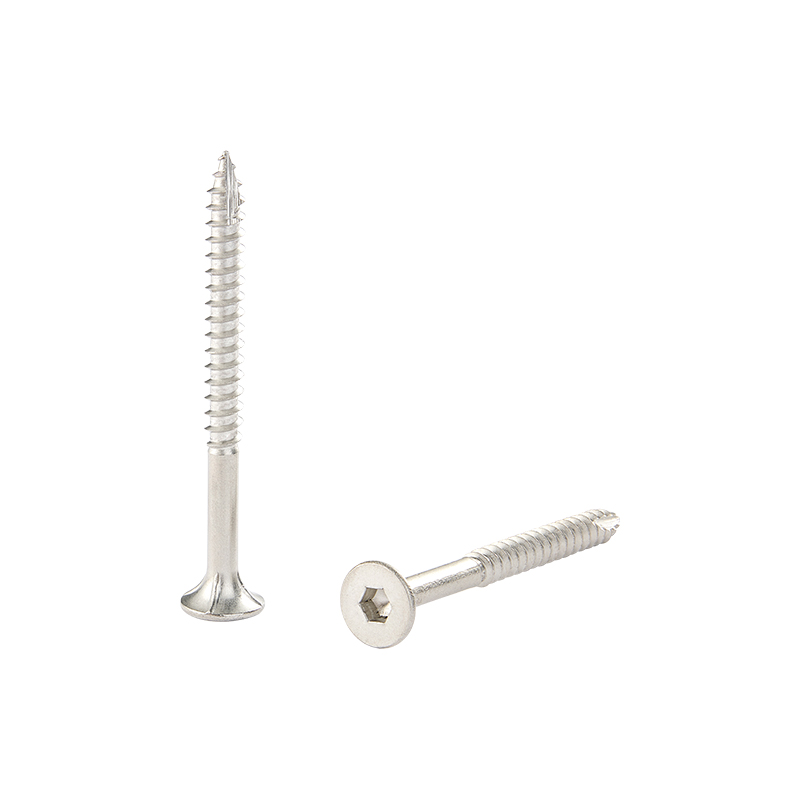
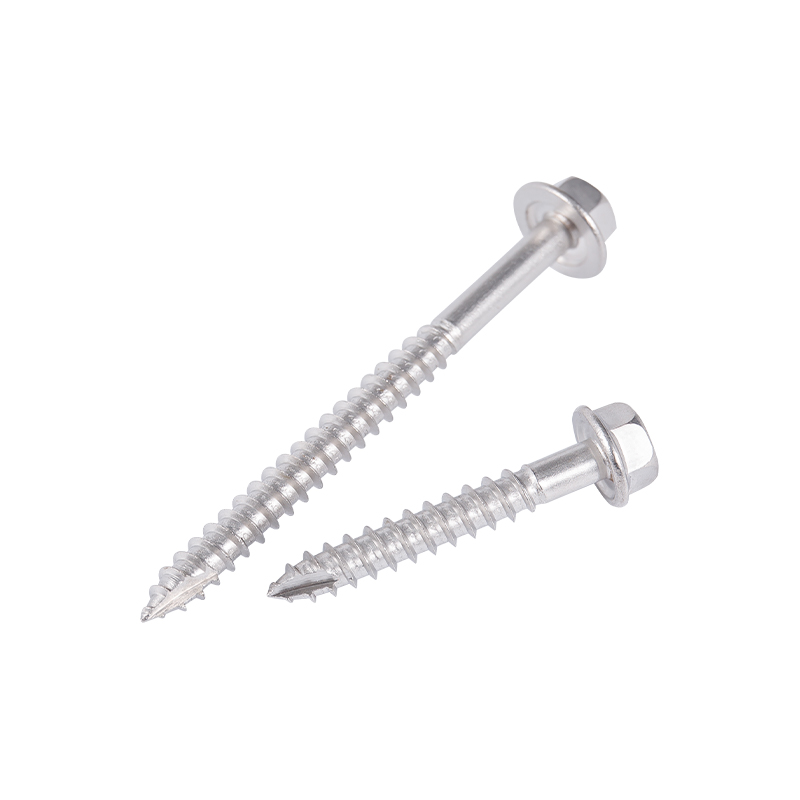
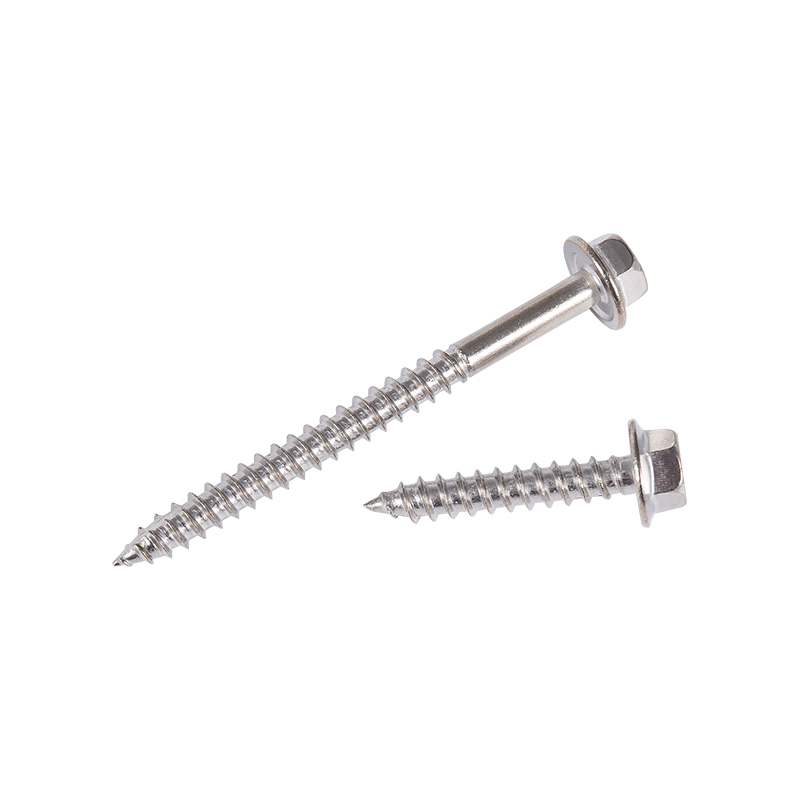
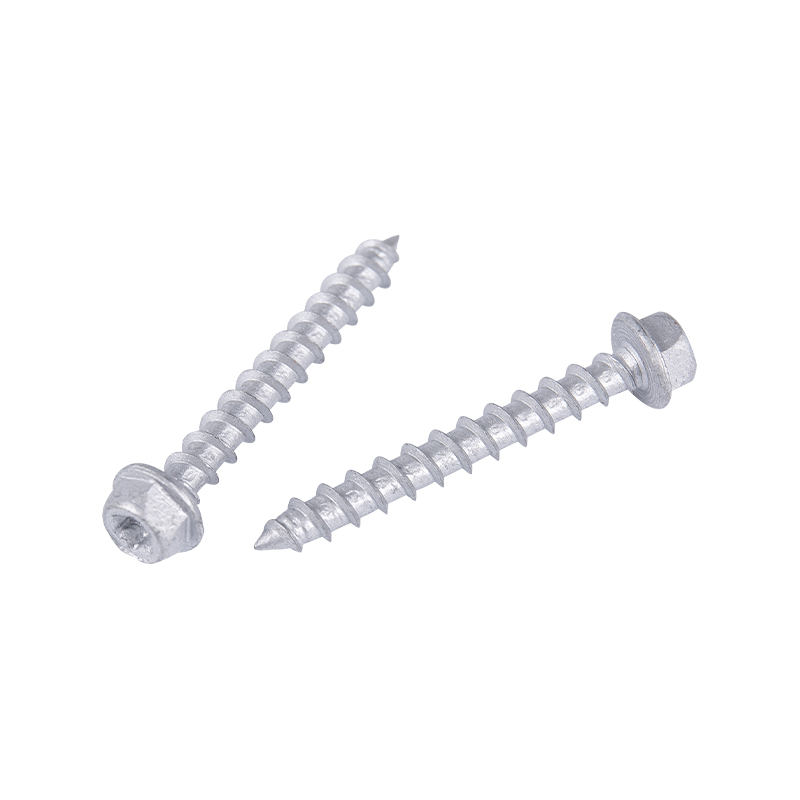
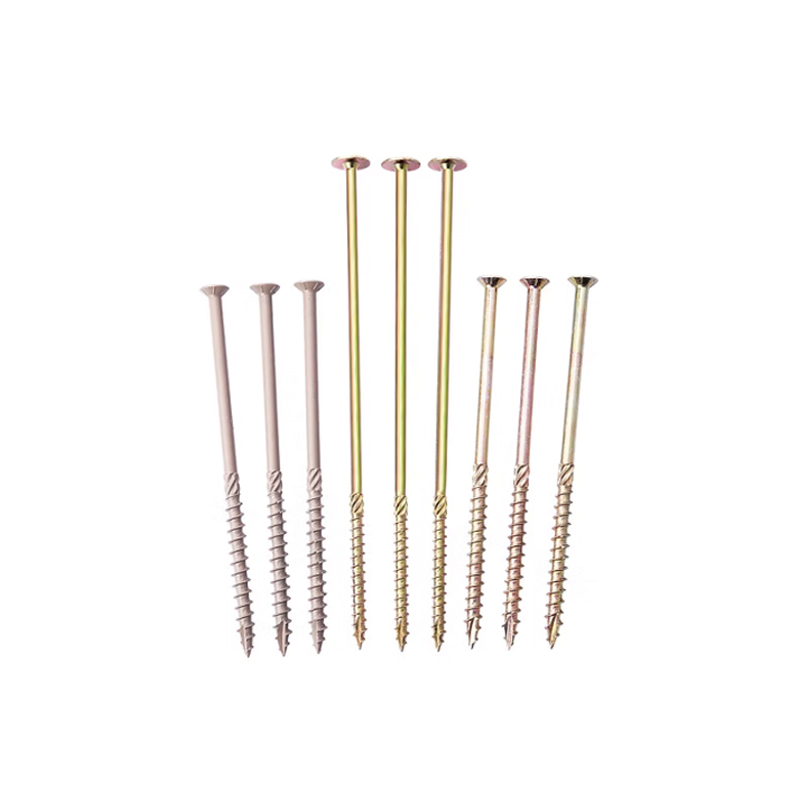
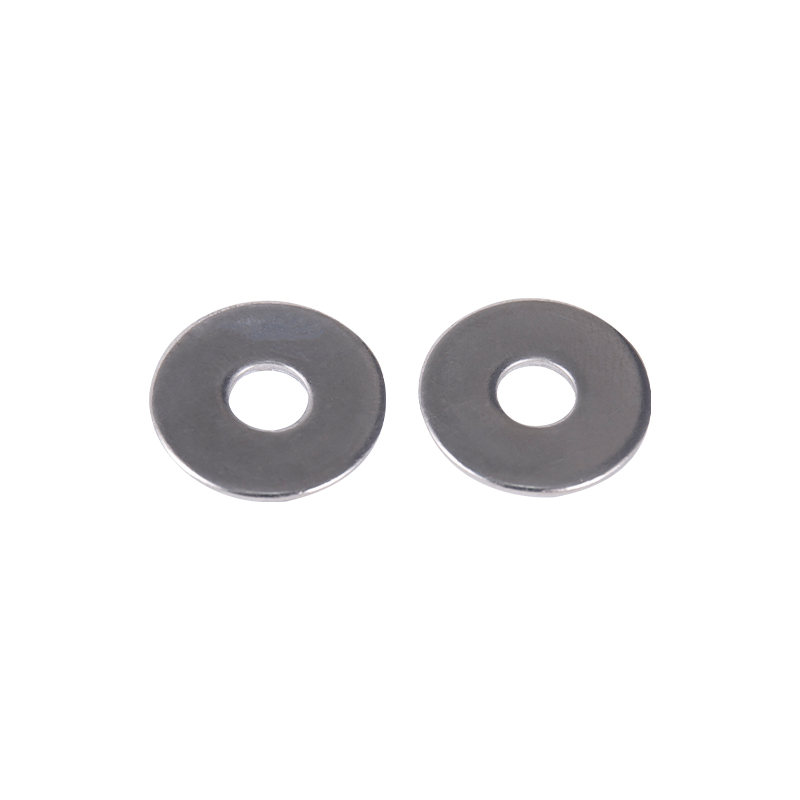
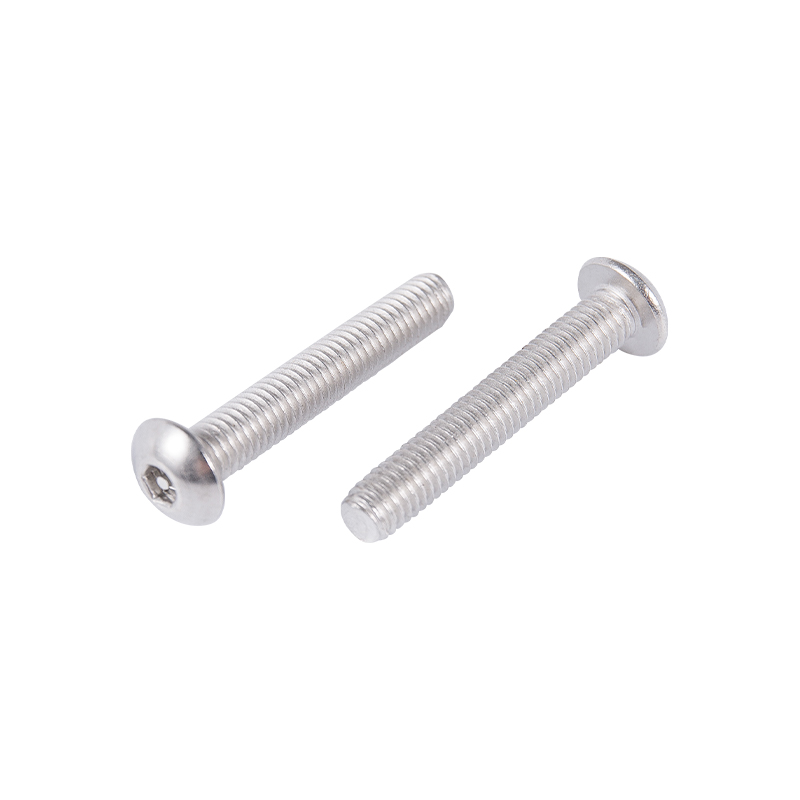
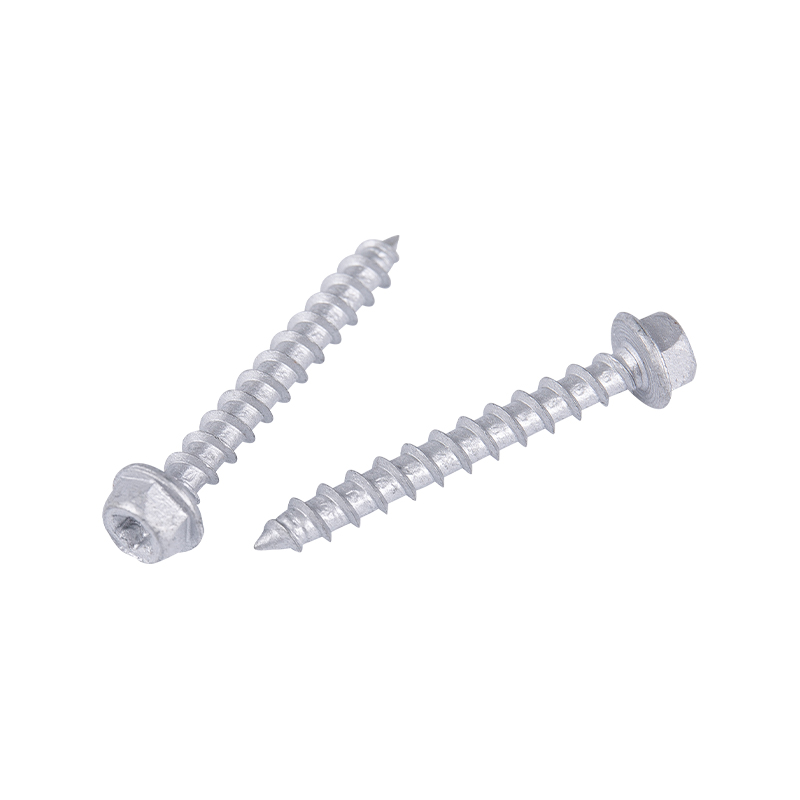
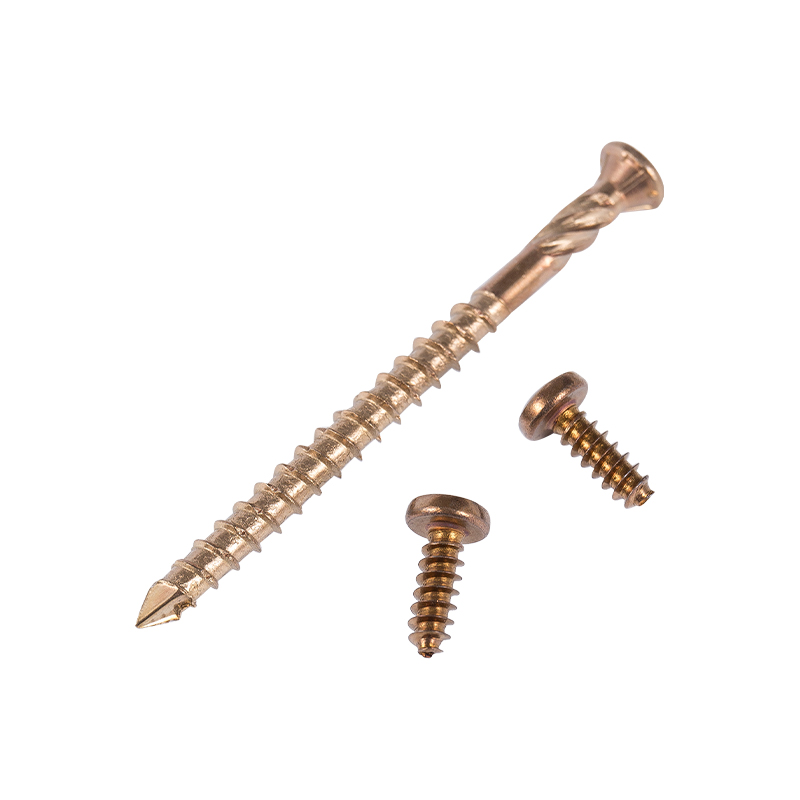
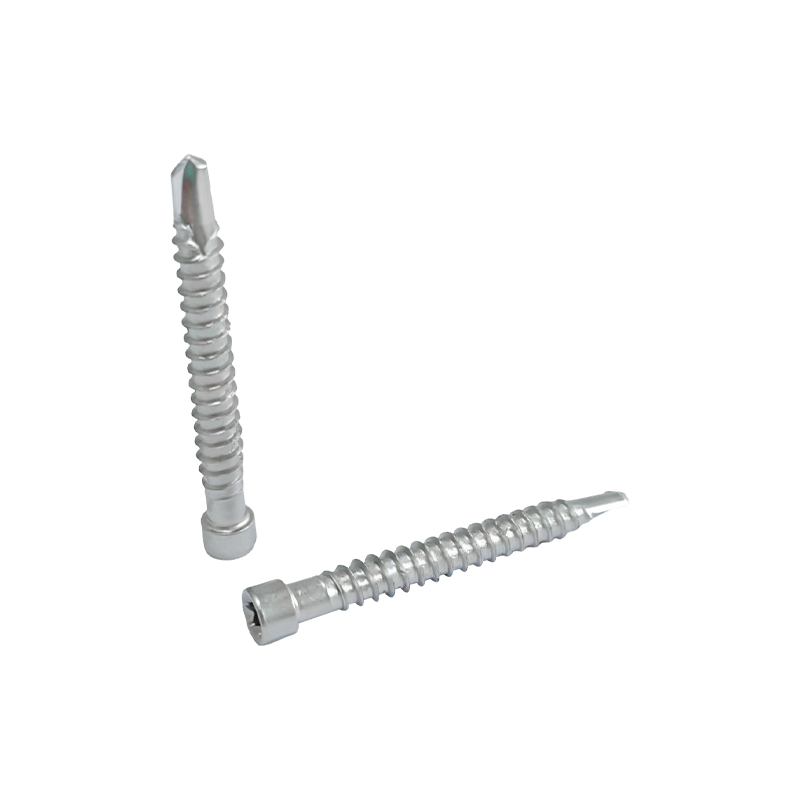
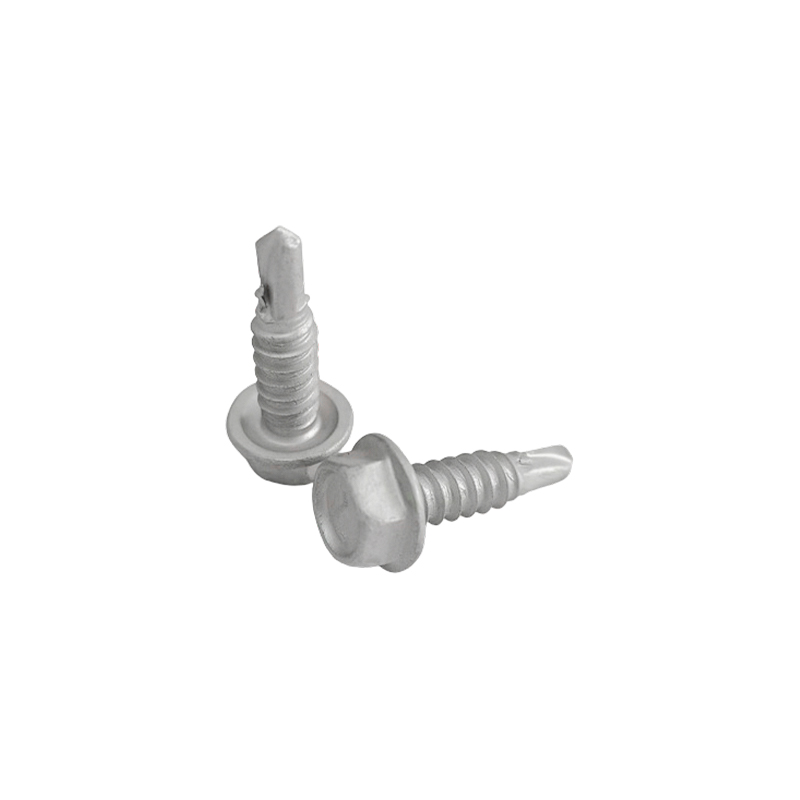
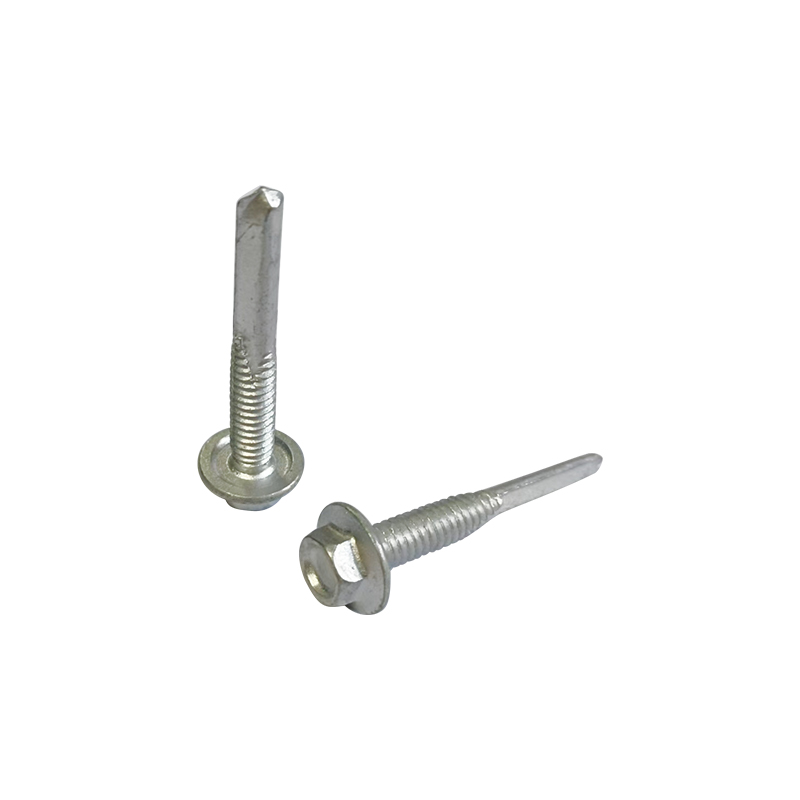
The All Head Types Wood Screws range encompasses a comprehensive selection of fasteners designed for wood-to-wood and wood-to-metal fastening applications requiring secure thread engagement in timber and engineered wood products. Available in a variety of head configurations including pan, flat, oval, hex, and other profiles, these screws provide application-specific solutions for diverse woodworking and construction requirements. The sharp point design enables precise alignment and entry into wood substrates, while the thread geometry provides secure engagement with reduced splitting. Manufactured from carbon steel (C1022A) and stainless steel (SUS410, SUS304, SUS316) material options, the screws offer strength and corrosion resistance for various environments. Multiple surface treatments including passivated, galvanized, nickel-plated, blackened, and Dacromet finishes provide environmental adaptability. Metric sizes from ST3.5 to ST6.3 and imperial sizes from 6# to 1/4" accommodate diverse wood fastening requirements.
Core Advantages
01
Multiple Head Configurations
Pan, flat, oval, hex, and other head profiles provide application-specific solutions for diverse woodworking requirements.
02
Sharp Point Design
Precise alignment and entry into wood substrates with reduced splitting for secure thread engagement.
03
Multiple Material Options
Available in carbon steel (C1022A) and stainless steel (SUS410, SUS304, SUS316) to meet diverse application requirements.
04
Wide Specification Range
Metric sizes from ST3.5 to ST6.3 and imperial sizes from 6# to 1/4" for comprehensive wood fastening coverage.
05
Extensive Surface Treatments
Passivated, galvanized, nickel-plated, blackened, Dacromet, and hot rust finishes for environmental adaptability.
06
Standard Compliance
Manufactured to DIN 7996, DIN 7997, DIN 571, and ASME/ANSI B18.6.1 specifications for quality assurance.
Product Features
Multiple head configurations Pan head provides flat bearing surface; flat head enables flush mounting; oval head offers low-profile appearance; hex head provides high torque capability; custom profiles for specific applications.
Sharp point design Precise alignment and entry into wood substrates with reduced splitting for secure thread engagement in timber and engineered wood.
Wood thread geometry Optimized thread profile provides secure engagement in wood substrates with reduced driving torque and improved holding power.
Carbon steel material C1022A grade offers strength for general wood fastening applications with appropriate surface treatment.
Stainless steel material options SUS410 provides hardness; SUS304 offers general corrosion resistance; SUS316 delivers marine-grade protection for outdoor wood applications.
Metric specification range Available in ST3.5, ST3.9, ST4.2, ST4.8, ST5.5, and ST6.3 diameters for diverse wood fastening requirements.
Imperial specification range Available in 6#, 7#, 8#, 10#, 12#, 14#, and 1/4" sizes for North American standard wood applications.
Surface treatment options Galvanized and passivated finishes provide corrosion protection; nickel-plated offers enhanced appearance; blackened delivers aesthetic matte finish; Dacromet provides high salt spray resistance.
Application Scenarios
Furniture construction
Cabinetry and joinery
Decking and fencing
Timber framing
Wood-to-metal fastening
Architectural woodwork
Outdoor structures
Flooring installation
This range of wood screws with multiple head types is deployed in wood fastening applications requiring secure thread engagement with various head configurations. Applications include furniture construction where head type affects appearance, cabinetry and joinery, decking and fencing requiring corrosion-resistant fasteners, timber framing, wood-to-metal fastening where specific head profiles are required, architectural woodwork, outdoor structures, and flooring installation where the appropriate head type provides required clamping and appearance.
Common Questions and Solutions
How do I select the correct head type for my wood application?
Consider appearance, clearance, and clamping requirements. Pan heads provide flat bearing surfaces for general applications. Flat heads enable flush mounting with countersunk holes for smooth surfaces. Oval heads offer low-profile appearance. Hex heads provide high torque capability for heavy-duty applications. Consult the product catalog for head style selection guidance.
What is the recommended pilot hole size for wood screws?
Pilot hole size varies based on screw diameter, wood type, and application. Refer to the technical datasheet for recommended pilot hole diameters for each specification to ensure proper thread engagement and prevent wood splitting.
What is the difference between carbon steel and stainless steel options?
Carbon steel (C1022A) provides high strength for general wood applications and is typically used with corrosion-resistant coatings. Stainless steel (SUS410) offers hardness for structural applications, SUS304 provides general corrosion resistance, and SUS316 delivers marine-grade protection for outdoor wood applications.
What surface treatment provides the best corrosion protection for outdoor wood applications?
Dacromet coating provides the highest salt spray resistance for outdoor wood applications. Hot-dip galvanizing offers corrosion resistance for decking and fencing. For stainless steel fasteners, passivation enhances the natural oxide layer for improved corrosion resistance.
What is the recommended installation speed for wood screws?
Install at controlled speeds to prevent wood splitting and ensure proper thread formation. Use torque-controlled drivers to prevent over-tightening when the head seats against the wood surface. Pre-drilling pilot holes may be required for harder wood species.
Can wood screws be used with metal substrates?
Yes, wood screws can be used for wood-to-metal fastening applications. However, self-tapping or self-drilling screws are typically more suitable for direct metal engagement. When using wood screws with metal, ensure pre-drilled holes are properly sized for the thread diameter.
Installation Considerations
1
Select the appropriate head type based on application requirements including appearance, clearance, and clamping force.
2
Drill pilot holes to the recommended diameter for the specific screw size and wood species to prevent splitting and ensure proper thread engagement.
3
Select the correct driver type and size that matches the screw head drive configuration to prevent driver slippage and damage.
4
Use torque-controlled installation tools to prevent over-tightening. The head should seat against the wood surface without damaging the head or surrounding material.
5
For outdoor applications requiring extended corrosion resistance, specify Dacromet, hot-dip galvanized, or stainless steel materials based on environmental exposure conditions.
6
Select the appropriate thread size and length based on the thickness of materials being fastened and thread engagement requirements.


 English
 Español
 عربى
عربى