Get Touch
>>
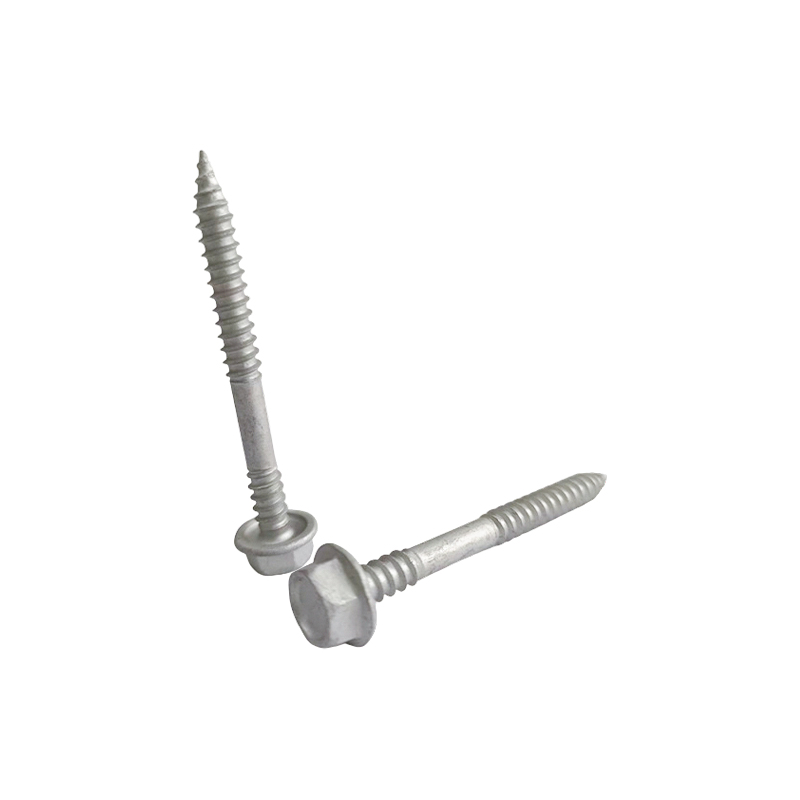
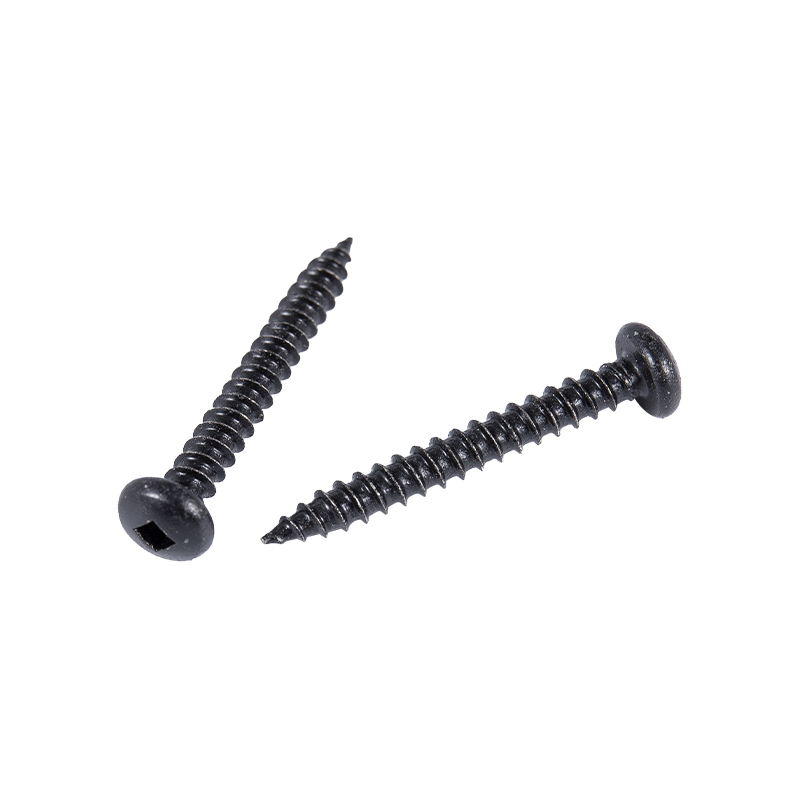
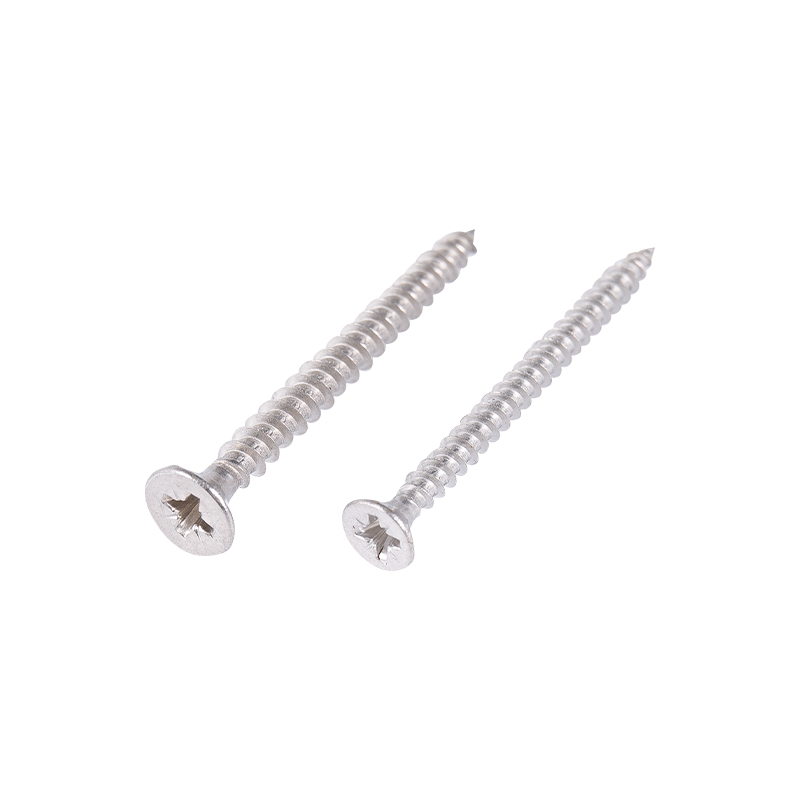
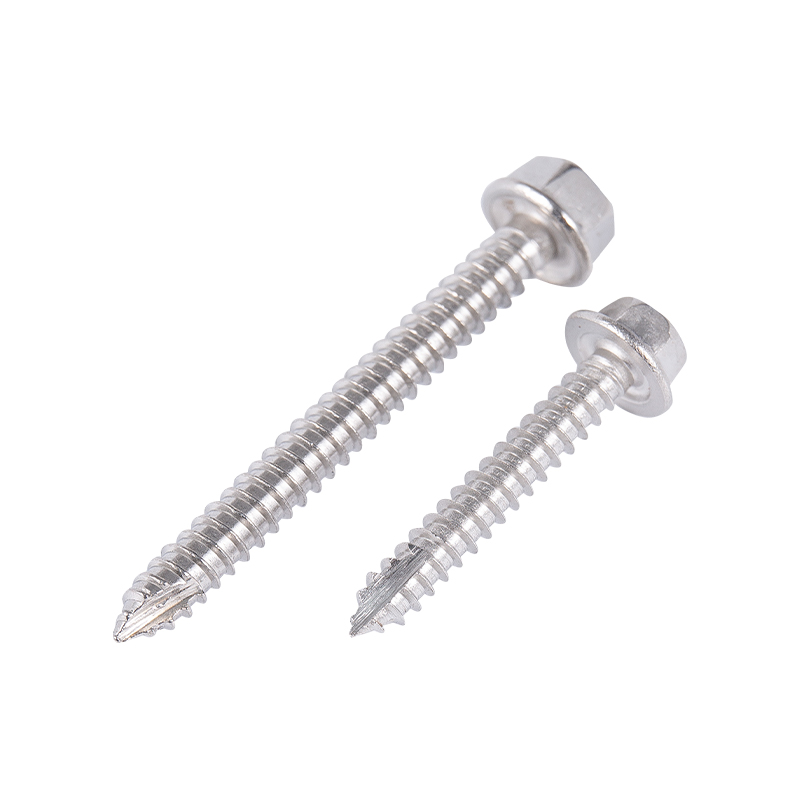
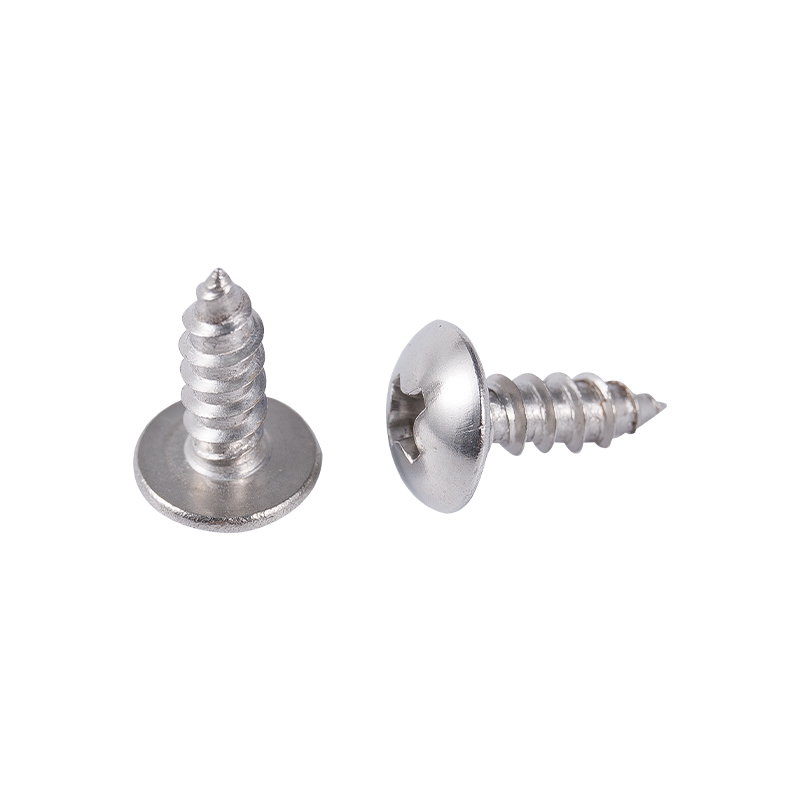
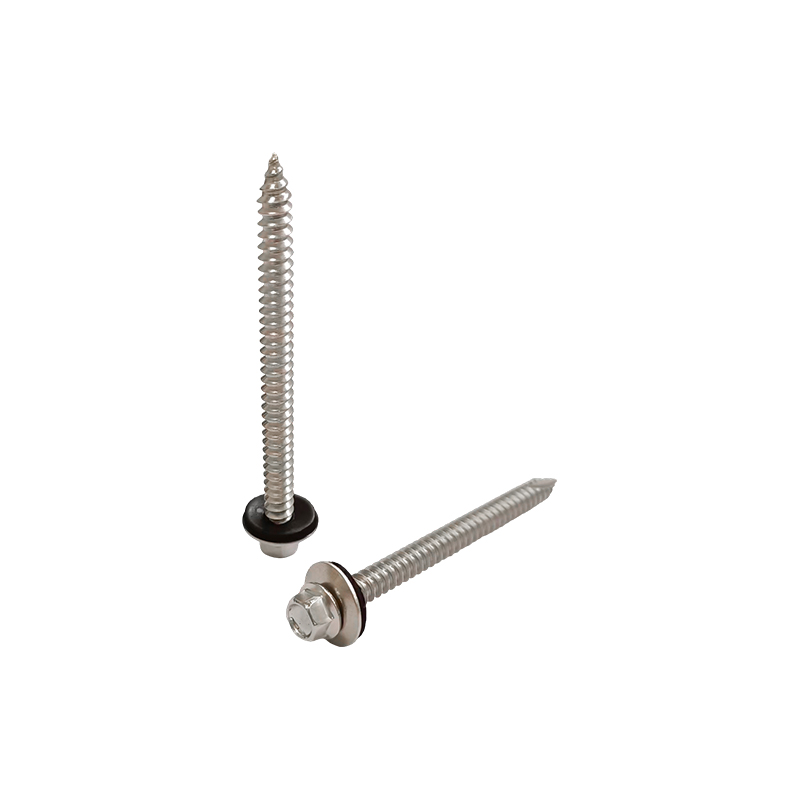
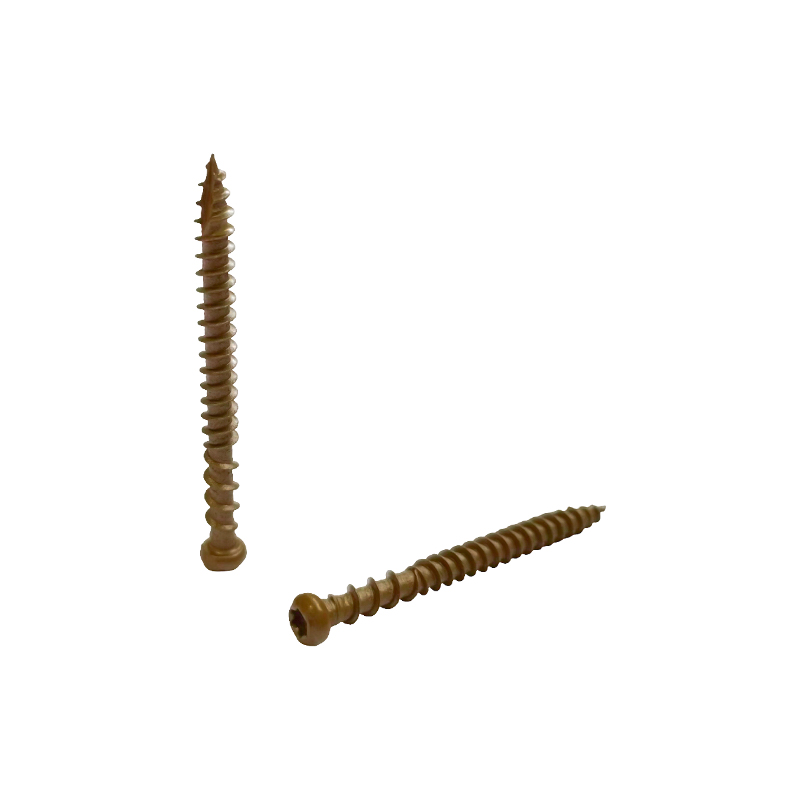
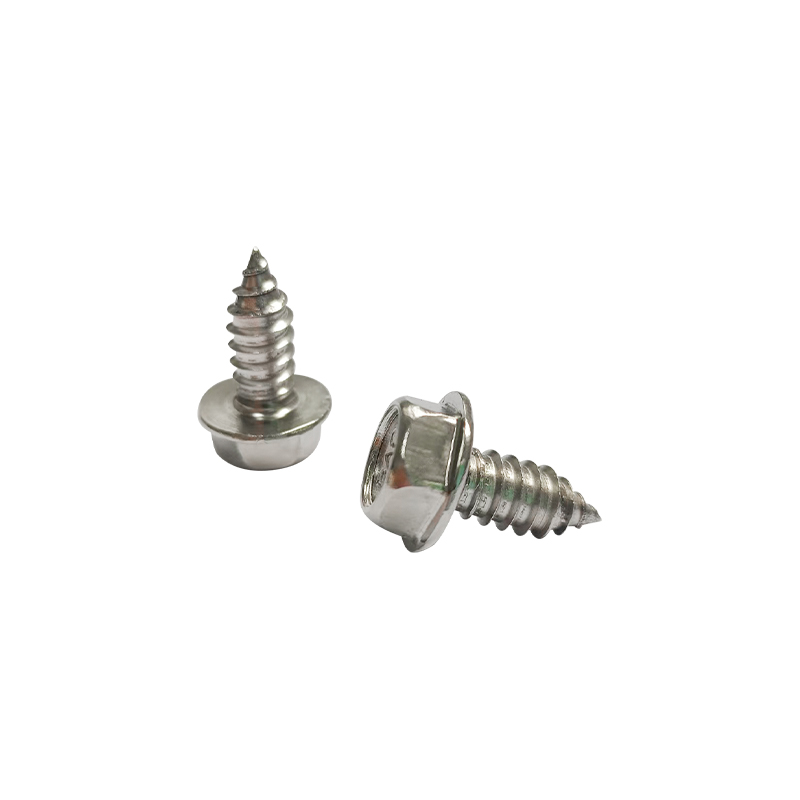
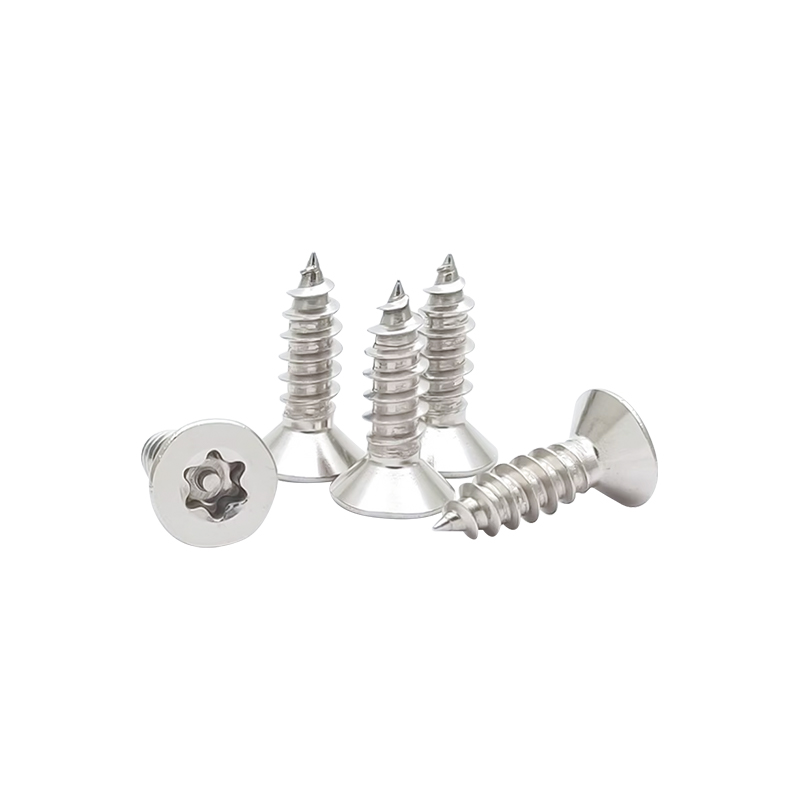
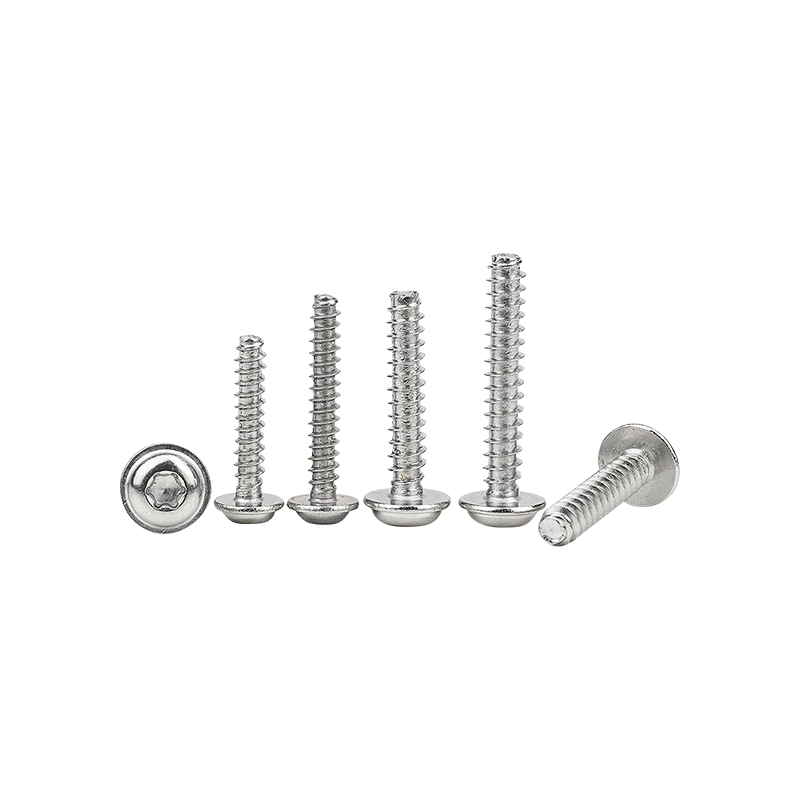
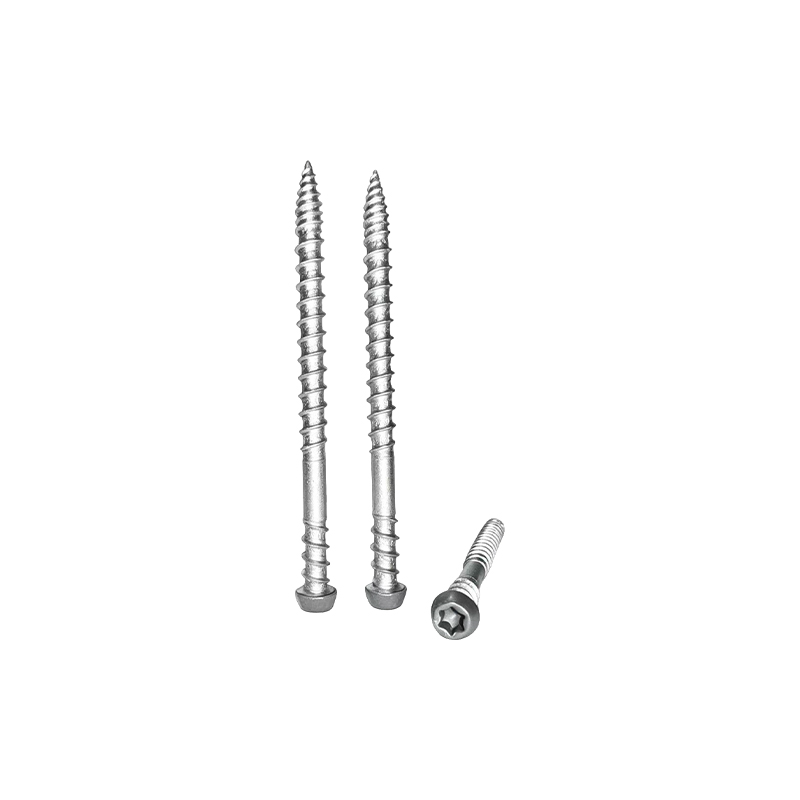
Screws are fasteners that can directly cut into materials and form internal threads without pre-drilling.
Key features:
Point Design: Typically equipped with sharp conical or drill-tail points to facilitate material penetration and minimize the need for pilot holes
Thread Geometry: Characterized by deep, widely spaced threads with strong cutting capabilities, enabling self-threading in plastics, thin metals and other materials
Typical applications:
Fastening color-coated steel plates, light steel keels, and insulation materials
Assembling wooden and plastic components (e.g., cabinets, electrical enclosures)
Securing automotive body panels and circuit boards (requires anti-static treatment)
Installing fences and billboards (requires waterproof or high corrosion-resistant screws)
Founded in
Covered area
Manufacturing equipment
Number of employees
Self-drilling and self-tapping screws are two of the most widely used fasteners in metal constructi...
View MoreA maintenance engineer opens a drawing that specifies 3/8-16 bolts. The supplier asks one question...
View MoreIntroduction In the world of sealing solutions, two terms often surface: Waterproof Washer and rubb...
View MoreInstalling stainless steel machine screws requires more precision than driving a standard carbon st...
View MoreWhen working with Stainless Steel Bolt assemblies, few experiences are as frustrating as a fastener...
View MoreOperating a ZKL-Box-Type Tempering Furnace requires a thorough understanding of both the equipme...
View MoreStainless steel self tapping screws are essential components in modern manufacturing and construction, designed to create their own mating threads when driven into pre-drilled or pre-punched holes. Unlike self drilling screws, these fasteners require a pilot hole but offer superior thread engagement and holding power, making them ideal for applications where joint integrity and vibration resistance are critical.
The unique value of stainless steel self tapping screws lies in their ability to combine the corrosion resistance of austenitic stainless steels with the mechanical performance required for demanding applications. The work hardening characteristics of stainless steel grades such as 304 and 316 provide excellent strength and durability, while the self tapping thread design ensures efficient installation and reliable long-term performance.
The selection of appropriate stainless steel grade significantly influences the performance characteristics of self tapping screws. Grade 304 stainless steel, the most commonly used austenitic alloy, offers excellent corrosion resistance and formability for general purpose applications. For more aggressive environments, Grade 316 provides enhanced resistance to chlorides and acids through the addition of molybdenum, making it suitable for marine and chemical processing applications.
Through careful material selection and processing, manufacturers can achieve the optimal balance between hardness for thread forming and ductility to prevent fracture during installation. Our expertise in metallurgy ensures that each fastener delivers consistent performance, with mechanical properties meeting or exceeding industry standards such as ASTM F837 and ISO 3506.
Selecting the correct thread configuration is essential for achieving optimal fastening performance. Different thread designs are engineered to handle specific material types, thicknesses, and application requirements. The table below outlines common thread configurations and their recommended applications.
| Thread Type | Thread Forming Feature | Recommended Materials | Typical Applications |
|---|---|---|---|
| Type A (Tapping) | Sharp threads with tapered point | Thin sheet metal, aluminium, plastics | HVAC ductwork, electrical enclosures, light assemblies |
| Type AB (Self Tapping) | Fine threads with blunt point | Thicker sheet metal, die castings, structural steel | Automotive components, heavy equipment, structural connections |
| Type B (Thread Forming) | Specialised lobe geometry for low torque | Soft metals, thermoplastics, composites | Electronics housings, medical devices, consumer products |
| Type C (Thread Cutting) | Cutting edge for chip removal | Hardened steels, stainless steel, cast iron | Machine tooling, industrial equipment, pipe flanges |
While stainless steel inherently provides corrosion resistance, surface finishing can enhance performance for specific applications. Standard mill finishes offer reliable protection for most indoor applications. For enhanced durability and aesthetics, we offer various surface treatments including mechanical polishing, electropolishing, and passivation processes that remove surface contaminants and improve the passive oxide layer.
Our quality control processes include regular salt spray testing to verify corrosion resistance, ensuring that every batch meets the stringent requirements of international standards. For applications demanding specific aesthetic or functional characteristics, we provide custom finishing options tailored to customer specifications.
The unique characteristic of austenitic stainless steels is their ability to work harden during cold forming operations such as thread rolling. This phenomenon increases the surface hardness and tensile strength of the fastener without the need for subsequent heat treatment. Our manufacturing processes leverage this property through precise control of forming parameters, ensuring consistent hardening and optimal mechanical properties.
While heat treatment is not typically applied to standard austenitic stainless steels, we do offer stress relieving operations for specific applications to reduce residual stress and improve dimensional stability. This comprehensive approach to material processing reflects our deep understanding of metallurgy and commitment to delivering superior quality products.
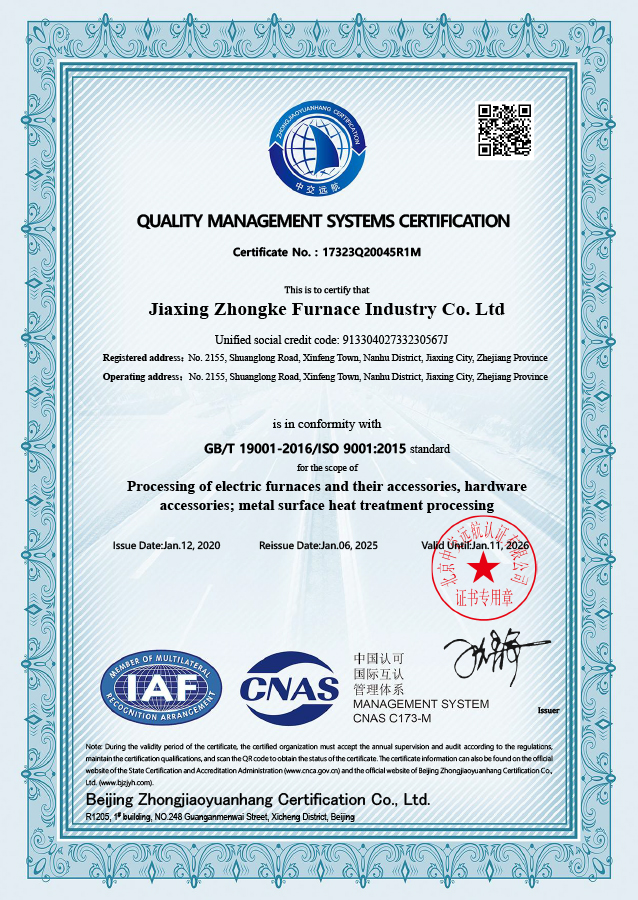
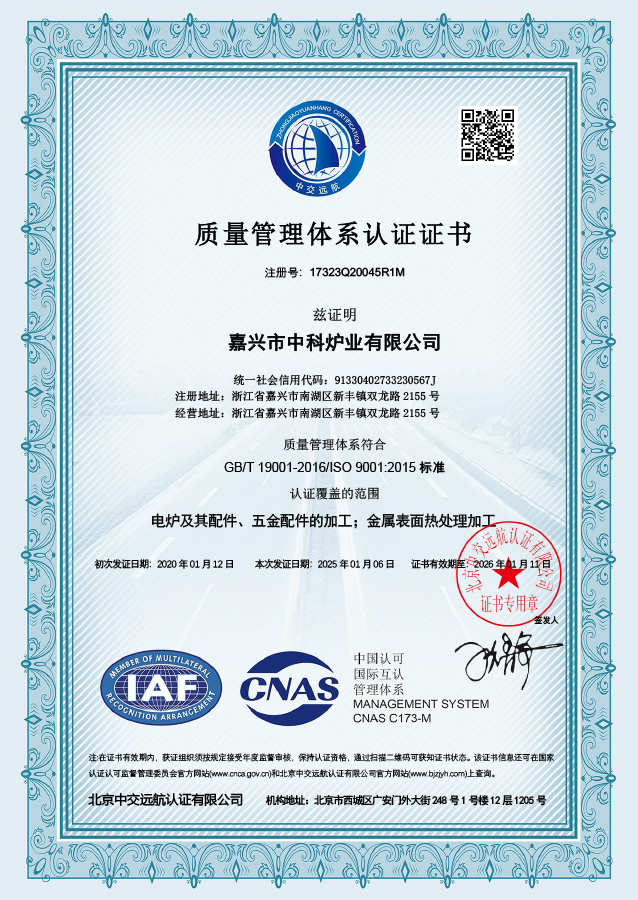
Quality consistency is fundamental to our manufacturing philosophy. Our comprehensive quality management system encompasses in-process inspections at every stage of production, from raw material certification through final packaging. Mechanical property verification includes torque-tension testing, microhardness measurement, and thread gauge inspection to ensure dimensional accuracy and performance consistency.
Each production batch is assigned a unique traceability code, linking it to raw material certificates and process parameters. This complete traceability enables prompt issue resolution and continuous improvement, reflecting our commitment to manufacturing excellence for export markets.
Jiaxing Zhongke Metal Technology Co., Ltd. brings decades of metallurgical expertise and precision manufacturing capabilities to the production of stainless steel self tapping screws. Our integrated approach, from raw material selection to final quality verification, ensures that each fastener delivers consistent, reliable performance for export customers worldwide.
+86-13705735391
+86-18868359082
+86-573-83128088
+86-573-83128123
No. 2155, Shuanglong Road, Nanhu District, Jia Xing City, Zhejiang Province
Copyright © Jiaxing Zhongke Metal Technology Co.,Ltd. All Rights Reserved. Custom SS Stainless Steel Self Tapping Screws Manufacturers, Factory

 English
 Español
 عربى
عربى