English
 Español
 عربى
عربى


Flat Washer Spring Lock Washer
Cat:Metal Washer
Flat washers and spring washers are fastener accessories widely used in industry...
See Details


Engineering Verdict: High Strength Stainless Steel Screws offer tensile strength ranging from 700 MPa (austenitic grades 304, 316) to 1,100-1,500 MPa (martensitic grades 410, 420, 431). Property class 70 (700 MPa) and class 80 (800 MPa) are standard for austenitic stainless, while class 100-120 (1,000-1,200 MPa) is available for cold-worked or precipitation-hardened grades. For corrosion resistance, austenitic grades (304, 316) provide excellent resistance in most environments, with 316 offering superior pitting resistance (PREN 24-26 vs 304's 18-20). Martensitic grades (410, 420) have lower corrosion resistance (similar to 430 stainless) and are not recommended for marine or high-chloride environments without coating. Duplex stainless (2205, 2507) achieves both high strength (800-1,000 MPa) and excellent corrosion resistance (PREN 32-38) but costs 2-3 times more than 304. For outdoor, marine, or chemical applications, 316 stainless with minimum 850 MPa tensile strength is the optimal balance for most industrial and construction uses.
The tensile strength of stainless steel screws is specified by property classes (similar to carbon steel grades 8.8, 10.9, 12.9) but with different numbering. Below is a comprehensive comparison of tensile strengths across stainless steel grades based on ISO 3506-1 (mechanical properties of corrosion-resistant stainless steel fasteners).
| Grade / Material | Property Class | Min Tensile Strength (MPa) | Min Proof Stress (MPa) | Hardness (HRC) | Typical Applications |
|---|---|---|---|---|---|
| 304 / 304L (Austenitic) - | 50, 70 - | 500-700 MPa - | 210-450 MPa - | <22 - | General purpose, indoor, light structural - |
| 316 / 316L (Austenitic) - | 50, 70 - | 500-700 MPa - | 210-450 MPa - | <22 - | Marine, chemical, outdoor, food processing - |
| 410 (Martensitic) - | 70, 80 - | 700-900 MPa - | 550-700 MPa - | 25-35 - | High strength, wear resistance, moderate corrosion - |
| 431 (Martensitic) - | 80, 100 - | 800-1,000 MPa - | 650-850 MPa - | 28-38 - | Pump shafts, valves, high-strength fasteners - |
| 630 (17-4 PH) Precipitation hardening - | 100, 120 - | 1,000-1,200 MPa - | 850-1,050 MPa - | 33-42 - | Aerospace, nuclear, high-load structural - |
| Duplex 2205 (Austenitic-ferritic) - | 70, 80, 100 - | 700-1,000 MPa - | 500-800 MPa - | 25-35 - | Offshore, chemical tankers, high corrosion + strength - |
Understanding property classes for stainless screws. Unlike carbon steel screws marked 8.8, 10.9 (where first number is 1/100 of tensile strength in MPa), stainless screws use a single or two-digit property class: Class 50 (500 MPa min tensile), Class 70 (700 MPa), Class 80 (800 MPa). Class 100 (1000 MPa) is available for precipitation-hardened grades. The property class is stamped on the screw head (e.g., A2-70 for 304 stainless, Class 70; A4-80 for 316 stainless, Class 80). For high strength applications, specify A4-80 (316, 800 MPa) or higher. Never assume all stainless screws are high strength – standard A2-50 (304, 500 MPa) has only 60-70 percent of the strength of a carbon steel grade 8.8 screw (800 MPa).
Cold working increases strength without heat treatment. Austenitic stainless steels (304, 316) cannot be heat-treated for strengthening. However, cold working (thread rolling, head forming, and wire drawing) increases tensile strength. A screw made from cold-worked wire can achieve Class 80 (800 MPa) vs Class 50-70 for non-cold-worked. For applications requiring over 800 MPa, martensitic or precipitation-hardening grades are necessary. However, these grades have lower corrosion resistance (see Section 2).
Real-world tensile requirements by application:
Case example: A coastal dock construction project used A2-70 (304, 700 MPa) screws for railing connections. After 18 months, 30 percent showed crevice corrosion at thread roots (see Section 2), requiring replacement. The replacement used A4-80 (316, 800 MPa) screws with PTFE coating. After 4 years, zero corrosion and no strength degradation – despite the same tensile class, the 316 alloy's superior pitting resistance proved critical in the marine environment.
Testing method for tensile strength (ISO 3506-1): Screws are placed in a tensile testing machine and pulled until fracture. The maximum force divided by the stress area (calculated from thread pitch diameter) gives tensile strength. For M6 screws (6mm diameter), Class 70 requires minimum 7,000 Newtons force (approx 700 kg load). For M10, minimum 20,000 Newtons (approx 2,000 kg). Always verify that the screw's tensile strength exceeds the maximum expected service load by a safety factor of 4-6 for critical applications.
Stainless steel's corrosion resistance comes from a passive chromium oxide layer. However, different alloying elements (chromium, nickel, molybdenum, nitrogen) significantly affect resistance to pitting, crevice corrosion, and stress corrosion cracking. Below is a detailed comparison based on standardized testing and field performance.
| Grade | PREN (Pitting Resistance) | Salt Spray Resistance (ASTM B117) | Chloride Limit (ppm) | Marine Suitability | Chemical Resistance |
|---|---|---|---|---|---|
| 304 (A2) - | 18-20 - | 200-400 hours to red rust - | <200 ppm - | Poor (crevice corrosion common) - | Good for mild acids - |
| 316 (A4) - | 24-26 - | 600-1,000 hours - | 1,000-2,000 ppm - | Good (coastal, moderate immersion) - | Excellent for most chemicals - |
| 431 (Martensitic) - | 16-18 - | 100-200 hours - | <150 ppm - | Limited (indoor only) - | Moderate with coating - |
| 630 (17-4 PH) - | 16-18 - | 200-400 hours - | <150 ppm - | Poor to moderate - | Good for specific media - |
| Duplex 2205 - | 32-38 - | 1,500-2,500+ hours - | 10,000+ ppm - | Excellent (submerged, splash zone) - | Excellent for chlorides, acids - |
PREN (Pitting Resistance Equivalent Number) is the key metric. PREN = %Cr + 3.3 x %Mo + 16 x %N. Higher PREN means better resistance to pitting in chloride environments. 304 (PREN 18-20) is suitable for indoor and rural outdoor use. 316 (PREN 24-26) adds 2-3 percent molybdenum, significantly improving pitting resistance. For marine splash zones or swimming pools (high chlorine), PREN above 32 is recommended – duplex 2205 or super austenitic grades (904L, 254SMO). For submerged marine applications, PREN above 40 is required (special grades not common in standard screw products).
Martensitic grades (410, 420, 431) have lower corrosion resistance. Because these grades have lower chromium (12-14 percent vs 18 percent for 304) and little to no nickel or molybdenum, their PREN is 14-18 – similar to 430 stainless. They will rust in outdoor environments, especially near coasts or in industrial atmospheres. If high strength (1,000-1,200 MPa) is required for an outdoor application, the martensitic screw must be coated (zinc plating, Dacromet, or PTFE). Uncoated 410 screws show red rust within 50-150 hours in salt spray testing – equivalent to 2-6 weeks of coastal exposure. For marine use, never select martensitic without coating.
Special corrosion risks for fasteners: Screws are particularly vulnerable to crevice corrosion and galvanic corrosion. Crevice corrosion occurs in the thread valleys where oxygen levels are low. 316 is far more resistant than 304, but even 316 will experience crevice corrosion if assembled in stagnant seawater for months. Galvanic corrosion occurs when stainless steel contacts a less noble metal (aluminum, carbon steel) in an electrolyte (salt water). The stainless steel acts as a cathode, accelerating corrosion of the other metal. Solutions: isolate with nylon washers, use compatible materials, or apply sealant to prevent electrolyte ingress.
Salt spray test results (ASTM B117) for common grades (M6 screws, 500 hours exposure):
Corrosion resistance by environment:
For the High Strength Stainless Steel Screws used in demanding environments, the optimal choice balances tensile strength and corrosion resistance. For high strength (800+ MPa) AND good corrosion resistance, options are limited: A4-80 (316, cold-worked to 800 MPa) is the most common. For 1,000+ MPa with corrosion resistance comparable to 316, duplex 2205 or 17-4 PH (630) are required, but both cost significantly more and have lower availability. For most industrial applications requiring both high strength and corrosion resistance, A4-80 (316, Class 80) provides the best value, offering 800 MPa tensile strength and excellent pitting resistance (PREN 24-26).
Based on the data above, use this framework to select the appropriate High Strength Stainless Steel Screws for your specific needs.
Grade: 304 (A2-50 or A2-70). Tensile: 500-700 MPa. Corrosion: Acceptable indoors. Cost: $ (baseline). Applications: Furniture assembly, electronics, drywall, appliances.
Grade: 304 (A2-70) or 316 (A4-70) for longevity. Tensile: 700 MPa. Corrosion: 304 adequate for 10-20 years inland. Cost: $-$$. Applications: Deck railing, sign mounting, structural brackets.
Grade: 316 (A4-80) minimum. Tensile: 800 MPa. Corrosion: 600+ hour salt spray. Cost: $$. Applications: Dock hardware, coastal buildings, boat accessories, outdoor railings within 5km of ocean.
Grade: Duplex 2205 or super duplex. Tensile: 800-1,000 MPa. Corrosion: 2,000+ hour salt spray, PREN 32-38. Cost: $$$$. Applications: Boat through-hull fittings, offshore platform fasteners, seawater pumps.
Grade: 316 (A4-80) or 316 with PTFE coating. Tensile: 700-800 MPa. Corrosion: Resists chlorine up to 2,000 ppm. Cost: $$-$$$. Applications: Pool ladders, chemical plant flanges, wastewater treatment equipment.
Grade: 410 or 431 martensitic with zinc or PTFE coating. Tensile: 900-1,000 MPa. Corrosion: Coating-dependent. Cost: $$-$$$. Applications: High-load machinery, automotive (non-exterior), industrial equipment (indoor).
The High Strength Stainless Steel Screws market requires careful alloy selection – tensile strength and corrosion resistance often trade off. Austenitic grades (304, 316) offer the best corrosion resistance but lower strength (max 800 MPa). Martensitic and PH grades offer higher strength (1,000-1,200 MPa) but lower corrosion resistance, requiring coatings for outdoor use. For most demanding applications (coastal construction, chemical plants, food processing), A4-80 (316, Class 80) provides the optimal balance: 800 MPa tensile strength and PREN 24-26 corrosion resistance. For extreme environments (continuous seawater immersion, high-chloride chemicals), upgrade to duplex stainless (PREN 32-38) despite the 2-3x cost premium. Always request material test reports (MTR) for critical applications – verify both tensile test results (ISO 3506-1) and pitting resistance (ASTM G48 for ferric chloride testing). With proper grade selection and coating specification, high strength stainless screws deliver 20-50 years of maintenance-free service.
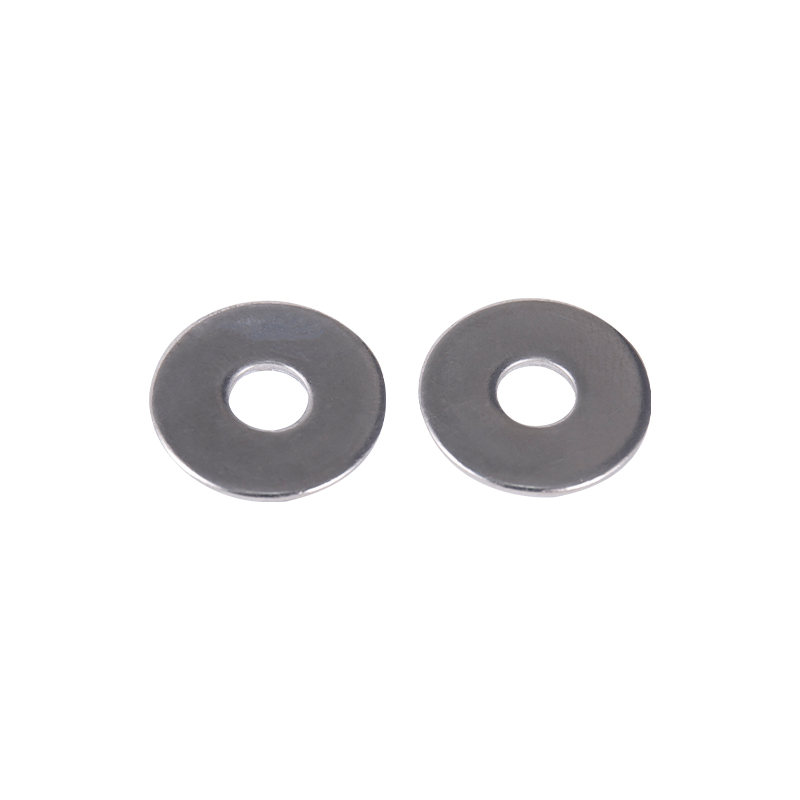
Flat washers and spring washers are fastener accessories widely used in industry...
See Details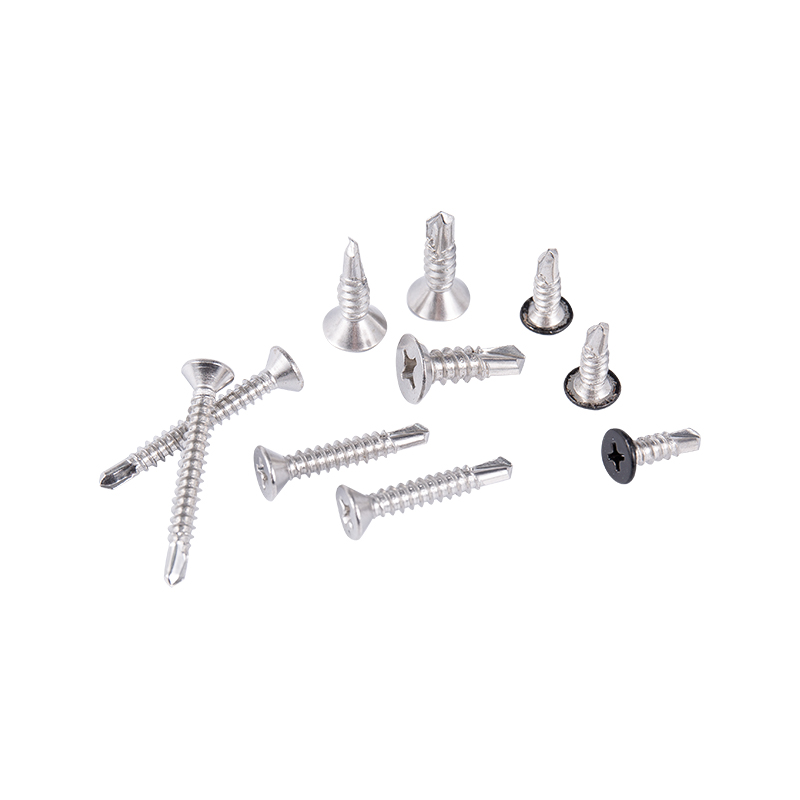
Countersunk self-drilling screws are widely used in furniture manufacturing, arc...
See Details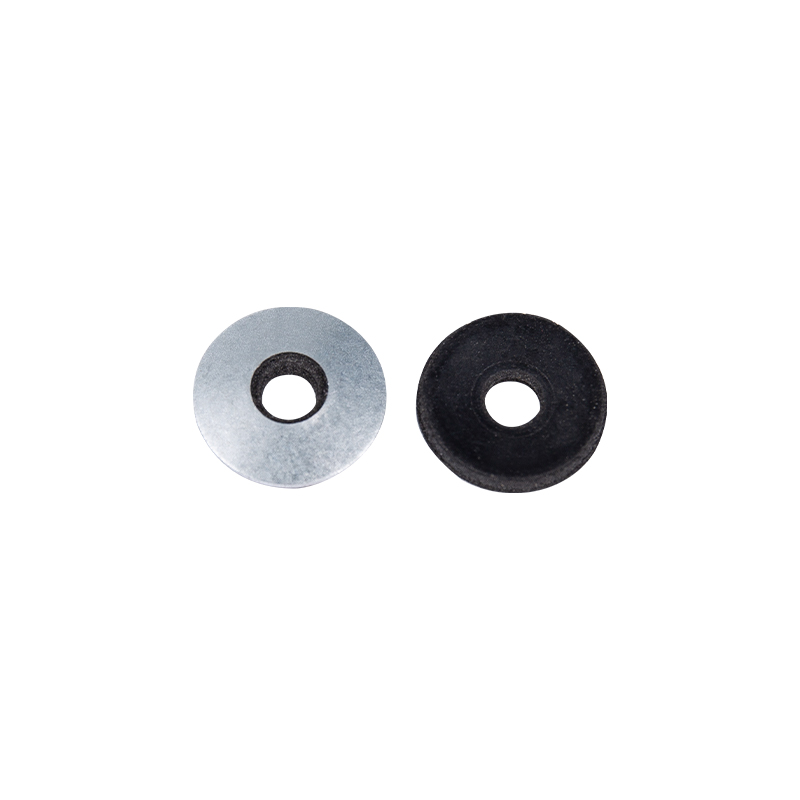
Monomer gaskets and conjoined gaskets are two types of sealing materials widely ...
See Details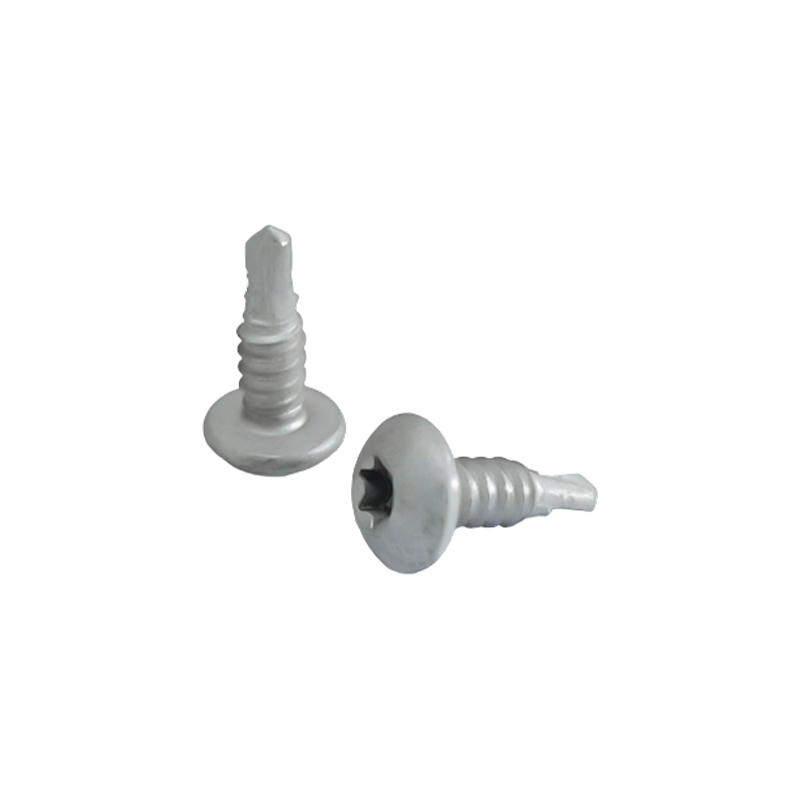
The Pand Head Hexalobular Suture Screw features a hexalobular (Torx) head design...
See Details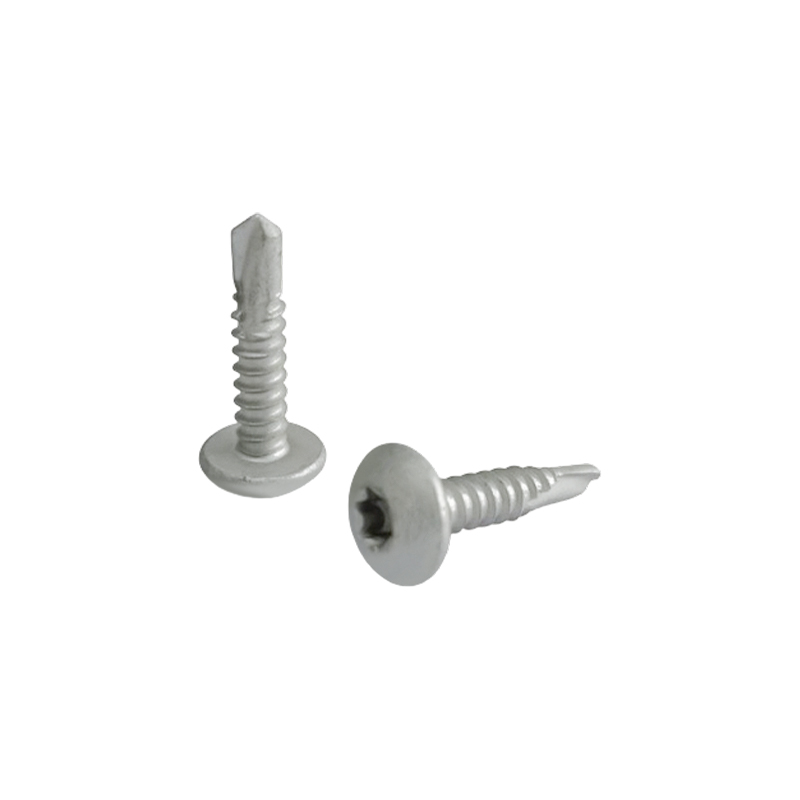
This Pan Head Hexalobular Self Drilling Screw features a specification of 12#-14...
See Details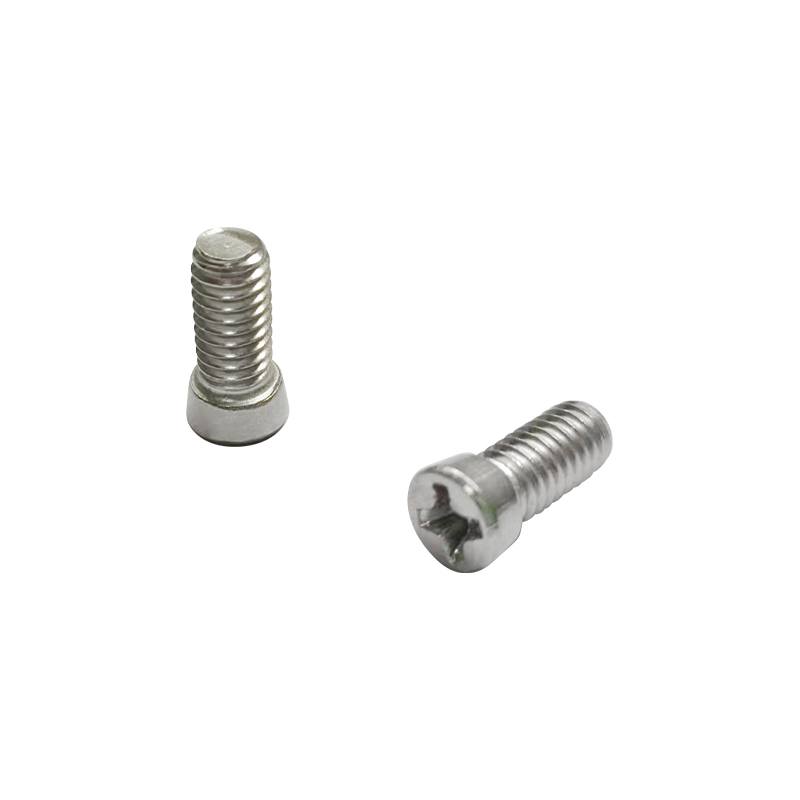
This Cylinder Head Cross Recessed Machine Screw features a specification of M5-0...
See Details+86-13705735391
+86-18868359082
+86-573-83128088
+86-573-83128123
No. 2155, Shuanglong Road, Nanhu District, Jia Xing City, Zhejiang Province
Copyright © Jiaxing Zhongke Metal Technology Co.,Ltd. All Rights Reserved.Custom High Strength Stainless Steel Fasteners Manufacturers Provider