Get Touch
>>
Content
* Molybdenum and Pitting Resistance: The fundamental difference in 304 vs 316 stainless steel plasterboard screws lies in the addition of 2% to 3% Molybdenum in the 316 grade. In high-humidity zones or coastal construction, stainless steel plasterboard screws are exposed to localized chloride ions. Molybdenum significantly increases the Pitting Resistance Equivalent Number (PREN), which is the primary metric for preventing localized pitting in drywall fasteners.
* Passive Oxide Layer Stability: Both 304 and 316 stainless steel plasterboard screws rely on a chromium-rich passive film. However, in chemically aggressive environments—such as bathrooms or indoor pool enclosures—the chemical composition of 316 stainless screws provides superior stability. This prevents the microscopic breach of the oxide layer, which is the main cause of rust streaks on plasterboard.
* Austenitic Structure and Ductility: Utilizing 304 grade stainless steel for drywall applications ensures high ductility. While 304 is sufficient for standard non-corrosive damp areas, the A4-70 stainless steel screw classification (316) is the engineering standard for environments where atmospheric salt or chemical cleaning agents are present.
* Withdrawal Strength in Moisture-Resistant Boards: The effectiveness of stainless steel plasterboard screws depends on the coarse thread vs fine thread for plasterboard selection. For moisture-resistant (green) or fire-rated (pink) gypsum, a coarse thread provides the maximum withdrawal strength in plasterboard by engaging a larger volume of the gypsum core, reducing the risk of the screw stripping the substrate during high-torque drywall installation.
* Bugle Head Dynamics and Surface Integrity: To maintain a professional Ra surface finish, stainless steel plasterboard screws utilize a bugle head design. This geometry allows the fastener to sink into the paper liner without tearing the structural fibers. This is essential for preventing paper liner failure in drywall fastening, ensuring that the fastener head is properly recessed for subsequent joint compound application.
* Drill Point Hardness and Penetration: Because stainless steel is naturally more ductile than carbon steel, driving stainless screws into metal studs requires a sharp, precision-engineered point. If the metal gauge exceeds 0.9 mm, preventing tip dulling in stainless steel fasteners becomes a priority, often requiring 410 hardened tips or bi-metal plasterboard screw technology to penetrate the steel without excessive heat generation.
The following table details the technical parameters for selecting the stainless steel plasterboard screws based on environmental exposure and mechanical requirements.
| Technical Specification | 304 (A2) Stainless Steel | 316 (A4) Stainless Steel |
| Chromium Content (%) | 17.5 - 19.5 | 16.5 - 18.5 |
| Molybdenum Content (%) | 0 (None) | 2.0 - 2.5 |
| Salt Spray Resistance | Moderate (up to 500 hrs) | High (1000+ hrs) |
| Yield Strength (N/mm2) | Approx. 210 | Approx. 220 |
* Galvanic Corrosion Risks: When stainless steel plasterboard screws are used in conjunction with galvanized steel tracks, a potential difference exists. However, the galvanic compatibility of stainless screws and zinc coatings is generally favorable in indoor settings, as the surface area of the stainless fastener is small relative to the galvanized framing, effectively reducing the risk of bimetallic corrosion.
* Resistance to Gypsum Additives: Modern plasterboards often contain fire retardants or anti-mold chemicals. The corrosion of fasteners in fire-rated drywall can be accelerated by these additives when moisture is present. Using 316 grade stainless steel plasterboard screws ensures that the fastener core remains intact despite the acidic or alkaline nature of the surrounding gypsum matrix.
* Fastener Longevity in High-Humidity: For projects in tropical climates or high-moisture industrial zones, the lifespan of stainless steel plasterboard screws far exceeds that of zinc-plated or phosphate-coated carbon steel. This long-term durability is critical for preventing fastener head snapping over time due to internal oxidation and stress corrosion cracking.
1. Why should I use 316 stainless instead of 304 for a bathroom renovation?
316 stainless steel plasterboard screws contain Molybdenum, which specifically targets preventing localized pitting in drywall fasteners caused by the humidity and cleaning chemicals typically found in bathroom environments.
2. Do stainless steel plasterboard screws require pre-drilling?
In standard gypsum and light-gauge timber or metal studs (up to 0.6 mm), they do not. However, driving stainless screws into heavy metal studs may require a pilot hole because stainless is less brittle and more prone to "walking" on the surface than hardened carbon steel.
3. Can I use these screws for outdoor soffits?
Yes, stainless steel plasterboard screws are the preferred choice for outdoor ceiling boards and soffits to prevent the appearance of rust "bleeding" onto the finished surface.
4. Is the bugle head different on stainless screws compared to standard drywall screws?
The geometry is similar, but the self-countersinking ability of stainless screws may be slightly lower due to material hardness. A high-quality stainless steel plasterboard screw will have optimized ribs under the head to help it seat flush.
5. How do I prevent the screw head from snapping during installation?
To avoid head snapping in stainless fasteners, ensure your impact driver torque is calibrated. Stainless steel has a lower breaking torque of drywall screws than hardened steel, so a depth-sensing nosepiece is highly recommended.
* ISO 3506-1: Mechanical properties of corrosion-resistant stainless steel fasteners - Part 1: Bolts, screws and studs.
* ASTM C1002: Standard Specification for Steel Self-Piercing Tapping Screws for Application of Gypsum Panel Products.
* ASTM G48: Standard Test Methods for Pitting and Crevice Corrosion Resistance of Stainless Steels and Related Alloys.
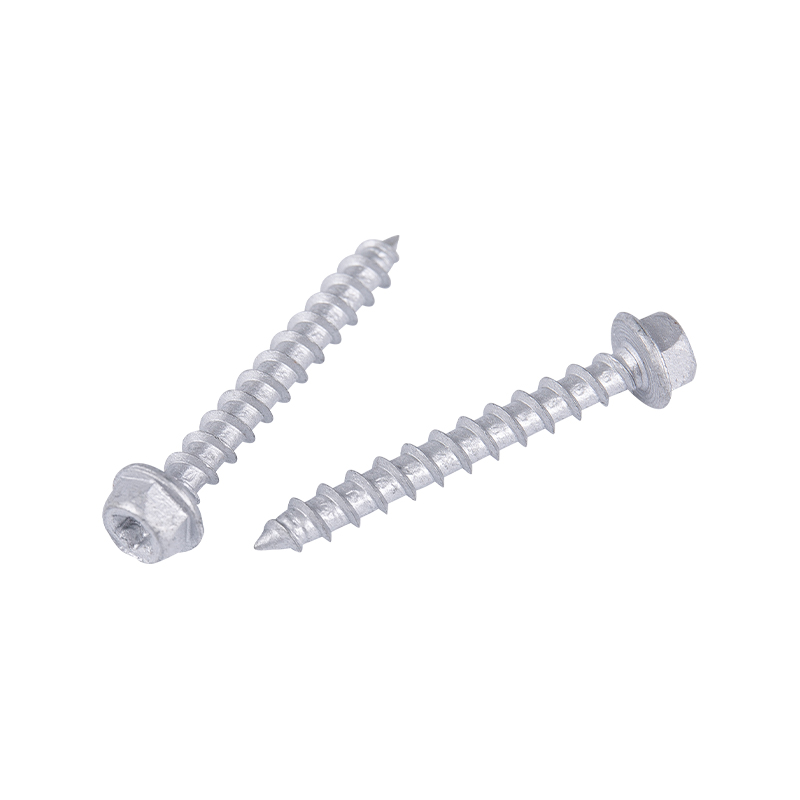
Wood screws are a type of fastener designed specifically for wood and are widely...
See Details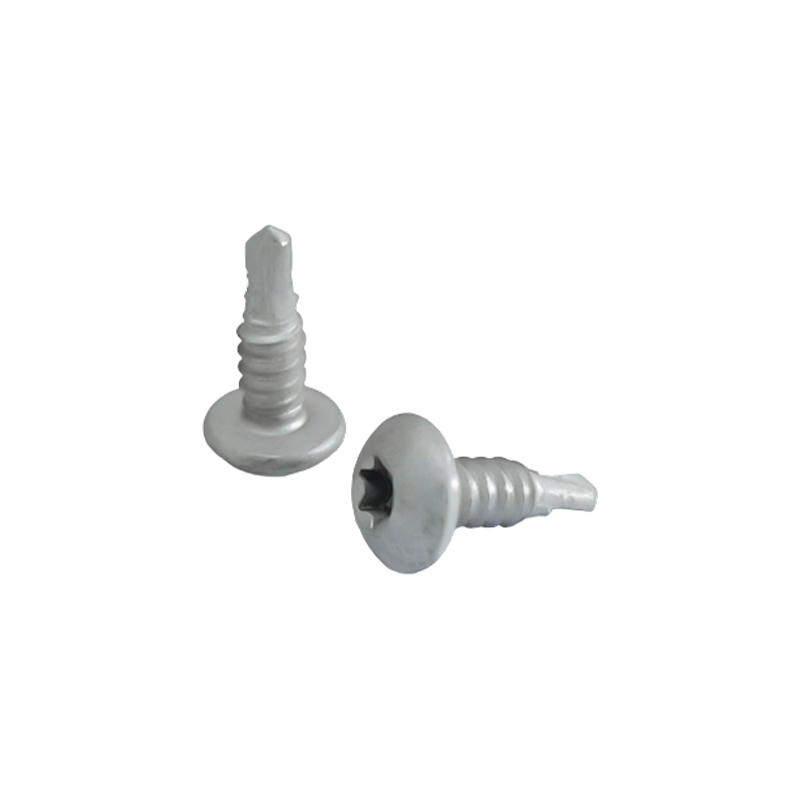
The Pand Head Hexalobular Suture Screw features a hexalobular (Torx) head design...
See Details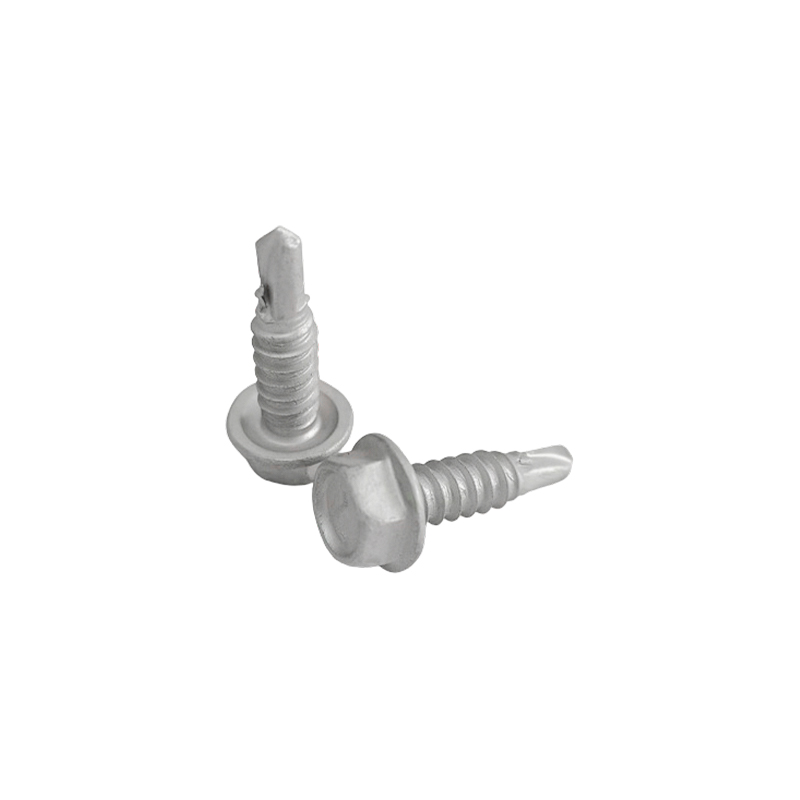
These hexagonal flanged stitching bolts are available in sizes from 1/4 to 14*7/...
See Details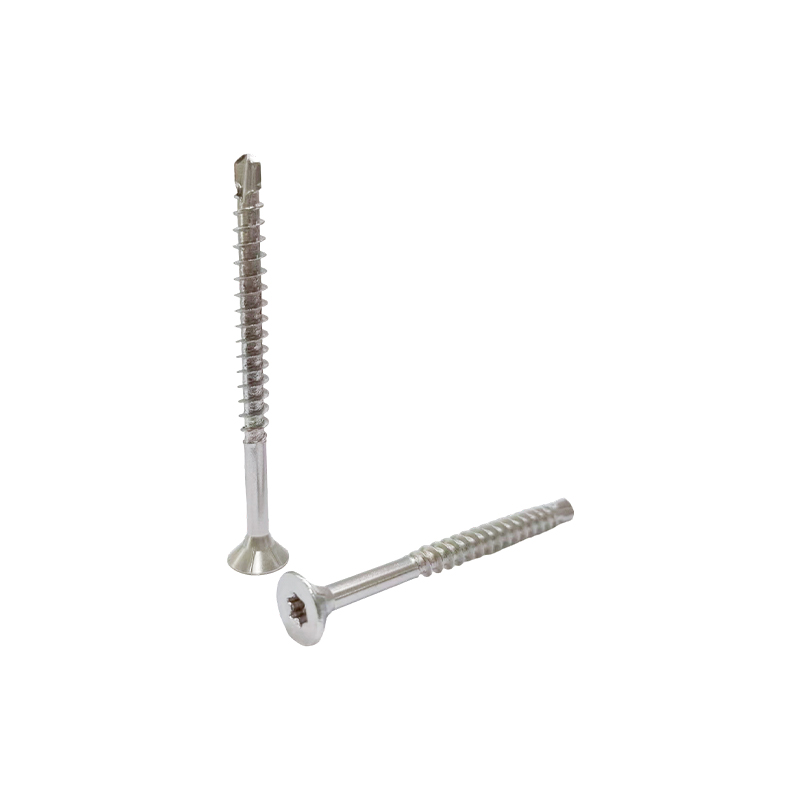
The Double Countersunk Hexalobular Six-Bevel Rib Milled Tail Chipboard Screw is ...
See Details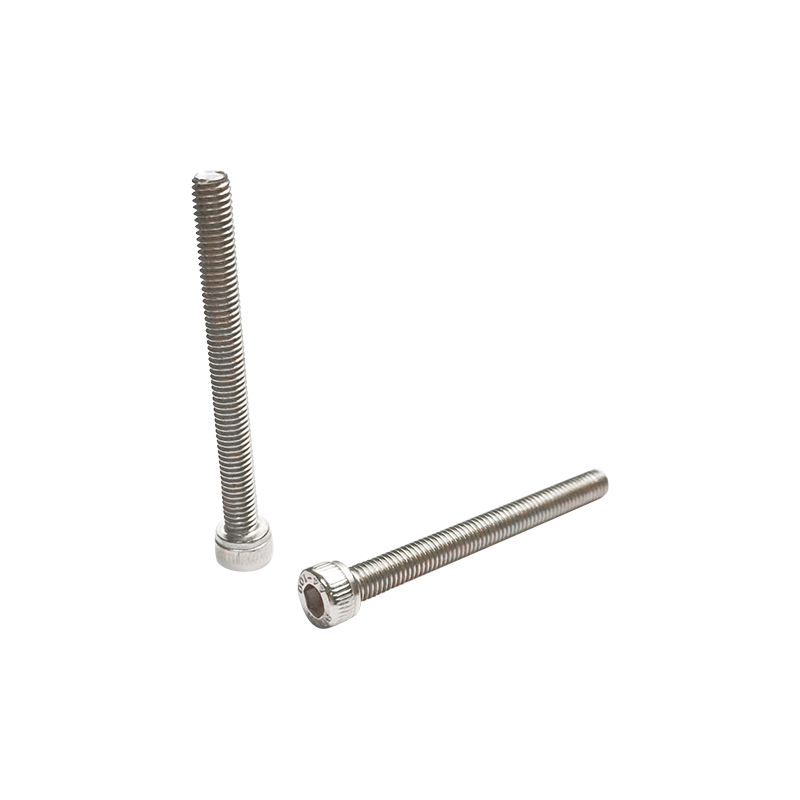
The Socket Cap Head Internal Hexagonal Machine Screw is a threaded fastener char...
See Details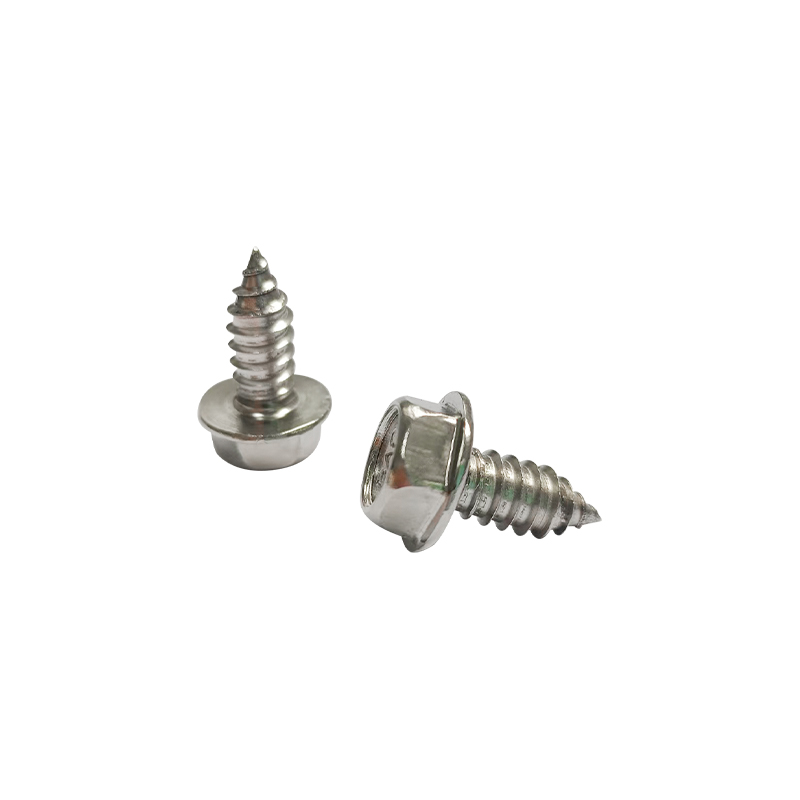
The Hex Head Self Tapping Screw is a threaded fastener with a hexagonal head and...
See Details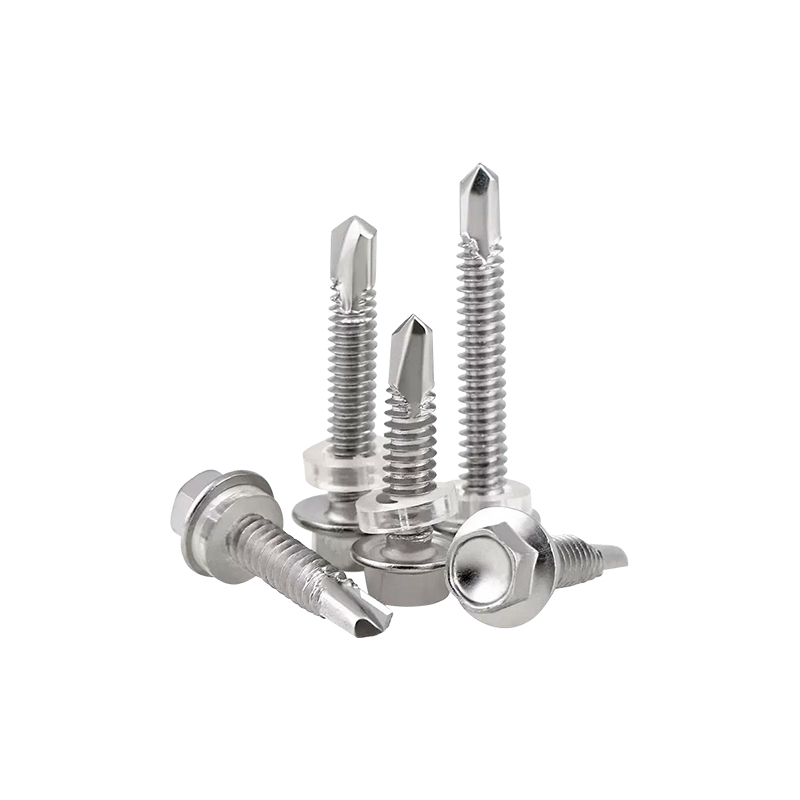
This Hex Flange Head Self Drilling Screw with EPDM Washer offers a thread size r...
See Details+86-13705735391
+86-18868359082
+86-573-83128088
+86-573-83128123
No. 2155, Shuanglong Road, Nanhu District, Jia Xing City, Zhejiang Province
Copyright © Jiaxing Zhongke Metal Technology Co.,Ltd. All Rights Reserved.Custom High Strength Stainless Steel Fasteners Manufacturers Provider

 English
 Español
 عربى
عربى