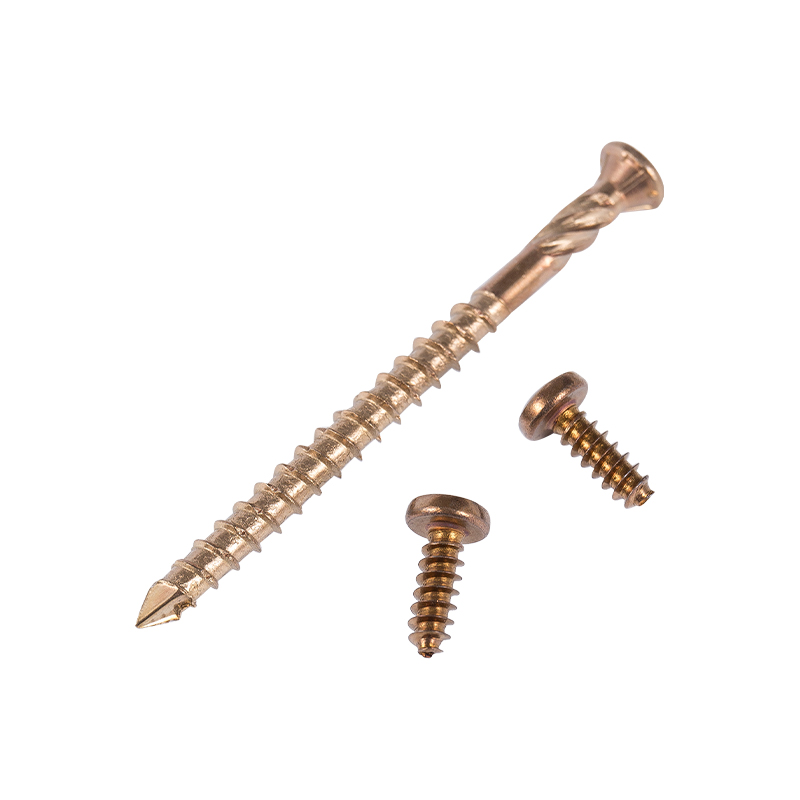
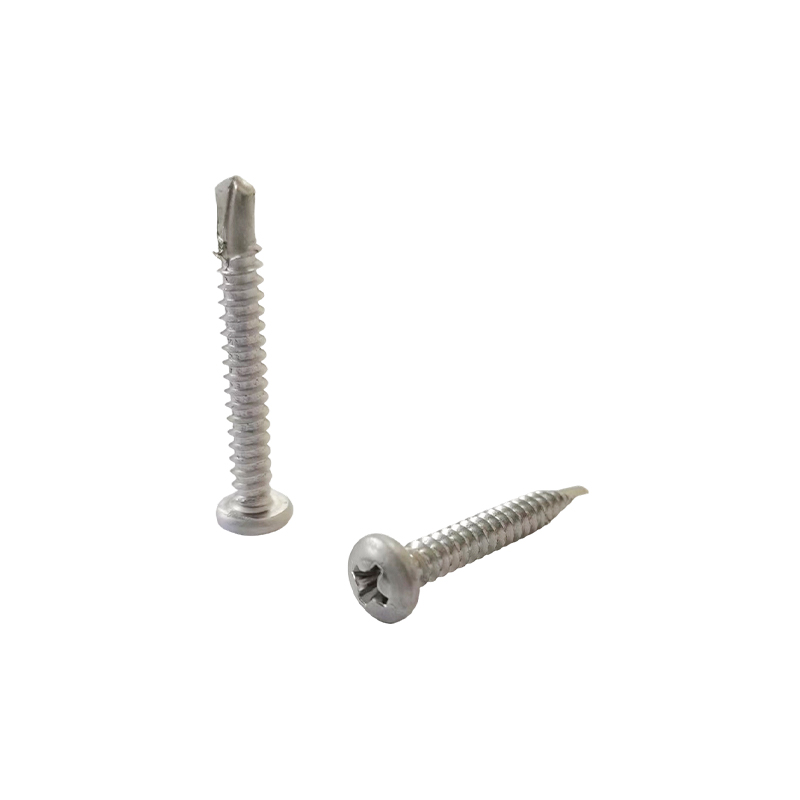
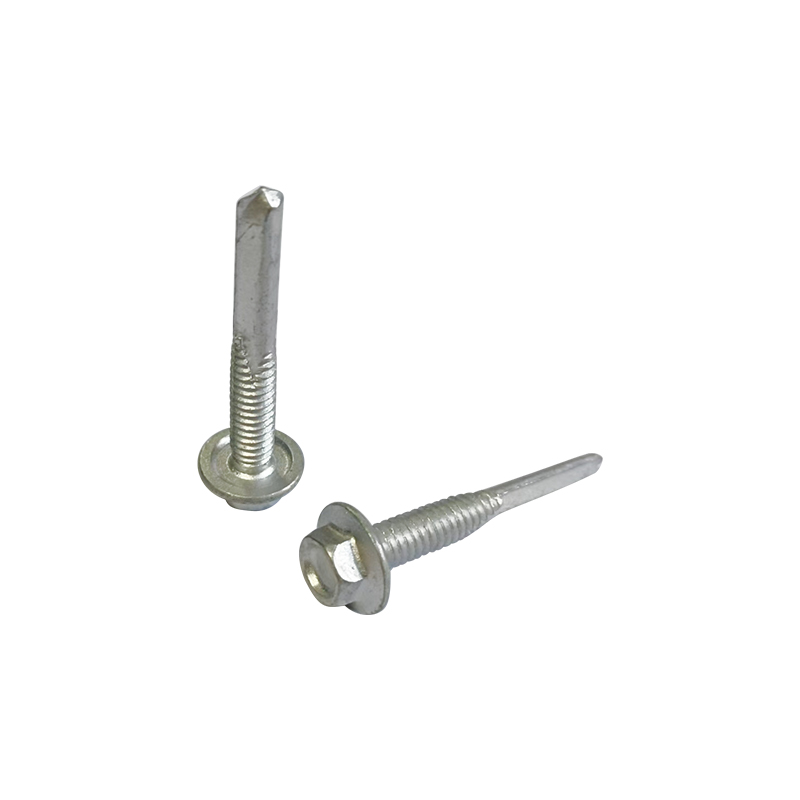
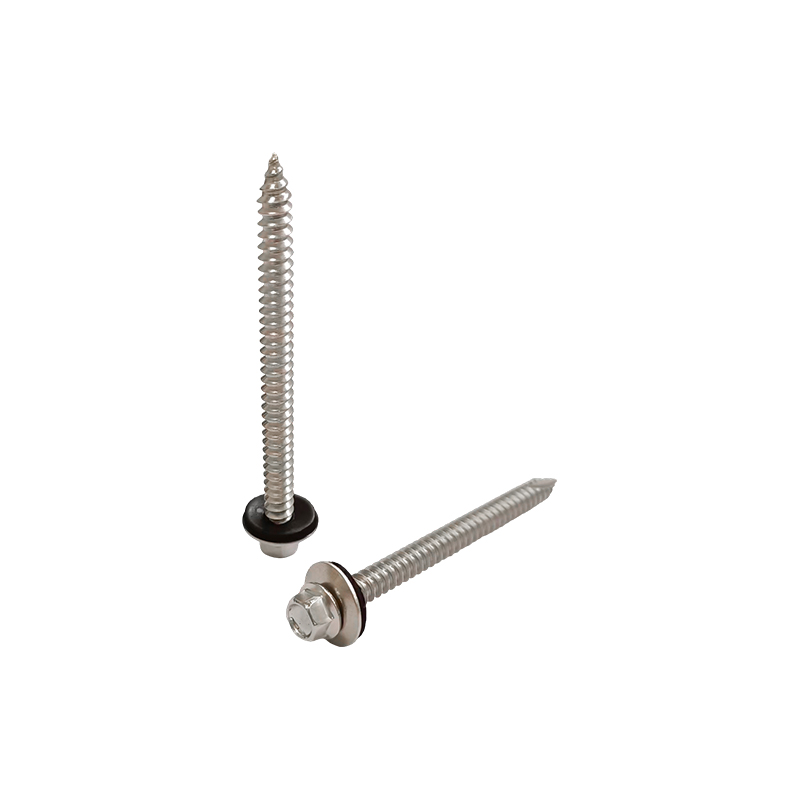
For contractors, metal fabricators, and industrial sourcing professionals, selecting the correct fastener for metal-to-metal or metal-to-wood connections is a critical decision that affects structural integrity, installation speed, and long-term corrosion resistance. Self tapping screws require a pre-drilled pilot hole, while self drilling screws eliminate this separate step by incorporating a drill point that creates its own hole. Stainless steel self drilling screws combine the time-saving benefit of drill points with the corrosion resistance of stainless steel, making them the preferred choice for metal roofing, steel framing, HVAC ductwork, and outdoor applications. This technical guide compares stainless steel self drilling screws against self tapping screws, focusing on drill point types, material grades, corrosion resistance, head styles, and application-specific performance for construction and industrial assembly.
1. Defining Stainless Steel Self Drilling Screws: Structure and Operating Principle
A stainless steel self drilling screw is a fastener that combines a drill point and threading on a single shank, allowing it to drill, tap, and fasten in one continuous operation. Unlike a standard screw that requires a pre-drilled pilot hole, the self drilling screw has a cutting tip that resembles a small drill bit. When driven by a power tool at appropriate speed, the drill point penetrates the material, creating a hole. The threads then engage with the sides of the hole, forming a secure joint. The screw is made from stainless steel, which provides excellent corrosion resistance compared to carbon steel or zinc-plated alternatives. The manufacturing process involves cold heading to form the head and shank, thread rolling to create the threads, and a specialized pointing operation to grind the drill point geometry. The drill point must be hardened to cut metal. For stainless steel self drilling screws, the drill point is typically induction-hardened to achieve the necessary hardness (45 to 55 HRC) while the rest of the screw remains slightly softer to maintain ductility and avoid brittle failure under torque. For detailed technical specifications, sourcing professionals can refer to
stainless steel self drilling screws product pages for material data sheets and test reports.
2. Self Drilling vs. Self Tapping: Fundamental Difference in Fastening Mechanism
The distinction between self drilling and self tapping screws is frequently misunderstood, yet it is critical for correct fastener selection. A self tapping screw has a pointed tip but no cutting flutes. It requires a pre-drilled pilot hole. The screw then cuts or forms threads into the sides of that hole as it is driven. Self tapping screws are suitable for thin materials or soft materials where pre-drilling is not overly time-consuming. A self drilling screw has a drill point with cutting flutes similar to a twist drill bit. It does not require a pre-drilled hole. The drill point penetrates the material, then the threads engage. Self drilling screws are faster to install because they eliminate the separate drilling step. However, they have higher material cost. For applications involving multiple fasteners (e.g., metal roofing with hundreds of screws per roof), the labor savings of self drilling screws often outweigh the higher material cost. For thick materials (above 6 mm), even self drilling screws may require a pilot hole because the drill point has limited length. The table below summarizes key differences.
| Feature |
Self Drilling Screw |
Self Tapping Screw |
| Pre-drilled hole required |
No |
Yes |
| Drill point with cutting flutes |
Yes |
No (pointed or blunt tip) |
| Installation steps |
One step (drill and fasten) |
Two steps (drill, then fasten) |
| Installation speed (per fastener) |
Fast (3-5 seconds) |
Slower (8-12 seconds including pre-drill) |
| Suitable material thickness (metal) |
0.5 mm to 6 mm (depending on point size) |
0.5 mm to 3 mm (with pre-drill) |
| Relative material cost |
Higher |
Lower |
3. Drill Point Types and Sizes: Point #2, #3, #4, #5 and Their Drill Capacity
Stainless steel self drilling screws are classified by drill point size, which determines the maximum metal thickness the screw can penetrate. The most common point sizes are #2, #3, #4, and #5. Point #2 is the smallest and most common for light-gauge metal applications. It can drill through metal thicknesses up to 0.75 mm to 1.5 mm, depending on material hardness. Point #2 screws are widely used for attaching metal roofing sheets to steel purlins up to 1.2 mm thick. Point #3 has a longer drill point and can penetrate metal up to 2.0 mm thick. It is used for heavier gauge steel framing and industrial applications. Point #4 can drill through metal up to 3.0 mm thick and is specified for structural connections and heavy-duty metal fabrication. Point #5 is the largest common size, capable of drilling through metal up to 5.0 mm to 6.0 mm thick. Point #5 screws are used in heavy steel construction and equipment mounting. Beyond point size, the drill point geometry (flute length, flute angle, and point angle) also affects performance. A 135-degree point angle is standard for general metal drilling. Some specialized screws have a 90-degree point for thin materials or a 140-degree point for harder materials. The table below summarizes drill point specifications.
| Drill Point Size |
Typical Drill Point Length |
Max Metal Thickness (Mild Steel) |
Typical Applications |
| Point #2 |
4.5 - 5.5 mm |
0.75 - 1.5 mm |
Metal roofing (0.5-1.2 mm steel), light cladding |
| Point #3 |
5.5 - 7.0 mm |
1.5 - 2.0 mm |
Steel framing, HVAC ductwork, heavier cladding |
| Point #4 |
7.0 - 8.5 mm |
2.0 - 3.0 mm |
Heavy steel sections, structural connections |
| Point #5 |
8.5 - 10.0 mm |
3.0 - 6.0 mm |
Heavy construction, equipment mounting, thick plate |
4. Material Grades: 410 Stainless Steel vs. 304 and 316 Stainless Steel
Stainless steel self drilling screws are available in several alloy grades, each offering different combinations of hardness, corrosion resistance, and cost. Grade 410 stainless steel is martensitic, meaning it can be heat-treated to high hardness (35 to 45 HRC for the body, 45 to 55 HRC for the drill point). This hardness is essential for the drill point to cut through metal. Grade 410 offers moderate corrosion resistance, suitable for interior applications and non-marine exterior use. It is the most common grade for self drilling screws because of its hardenability. Grade 304 stainless steel is austenitic and cannot be hardened by heat treatment. It relies on work hardening. Grade 304 offers superior corrosion resistance to 410 and is suitable for exterior applications, food processing equipment, and general outdoor use. However, 304 screws for self drilling applications must have drill points that are cold-worked to achieve hardness, which is less consistent than heat-treated 410. Grade 316 stainless steel contains molybdenum, which provides excellent resistance to chlorides (salt water, coastal environments, de-icing salts). Grade 316 is specified for marine applications, coastal construction, and chemical plants. It has the highest corrosion resistance but also the highest cost. For applications requiring both high hardness and high corrosion resistance, some manufacturers produce screws with a 410 stainless steel body and drill point (for hardness) and a 304 or 316 coating or a bi-metal construction.
5. Head Styles and Drive Types: Hex Washer, Pan Head, Flat Head, and Drill Point Compatibility
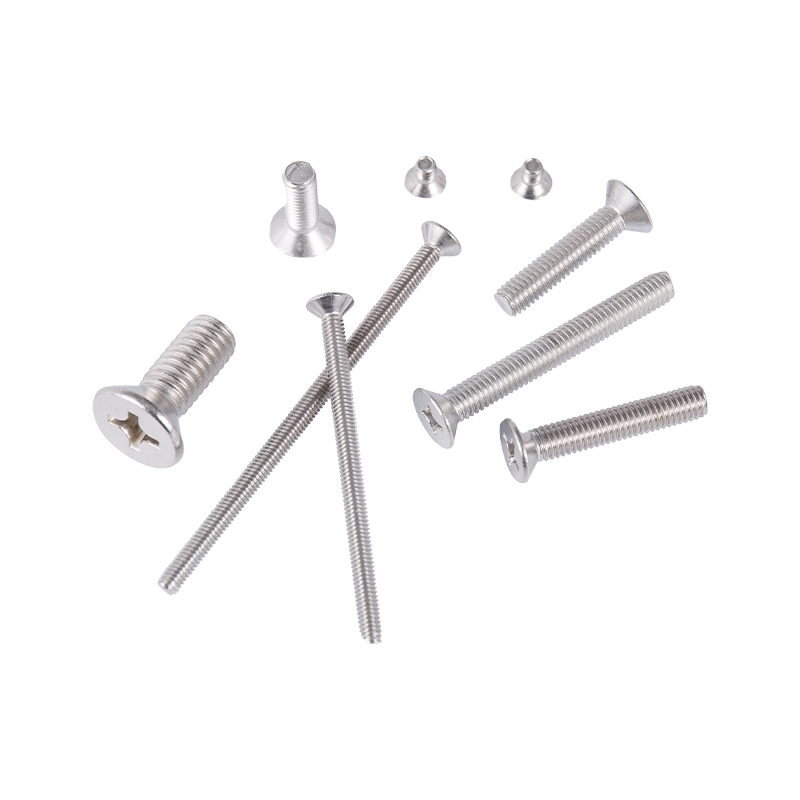
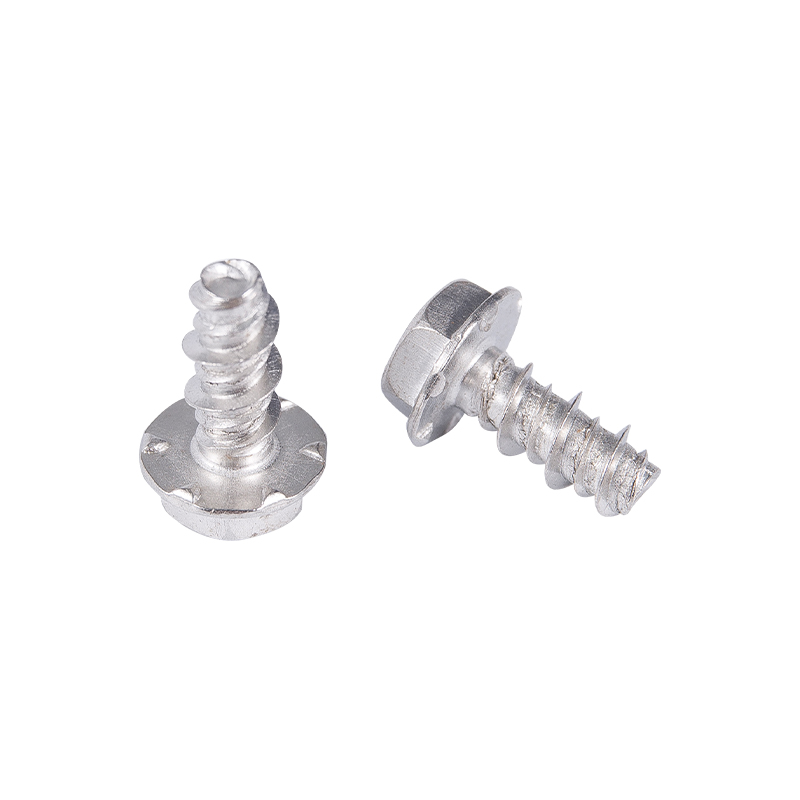
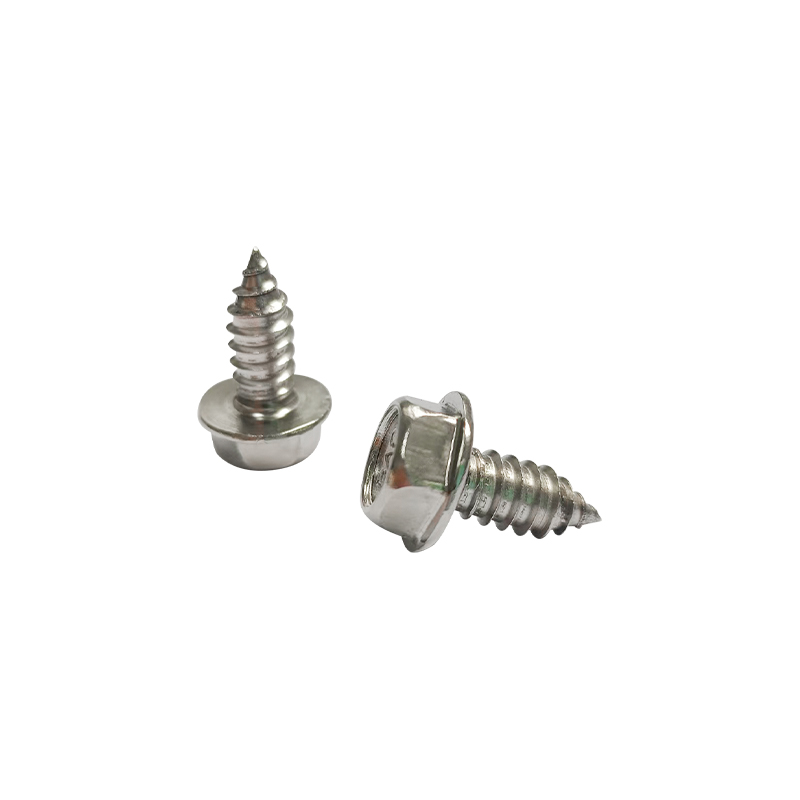
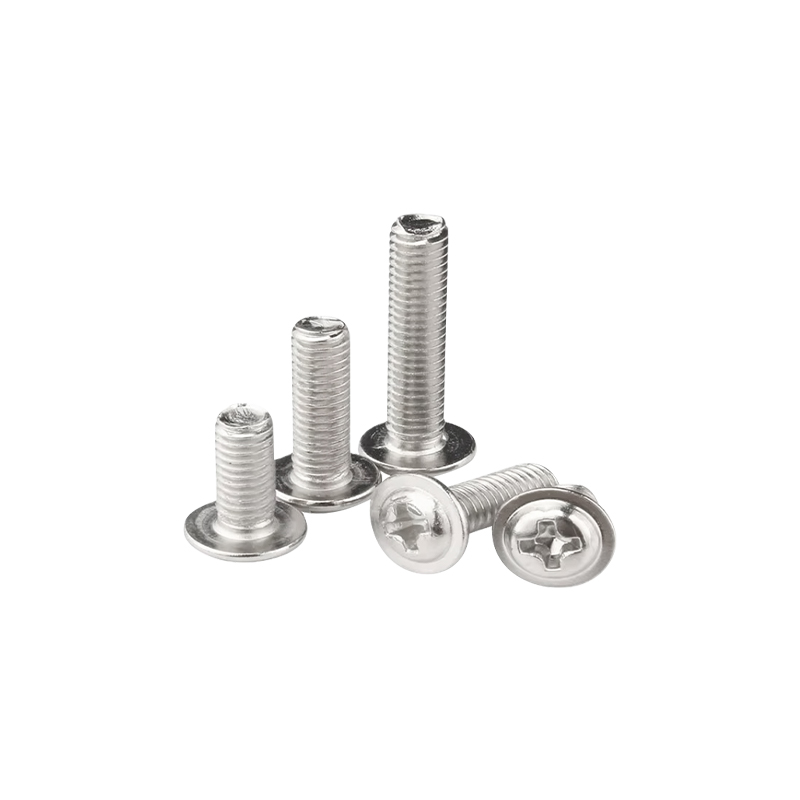
Stainless steel self drilling screws are available in multiple head styles and drive types, each suited to different applications. Hex washer head screws are the most common for metal roofing and cladding. The hex head allows high torque application without stripping. The attached washer (either bonded EPDM or stainless steel) provides a weather-sealing function. For metal roofing, the EPDM washer compresses against the roof sheet, preventing water ingress around the screw hole. Pan head screws have a low-profile domed head and are used for sheet metal fastening, HVAC ductwork, and appliance assembly where a flush or low-profile finish is desired. Flat head (countersunk) screws are designed to sit flush with the material surface. They are used where the screw head must not protrude, such as in finished surfaces or where another component will be placed over the fastener. Flat head screws require a countersunk hole or a material soft enough to embed the head. Drive types include hex (for hex washer head, driven with a socket or nut driver), Phillips (cross recess), and Torx (star drive). Torx drives offer the best torque transfer and minimize cam-out (bit slipping out of the screw head). For power-driven self drilling screws, Torx or hex drives are preferred because they reduce installer fatigue and drive failures.
6. Corrosion Resistance and Environmental Suitability: Interior vs. Exterior vs. Marine
Corrosion resistance is the primary advantage of stainless steel self drilling screws over carbon steel alternatives (zinc-plated, galvanized, or coated). However, not all stainless steel grades offer the same level of protection. Grade 410 screws are suitable for interior applications: drywall framing, furniture assembly, indoor machinery, and any environment not exposed to moisture or chemicals. Grade 410 will show surface rust in outdoor or high-humidity environments. Grade 304 screws are suitable for exterior applications: metal roofing (except coastal areas), gutters and downspouts, outdoor equipment, food processing areas with washdown, and general outdoor use where salt exposure is minimal. Grade 304 resists atmospheric corrosion well but may pit in chloride-rich environments. Grade 316 screws are required for coastal and marine applications: buildings within 1 km of salt water, marinas and docks, chemical plants, swimming pool enclosures, and areas exposed to de-icing salts. Grade 316 offers the highest corrosion resistance. For metal roofing in coastal areas, grade 316 is strongly recommended. Using grade 304 or 410 in a coastal environment will result in premature corrosion, fastener failure, and roof leaks. The table below summarizes environmental suitability by grade.
| Environment |
Grade 410 |
Grade 304 |
Grade 316 |
Typical Applications by Grade |
| Interior dry |
Excellent |
Excellent |
Excellent |
410: Drywall, furniture, machinery |
| Interior humid (bathroom, kitchen) |
Moderate (may stain) |
Good |
Excellent |
304: Commercial kitchen equipment |
| General exterior |
Poor (rust forms) |
Good |
Excellent |
304: Metal roofing (non-coastal) |
| Coastal (within 1 km of salt water) |
Not recommended |
Moderate (pitting possible) |
Excellent |
316: Coastal roofing, docks |
| Marine / Saltwater immersion |
Not recommended |
Not recommended |
Good |
316: Boat hardware, offshore |
| Chemical plant |
Not recommended |
Moderate (depends on chemical) |
Good to Excellent |
316: Chemical equipment |
7. Application Guide: Metal Roofing, Steel Framing, HVAC, and Industrial Assembly
Stainless steel self drilling screws are used across multiple industries, with specifications varying by application. For metal roofing, the most common specification is a #2 or #3 point, grade 304 or 316 stainless steel, hex washer head with EPDM bonded washer. Screw length must be sufficient to penetrate the roof sheet and engage at least three full threads into the steel purlin or substructure. A typical calculation is total thickness of materials + 3 mm minimum thread engagement. For steel framing (light-gauge steel construction), #2 or #3 point screws with pan head or bugle head are used to fasten steel studs and tracks. Grade 410 is usually sufficient for interior framing. For HVAC ductwork, self drilling screws with a #2 point and pan head are used to join duct sections and attach hangers. Grade 304 or 410 is acceptable for interior ducts. For industrial assembly and equipment mounting, #4 or #5 point screws with hex washer head are used to fasten components to steel bases or machinery frames. Grade 304 is typical. For solar panel mounting systems, #3 or #4 point screws with grade 304 or 316 (coastal) are used to attach racking to steel roof purlins. The table below matches applications with recommended screw specifications.
| Application |
Drill Point Size |
Stainless Grade |
Head Style |
Typical Length |
| Metal Roofing (non-coastal) |
#2 or #3 |
304 |
Hex washer + EPDM washer |
25 - 75 mm |
| Metal Roofing (coastal) |
#2 or #3 |
316 |
Hex washer + EPDM washer |
25 - 75 mm |
| Steel Framing (interior) |
#2 |
410 |
Pan head or bugle head |
12 - 38 mm |
| HVAC Ductwork |
#2 |
304 or 410 |
Pan head |
10 - 20 mm |
| Solar Panel Mounting |
#3 or #4 |
304 or 316 |
Hex washer |
30 - 60 mm |
| Industrial Equipment |
#4 or #5 |
304 |
Hex washer |
20 - 50 mm |
8. Quality Specifications for Export: Certifications and Testing Standards
For manufacturers exporting stainless steel self drilling screws, documented quality and compliance certifications are essential. The most requested standards include: ASTM F738 (specification for stainless steel bolts, screws, and studs), ASME B18.6.3 (for machine screws and tapping screws), IFI-113 (for self drilling screws dimensional and performance requirements), ISO 3506 (mechanical properties of corrosion-resistant stainless steel fasteners), and RoHS compliance (for screws used in electronic equipment or EU markets). For construction applications in Europe, CE marking under the Construction Products Regulation (CPR) may be required, typically based on ETA (European Technical Assessment) for specific screw types. Performance tests include: hardness testing (drill point hardness must be 45-55 HRC, typically per ASTM E18), drill capacity test (screw must drill through specified metal thickness without point damage, per IFI-113), torsional strength test (screw must withstand specified torque without failure), and corrosion resistance testing (salt spray per ASTM B117 for specified duration). For stainless steel material verification, buyers may request mill test reports (MTRs) confirming alloy composition. Many export buyers also require factory audits covering ISO 9001 quality management systems. Manufacturers who maintain current certifications and transparent quality records gain a competitive advantage in international bidding processes.
Frequently Asked Questions About Stainless Steel Self Drilling Screws
Q1: Can a stainless steel self drilling screw drill through hardened steel or stainless steel sheet?
A: Standard self drilling screws are designed for mild steel (25-35 HRC hardness). Drilling through hardened steel or stainless steel sheet requires specialized screws with cobalt drill points or carbide tips. For most applications involving stainless steel sheet (e.g., 304 sheet), a pre-drilled hole is recommended because the work-hardening nature of stainless steel can dull standard drill points.
Q2: What is the difference between a #2 and #3 drill point, and how do I choose?
A: A #2 drill point can drill through metal up to 1.5 mm thick. A #3 point can drill through metal up to 2.0 mm thick. Choose #2 for standard metal roofing (0.5-1.2 mm steel purlins). Choose #3 for heavier steel sections or when extra drill capacity is desired for safety margin.
Q3: Do I need a pilot hole for stainless steel self drilling screws in thick material?
A: For material thickness exceeding the drill point's rated capacity (e.g., #2 point rated for 1.5 mm but used on 2.5 mm steel), a pilot hole is required. The pilot hole diameter should match the screw's core diameter. Exceeding the drill point capacity will cause point breakage or excessive heat generation.
Q4: Which stainless steel grade should I use for metal roofing in a coastal environment?
A: For coastal environments (within 1 km of salt water), grade 316 stainless steel is strongly recommended. Grade 304 will pit and corrode over time due to chloride exposure. Grade 410 will rust rapidly and should not be used outdoors in any coastal area.
Q5: Why does my drill point break when driving into thin metal?
A: Drill point breakage in thin metal is usually caused by excessive driving speed, misalignment (screw not perpendicular to the surface), or using a point size too large for the material thickness. For thin metal (0.5-0.8 mm), a #2 point at moderate speed (1500-2000 RPM) is recommended. High speed generates heat that can weaken the point.
References and Further Reading
- ASTM International. (2023). ASTM F738-23: Standard Specification for Stainless Steel Metric Bolts, Screws, and Studs. West Conshohocken, PA: ASTM.
- Industrial Fasteners Institute. (2022). IFI-113: Standard for Self-Drilling Screws. Cleveland, OH: IFI.
- International Organization for Standardization. (2022). ISO 3506-1:2020 – Mechanical properties of corrosion-resistant stainless steel fasteners — Part 1: Bolts, screws and studs. Geneva: ISO.
- American Society of Mechanical Engineers. (2023). ASME B18.6.3-2020: Machine Screws and Tapping Screws. New York, NY: ASME.
- SGS Group. (2024). Test Methods for Self Drilling Screws: A Technical Guide for Fastener Sourcing Professionals. Geneva: SGS Publications.
 English
 Español
 عربى
عربى