English
 Español
 عربى
عربى


Pan Head Sharp Point Self-Tapping Screws
Cat:Self-Tapping Screws
Pan head sharp point self-tapping screws are a type of fastener widely used in c...
See Details


Content
When working with Stainless Steel Bolt assemblies, few experiences are as frustrating as a fastener that locks solid during installation. This phenomenon, known as galling or cold welding, transforms a routine tightening operation into a major repair task that often requires cutting or breaking the bolt. Unlike simple corrosion or rust, galling is a physical welding of the thread surfaces that is effectively irreversible once it occurs.
Fortunately, galling does not have to be an inevitable part of working with stainless steel. By understanding the underlying mechanisms and adopting proven prevention techniques, you can ensure reliable, trouble-free installations every time.
To effectively prevent galling, it is essential to understand why it happens. Stainless steel fasteners are particularly susceptible due to their unique material properties.
Stainless steel derives its corrosion resistance from a thin, invisible chromium oxide film on its surface. This film is self-repairing and protects the metal from rust. During tightening, the sliding action between the bolt and nut threads can rupture this protective layer under high pressure.
When the oxide layer is breached, the soft, bare metal beneath is exposed. As tightening continues, friction generates intense localized heat. This combination of pressure, heat, and the absence of a protective barrier causes the microscopic contact points on the threads to momentarily fuse or weld together. As the fastener continues to turn, these welded spots tear, creating a rough surface that accelerates the process and creates a severe self-locking condition. Once started, galling can seize a fastener completely in seconds.
Preventing galling involves reducing friction, controlling heat, and managing the material interface. The following strategies are the most effective methods for ensuring smooth and safe assembly.
The most effective single measure to prevent galling is the use of a lubricant or anti-seize compound. These compounds create a barrier between the sliding surfaces, reducing friction and preventing metal-to-metal contact.
Heat generated by friction is the primary catalyst for galling. Slowing down the installation process is a simple but highly effective method of prevention.
Debris, dirt, and burrs on threads are major contributors to galling. They increase friction and create stress points where the protective oxide layer can be easily ruptured.
While often overlooked, the material pairing of the bolt and nut has a significant impact on galling resistance.
Best practices during installation and design can also reduce the risk.
Galling can happen quickly. If you feel a bolt starting to bind before final tightening, stop immediately.
The table below summarizes the key strategies for galling prevention, their effectiveness, and practical considerations.
| Prevention Method | Primary Benefit | Key Consideration |
|---|---|---|
| Anti-Seize Compound | Reduces friction, prevents direct metal contact | Most effective single step; choose nickel or molybdenum-based for high-temp |
| Slow Installation Speed | Prevents heat generation | Avoid high-speed power tools; use hand tools |
| Clean Threads | Eliminates abrasive particles | Inspect and clean all fasteners before use |
| Hardness Difference | Reduces adhesion between threads | Aim for at least 50 Brinell difference |
| Avoid Misalignment | Eliminates excessive thread stress | Use clamps to align joints; do not use bolts to pull materials together |
Anti-seize compounds based on molybdenum disulfide or nickel are highly effective and widely recommended. Nickel-based compounds are particularly suitable for high-temperature applications.
Yes, even standard lubricants like WD-40 can help reduce friction and the risk of galling. However, for critical applications, a dedicated anti-seize compound is recommended as it offers a more robust and long-lasting barrier.
Stainless steel forms a thin, soft oxide layer on its surface to resist corrosion. This layer is easily scraped off during tightening, exposing the bare metal and creating conditions for cold welding. Carbon steel bolts have a harder oxide layer that is more resistant to this process.
It is generally not recommended. Power tools create high-speed friction, generating the heat that causes galling. If you must use a power tool, use it on a very slow setting.
Stop immediately. Continuing to turn it will only make it worse. Wait a minute or two for the heat to dissipate, then back the nut off. Inspect the threads for damage, and if any is found, replace the fastener with a new, clean and lubricated one.
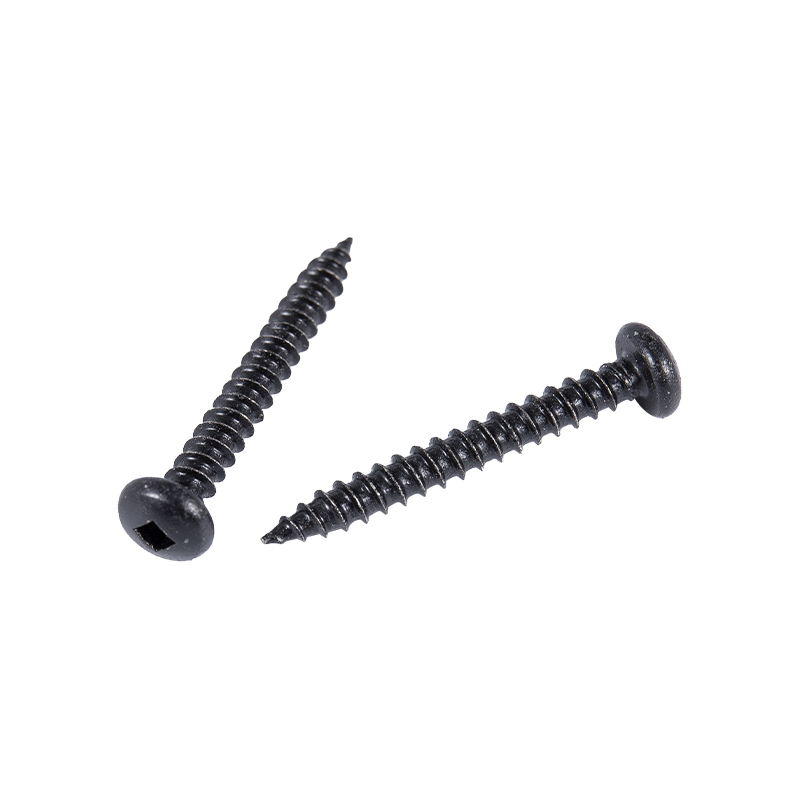
Pan head sharp point self-tapping screws are a type of fastener widely used in c...
See Details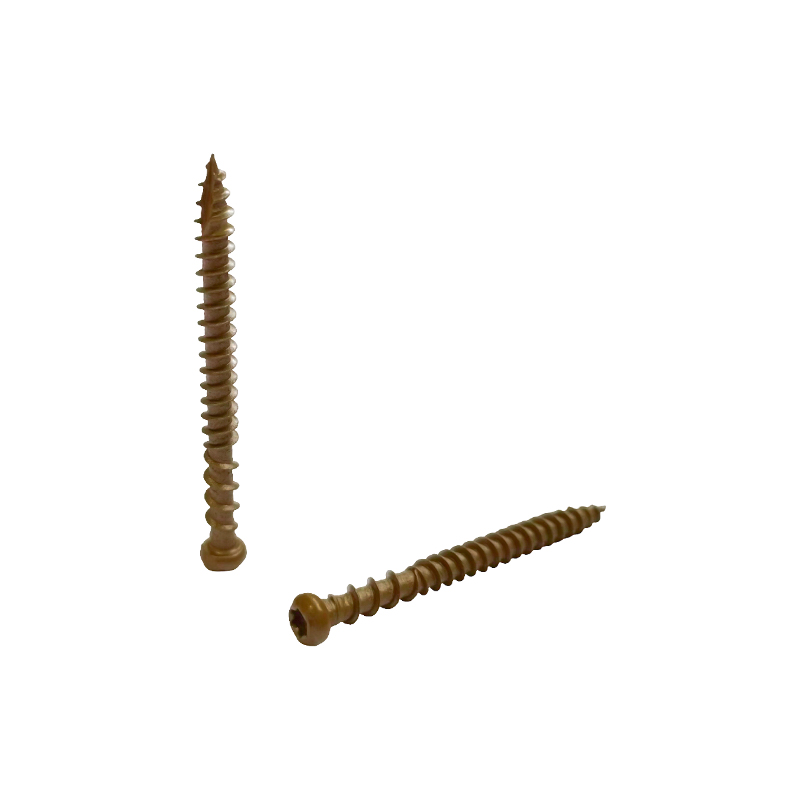
This Round Head Six Lobe Type 17 Self Tapping Screw is manufactured from SUS304 ...
See Details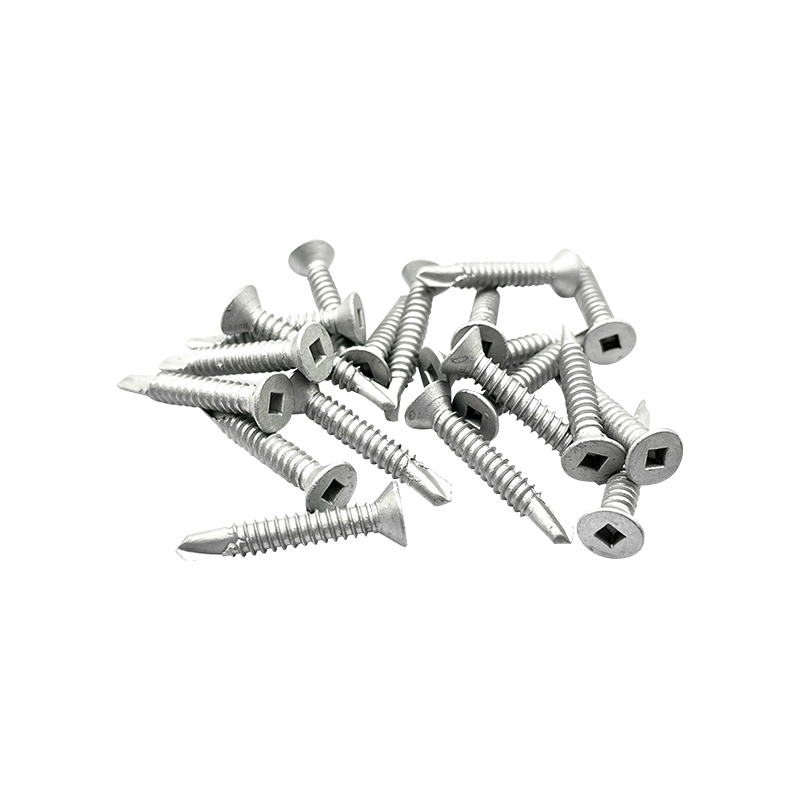
This CSK Head Square Drive Self Drilling Screw features a thread size range of M...
See Details+86-13705735391
+86-18868359082
+86-573-83128088
+86-573-83128123
No. 2155, Shuanglong Road, Nanhu District, Jia Xing City, Zhejiang Province
Copyright © Jiaxing Zhongke Metal Technology Co.,Ltd. All Rights Reserved.Custom High Strength Stainless Steel Fasteners Manufacturers Provider