English
 Español
 عربى
عربى


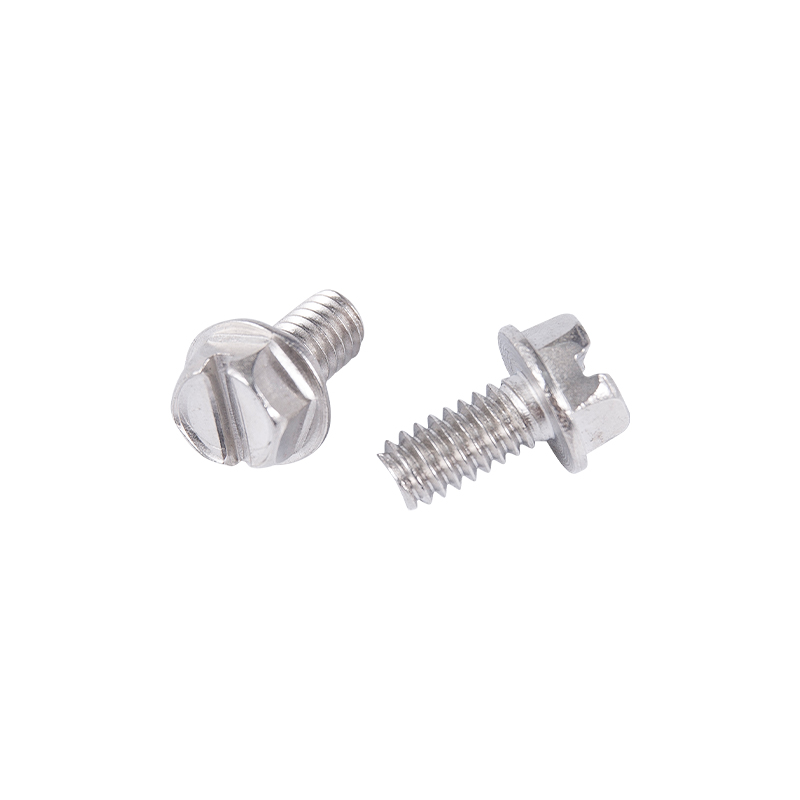
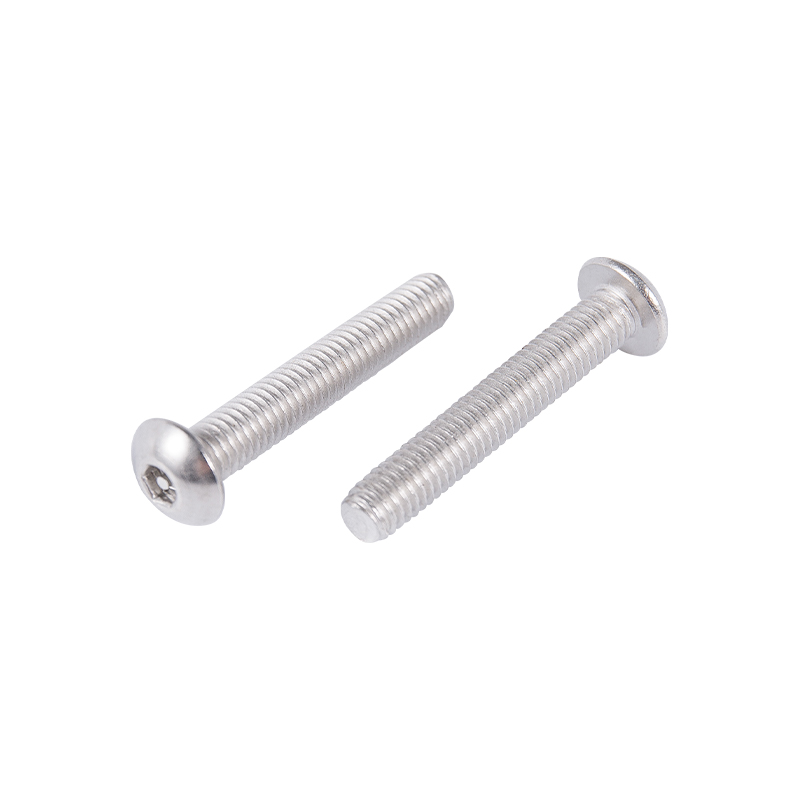
All Head Types Wood Screws
Cat:Wood Screws
Wood screws are a type of fastener designed specifically for wood and are widely used in furniture making, building decoration and woodworking project...
See Details


Material: SUS410, SUS304, SUS316 stainless steel
Specification: M3, M4, M5, M6, M8, 6#, 7#, 8#, 10#, 12#,14#, 1/4”
Surface Treatment: Passivation, Galvanizing, Nickel Plating, Blackening, Head Spraying, Dacromet, Hot Rustoleum, Laspex, Drop Resistant
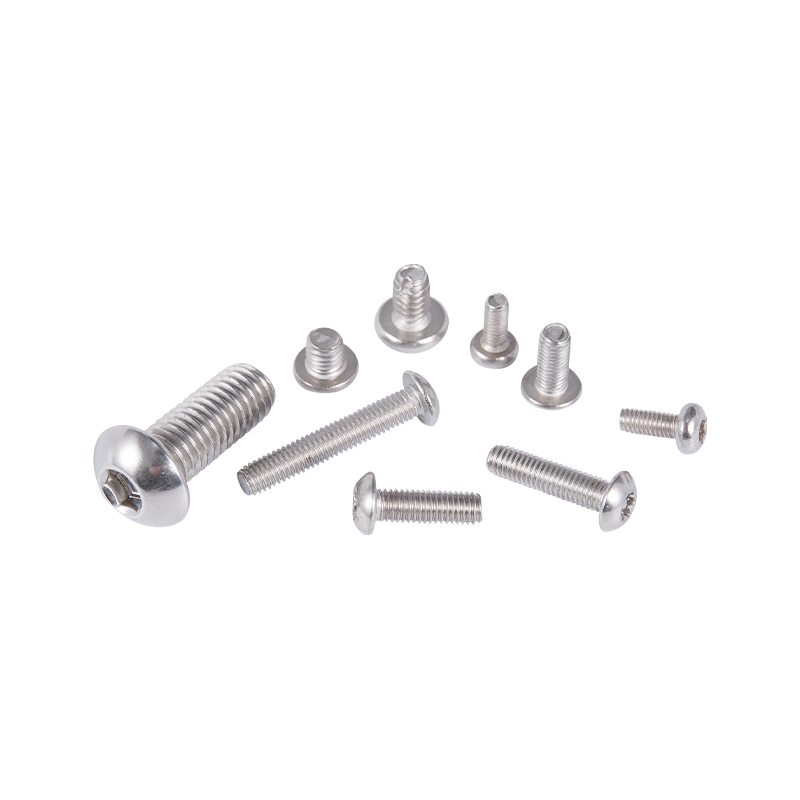
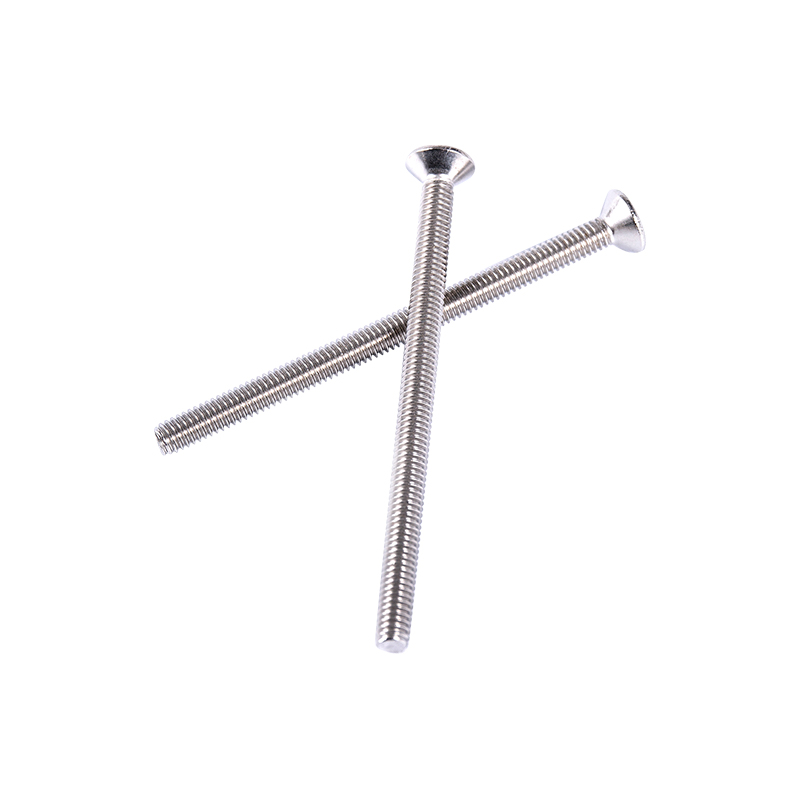
Other Head Types Machine Screws encompass a range of precision fasteners designed for general-purpose metal fastening applications requiring specialized head geometries. Available in a variety of head configurations including truss, oval, flat, hex, and other custom profiles, these screws provide application-specific solutions for diverse installation requirements. These screws feature machine threads that mate with pre-tapped holes or nuts, providing consistent and reliable engagement. Manufactured from stainless steel (SUS410, SUS304, SUS316) material options, the screws offer corrosion resistance and strength for various environments. Multiple surface treatments including passivation, galvanizing, nickel plating, blackening, and Dacromet finishes provide environmental adaptability. Metric sizes from M3 to M8 and imperial sizes from 6# to 1/4" accommodate diverse application requirements across industrial, commercial, and architectural applications.
This range of machine screws with alternative head types is deployed in general-purpose metal fastening applications requiring specialized head geometries with reliable thread engagement. Truss head screws provide larger bearing surfaces for soft materials; oval head screws offer low-profile aesthetics for visible applications; flat head screws enable flush mounting with countersunk holes; hex head screws provide high torque capability for heavy-duty applications. Applications include general machinery assembly, equipment enclosures, furniture construction, automotive components, architectural metalwork, instrumentation panels, and industrial equipment where specific head profiles are required.
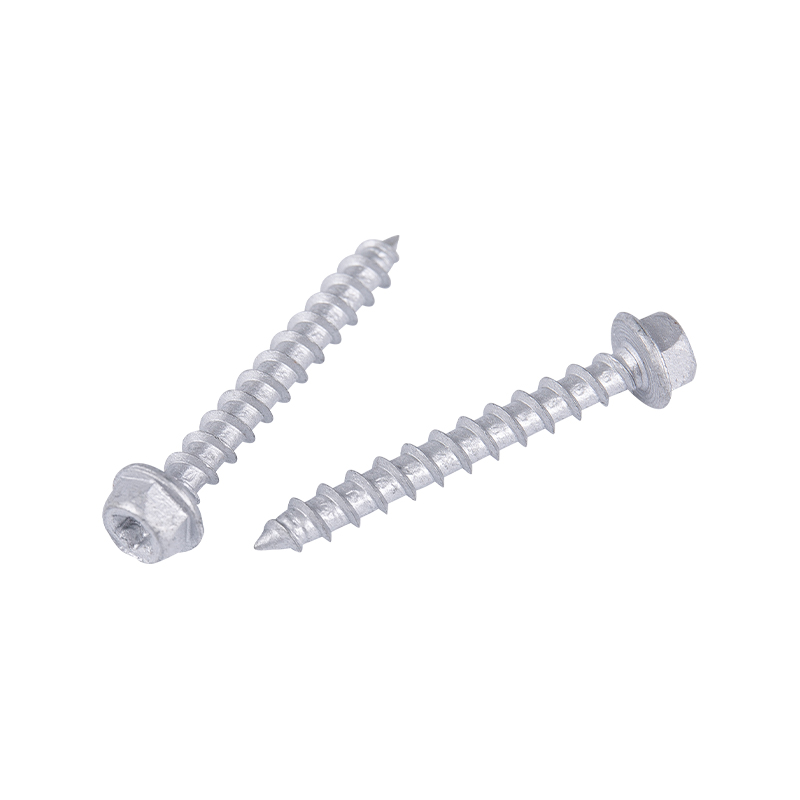
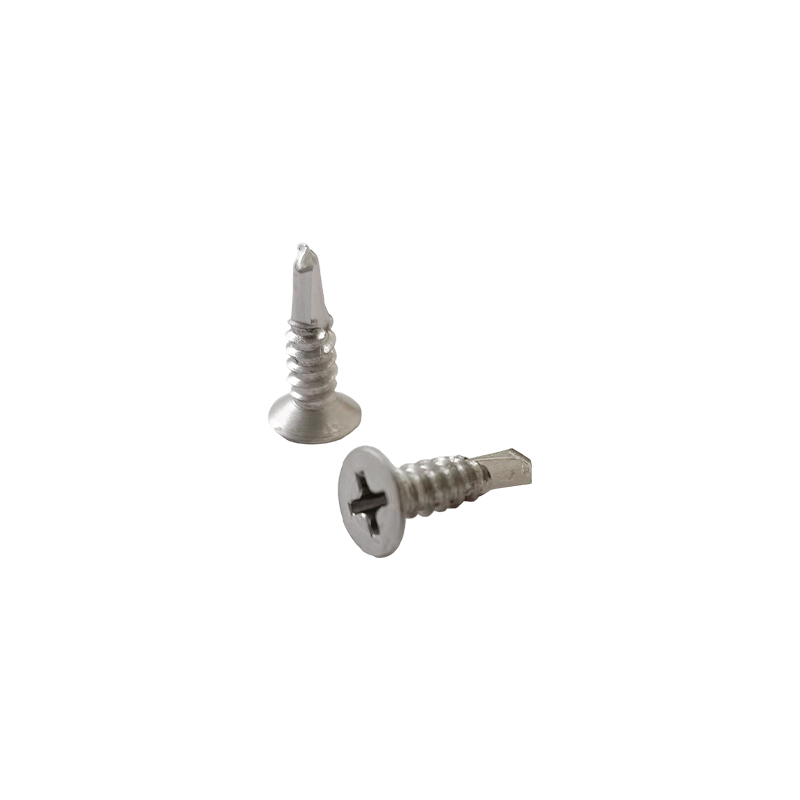
Wood screws are a type of fastener designed specifically for wood and are widely used in furniture making, building decoration and woodworking project...
See Details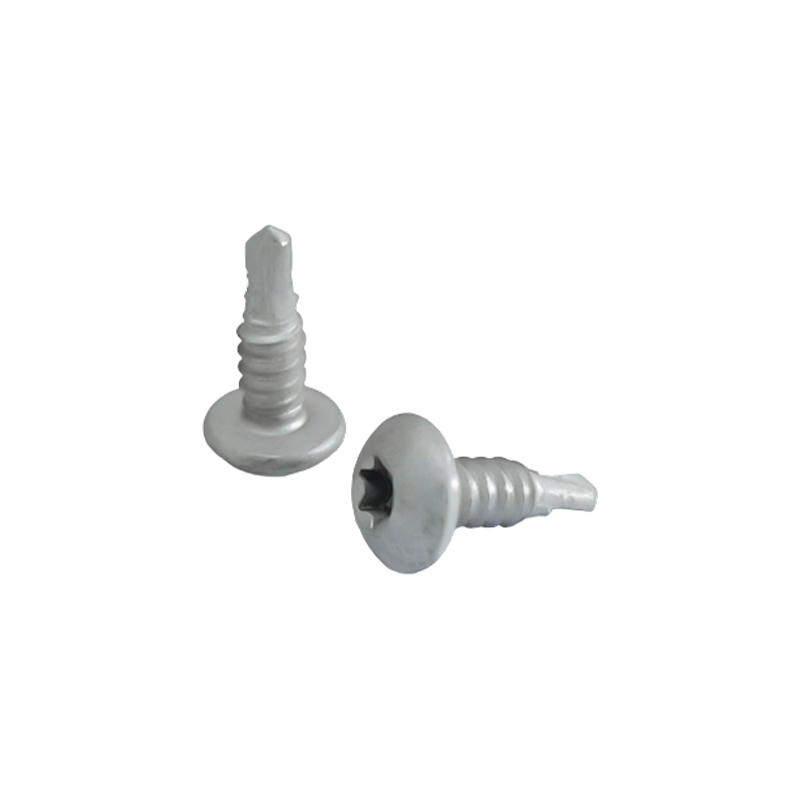
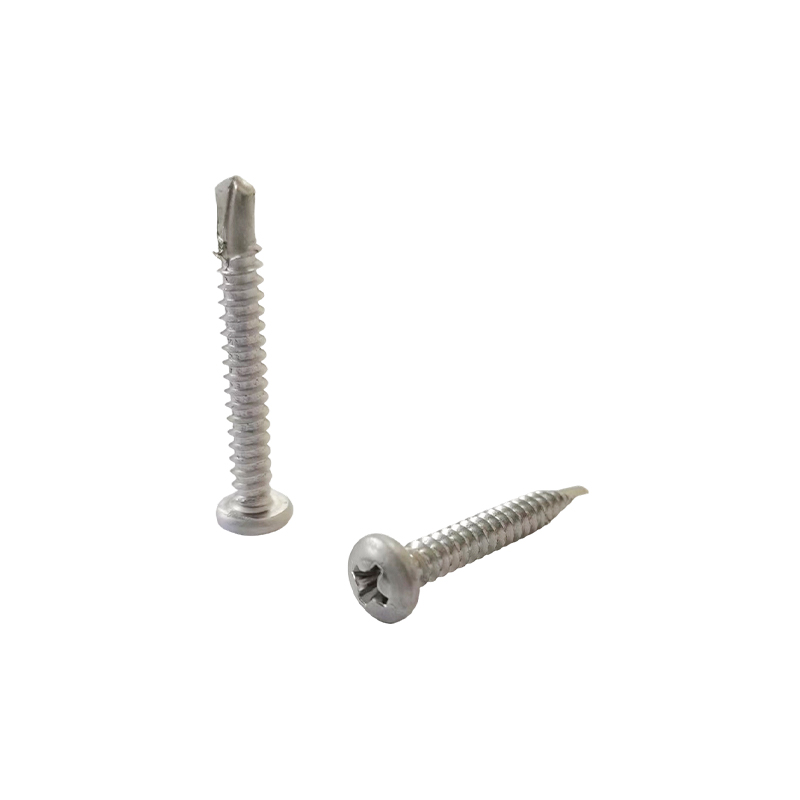
The Pand Head Hexalobular Suture Screw features a hexalobular (Torx) head design suitable for suture fixation or precision assembly applications. Thre...
See Details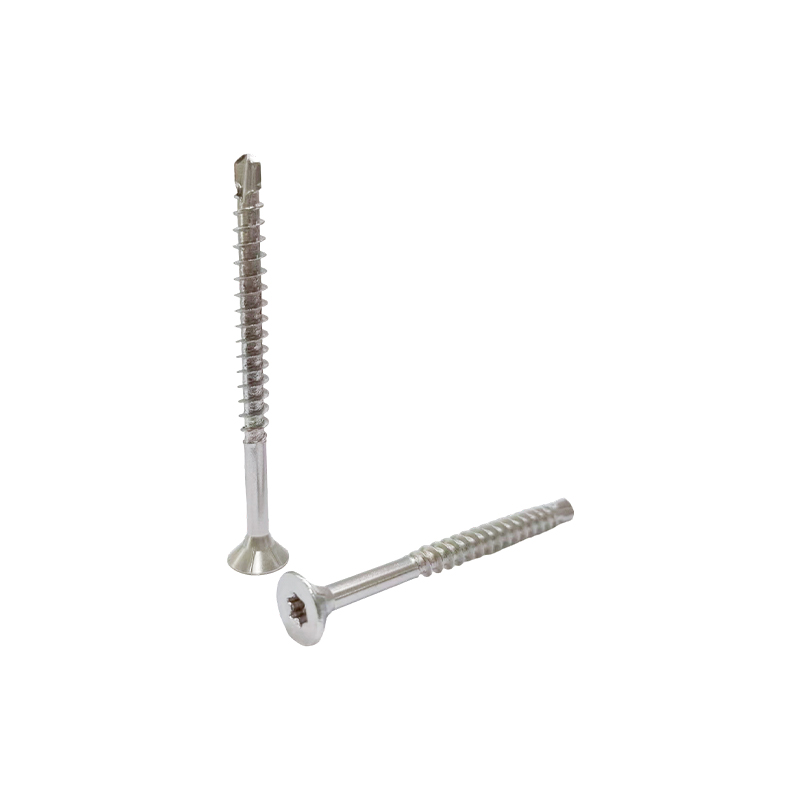
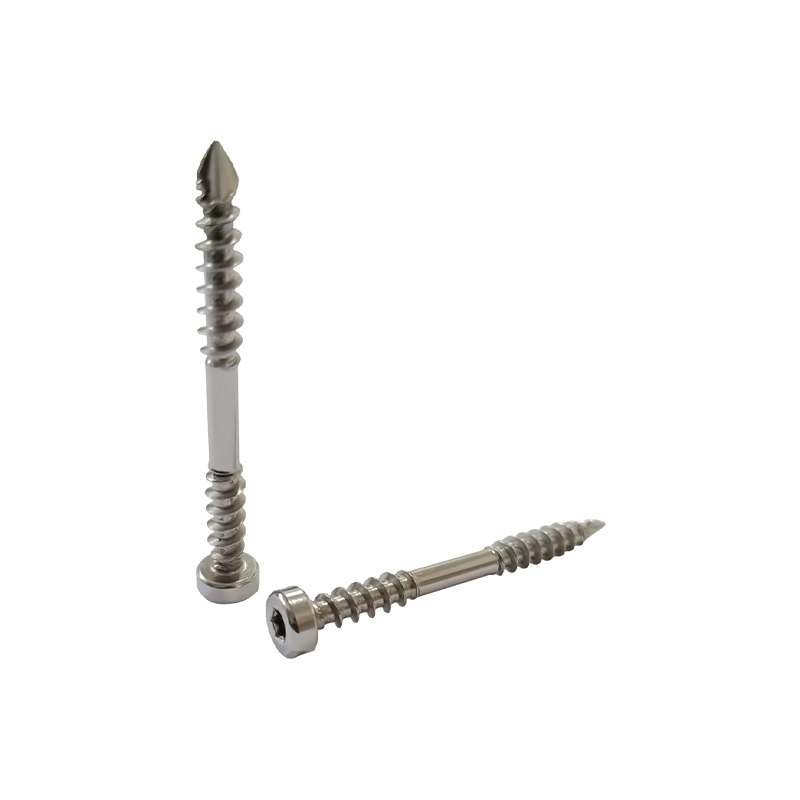
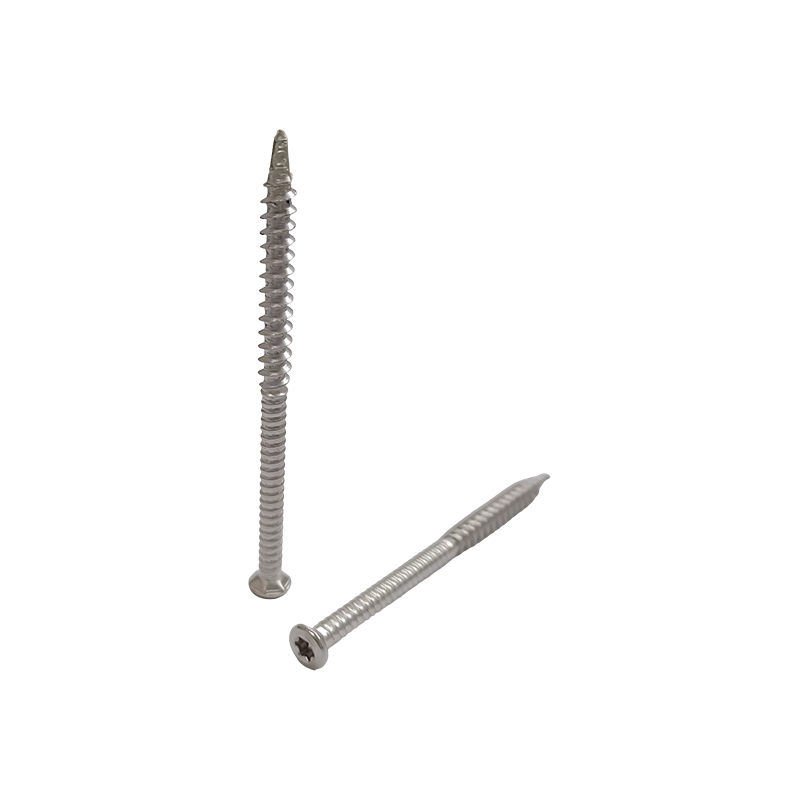
The Double Countersunk Hexalobular Six-Bevel Rib Milled Tail Chipboard Screw is a fastener engineered specifically for chipboard and wood-based panel ...
See Details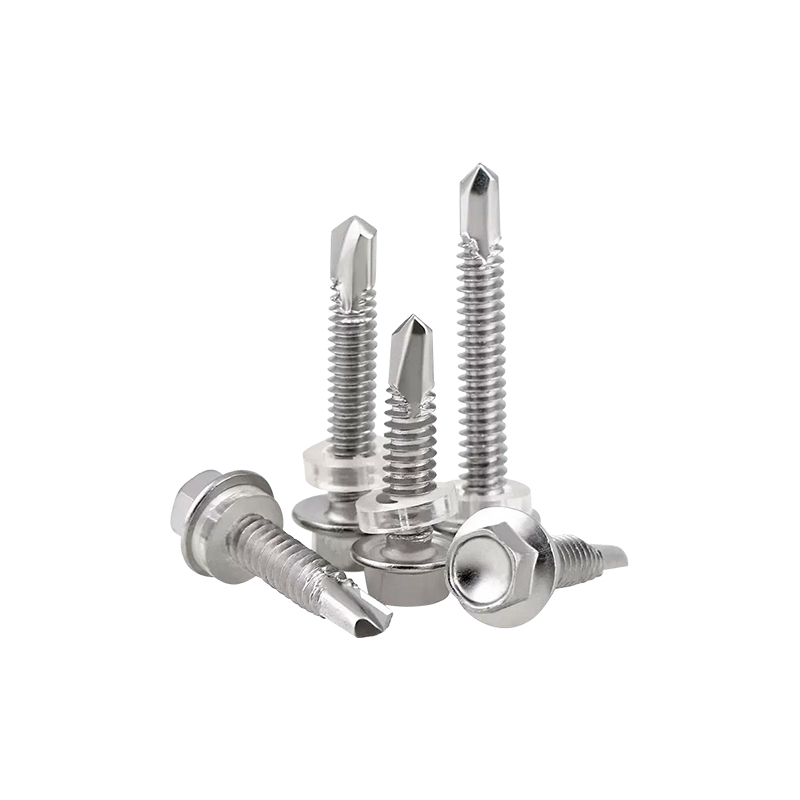
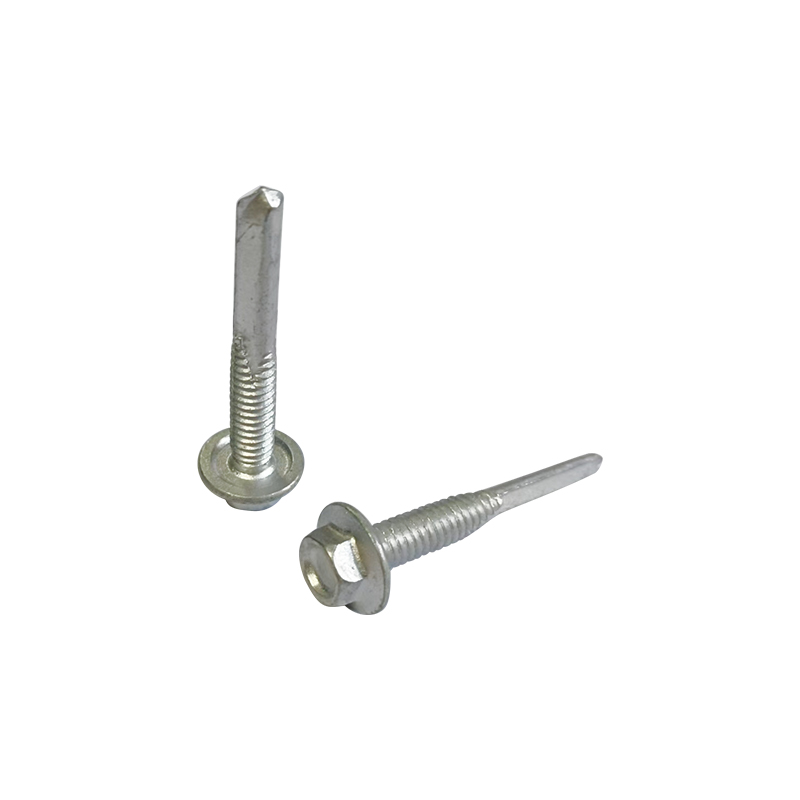
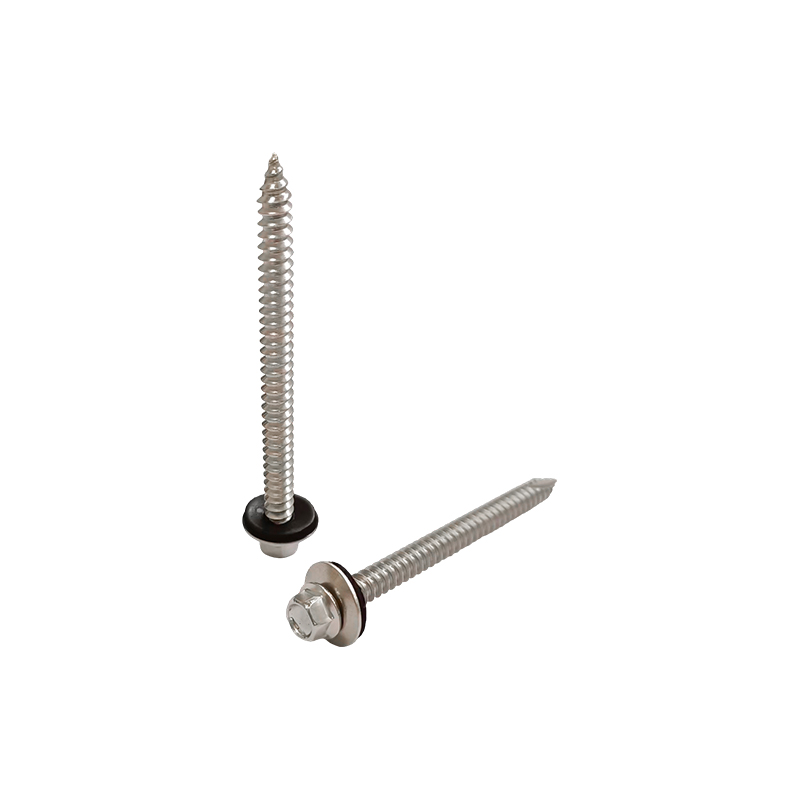
This Hex Flange Head Self Drilling Screw with EPDM Washer offers a thread size range of M3 to M10 and lengths from 9.5mm to 130mm. Manufactured from S...
See DetailsFounded in
Covered area
Manufacturing equipment
Number of employees
Self-drilling and self-tapping screws are two of the most widely used fasteners in metal construction, HVAC installation, cladding, and light structu...
View MoreA maintenance engineer opens a drawing that specifies 3/8-16 bolts. The supplier asks one question before quoting: UNC or UNF? The answer determines...
View MoreIntroduction In the world of sealing solutions, two terms often surface: Waterproof Washer and rubber gasket. While they both prevent leaks and are t...
View MoreInstalling stainless steel machine screws requires more precision than driving a standard carbon steel fastener. The material properties that make th...
View More+86-13705735391
+86-18868359082
+86-573-83128088
+86-573-83128123
No. 2155, Shuanglong Road, Nanhu District, Jia Xing City, Zhejiang Province
Copyright © Jiaxing Zhongke Metal Technology Co.,Ltd. All Rights Reserved. Wholesale Other Head Types Suppliers, Exporter