English
 Español
 عربى
عربى


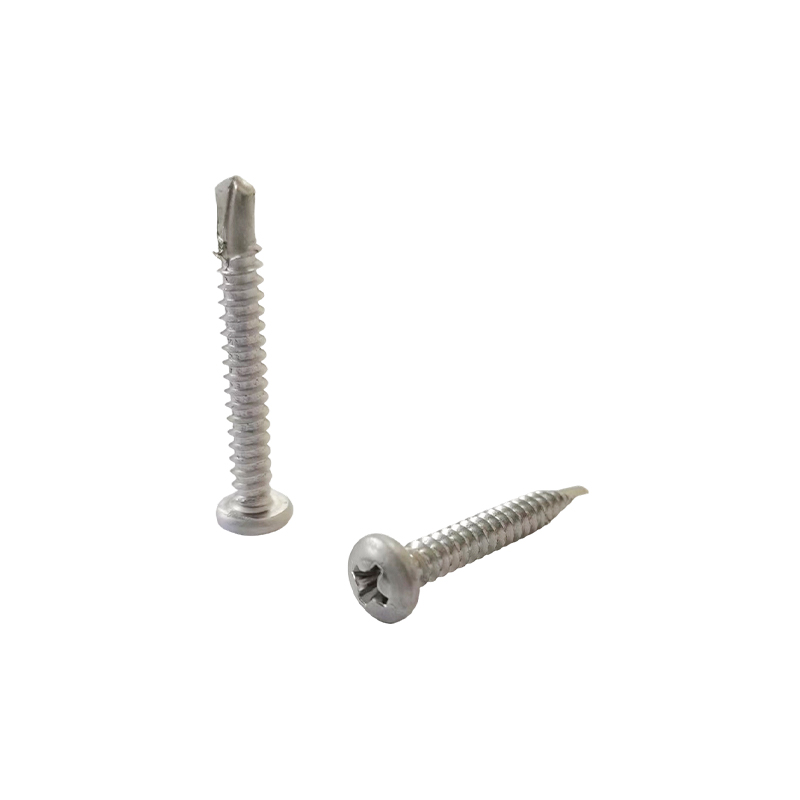
Countersunk Head Sharp Point Self-Tapping Screws
Cat:Self-Tapping Screws
The design features of the countersunk head sharp point self-tapping screws enab...
See Details


Content
Installing stainless steel machine screws requires more precision than driving a standard carbon steel fastener. The material properties that make these screws highly resistant to corrosion also create unique installation challenges, from galling risks to specific torque requirements. This guide provides practical, data-backed methods for achieving secure, long-lasting connections with Stainless Steel Machine Screws in industrial and engineering applications.
Before beginning installation, evaluate the application environment and material combination. Stainless steel fasteners are available in common grades such as 18-8 and 316, each offering different corrosion resistance and strength properties. For marine or high-chloride environments, 316 stainless steel is typically specified, while 18-8 is suitable for standard indoor applications.
For threaded holes, ensure the receiving material has been correctly tapped to match the screw thread specification. For self-tapping applications or when installing into softer materials, drill a pilot hole with the appropriate diameter. The pilot hole should be slightly smaller than the screw's minor diameter to allow for thread engagement without excessive material displacement. For most standard applications, a pilot hole approximately 60% to 75% of the screw diameter works effectively.
Stainless steel machine screws should be free from dirt, oil, or manufacturing residues. If screws have been stored for extended periods, consider cleaning them with an appropriate solvent to prevent contamination during installation. This step is particularly important in food processing or medical equipment applications where cleanliness standards are high.
The single most critical factor in installing stainless steel machine screws is applying the correct torque. Unlike carbon steel fasteners, stainless steel has a lower thermal conductivity and higher coefficient of friction, causing heat buildup during driving. This heat increases the risk of seizure or galling.
Based on engineering testing data, the following table provides suggested maximum installation torques for common thread sizes in both dry and lubricated conditions:
| Thread Size | 18-8 Dry (in-lbs) | 18-8 Lubricated (in-lbs) | 316 Dry (in-lbs) | 316 Lubricated (in-lbs) |
|---|---|---|---|---|
| 8-32 | 19.8 | 17.8 | 20.7 | 18.6 |
| 10-24 | 22.8 | 20.5 | 23.8 | 21.4 |
| 10-32 | 31.7 | 28.5 | 33.1 | 29.8 |
| 1/4-20 | 75.2 | 67.6 | 78.8 | 70.9 |
Source: Fastenal Engineering & Design Support, 2023
For metric sizes, suggested tightening torque values for stainless steel fasteners are approximately 0.7 Nm for M3 up to 5.2 Nm for M6 in general applications. Always consult the manufacturer specifications when available.
Critical Note: Never exceed 50% of the destructive torque limit of the fastener. For reference, an M6 stainless steel screw of performance grade 70 fails at approximately 13 Nm, meaning installation torque should remain under 6.5 Nm.
For critical applications, performing an in-situ torque-to-failure test using actual joint conditions provides the most accurate installation torque specification. The recommended procedure consists of building at least 10 assemblies, tightening each fastener until failure using a calibrated torque wrench, recording the maximum torque achieved in each test, calculating the average torque, and then multiplying that average by 0.5 to obtain the safe tightening torque. A tolerance range of plus or minus 10% to 20% should be applied to account for operator and equipment variability.
Galling is a form of adhesive wear that occurs when stainless steel surfaces are compressed under high pressure and friction during installation. This phenomenon, also referred to as cold welding, can permanently lock the threads together and make the screw impossible to remove without destructive methods.
Applying a suitable lubricant is the most effective measure to prevent galling. Using a lubricant can reduce installation torque requirements by approximately 10% and significantly reduce friction-generated heat. For stainless steel machine screws, use a lubricant containing molybdenum disulfide (MoS2), a nickel-based anti-seize compound, or even common machine oil. For food processing applications, select a food-grade approved lubricant.
Note: Use a very low revolution screw-driving machine or tighten manually. Impact drivers and high-speed pneumatic tools dramatically increase galling risk and should be avoided for final tightening.
Engineers specify surface-hardened stainless steel machine screws for applications requiring frequent assembly and disassembly. Surface hardening processes treat the thread surface to 1100HV to 1300HV at a depth of 5 to 30 micrometres, creating a hard, low-friction layer. In independent testing, surface-hardened 316L screws withstood galling tests at contact pressures exceeding 2,700 bar, while untreated samples galled at pressures as low as 35 bar.
Select a drive tool matching the screw head type and size. For Phillips drives, ensure the bit fits firmly without play. For Torx or hex drives, use a high-quality bit to prevent cam-out and edge damage. Use a torque wrench for final tightening rather than a standard screwdriver.
Begin by threading the screw into the hole by hand for three to five full turns to ensure proper alignment and to avoid cross-threading. If the screw binds during this initial phase, back it out and inspect both the screw and the receiving hole for damage or debris.
Apply steady, even pressure while turning at a slow and controlled speed. For high-speed pneumatic tools, reduce the driving speed to the lowest setting. When using a torque wrench, approach the target torque value gradually to allow the material to settle.
After reaching the specified torque, verify the screw head sits flush against the mating surface. For countersunk heads, the head should be level with or slightly below the surface. Check for any visible thread deformation or stress marks on the material.
For assemblies requiring periodic disassembly, apply a small amount of anti-seize compound to the threads before installation. A thin, even coating is sufficient; excessive compound can attract debris. Mark the screw head with a torque stripe to visually identify loosening during service.
Selecting the correct fastener material significantly impacts installation procedures and in-service performance. The following table compares key properties:
| Property | Stainless Steel (304/316) | Zinc-Plated Carbon Steel | Aluminum |
|---|---|---|---|
| Corrosion Resistance | Excellent | Moderate (coating dependent) | Good |
| Strength (Typical) | 70-80 ksi | 60-100 ksi | 30-50 ksi |
| Galling Risk | High | Low | Moderate |
| Lubrication Requirement | Recommended | Optional | Recommended |
| Reusability | Limited (galling risk) | Good | Limited (thread stripping) |
Stainless steel machine screws offer superior corrosion resistance and often represent a cost-effective solution for long-term outdoor or wet-environment applications, despite higher initial material cost and more demanding installation requirements.
Apply a lubricant such as molybdenum disulfide or anti-seize compound before threading, drive at a slow rotational speed, use a torque wrench to apply specified torque, and avoid high-speed impact tools. Consider using surface-hardened screws for applications requiring frequent disassembly.
For a 1/4-20 thread, maximum installation torque is approximately 75 in-lbs dry or 68 in-lbs lubricated for 18-8 stainless steel. For 316 stainless steel, values are slightly higher at 79 in-lbs dry and 71 in-lbs lubricated. Always verify with manufacturer data.
Galling occurs when high friction causes material transfer and cold welding between thread surfaces. It is caused by the naturally high coefficient of friction of stainless steel, the formation of protective oxides, lack of lubrication, insufficient surface hardness, and excessive tightening speed.
Reusing stainless steel machine screws is not recommended for critical joints because successive re-installations may require higher torque to achieve similar clamp loads. Stainless steel is particularly prone to galling on re-installation, so careful evaluation is required before reuse.
Apply penetrating oil and allow it to soak for several hours. Tap the screw head with a hammer to break the oxide bond. If the screw remains stuck, apply heat carefully with a heat gun to expand the receiving material. As a last resort, use a screw extractor set, drilling a pilot hole into the screw head and inserting the extractor with reverse rotation.
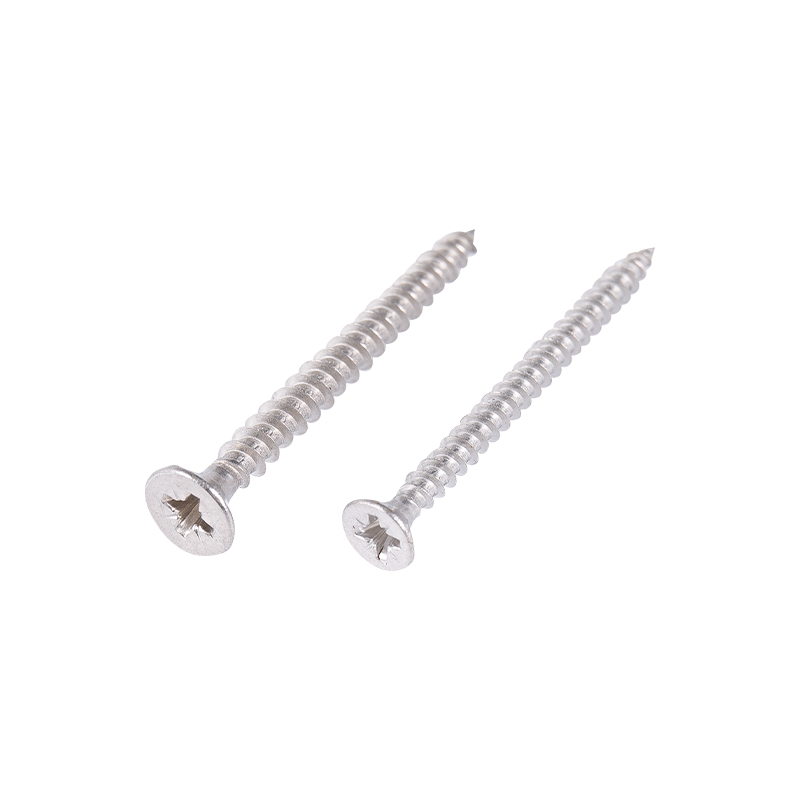
The design features of the countersunk head sharp point self-tapping screws enab...
See Details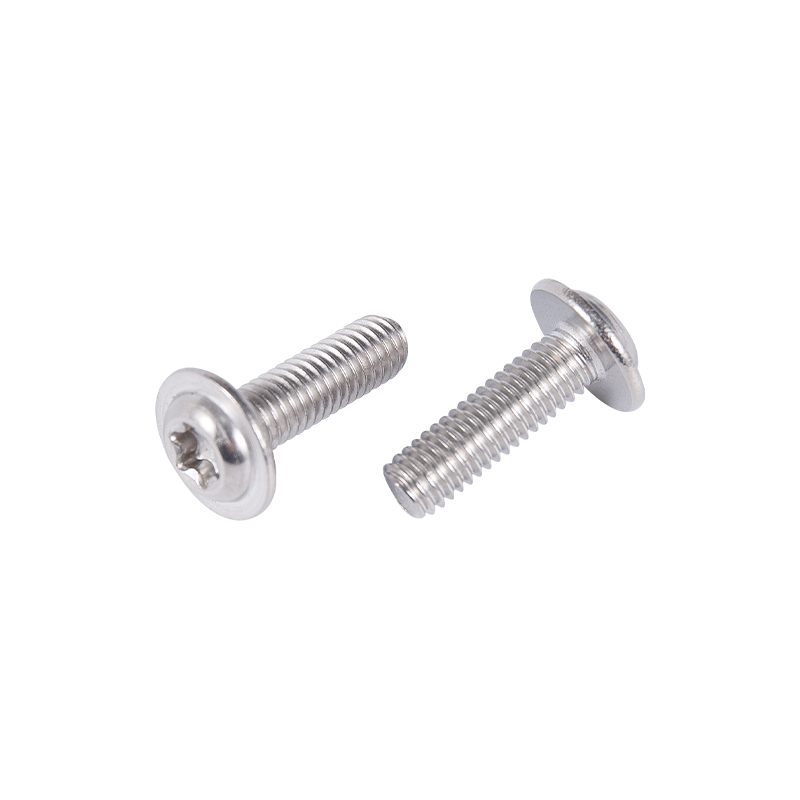
Pan head machine screws are well designed and have superior performance, suitabl...
See Details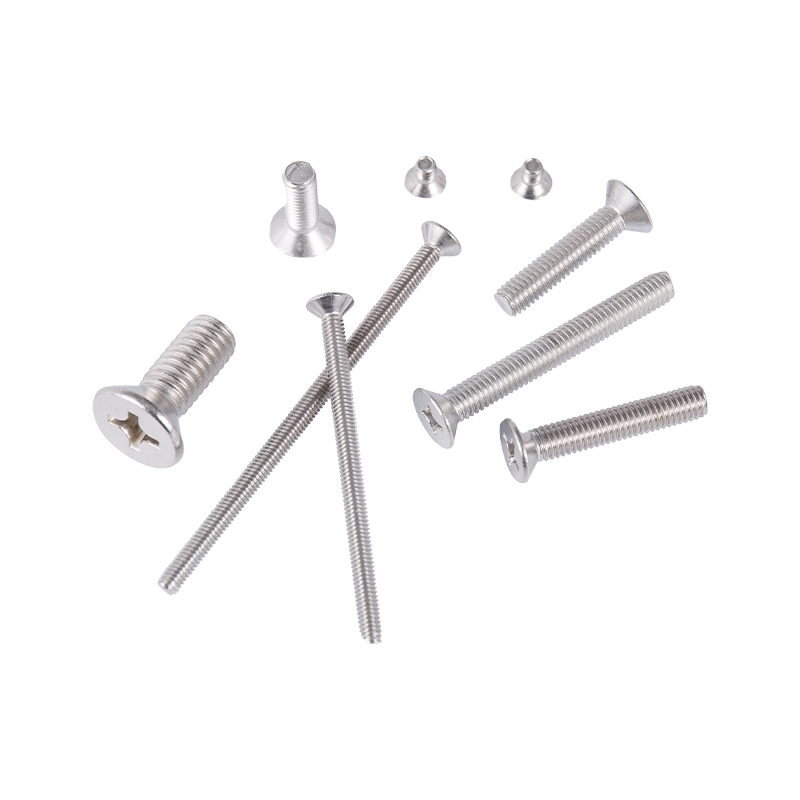
Countersunk machine screws are widely used in machinery, furniture, electronics ...
See Details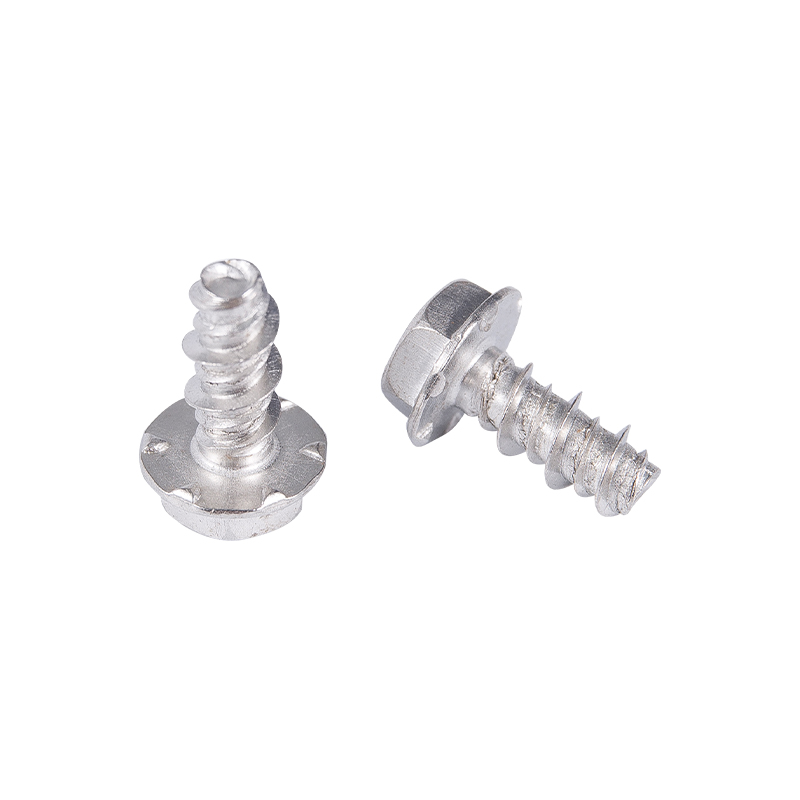
The design feature of the flat-tail self-tapping screw is that the tail has a sc...
See Details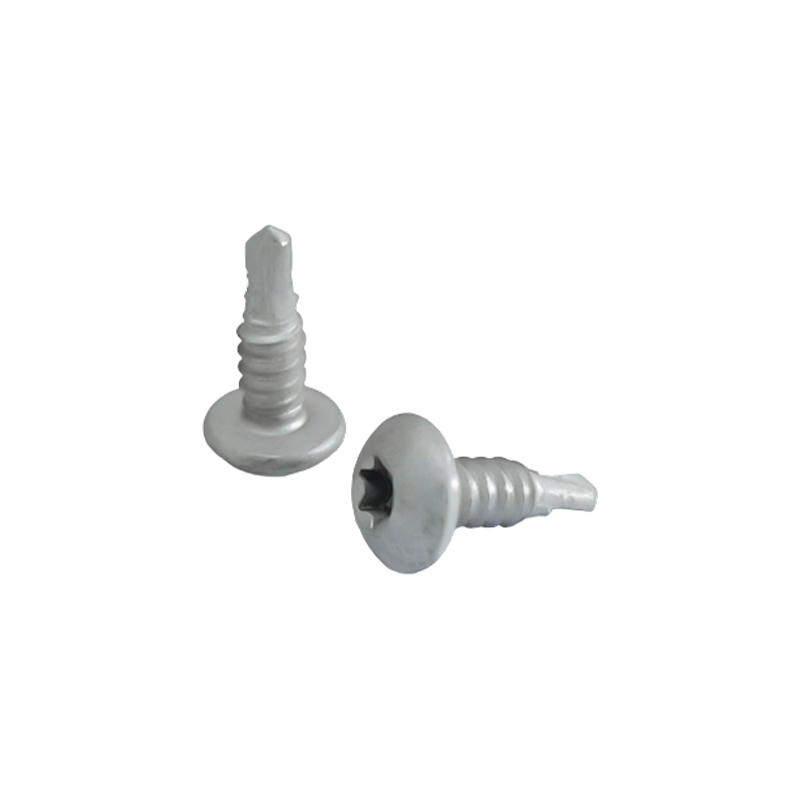
The Pand Head Hexalobular Suture Screw features a hexalobular (Torx) head design...
See Details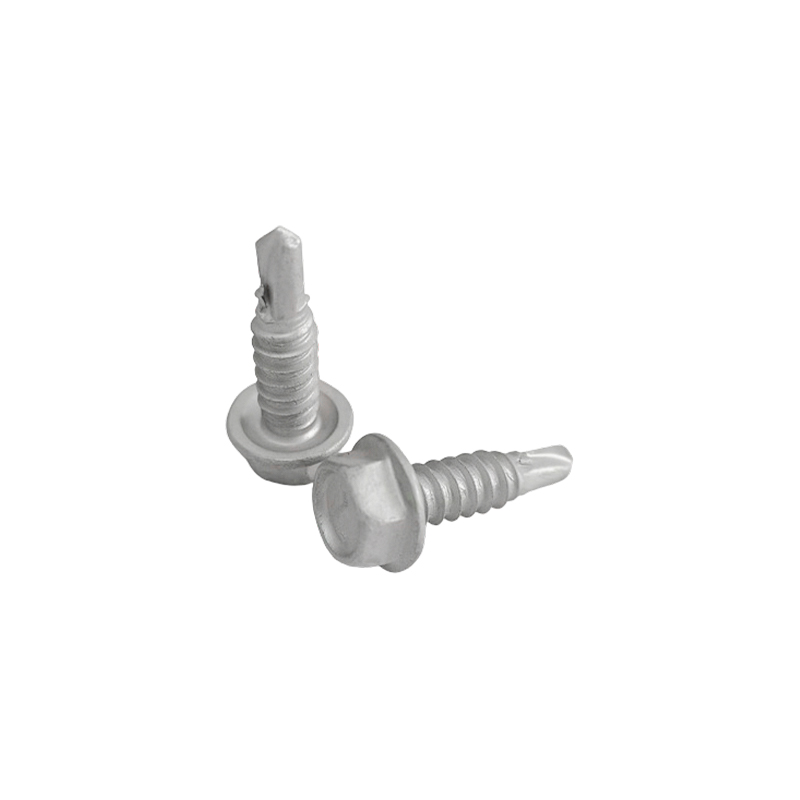
These hexagonal flanged stitching bolts are available in sizes from 1/4 to 14*7/...
See Details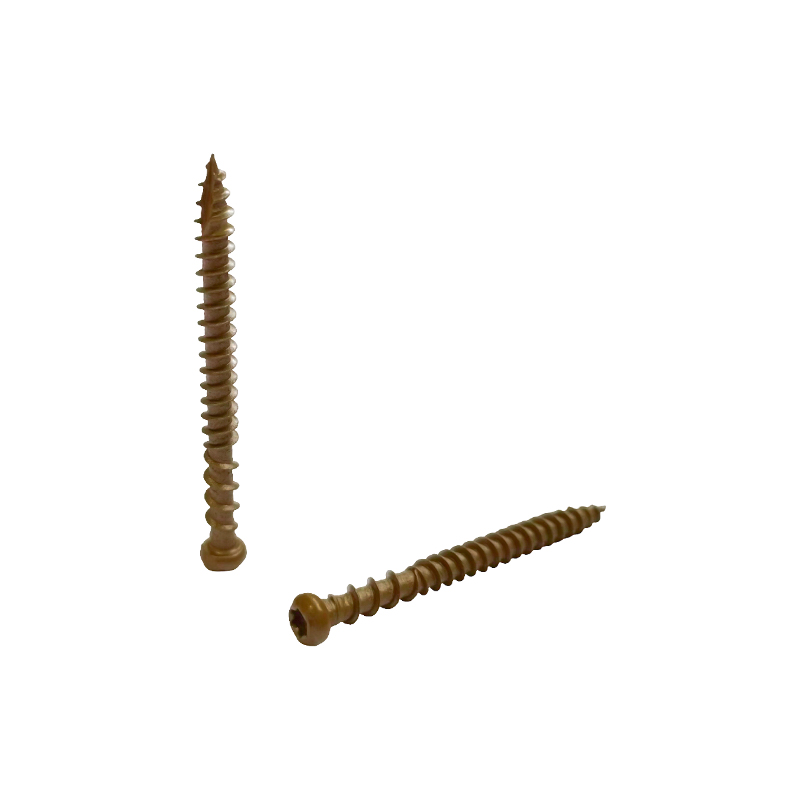
This Round Head Six Lobe Type 17 Self Tapping Screw is manufactured from SUS304 ...
See Details+86-13705735391
+86-18868359082
+86-573-83128088
+86-573-83128123
No. 2155, Shuanglong Road, Nanhu District, Jia Xing City, Zhejiang Province
Copyright © Jiaxing Zhongke Metal Technology Co.,Ltd. All Rights Reserved.Custom High Strength Stainless Steel Fasteners Manufacturers Provider