English
 Español
 عربى
عربى


Flat Washer Spring Lock Washer
Cat:Metal Washer
Flat washers and spring washers are fastener accessories widely used in industry...
See Details


Content
High-strength fasteners must survive impact, fatigue, and sudden overload without cracking. Tensile strength alone is not enough; toughness determines whether a bolt deforms predictably or fractures without warning. For property classes such as 10.9 and 12.9, the heat treatment route decides that behavior.
Manufacturers planning new capacity often compare two furnace platforms: the isothermal quenching furnace, which holds parts at a fixed temperature to form bainite, and the continuous mesh belt furnace, which quenches and tempers in one automated line. Both can produce tough fasteners, but their metallurgical paths, distortion behavior, throughput, and cost structures are different. This article compares the two systems and explains which offers better toughness for high-strength fasteners.
Toughness is the ability of a fastener to absorb energy and deform plastically before fracture. It is commonly evaluated through Charpy V-notch impact testing, elongation, and reduction of area. A bolt that meets its tensile strength target but fails in a brittle manner is dangerous in structural and automotive applications, where sudden overloads and dynamic forces are routine.
Microstructure is the deciding factor. Two structures consistently deliver the best combination of strength and toughness in heat-treated fasteners:
Both microstructures resist crack initiation and propagation, but they are created in different furnace configurations. The most common causes of poor toughness are upper bainite, coarse ferrite-pearlite, and untempered martensite, all of which reduce impact energy. Atmosphere control and temperature uniformity therefore affect toughness as directly as the furnace type does.
An isothermal quenching furnace is designed around the austempering process. Fasteners are austenitized at 820-870 °C, then transferred rapidly to a molten salt bath held at 280-400 °C. The parts remain at that fixed temperature until the austenite transforms completely to bainite, after which they are cooled in air or water. No separate tempering furnace is needed.
Because transformation happens at constant temperature, thermal gradients inside the part remain small. This reduces distortion and residual stress, which is why austempered fasteners are preferred for thin sections, long studs, and complex head geometries. The salt bath also provides fast and uniform heat transfer, keeping the temperature across the load within a tight band.
For fastener manufacturers, the practical result is high impact toughness, good ductility, and consistent hardness in the 38-50 HRC range, depending on grade and bath temperature. Lower bainite has a fine acicular structure with carbides distributed inside the ferrite plates, giving a combination of strength and toughness that is frequently compared with tempered martensite. The additional advantages are that no tempering step is required and the risk of quench cracks from uneven cooling is significantly lower.
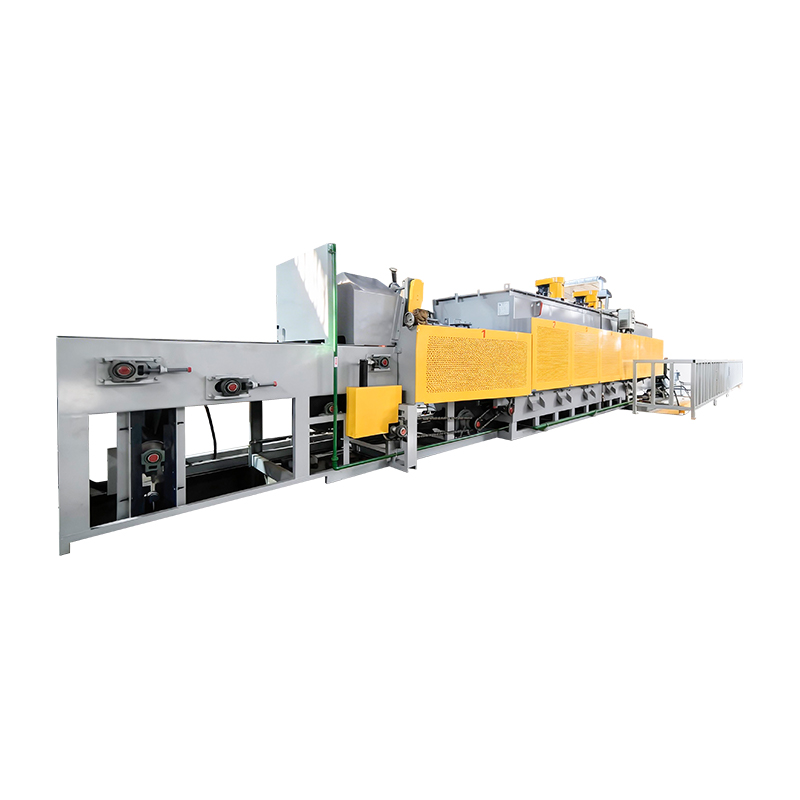 Isothermal Quenching Furnace for Austempered FastenersThis furnace supports bainitic austempering for fasteners, providing high impact toughness and ductility without a separate tempering step. It suits safety-critical parts where uniform cooling and minimal quench cracking risk are priorities.View Product →
A continuous mesh belt furnace transports fasteners through a heated tunnel on a wire belt. The parts pass through an austenitizing zone, fall into an agitated oil or polymer quench, move through a wash stage, and then enter a tempering zone, all within a single automated line. This design supports very high throughput and is common in large-volume fastener production.
The metallurgical route is quench and temper, or Q&T. Fasteners are quenched to martensite and then tempered at 400-600 °C to restore toughness. When the tempering temperature is uniform and precisely controlled, tempered martensite offers impact toughness equivalent to lower bainite at the same hardness. This is why many 8.8, 10.9, and even 12.9 grade fasteners are produced on mesh belt lines.
The trade-offs appear in process flexibility. Parts on a belt share the same heat treat cycle, so one line cannot easily run different grades with different soak times. Quench delay is also a factor: fasteners leave the belt and drop through the quench medium, creating a short interval in which temperature can vary. Thin or asymmetrical fasteners are more likely to distort compared with isothermal processing.
For manufacturers already operating a mesh belt platform, the same continuous heating technology supports other high-temperature processes, such as a mesh belt forging furnace for pre-heating blanks before forming.
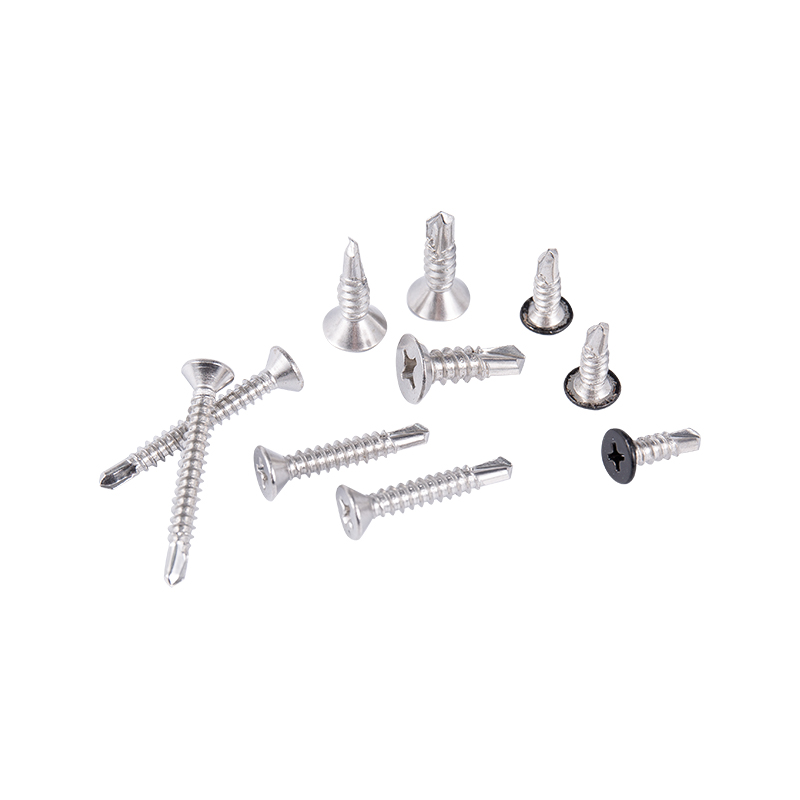 ZKL Continuous Mesh Belt Forging FurnaceA mesh belt forging furnace preheats blanks before forming, leveraging continuous heating technology for high-volume production. It integrates smoothly into existing mesh belt platforms, making it a practical choice for manufacturers expanding into forging operations.View Product →
The following table summarizes the key differences that influence toughness, distortion, and process economics for high-strength fasteners.
| Factor | Isothermal Quenching Furnace | Continuous Mesh Belt Furnace |
|---|---|---|
| Typical microstructure | Lower bainite | Tempered martensite |
| Toughening mechanism | Fine acicular ferrite with internal carbides | Tempering precipitates fine carbides and relieves stress |
| Distortion | Low, suitable for thin and complex fasteners | Moderate, depends on symmetry and load density |
| Tempering step | Not required | Required after quenching |
| Typical volume | Batch or semi-continuous, medium to large lots | Continuous, high-volume production |
| Typical grades | 10.9, 12.9, and specialty grades | 8.8, 10.9, and 12.9 with strict tempering control |
| Main toughness risk | Incomplete bainite transformation or insufficient holding time | Uncontrolled tempering, decarburization, or mixed loads |
280-400 °C
Isothermal holding temperature for lower bainite formation
400-600 °C
Tempering range for tempered martensite in Q&T
5 °C
Typical temperature uniformity achieved in a well-designed salt bath
1 less step
Tempering operation eliminated by austempering
At the same hardness level, lower bainite from an isothermal quenching furnace and tempered martensite from a continuous mesh belt furnace both provide excellent toughness. The deciding factors are distortion control, process flexibility, heat treat cost per part, and the consistency of a particular line.
Furnace type determines the basic microstructure, but process control determines whether that microstructure is achieved consistently. Four factors matter most for high-strength fasteners.
Deeper guidance on atmosphere management, temperature control, and maintenance can be found in our guide to optimizing industrial heat treatment.
There is no universal winner. High-volume manufacturers producing standard bolts and screws in property classes 8.8 and 10.9 usually benefit from a continuous mesh belt furnace, where productivity and automation lower the cost per part. When product designs include thin walls, long shanks, or critical safety applications such as automotive chassis fasteners, an isothermal quenching furnace is often the better choice because it combines high toughness with low distortion.
A practical approach is to run standard grades on a mesh belt line and route safety-critical or customer-specified lots through an isothermal austempering furnace. For plants that already use a Q&T route, a reliable tempering furnace is essential to achieve consistent toughness. Cart-type tempering furnaces are widely used for this purpose when batch sizes are large and soaking must be uniform.
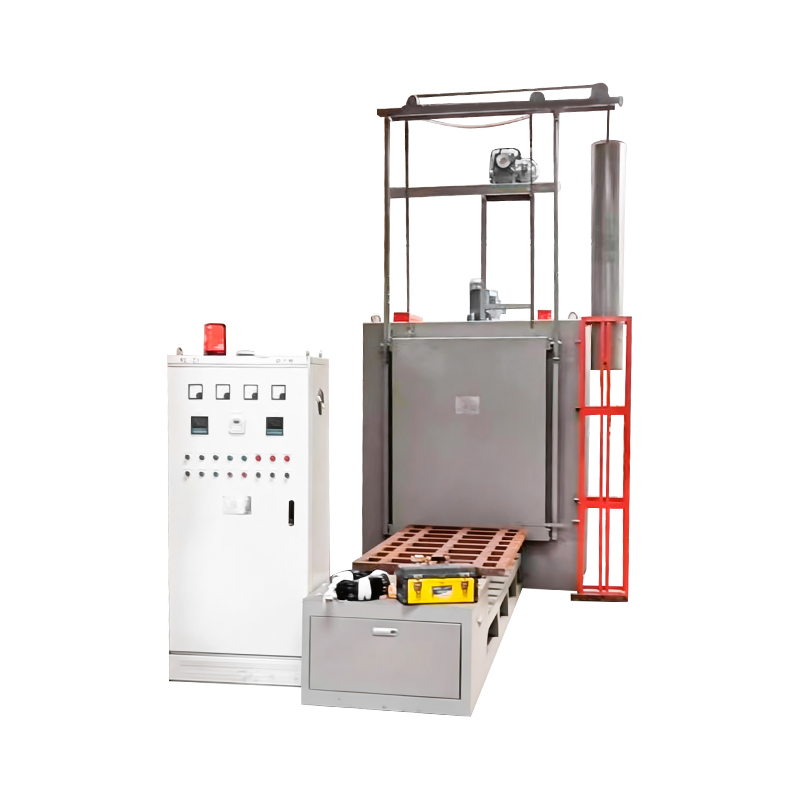 ZKL Car-Type Tempering Furnace for Batch ProcessingThis car-type tempering furnace ensures uniform soaking for large batches, essential for achieving consistent toughness in QT-processed fasteners. It is suited for plants routing safety-critical lots through a reliable tempering stage after quenching.View Product →
Because every plant has a different product mix, the best way to evaluate the two options is to compare actual samples after heat treatment. Testing Charpy impact, hardness, and microstructure on fasteners processed in both furnace types gives the final answer. If you are planning a new line, contact the engineering team with your grade, volume, and toughness requirements.
A1: It produces bainite, provided the part is held at the isothermal temperature long enough for complete transformation. In the typical range of 280-400 °C, the resulting phase is lower bainite.
A2: Yes, when the tempering operation is correctly controlled. Tempered martensite from a mesh belt line can reach the same impact energy as lower bainite at a comparable hardness. The main differences are distortion, flexibility, and throughput.
A3: Isothermal quenching. Austenite transforms at a constant temperature, so thermal gradients are much smaller than in an oil quench. Mesh belt furnaces can still perform well with symmetrical fastener geometries and controlled load density.
A4: No. The bainitic structure is formed directly during the isothermal hold, so a separate tempering step is eliminated. This reduces energy consumption and shortens the production cycle.
In summary, both the isothermal quenching furnace and the continuous mesh belt furnace can produce high-strength fasteners with excellent toughness. Choose the mesh belt line when volume and automation dominate, and choose the isothermal furnace when distortion, process precision, and the highest reliability at each hardness level are the priority. The most robust strategy is to match the furnace to the fastener family and validate the result with mechanical testing.
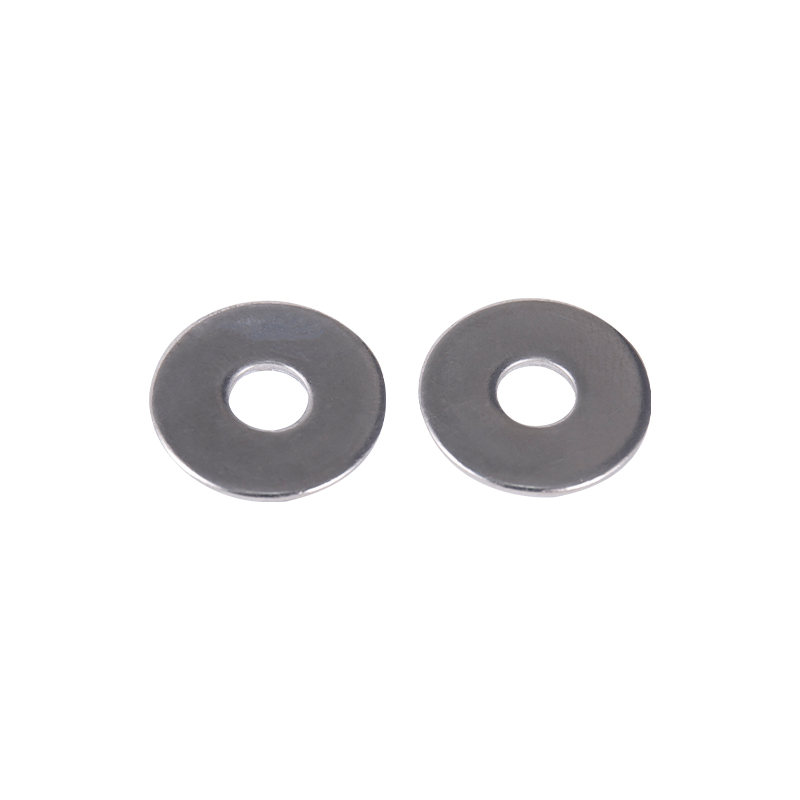
Flat washers and spring washers are fastener accessories widely used in industry...
See Details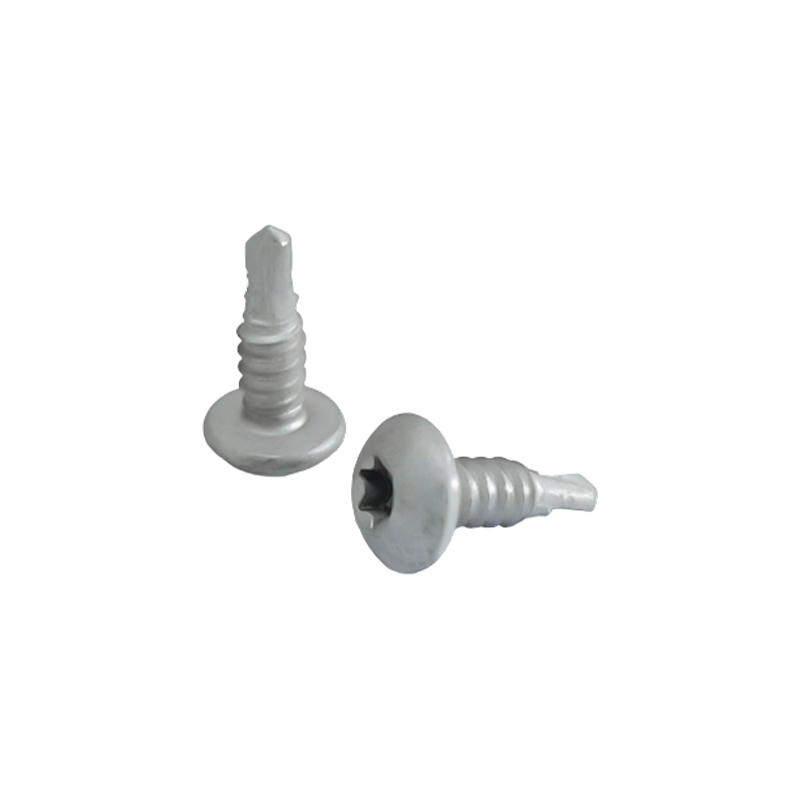
The Pand Head Hexalobular Suture Screw features a hexalobular (Torx) head design...
See Details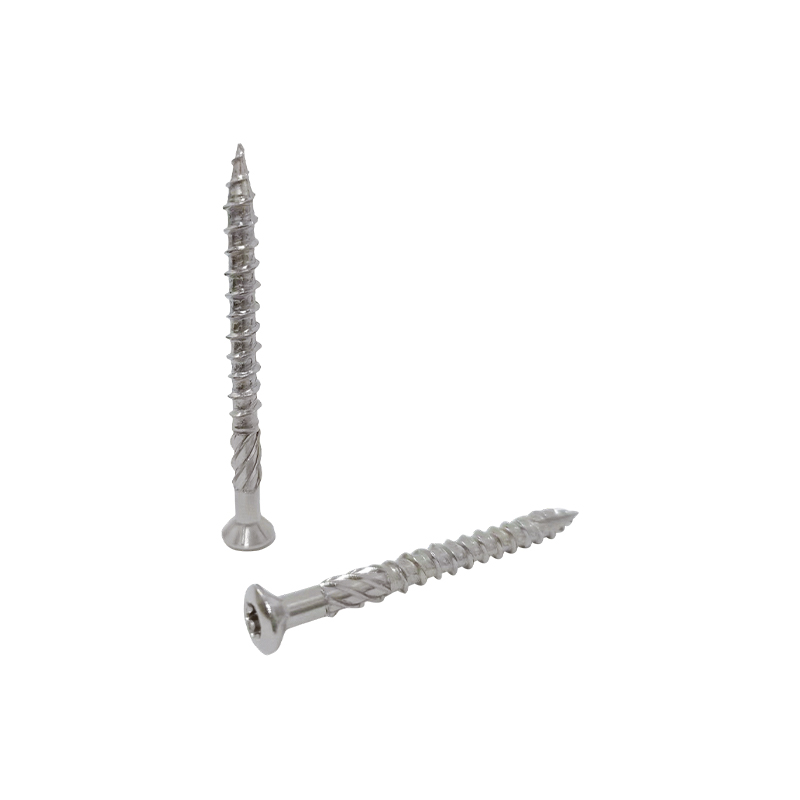
This Semi Countersunk Hexalabular Six-Bevel Rib Chipboard Screw features a speci...
See Details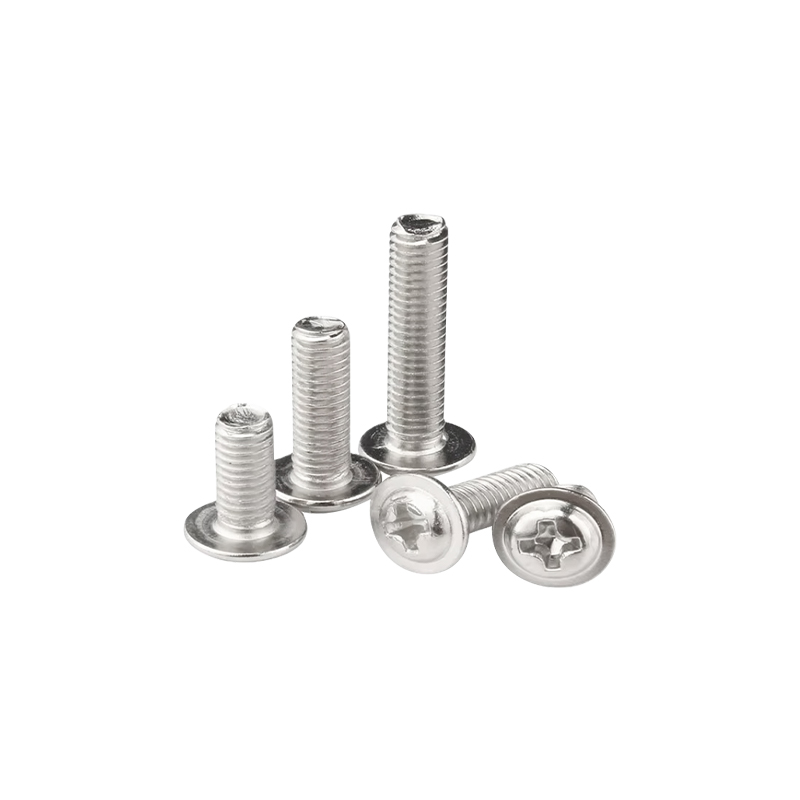
The Round Washer Head Phillips Machine Screw is a threaded fastener characterize...
See Details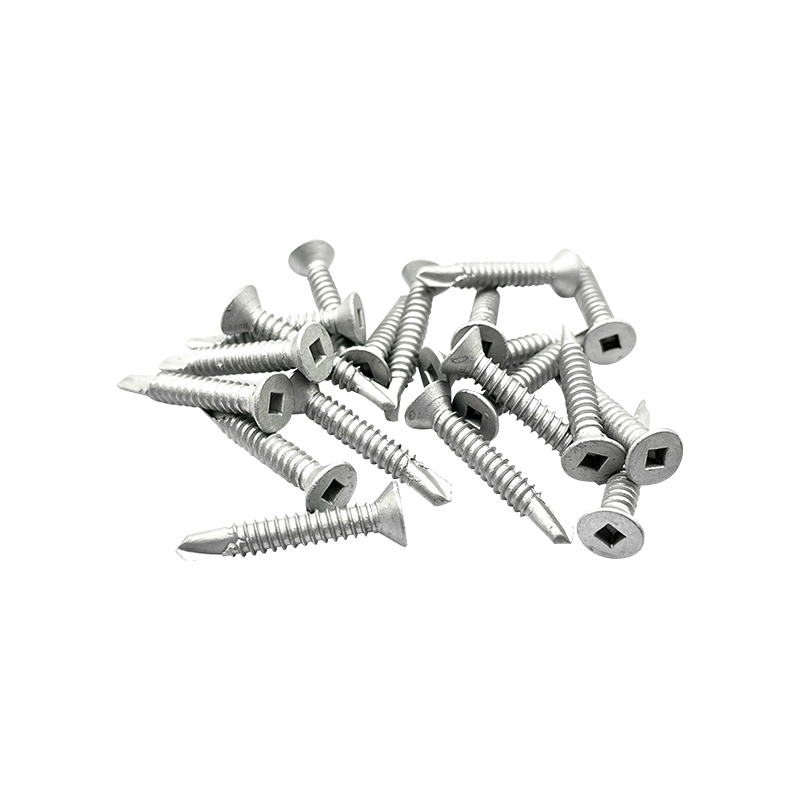
This CSK Head Square Drive Self Drilling Screw features a thread size range of M...
See Details+86-13705735391
+86-18868359082
+86-573-83128088
+86-573-83128123
No. 2155, Shuanglong Road, Nanhu District, Jia Xing City, Zhejiang Province
Copyright © Jiaxing Zhongke Metal Technology Co.,Ltd. All Rights Reserved.Custom High Strength Stainless Steel Fasteners Manufacturers Provider