English
 Español
 عربى
عربى


Pan Head Sharp Point Self-Tapping Screws
Cat:Self-Tapping Screws
Pan head sharp point self-tapping screws are a type of fastener widely used in c...
See Details


Content
Industrial machine screws must do more than generate clamping force. In control panels, safety interlocks, anti-theft covers, and other security-sensitive assemblies, the screw head is the first barrier against unauthorized access. The head profile, including its overall shape, height, bearing surface, and the drive recess machined into it, determines how easily the screw can be operated with standard tools and how difficult it is to remove without the correct driver. This article explains which head profiles drive security and tamper resistance in industrial machine screws, and how to pair them with the right drive system.
Head geometry controls the way a driver transfers torque and the way a tool can grip the fastener. A standard Phillips or slotted head is easy to engage with everyday tools, which is convenient for maintenance but also leaves the fastener exposed to unauthorized removal. Tamper-resistant machine screws are designed to break that pattern: the profile limits gripping leverage, while the drive recess requires a specialized bit.
Several head-profile characteristics directly influence tamper resistance:
This is why head profile selection matters as much as grade and thread choice in security-focused fastener specifications.
Several head profiles are commonly used in industrial machine screws that require a higher level of security. Each offers a different balance of flush installation, torque capacity, and resistance to tool engagement.
Countersunk, or flat, head machine screws sit flush with the surface of the mating part. There is no protruding rim for pliers, side-cutters, or prying tools to grip. This makes them a strong choice for panels, covers, and equipment housings where a smooth exterior is required. When the countersunk head is combined with a tamper-resistant drive such as a Torx-with-steps recess, the fastener becomes difficult to remove without the matched bit.
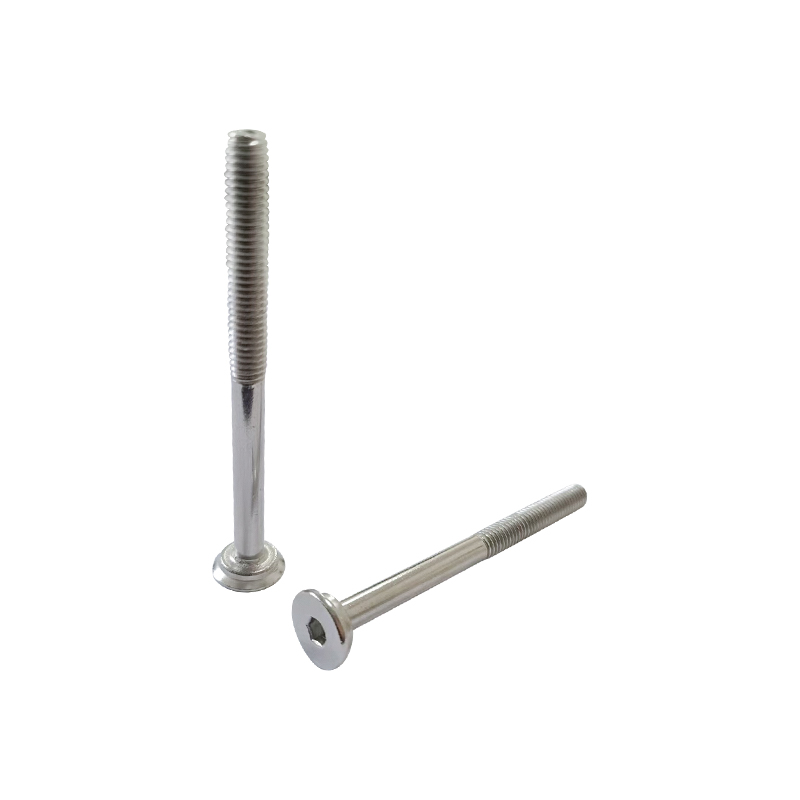 Countersunk Hex Drive With Steps Machine Screw, M6-1.0 x 75mmThis countersunk screw sits flush with the surface, leaving no protruding rim for gripping tools. Its hex drive with steps offers positive engagement and tamper resistance, making it a secure option for panels and enclosures.View Product →
The pan head has a rounded top and a wide bearing surface, giving it excellent torque transfer and a stable seating area. Its smooth, domed exterior offers limited purchase for gripping tools, and the shallow profile discourages vice-grip removal. Pan head machine screws are widely used in industrial assemblies where a slightly protruding head is acceptable and a tamper-resistant drive is specified.
Socket cap head machine screws feature a cylindrical profile with a deep internal hex recess. The depth of the recess allows high tightening torque without stripping, while the cylindrical side wall gives a wrench no easy gripping point when the screw is fully seated. Adding a pin-in-hex or a custom internal drive further restricts removal to special tools.
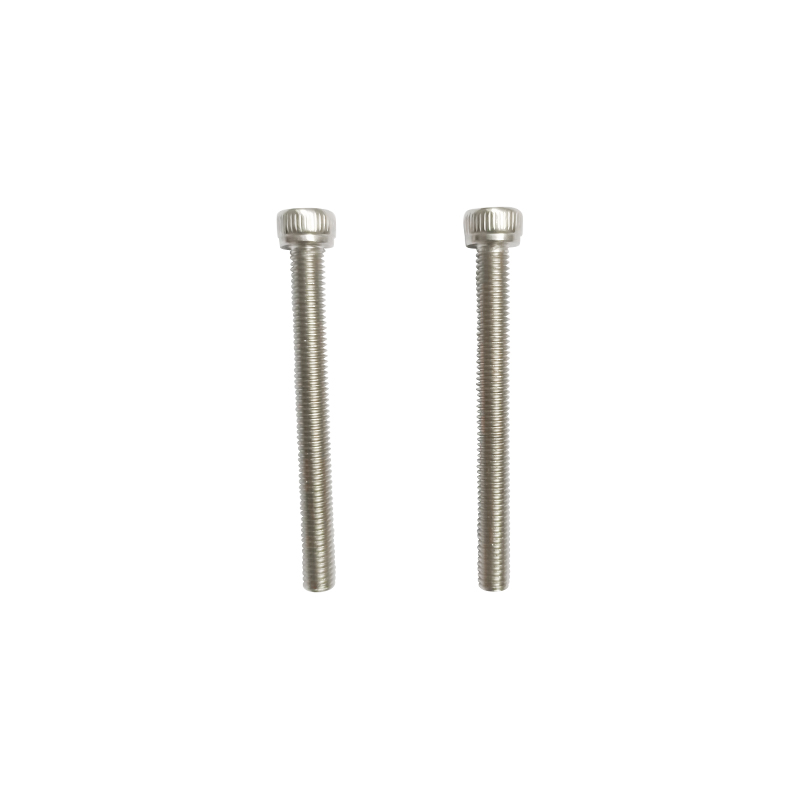 Socket Cap Head Internal Hex Machine Screw, M4-0.7 x 8mmThis socket cap screw uses a deep internal hex socket for precise torque transfer and a cylindrical head with limited grip for tools. It suits compact assemblies where a low-profile, tamper-resistant fastener is needed.View Product →
Round washer head machine screws combine a low-profile dome with an integrated washer-like bearing surface. The large head diameter spreads clamping load and, because the head sits close to the mounting surface, leaves little space for a gripping tool to slip underneath. This low-profile geometry is particularly useful in security fittings and space-constrained industrial equipment.
The head profile cannot be considered separately from the drive recess machined into it. In practice, the drive is part of the head, and the combination is what determines installability and removal difficulty. Tamper-resistant drives used on industrial machine screws include:
Pin-in-TorxY-driveSpannerTri-wingOne-way slotted
A practical example is the pan head machine screw with a Y-drive. The conventional pan profile provides strong seating, while the Y-shaped recess blocks flat-blade and Phillips drivers completely.
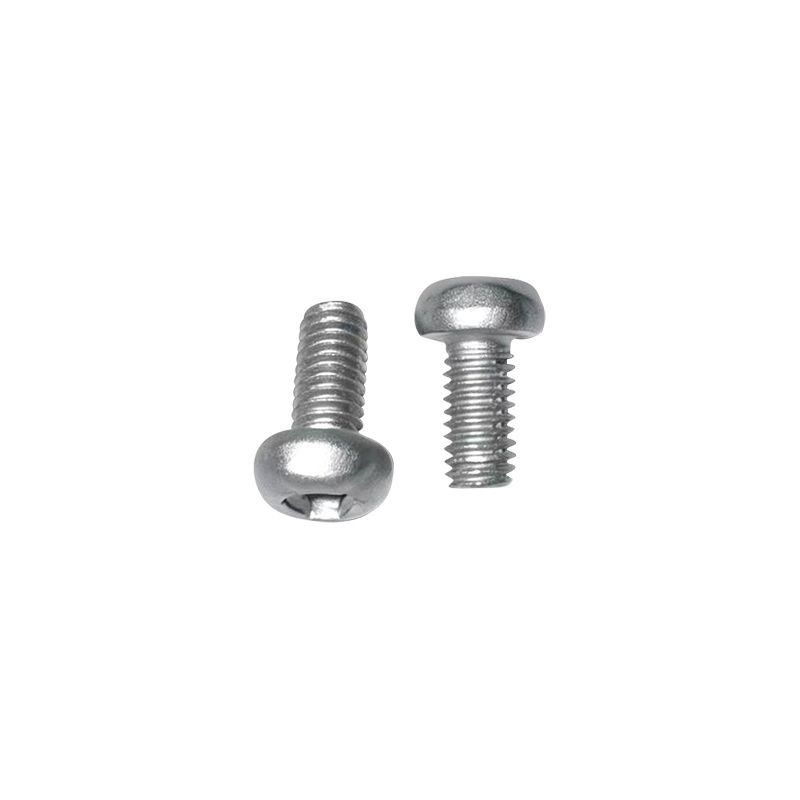 Pan Head Y Drive Machine Screw with Dacromet CoatingThis pan head screw uses a three-lobe Y drive that blocks common drivers and reduces cam-out, while the Dacromet coating provides corrosion protection. It fits applications requiring a low-profile head and specialized drive.View Product →
Steps or ribs can also be formed inside the drive recess, as in Torx-with-steps geometry. These features increase strip resistance, meaning an unauthorized bit is more likely to slip before it can generate enough torque to loosen the screw.
Tamper resistance is not only a matter of geometry. If the head is soft, a determined person can hammer a larger bit into the recess, drill out the head, or grind away the profile. The material and manufacturing process must make the head hard enough to resist these attacks.
Stainless steel grades such as SUS304 and SUS316 offer a strong combination of corrosion resistance and mechanical strength, making them popular for industrial machine screws in outdoor and washdown environments. Carbon steel grades such as C1022A can be case-hardened to create a tough surface that resists drilling and deformation. Heat treatment is essential in this process: a properly hardened head keeps its drive geometry intact under repeated torque, which also preserves the tamper-resistant function over the service life of the fastener.
A supplier that operates both heat-treatment equipment and machine screw production can control hardness and surface quality in a single manufacturing flow. New materials and process innovations continue to improve fastener reliability, as outlined in our overview of machine screw technology innovation. Surface treatments such as zinc plating, pickling, phosphating, or head spraying add further protection against corrosion and wear without changing the head profile.
There is no single best head profile for every security-sensitive industrial application. The right choice depends on installation access, the level of threat, and tooling constraints.
| Head Profile | Key Security Feature | Typical Application | Recommended Drive |
|---|---|---|---|
| Countersunk | Flush fit, no protruding edge | Enclosures, panels, covers | Pin-in-Torx, Torx with steps |
| Pan | Wide bearing surface, smooth dome | General industrial assemblies | Y-drive, anti-theft Torx |
| Socket cap | Deep recess, high torque capacity | Machinery guards, valves | Internal hex with pin |
| Round washer | Low profile, large head diameter | Space-constrained security fittings | Spanner, hex pin |
Consider these factors when specifying a tamper-resistant machine screw:
If you are evaluating a security screw specification for a new or existing assembly, contact our engineering team to discuss head profile, drive geometry, material grade, and finishing options.
For industrial machine screws, a low-profile head with a proprietary or pinned drive offers the strongest tamper resistance. Countersunk heads with Torx-with-steps and socket cap heads with pin-in-hex are both effective because they limit gripping leverage and prevent standard bits from engaging.
Countersunk heads sit flush and leave no edge for pliers or prying tools, which makes unauthorized removal harder. Pan heads provide higher torque transfer and a larger bearing surface but are easier to grip. The more secure option depends on whether flush installation or clamp load is more important in the application.
Yes. Most head profiles can be machined with tamper-resistant drives. Combining a pan or countersunk head with a Y-drive, pin-in-Torx, or spanner recess creates a fastener that looks conventional but requires a specialized driver for installation and removal.
Hardened stainless steel grades such as SUS304 and SUS316, as well as heat-treated carbon steel, resist stripping, drilling, and grinding. Case hardening and surface treatments strengthen the drive recess and head rim, preserving the security function over repeated service cycles.
Yes. The driver bit must match the drive geometry precisely. This is the core of the security concept: the authorized operator can install and remove the fastener easily, but someone without the matching bit cannot generate enough torque to loosen it.
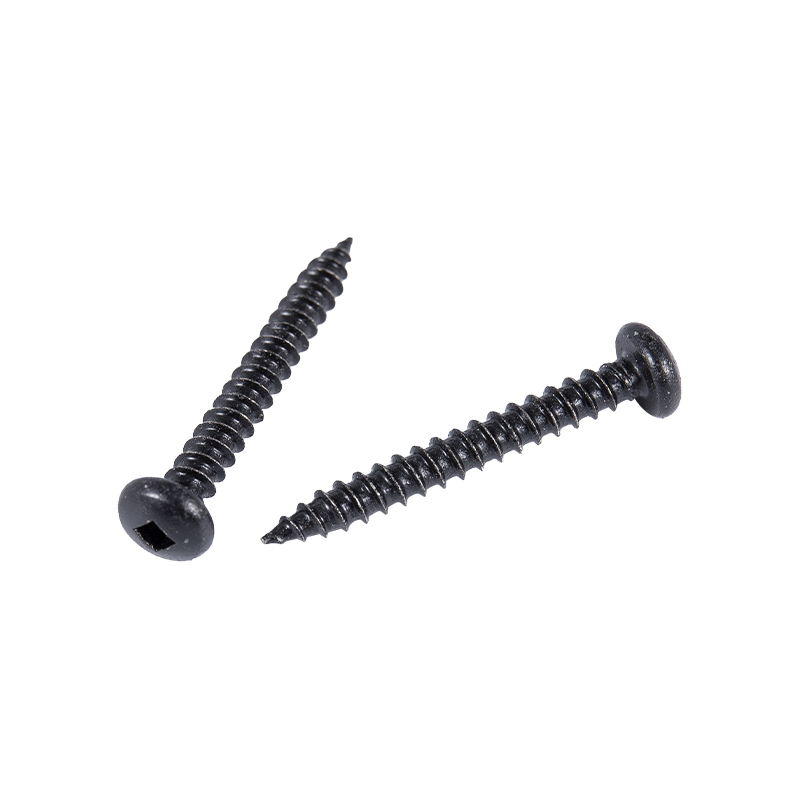
Pan head sharp point self-tapping screws are a type of fastener widely used in c...
See Details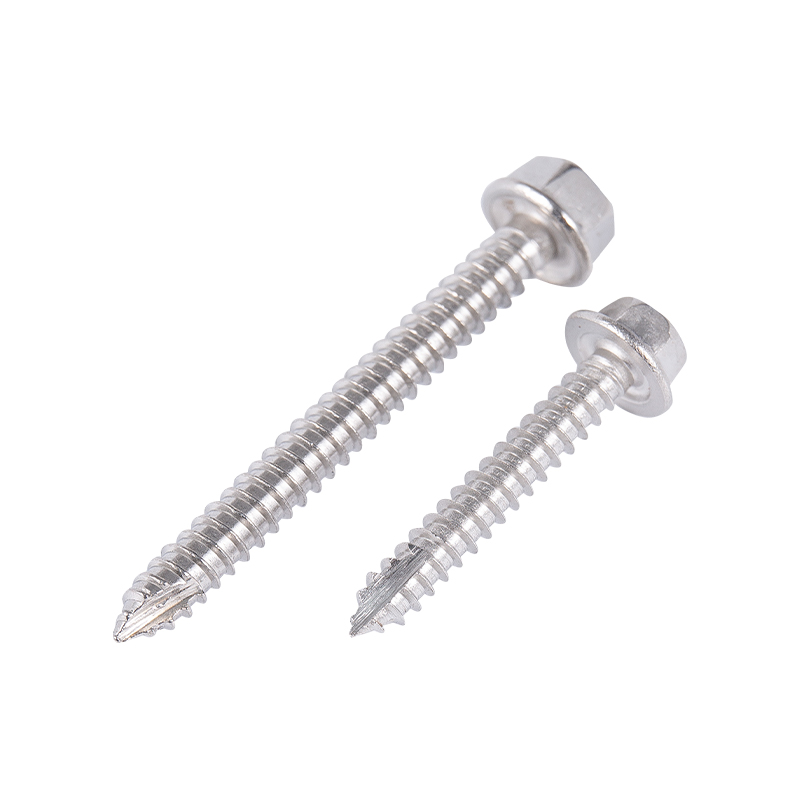
Hexagon head sharp point self-tapping screws are an efficient and convenient fas...
See Details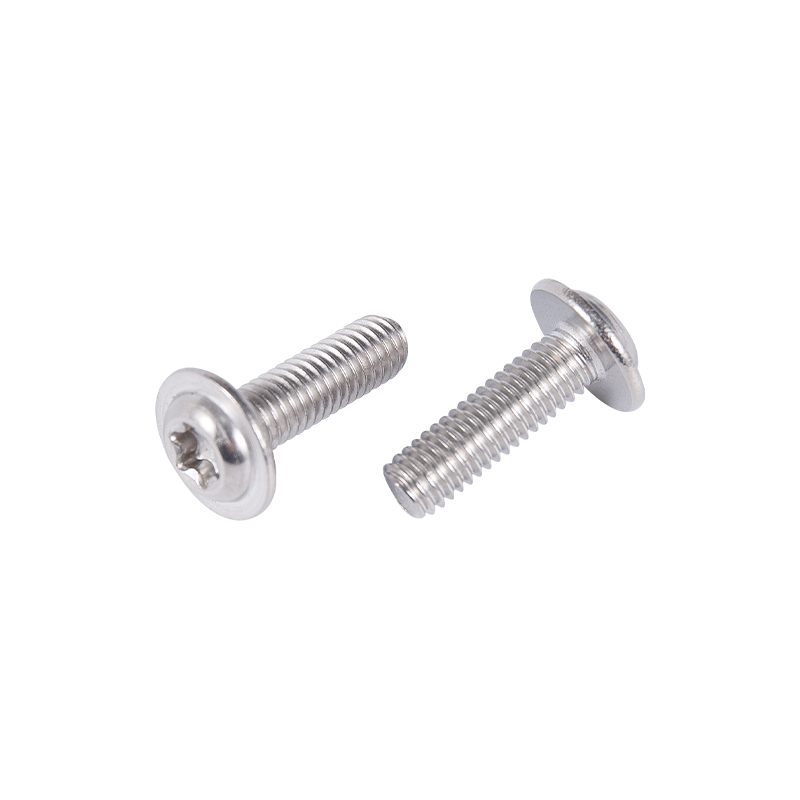
Pan head machine screws are well designed and have superior performance, suitabl...
See Details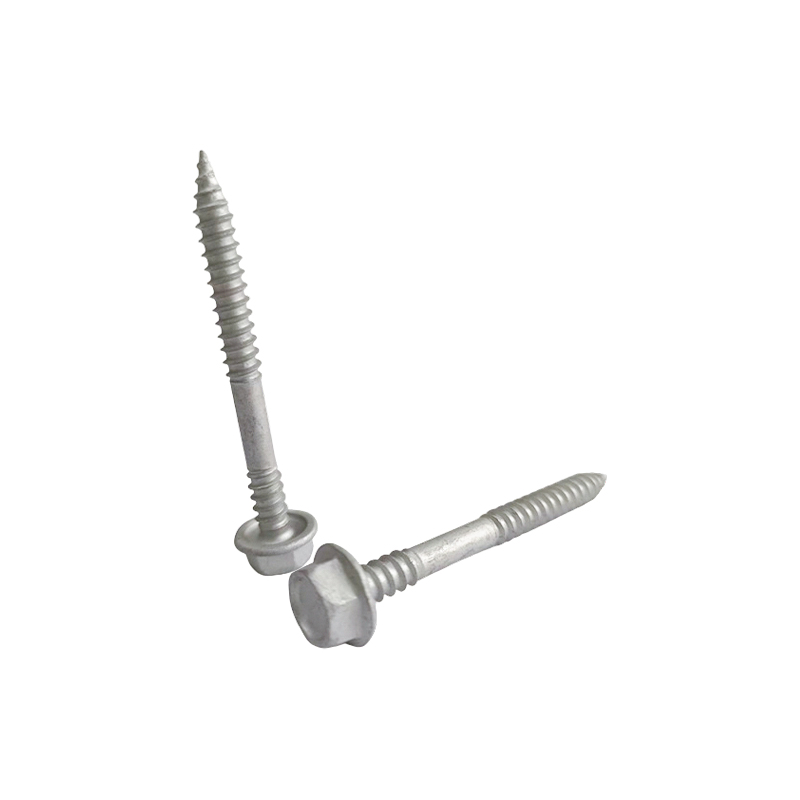
The Hexagonal Large Flange Self-Tapping Screw is a fastener designed for connect...
See Details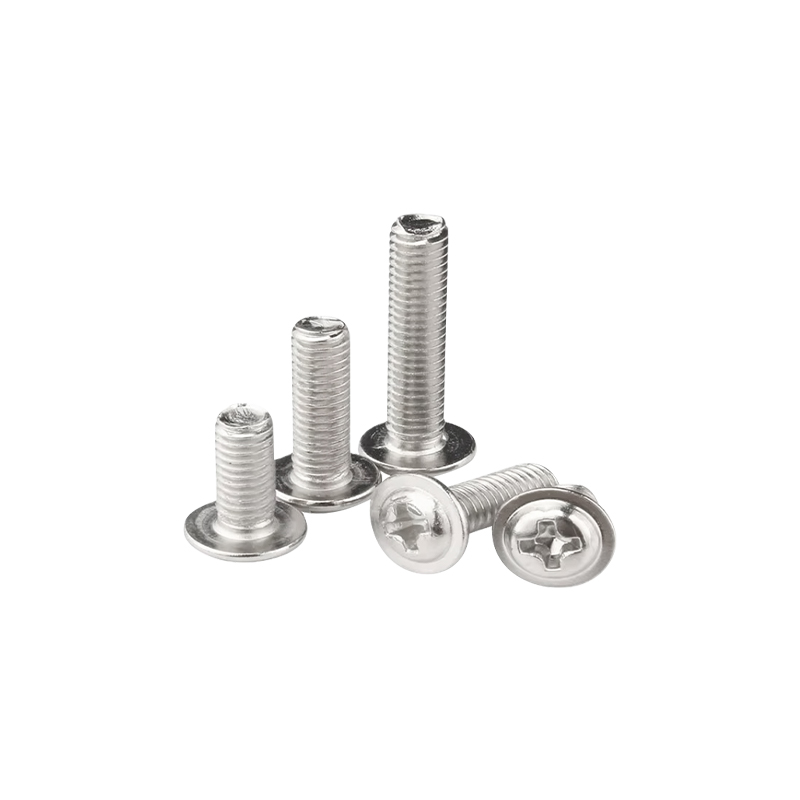
The Round Washer Head Phillips Machine Screw is a threaded fastener characterize...
See Details+86-13705735391
+86-18868359082
+86-573-83128088
+86-573-83128123
No. 2155, Shuanglong Road, Nanhu District, Jia Xing City, Zhejiang Province
Copyright © Jiaxing Zhongke Metal Technology Co.,Ltd. All Rights Reserved.Custom High Strength Stainless Steel Fasteners Manufacturers Provider