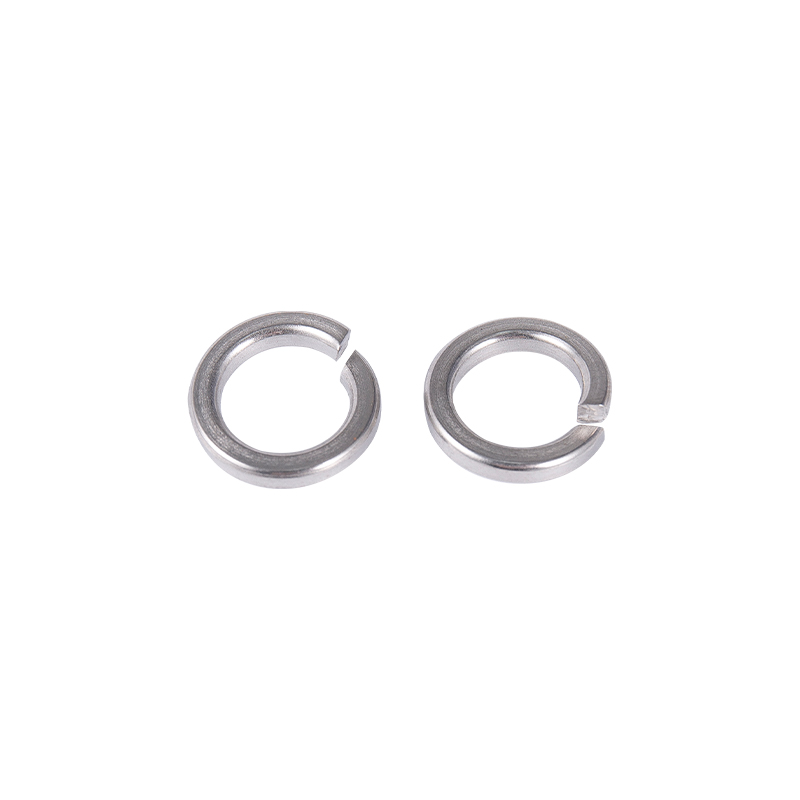
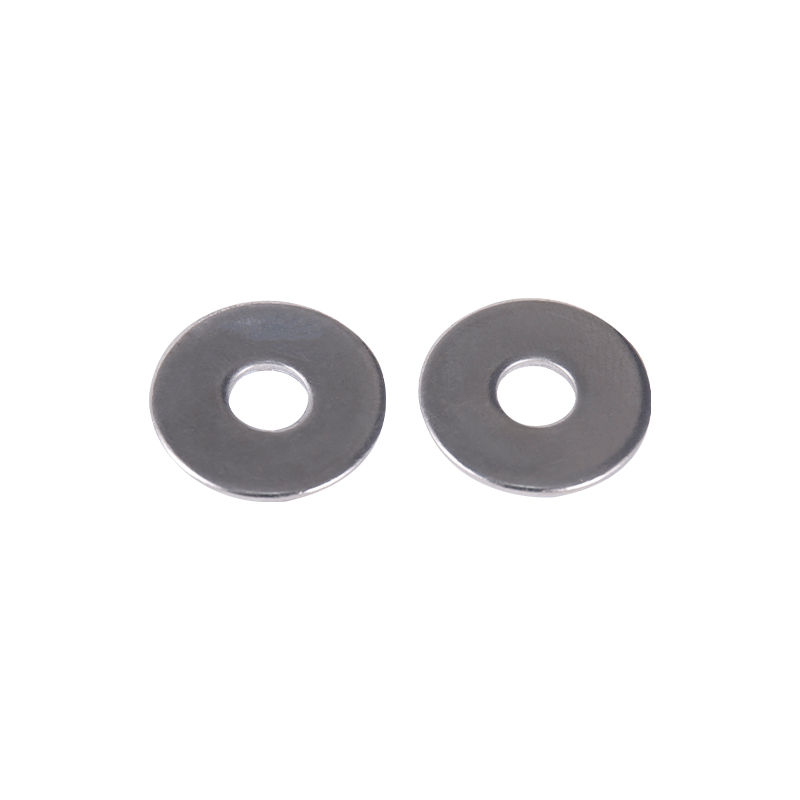
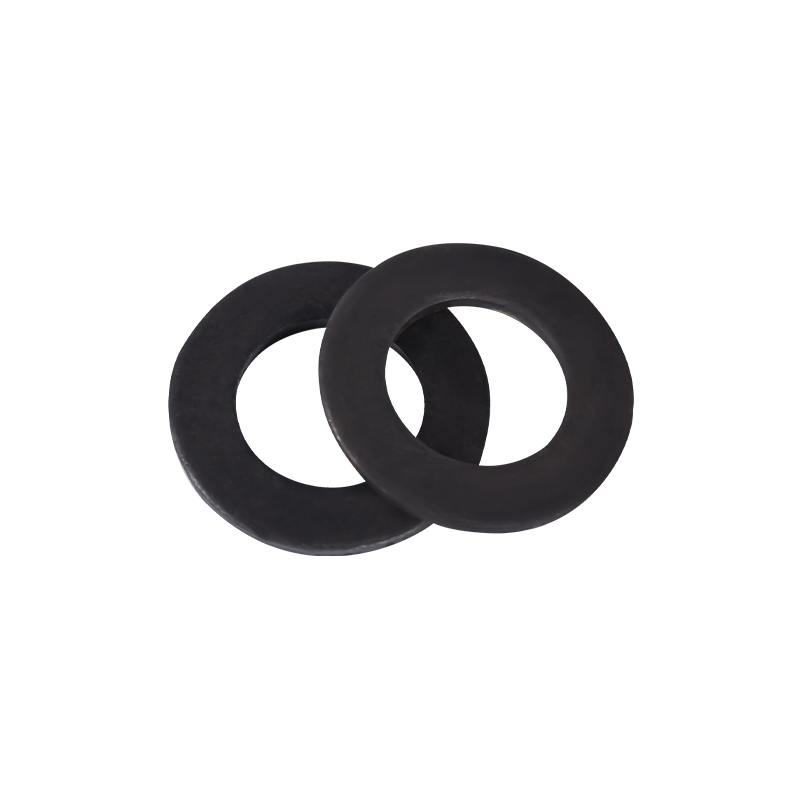
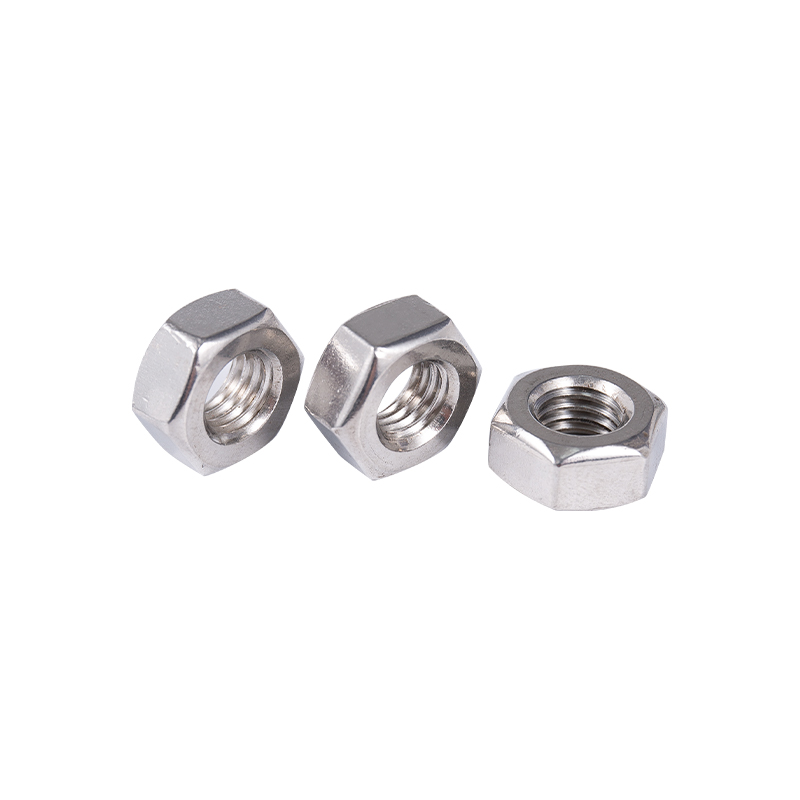
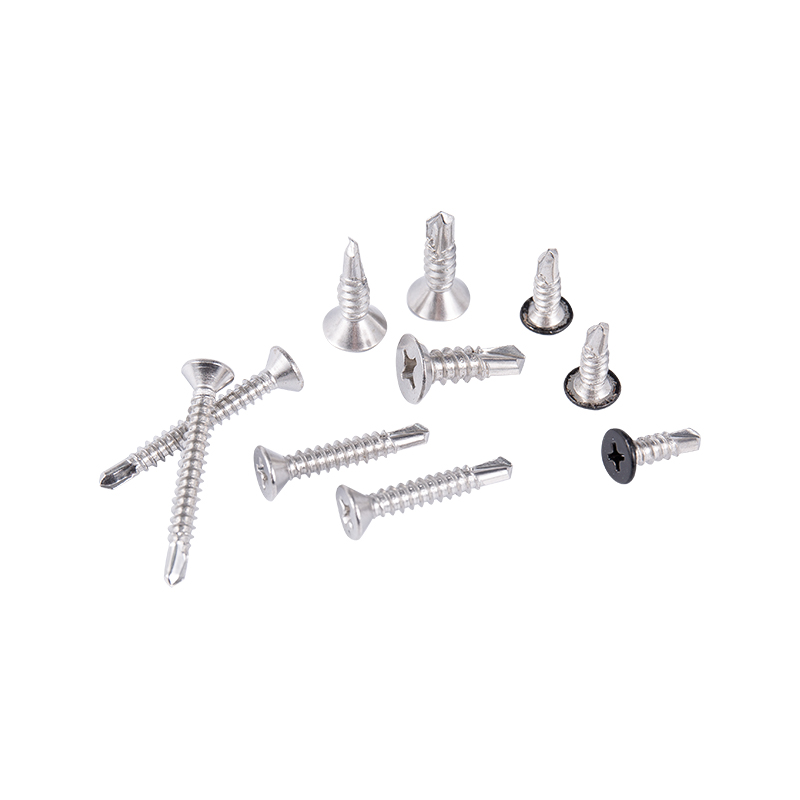
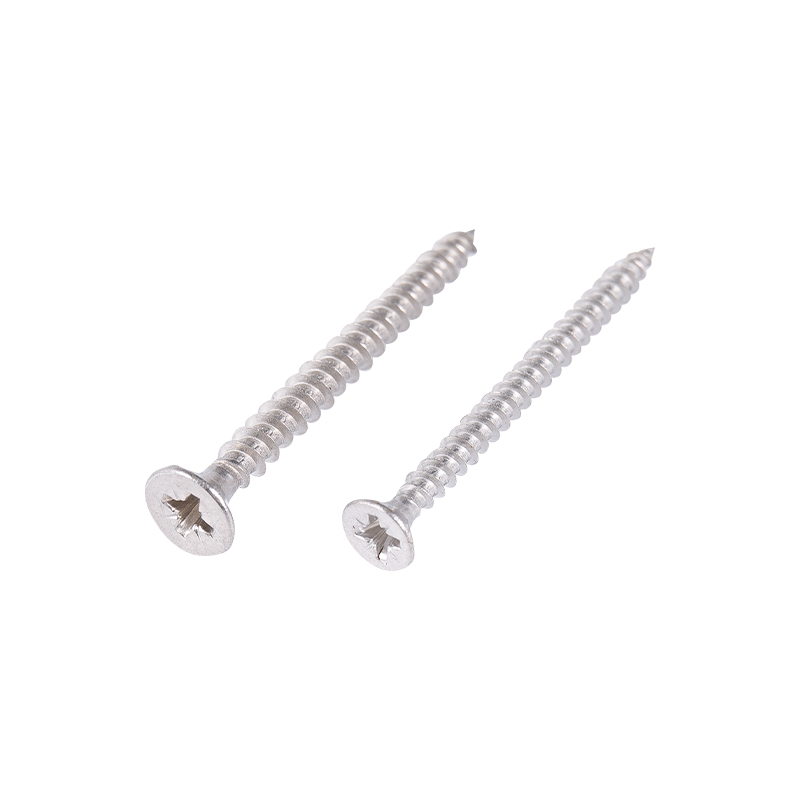
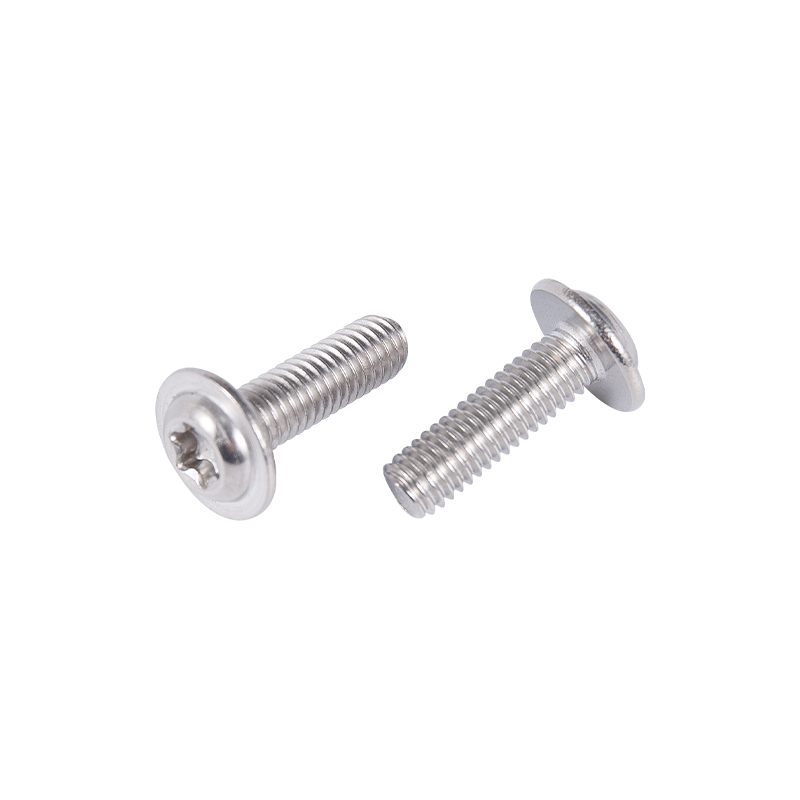
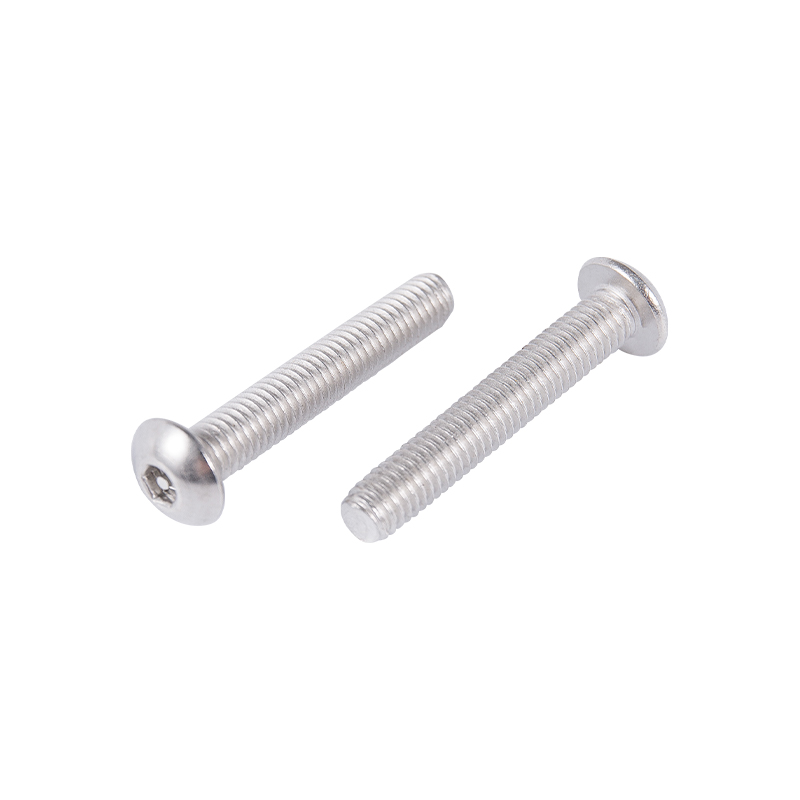
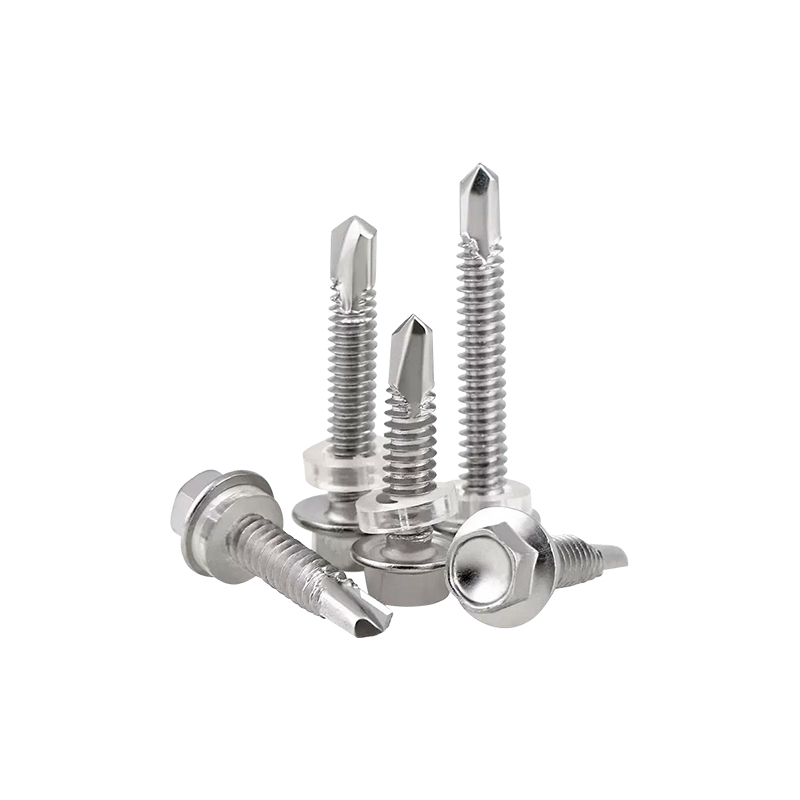
Standard: DIN 125, GB/T 95, ISO 7089, ASME B18.21.1, DIN 127, GB/T 93
Material: Carbon Steel, SUS410 Stainless Steel
Grade: Grade 4.8, Grade 6.8, Grade 8.8, A2-70, A4-70
Specification: M8, M10, M12, M14, M16, M20
Finish: Passivated, Zinc plated, Nickel plated, Blackened, Dacromet
Product Introduction
Flat Washers and Spring Lock Washers are essential fastening components designed to distribute load, prevent loosening, and protect workpiece surfaces in bolted connections. Flat washers provide a smooth bearing surface under the bolt head or nut, distributing clamping force across a wider area to prevent damage to the workpiece and reduce the risk of bolt loosening. Spring lock washers feature a split-coil design that exerts outward pressure against the bolt head or nut, creating a locking action that resists loosening from vibration and dynamic loads. Available in carbon steel and SUS410 stainless steel material options, with property classes from Grade 4.8 to Grade 8.8 and A2-70/A4-70 stainless steel grades, these washers offer strength and corrosion resistance for various environments. Multiple surface treatments including passivated, zinc plated, nickel plated, blackened, and Dacromet finishes provide environmental adaptability. Metric sizes from M8 to M20 accommodate comprehensive structural and industrial bolting requirements.
Core Advantages
01
Flat Washer Design
Provides smooth bearing surface under bolt head or nut, distributing clamping force across a wider area.
02
Spring Lock Washer Design
Split-coil design exerts outward pressure creating locking action that resists loosening from vibration and dynamic loads.
03
Multiple Material Options
Available in carbon steel and SUS410 stainless steel to meet diverse application requirements.
04
Wide Grade Range
Property classes from Grade 4.8 to Grade 8.8 and A2-70/A4-70 stainless steel provide strength options.
05
Comprehensive Size Range
Metric sizes from M8 to M20 cover a wide range of structural and industrial bolting requirements.
06
Extensive Surface Treatments
Passivated, zinc plated, nickel plated, blackened, and Dacromet finishes for environmental adaptability.
Product Features
Flat washer design Provides a smooth bearing surface under the bolt head or nut, distributing clamping force across a wider area to prevent workpiece damage and reduce loosening risk.
Spring lock washer design Split-coil configuration exerts outward pressure against the bolt head or nut, creating a locking action that resists loosening from vibration and dynamic loads.
Carbon steel material Provides strength for general fastening applications with appropriate surface treatment.
SUS410 stainless steel material Provides hardness for structural applications with corrosion resistance for demanding environments.
Grade range Grade 4.8 and 6.8 for general applications; Grade 8.8 offers medium strength; A2-70 and A4-70 for stainless steel applications.
Size range Available in M8, M10, M12, M14, M16, and M20 diameters for diverse structural and industrial bolting requirements.
Surface treatment options Zinc plating provides general corrosion protection; passivation enhances stainless steel; nickel plating offers enhanced appearance; blackening delivers aesthetic matte finish; Dacromet provides high salt spray resistance.
Application Scenarios
Structural steel connections
Bridge and infrastructure
Heavy equipment assembly
Industrial machinery
Automotive components
Construction equipment
Railway applications
Vibration-prone assemblies
These flat washers and spring lock washers are deployed in structural and industrial bolting applications requiring load distribution and vibration resistance. Applications include structural steel connections where flat washers protect workpieces, bridge and infrastructure projects, heavy equipment assembly, industrial machinery, automotive components, construction equipment, railway applications, and vibration-prone assemblies where spring lock washers provide locking action against loosening.
Common Questions and Solutions
What is the difference between flat washers and spring lock washers?
Flat washers provide a smooth bearing surface under bolt heads or nuts to distribute clamping force and protect workpieces. Spring lock washers feature a split-coil design that exerts outward pressure to create a locking action that resists loosening from vibration and dynamic loads.
When should I use flat washers vs. spring lock washers?
Use flat washers when load distribution and workpiece protection are the primary concerns. Use spring lock washers when vibration resistance and preventing loosening are the primary concerns. In many applications, both types may be used together for combined benefits.
How do I select the correct washer grade?
Select washer grade based on the bolt grade and application requirements. Grade 4.8 and 6.8 washers are suitable for general applications. Grade 8.8 washers offer medium strength for structural applications. A2-70 and A4-70 are stainless steel grades for corrosion-resistant applications.
What is the difference between carbon steel and stainless steel washers?
Carbon steel washers provide strength for general applications and are typically used with corrosion-resistant coatings. Stainless steel (SUS410) offers hardness for structural applications with corrosion resistance for demanding environments.
What surface treatment provides the best corrosion protection for washers?
Dacromet coating provides the highest salt spray resistance. Zinc plating offers general corrosion protection for indoor applications. For stainless steel washers, passivation enhances the natural oxide layer for improved corrosion resistance.
Can spring lock washers be reused?
Spring lock washers may lose their locking effectiveness after repeated use or over-compression. For critical applications, it is recommended to replace spring lock washers after each removal to ensure proper locking performance.
Installation Considerations
1
Select the appropriate washer type based on application requirements including load distribution and vibration resistance.
2
Match washer size and thickness with corresponding bolt size and grade for proper compatibility.
3
For spring lock washers, ensure the split-coil is properly oriented to provide the intended locking action.
4
Use torque-controlled tools to achieve proper preload. Over-tightening may cause washer deformation and loss of functionality.
5
For outdoor or corrosive environments, specify appropriate surface treatment such as Dacromet, zinc plating, or stainless steel grade based on exposure conditions.
6
Inspect washers for damage or deformation before installation to ensure proper performance.


 English
 Español
 عربى
عربى