English
 Español
 عربى
عربى


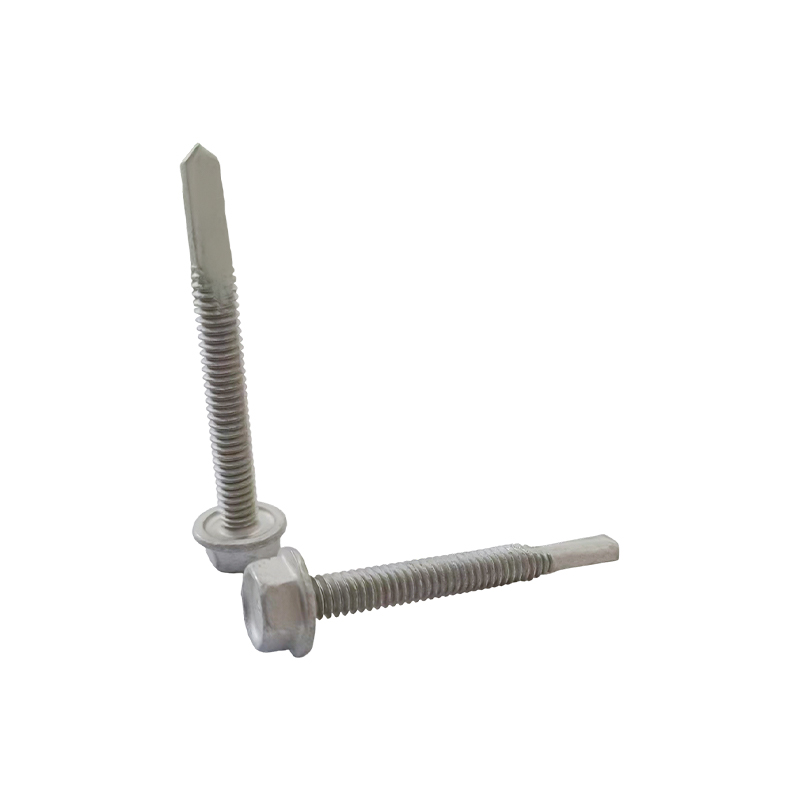
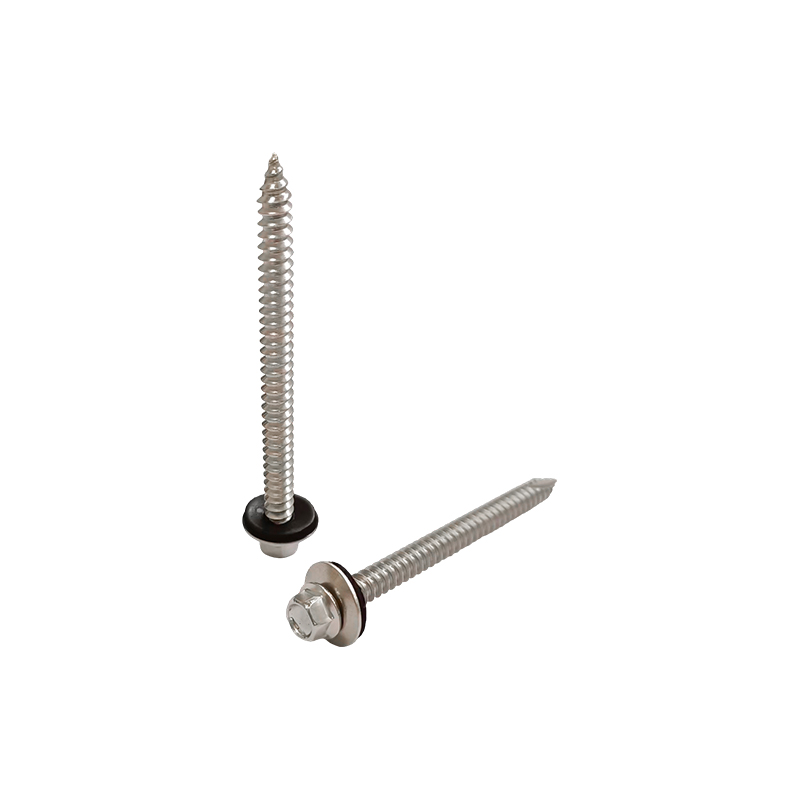
Hexagon Head Sharp Point Self-Tapping Screws
Cat:Self-Tapping Screws
Hexagon head sharp point self-tapping screws are an efficient and convenient fas...
See Details


Content
For construction contractors, industrial buyers, and export sourcing professionals, selecting the right fastener directly impacts project efficiency, structural integrity, and long term maintenance costs. Traditional fasteners require separate pre drilling, tapping, and fastening operations, which consumes labor time and introduces potential alignment errors. Stainless Steel Self Drilling Screws integrate all three functions into a single component, eliminating the need for pre drilling while providing superior holding strength. Understanding the technical differences between these fastener categories helps buyers select the right solution for applications ranging from metal roofing to automotive assembly and solar panel mounting.
Traditional fasteners such as machine screws or tapping screws require a pilot hole to be drilled before insertion. This two step process doubles installation time and requires workers to handle two tools. Additionally, misalignment between the pilot hole and the screw can compromise thread engagement and reduce pull out resistance. Self drilling screws, also known as tek screws, feature a built in drill point that penetrates the material while simultaneously forming mating threads. This single step operation reduces installation time by approximately 70 percent in typical metal construction applications. The following table summarizes the key differences between stainless steel self drilling screws and traditional fasteners.
| Performance Indicator | Stainless Steel Self Drilling Screws | Traditional Fasteners with Pre Drilling |
|---|---|---|
| Installation Steps | Single step drilling and fastening | Two step pre drill then fasten |
| Installation Time per Fastener | 5 to 8 seconds | 25 to 35 seconds |
| Labor Cost per Thousand Fasteners | Low one tool operation | High two tool operation |
| Pull Out Resistance | 20 to 30 percent higher | Standard baseline |
| Vibration Loosening Rate | Reduced by 50 percent | Standard baseline |
| Material Compatibility | Steel, aluminum, plastic composites | Same with pre drilling |
Independent testing confirms that stainless steel self drilling screws provide superior pull out resistance and vibration resistance compared to traditional fasteners. For construction and manufacturing applications where reliability matters, self drilling technology offers measurable performance advantages.
The distinguishing feature of Stainless Steel Self Drilling Screws is the integrated drill point at the tip of the fastener. This drill point is engineered to penetrate specific material types and thicknesses without blunting or overheating. Understanding drill point design helps buyers select the correct screw for their application.
Drill points are classified by number, typically ranging from drill point number one through number five. Drill point number one is the shortest and is designed for thin sheet metal up to 0.6 millimeters thickness. Drill point number three is the most common and penetrates steel up to 3 millimeters thickness. Drill point number five is the longest and handles steel up to 6 millimeters thickness. Selecting the correct drill point length ensures that the screw penetrates fully before threads engage, preventing thread stripping or incomplete seating.
The geometry of the drill point also varies by application. Auger style drill points feature a twisted flute design that clears chips from the hole, allowing deeper penetration without binding. This style is preferred for thicker materials where chip clearance is critical. Triangular drill points use a three sided cutting geometry that produces a smaller chip size, making them suitable for harder materials such as stainless steel or aluminum alloys. The triangular design also reduces walking or skidding during initial penetration, improving placement accuracy.
Drill point hardness is achieved through controlled heat treatment. The drill tip must be harder than the material being penetrated to maintain sharpness. For standard steel applications, case hardened drill points with surface hardness of 550 to 650 HV are sufficient. For stainless steel or high tensile materials, through hardened drill points with core hardness exceeding 600 HV are required to prevent tip blunting. Manufacturers such as Jiaxing Zhongke Metal Technology Co., Ltd. apply aerospace grade heat treatment processes to ensure consistent drill point performance across production batches.
The base material of Stainless Steel Self Drilling Screws determines mechanical strength, corrosion resistance, and cost. Several stainless steel grades are commonly used, each with distinct properties for different application environments.
Stainless steel grade 410 is a martensitic stainless steel that can be heat treated to high hardness levels of 600 to 700 HV. This grade offers excellent drill point performance and good corrosion resistance for indoor or protected applications. Grade 410 is suitable for automotive interiors, appliance assembly, and general construction where high humidity or salt exposure is not a concern. The material is magnetic and has moderate formability.
Stainless steel grade 304 is the most common austenitic stainless steel for fasteners. It offers excellent corrosion resistance for outdoor use and good ductility. However, grade 304 cannot be significantly hardened by heat treatment, so self drilling screws in this material often have a separate hardened drill tip attached or rely on work hardening during the drilling process. Grade 304 is non magnetic and provides good performance in moderate coastal environments. Salt spray testing typically exceeds 500 hours without red rust.
Stainless steel grade 316 is the premium choice for high corrosion environments including marine applications, chemical plants, and coastal construction. The addition of molybdenum to the alloy composition provides enhanced resistance to pitting and crevice corrosion from chlorides. Grade 316 self drilling screws achieve salt spray test results exceeding 1,000 hours. The material is non magnetic and maintains strength at elevated temperatures. For solar panel mounting systems, offshore structures, and marine equipment, grade 316 is the recommended specification.
Beyond base material selection, coatings provide additional protection and functionality. Zinc plating offers basic corrosion resistance at low cost. Nickel plating provides a decorative bright finish with moderate corrosion protection. Dacromet or Geomet coatings are zinc aluminum flake systems that provide superior corrosion protection without hydrogen embrittlement risk. These coatings achieve 1,000 to 2,000 hours of salt spray resistance and are used for automotive underbody and structural applications. For the most demanding environments, Xylan or PTFE coated screws provide lubricity for consistent torque and additional chemical resistance.
Proper heat treatment is essential for achieving the mechanical properties required of Stainless Steel Self Drilling Screws. The heat treatment process affects hardness, tensile strength, ductility, and drill point performance. Manufacturers with in house heat treatment capabilities, such as Jiaxing Zhongke Metal Technology Co., Ltd., maintain tighter control over final properties.
The heat treatment process for martensitic stainless steels such as grade 410 involves austenitizing at high temperatures, quenching to harden the microstructure, and tempering to achieve the desired balance of hardness and toughness. For self drilling screws, the drill point requires high hardness for cutting performance while the screw body requires sufficient toughness to withstand torsional loads during installation. This gradient property is achieved through selective heat treatment or through careful control of the tempering process.
Mechanical property requirements for stainless steel self drilling screws include hardness, tensile strength, and torsional strength. Hardness at the drill point should be 550 to 650 HV to penetrate standard steel materials. Core hardness of the screw body should be 350 to 450 HV to provide adequate strength without brittleness. Tensile strength should exceed 800 MPa for typical applications, with high strength versions achieving 1,000 MPa or more for structural connections. Torsional strength must ensure that the screw drives through the material and achieves proper seating without shearing the drive head or twisting off the shank.
Quality manufacturers test every production batch for these mechanical properties. Tensile testing machines measure ultimate tensile strength and yield strength. Torsional testing verifies drive torque capacity. Hardness testing using Rockwell or Vickers scales confirms proper heat treatment. Optical sorting machines automatically inspect each screw for dimensional accuracy and surface defects. These quality control measures ensure that every self drilling screw meets specification before shipment to customers.
For outdoor and marine applications, corrosion resistance is often the most critical property of Stainless Steel Self Drilling Screws. Salt spray testing according to ASTM B117 provides a standardized measure of corrosion protection. Understanding test results helps buyers select appropriate screw specifications for their environmental conditions.
Standard zinc plated carbon steel self drilling screws typically show red rust after 48 to 100 hours of salt spray exposure. This is sufficient for indoor applications or dry climates but inadequate for exterior use. Stainless steel grade 304 screws typically achieve 500 to 800 hours of salt spray resistance before corrosion appears. This is suitable for most outdoor applications including roofing, siding, and general construction in non coastal areas.
Stainless steel grade 316 screws with molybdenum alloying achieve 1,000 to 2,000 hours of salt spray resistance. The molybdenum content of 2 to 3 percent provides exceptional resistance to pitting from chlorides. Grade 316 is the standard specification for marine environments, coastal construction within one kilometer of salt water, and industrial applications with chemical exposure. For the most demanding environments including offshore oil platforms and seawater contact, super austenitic stainless steels such as grade 904L or duplex grades are available, though at significantly higher cost.
Coated stainless steel screws provide even greater corrosion protection. Dacromet or Geomet coated grade 304 screws achieve 1,500 to 2,500 hours of salt spray resistance. The zinc aluminum flake coating provides cathodic protection while the stainless steel substrate provides barrier protection. These coated screws are preferred for automotive underbody applications, bridge construction, and infrastructure projects requiring 50 year design lives. For solar panel mounting systems that must operate for 25 years, coated grade 316 screws are often specified.
Different industries and applications require specific Stainless Steel Self Drilling Screw configurations. Understanding these requirements helps buyers select the correct screw specifications for their projects.
For metal roofing and siding installation, self drilling screws with bonded washers are used to create weather seals. The washer is typically EPDM rubber or neoprene that compresses against the roofing panel to prevent water infiltration. Screws for this application have a low profile hex head or wafer head that does not trap debris. The drill point must penetrate the steel panel and underlying structure in one operation. Standard specifications for metal roofing screws include drill point number three for panels up to 2 millimeters thickness and drill point number five for heavier gauge structures.
For solar panel mounting systems, self drilling screws attach aluminum or steel rails to roof structures. The screws must provide high pull out resistance to withstand wind uplift loads. Corrosion resistance is critical because solar systems operate outdoors for 25 years. Stainless steel grade 316 screws with Dacromet coating are typical. The drill point design must penetrate the roof panel and engage the structural member without stripping. Thread geometry is optimized for thin sheet metal to prevent pull through under wind loads.
For automotive and transportation applications, self drilling screws assemble body panels, interior trim, and underbody components. Vibration resistance is critical because vehicles experience constant motion. Self drilling screws for automotive use have specialized thread forms including thread forming or thread rolling designs that create tight fitting threads without cutting, improving vibration resistance. The drill point must penetrate painted or coated panels without damaging surrounding finish. Stainless steel grade 410 screws are common for interior applications, while grade 304 with coatings is used for exterior and underbody components.
For HVAC and sheet metal ductwork, self drilling screws provide quick, secure connections between duct sections. The screws must penetrate light gauge steel without distorting the duct material. Drill point number one or two is typical for ductwork. The screw head is often a pan head or truss head that provides a large bearing surface to prevent pull through. Zinc plated carbon steel screws are sufficient for indoor HVAC applications, while stainless steel is specified for outdoor equipment or corrosive environments.
For electrical enclosures and control cabinets, self drilling screws must provide thread engagement while preventing damage to internal components. The screw length must be controlled to avoid protrusion into the enclosure interior. Stainless steel screws are preferred for electrical applications because they are non magnetic, reducing the risk of interference with sensitive equipment. The drive type is often Phillips or combination drive to accommodate standard tools used by electricians.
Proper installation technique is essential for achieving the performance capabilities of Stainless Steel Self Drilling Screws. Even the highest quality fastener will fail if installed incorrectly. Following established best practices ensures reliable connections and extends fastener life.
The most common installation error is using the incorrect drill point length for the material thickness. A drill point that is too short will not penetrate before threads engage, causing the screw to stall or strip threads. A drill point that is too long may penetrate completely before threads engage, causing the screw to spin without advancing. The correct drill point should extend beyond the material thickness by approximately 1 to 2 millimeters when fully driven. Refer to manufacturer specifications for drill point selection based on combined material thickness.
Proper driving speed and torque control are also critical. Driving at excessively high speeds can overheat the drill point, causing premature blunting and reduced cutting performance. Driving at speeds that are too low may not generate sufficient cutting force to penetrate harder materials. For most applications, a driving speed of 1,500 to 2,500 RPM is appropriate. Torque limited drivers or clutched tools prevent overtightening, which can strip threads in softer materials or break the screw in harder materials. Set the torque clutch to disengage when the screw head contacts the work surface plus a quarter turn.
Perpendicular alignment of the screw to the work surface is necessary for proper thread engagement and pull out resistance. Angled installation reduces the effective thread engagement length and may cause the screw to break out through the side of the material. Use magnetic bit holders or guide sleeves to maintain alignment during the initial drilling phase. For overhead work or inaccessible locations, use screws with needle point or sharp tips that are less likely to walk off the intended location.
For applications requiring consistent installation torque, consider using self drilling screws with torque control features. Some premium screws incorporate a shear off head that disconnects at the correct torque, similar to tension control bolts. Others use a reduced diameter driving recess that strips out at maximum torque. These features are particularly useful for assembly lines or applications where workers cannot monitor torque directly. For most field applications, training workers on proper clutch settings and providing torque testers for verification is sufficient.
For export oriented buyers, quality certifications and compliance documentation are essential for clearing customs and satisfying customer requirements. Stainless Steel Self Drilling Screws intended for international markets must meet regional standards and demonstrate traceability.
The International Organization for Standardization publishes fastener standards including ISO 2702 for heat treated self drilling screws and ISO 10666 for mechanical properties. ISO certified manufacturers provide test reports demonstrating compliance with these standards. European Union markets require CE marking for construction products, including self drilling screws used in building envelopes. CE marking indicates compliance with the Construction Products Regulation and related standards including EN 14566 for self drilling screws in gypsum board assemblies.
The Restriction of Hazardous Substances or RoHS directive applies to electronic and electrical equipment but also affects fasteners used in those products. RoHS compliance restricts lead, mercury, cadmium, and other hazardous substances. Stainless steel self drilling screws that are RoHS certified use trivalent chromium plating rather than hexavalent chromium, and avoid cadmium in coating systems. The Registration, Evaluation, Authorization and Restriction of Chemicals or REACH regulation applies to all products sold in the European Union, requiring manufacturers to disclose substances of very high concern and ensure that products do not contain prohibited chemicals.
For North American markets, ASTM standards are the primary reference. ASTM C954 covers self drilling screws for steel to steel connections. ASTM A1023 covers general requirements for carbon steel and stainless steel self drilling screws. Fasteners used in seismic zones may require additional testing for vibration resistance. Underwriters Laboratories or UL listings are required for self drilling screws used in electrical equipment or fire rated assemblies. UL listed screws have been tested for specific performance characteristics including pull out resistance, corrosion resistance, and conductivity.
For automotive and aerospace markets, additional certifications may be required. IATF 16949 is the quality management standard for automotive suppliers. ISO 9001 is the general quality management standard. Manufacturers with these certifications demonstrate consistent quality management systems and regular third party audits. For buyers establishing long term supply relationships, working with certified manufacturers reduces risk and simplifies customer approvals.
Can stainless steel self drilling screws be used to penetrate stainless steel sheet?
Yes, but with specific selection criteria. Self drilling screws can penetrate stainless steel sheet up to 3 millimeters thick. Use screws with through hardened drill points, as case hardened points may blunt against the harder material. Grade 316 stainless steel screws are recommended for compatibility to avoid galvanic corrosion. Use slower driving speed of 1,000 to 1,500 RPM and apply steady pressure to prevent work hardening of the material during drilling. Pre punching a small starter divot can reduce walking on polished stainless surfaces.
How do I prevent galling and seizing when installing stainless steel self drilling screws?
Galling is a common issue with stainless steel fasteners where the screw threads cold weld to the mating material. To prevent galling, use screws with lubricant coatings such as wax, PTFE, or molybdenum disulfide. Reduce driving speed to minimize friction heat buildup. Use a constant feed pressure to keep the screw moving rather than stopping and restarting. For high volume installations, use a tapping fluid or cutting oil. For critical applications, consider using 304 stainless screws with 316 stainless or vice versa to reduce the risk of same material galling.
What is the shelf life of stainless steel self drilling screws?
Stainless steel self drilling screws do not have a limited shelf life when stored properly. The material does not degrade over time under normal conditions. However, coated screws may have reduced shelf life if the coating is sensitive to humidity or temperature extremes. Dacromet coated screws should be used within 24 months of manufacture for optimal corrosion performance. Store screws in original packaging in a cool, dry environment away from chemicals that could outgas corrosive vapors. Avoid storing directly on concrete floors, as moisture wicking can cause surface staining.
Can self drilling screws be used in vibration prone applications?
Yes, self drilling screws with specialized thread forms are well suited for vibration prone applications. Thread forming or trilobular thread designs create interference fit threads that resist loosening under vibration. Application of thread locking adhesive such as Loctite medium strength provides additional security. For the highest vibration environments, use self drilling screws with patch or pellet style pre applied thread locker. Standard self drilling screws with conventional threads may require periodic retorquing in high vibration applications. Testing under actual conditions is recommended before final specification.
What is the minimum order quantity for custom stainless steel self drilling screws?
Minimum order quantities for custom stainless steel self drilling screws vary by manufacturer and specification complexity. For simple variations such as custom length or head type, manufacturers typically require 50,000 to 100,000 pieces per size. For fully custom screws requiring new heading tooling or thread rolling dies, minimum orders of 250,000 to 500,000 pieces are typical. Custom coating or plating specifications may require additional volume to justify bath setup costs. Lead times for custom screws range from 60 to 120 days depending on tooling requirements. For smaller quantities, check stock availability of standard sizes or consider modifications to existing products.
1. ASTM International. (2023). ASTM C954: Standard Specification for Steel Drill Screws for the Fastening of Gypsum Panel Products to Steel Studs. ASTM International.
2. International Organization for Standardization. (2020). ISO 2702: Heat-treated self-drilling tapping screws - Mechanical properties. ISO Publications.
3. European Committee for Standardization. (2022). EN 14566: Mechanical fasteners for gypsum plasterboard systems. CEN Publications.
4. American Iron and Steel Institute. (2021). Design Guide for Self-Drilling Screw Connections in Cold-Formed Steel Construction. AISI Publications.
5. Industrial Fastener Institute. (2022). IFI 113: Standard for Self-Drilling Tapping Screws. Industrial Fastener Institute.
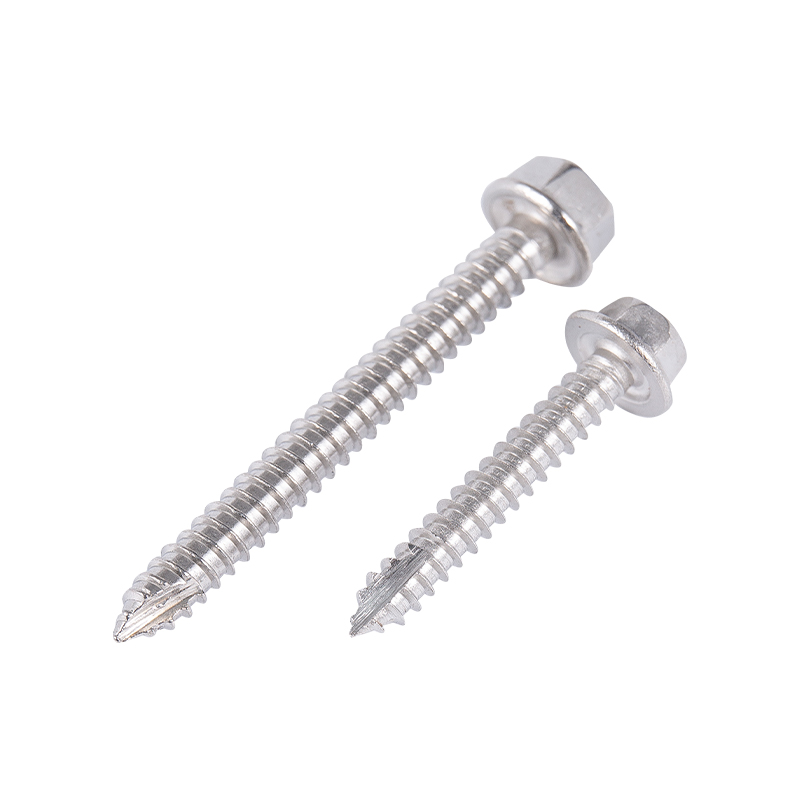
Hexagon head sharp point self-tapping screws are an efficient and convenient fas...
See Details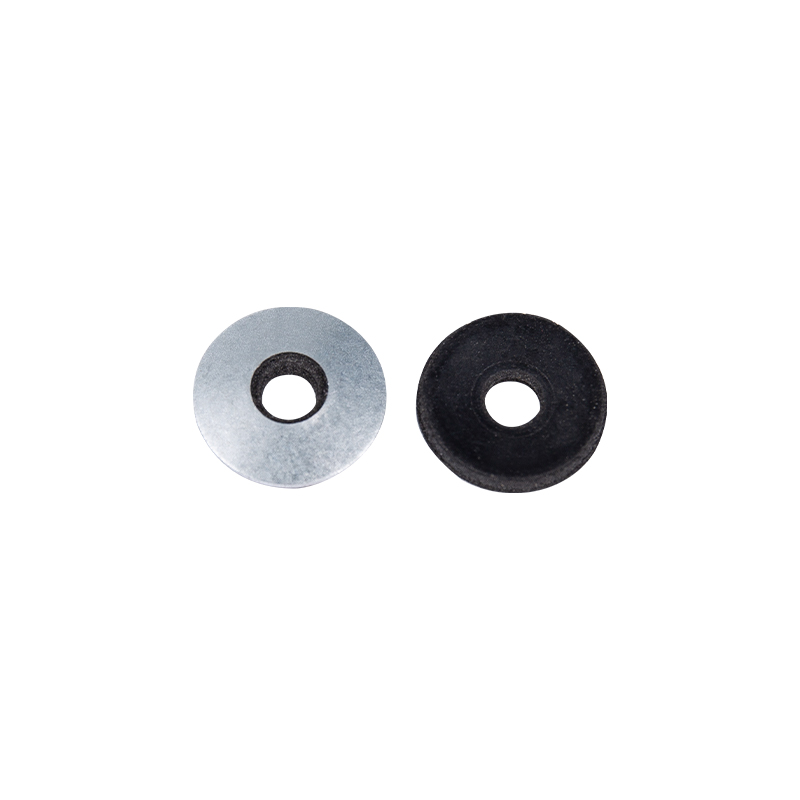
Monomer gaskets and conjoined gaskets are two types of sealing materials widely ...
See Details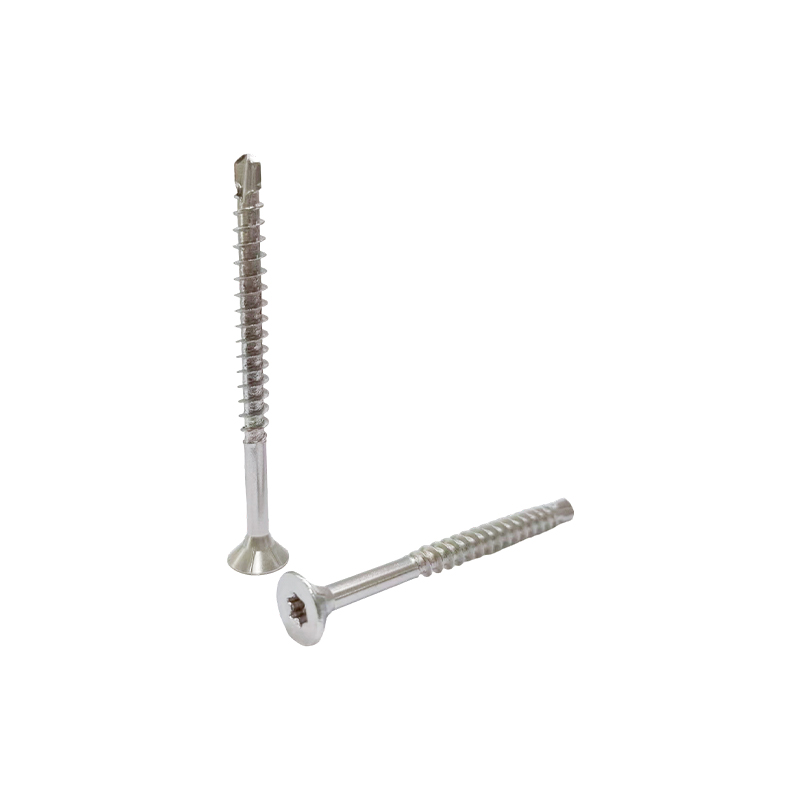
The Double Countersunk Hexalobular Six-Bevel Rib Milled Tail Chipboard Screw is ...
See Details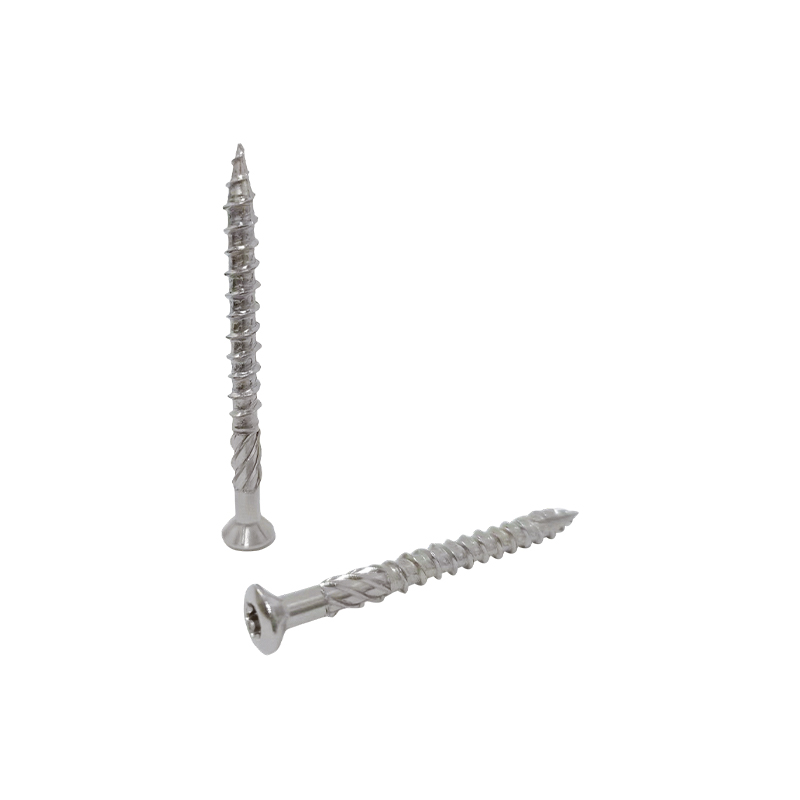
This Semi Countersunk Hexalabular Six-Bevel Rib Chipboard Screw features a speci...
See Details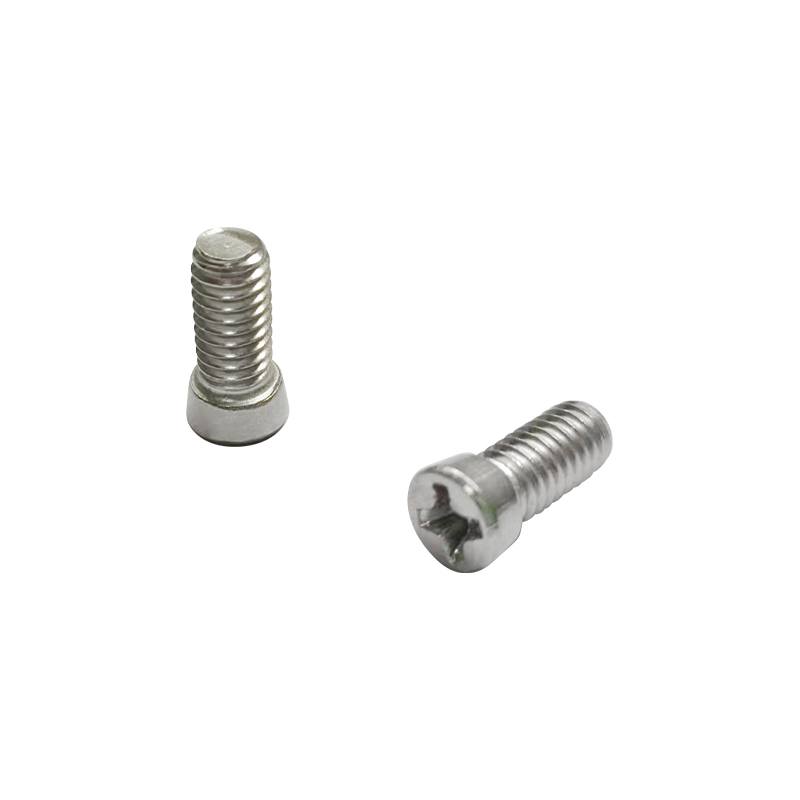
This Cylinder Head Cross Recessed Machine Screw features a specification of M5-0...
See Details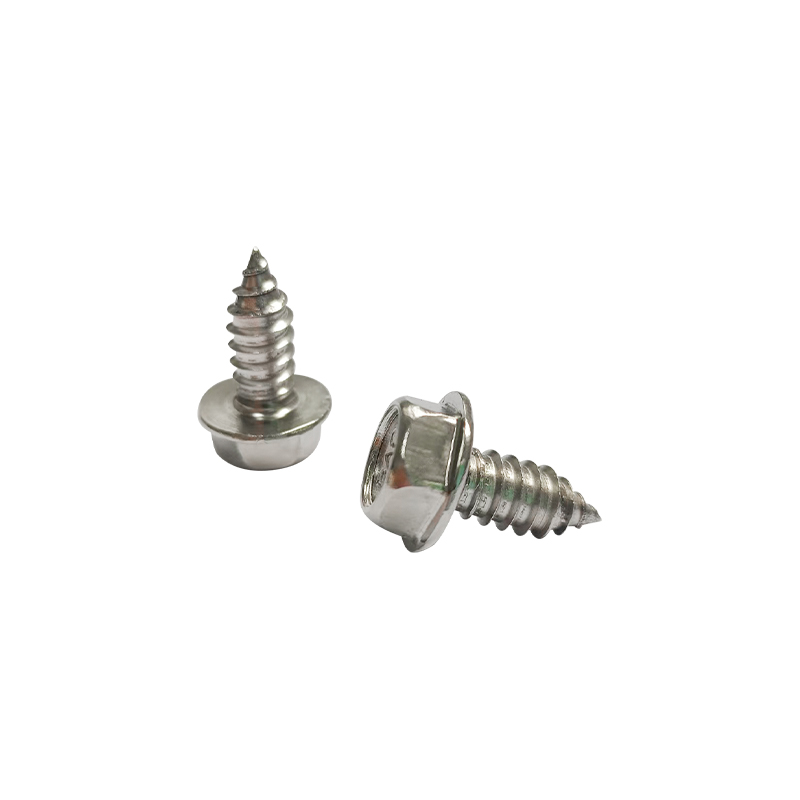
The Hex Head Self Tapping Screw is a threaded fastener with a hexagonal head and...
See Details+86-13705735391
+86-18868359082
+86-573-83128088
+86-573-83128123
No. 2155, Shuanglong Road, Nanhu District, Jia Xing City, Zhejiang Province
Copyright © Jiaxing Zhongke Metal Technology Co.,Ltd. All Rights Reserved.Custom High Strength Stainless Steel Fasteners Manufacturers Provider