English
 Español
 عربى
عربى


Flat Washer Spring Lock Washer
Cat:Metal Washer
Flat washers and spring washers are fastener accessories widely used in industry...
See Details


Content
In the world of modern construction, automotive assembly, and industrial fabrication, the term stainless tech screws represents a specific class of fastener engineered for performance under demanding conditions. Unlike standard wood screws or machine bolts, these screws combine the metallurgical benefits of stainless steel with the geometric efficiency of self-drilling and self-tapping threads. For engineers, procurement specialists, and quality managers, understanding the nuances of these components is critical for joint integrity, lifecycle costing, and corrosion resistance.
In drywall and partition wall construction, the connection between gypsum board and the underlying metal stud is the backbone of structural stability. Stainless steel tech screws for metal studs are specifically designed to penetrate thin-gauge steel (typically 20 to 25 gauge) without causing deformation. The key differentiator between a standard screw and a tech screw for this application lies in the thread design and point geometry. Standard drywall screws often lack the hardness to pierce steel, while tech screws feature a drill-point tip (similar to a #2 or #3 drill bit) that eliminates the need for pre-drilling. The threads are often "high-low" design, where higher threads provide a better grip in the thin metal, and lower threads allow for faster seating of the board without "jacking" (lifting the board away from the stud).
When selecting fasteners for metal studs, engineers typically compare two primary types. Below is a technical comparison based on ASTM C954 standards:
| Feature | Standard Self-Tapping Screw | Stainless Steel Tech Screws for Metal Studs |
|---|---|---|
| Point Type | Sharp point (requires pilot hole) | Drill point (self-drilling, no pilot hole) |
| Thread Hardness (HRC) | Typically 25-30 HRC | Typically 38-42 HRC (heat-treated for high-strength applications) |
| Corrosion Resistance | Low (often carbon steel with coating) | High (inherent to 304/316 stainless steel) |
| Primary Failure Mode | Strip-out in thin metal | Drill tip wear (controlled by material spec) |
For permanent installations in humid environments or where future disassembly is not required, stainless steel tech screws for metal studs offer a lifecycle advantage that offsets their higher initial cost.
Roofing systems are subjected to thermal cycling, UV radiation, and standing water. Stainless steel self tapping tech screws for roofing address these challenges through two specific design elements: the sealing washer and the drilling capability. A standard roofing nail or screw will often fail due to "capillary action," where water creeps along the threads. Tech screws designed for roofing incorporate a bonded EPDM (ethylene propylene diene monomer) washer under the head. When tightened to the correct torque (typically 2.5-3.5 Nm), the washer compresses to form a water-tight seal around the fastener shaft. Furthermore, the "self tapping" nature refers to the screw's ability to form its own mating threads in the underlying purlin or decking, which is usually steel with a thickness of 1.0mm to 3.0mm. The choice of stainless steel grade here is critical: Type 304 is suitable for most inland applications, but Type 316 (containing molybdenum) is mandatory for coastal environments or industrial areas with chloride exposure.
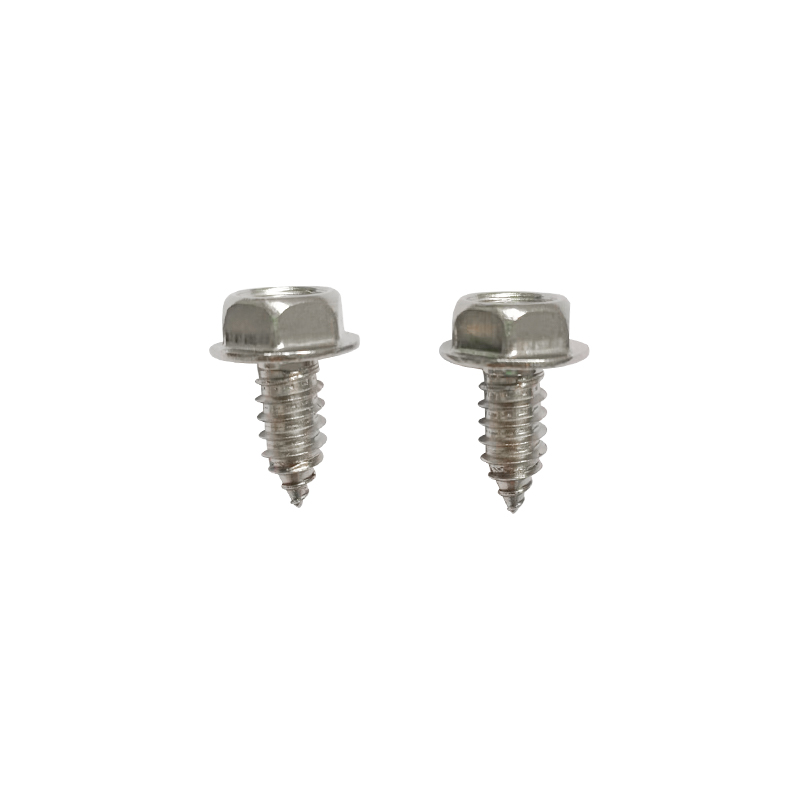
The nomenclature "#8 x 1 inch stainless steel tech screws" is a standardized shorthand that defines the physical dimensions of the fastener. For a procurement engineer, understanding this code ensures compatibility with design specifications. The "#8" refers to the screw's nominal diameter, based on the American Screw Thread system for sizes smaller than 1/4 inch. A #8 screw has a major diameter of approximately 0.164 inches (4.17 mm). This diameter is a compromise: it is robust enough to handle shear loads in light steel framing but small enough to prevent the metal stud from deforming excessively. The "1 inch" defines the length, measured from the underside of the head to the tip of the thread. For a self-drilling screw, the length must account for three zones: the thickness of the material being fastened, the thickness of the receiving material, and the length of the unthreaded drill point itself.
The "stainless" designation typically implies an alloy conforming to ASTM F593 for chemical and mechanical requirements, ensuring the screw does not become the site of galvanic corrosion when in contact with other metals.
A common point of confusion in fastener engineering is the distinction between self-drilling and self-tapping screws. While both are designed to eliminate separate manufacturing steps, their mechanisms and applications differ significantly. The term self drilling stainless steel tech screws specifically refers to fasteners that combine the functions of a drill bit and a screw. The tip is not merely sharp; it features flutes and a cutting edge that generates its own chips, exactly like a twist drill. This allows it to pierce through thick steel decking (up to 12 gauge or 0.1046 inches) without a pilot hole.
| Property | Self-Tapping Screw (Thread-Forming) | Self Drilling Stainless Steel Tech Screws |
|---|---|---|
| Tip Geometry | Blunt or conical, thread runs to tip | Drill bit shape (fluted), thread starts above flute |
| Function | Forms mating threads in pre-existing hole | Creates hole and forms threads in one operation |
| Material Thickness Limit | Unlimited (if pilot hole is present) | Limited by drill point length (e.g., #3 point drills up to 0.140") |
| Installation Speed | Moderate (requires hole alignment) | Fast (single-step process) |
| Recommended Use | Wood, plastic, or joining metal to metal with pre-drilled holes | Steel-to-steel connections, metal roofing, steel framing |
For structural connections in cold-formed steel, building codes often mandate the use of self drilling stainless steel tech screws to ensure a consistent hole size and thread engagement, which is harder to guarantee with a separate drilling operation.
When sourcing bulk stainless steel tech screws for drywall or industrial applications, the consistency of metallurgical properties becomes the deciding factor between a reliable joint and a field failure. Jiaxing Zhongke Metal Technology Co., Ltd., located in the Industrial Park of Xinfeng Town, Nanhu District, Jiaxing City, Zhejiang Province, represents a unique intersection of fastener manufacturing and heat treatment expertise. As a comprehensive manufacturer specializing in the development, design, and production of heat treatment equipment, our company's machinery is exclusively imported from Taiwan, ensuring precision in every forming and rolling operation. Leveraging our core competency in heat treatment, we control the entire value chain—from raw material specification to final tempering. This vertical integration allows us to function as a leading China Custom High Strength Stainless Steel Fasteners Manufacturer and Exporter. By designing and manufacturing our own heat treatment furnaces, we can precisely control the austenitizing and quenching processes that give high-strength stainless steel fasteners their required mechanical properties, such as tensile strength and ductility. This capability is crucial not only for fasteners but also for general components and automotive parts requiring advanced process design.
For distributors and OEMs requiring bulk stainless steel tech screws for drywall or heavy construction, partnering with a manufacturer that controls the heat treatment process ensures that each screw meets the specified mechanical grade, whether it's a standard 18-8 stainless or a high-strength custom alloy.
Selecting the correct stainless tech screws is a function of three engineering parameters: the mechanical load (tension and shear), the environmental exposure (corrosion potential), and the assembly process (installation speed and tooling). For metal stud framing, prioritize drill point capability and thread design. For roofing, prioritize the sealing washer and stainless steel grade. Always verify the specifications through dimensional inspection and, if possible, review the manufacturer's heat treatment records to confirm hardness and case depth consistency. A reliable supplier, such as those with integrated heat treatment facilities, provides the traceability and technical depth required for critical B2B applications.
Both are austenitic stainless steels, but 316 contains 2-3% molybdenum. This addition significantly improves resistance to chloride ion attack and pitting corrosion. For applications near coastlines, in de-icing salts, or in chemical environments, 316 is the required material. 304 is suitable for general interior applications where only mild corrosion resistance is needed, such as standard drywall installation.
Drill point sizes are standardized (#1, #2, #3, #4, #5). The number indicates the maximum thickness of metal the point can drill through. A #2 point drills up to 0.105 inches (2.67 mm), suitable for attaching light sheet metal to 1/8" steel. A #3 point drills up to 0.140 inches (3.56 mm), ideal for thicker structural connections. Always match the point size to the total thickness of the materials being joined.
Yes, provided the screw is made from a suitable grade (like 316 stainless) and the application is designed for it. However, you must ensure that the screw is long enough to engage the stud properly and that any sealing requirements (like gaskets for weatherproofing) are met. The high corrosion resistance of stainless steel makes it superior to coated carbon steel for exterior exposure.
This is typically a symptom of hydrogen embrittlement or improper heat treatment. During the manufacturing process, if hydrogen is absorbed and not baked out, it can cause sudden brittle fracture under torque. Alternatively, if the screw is too hard (over 45 HRC), it becomes less ductile. Sourcing from a manufacturer with controlled heat treatment and baking processes, like those specializing in high-strength fasteners, mitigates this risk.
It depends on the load and the stud gauge. A #8 screw in 18-8 stainless steel has a typical shear strength of around 700-900 lbs. However, the failure mode in a metal stud is often pull-out or distortion of the stud flange, not screw breakage. For light to medium cabinets, #8 screws into 20-gauge studs can be adequate if multiple fasteners are used. For heavy loads, fastening into the stud with toggle bolts through the screw holes or using larger diameter fasteners is recommended.
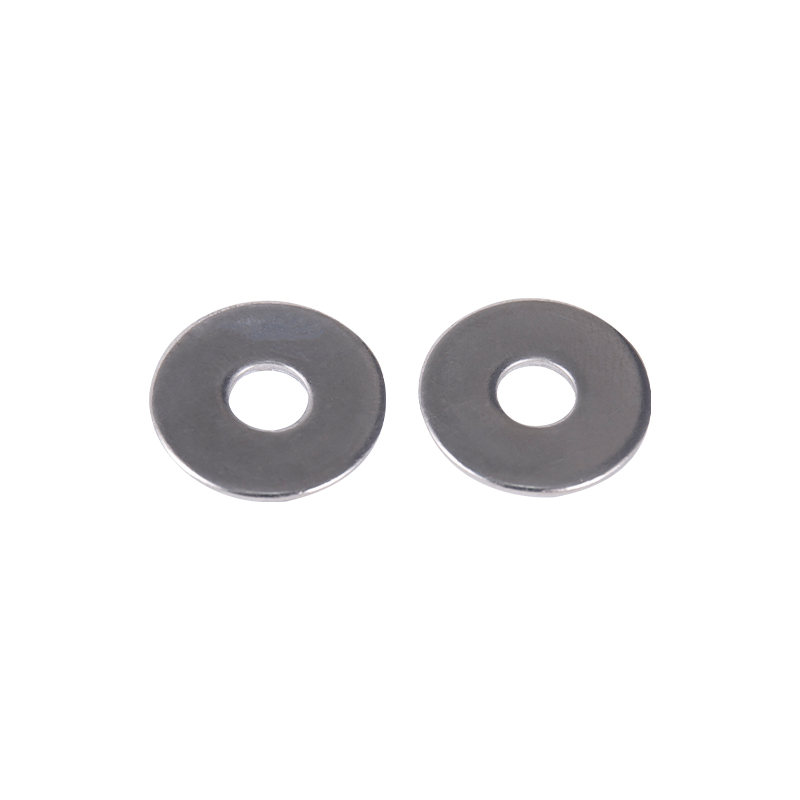
Flat washers and spring washers are fastener accessories widely used in industry...
See Details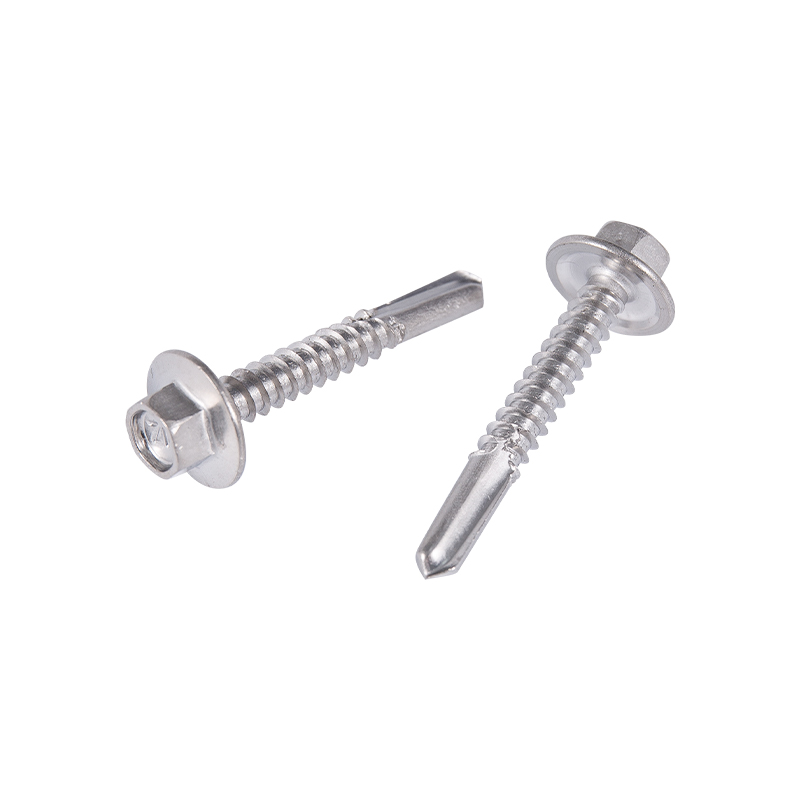
Hexagonal self-drilling screws are an efficient and convenient fastener. This ty...
See Details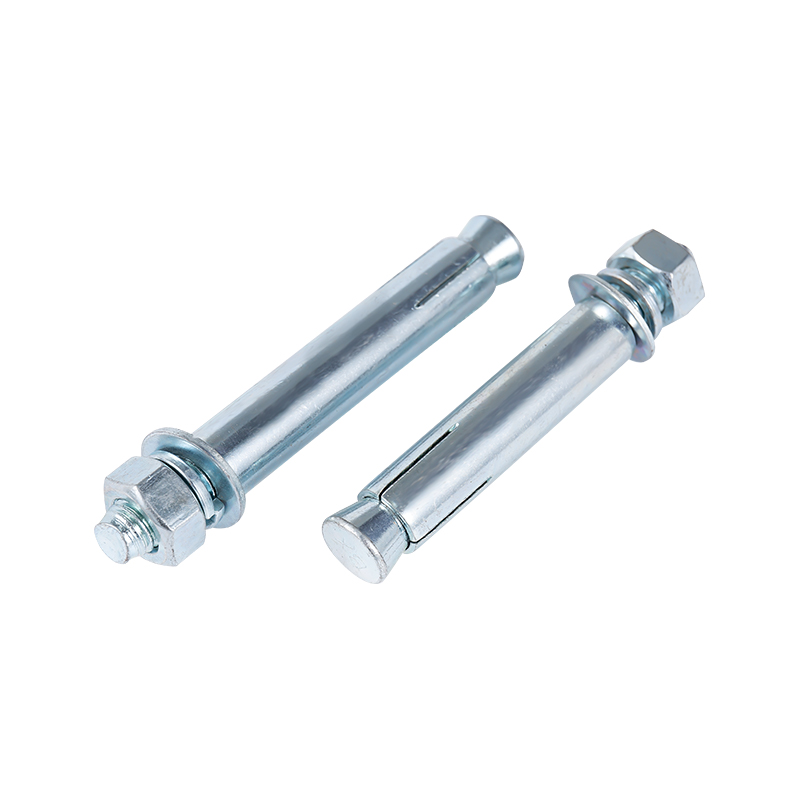
Bolt is a common fastener used in many fields such as machinery, construction, a...
See Details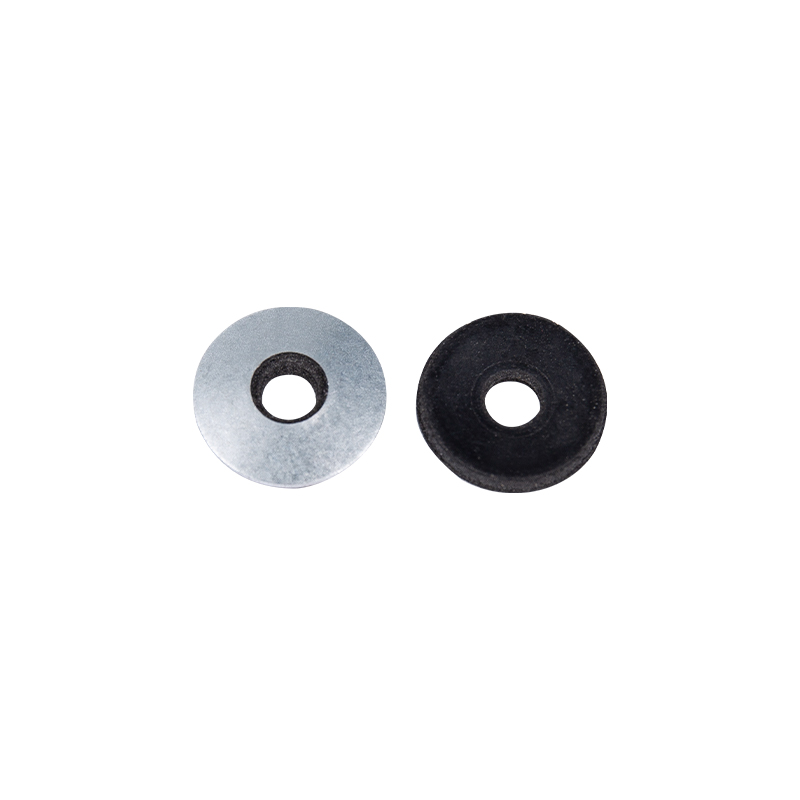
Monomer gaskets and conjoined gaskets are two types of sealing materials widely ...
See Details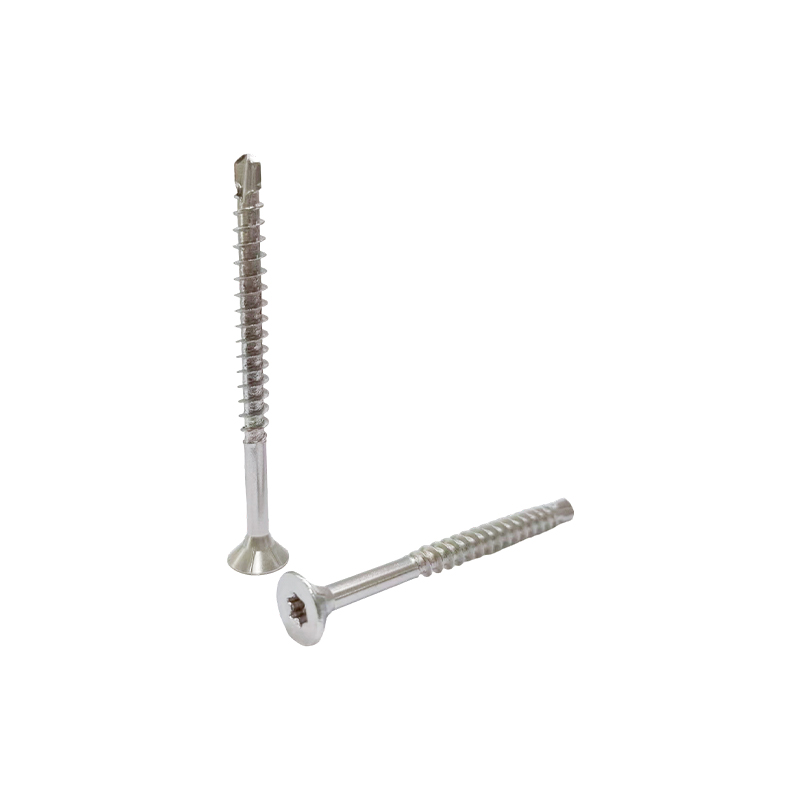
The Double Countersunk Hexalobular Six-Bevel Rib Milled Tail Chipboard Screw is ...
See Details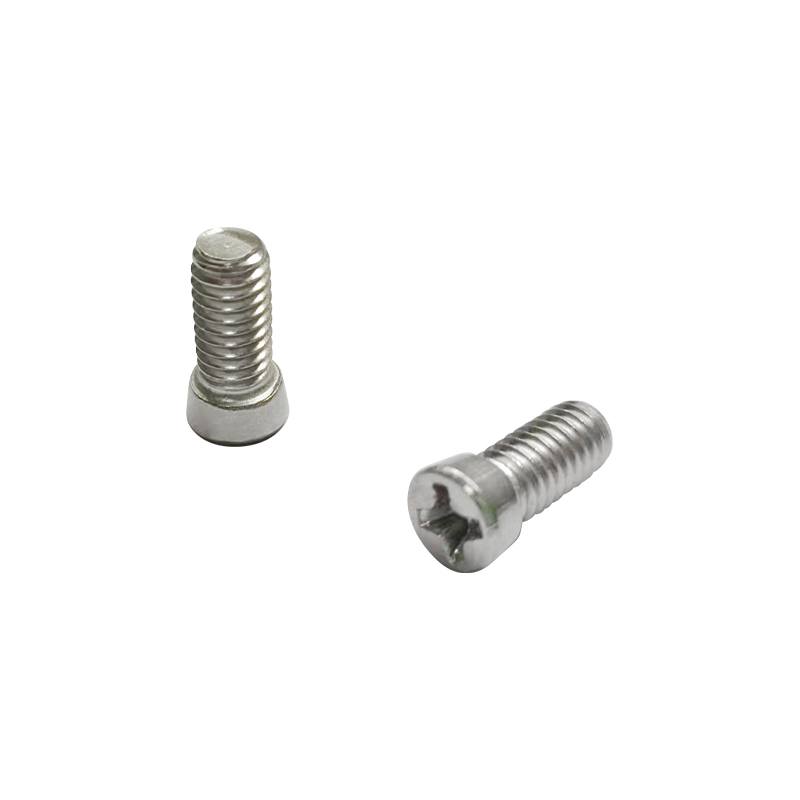
This Cylinder Head Cross Recessed Machine Screw features a specification of M5-0...
See Details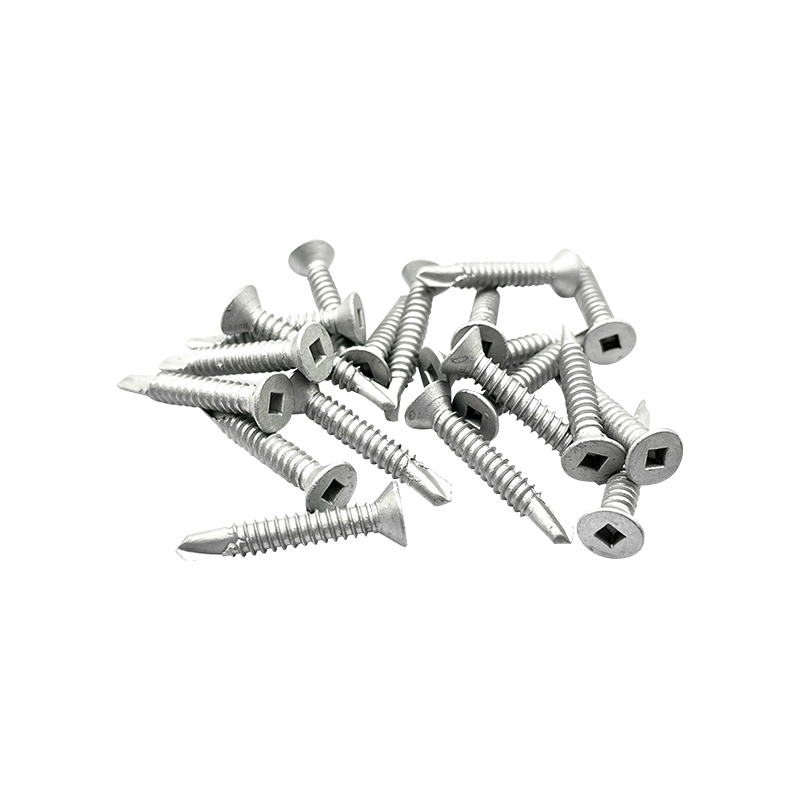
This CSK Head Square Drive Self Drilling Screw features a thread size range of M...
See Details+86-13705735391
+86-18868359082
+86-573-83128088
+86-573-83128123
No. 2155, Shuanglong Road, Nanhu District, Jia Xing City, Zhejiang Province
Copyright © Jiaxing Zhongke Metal Technology Co.,Ltd. All Rights Reserved.Custom High Strength Stainless Steel Fasteners Manufacturers Provider