Standard: DIN 7505
Material: C1022A,SUS410,SUS304,SUS316
Specification: 3.0,3.5,4.0,4.5,5.0,6.0,6#,7#,8#,10#,12#,14#,1/4”
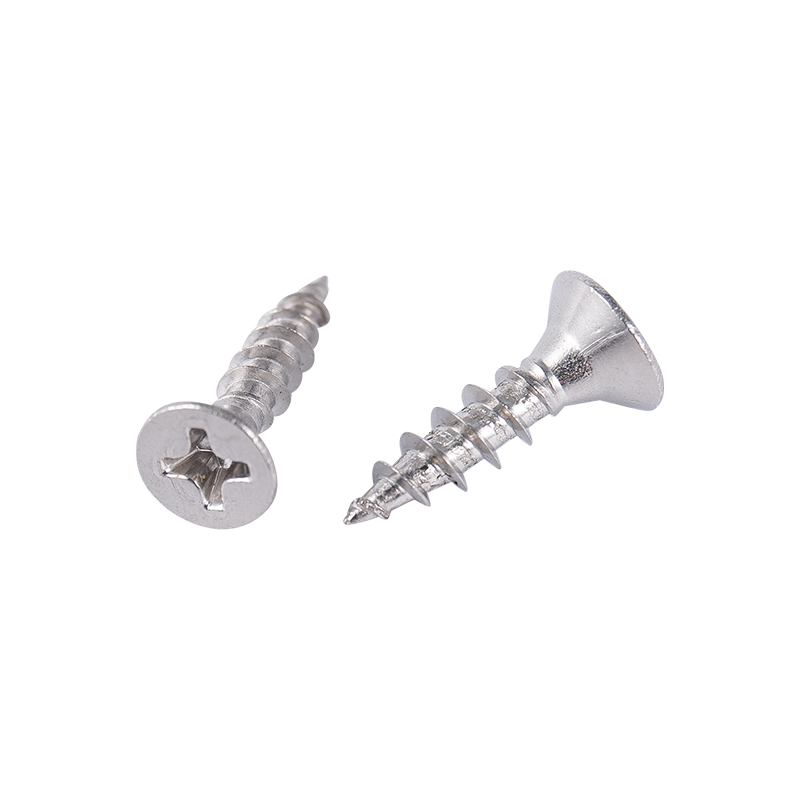
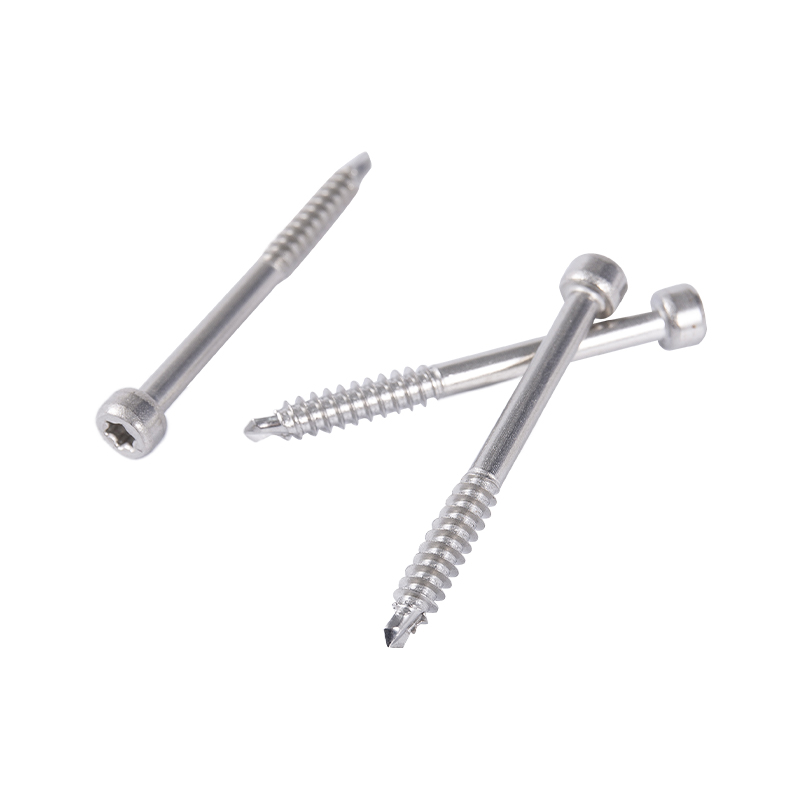
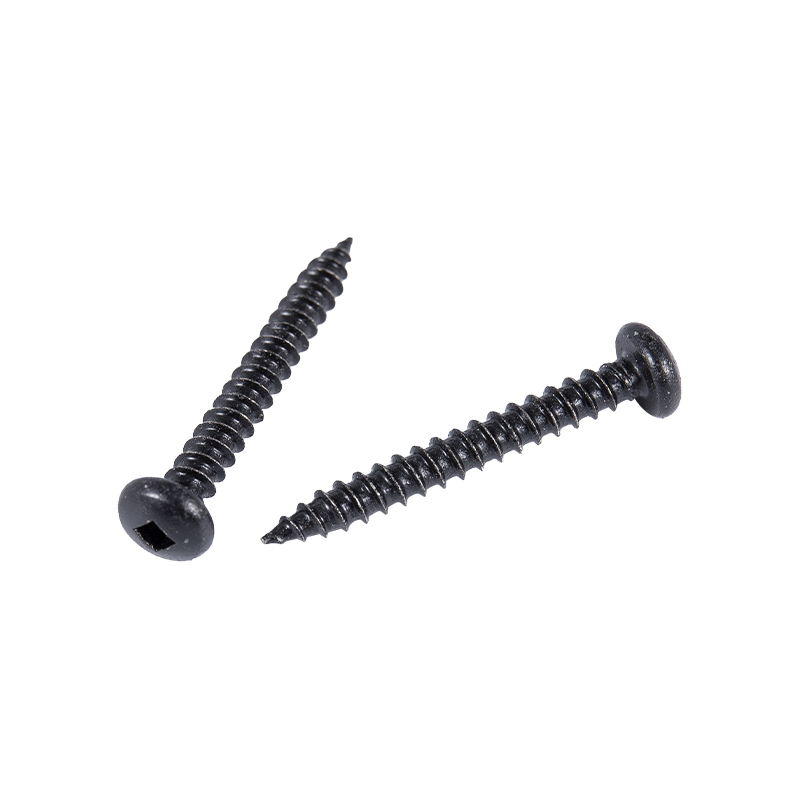
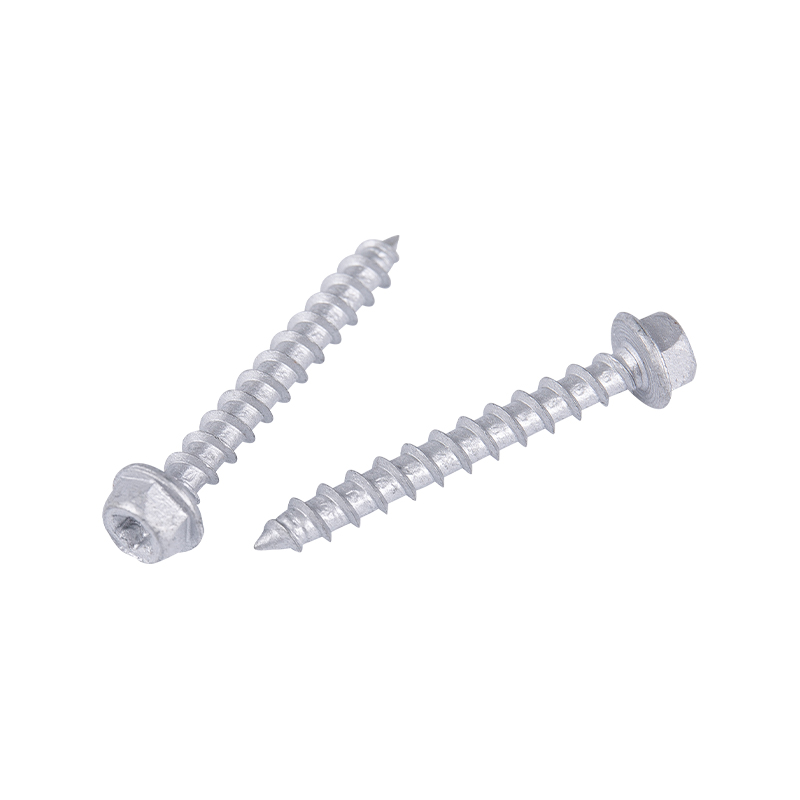
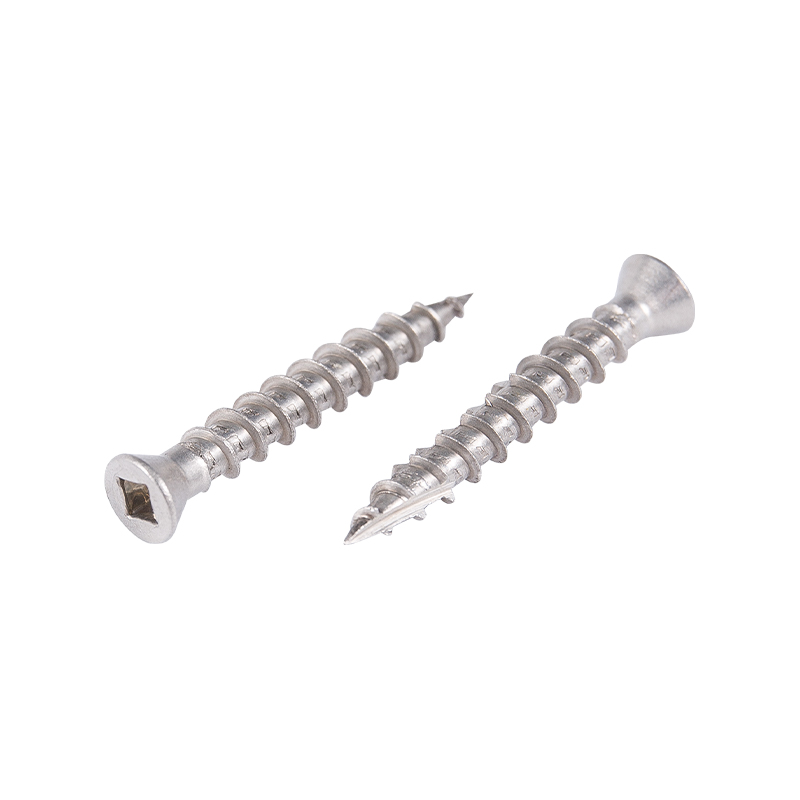
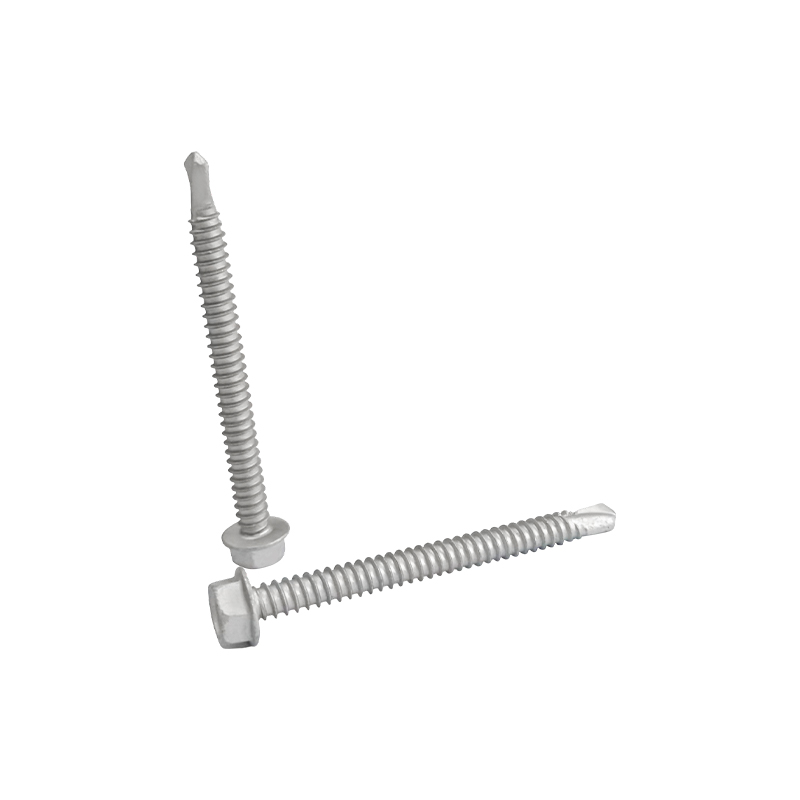
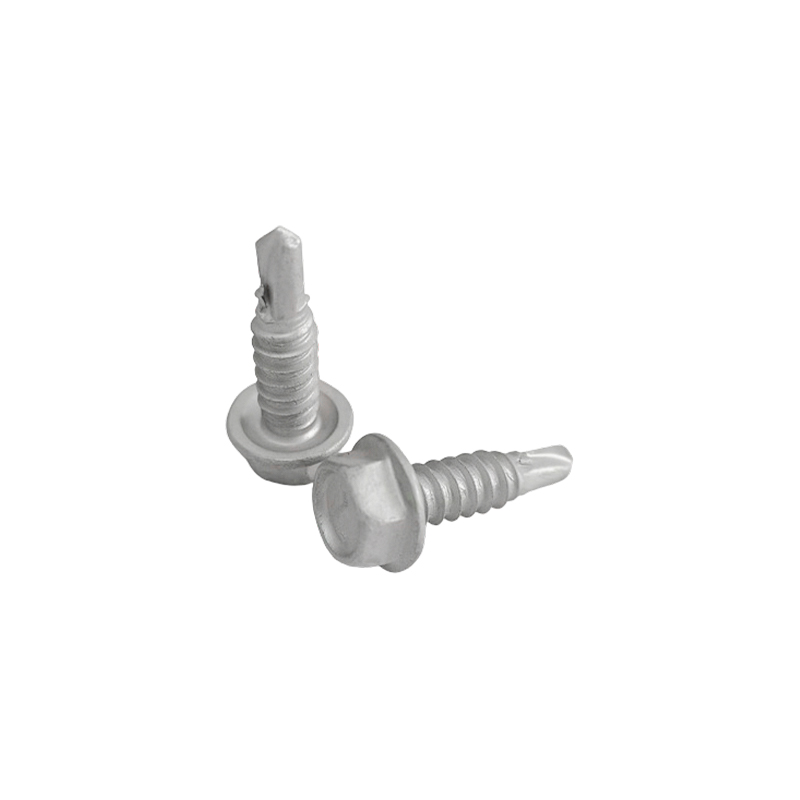
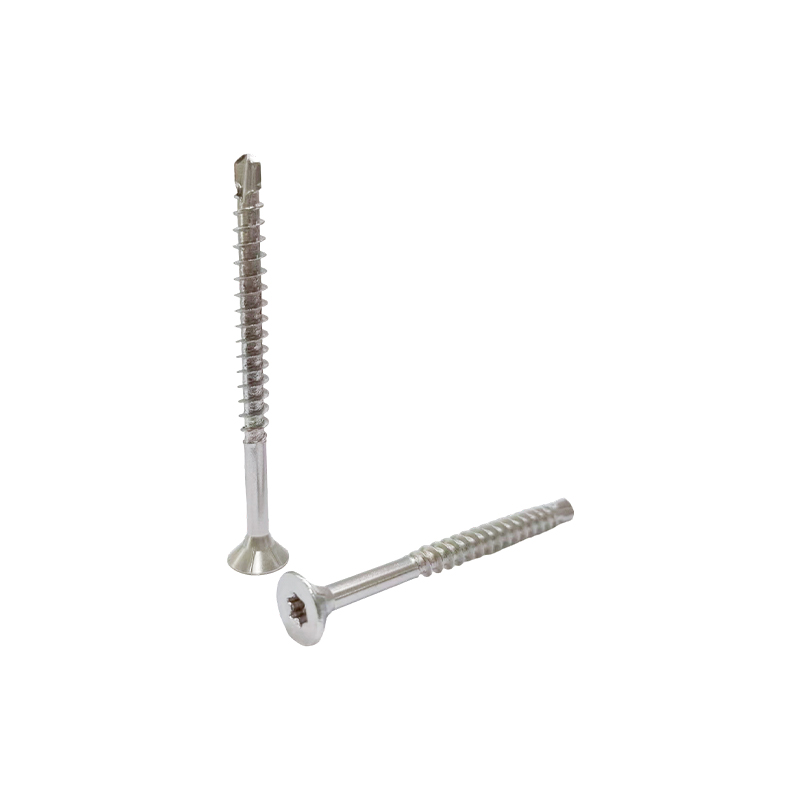
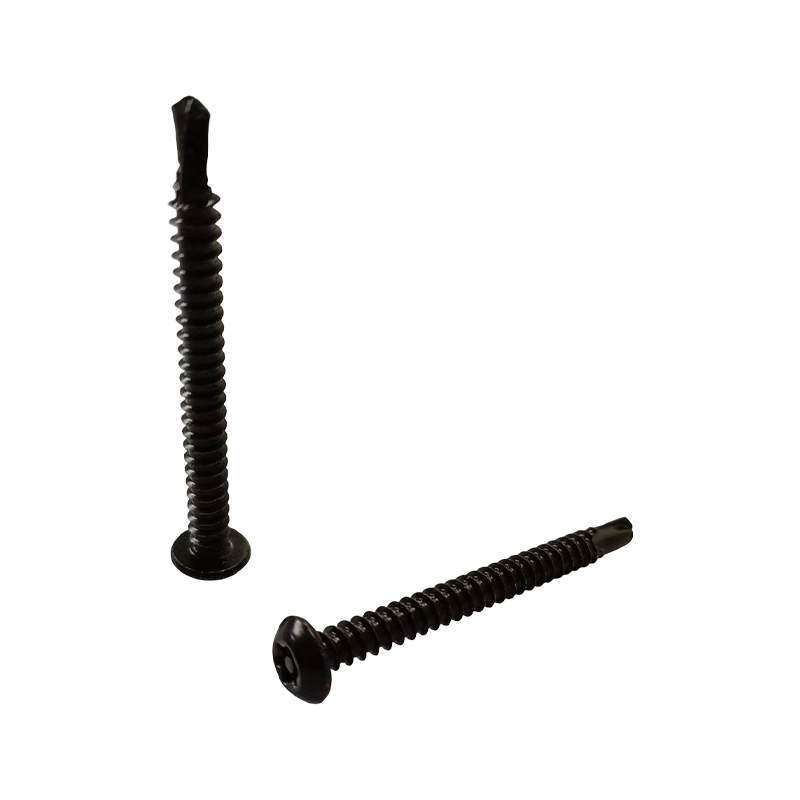
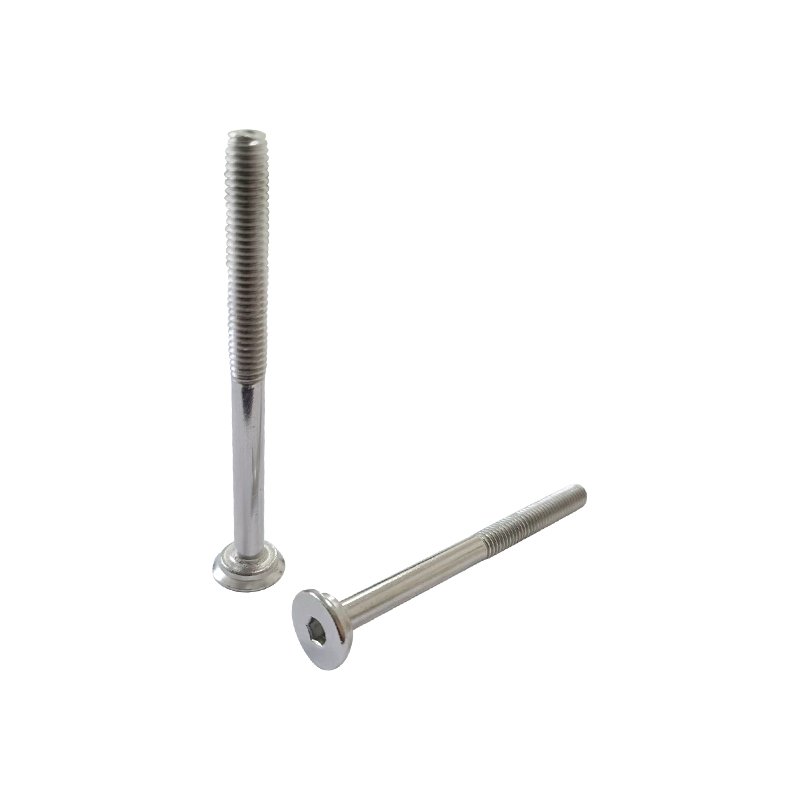
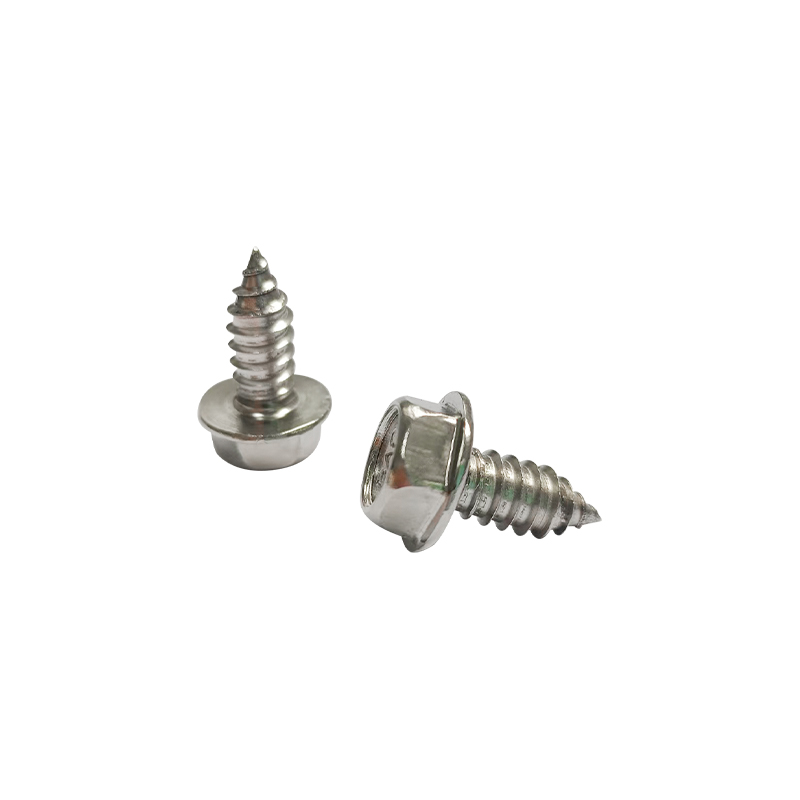
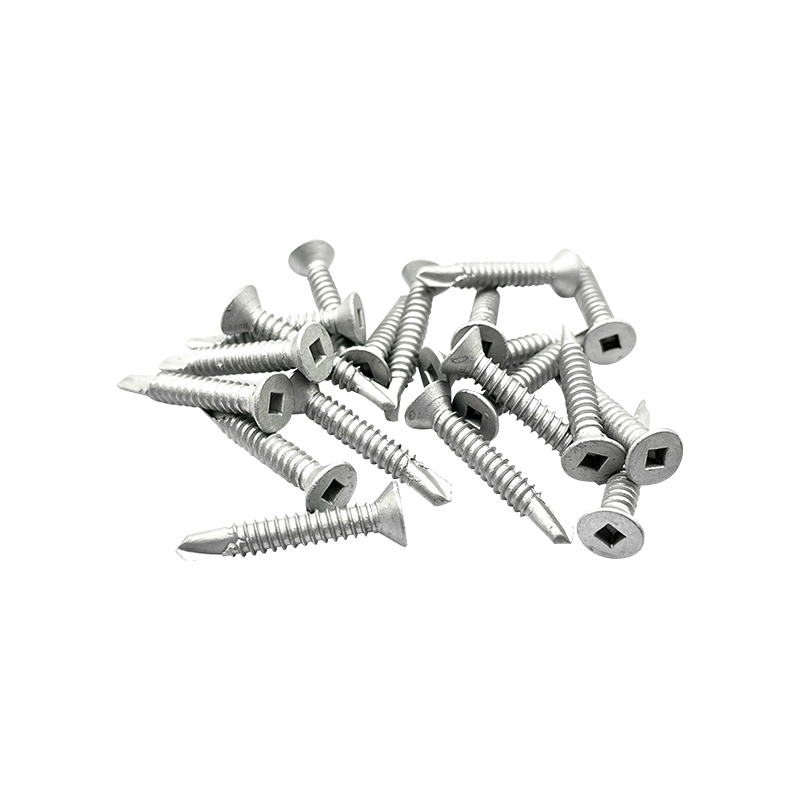
Head type: Countersunk head, double countersunk head, half countersunk head, flared head, disk head
Driving Groove: Cross Groove, Metric Groove, Plum Blossom Groove, Square Groove
Surface treatment: Passivated, Galvanized, Nickel-plated, Blackened, Head sprayed, Dacromet, Hot Rust, Rasputin
Product Introduction
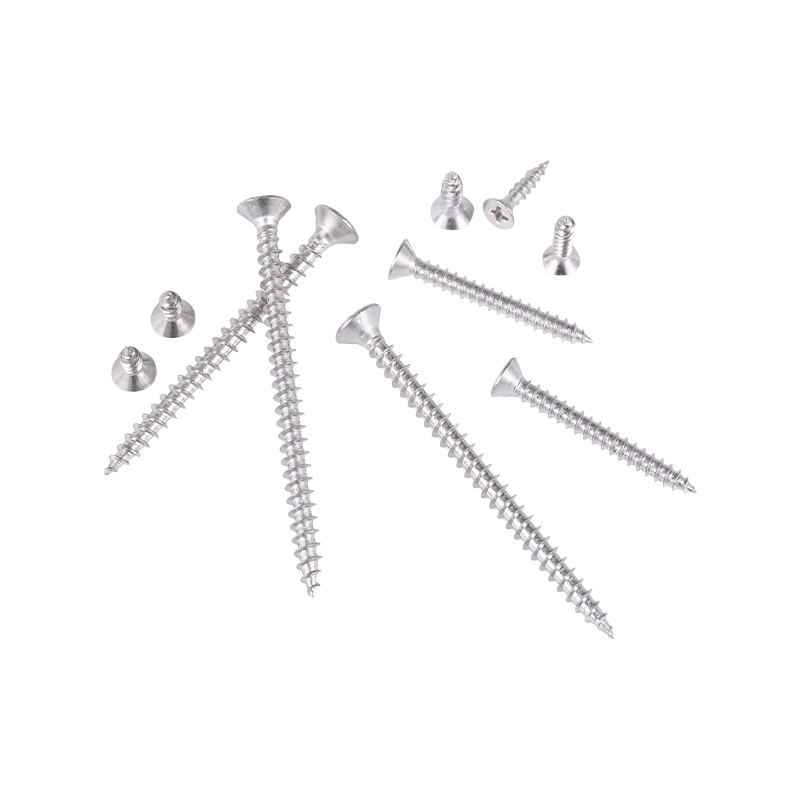
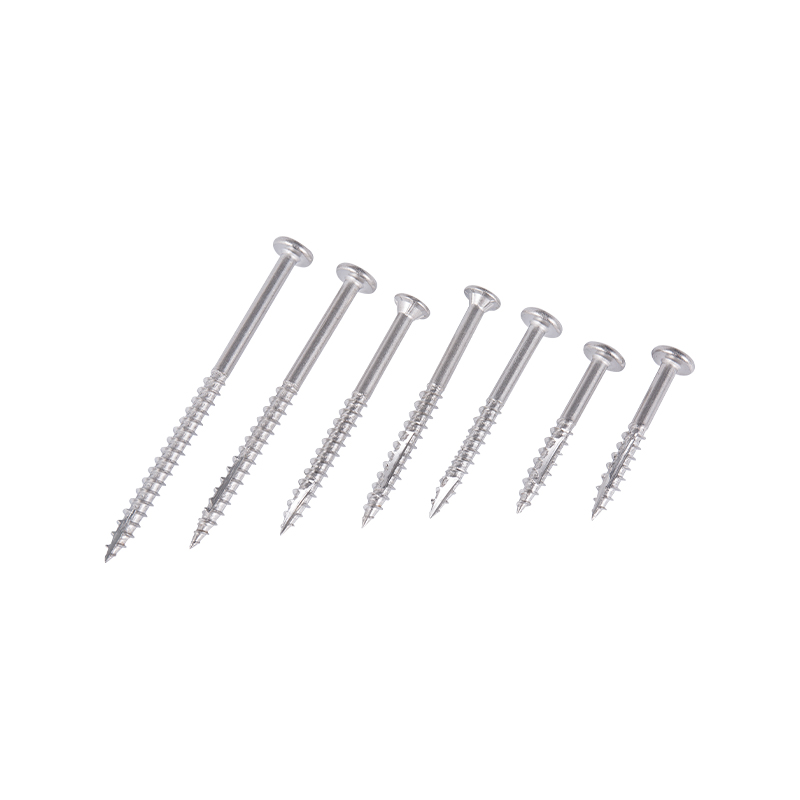
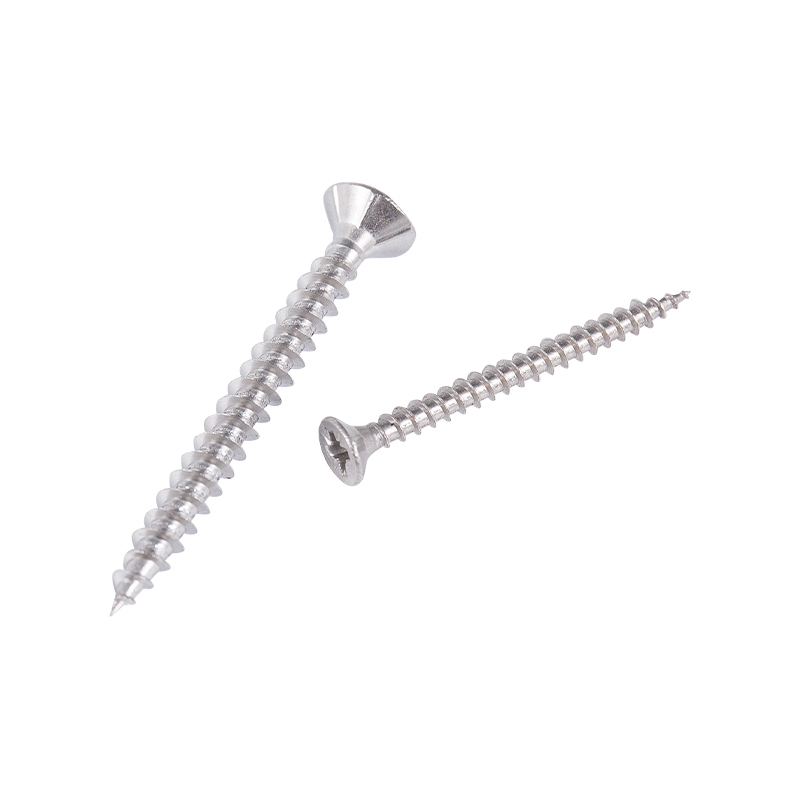
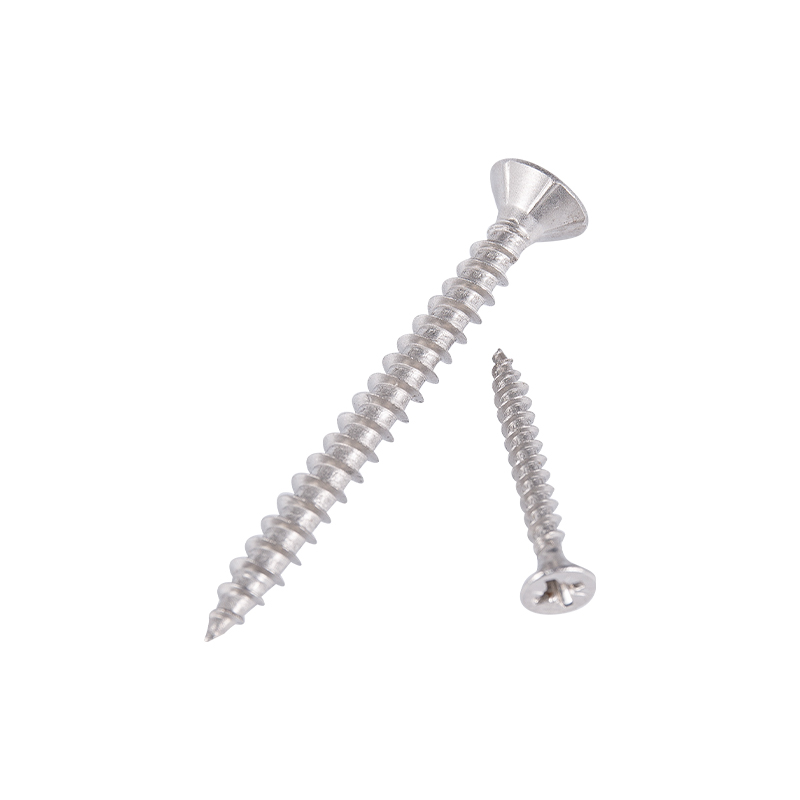
Chipboard Screws are specialized fasteners designed for securing particle board, chipboard, MDF, and other engineered wood products in furniture and construction applications. Available in multiple head configurations including countersunk, double countersunk, raised countersunk, bugle head, and pan head, these screws provide application-specific solutions for diverse woodworking requirements. The sharp point and optimized thread geometry enable easy penetration of engineered wood with reduced splitting and consistent engagement. Various drive options including cross groove, metric groove, hexalobular, and square groove accommodate different installation tool preferences. Manufactured from carbon steel (C1022A) and stainless steel (SUS410, SUS304, SUS316) material options, the screws offer strength and corrosion resistance for various environments. Multiple surface treatments including passivated, galvanized, nickel-plated, blackened, and Dacromet finishes provide environmental adaptability. Sizes from 3.0mm to 6.0mm and imperial sizes from 6# to 1/4" accommodate diverse chipboard fastening requirements.
Core Advantages
01
Multiple Head Configurations
Countersunk, double countersunk, raised countersunk, bugle head, and pan head for diverse chipboard application requirements.
02
Multiple Drive Options
Cross groove, metric groove, hexalobular, and square groove accommodate different installation tool preferences.
03
Optimized Chipboard Thread
Sharp point and optimized thread geometry enable easy penetration with reduced splitting and consistent engagement.
04
Multiple Material Options
Available in carbon steel (C1022A) and stainless steel (SUS410, SUS304, SUS316) to meet diverse application requirements.
05
Wide Specification Range
Sizes from 3.0mm to 6.0mm and imperial sizes from 6# to 1/4" for comprehensive chipboard fastening coverage.
06
Extensive Surface Treatments
Passivated, galvanized, nickel-plated, blackened, Dacromet, and hot rust finishes for environmental adaptability.
Product Features
Multiple head configurations Countersunk head provides flush mounting; double countersunk offers low-profile finishing; raised countersunk provides a clean appearance; bugle head offers self-countersinking; pan head provides flat bearing surface.
Multiple drive options Cross groove provides wide tool compatibility; metric groove offers positive engagement; hexalobular reduces cam-out; square groove provides positive torque transmission.
Optimized chipboard thread Sharp point and optimized thread geometry enable easy penetration of engineered wood with reduced splitting and consistent engagement.
Carbon steel material C1022A grade offers strength for general chipboard fastening applications with appropriate surface treatment.
Stainless steel material options SUS410 provides hardness; SUS304 offers general corrosion resistance; SUS316 delivers marine-grade protection for outdoor applications.
Metric specification range Available in 3.0, 3.5, 4.0, 4.5, 5.0, and 6.0mm diameters for diverse chipboard fastening requirements.
Imperial specification range Available in 6#, 7#, 8#, 10#, 12#, 14#, and 1/4" sizes for North American standard chipboard applications.
Surface treatment options Galvanized and passivated finishes provide corrosion protection; nickel-plated offers enhanced appearance; blackened delivers aesthetic matte finish; Dacromet provides high salt spray resistance.
Application Scenarios
Chipboard and particle board assemblies
Furniture construction
Cabinetry and joinery
MDF and HDF applications
Flat-pack furniture assembly
Interior woodworking projects
Wood panel assemblies
Kitchen and bathroom cabinets
This range of chipboard screws with multiple head types is deployed in chipboard, particle board, and engineered wood fastening applications requiring secure thread engagement with various head configurations. Applications include chipboard and particle board assemblies, furniture construction, cabinetry and joinery, MDF and HDF applications, flat-pack furniture assembly, interior woodworking projects, wood panel assemblies, and kitchen and bathroom cabinets where the appropriate head type provides required appearance and clamping characteristics.
Common Questions and Solutions
How do I select the correct head type for chipboard applications?
Consider appearance, clearance, and finishing requirements. Countersunk heads provide flush mounting for smooth finishes. Double countersunk offers low-profile finishing. Raised countersunk provides a clean appearance with slight protrusion. Bugle heads self-countersink for a smooth finish. Pan heads provide flat bearing surfaces for general applications.
What is the recommended pilot hole size for chipboard screws?
Pilot hole size varies based on screw diameter, chipboard density, and application. Refer to the technical datasheet for recommended pilot hole diameters to ensure proper thread engagement and prevent splitting.
What is the difference between countersunk and double countersunk heads?
Countersunk heads provide standard flush mounting with a single countersink angle. Double countersunk heads feature a stepped profile that provides a low-profile finish while allowing deeper countersinking without material damage in chipboard applications.
What surface treatment provides the best corrosion protection for chipboard screws?
For standard indoor chipboard applications, galvanized or passivated finishes provide adequate corrosion protection. For moisture-prone areas or outdoor applications, Dacromet or stainless steel options are recommended. Consult the product catalog for specific recommendations.
What is the recommended drive type for chipboard screws?
Cross groove (Phillips) is the most widely used drive type. Hexalobular (star) drive provides reduced cam-out for higher torque applications. Square drive offers positive engagement with reduced bit wear. Select based on tool availability and torque requirements.
What is the recommended installation depth for chipboard screws?
Installation depth varies based on head type and finishing requirements. For countersunk heads, the screw should be driven flush or slightly below the surface. Use torque-controlled drivers to prevent over-tightening and material damage.
Installation Considerations
1
Select the appropriate head type based on application requirements including finishing, appearance, and clamping force.
2
Select the appropriate drive type based on installation tool availability and torque requirements.
3
Drill pilot holes to the recommended diameter for the specific screw size and chipboard density to prevent splitting and ensure proper thread engagement.
4
Use torque-controlled installation tools to prevent over-tightening. The head should seat properly without damaging the chipboard surface.
5
Select the appropriate screw size and length based on the thickness of materials being fastened and thread engagement requirements.
6
For outdoor or moisture-prone applications, specify corrosion-resistant coatings or stainless steel material options based on exposure conditions.


 English
 Español
 عربى
عربى