English
 Español
 عربى
عربى


Pan Head Self-Drilling Screws
Cat:Self Drilling Screws
Pan Head Self-Drilling Screws are a type of fastener widely used in construction...
See Details


Content
In the realm of modern engineering and construction, the selection of fasteners is critical to the integrity and longevity of any assembly. Stainless Steel Nuts are universally recognized for their superior corrosion resistance, strength, and aesthetic appeal. Unlike carbon steel, stainless steel contains a minimum of 10.5% chromium, which forms a passive, self-repairing oxide layer on the surface. This layer provides exceptional resistance to oxidation and rust, making these fasteners indispensable in harsh environments such as marine, chemical processing, and outdoor infrastructure. For B2B purchasers and engineers, understanding the metallurgical properties—such as austenitic grades (304, 316) versus martensitic grades—is the first step in specifying the correct component for high-stress applications.
Selecting the specific configuration of a nut is as important as choosing the material grade. Different applications demand distinct mechanical locking mechanisms, load distribution capabilities, or aesthetic considerations. Below, we analyze five essential types of stainless nuts that cater to diverse industrial needs.
In machinery and automotive applications, vibration is a primary cause of fastener loosening. Stainless steel lock nuts are engineered to resist self-loosening through added friction mechanisms. The most common variant is the prevailing torque nut, often featuring a nylon insert that creates interference with the bolt threads. For high-temperature environments where nylon would fail, all-metal lock nuts with deformed threads are the superior choice. Engineers must consider that the prevailing torque required to install these nuts is higher than standard nuts, ensuring that the joint remains secure even under dynamic loads.
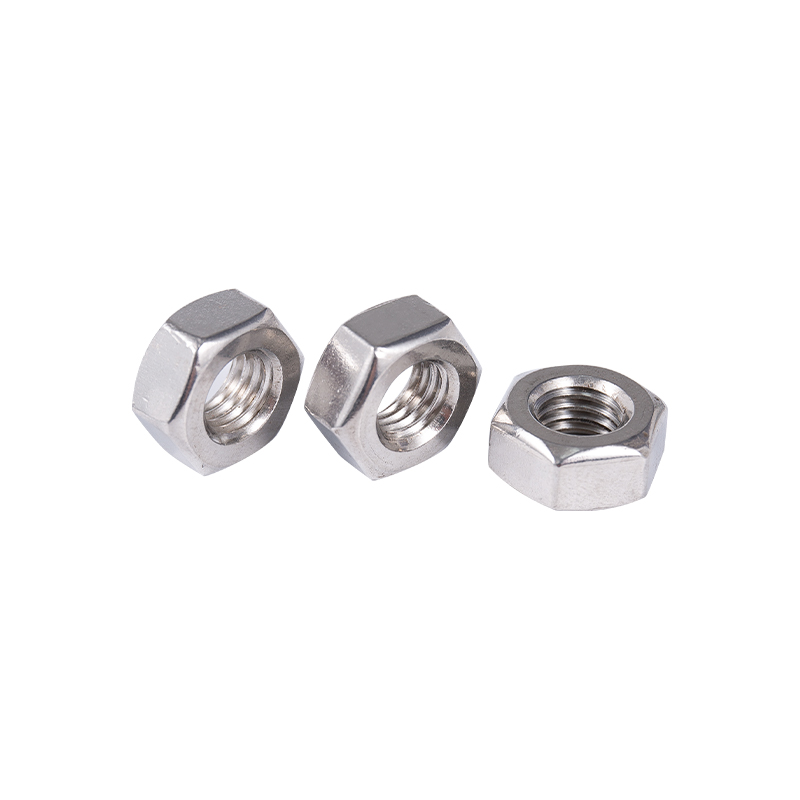
When comparing standard hex nuts to lock nuts, the differences in performance under vibration are substantial. Standard nuts rely solely on tension from the bolt to maintain tightness, whereas lock nuts provide a secondary locking feature.
| Feature | Standard Hex Nuts | Stainless Steel Lock Nuts |
| Locking Mechanism | Bolt tension only (preload) | Friction via nylon insert or deformed threads |
| Vibration Resistance | Low; prone to loosening under dynamic loads | High; designed to resist rotation |
| Reusability | High | Limited (nylon insert may degrade after multiple uses) |
| Installation Speed | Fast | Slightly slower due to torque requirements |
While 304 grade is the industry standard for general corrosion resistance, 316 stainless steel nuts offer superior performance in aggressive environments. The addition of molybdenum (2-3%) significantly enhances resistance to pitting and crevice corrosion caused by chlorides. This makes 316 the material of choice for marine hardware, coastal infrastructure, and chemical processing equipment. In terms of cost versus performance, 316 grade commands a higher price point but reduces long-term maintenance costs by preventing premature failure in saltwater or acidic conditions.
To understand the value proposition, we compare the two most common austenitic grades:
| Property | 304 Stainless Steel | 316 Stainless Steel |
| Composition | 18% Chromium, 8% Nickel | 16% Chromium, 10% Nickel, 2% Molybdenum |
| Corrosion Resistance | Good for general atmospheric exposure | Excellent against chlorides and acids |
| Typical Application | Indoor fabrication, food processing | Marine environments, medical implants |
| Cost Factor | Baseline | Approx. 20-30% higher than 304 |
Stainless steel flange nuts integrate a wide washer-like base (flange) at the bottom of the nut. This design serves two critical engineering purposes. First, it distributes the clamp load over a larger surface area, preventing damage to the connected material and reducing the risk of fatigue failure in softer substrates like aluminum or composite materials. Second, the flange can act as a seal against fluid ingress or egress in piping applications. For heavy machinery and automotive assembly lines, flange nuts eliminate the need for separate washers, streamlining the supply chain and reducing assembly time.
Sometimes referred to as cap nuts, stainless steel acorn nuts feature a domed top that covers the exposed end of the bolt. This serves a dual function: it protects the bolt threads from damage, corrosion, or snagging on passing objects, and it provides a finished, decorative appearance. In architectural metalwork, furniture, and playground equipment, acorn nuts are mandatory not just for their aesthetic symmetry, but for safety reasons, as they eliminate the sharp edges of protruding bolt threads. Engineers must ensure the bolt length is correctly calculated to allow the nut to seat properly without bottoming out inside the dome.
For applications requiring frequent assembly and disassembly without the use of tools, stainless steel wing nuts are the optimal solution. Featuring two large metal "wings," these nuts can be tightened and loosened by hand. While they are not suitable for high-torque or critical structural applications, they are essential for access panels, jig fixtures, and marine rigging hardware where speed and convenience are prioritized. The stainless steel construction ensures that even in outdoor or humid environments, the wings will not rust and seize, maintaining the ease of operation throughout the product's lifecycle.
The performance of fasteners is not solely determined by the grade of steel used but is heavily reliant on the precision of the manufacturing process and the quality of heat treatment. High-strength fasteners require precise thermal processing to achieve the desired mechanical properties without compromising ductility.
Jiaxing Zhongke Metal Technology Co.,Ltd. is located in the Industrial Park of Xinfeng Town, Nanhu District, Jiaxing City, Zhejiang Province. As a comprehensive manufacturer specializing in the development, design, and production of heat treatment equipment, our company's machinery is exclusively imported from Taiwan. As China Custom High Strength Stainless Steel Fasteners Manufacturers Exporter. Leveraging our expertise in the heat treatment industry, we also engage in the design, development, and manufacturing of general components, automotive parts, and high-strength stainless steel fasteners. Additionally, we provide advanced heat treatment process design and processing services for various metal materials.
Our unique advantage lies in our mastery of heat treatment technology. Cold forging processes can work-harden stainless steel, altering its magnetic properties and increasing the risk of stress corrosion cracking. Through rigorous annealing and solution treatment processes managed by our advanced equipment, we ensure that our Stainless Steel Nuts retain their austenitic structure and corrosion resistance, delivering consistent quality to global B2B partners.
Selecting the correct fastener requires a deep understanding of both environmental conditions and mechanical load requirements. Whether your project demands the vibration resistance of lock nuts, the chemical resilience of 316 grade, or the convenience of wing nuts, the underlying quality of manufacturing remains paramount. By partnering with a manufacturer that possesses deep expertise in heat treatment and material science, businesses can secure their supply chain with components that meet the most rigorous international standards.
Generally, standard austenitic Stainless Steel Nuts (like 304 or 316) have a lower tensile strength compared to high-carbon Grade 8 steel nuts. However, stainless steel offers significantly better corrosion resistance. For high-strength structural applications, precipitation hardening stainless steel grades can be used, but standard stainless is chosen for durability in corrosive environments rather than maximum tensile load.
316 stainless steel nuts contain molybdenum, a raw material that is significantly more expensive than the elements found in 304 steel. This addition is critical for superior pitting resistance in chloride-rich environments, justifying the price premium for marine and chemical applications.
Standard stainless steel lock nuts with nylon inserts are typically limited to temperatures below 250°F (121°C). For higher temperature applications, all-metal lock nuts should be specified, as they rely on mechanical deformation rather than polymer inserts to maintain locking torque.
While highly resistant, Stainless Steel Nuts are not completely immune to corrosion. In normal outdoor environments, they will last for decades without rust. However, in coastal areas with salt spray, 304 grade may eventually show surface rust (tea staining), whereas 316 grade is recommended for its superior resistance.
The flange on stainless steel flange nuts serves to distribute the clamping load over a larger area than a standard hex nut. This prevents damage to the assembly surface and helps prevent the nut from loosening by increasing friction against the surface.
Pan Head Self-Drilling Screws are a type of fastener widely used in construction...
See Details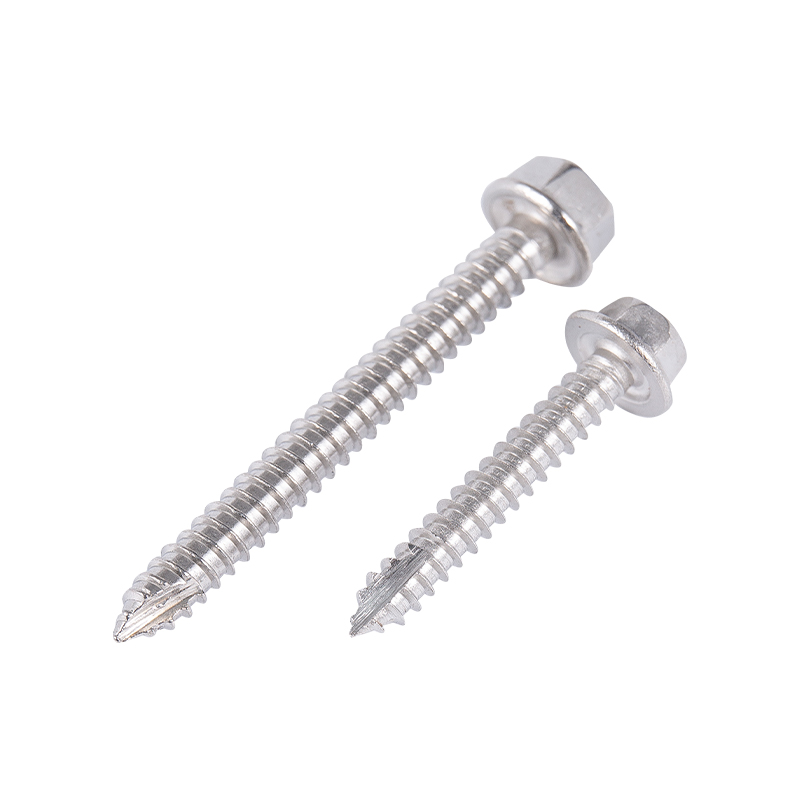
Hexagon head sharp point self-tapping screws are an efficient and convenient fas...
See Details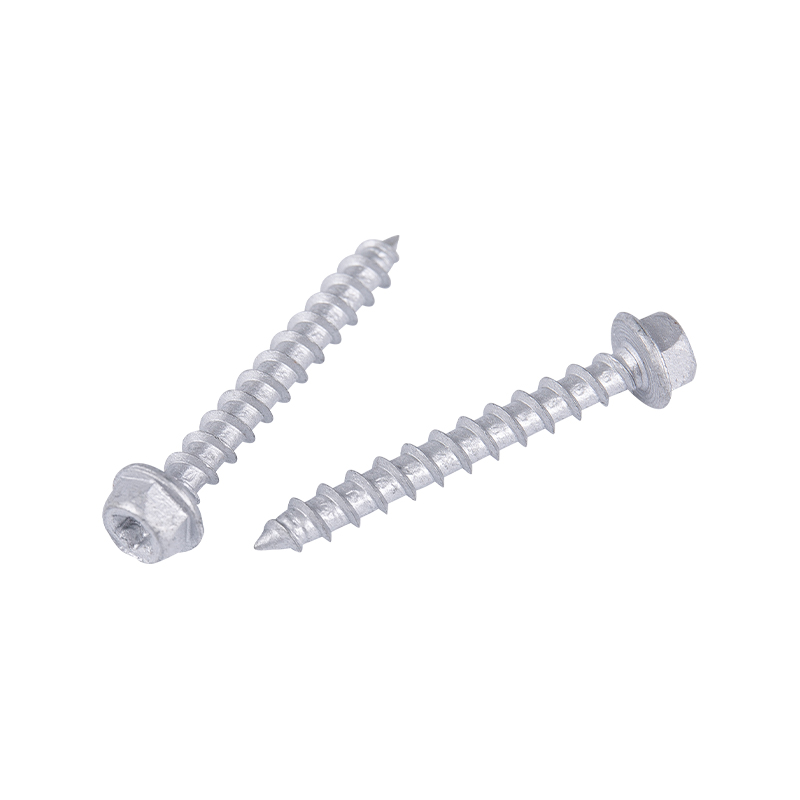
Wood screws are a type of fastener designed specifically for wood and are widely...
See Details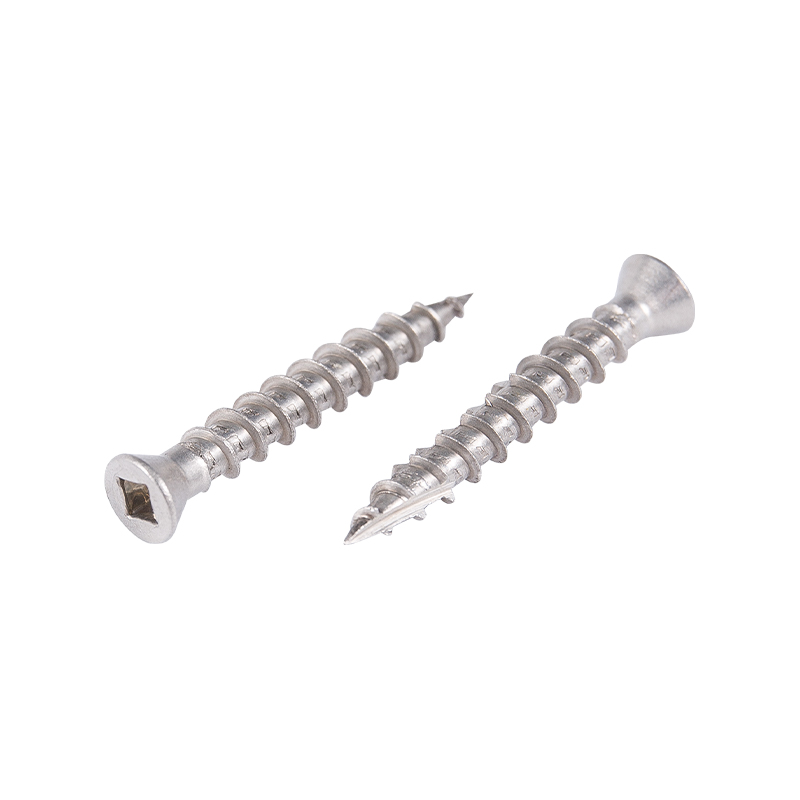
Countersunk, raised-countersunk, trumpet, pan head, round head washer and oval h...
See Details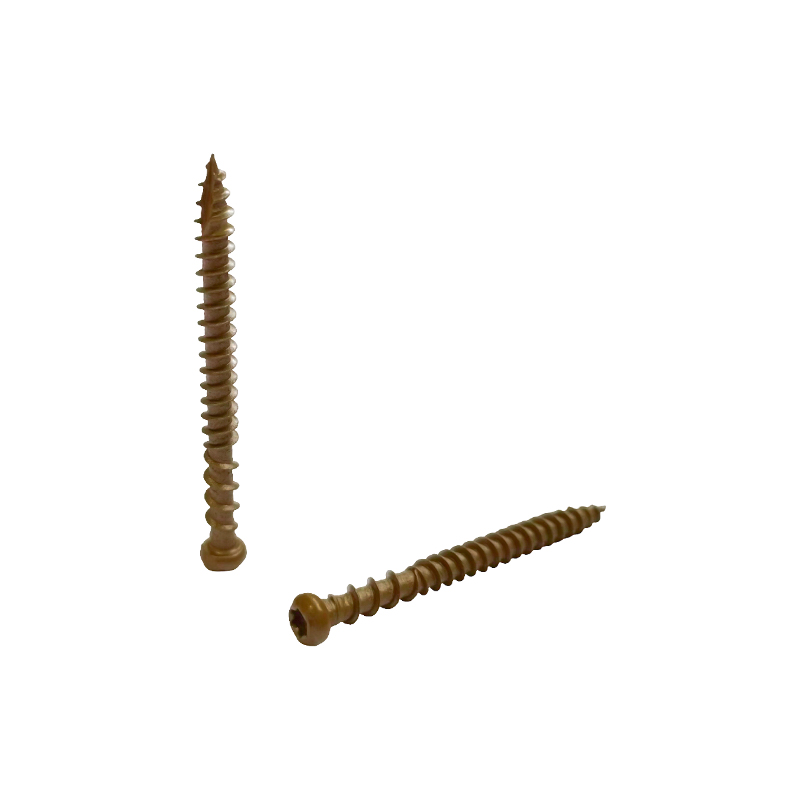
This Round Head Six Lobe Type 17 Self Tapping Screw is manufactured from SUS304 ...
See Details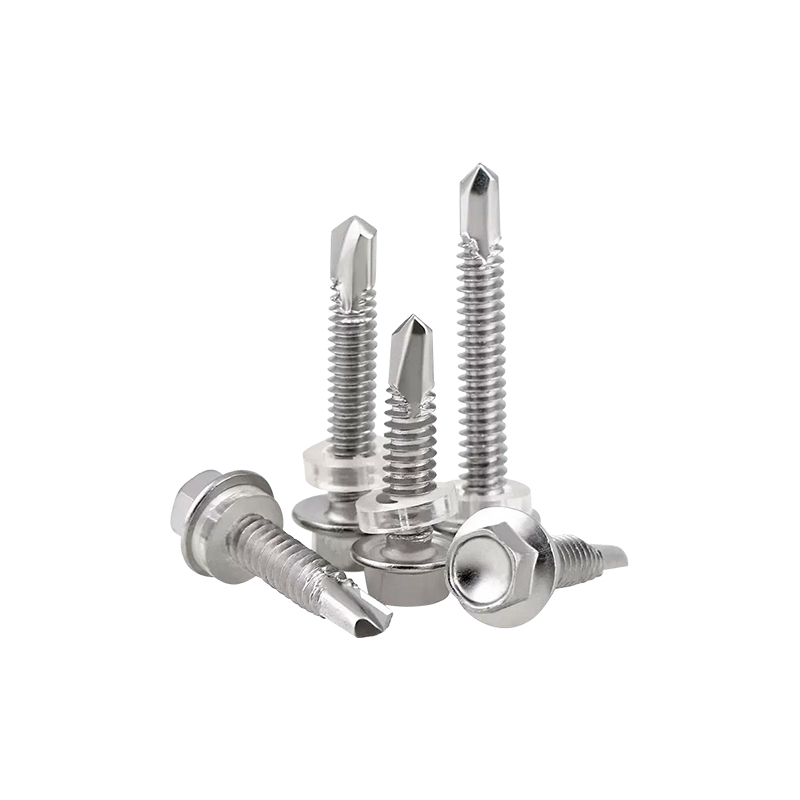
This Hex Flange Head Self Drilling Screw with EPDM Washer offers a thread size r...
See Details+86-13705735391
+86-18868359082
+86-573-83128088
+86-573-83128123
No. 2155, Shuanglong Road, Nanhu District, Jia Xing City, Zhejiang Province
Copyright © Jiaxing Zhongke Metal Technology Co.,Ltd. All Rights Reserved.Custom High Strength Stainless Steel Fasteners Manufacturers Provider