English
 Español
 عربى


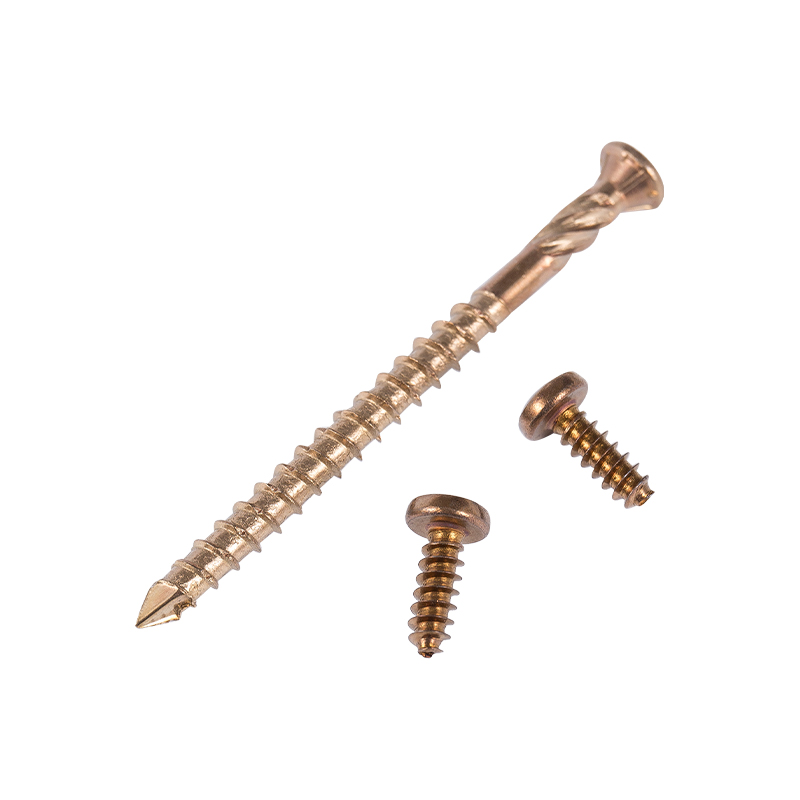
Countersunk Head Self-Drilling Screws
Cat:Self Drilling Screws
Countersunk self-drilling screws are widely used in furniture manufacturing, arc...
See Details


Content
Austempering has moved from a specialist salt-bath curiosity to a mainstream production route for two very different families of parts: ductile iron castings and high-strength fasteners. Both depend on the same metallurgical principle. Instead of cooling a component fast enough to form hard, brittle martensite and then tempering it back into a usable condition, austempering arrests the quench in a bath held at a controlled temperature and lets the austenite transform isothermally into bainite. The part comes out strong, tough, dimensionally stable and essentially ready to use.
For ductile iron, that bainitic matrix produces austempered ductile iron (ADI), a material that frequently replaces steel forgings or welded fabrications at a fraction of the weight. For fasteners, the same transformation delivers the balance of strength and ductility that high-grade bolts, screws and nuts need in order to survive impact, vibration and tightening to yield. The furnace, rather than the alloy alone, is often what decides whether either outcome is repeatable in production.
The austempering cycle has three stages, and each one places a specific demand on the furnace.
During the hold, bainitic ferrite nucleates and grows as fine acicular plates, rejecting carbon into the surrounding austenite. In ductile iron the resulting structure is known as ausferrite: acicular ferrite plus carbon-enriched, stabilised austenite. In alloy steels the same reaction produces a bainitic structure with a toughness-to-strength ratio that a martensitic structure of equal hardness rarely matches.
Because the transformation runs at a single controlled temperature rather than across a continuous cooling curve, part-to-part scatter in hardness depends far more on bath uniformity, agitation and transfer speed than on alloy chemistry alone.
The practical benefits follow directly. There is no separate tempering step, distortion is lower because the part never sees a martensitic volume change, and the risk of quench cracking in thin sections or at sharp transitions falls sharply. For a fuller discussion of cycle design and furnace scheduling, see this note on how to optimize industrial heat treatment.
Ductile iron is an unusual candidate for isothermal treatment because its graphite nodules act as carbon reservoirs and as crack arrestors. With modest alloying additions such as copper, nickel and molybdenum, the material can be austenitized, quenched and held to produce an ausferritic matrix with mechanical properties that cast iron is not normally expected to deliver.
The table below summarises the practical difference between the two routes for ductile iron and for medium-carbon fastener steels.
| Characteristic | Quench and Temper (Martensitic) | Austempered (Bainitic) |
|---|---|---|
| Matrix structure | Martensite, tempered | Acicular bainite or ausferrite |
| Tempering step | Required | Not required |
| Distortion | Higher | Lower |
| Cracking risk | Present in thin sections | Reduced |
| Toughness at equal hardness | Baseline | Generally higher |
| Process control focus | Quench severity | Bath temperature and hold time |
Austempering equipment is built around the isothermal stage. Several configurations are used in commercial production:
Molten salt bathFluidised bedContinuous mesh beltSealed batch chamber
Molten salt isothermal quench furnaces remain the workhorse for batch austempering of ductile iron and heavier fasteners, because a well-agitated salt bath combines a very high heat transfer coefficient with a wide usable temperature window. Fluidised beds offer a cleaner, salt-free alternative but demand careful gas handling. Continuous mesh-belt lines suit small fasteners produced in high volume, where parts travel from an austenitizing zone through a controlled-atmosphere transition into the isothermal hold.
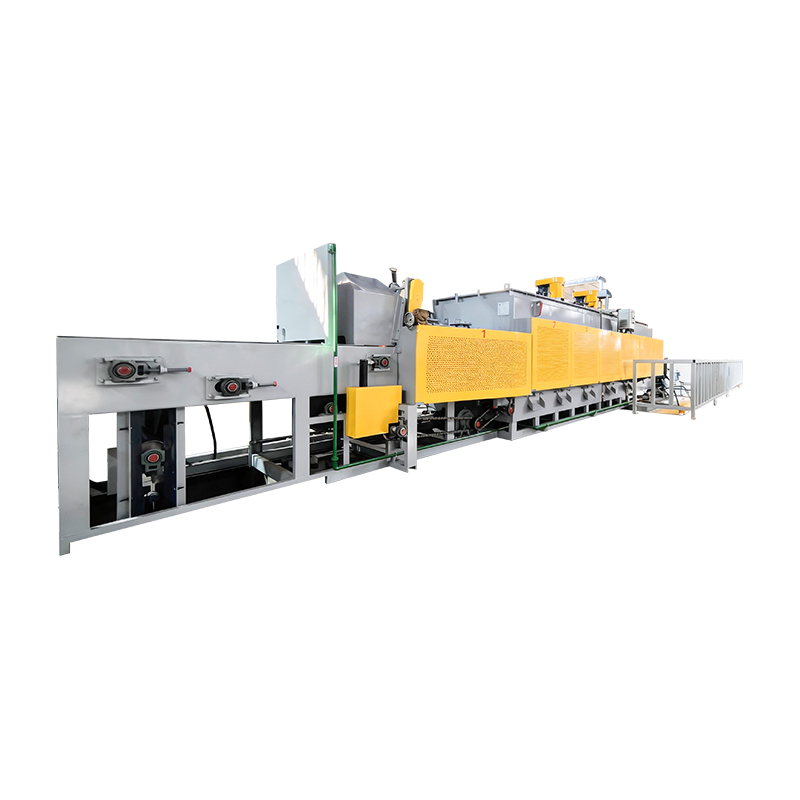 Isothermal Quenching Furnace for Custom Heat TreatmentA customizable isothermal quenching furnace for industrial heat treatment, worth reviewing when planning batch austempering equipment.View Product →
Whatever the configuration, five design points determine whether the process will hold tolerance in daily operation:
Bolts, screws, nuts and washers in the 8.8, 10.9 and 12.9 property classes are conventionally hardened and tempered. Austempering offers an alternative route for medium-carbon and low-alloy steels, and it is particularly attractive for parts with thin shanks, deep recesses, sharp thread roots or tight straightness requirements. Those are exactly the geometries where a martensitic quench tends to produce distortion and, occasionally, cracking.
The bainitic structure that develops during the isothermal hold gives the fastener a tough core with a hard, wear-resistant surface behaviour, without the drop in ductility that accompanies over-tempering. Because no separate tempering furnace is needed, the process chain shortens and the risk of handling damage between steps falls. Where a manufacturer both builds heat treatment equipment and produces fasteners in volume, the same process knowledge is applied at both ends of the line.
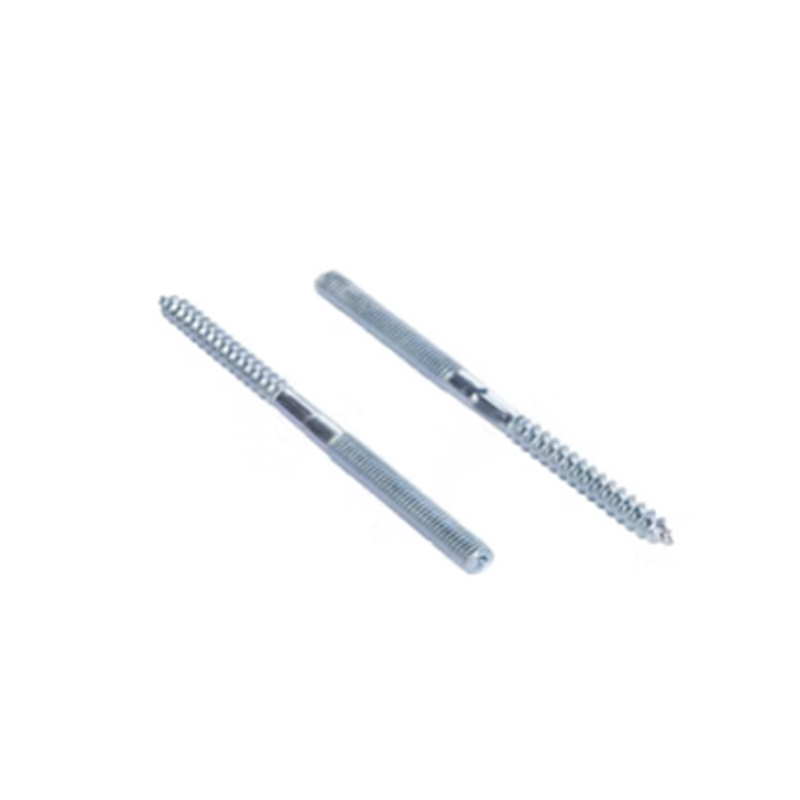 All Head Types Bolt Range for Structural FasteningHex, flange and other head bolts in multiple grades and finishes for structural, infrastructure and machinery joints needing reliable clamping force.View Product →
Fasteners with high strength classes are commonly paired with matching washers and nuts, and the joint as a whole performs only as well as its weakest hardened element, so hardness consistency across a batch matters as much as peak hardness.
The table below collects the main variables that determine whether an austempering cycle produces the intended bainitic structure.
| Parameter | Typical Range | Effect on the Result |
|---|---|---|
| Austenitizing temperature | 840–950 °C | Sets the carbon level in the matrix and the reaction kinetics |
| Austenitizing soak | 30–90 min | Ensures complete dissolution and homogenisation |
| Quench rate to bath | Fast, above Ms | Avoids pearlite and soft patches |
| Bath temperature | Ms + 20 to Ms + 100 °C | Controls bainite morphology and final strength |
| Isothermal hold | 20–120 min | Completes the reaction and limits unstable austenite |
| Agitation level | Uniform and continuous | Prevents local overheating and property scatter |
Because the transformation is time and temperature dependent rather than composition dependent, verification focuses on the process record as much as on the finished part.
A controlled furnace with recorded data turns these checks into trend monitoring rather than firefighting, and makes it possible to trace an out-of-specification batch back to the cycle that produced it.
When specifying equipment, the useful questions are process questions first and equipment questions second.
 ZKL Sealed Box Type Quenching FurnaceA made-to-order sealed box quenching furnace in the industrial furnace range, worth viewing when process needs come before equipment selection.View Product →
Pairing a sealed, atmosphere-controlled chamber with an isothermal quench unit often gives the most predictable result, because the surface condition leaving the austenitizing stage is as important as the bath itself. A supplier who also operates heat treatment as a service can usually model the cycle for a specific part before the equipment is built, which shortens commissioning considerably.
Quenching and tempering produces martensite first and then softens it in a second furnace run. Austempering interrupts the quench above the martensite start temperature and holds the part there, so the austenite transforms directly into bainite. The tempering step disappears, distortion is reduced and the resulting structure is usually tougher at the same hardness.
Austenitizing is normally carried out between 840 and 950 °C, and the isothermal bath is held somewhere between Ms + 20 °C and Ms + 100 °C. Lower bath temperatures favour higher strength, while higher bath temperatures favour ductility, so the set point is chosen from the property combination the casting needs.
Yes. Medium-carbon and low-alloy fastener steels respond well to the process, and the route is particularly useful for bolts and screws with thin sections, deep recesses or tight straightness tolerances, where a martensitic quench would create unacceptable distortion or cracking risk.
The part never cools below the martensite start temperature, so the large volume change associated with the austenite-to-martensite transformation never occurs. With no martensite to temper and less thermal shock, the part holds its shape and its machining allowance more reliably.
Temperature uniformity and agitation in the isothermal bath, coupled with a fast and repeatable transfer from the austenitizing chamber. A furnace that holds temperature accurately but transfers slowly will still produce scatter in hardness and structure.
Austempering is one of the few heat treatment routes where the bainitic transformation can be controlled closely enough to design a component around it. Ductile iron castings gain strength and wear resistance without losing the near-net shape advantage that makes them economic, and high-strength fasteners gain toughness without the distortion penalty of a full martensitic quench. In both cases, the outcome depends on equipment that can hold a bath temperature steady, agitate it properly and complete the transfer quickly.
Jiaxing Zhongke Metal Technology Co., Ltd. builds industrial electric furnaces for these processes from its base in Nanfeng Town, Jiaxing, Zhejiang, and separately manufactures bolts, screws, nuts and washers in a wide range of head, drive and thread configurations. If you are evaluating an austempering cycle for a specific casting or fastener, contact the team to discuss the process window and the equipment that fits it.
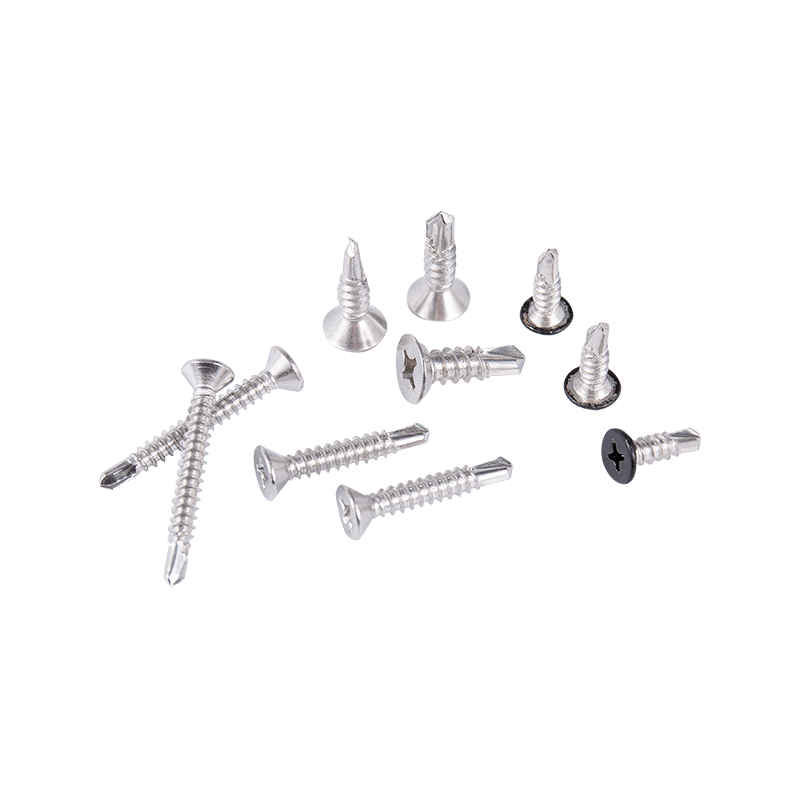
Countersunk self-drilling screws are widely used in furniture manufacturing, arc...
See Details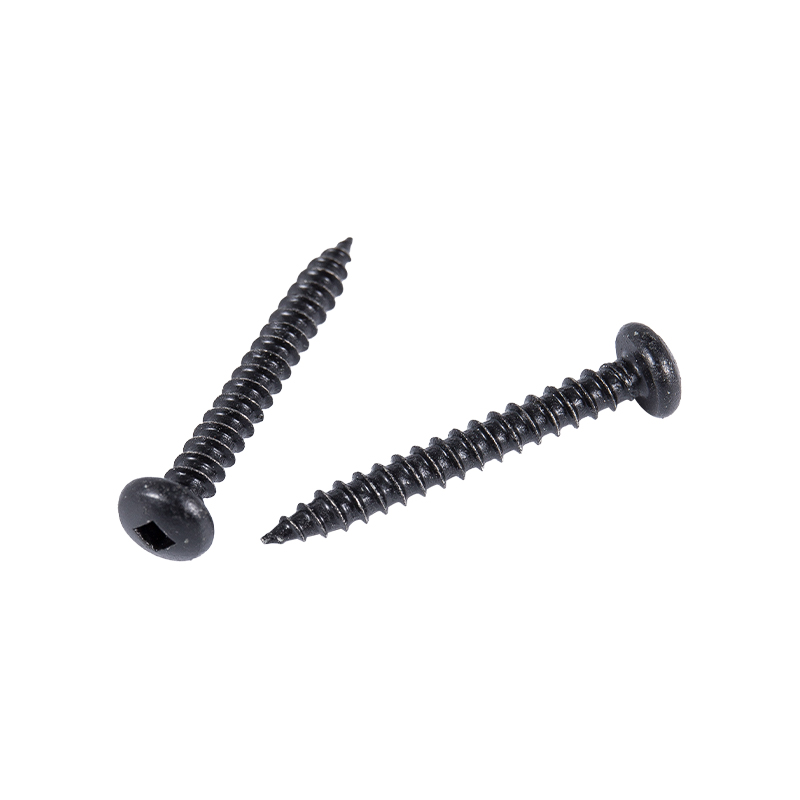
Pan head sharp point self-tapping screws are a type of fastener widely used in c...
See Details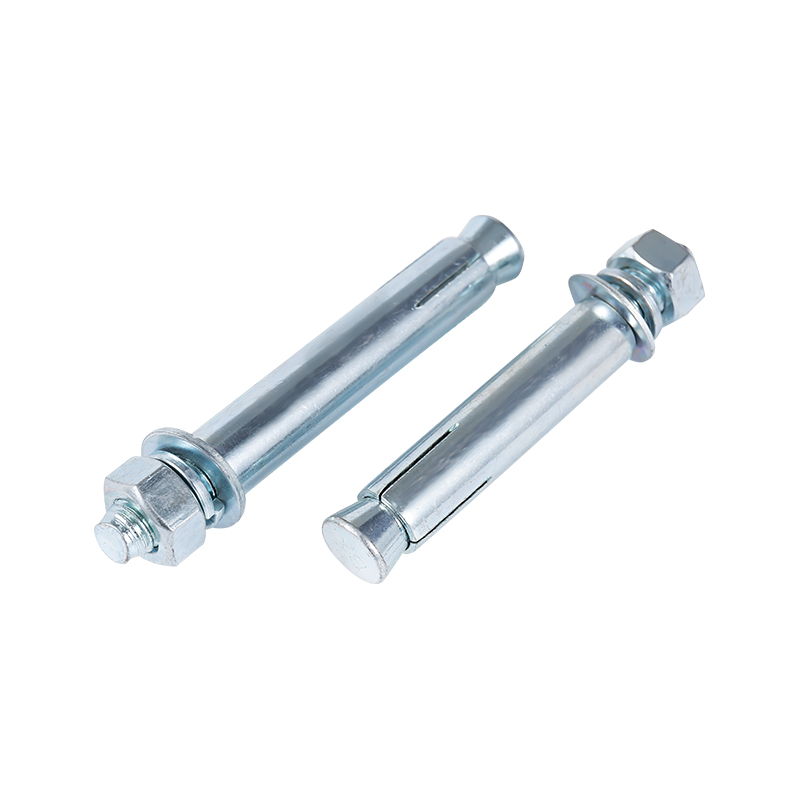
Bolt is a common fastener used in many fields such as machinery, construction, a...
See Details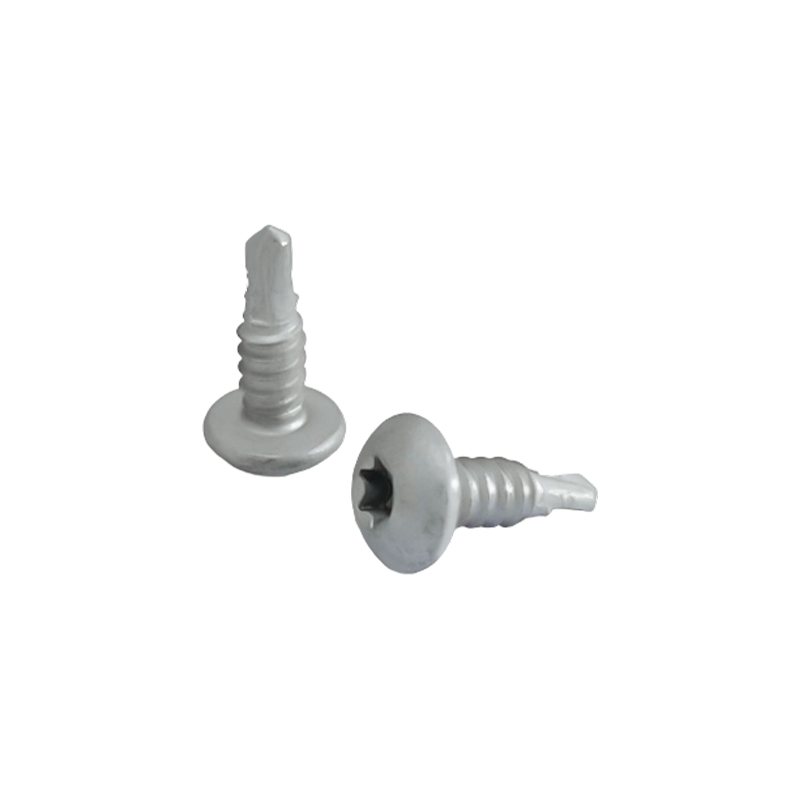
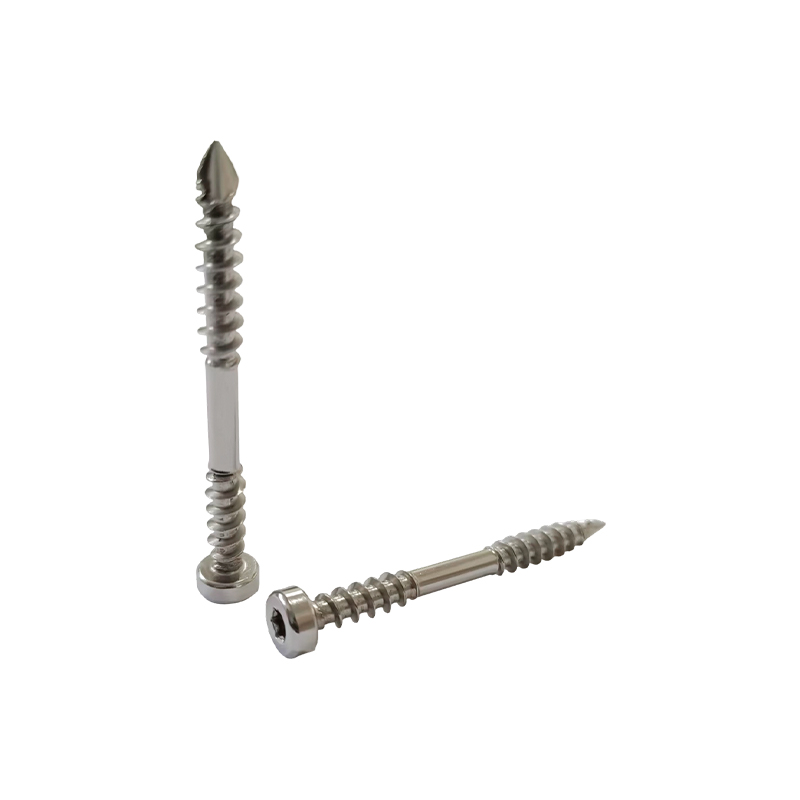
The Pand Head Hexalobular Suture Screw features a hexalobular (Torx) head design...
See Details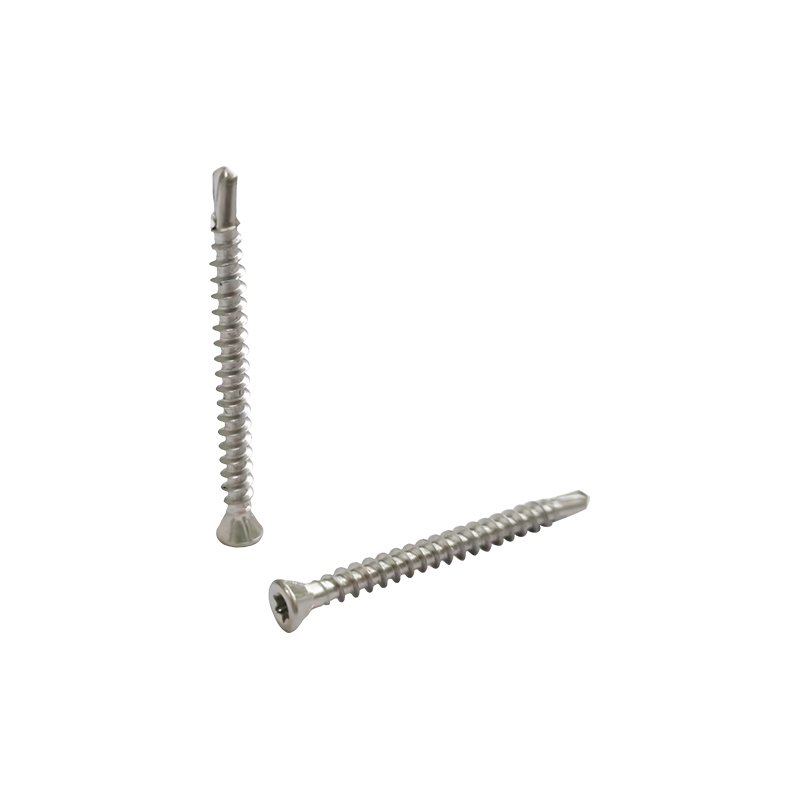
The CSK Six Lobe And Rib Self Drilling Screw is a fastener featuring a specific ...
See Details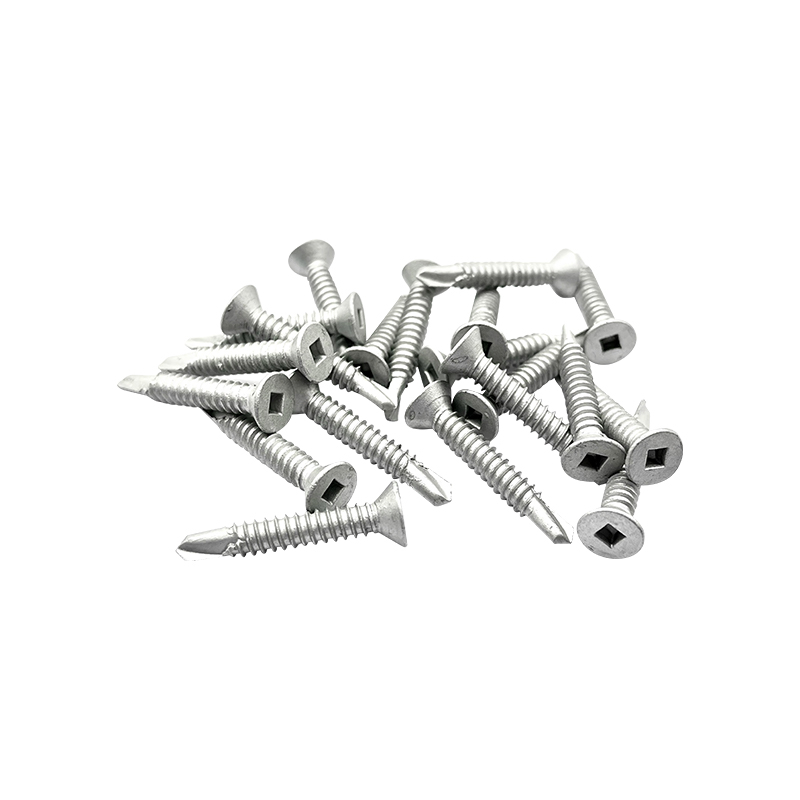
This CSK Head Square Drive Self Drilling Screw features a thread size range of M...
See Details+86-13705735391
+86-18868359082
+86-573-83128088
+86-573-83128123
No. 2155, Shuanglong Road, Nanhu District, Jia Xing City, Zhejiang Province
Copyright © Jiaxing Zhongke Metal Technology Co.,Ltd. All Rights Reserved.Custom High Strength Stainless Steel Fasteners Manufacturers Provider