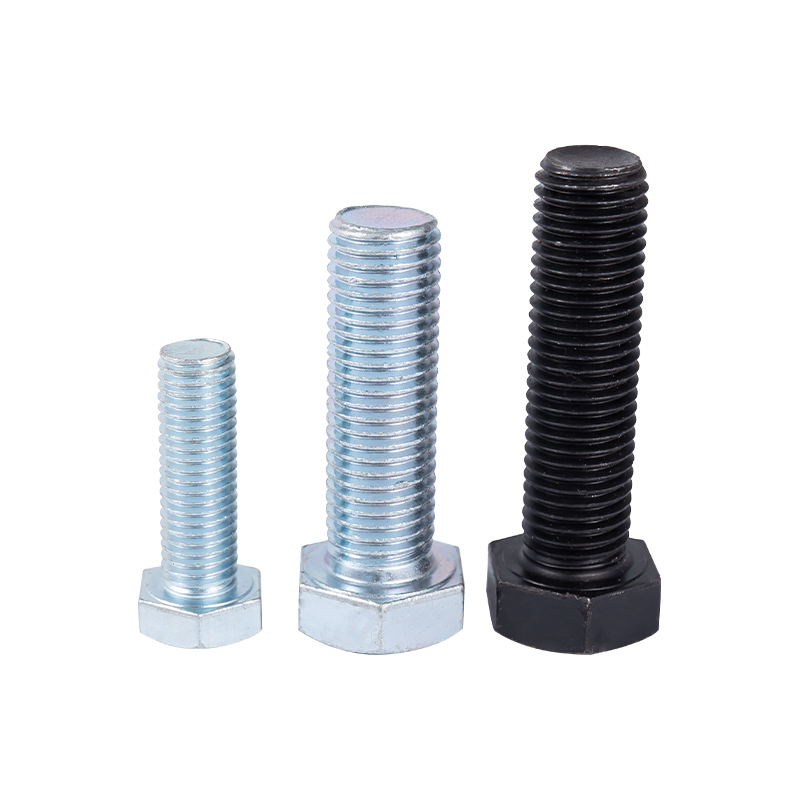
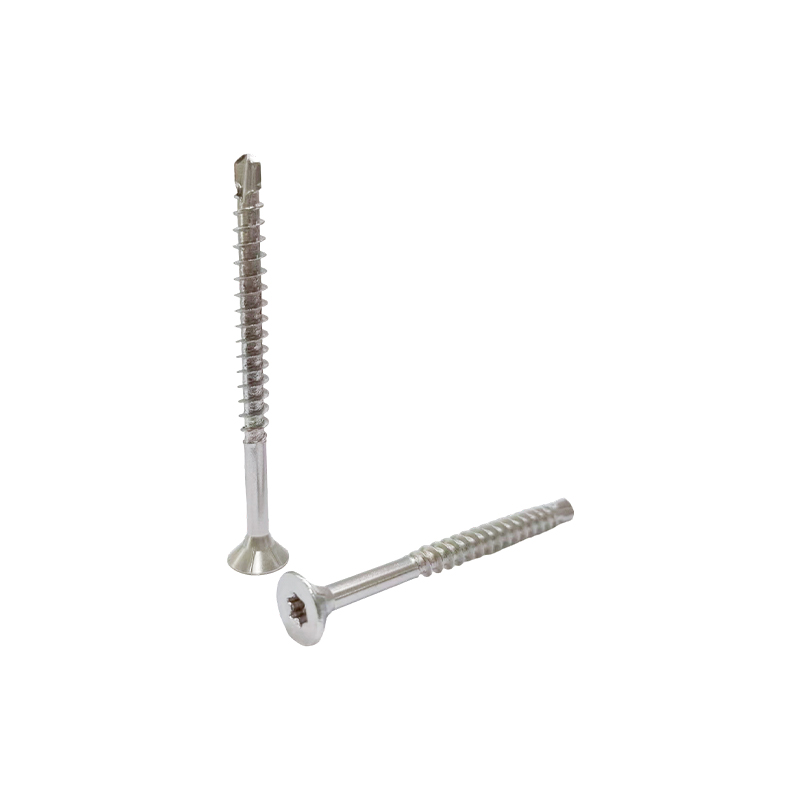
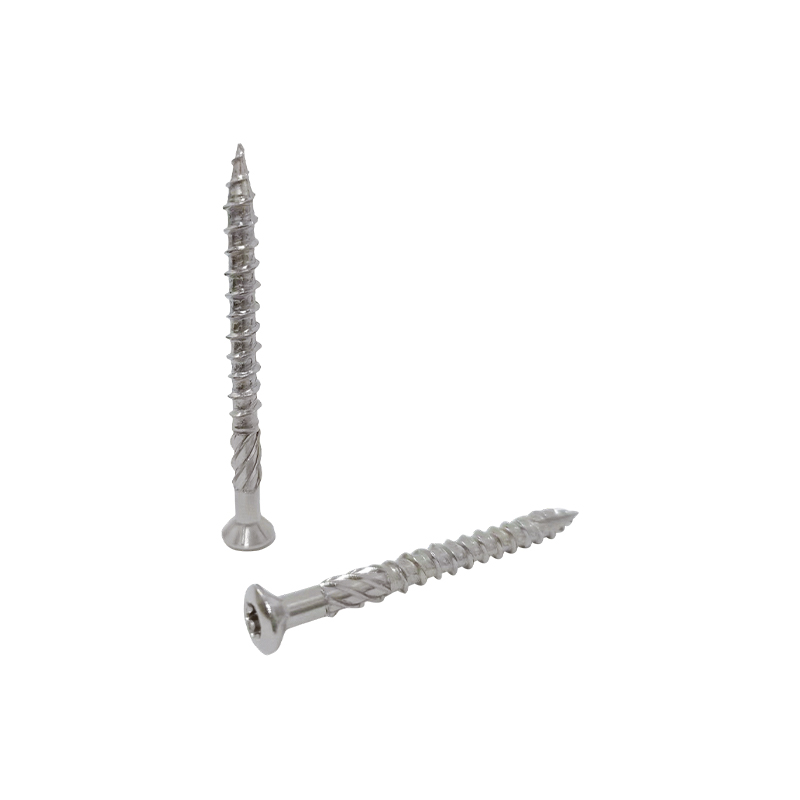
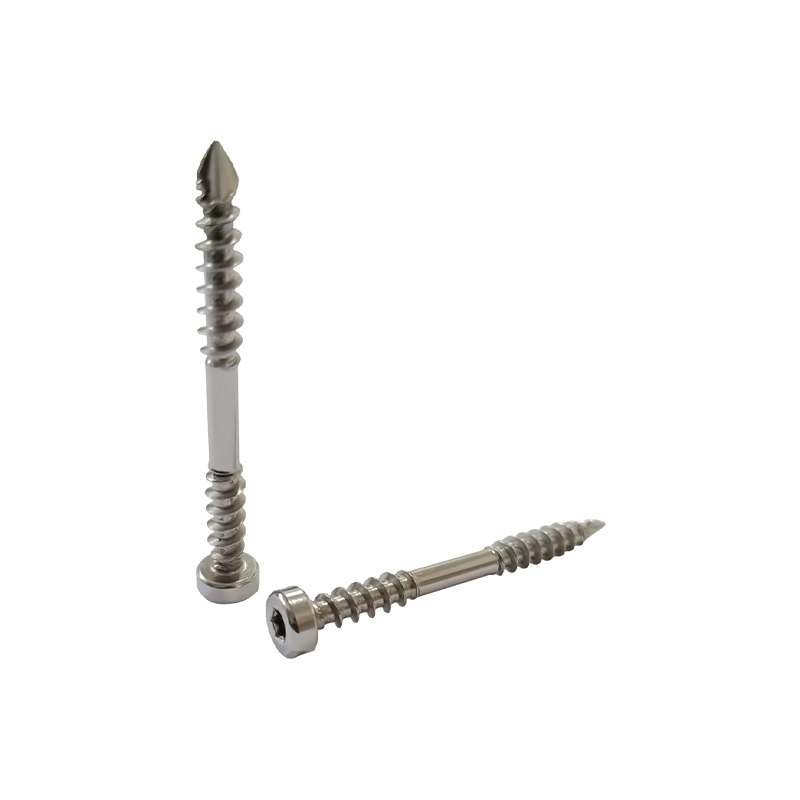
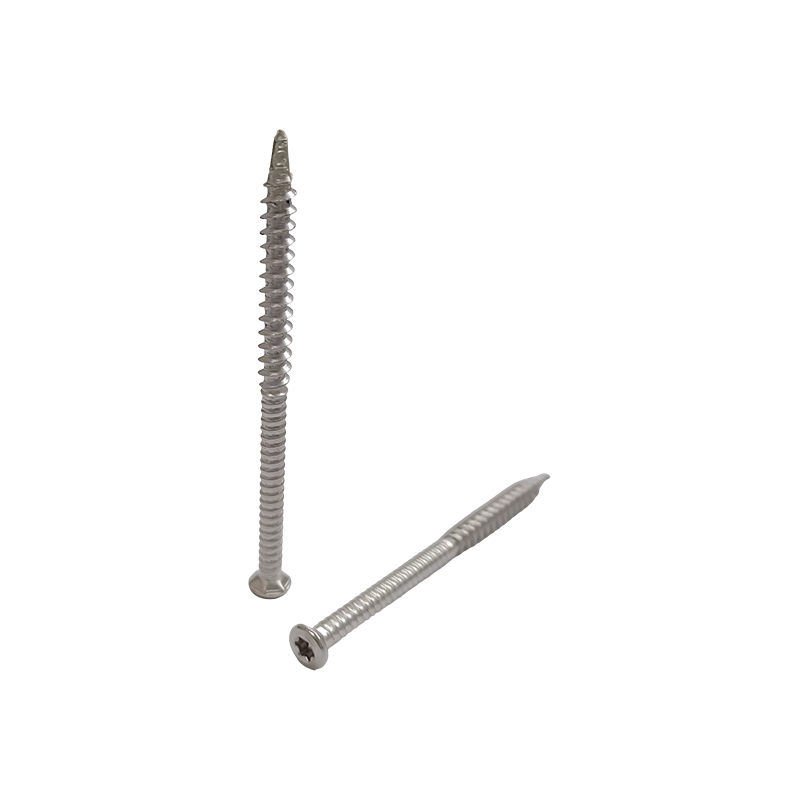
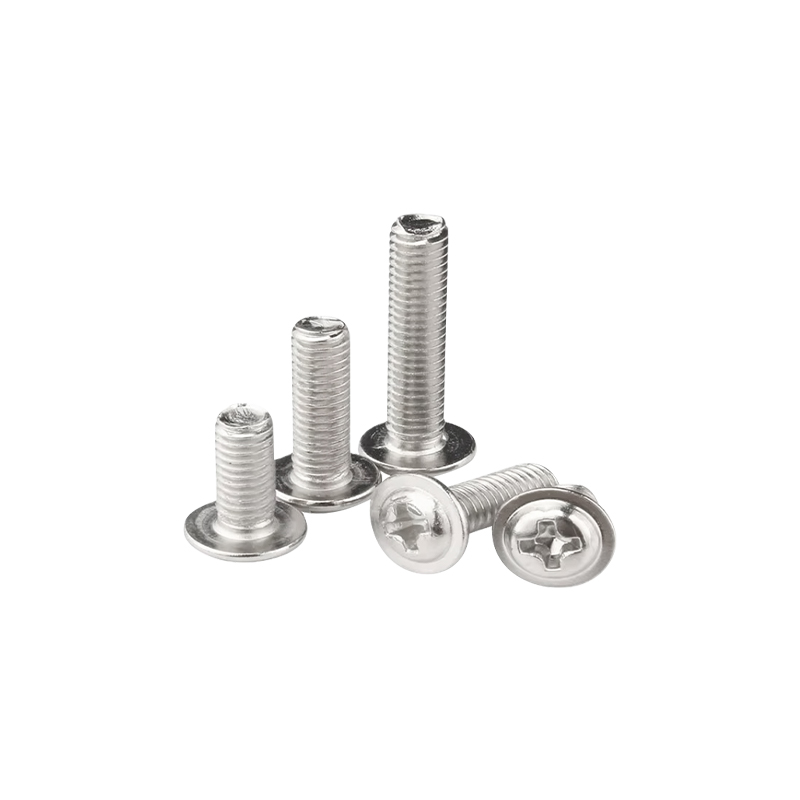
Standard: DIN 933, GB/T 5780, ISO 7412
Material:Carbon Steel Q195, SUS410 SUS304 Stainless Steel
Grade: Grade 4.8, Grade 6.8, Grade 8.8, Grade 10.9, Grade 12.9, Grade A2 A4
Specification:M8, M10, M12, M14, M16, M20
Surface treatment: Passivation, Zinc Plating, Nickel Plating, Blackening, Dacromet, Drop Resistant
Product Introduction
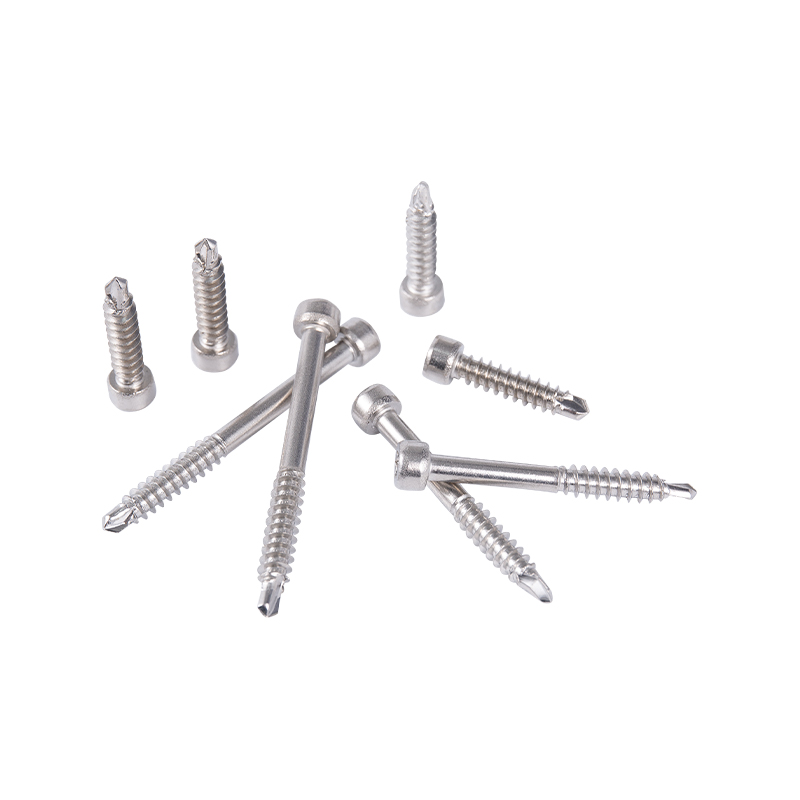
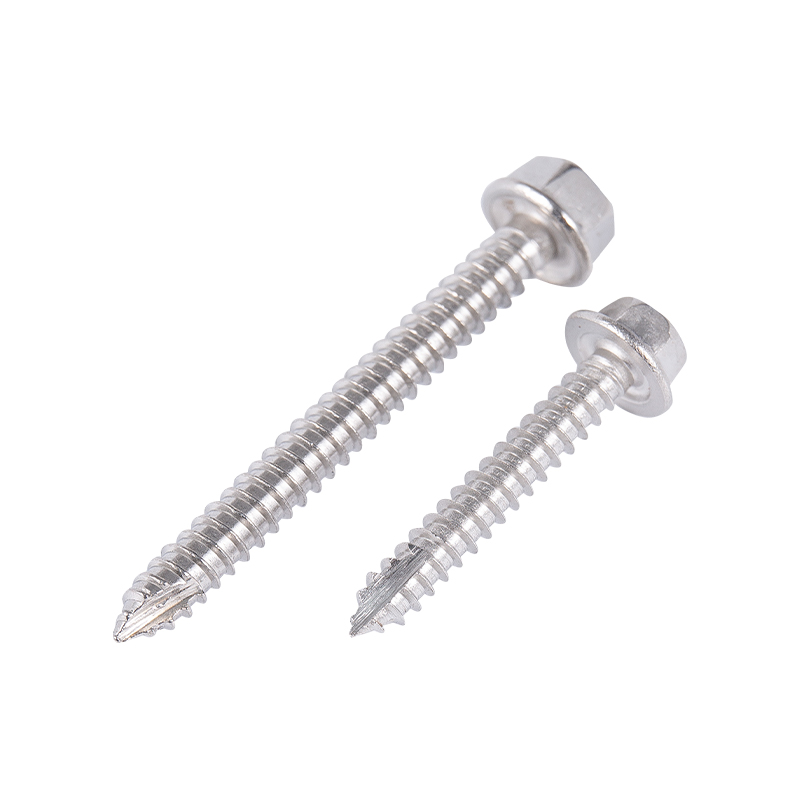
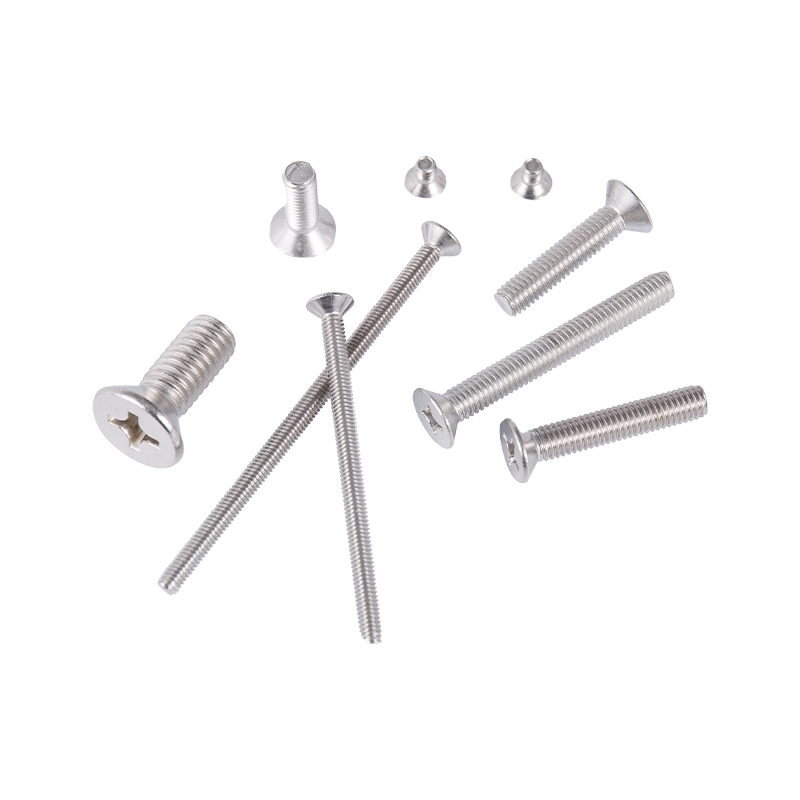
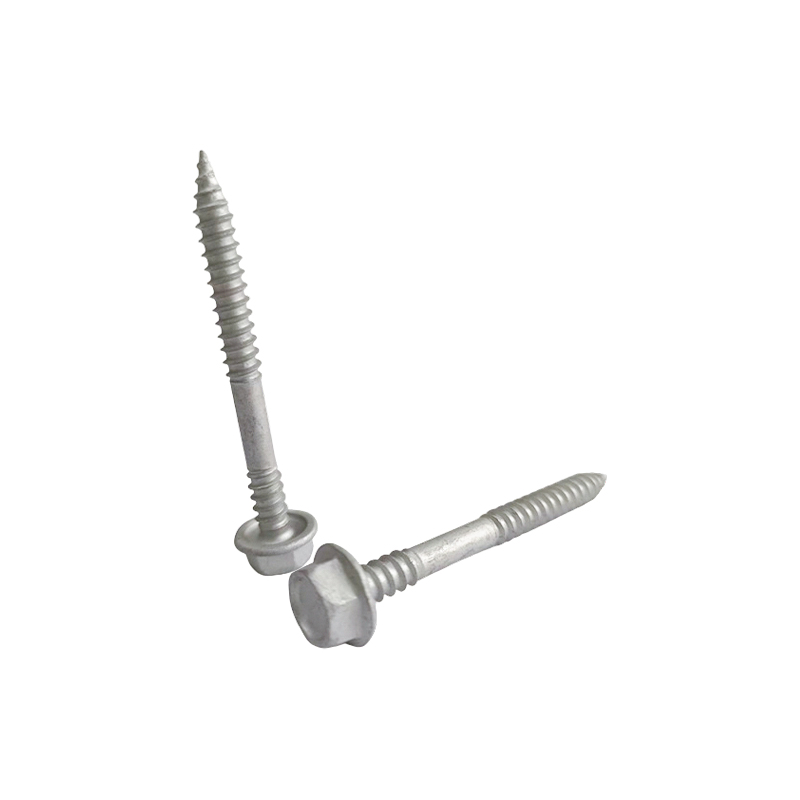
The All Head Types Bolt range encompasses a comprehensive selection of hexagon head bolts designed for structural and general-purpose fastening applications requiring reliable clamping force and tensile strength. Available in various head configurations including hex head, flange head, and other profiles, these bolts provide application-specific solutions for diverse installation requirements. These bolts feature precision threads that mate with nuts or tapped holes, providing consistent and reliable engagement for structural connections. Manufactured from carbon steel (Q195) and stainless steel (SUS410, SUS304) material options, with property classes from Grade 4.8 to Grade 12.9, the bolts offer strength and corrosion resistance for various environments. Multiple surface treatments including passivation, zinc plating, nickel plating, blackening, and Dacromet finishes provide environmental adaptability. Metric sizes from M8 to M20 accommodate comprehensive structural and industrial bolting requirements.
Core Advantages
01
Multiple Head Configurations
Hex head, flange head, and other head profiles provide application-specific solutions for diverse installation requirements.
02
Wide Grade Range
Property classes from Grade 4.8 to Grade 12.9 provide tensile strength options for various structural requirements.
03
Multiple Material Options
Available in carbon steel (Q195) and stainless steel (SUS410, SUS304) to meet diverse application requirements.
04
Comprehensive Size Range
Metric sizes from M8 to M20 cover a wide range of structural and industrial bolting requirements.
05
Extensive Surface Treatments
Passivation, zinc plating, nickel plating, blackening, and Dacromet finishes for environmental adaptability.
06
Standard Compliance
Manufactured to DIN 933, GB/T 5780, and ISO 7412 specifications for quality assurance.
Product Features
Multiple head configurations Hex head provides standard engagement with standard tools; flange head offers integrated bearing surface; other head profiles available for specific applications.
Wide grade range Grade 4.8 provides general strength; Grade 8.8 offers medium strength; Grade 10.9 and 12.9 deliver high tensile strength for structural applications.
Carbon steel material Q195 provides basic strength for general applications with appropriate surface treatment.
Stainless steel material options SUS410 provides hardness for structural applications; SUS304 offers general corrosion resistance for indoor and mild outdoor applications.
Size range Available in M8, M10, M12, M14, M16, and M20 diameters for diverse structural and industrial bolting requirements.
Surface treatment options Zinc plating provides general corrosion protection; passivation enhances stainless steel; nickel plating offers enhanced appearance; blackening delivers aesthetic matte finish; Dacromet provides high salt spray resistance.
Application Scenarios
Structural steel connections
Bridge and infrastructure
Heavy equipment assembly
Industrial machinery
Construction equipment
Automotive components
Railway applications
Oil and gas equipment
This range of bolts with multiple head types is deployed in structural and industrial fastening applications requiring reliable clamping force and tensile strength. Applications include structural steel connections where high-strength bolts are essential, bridge and infrastructure projects, heavy equipment assembly, industrial machinery, construction equipment, automotive components, railway applications, and oil and gas equipment where the appropriate grade provides required tensile strength and the surface treatment ensures environmental protection.
Common Questions and Solutions
How do I select the correct grade for my application?
Select grade based on tensile strength requirements. Grade 4.8 is suitable for general applications. Grade 8.8 offers medium strength for most structural applications. Grade 10.9 and 12.9 provide high tensile strength for demanding structural and heavy-duty applications. Consult the technical datasheet for grade-specific strength specifications.
What is the difference between hex head and flange head bolts?
Hex head bolts feature a standard hexagonal head for engagement with wrenches. Flange head bolts incorporate an integrated bearing surface beneath the head that distributes clamping load, eliminating the need for a separate washer in many applications.
What is the difference between carbon steel and stainless steel options?
Carbon steel (Q195) provides basic strength for general applications and is typically used with corrosion-resistant coatings. Stainless steel (SUS410) offers hardness for structural applications, and SUS304 provides general corrosion resistance for indoor and mild outdoor environments.
What surface treatment provides the best corrosion protection?
Dacromet coating provides the highest salt spray resistance. Zinc plating offers general corrosion protection for indoor applications. For stainless steel fasteners, passivation enhances the natural oxide layer for improved corrosion resistance.
What is the recommended tightening torque for these bolts?
Tightening torque varies by grade, size, and lubrication condition. Use torque-controlled tools to achieve proper preload. Consult the technical datasheet for recommended torque values based on grade, thread size, and lubrication condition.
Can these bolts be used with washers?
Yes. Hex head and flange head bolts can be used with flat washers, lock washers, or hardened washers as required. Ensure washers are compatible with the bolt grade and application requirements.
Installation Considerations
1
Select the appropriate bolt grade based on tensile strength requirements for the specific structural application.
2
Use the correct wrench or socket size that matches the head configuration to prevent rounding and ensure positive torque transmission.
3
Use torque-controlled tools to achieve proper preload. Avoid over-tightening which may cause thread stripping or bolt fracture.
4
When using nuts, apply appropriate torque values and consider using lock washers, thread-locking compounds, or prevailing torque nuts for vibration resistance.
5
Select the appropriate thread size and length based on the thickness of materials being fastened and thread engagement requirements.
6
For outdoor or corrosive environments, specify appropriate surface treatment such as Dacromet, zinc plating, or stainless steel grade based on exposure conditions.


 English
 Español
 عربى
عربى