English
 Español
 عربى


Hexagonal Self-Drilling Screws
Cat:Self Drilling Screws
Hexagonal self-drilling screws are an efficient and convenient fastener. This ty...
See Details


Content
Drywall screws spend their service life hidden inside a closed assembly, which is why the coating on the screw is so easy to overlook. In a dry, conditioned room almost any finish survives. In humid gypsum the rules change. Bathrooms, kitchens, laundries, basements, pool halls and coastal buildings keep gypsum board slightly damp for months at a time, and that is exactly where phosphate coated and yellow zinc plated drywall screws begin to behave very differently.
This article explains how each coating protects steel, what humid gypsum actually does to a fastener, and how to choose between the two finishes for a specific project.
Gypsum board is hygroscopic. Both the paper facing and the gypsum core absorb and release moisture as the surrounding air changes, so a board in a humid room can sit at high relative humidity for weeks while the screw shank stays buried in that damp cavity with almost no airflow to dry it out.
Three conditions make the environment more aggressive than ordinary damp air:
The attack is slow and cyclic. The first visible sign is usually rust staining that bleeds through the painted finish, followed by corrosion product around the head, and finally a loss of withdrawal strength as the threads thin out.
Phosphate coating is a conversion treatment. The steel surface reacts with a phosphating bath, and a thin, tightly bonded layer of iron or manganese phosphate crystals becomes part of the surface rather than a layer sitting on top of it.
The crystal layer is slightly porous, so phosphate screws are normally finished with oil, wax or a sealer. That combination delivers two properties that matter on a production line:
What phosphate does not provide is sacrificial protection. There is no metal layer that corrodes in place of the steel, so once moisture works through the oil film, corrosion starts at the weakest points of the coating. In neutral salt spray testing, a phosphate coated drywall screw with a light oil film commonly shows red rust within tens of hours rather than hundreds.
For dry interior partitions the finish is entirely adequate, and the dark surface hides well against dark substrates. It becomes a liability only when the assembly is expected to stay humid.
Yellow zinc plating works on a different principle. A layer of zinc is electrodeposited onto the steel and then treated with a yellow chromate conversion film. Zinc is less noble than steel, so it corrodes first and keeps protecting the base metal even where the coating has been scratched or sheared.
That sacrificial behaviour is why zinc plating dominates fasteners used in damp and semi-exposed service. Real performance depends on coating thickness and chromate type:
The finish is also bright and easy to inspect during production, which matters when fasteners are purchased in large volumes. The trade-offs are slightly higher friction than phosphate unless a wax lubricant is applied, and a plating process that must be controlled carefully on hardened screws to limit hydrogen embrittlement, usually managed with a post-plating bake.
The table below summarises the practical differences when both finishes are evaluated for the same humid gypsum assembly.
| Property | Phosphate coated | Yellow zinc plated |
|---|---|---|
| Protection mechanism | Barrier and lubricant film | Sacrificial zinc plus chromate |
| Neutral salt spray to red rust | Tens of hours | About 72 to 200 hours |
| First sign in humid gypsum | Dark discoloration, then red rust | White zinc oxide, then red rust |
| Appearance | Matte black or grey | Bright yellow iridescent |
| Drive torque | Low and consistent | Moderate, lower with wax |
| Coating adhesion | Excellent | Moderate |
| Best environment | Dry interior partitions | Damp or semi-exposed assemblies |
| Staining risk on board | Rust bleeding | White marking, rust later |
| Relative cost | Lower | Slightly higher |
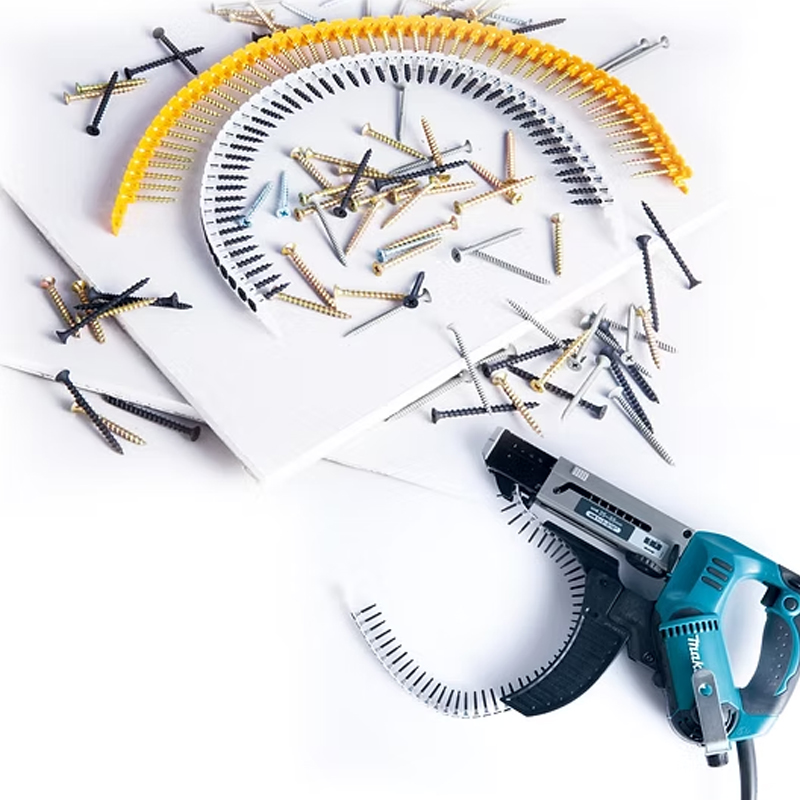 Drywall Screws with Multiple Head and Drive OptionsA drywall fastener range with varied heads, drives, materials, and coatings, relevant for humid gypsum assemblies and later head/thread selection.View Product →
Once the coating is fixed, head and thread design come next. A bugle or countersunk head with fine thread pulls the board tight without crushing the paper face, which is what keeps a taped joint flat.
If you want to weigh coating choice against other fastener variables such as material, head style and thread form, the guide on how to choose the right fastener for your project walks through the same decision process in more detail.
Coating decides how long a screw lasts, while geometry decides how well it works on the day it is installed. In gypsum board over timber, a sharp point and fine thread are usually enough. In board fixed to light gauge steel, a self-drilling point removes the need for pre-drilling and keeps the installation sequence moving.
Where board meets timber framing and the joint has to stay tight, a step or type 17 point cuts a clean path and reduces the risk of the panel riding up on the shank. A six lobe drive combined with a step point also keeps the driver engaged when the screw is set at a slight angle, which happens constantly on ceilings and in corners.
 CSK Six-Lobe Step Type 17 Drywall ScrewCountersunk SUS410 screw with six-lobe drive and Type 17 step point for tighter timber-framed drywall joints and angled ceiling work.View Product →
Whether a drywall screw survives a humid gypsum assembly is decided long before it reaches the site. Plating thickness distribution, chromate control, phosphate crystal weight, lubricant film and surface cleanliness all change the outcome, and so does the heat treatment of the steel underneath the coating.
The manufacturer behind this site, which introduces itself on its English About page as Jiaxing Zhongke Metal Technology Co., Ltd., builds both heat treatment equipment and metal fasteners. Its listed facilities include workshops, extrusion and cleaning lines, heat treatment, a salt spray tester, imaging equipment and a sample room. That combination matters for coated fasteners: a salt spray tester lets a maker verify a coating system rather than assume it, and in-house heat treatment gives direct control over the hardness of the steel beneath the plating.
The drywall screw range covers standard bugle and countersunk profiles as well as specialty geometries such as diamond tail double thread designs.
 Cylinder Head Torx Diamond Tail Drywall ScrewA double-thread drywall screw with diamond tail, Torx drive, and SUS304 stainless steel, offering a specialty geometry beyond standard profiles.View Product →
In a bathroom that stays humid for hours every day, phosphate coated screws are the weaker choice. Without a sacrificial metal layer they rely on a thin oil and phosphate film that water vapour will eventually penetrate. Yellow zinc plated screws are normally the safer specification for wet-area board.
Salt spray hours are a screening test, not a service-life prediction. A phosphate coated screw with light oil may show red rust within tens of hours, while a well-controlled yellow zinc screw commonly reaches 72 to 200 hours before red rust appears. Always compare coatings at the same coating weight and chromate type.
Yes, within a limited distance. The zinc surrounding the damaged area corrodes preferentially and shields the exposed steel until the nearby zinc is consumed or sealed by its own corrosion product. The wider the damage, the weaker the effect.
Zinc corrosion produces a white or grey product that can appear around the head, and rust staining can bleed through paint later. In the early stage, zinc plating usually looks cleaner than phosphate because it delays red rust, but it does not prevent staining forever.
If you are specifying drywall screws for a space that will stay humid, decide the coating first and the head and point second. Share the board type, the substrate, the humidity level and the target salt spray figure, and the team can recommend a coating weight and finish instead of a catalogue default. Reach the team through the contact page to discuss your project requirements.
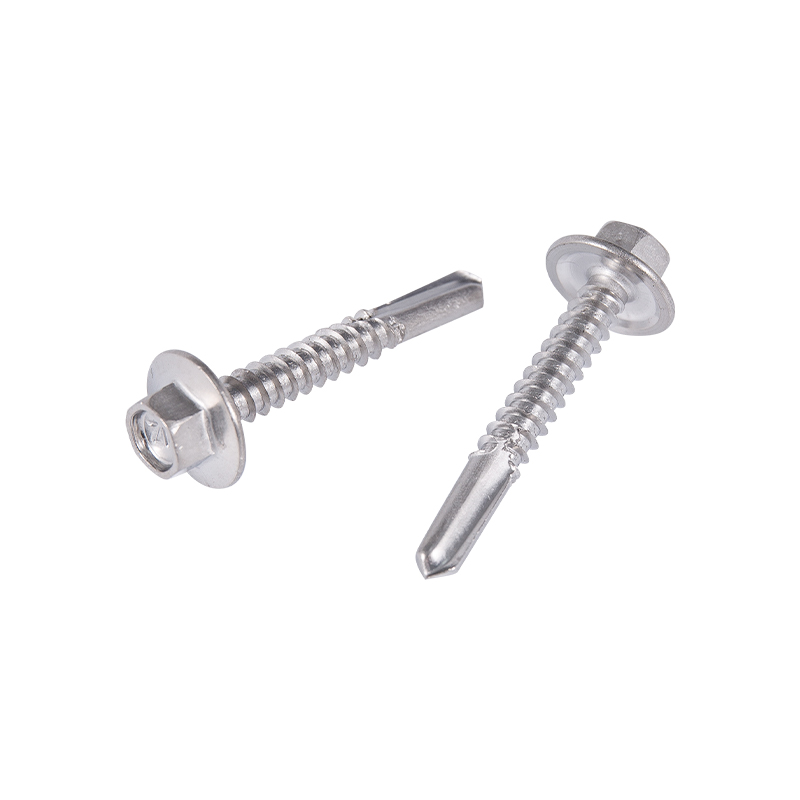
Hexagonal self-drilling screws are an efficient and convenient fastener. This ty...
See Details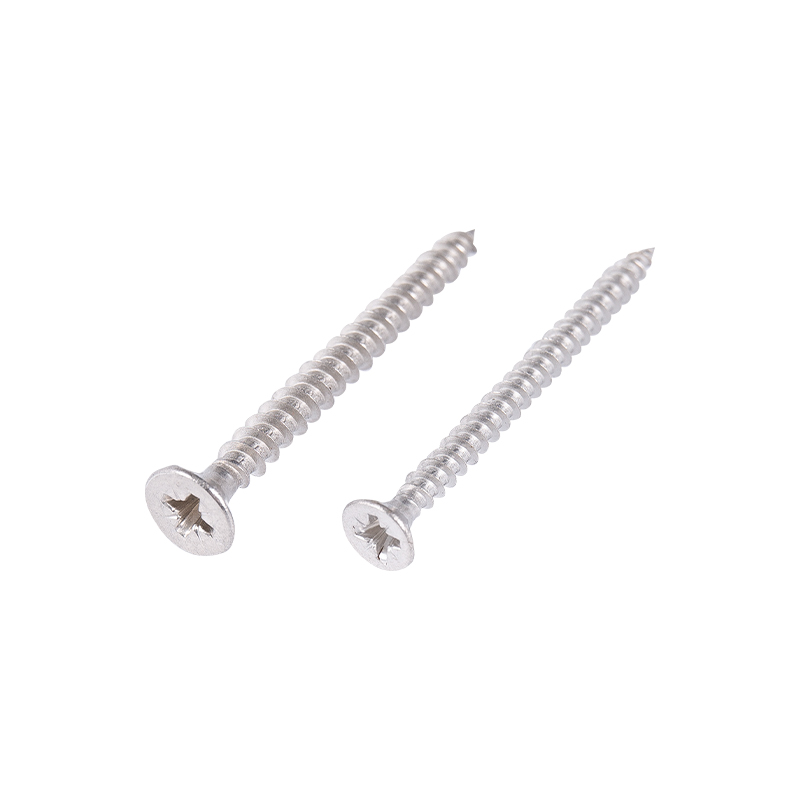
The design features of the countersunk head sharp point self-tapping screws enab...
See Details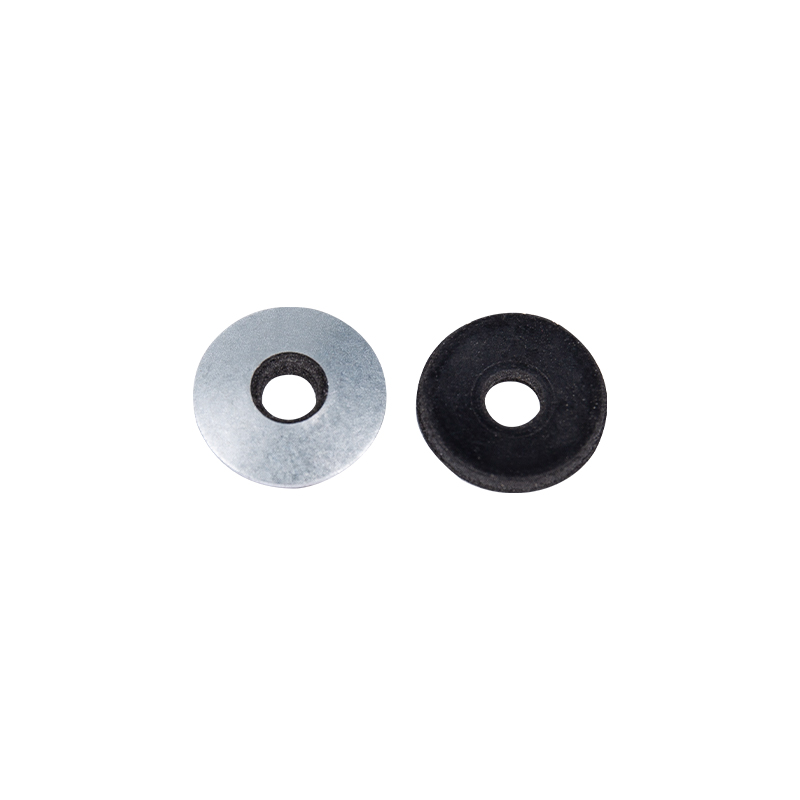
Monomer gaskets and conjoined gaskets are two types of sealing materials widely ...
See Details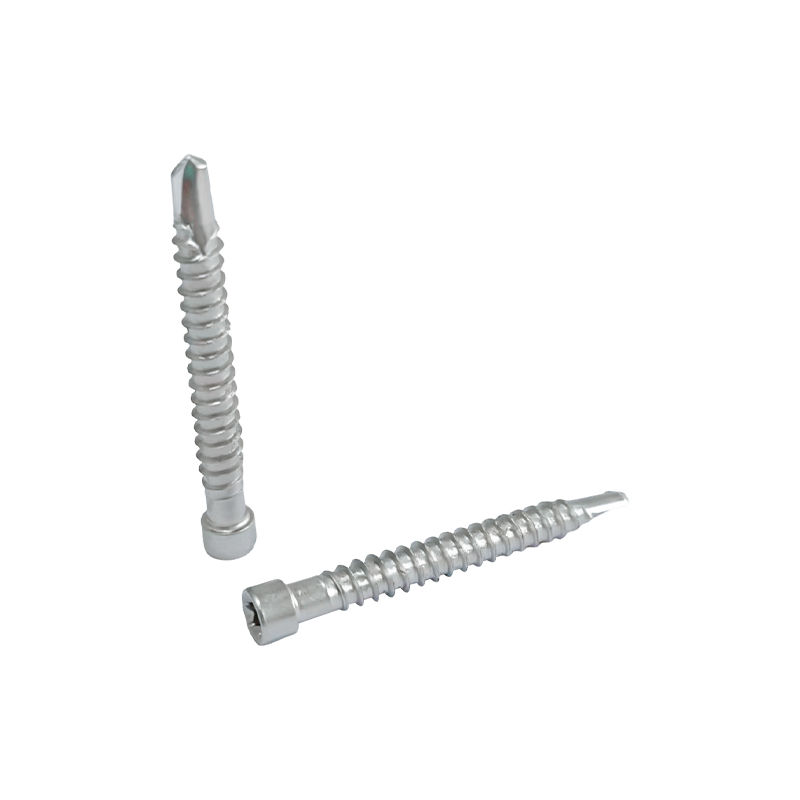
This Cylindrical Head Inner Hexagon Self Drilling Screw features a specification...
See Details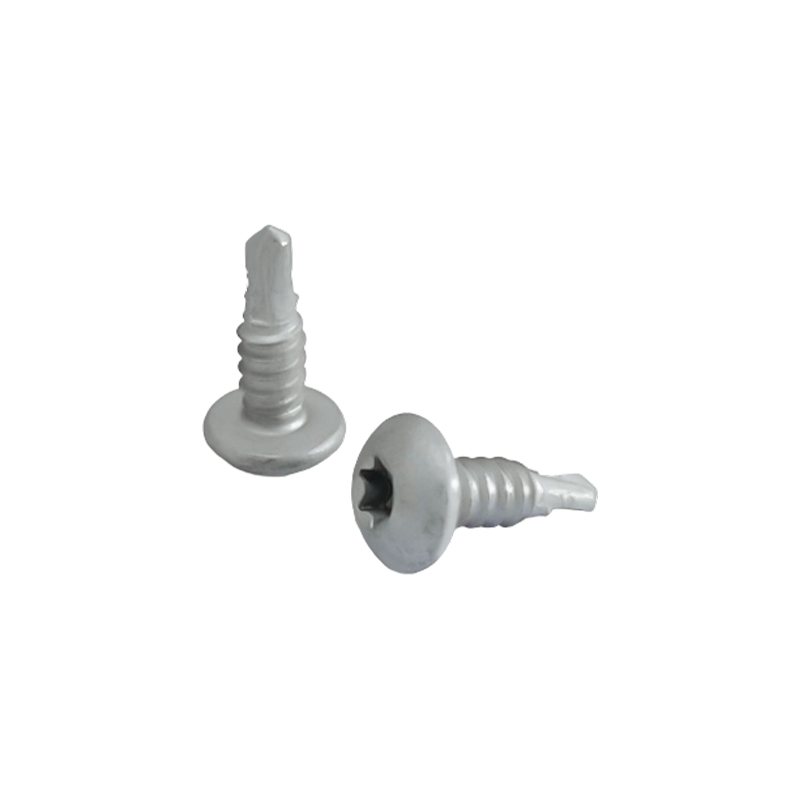
The Pand Head Hexalobular Suture Screw features a hexalobular (Torx) head design...
See Details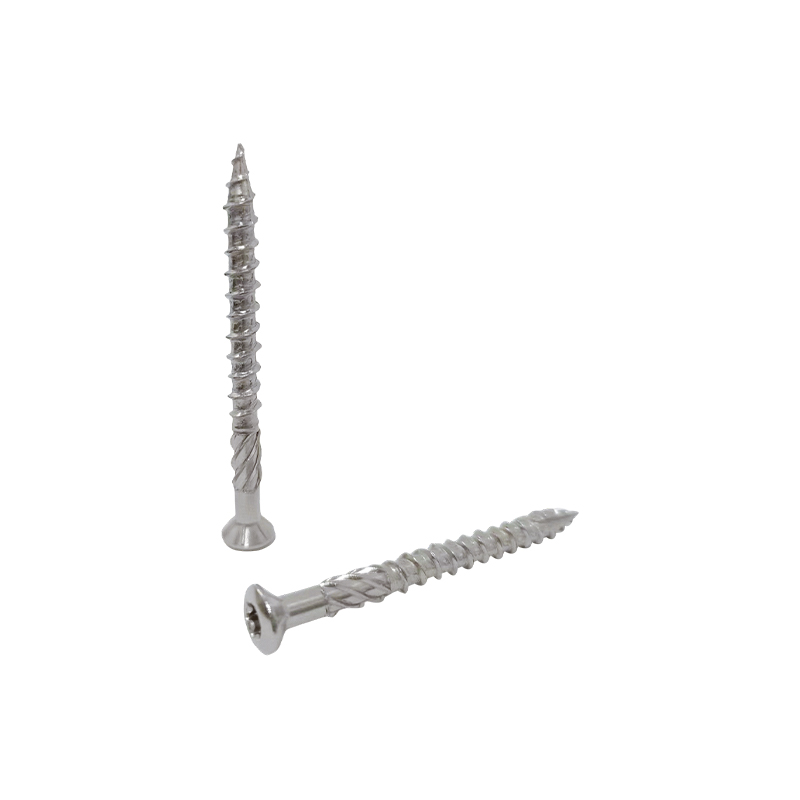
This Semi Countersunk Hexalabular Six-Bevel Rib Chipboard Screw features a speci...
See Details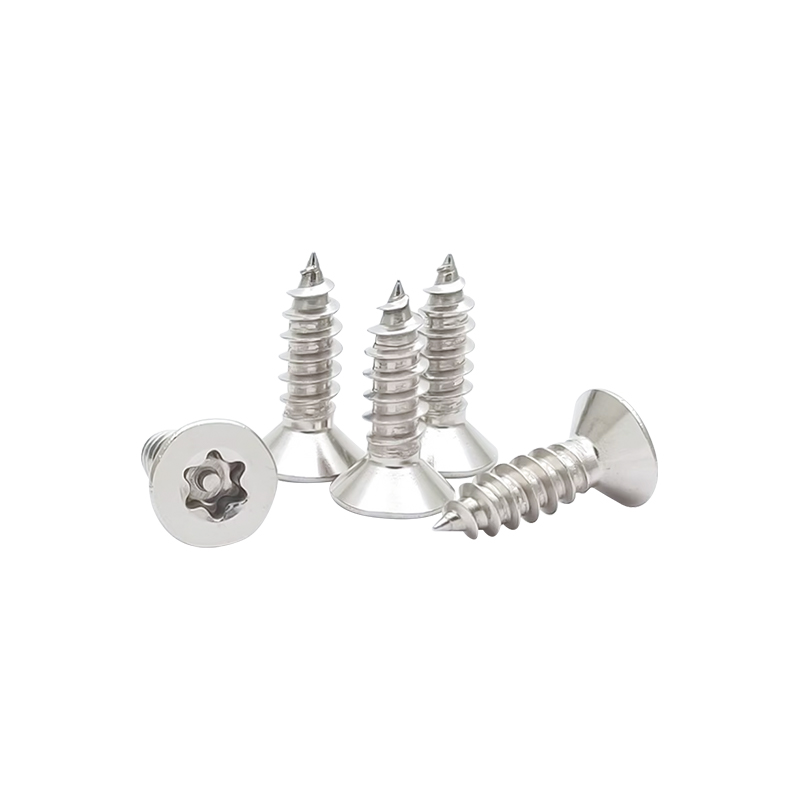
The CSK Head Six Lobe Tamper-Proof Self-Tapping Screw features a tamper-resistan...
See Details+86-13705735391
+86-18868359082
+86-573-83128088
+86-573-83128123
No. 2155, Shuanglong Road, Nanhu District, Jia Xing City, Zhejiang Province
Copyright © Jiaxing Zhongke Metal Technology Co.,Ltd. All Rights Reserved.Custom High Strength Stainless Steel Fasteners Manufacturers Provider