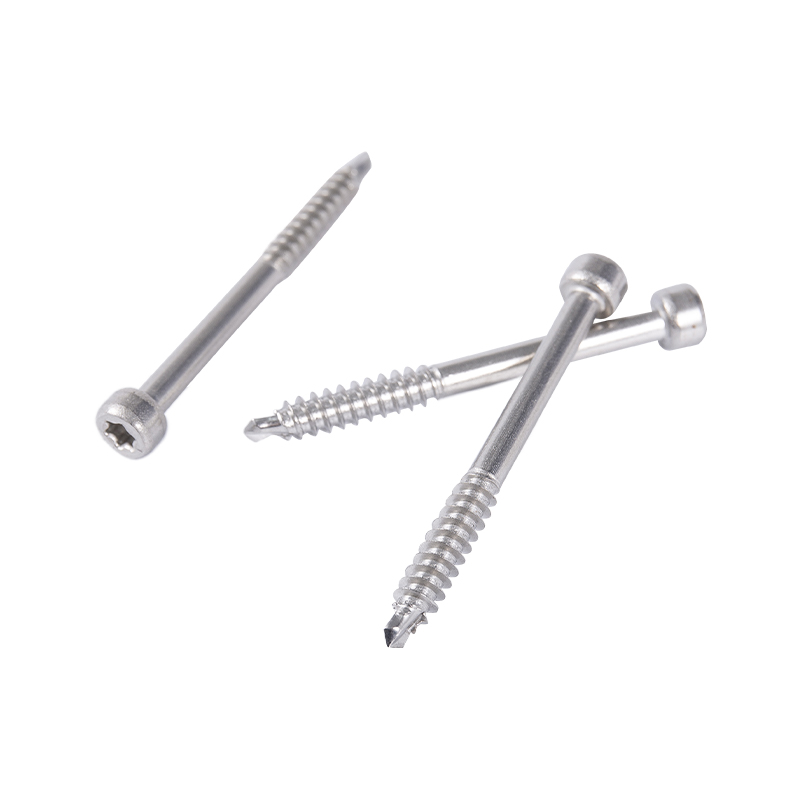
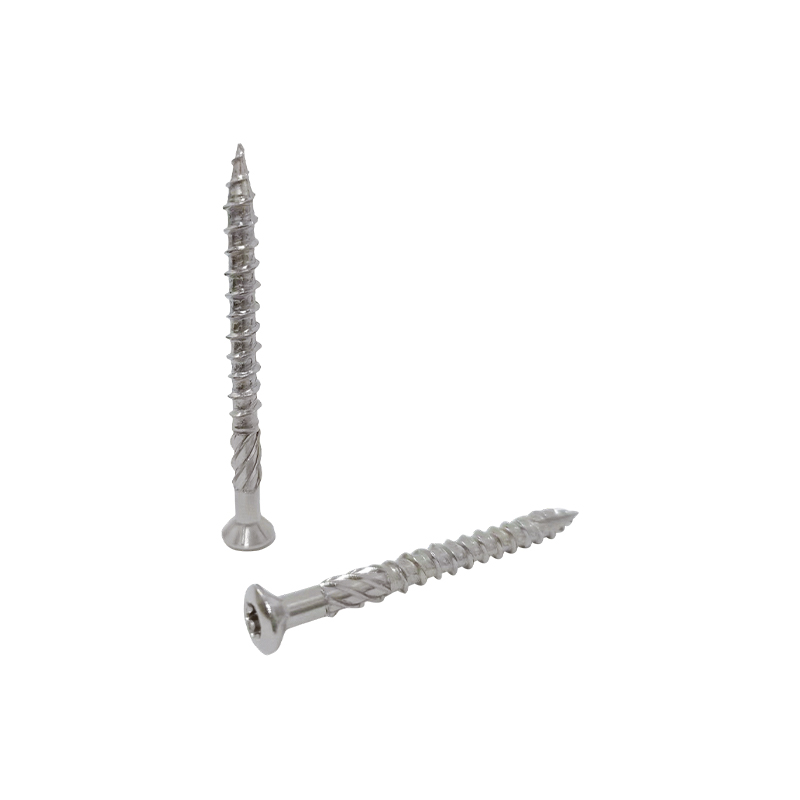
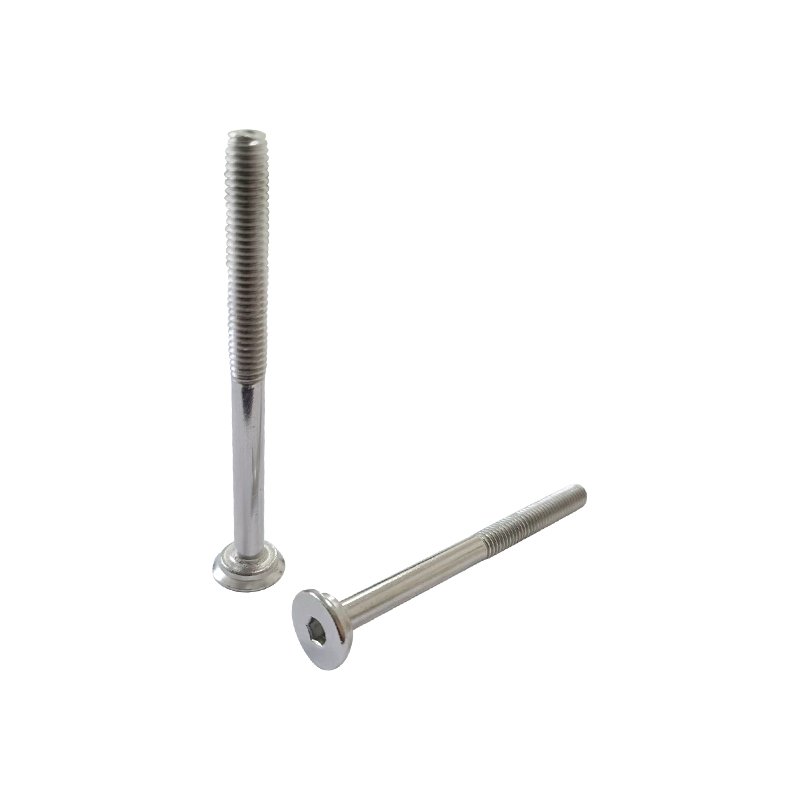
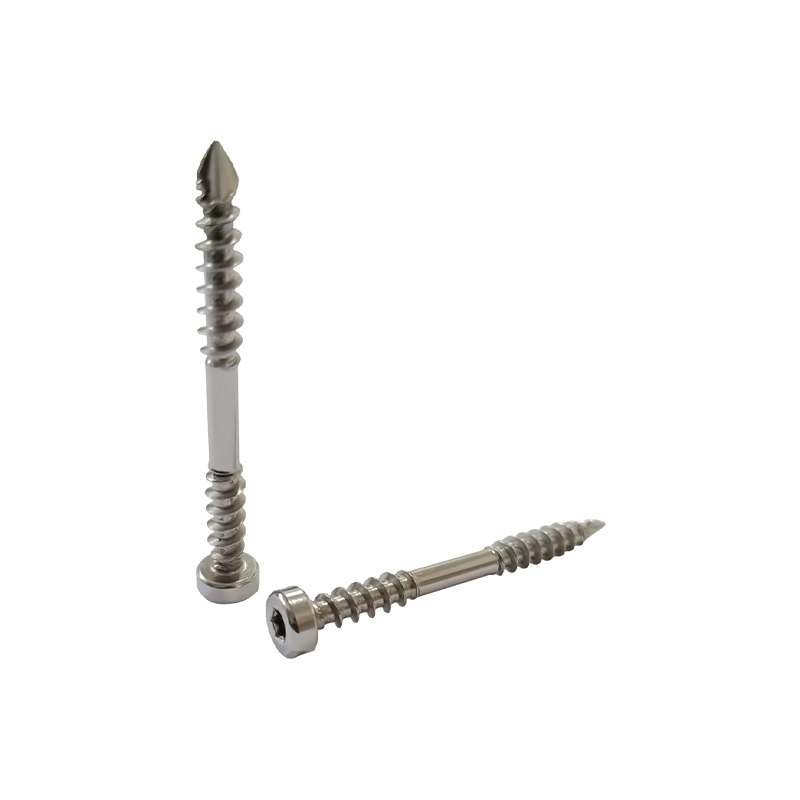
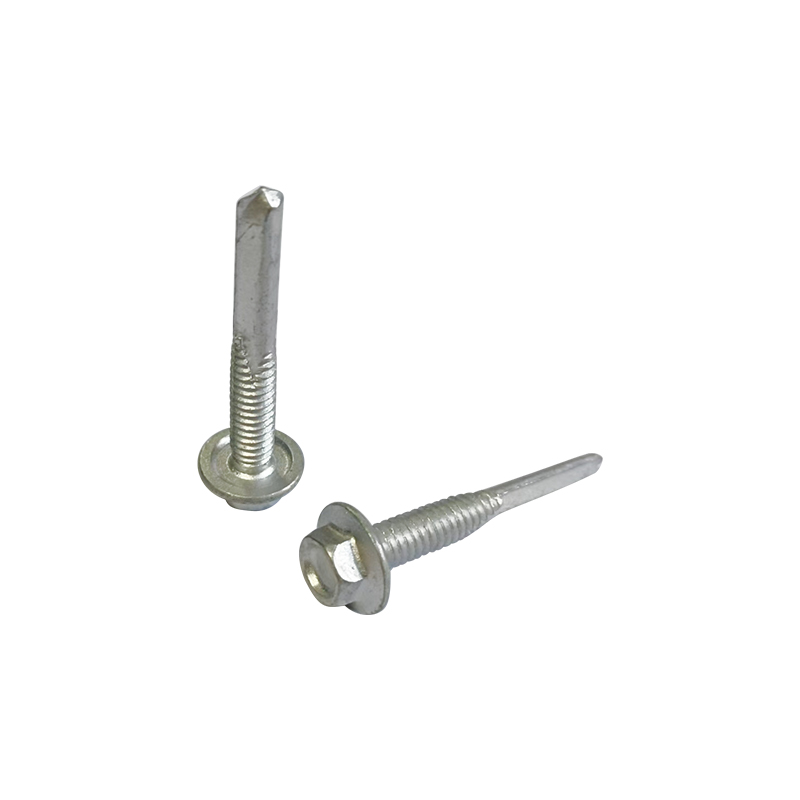
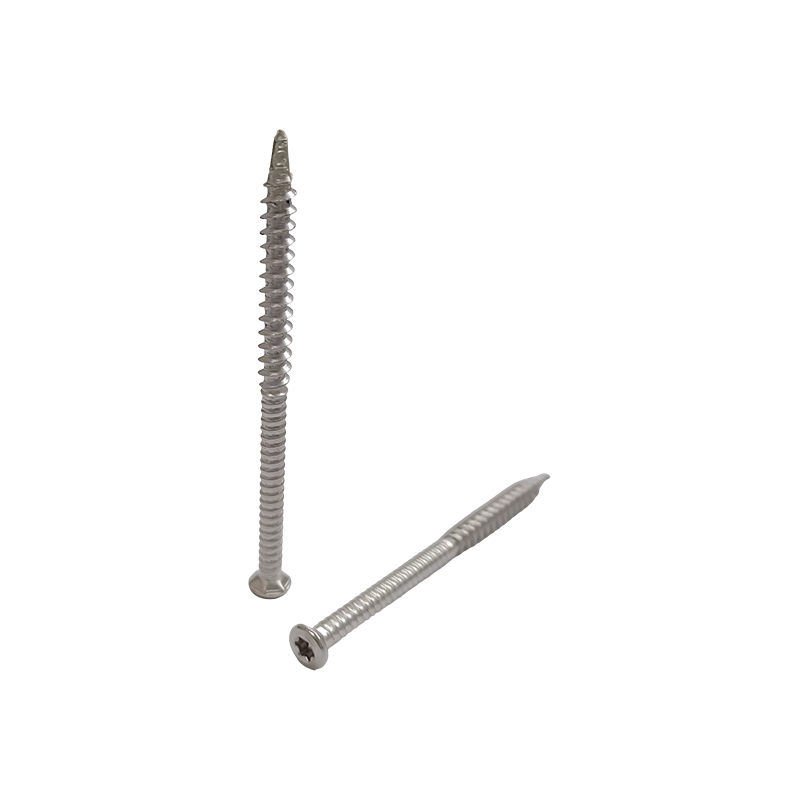
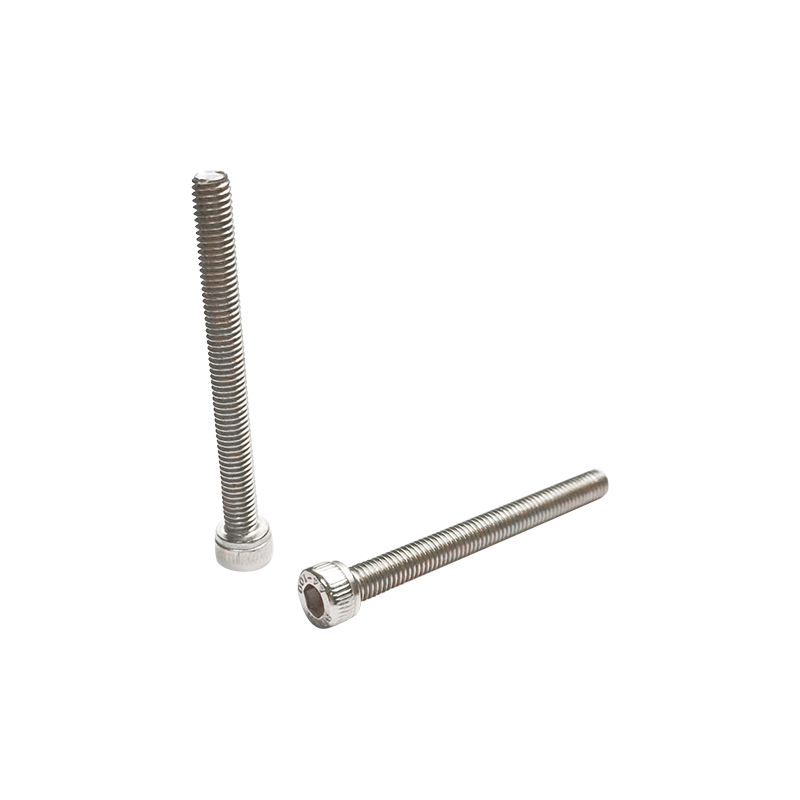
Standard: DIN7504P, ISO15482, ASME/ANSI B18.6.3
Material: C1022A, SUS410,SUS304,SUS316
Specification: ST3.5, ST3.9, ST4.2, ST4.8, ST5.5, ST6.3, 6#, 7#, 8#, 10#, 12#, 14#, 1/4”
Surface Treatment: Passivated, Galvanized, Nickel-plated, Blackened, Head sprayed, Dacromet, Hot Rust, Rasputin
Product Introduction
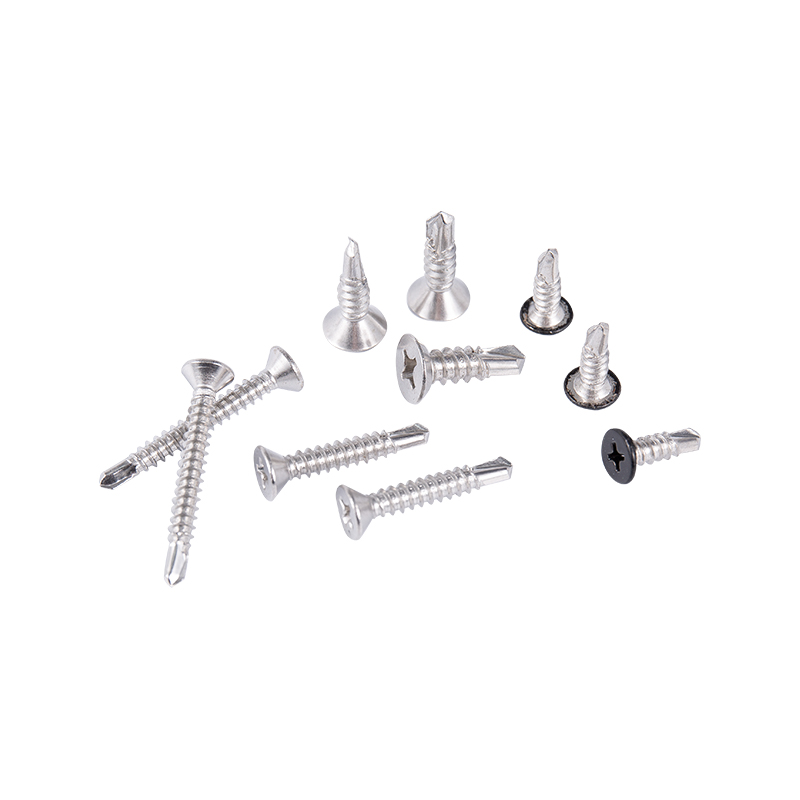
Countersunk Head Self-Drilling Screws are designed for metal-to-metal fastening applications where a flush surface finish is required. The countersunk head configuration allows the screw to sit level with or below the workpiece surface, providing a smooth appearance and eliminating protrusions that could interfere with adjacent components or processes. These screws incorporate a self-drilling point that drills and taps threads simultaneously during installation, eliminating the need for pilot hole drilling. Available in carbon steel (C1022A) and stainless steel (SUS410, SUS304, SUS316) material options, the screws comply with DIN7504P, ISO15482, and ASME/ANSI B18.6.3 standards. Multiple surface treatments provide corrosion resistance for various environmental conditions, including galvanized, passivated, nickel-plated, blackened, and Dacromet finishes.
Core Advantages
01
Countersunk Head Design
Flush mounting capability provides smooth surface finish and eliminates protrusions for applications requiring a level surface.
02
Self-Drilling Point
Drills and taps threads in a single operation, eliminating pilot hole requirements and reducing assembly time.
03
Multiple Material Options
Available in carbon steel (C1022A) and stainless steel (SUS410, SUS304, SUS316) to meet diverse application requirements.
04
Wide Specification Range
Metric sizes from ST3.5 to ST6.3 and imperial sizes from 6# to 1/4" for comprehensive application coverage.
05
Extensive Surface Treatments
Passivated, galvanized, nickel-plated, blackened, Dacromet, and hot rust finishes for environmental adaptability.
06
Standard Compliance
Manufactured to DIN7504P, ISO15482, and ASME/ANSI B18.6.3 specifications for quality assurance.
Product Features
Countersunk head configuration Flush mounting provides smooth surface finish for applications requiring a level surface without protrusions.
Self-drilling point design Drill point penetrates and threads metal substrates without pre-drilling, compatible with metal-to-metal fastening applications.
Carbon steel material C1022A grade offers strength for general metal fastening applications with appropriate surface treatment.
Stainless steel material options SUS410 provides hardness, SUS304 offers general corrosion resistance, and SUS316 delivers marine-grade protection.
Metric specification range Available in ST3.5, ST3.9, ST4.2, ST4.8, ST5.5, and ST6.3 diameters for diverse thread size requirements.
Imperial specification range Available in 6#, 7#, 8#, 10#, 12#, 14#, and 1/4" sizes for North American standard applications.
Surface treatment options Galvanized and passivated finishes provide general corrosion protection; nickel-plated offers enhanced appearance; blackened delivers aesthetic matte finish; Dacromet provides high salt spray resistance.
Application Scenarios
Furniture manufacturing
Architectural metalwork
Sheet metal assemblies
Equipment enclosures
Automotive body panels
HVAC duct assembly
Electrical junction boxes
Metal framing systems
These countersunk self-drilling screws are deployed in applications requiring a flush surface finish after fastening. Applications include furniture manufacturing where smooth surfaces are essential, architectural metalwork for building facades, sheet metal assemblies in equipment enclosures, automotive body panel attachment where protrusions must be eliminated, HVAC duct assembly with flush fasteners for aerodynamic efficiency, electrical junction boxes, and metal framing systems where a level surface is required for subsequent finishing operations.
Common Questions and Solutions
What are the advantages of countersunk head self-drilling screws?
The countersunk head allows the screw to sit flush with or below the workpiece surface, providing a smooth appearance and eliminating protrusions that could interfere with adjacent components, processes, or finishing operations.
How do I select the correct countersink angle?
Countersunk screws typically use 82-degree or 90-degree angles. Select based on the mating countersink in the workpiece. Verify the head angle against the countersink tool specification to ensure proper seating and flush mounting.
What is the difference between carbon steel and stainless steel options?
Carbon steel (C1022A) provides high strength for general applications and is typically used with corrosion-resistant coatings. Stainless steel (SUS410) offers hardness for structural applications, SUS304 provides general corrosion resistance, and SUS316 delivers superior marine-grade protection for harsh environments.
What surface treatment provides the best corrosion protection?
Dacromet coating provides the highest salt spray resistance, with tests reaching up to 1000 hours. Hot-dip galvanizing offers corrosion resistance for outdoor structural applications. For stainless steel fasteners, passivation treatment enhances the natural oxide layer for improved corrosion resistance.
Can these screws be used with aluminum substrates?
Yes, but consider galvanic compatibility. Zinc-plated carbon steel screws can create galvanic corrosion with aluminum in certain environments. Specialized coatings or stainless steel options are recommended for long-term aluminum-to-metal applications.
What is the recommended installation torque for countersunk head screws?
Installation torque should be controlled to prevent over-driving. When the countersunk head seats flush with the workpiece surface, additional torque may cause sinking below the surface or damage to the surrounding material. Use torque-controlled drivers for consistent flush seating.
Installation Considerations
1
Select drill point length appropriate for material thickness to ensure proper thread engagement in the base material.
2
Use torque-controlled installation tools to prevent over-driving. The countersunk head should seat flush with the workpiece surface without sinking below or damaging surrounding material.
3
Ensure countersink angle matches the screw head angle (typically 82-degree or 90-degree) for proper seating and flush mounting.
4
Apply appropriate spindle speed based on screw diameter and material hardness; excessive speed may reduce drill point life and cause thermal damage.
5
For outdoor applications requiring extended corrosion resistance, specify Dacromet, hot-dip galvanized, or stainless steel materials based on environmental exposure conditions.
6
When fastening dissimilar metals, consider galvanic compatibility and select appropriate coating or stainless steel material to prevent accelerated corrosion.


 English
 Español
 عربى
عربى