English
 Español
 عربى
عربى


Flat Washer Spring Lock Washer
Cat:Metal Washer
Flat washers and spring washers are fastener accessories widely used in industry...
See Details


Content
* Expansion Hole Geometry: In high-load construction, stainless steel wood to metal screws are engineered with specialized reaming wings. These wings function by creating a pilot hole in the timber layer that is slightly larger than the screw's thread diameter. Understanding how reaming wings prevent wood splitting is critical; by clearing a path through the wood, the wings ensure that the threads do not engage with the timber while the drill point is still penetrating the metal substrate, effectively eliminating internal tension.
* Automatic Wing Cleavage: A key technical feature of stainless steel wood to metal screws is the transition between materials. As the reaming wings for wood to steel fastening contact the harder metal surface, the sheer force causes the wings to break off. This mechanical failure is intentional, allowing the threads to finally engage with the metal plate to create a high-strength bond without the wood-to-metal fastener jacking effect, where the wood is lifted away from the steel.
* Chip Evacuation and Torque Management: The torsional strength of 410 stainless wood-to-metal screws must be balanced with efficient waste removal. The wings act as a secondary cutting edge to evacuate wood shavings. Without this, the friction generated could lead to thermal fatigue in self-drilling screws, potentially causing the screw head to shear off before the stainless steel wood to metal screws are fully seated.
* Substrate Thickness and Drill Point Selection: Selecting the correct drill point size for wood to metal screws (such as #3 or #5) is essential to match the gauge of the steel beam. For thick-walled sections, stainless steel wood to metal screws require a longer pilot section to ensure the hole is fully formed before the thread enters the metal, maintaining the tensile strength of structural wood-to-metal fasteners.
* Metallurgical Grade Comparison: When evaluating bi-metal vs 410 stainless wood to metal screws, engineers prioritize the corrosion resistance of stainless screws in treated timber. While 410 grade offers superior material hardness for self-drilling screws, bi-metal versions (304 or 316 body with a carbon steel tip) provide the best stainless steel wood to metal screws for environments where galvanic corrosion and acid-leaching from ACQ-treated wood are primary concerns.
* Surface Finish and Friction Control: The Ra surface finish of the fastener affects its insertion speed. Specialized coatings on stainless steel wood to metal screws reduce the friction coefficient, which is vital for preventing head snapping in stainless fasteners when using high-RPM impact drivers.
The following table outlines the technical thresholds required for stainless steel wood to metal screws to ensure compliant installation in industrial decking and cladding.
| Technical Specification | 410 Grade Stainless | Bi-Metal (304/Carbon Tip) |
| Hardness (Core) | 35 - 45 HRC | Body: 15-25 HRC / Tip: 55-62 HRC |
| Drilling Capacity (Steel) | Up to 6.0 mm | Up to 12.0 mm (Point #5) |
| Shear Strength (kN) | Higher Torsional Resistance | High Ductility / Lower Shear Failure |
| Environmental Rating | C2 - C3 Environments | C4 - C5 Marine Grade |
* Self-Countersunk Head Engineering: To achieve a flush Ra surface finish, stainless steel wood to metal screws are often designed with ribs under the head. These self-countersunk ribs on stainless screws cut into the wood fibers as the head seats, ensuring a clean finish without the need for pre-drilling.
* Pre-Drilling Requirements for Hardwoods: While reaming wings manage standard softwoods, pre-drilling for stainless screws in exotic hardwoods may still be necessary if the wood density exceeds 800 kg/m3. This prevents the wing breakage in high-density timber before the screw reaches the metal layer.
* Galvanic Corrosion Management: Understanding how to mitigate galvanic corrosion in wood-to-metal joints involves using EPDM washers or specialized plating. This prevents the electrochemical reaction between the stainless steel wood to metal screws and the galvanized steel substrate, which is essential for the lifespan of outdoor wood-to-metal fasteners.
1. Why do the wings on my wood-to-metal screws break too early?
Early wing breakage often occurs if the drill point size for wood to metal screws is too small for the wood thickness. The wings encounter too much resistance before reaching the metal. Using a heavy-duty winged screw with reinforced ribs can solve this.
2. Can I use these screws for aluminum joists?
Yes, but you must monitor galvanic corrosion risks. While stainless steel wood to metal screws are generally compatible, an isolation barrier or a 300-series bi-metal fastener is preferred for marine-grade aluminum applications.
3. What is the "jacking effect" in wood-to-metal fastening?
The jacking effect occurs when the screw threads engage the wood and the metal simultaneously. Because the thread cannot move through the metal as fast as the wood, it pushes the wood away from the beam. The reaming wings for wood to steel fastening are specifically designed to eliminate this.
4. Is 410 stainless steel magnetic?
Yes. Due to its martensitic structure, 410 stainless steel wood to metal screws will be attracted to a magnet, which distinguishes them from the austenitic 304/316 grades.
5. How do I prevent the screw heads from snapping off?
Ensure you are not exceeding the breaking torque of stainless steel fasteners. Using a depth-sensing nosepiece on your screw gun prevents over-driving, which is the leading cause of head snapping in stainless fasteners.
* ASTM C1513: Standard Specification for Steel Tapping Screws for Cold-Formed Steel Framing Connections.
* ISO 10666: Drilling screws with tapping screw thread - Mechanical and functional properties.
* DIN 7504: Self-drilling tapping screws with tapping screw thread - Dimensions, requirements and testing.
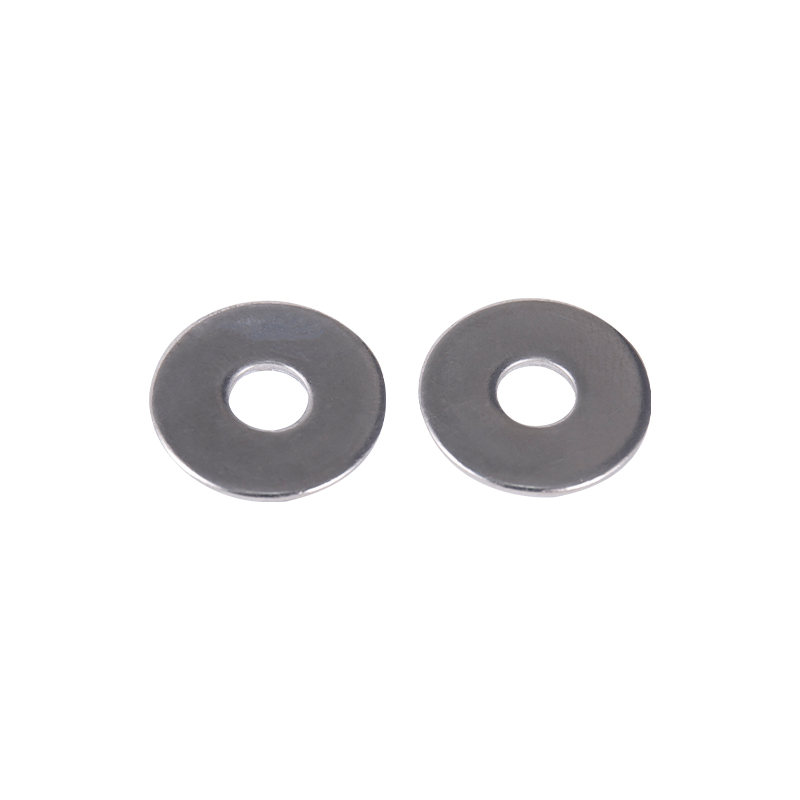
Flat washers and spring washers are fastener accessories widely used in industry...
See Details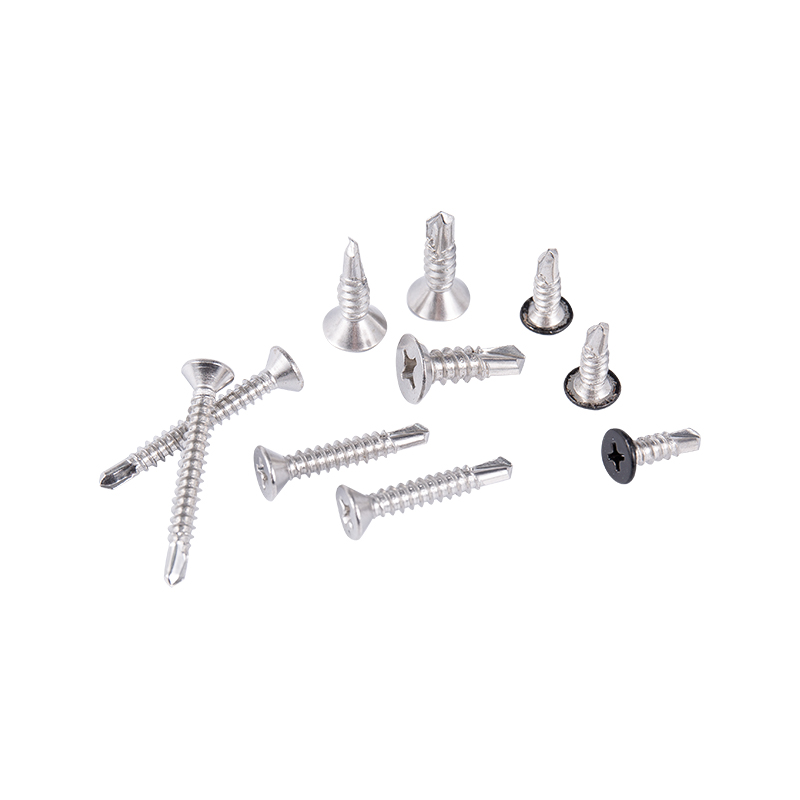
Countersunk self-drilling screws are widely used in furniture manufacturing, arc...
See Details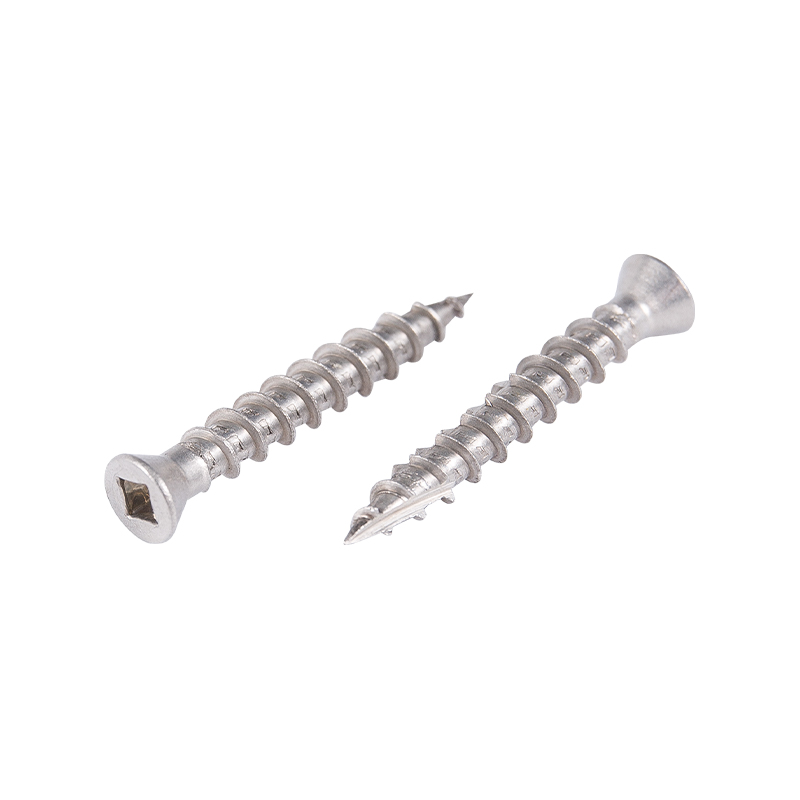
Countersunk, raised-countersunk, trumpet, pan head, round head washer and oval h...
See Details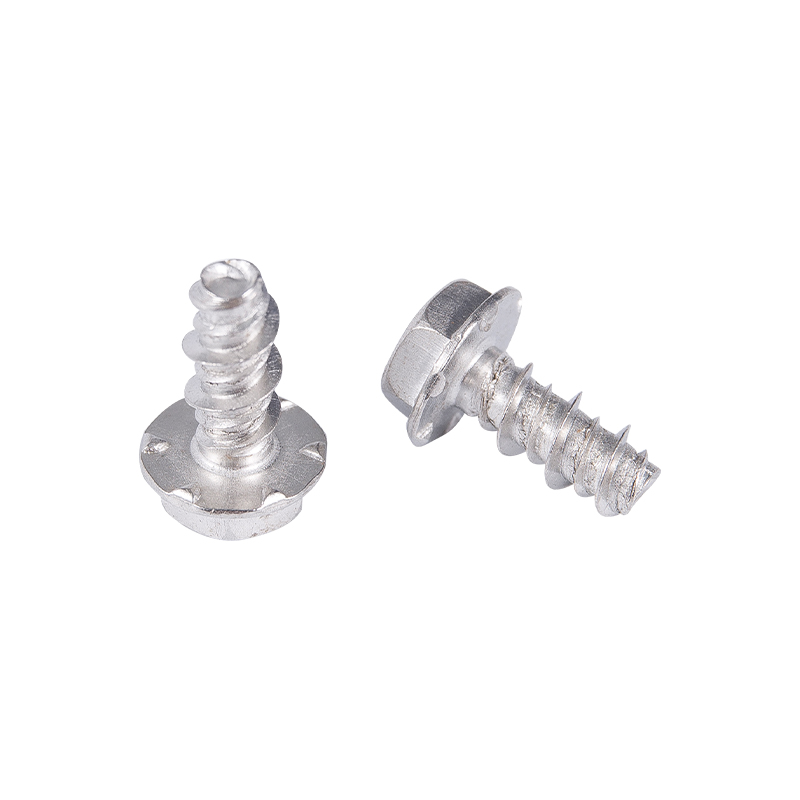
The design feature of the flat-tail self-tapping screw is that the tail has a sc...
See Details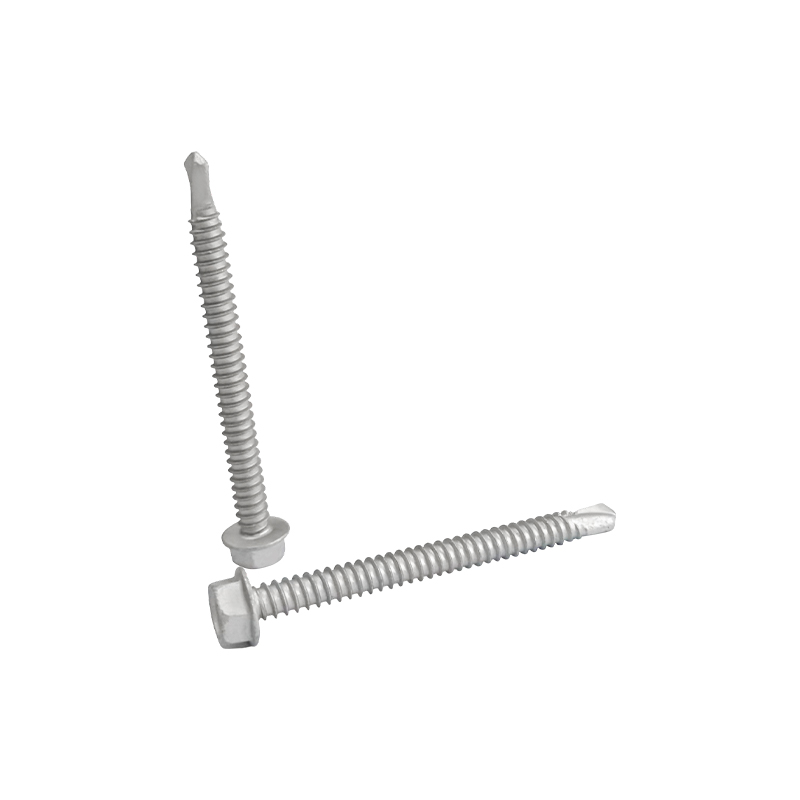
The Hexagonal Flange Self-Drilling Screw is a fastener featuring a hex flange he...
See Details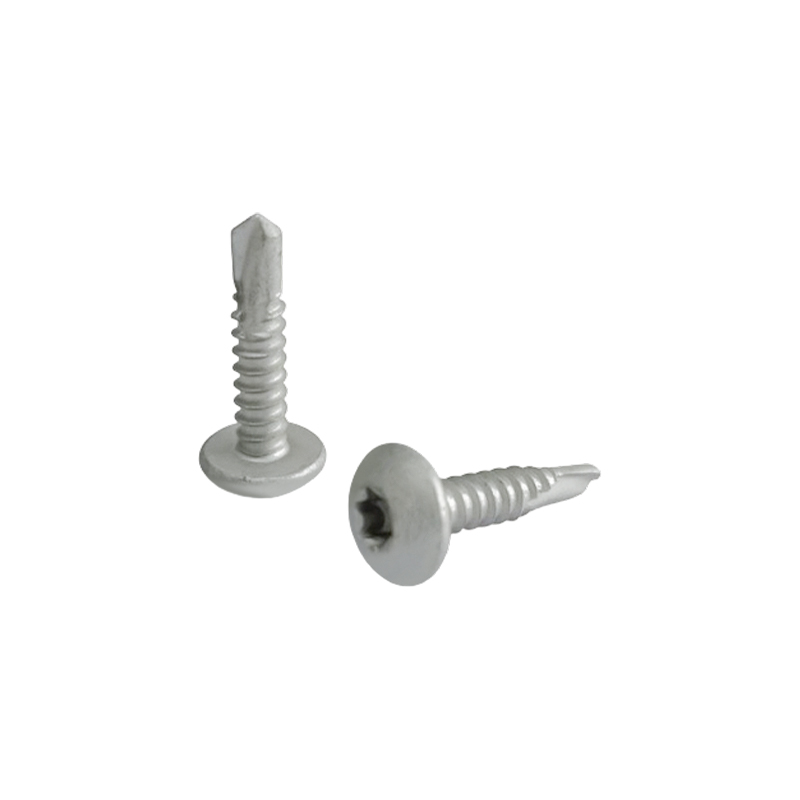
This Pan Head Hexalobular Self Drilling Screw features a specification of 12#-14...
See Details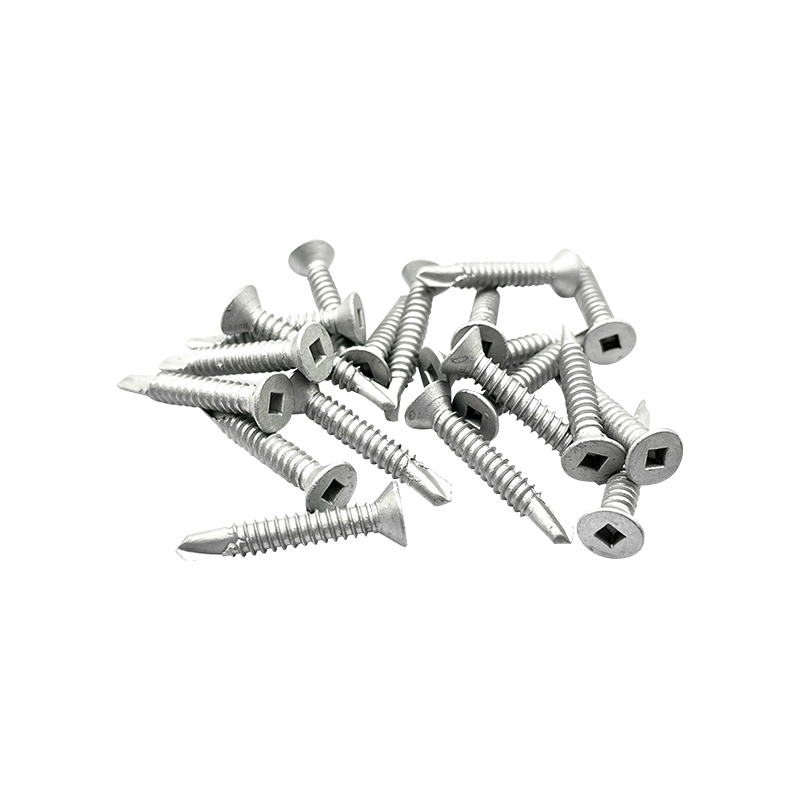
This CSK Head Square Drive Self Drilling Screw features a thread size range of M...
See Details+86-13705735391
+86-18868359082
+86-573-83128088
+86-573-83128123
No. 2155, Shuanglong Road, Nanhu District, Jia Xing City, Zhejiang Province
Copyright © Jiaxing Zhongke Metal Technology Co.,Ltd. All Rights Reserved.Custom High Strength Stainless Steel Fasteners Manufacturers Provider