English
 Español
 عربى
عربى


Countersunk Head Self-Drilling Screws
Cat:Self Drilling Screws
Countersunk self-drilling screws are widely used in furniture manufacturing, arc...
See Details


Content
In any bolted assembly, the humble washer often receives less attention than the bolt or nut it accompanies. However, choosing the correct washer type is critical for joint integrity, load distribution, and long-term reliability. The two most common categories—flat washers and lock washers—serve fundamentally different purposes, though they are frequently confused or misapplied in both industrial and DIY settings.
This guide provides a detailed technical comparison of flat washers and lock washers, examining their designs, functions, ideal applications, and the engineering principles that govern their use. Whether you are designing industrial equipment, performing maintenance, or selecting components for a new project, understanding these differences will help you make informed decisions and avoid costly fastener failures.
A flat washer, also known as a plain washer, is a thin, disk-shaped plate with a hole in the center. It is the most common type of metal washer and is typically manufactured by stamping from sheet metal, producing a simple, low-cost component with a wide range of dimensional standards.
Most flat washers are stamped from metal, resulting in one side with rounded corners and the other with sharper, burred edges. Although there is no fixed rule, placing the burred side against the workpiece can help prevent plate peeling, while placing the rounded side down may avoid marking soft surfaces. Flat washers are available in various grades, from general-purpose low-carbon steel to hardened alloys for high-strength applications.
| Type | Features | Typical Application |
|---|---|---|
| SAE Washers | Standard size, tighter fit, narrower OD | General-purpose fastening with bolts |
| USS Washers | Larger outside diameter | Soft materials, wood, sheet metal, thin panels |
| Fender Washers | Very large outside diameter, thin | Thin or easily deformed materials, automotive panels |
| Hardened Flat Washers | Higher hardness, often with chamfered edges | Structural steel, high-strength bolting |
A lock washer is a specially shaped washer designed to prevent threaded fasteners from loosening due to vibration, thermal cycling, or dynamic loads. Unlike flat washers, lock washers incorporate mechanical features that create friction, tension, or a biting action against the bolt head/nut and the joint surface.
Lock washers function through three primary mechanisms: friction enhancement, spring action, and mechanical interference. Split lock washers (helical) exert a spring force that pushes back against the nut, maintaining tension. Tooth lock washers (external or internal) bite into the bearing surface and the fastener, creating a positive locking action that resists rotation.
The following table summarizes the key differences between flat and lock washers across multiple engineering criteria.
| Criteria | Flat Washer | Lock Washer |
|---|---|---|
| Primary function | Load distribution, surface protection | Anti-loosening, vibration resistance |
| Mechanical design | Flat, uniform disc | Split, toothed, or conical spring |
| Material hardness | Usually soft to medium (low-carbon steel, stainless) | Often hardened or spring-tempered |
| Effect on clamp load | Minimal effect on clamp force | May reduce clamp force if not properly seated |
| Reusability | Generally reusable | Limited reusability (split washers lose spring tension) |
| Typical cost | Low | Moderate (varies by type) |
Selecting the right metal washer for your application requires evaluating joint conditions, load type, and assembly constraints. Use the following decision framework.
In many industrial assemblies, a flat washer is used directly against the workpiece, followed by a lock washer, then the nut or bolt head. This provides surface protection (flat washer) and locking action (lock washer) simultaneously. However, be aware that adding washers increases stack height and may require longer bolts.
To illustrate the practical differences, consider these typical use cases where the choice of washer type directly impacts performance.
In suspension components, lock washers (often Belleville or split) are used to maintain preload under severe vibration and shock loads. Flat washers are placed under the bolt head to prevent local crushing of the control arm or bracket material. Without the flat washer, the bolt head could indent the softer aluminum or cast iron, leading to a loss of clamp force over time.
When mounting electrical components to a backplate, flat washers are essential to avoid damaging the powder-coated surface. Lock washers are rarely used in this context because the electrical bond requires consistent contact, and lock washers can create localized stress points. Instead, engineers rely on thread-locking compounds or serrated flange nuts.
In structural steel connections, hardened flat washers are used under both the bolt head and nut to distribute the high preload over a large bearing area, preventing embedment. Lock washers are generally not used; instead, structural bolts are tensioned to a specified torque, and locking is achieved through the friction of the joint itself (slip-critical joints).
No. Flat washers have no locking features and will not prevent loosening under vibration. They are designed solely for load distribution and surface protection. Using a flat washer in place of a lock washer will leave the joint vulnerable to rotational loosening.
Not always. If the joint is static and vibration is minimal, a flat washer alone may be sufficient. However, in dynamic or high-vibration applications, adding a lock washer (or using a locking fastener) is highly recommended to maintain clamp force over time.
There is no universal rule, but many engineers place the rounded (smooth) side against the workpiece to prevent marring. The sharper, burred side can be placed against the bolt head or nut. In high-strength applications, hardened washers are often chamfered on both sides.
Reusing split lock washers is not recommended because they lose spring tension after compression. Once a split washer has been fully compressed, its ability to provide axial force is significantly reduced. For critical joints, always use new lock washers.
Stainless steel (304 or 316) is the most common choice for corrosion resistance. For high-temperature applications, alloy steels or Inconel may be used. Zinc-plated carbon steel is cost-effective for indoor or mildly corrosive conditions but may not survive outdoor marine environments.
Flanged bolts have an integrated washer-like flange that distributes load, so an additional flat washer may not be required. However, if the workpiece is very soft or the hole is oversized, an extra flat washer can still provide added bearing area and protection.
Always consult engineering standards (such as ASME or ISO) for specific washer dimensions and material grades for your application.
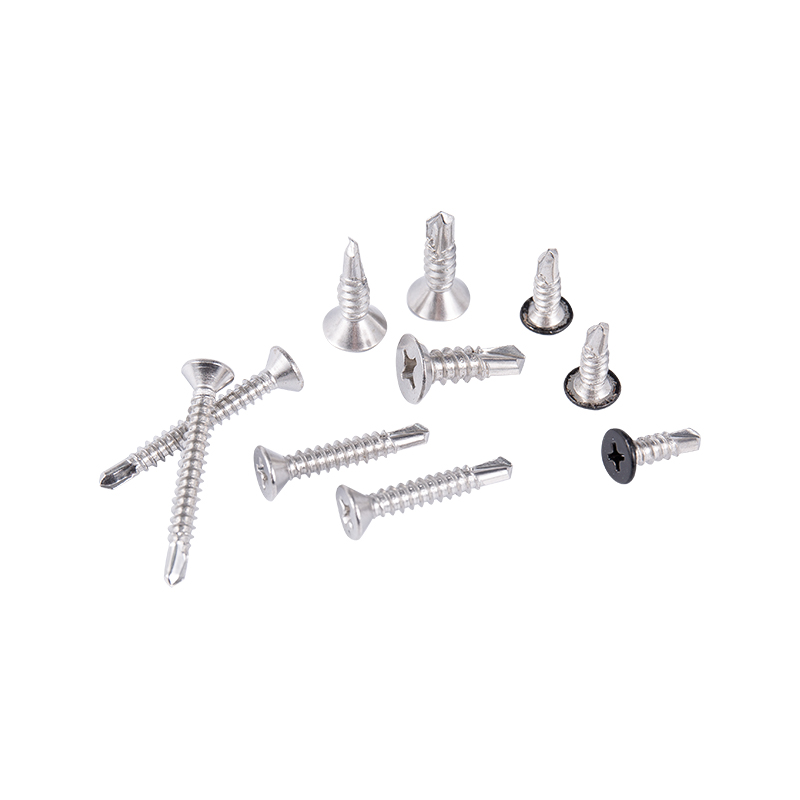
Countersunk self-drilling screws are widely used in furniture manufacturing, arc...
See Details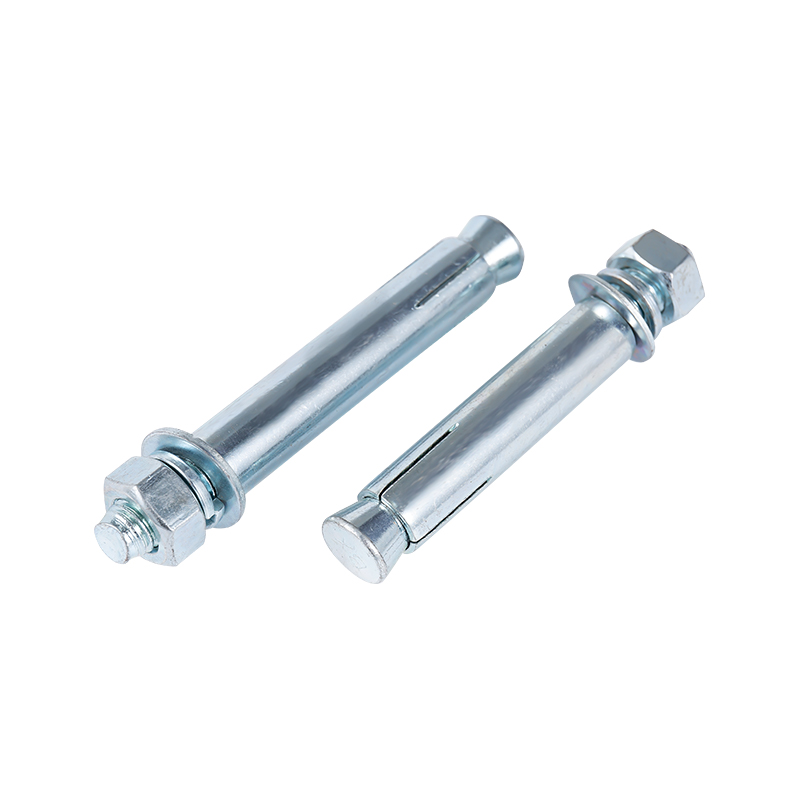
Bolt is a common fastener used in many fields such as machinery, construction, a...
See Details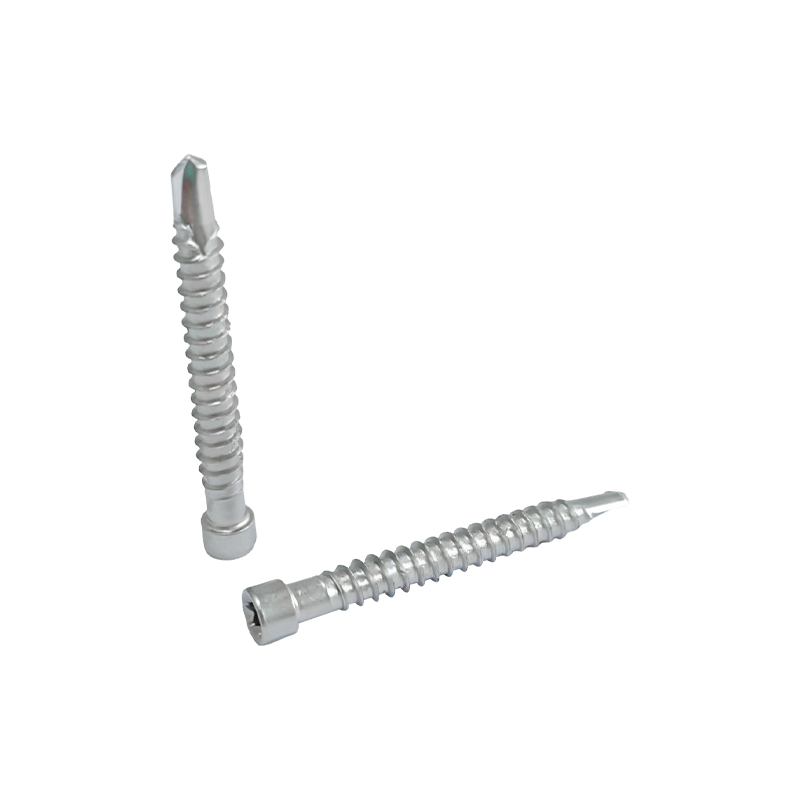
This Cylindrical Head Inner Hexagon Self Drilling Screw features a specification...
See Details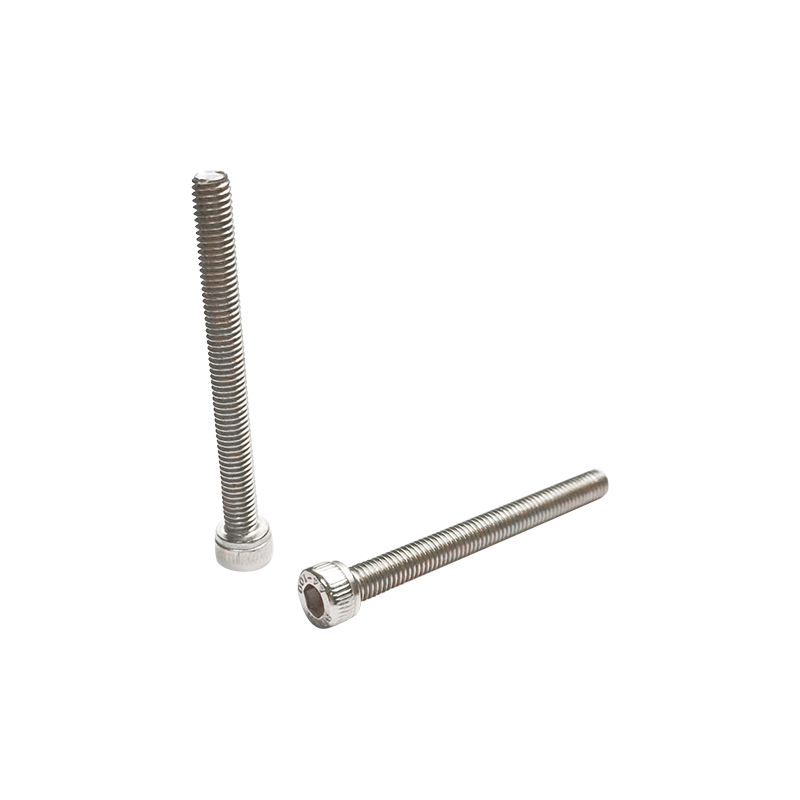
The Socket Cap Head Internal Hexagonal Machine Screw is a threaded fastener char...
See Details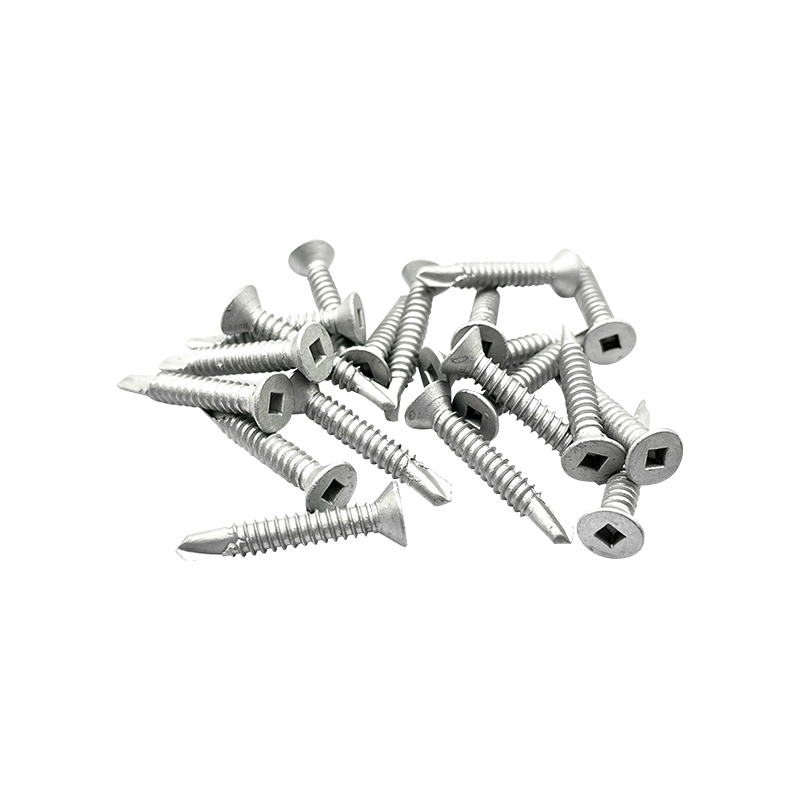
This CSK Head Square Drive Self Drilling Screw features a thread size range of M...
See Details+86-13705735391
+86-18868359082
+86-573-83128088
+86-573-83128123
No. 2155, Shuanglong Road, Nanhu District, Jia Xing City, Zhejiang Province
Copyright © Jiaxing Zhongke Metal Technology Co.,Ltd. All Rights Reserved.Custom High Strength Stainless Steel Fasteners Manufacturers Provider