English
 Español
 عربى
عربى


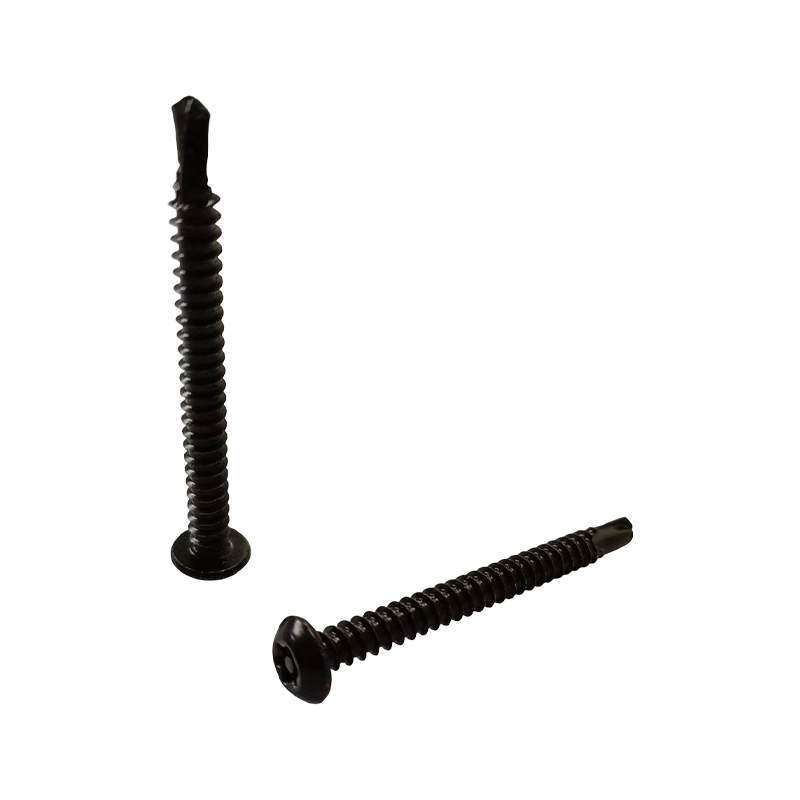
Hexagonal Self-Drilling Screws
Cat:Self Drilling Screws
Hexagonal self-drilling screws are an efficient and convenient fastener. This ty...
See Details


Content
For decades, the conventional quench and temper (Q&T) cycle has been the standard for hardening steel. However, the Isothermal Quenching Furnace presents a sophisticated alternative that bypasses martensite formation. The choice between these processes directly affects microstructure, mechanical properties, dimensional stability, and manufacturing cost. This article explains the specific reasons why engineers and metallurgists increasingly select an isothermal quenching furnace for critical components, grounded in phase transformation principles and proven industrial outcomes.
Traditional quench and temper involves rapid cooling from austenitizing temperature to below the martensite start (Ms) temperature, forming hard but brittle martensite. The subsequent tempering step reheats the steel to improve toughness at the expense of some hardness and strength. In contrast, an isothermal quenching furnace holds the workpiece at a constant temperature above Ms, typically between 230°C and 400°C, allowing complete transformation of austenite to bainite.
This single-step isothermal holding produces a bainitic microstructure that inherently combines strength, ductility, and toughness without requiring a separate tempering operation. The fundamental reason for choosing this approach is the direct formation of a microstructure that delivers optimal mechanical properties without the trade-offs imposed by martensite formation and subsequent tempering. Research on AISI E 52100 steel has demonstrated that isothermal holding above Ms produces strength and toughness properties equivalent to quenched and tempered material, while a two-cycle austenitization followed by isothermal holding doubles the fracture toughness at equivalent hardness and tensile strength levels.
One of the most compelling reasons to use an isothermal quenching furnace is the dramatic reduction in distortion. During conventional Q&T, the workpiece undergoes severe thermal gradients and volumetric expansion as martensite forms. The rapid cooling from austenitizing temperature to below Ms creates non-uniform contraction, and the subsequent martensitic transformation introduces significant internal stresses. These stresses often result in unacceptable distortion, requiring additional machining, straightening, or scrapping.
An isothermal quenching furnace mitigates these issues through a controlled, uniform temperature environment. The workpiece cools to the isothermal holding temperature, and the entire section equilibrates before transformation begins. This eliminates the thermal gradients responsible for distortion and minimizes the stresses associated with martensite formation. The result is a repeatable dimensional response that allows manufacturers to machine parts closer to final dimensions before heat treatment, reducing subsequent processing costs.
Key Insight: A study on cutter bar parts for corn harvesters made of SCh 18-36 cast iron found that isothermal quenching doubled wear resistance compared to bulk quenching and tempering, while also eliminating the tempering operation and saving 0.20 minutes per piece.
Traditional Q&T requires two distinct heat treatment steps: quenching to form martensite, followed by tempering to reduce brittleness. Each step consumes energy, occupies furnace capacity, and requires material handling. An isothermal quenching furnace eliminates the tempering operation entirely because the bainitic microstructure does not require post-hardening heat treatment to achieve the desired toughness.
For production lines, this represents a substantial cost saving. Energy consumption is reduced by eliminating the reheating cycle for tempering. Capital equipment costs may be lower because only one furnace line is required. Manufacturing cycle times shorten, enabling higher throughput. Additionally, the risk of tempering-related issues such as temper embrittlement or decarburization is removed.
At comparable hardness levels, bainitic microstructures produced in an isothermal quenching furnace typically deliver superior ductility, impact strength, and wear resistance compared to tempered martensite. This is particularly evident in steels hardened to 35-55 HRC. For tool steels, isothermal quenching has been shown to considerably increase ductility and wear resistance compared to martensitic quenching and tempering to the same hardness.
These property improvements have direct practical implications for component performance. Components subjected to impact loads, such as hammers and drills, benefit from the enhanced toughness without sacrificing wear resistance. Springs made through isothermal processing exhibit increased strength and reduced corrosion susceptibility.
| Property | Quench & Temper (Martensite) | Isothermal Quenching (Bainite) |
|---|---|---|
| Hardness | High | Comparable |
| Ductility | Moderate | Higher |
| Impact Strength | Lower | Higher |
| Wear Resistance | Standard | Improved |
| Distortion | Higher | Lower |
| Tempering Required | Yes | No |
An isothermal quenching furnace operates within a tightly controlled temperature band, typically utilizing molten salt baths with exceptional heat transfer properties. The salt bath maintains uniform temperature throughout the holding period, ensuring consistent transformation kinetics across the entire workpiece and from batch to batch. Temperature uniformity is further enhanced by agitators and pumps installed in the salt bath tank.
Modern isothermal quenching systems incorporate PLC-based control and oxygen monitoring to maintain precise process conditions. For example, some production lines utilize SFPID multipurpose furnaces with carbon potential control, circulating fans, and alloy radiant tube electric heating systems, suitable for isothermal treatments requiring a controlled atmosphere. This level of control is more difficult to achieve in conventional oil or water quenching systems, where cooling rates vary with agitation, quenchant temperature, and workpiece geometry.
Isothermal quenching is particularly advantageous for medium-carbon steels, alloy steels, and ductile iron. For low-alloy steels, section thickness is typically restricted to 9.5 mm or thinner, while more hardenable steels can be processed in sections up to 50 mm thick. The process is widely used for spring steels, tool steels, and automotive components requiring an optimal balance of strength and toughness.
ADI (Austempered Ductile Iron) represents a particularly important application where isothermal quenching is essential. The unique combination of high strength, wear resistance, and ductility achieved through bainitic transformation in ductile iron cannot be replicated through conventional Q&T. For alloy structural steels and alloy mold steels, isothermal quenching delivers the microstructural refinement necessary for demanding service conditions.
Despite its advantages, isothermal quenching is not suitable for every application. The process requires careful consideration of transfer time from the austenitizing furnace to the isothermal bath, as the workpiece must cool through the pearlite formation range without transforming. This necessitates close furnace positioning and automated transfer systems. Additionally, molten salt baths present handling and cleaning challenges, as nitrate residues can be difficult to remove from complex part geometries and require environmental management.
However, advancements in equipment design have addressed many of these limitations. Modern systems incorporate salt mist prevention devices, automated salinity monitoring, and crystallization-based salt separation to reduce environmental impact. Water-based cleaning machines with automatic salinity monitoring further improve process sustainability while maintaining part cleanliness.
An Isothermal Quenching Furnace is chosen over traditional quench and temper primarily because it produces a bainitic microstructure that delivers superior mechanical properties with lower distortion and fewer processing steps. The elimination of tempering, combined with enhanced ductility, impact strength, and wear resistance, represents a compelling value proposition for manufacturers of critical steel components. While the process imposes constraints on section size and requires careful control of transfer and bath conditions, its benefits in terms of product performance and manufacturing efficiency make it a superior choice for many demanding applications. The documented performance improvements in tool steels, automotive components, and cast iron parts provide a strong technical foundation for selecting isothermal quenching over conventional Q&T.
Isothermal quenching produces a bainitic microstructure through holding at a constant temperature above Ms, while traditional Q&T forms martensite through rapid cooling below Ms and then tempers it. Bainite inherently combines strength, ductility, and toughness without the hardness-toughness trade-off of martensite.
Yes. In most cases, isothermal quenching eliminates the tempering operation because the bainitic microstructure does not require post-hardening heat treatment. This reduces energy consumption, shortens cycle times, and lowers capital equipment requirements.
Medium-carbon steels, alloy steels, spring steels, tool steels, and ductile iron are the primary applications. Low-alloy steels are typically limited to thinner sections, while more hardenable steels can be processed in thicker sections.
Isothermal quenching minimizes distortion by eliminating the severe thermal gradients and martensitic transformation stresses that occur during rapid cooling. The workpiece equilibrates at the isothermal holding temperature before transformation begins, resulting in uniform dimensional response.
The main disadvantages include salt bath handling and cleaning challenges, environmental considerations related to nitrate residues, and section size limitations for certain steel grades. Modern equipment designs address many of these concerns with automation and environmental management systems.
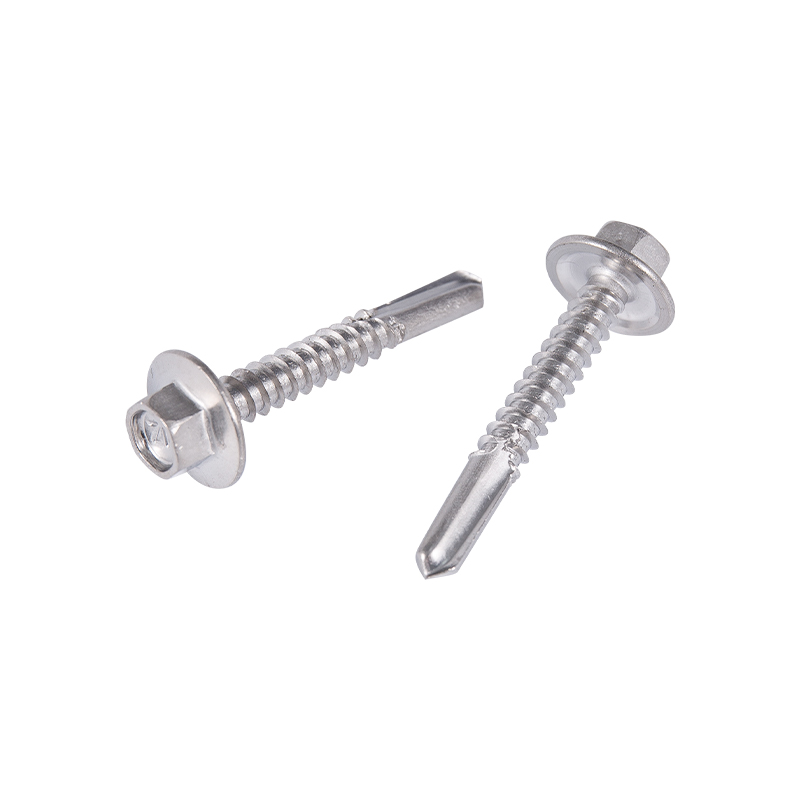
Hexagonal self-drilling screws are an efficient and convenient fastener. This ty...
See Details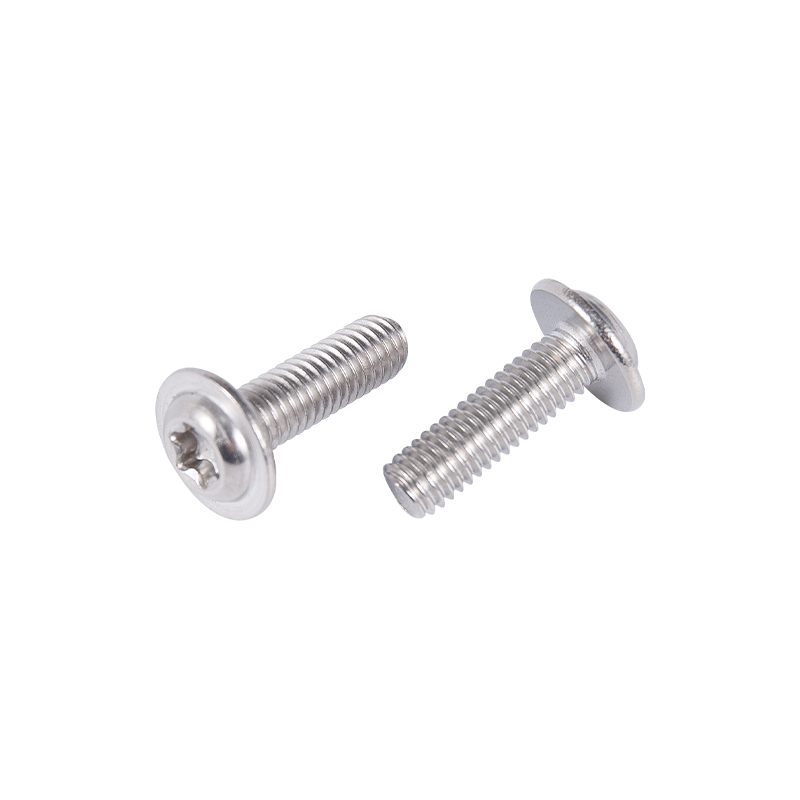
Pan head machine screws are well designed and have superior performance, suitabl...
See Details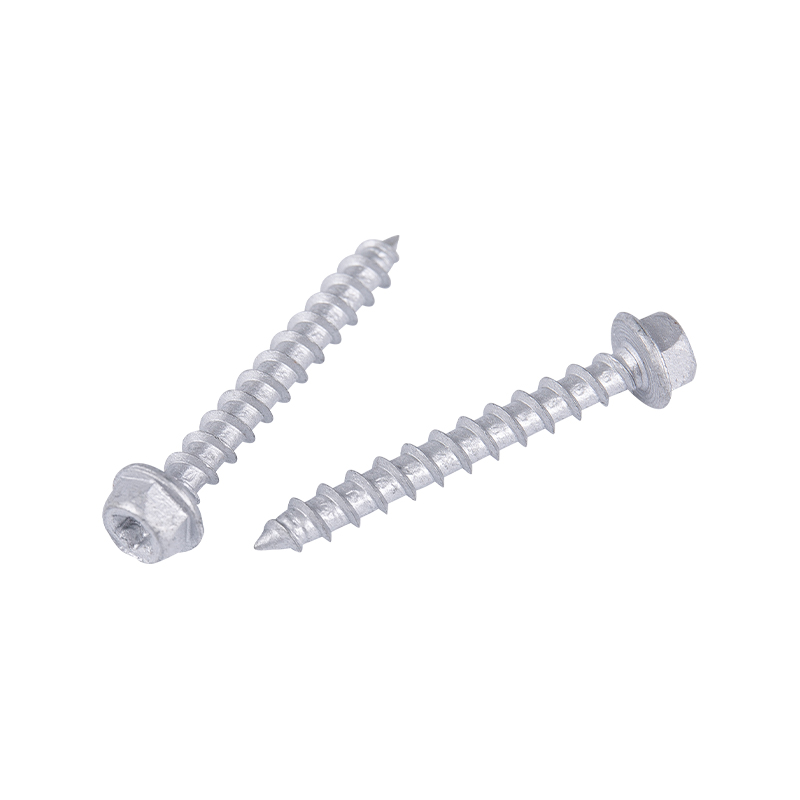
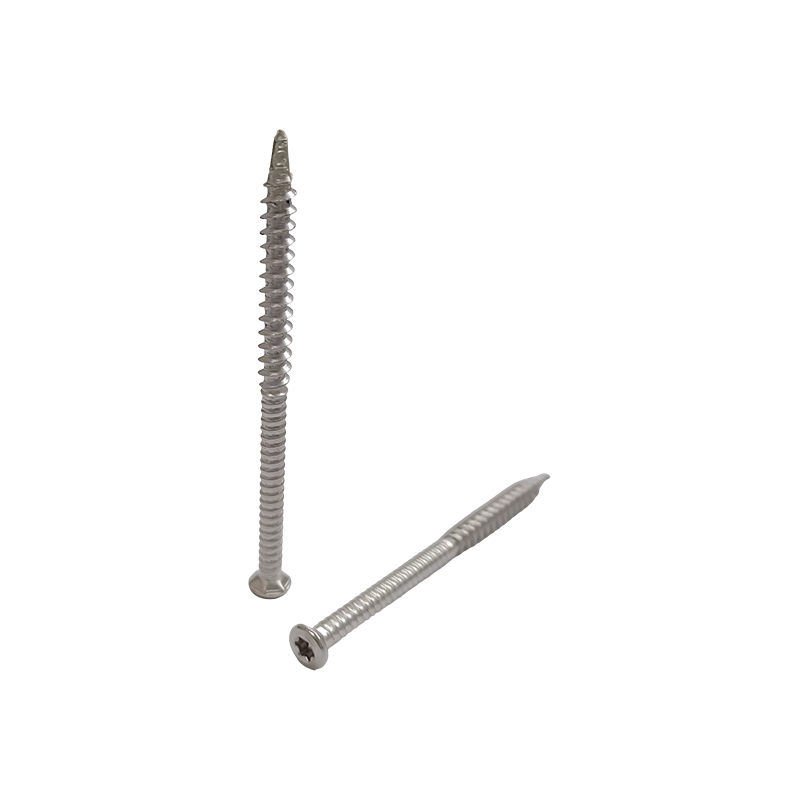
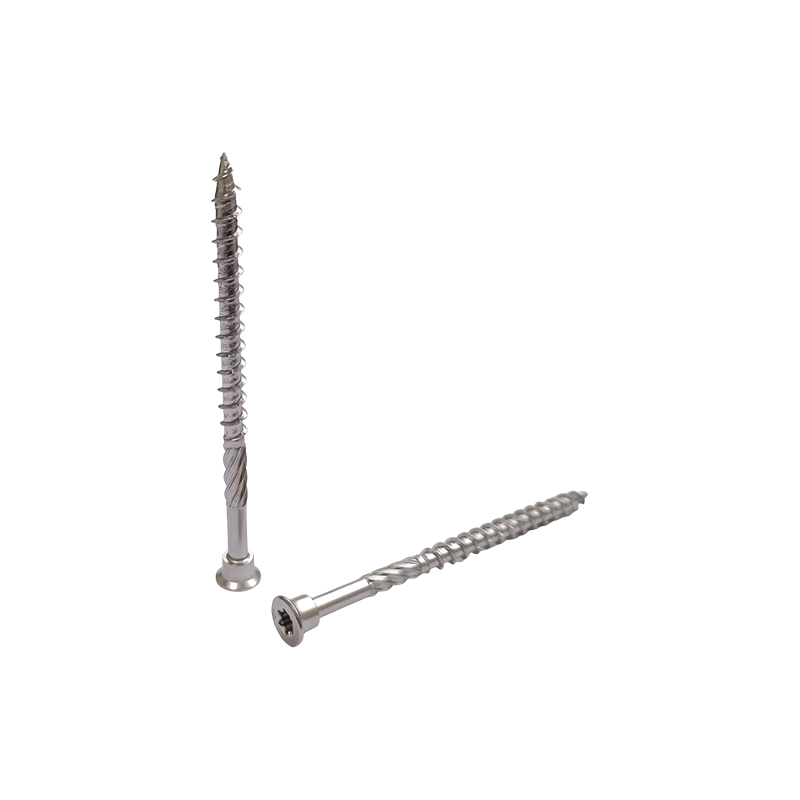
Wood screws are a type of fastener designed specifically for wood and are widely...
See Details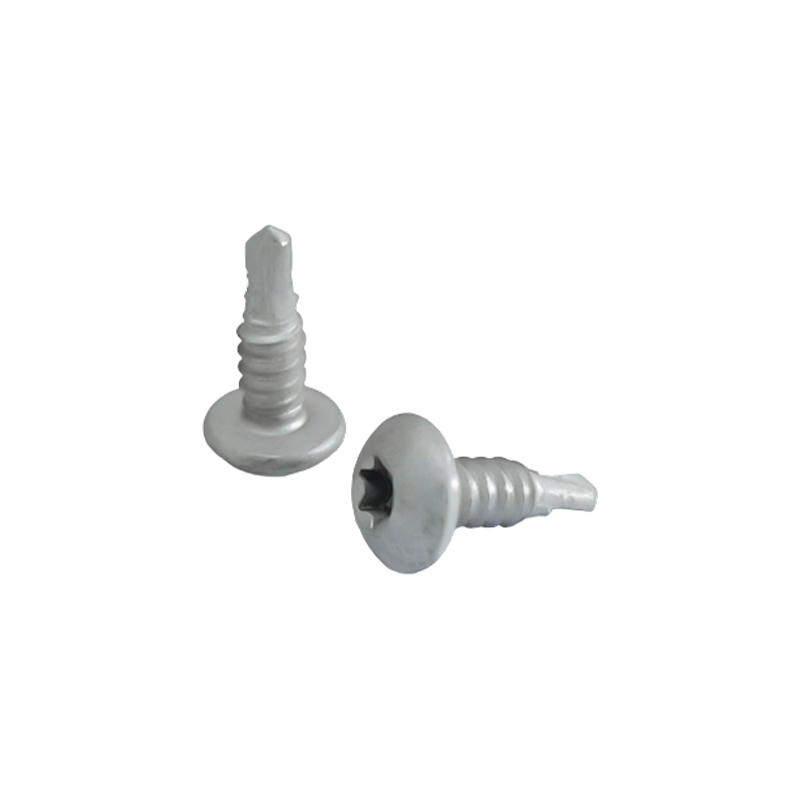
The Pand Head Hexalobular Suture Screw features a hexalobular (Torx) head design...
See Details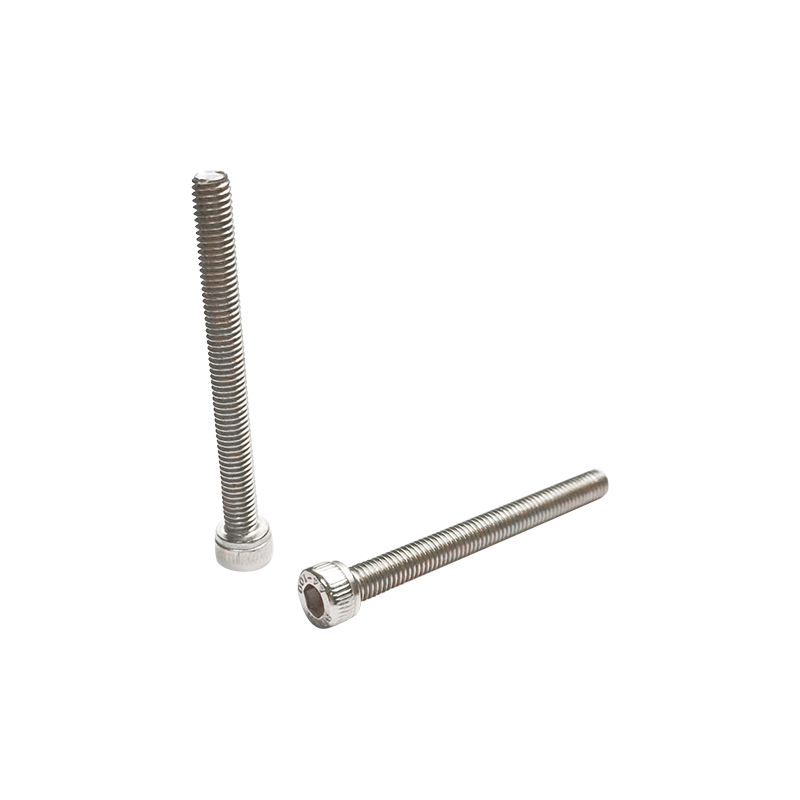
The Socket Cap Head Internal Hexagonal Machine Screw is a threaded fastener char...
See Details+86-13705735391
+86-18868359082
+86-573-83128088
+86-573-83128123
No. 2155, Shuanglong Road, Nanhu District, Jia Xing City, Zhejiang Province
Copyright © Jiaxing Zhongke Metal Technology Co.,Ltd. All Rights Reserved.Custom High Strength Stainless Steel Fasteners Manufacturers Provider