English
 Español
 عربى
عربى


Countersunk Head Machine Screws
Cat:Machine Screws
Countersunk machine screws are widely used in machinery, furniture, electronics ...
See Details


Content
The screw is one of the most fundamental mechanical fasteners in existence, yet its design is far from monolithic. Walk through any hardware store, and you will encounter a dizzying array of head shapes: flat, pan, hex, button, oval, truss, and more. This variety is not arbitrary; each shape represents a solution to a specific engineering problem, material constraint, or assembly requirement. Understanding why screws come in different head shapes is key to selecting the right Screws for any project, from fine woodworking to heavy machinery assembly.
To understand the diversity, it is necessary to first recognize that a screw head performs two distinct jobs. The first is functional: it receives the driving torque that turns the screw into the substrate. The second is structural: it acts as a bearing surface that clamps the materials together once the screw is seated. The vast range of head shapes is a direct result of optimizing these two functions for different environments, load conditions, and assembly tools. A head shape must balance the need for high torque transfer against the risk of material damage or aesthetic requirements.
Key insight: The geometry of the head determines both how much torque can be applied and how the clamping force is distributed over the work surface. This dual role is the primary driver behind the proliferation of head designs.
Before exploring specific shapes, it is useful to understand the primary classification of screw heads. They fall into two fundamental categories based on how they interact with the surface of the workpiece. The choice between these categories dictates the overall aesthetics, safety, and mechanical behavior of the joint.
Countersunk screws are designed with a tapered underside, often featuring a flat top or a slight dome. This geometry allows the head to sit flush with or slightly below the material surface. The primary purpose is to create a smooth, uninterrupted surface. This is essential for applications where a protruding head could catch on clothing, skin, or moving parts, such as on handrails, cabinetry, and furniture. Furthermore, in metalworking, the flush fit helps to distribute the clamping force more evenly outward, preventing localized stress on thin materials. The most common angles for countersunk heads are 82 and 100 degrees, with the latter being more typical in woodworking applications where the softer material requires a broader bearing surface to prevent the head from pulling through.
In contrast, non-countersunk screws have heads that rest entirely above the surface of the material. This category includes a wide variety of profiles, such as round, pan, hex, and button heads. Without a tapered underside, these heads provide a flat bearing surface that delivers clamping force straight down. They are often preferred in heavy-duty applications or when the material is too thin or brittle to accommodate a countersink. In machinery and automotive assemblies, non-countersunk heads are essential for providing a strong, reliable grip, and their external geometry often allows for the application of significantly higher torque using wrenches or sockets.
Each specific head shape addresses a particular need regarding load distribution, torque application, clearance, and aesthetics. The following are some of the most common profiles encountered in engineering and construction.
| Head Type | Category | Primary Application & Engineering Reason |
|---|---|---|
| Flat Head (82 or 100 deg) | Countersunk | Woodworking, cabinetry, and metal finishing. Designed to sit flush with the surface to avoid snagging and provide a clean appearance. The 100-degree angle is optimized for softwoods to prevent the head from pulling through. |
| Oval Head | Countersunk | Hardware assembly and switch plates. Provides a slightly rounded top that sits flush while offering a more decorative finish compared to a flat head. |
| Pan Head | Non-Countersunk | Metal-to-metal fastening and electronics. Offers a wide, flat bearing surface to distribute pressure over a larger area without requiring countersinking. The low profile makes it suitable for tight spaces. |
| Hex Head | Non-Countersunk | Heavy machinery, construction, and automotive. Allows for the application of maximum torque using a wrench or socket. The six-sided design provides multiple contact points for high clamping force applications. |
| Socket Cap Head | Non-Countersunk | High-strength bolting in machinery and hydraulic systems. The internal hex drive allows for high torque transfer with a smaller head diameter, enabling use in confined spaces. |
| Truss Head | Non-Countersunk | Sheet metal and appliances. Extra-wide bearing surface to distribute load over thin materials, reducing the risk of pull-through or deformation. |
| Button Head | Non-Countersunk | Furniture and decorative assemblies. Low-profile dome shape provides an aesthetic finish while still offering a reasonable bearing area. |
Beyond the outer shape, the internal drive configuration (Phillips, Pozidriv, Torx, hex, etc.) is often confused with head shape, but they are distinct design features. However, the head shape itself influences which drive types can be effectively used. For instance, a flat head with a shallow countersink typically uses a cross-head drive because the geometry does not allow for a deep socket. Conversely, a hex head or socket cap head can accommodate a hex key or socket wrench, enabling much higher torque transfer. This is why heavy-duty applications almost exclusively use externally driven heads like hex or internal drives like Torx, which minimize cam-out and provide superior grip. The engineering trade-off is between torque capacity, tool accessibility, and the risk of stripping.
The choice of head shape is also influenced by the material being fastened. In soft materials like wood or plastic, a wider head (truss or pan) prevents pull-through by spreading the load over a larger area. In hard metals, a smaller, more concentrated bearing surface may be acceptable, but countersunk heads are often chosen for flush aerodynamic or hygienic surfaces. Furthermore, the head shape affects the ease of surface finishing; for example, a flat head that sits flush can be easily covered with filler or paint, making it invisible in finished carpentry. In outdoor or corrosive environments, hex heads with large flats are easier to clean and inspect, which is why they are common in marine hardware.
Practical rule: For outdoor structures, choose stainless steel screws with hex or pan heads to allow for easier tightening and inspection over time, while for interior furniture, flat or oval heads with a decorative finish are preferred.
While engineering performance is paramount, aesthetics and user comfort also play a role. Consumer-grade products, visible fasteners on bicycles, and architectural hardware often use button or oval heads because they offer a smooth, refined appearance that is pleasing to the eye. Similarly, truss heads are used in appliances where the large, low-profile head blends with the design while providing functional load distribution. Ergonomics also matter: a head shape that is easy to access with a screwdriver or wrench reduces assembly time and fatigue. This is why many power tool accessories now come with pan or hex heads that can be driven quickly with impact drivers.
Different head shapes exist to optimize for specific factors such as load distribution, torque transmission, material compatibility, aesthetics, and assembly speed. No single head shape can excel in all these areas simultaneously.
Yes, but the pan head will sit above the surface, which may not be acceptable for flush surfaces. If you want a flush finish, use a flat head and countersink it. For structural strength, pan heads offer better bearing area without needing pre-countersinking.
Hex head and socket cap head screws are among the strongest because they allow high torque to be applied without stripping, and they have robust bearing surfaces that can handle significant clamping forces. They are standard in structural steel and machinery.
The angle matches the countersink tool used to prepare the hole. 82 degrees is typical for metal and harder materials, while 100 degrees is used for softer woods to provide a wider bearing surface and reduce the risk of the head pulling through.
Indirectly, yes. The head shape influences how clamping force is distributed. Wider heads (truss, pan) distribute force over a larger area, reducing the risk of material damage and improving long-term holding in soft materials.
Understanding the engineering rationale behind different screw head shapes is essential for any professional or enthusiast. Each shape is a deliberate choice that balances torque, clamping, material, and aesthetics. By matching the head to the application, you can achieve stronger, more durable, and more visually pleasing assemblies.
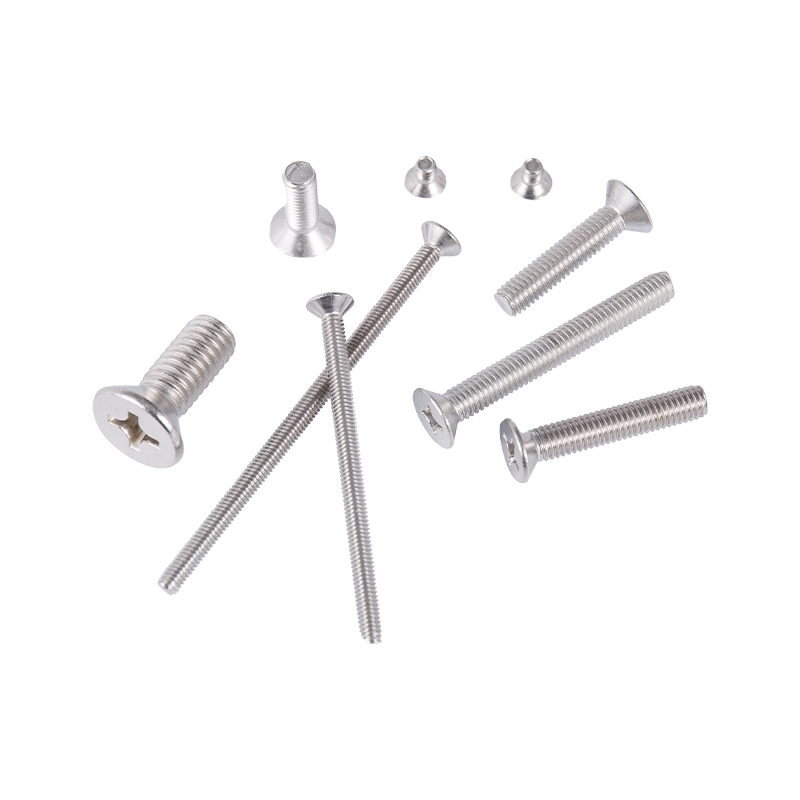
Countersunk machine screws are widely used in machinery, furniture, electronics ...
See Details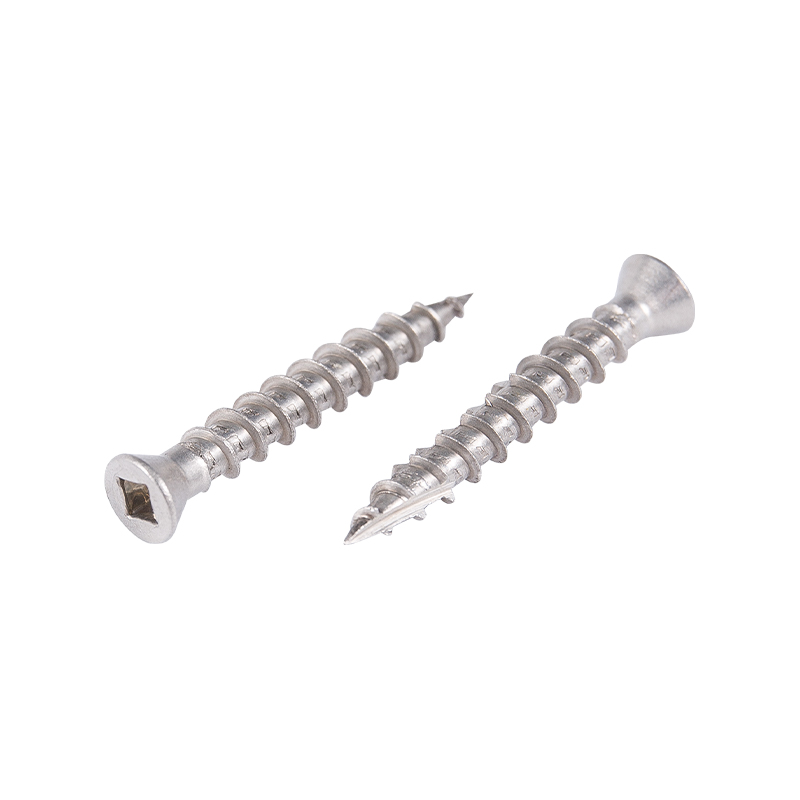
Countersunk, raised-countersunk, trumpet, pan head, round head washer and oval h...
See Details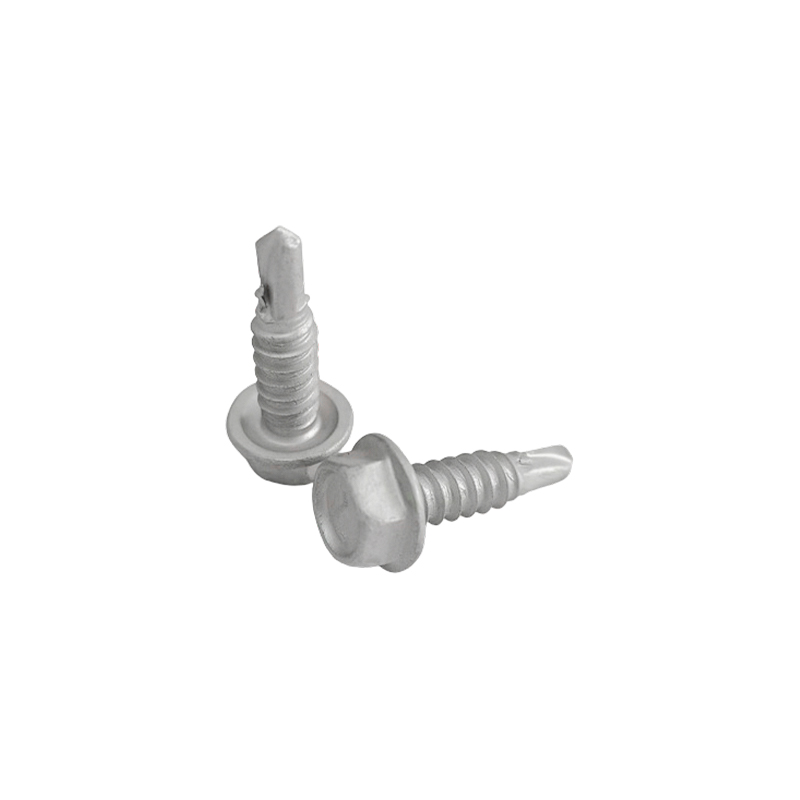
These hexagonal flanged stitching bolts are available in sizes from 1/4 to 14*7/...
See Details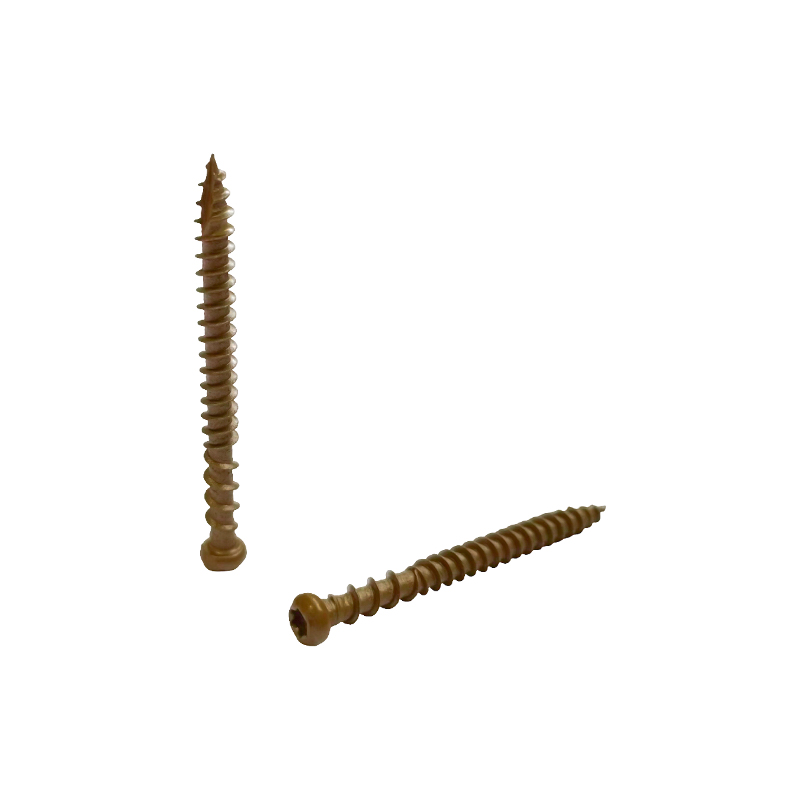
This Round Head Six Lobe Type 17 Self Tapping Screw is manufactured from SUS304 ...
See Details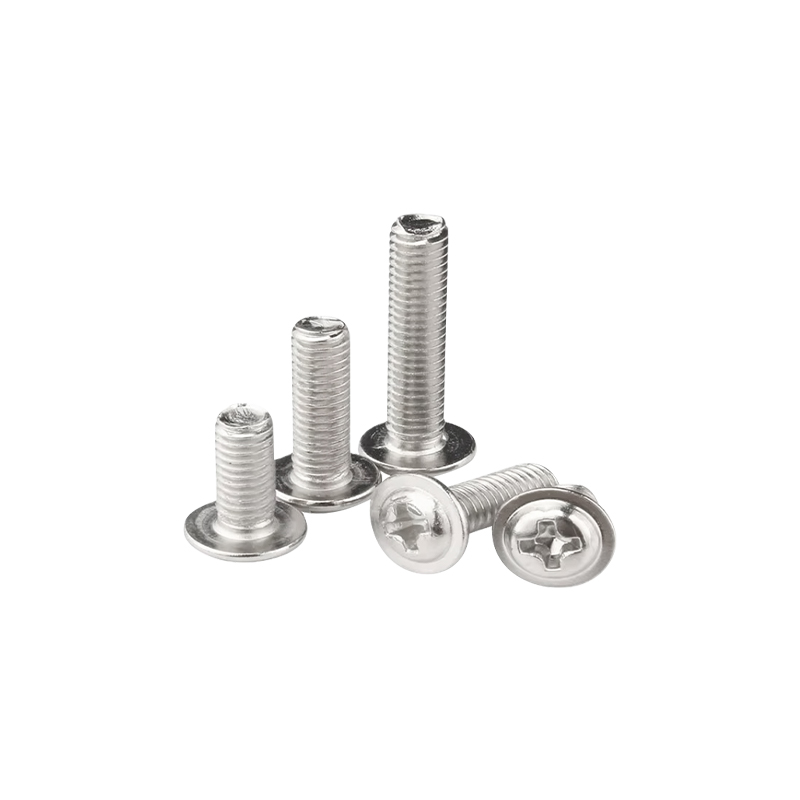
The Round Washer Head Phillips Machine Screw is a threaded fastener characterize...
See Details+86-13705735391
+86-18868359082
+86-573-83128088
+86-573-83128123
No. 2155, Shuanglong Road, Nanhu District, Jia Xing City, Zhejiang Province
Copyright © Jiaxing Zhongke Metal Technology Co.,Ltd. All Rights Reserved.Custom High Strength Stainless Steel Fasteners Manufacturers Provider