Get Touch
>>
Content
In the world of industrial construction, structural steel fabrication, and heavy equipment assembly, the selection of the right fastener is a critical decision that directly impacts structural integrity, installation efficiency, and long-term reliability. Among the various types of self-drilling fasteners available, the Hex Head Flange Self Drilling Screw with 5# Tail stands out as a versatile and robust solution for heavy-duty metal fastening applications. These precision-engineered fasteners combine the torque capacity of a hexagonal drive with an integrated flange and an extended drill point, providing exceptional performance in demanding environments. This article provides a comprehensive technical analysis of Hex Head Flange Self Drilling Screws with 5# Tail, exploring their design, performance characteristics, material specifications, and the critical features that distinguish them from standard self-drilling screws. For engineers, construction professionals, procurement specialists, and maintenance teams seeking high-quality fastening solutions, understanding the nuances of these essential components is fundamental to ensuring structural safety and operational excellence.
Before delving into the specific characteristics and applications of these fasteners, it is important to establish a clear understanding of what defines Hex Head Flange Self Drilling Screws with 5# Tail. A self-drilling screw is a specialized fastener that combines a drill point with a thread-forming capability, allowing it to drill its own pilot hole and tap threads in a single operation. This eliminates the need for separate drilling and tapping steps, significantly reducing installation time and labor costs.
The "hex head flange" configuration refers to a hexagonal drive head with an integrated flange, or washer-like bearing surface, beneath the head. This design provides several important advantages. The hex head allows for high torque transmission, enabling the screw to be driven securely into tough materials. The integrated flange eliminates the need for a separate washer, simplifying the assembly process and ensuring consistent load distribution across the bearing surface. This accurate load distribution helps to prevent damage to the workpiece and ensures a secure, reliable connection.
The "5# tail" designation refers to the extended drill point length. The 5# tail features an extended drill point that provides enhanced drilling capability for thicker material stacks, enabling efficient penetration into heavier gauge substrates. This extended point allows the screw to drill through thicker materials more effectively than standard self-drilling points, making it ideal for heavy-duty structural applications.
Compared to standard self-drilling screws or traditional fasteners requiring pre-drilled holes, Hex Head Flange Self Drilling Screws with 5# Tail offer several distinct advantages. The self-drilling capability eliminates the need for pilot holes, reducing installation time and tooling requirements. The flange head provides superior load distribution and eliminates the need for separate washers. The 5# tail enables efficient penetration into thicker materials, extending the range of applications for self-drilling fasteners. The robust construction ensures reliable performance even in demanding structural applications.
The performance of Hex Head Flange Self Drilling Screws with 5# Tail is defined not only by their geometry but also by the materials and coatings used in their manufacture. The selection of appropriate materials and surface treatments is critical for ensuring long-term reliability in demanding environments.
Hex Head Flange Self Drilling Screws with 5# Tail are manufactured from SUS410 stainless steel, a martensitic stainless steel known for its excellent hardness and corrosion resistance. SUS410 provides the hardness necessary for effective drilling and thread-forming in metal substrates, while offering sufficient corrosion resistance for demanding environments.
The hardness of SUS410 is essential for the self-drilling function. The drill point must be harder than the material being penetrated to effectively cut through the substrate. SUS410 provides this hardness while maintaining the toughness needed to resist breakage during installation. The material's composition also provides good wear resistance, extending the life of the drill point and ensuring consistent performance across multiple installations.
Compared to other stainless steel grades such as 304 or 316, SUS410 offers superior hardness and wear resistance, making it the preferred choice for self-drilling applications. While it may not offer the same level of corrosion resistance as 316 stainless steel, the combination of SUS410 with appropriate surface coatings provides excellent protection for most industrial and outdoor applications.
The Dacromet coating applied to Hex Head Flange Self Drilling Screws with 5# Tail provides high corrosion resistance with extended salt spray protection. Dacromet is a water-based zinc flake coating that offers an environmentally friendly alternative to conventional plating processes such as electroplating or hot-dip galvanizing.
The Dacromet coating consists of zinc flakes and aluminum flakes bonded together with a special inorganic binder. This unique composition provides several advantages. The coating offers excellent corrosion resistance, with salt spray protection extending to hundreds of hours. The coating provides uniform coverage without hydrogen embrittlement, a common issue with electroplated fasteners. The water-based formulation makes it more environmentally friendly than traditional solvent-based coatings.
The Dacromet coating is particularly suitable for outdoor and industrial applications requiring long-term corrosion protection. It is commonly used in structural steel connections, infrastructure projects, and other applications exposed to weather conditions or corrosive environments. The coating also provides a smooth, consistent surface that facilitates installation and reduces the risk of galling or seizing during driving.
The performance of Hex Head Flange Self Drilling Screws with 5# Tail is determined by a combination of design features that work together to provide reliable, efficient fastening in heavy-duty applications.
The hex head flange configuration provides two critical functions. First, the hexagonal drive allows for high torque transmission, enabling the screw to be driven securely into tough materials without stripping the drive. Second, the integrated flange eliminates the need for a separate washer, simplifying the assembly process and ensuring consistent load distribution across the bearing surface.
The flange also serves to protect the workpiece from damage during installation. By distributing the load across a larger area, the flange prevents the screw head from embedding into the material or causing deformation around the fastener. This is particularly important in structural applications where a secure, flush connection is required.
The 5# tail features an extended drill point length that provides enhanced drilling capability for thicker material stacks. This allows the screw to penetrate heavier gauge substrates more efficiently than standard self-drilling points, reducing installation time and extending tool life.
The extended drill point is designed to cut through thicker materials with minimal resistance. The geometry of the 5# tail ensures that the drill point effectively penetrates the material without overheating or dulling prematurely. This is particularly important in structural applications where the screw must pass through multiple layers of metal or through thick, heavy-gauge materials.
The self-drilling point of Hex Head Flange Self Drilling Screws with 5# Tail drills and taps threads simultaneously, eliminating pilot hole drilling and reducing installation steps. This single-operation installation significantly reduces assembly time and labor costs, making these screws an efficient choice for large-scale projects.
The self-drilling point is designed to cut through the material and form threads in a single, continuous motion. This reduces the number of tools required for installation and eliminates the need for separate drilling and tapping operations. The result is a faster, more efficient installation process that reduces the risk of errors and ensures consistent, reliable connections.
While all self-drilling screws offer the advantage of single-operation installation, the 5# tail provides enhanced capabilities for specific applications. The following table provides a direct comparison to guide engineers and procurement specialists in selecting the appropriate fastener for their specific needs.
| Feature | Hex Head Flange with 5# Tail | Standard Self-Drilling Screw | Traditional Fastener (Pre-Drilled) |
|---|---|---|---|
| Drill Point Length | Extended (5# Tail) | Standard length | N/A (requires pilot hole) |
| Maximum Material Thickness | Thicker stacks, heavy-gauge | Thin to medium gauge | Varies |
| Installation Steps | Single operation (drill + tap) | Single operation (drill + tap) | Multiple (drill + tap + insert) |
| Torque Capacity | High (hex head drive) | Varies | Varies |
| Load Distribution | Excellent (integrated flange) | Good (varies) | Varies (washer required) |
| Corrosion Protection | High (SUS410 + Dacromet) | Varies | Varies |
| Ideal Applications | Structural steel, heavy equipment, infrastructure, thick metal assemblies | Light to medium metal, roofing, siding, general fabrication | General fastening, less critical applications |
| Installation Efficiency | Very high | High | Low |
The choice between Hex Head Flange Self Drilling Screws with 5# Tail and other fastener types ultimately depends on the specific requirements of the application. If the primary need is for a high-torque, single-operation fastener capable of penetrating thick material stacks with excellent load distribution and corrosion protection, the 5# tail screw is the ideal choice. For lighter-duty applications where material thickness is less demanding, standard self-drilling screws may be sufficient. For applications where pre-drilling is acceptable and cost is the primary concern, traditional fasteners may offer a lower-cost alternative.
The applications for Hex Head Flange Self Drilling Screws with 5# Tail are extensive, spanning multiple industries from structural steel construction to heavy equipment assembly and infrastructure projects.
In structural steel construction and heavy equipment assembly, Hex Head Flange Self Drilling Screws with 5# Tail are used for connections requiring high strength and reliability. The 5# tail provides the extended drilling capability needed to penetrate thicker steel sections, while the flange head ensures accurate load distribution across the bearing surface. The Dacromet coating provides long-term corrosion protection for outdoor and exposed applications.
In steel frame construction and infrastructure projects, these screws are used for connecting structural members, securing steel components, and assembling heavy-duty metal fabrications. The self-drilling capability eliminates the need for pre-drilling, significantly reducing installation time on large-scale projects. The high torque capacity of the hex head ensures reliable driving, even in tough materials.
In heavy-duty metal fabrications and industrial applications, Hex Head Flange Self Drilling Screws with 5# Tail are used for assembling machinery, securing components, and creating structural connections. The robust construction and corrosion-resistant coating ensure reliable performance in demanding industrial environments. The single-operation installation reduces assembly time and improves productivity.
For businesses involved in international trade and manufacturing, sourcing Hex Head Flange Self Drilling Screws with 5# Tail from a reliable supplier is paramount. Exporters should prioritize suppliers with a proven track record and established credentials, such as those with extensive industry experience and comprehensive quality control systems. The location of the manufacturer can also be a logistical advantage; for instance, suppliers based in regions with convenient access to major shipping ports can offer more efficient delivery and lower freight costs.
Key quality parameters to consider when evaluating Hex Head Flange Self Drilling Screws with 5# Tail include:
Hex Head Flange Self Drilling Screws with 5# Tail represent a critical component in the design and construction of modern industrial and infrastructure projects. The combination of precision engineering, high-quality SUS410 stainless steel construction, advanced Dacromet coating, and the enhanced drilling capability of the 5# tail makes these fasteners a reliable choice for a wide range of heavy-duty applications. The single-operation installation capability significantly improves productivity, while the flange head provides superior load distribution and corrosion protection.
For manufacturers, engineers, and construction professionals working in structural steel, heavy equipment, and infrastructure sectors, understanding the unique advantages and specifications of Hex Head Flange Self Drilling Screws with 5# Tail is essential for informed fastener selection. By choosing high-quality fasteners from a reputable supplier, businesses can ensure the safety, reliability, and longevity of their projects. Whether used for structural steel connections, heavy equipment assembly, or infrastructure construction, these essential components continue to prove their value in the global engineering industry.
The 5# tail refers to an extended drill point length that provides enhanced drilling capability for thicker material stacks. This allows the screw to penetrate heavier gauge substrates more efficiently than standard self-drilling points, reducing installation time and extending tool life.
The ST5.5-24 specification with 38mm length and 5# tail provides engagement for thicker material assemblies and heavier gauge substrates. The actual maximum material thickness depends on the drill point length and substrate hardness. Consult the technical datasheet for specific thickness recommendations.
Dacromet is a water-based zinc flake coating that provides high corrosion resistance with extended salt spray protection. It offers an environmentally friendly alternative to conventional plating processes and is suitable for outdoor and industrial applications requiring long-term corrosion protection.
Yes. The SUS410 stainless steel material combined with Dacromet coating provides corrosion resistance for outdoor applications. The coating offers salt spray protection suitable for structural steel, infrastructure, and other applications exposed to weather conditions.
Install at controlled speeds to avoid overheating the extended drill point. The 5# tail requires appropriate speed management to maintain drilling efficiency. Use torque-controlled drivers to prevent over-tightening when the flange contacts the workpiece surface.
1. Zhongke. (2026). Hex Head Flange Self Drilling Screw 5# Tail Product Specifications. Zhongke Product Catalog.
2. Zhongke. (2026). About Jiaxing Zhongke Metal Technology Co., Ltd. Company Profile.
3. Zhongke. (2026). News: Fastener Selection for Pre-Threaded Applications. Zhongke Industry News.
4. Zhongke. (2026). News: Selecting the Right Fastener for Metal-to-Metal Connections. Zhongke Industry News.
5. American Society for Testing and Materials. (2023). ASTM A954: Standard Specification for Stainless Steel Fasteners. ASTM International.
6. American Society for Testing and Materials. (2022). ASTM B117: Standard Practice for Operating Salt Spray (Fog) Apparatus. ASTM International.
7. International Organization for Standardization. (2022). ISO 3506: Mechanical Properties of Corrosion-Resistant Stainless Steel Fasteners. ISO Standards.
8. Industrial Fastener Institute. (2024). Self-Drilling Screw Design and Application Guide. IFI Technical Bulletin, 22(3), 15-29.
9. National Association of Steel Structures. (2023). Fastening Guidelines for Structural Steel Connections. NASS Technical Report, 18(2), 44-58.
10. European Committee for Standardization. (2021). EN 14566: Mechanical Fasteners for Metal Framing. CEN Standards.
11. Japanese Industrial Standards. (2022). JIS B 1051: Mechanical Properties of Stainless Steel Fasteners. JIS Standards.
12. International Organization for Standardization. (2023). ISO 9001: Quality Management Systems - Requirements. ISO Standards.
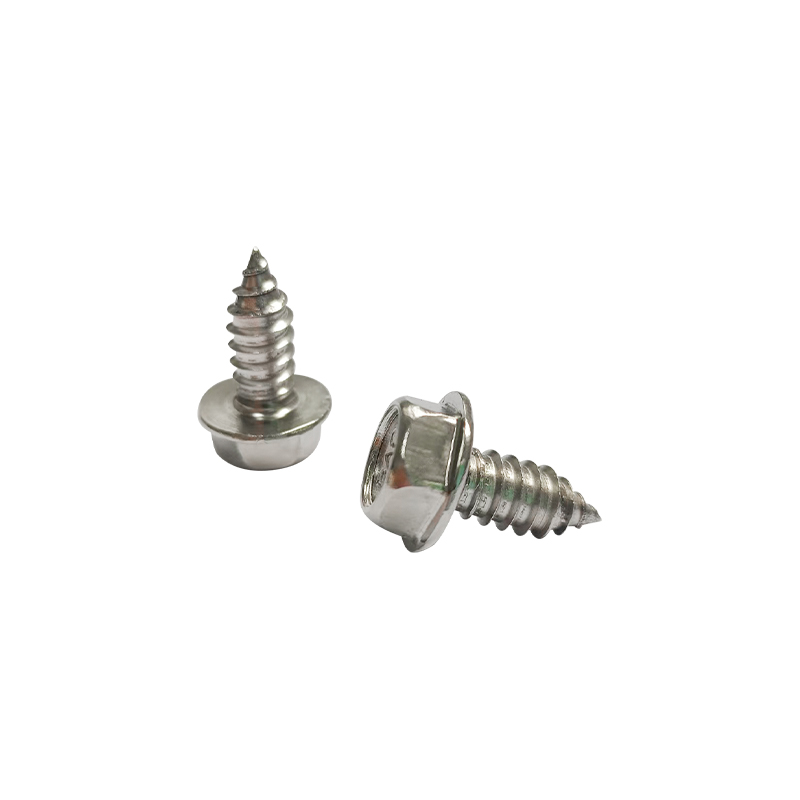
The Hex Head Self Tapping Screw is a threaded fastener with a hexagonal head and...
See Details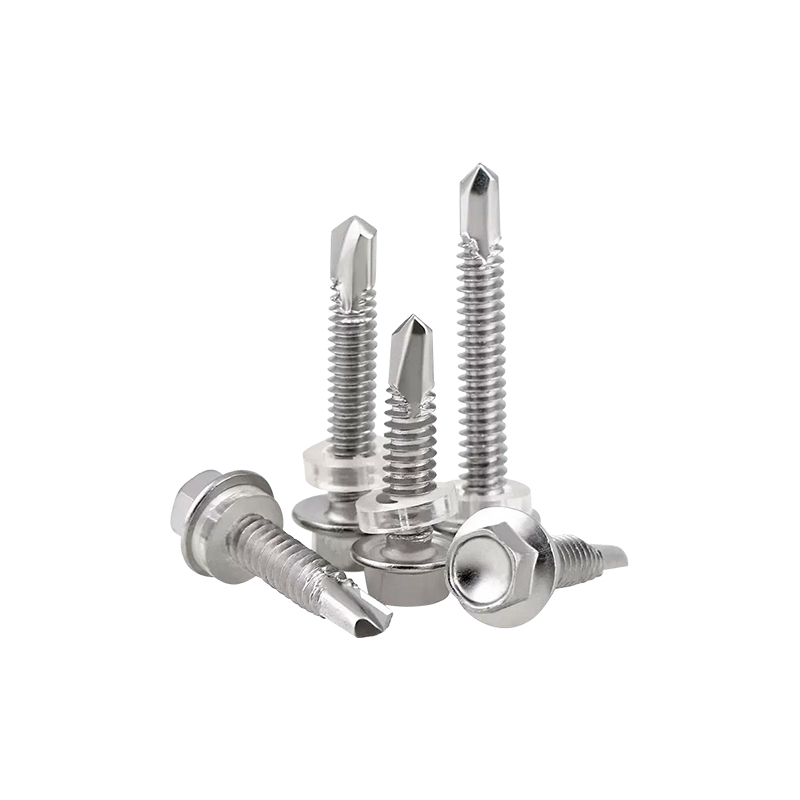
This Hex Flange Head Self Drilling Screw with EPDM Washer offers a thread size r...
See Details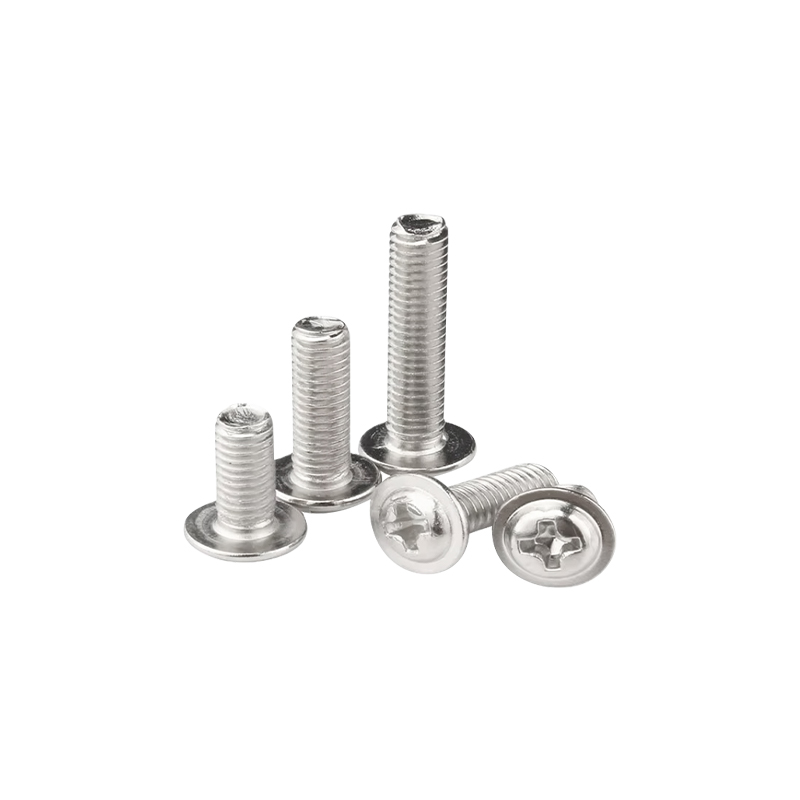
The Round Washer Head Phillips Machine Screw is a threaded fastener characterize...
See Details+86-13705735391
+86-18868359082
+86-573-83128088
+86-573-83128123
No. 2155, Shuanglong Road, Nanhu District, Jia Xing City, Zhejiang Province
Copyright © Jiaxing Zhongke Metal Technology Co.,Ltd. All Rights Reserved.Custom High Strength Stainless Steel Fasteners Manufacturers Provider

 English
 Español
 عربى
عربى