English
 Español
 عربى
عربى


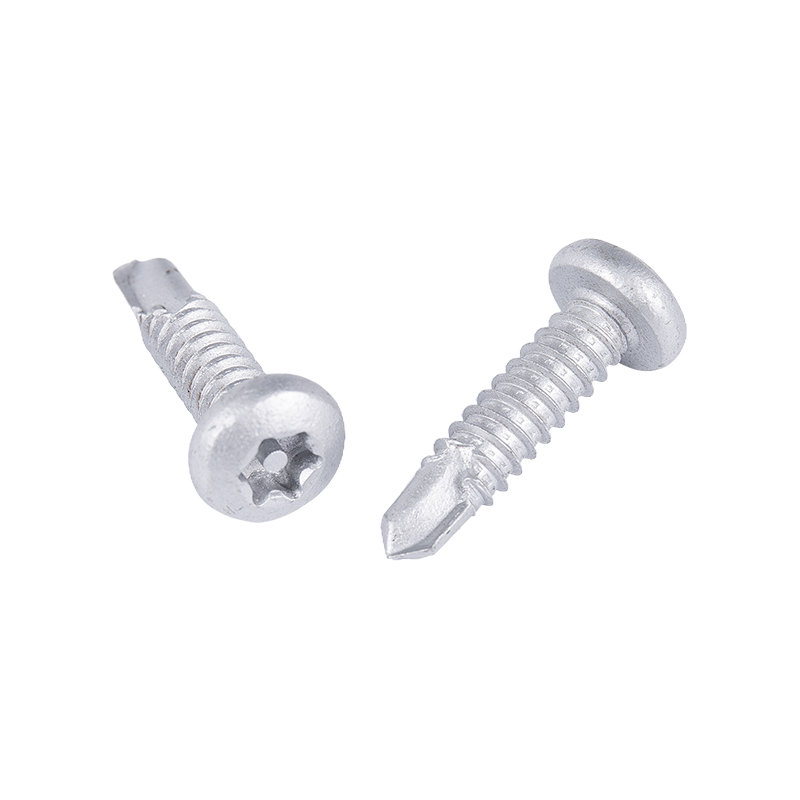
Pan Head Self-Drilling Screws
Cat:Self Drilling Screws
Pan Head Self-Drilling Screws are a type of fastener widely used in construction...
See Details


Content
For industrial manufacturers, mechanical engineers, and export sourcing professionals, selecting the correct fastener for pre threaded applications directly impacts assembly quality, disassembly capability, and long term reliability. Standard thread cutting screws form their own mating threads during installation and are not designed for removal and reinstallation. Stainless Steel Machine Screws are precision fasteners engineered to mate with pre formed internal threads in tapped holes or nuts, enabling consistent clamp load, repeated assembly cycles, and predictable torque tension relationships. Understanding the technical differences between these fastener categories helps buyers select the optimal solution for applications ranging from electronic enclosure assembly to heavy machinery manufacturing.
Standard thread cutting screws create threads by removing material from the substrate as they are installed. This cutting action generates debris, produces variable thread quality depending on substrate consistency, and damages the internal threads upon removal. Machine screws, by contrast, rely on existing threads that have been machined or formed to precise specifications. This eliminates debris generation, ensures consistent thread engagement, and allows the screw to be removed and reinstated multiple times without degrading joint quality. The following table summarizes the key differences between stainless steel machine screws and standard thread cutting fasteners.
| Performance Indicator | Stainless Steel Machine Screws | Standard Thread Cutting Screws |
|---|---|---|
| Thread Formation Method | Mates with pre existing threads in nut or tapped hole | Creates threads by cutting substrate material |
| Debris Generation During Installation | None threads already present | Yes metal or plastic chips produced |
| Removal and Reinstallation Capability | Excellent multiple cycles without thread damage | Poor threads damaged upon removal |
| Clamp Load Consistency | High predictable torque tension relationship | Variable depends on substrate consistency |
| Torque Control Precision | Excellent suitable for automated assembly | Moderate requires careful process control |
| Typical Thread Class Precision | Class 2A, 3A for external threads | Not standardized thread quality varies |
Industry testing confirms that stainless steel machine screws provide superior clamp load consistency and enable repeated assembly cycles that are impossible with thread cutting fasteners. For applications requiring service access, calibration adjustment, or component replacement, machine screw technology offers essential capabilities that cutting screws cannot provide.
The defining characteristic of Stainless Steel Machine Screws is their adherence to international thread standards that ensure interchangeability and predictable performance. Thread standards specify every geometric parameter of the screw thread, including major diameter, pitch diameter, minor diameter, thread angle, pitch, and lead. Understanding these standards helps buyers select screws that correctly mate with their existing tapped holes or nuts.
The most common thread standard for machine screws is the Unified Thread Standard or UTS, used primarily in North America. UTS threads are specified by thread diameter in inches and threads per inch. For example, a number ten machine screw with thirty two threads per inch is designated as ten thirty two. UTS threads are further classified by fit class, with Class 1A being the loosest fit for quick assembly, Class 2A being the standard fit for most general applications, and Class 3A being the tightest fit for precision applications where minimal play is required. Stainless steel machine screws are typically manufactured to Class 2A or Class 3A tolerances depending on the application.
The International Organization for Standardization or ISO metric thread standard is used throughout most of the world outside North America. ISO metric threads are specified by the nominal major diameter in millimeters and the thread pitch in millimeters. For example, an M4 by 0.7 screw has a nominal diameter of four millimeters and a thread pitch of 0.7 millimeters. ISO threads also have fit classes, with 6g being the standard external thread fit for general applications and 4h being a tighter precision fit for demanding applications. Many export oriented manufacturers such as Jiaxing Zhongke Metal Technology Co., Ltd. produce machine screws to both UTS and ISO standards for global distribution.
Thread precision is achieved through precise manufacturing processes including thread rolling and thread grinding. Thread rolling is the most common method for stainless steel machine screws, where hardened dies press the thread form into the screw blank without removing material. This cold working process produces threads with excellent surface finish, work hardened surfaces for improved strength, and dimensional accuracy within 0.005 millimeters or 0.0002 inches. For applications requiring even higher precision, thread grinding removes small amounts of material to achieve Class 3A or 4h tolerances with surface finishes measured in microinches. Ground threads are used in aerospace, medical device, and precision instrument applications where thread fit must be exact.
The base material of Stainless Steel Machine Screws determines mechanical strength, corrosion resistance, and thread integrity under load. Several stainless steel grades are commonly used for machine screws, each with distinct properties for different application environments and strength requirements.
Stainless steel grade 304 is the most common material for machine screws in general industrial applications. This austenitic stainless steel offers excellent corrosion resistance for indoor and moderate outdoor use, good ductility for cold heading and thread rolling, and non magnetic properties for applications where magnetism could interfere with sensitive equipment. Grade 304 machine screws have typical tensile strength of 700 to 800 megapascals or 100 to 115 kilopounds per square inch after work hardening during thread rolling. For electronic enclosure assembly, food processing equipment, and architectural hardware, grade 304 provides an optimal balance of performance and cost.
Stainless steel grade 316 is the premium choice for machine screws in corrosive environments. The addition of 2 to 3 percent molybdenum provides enhanced resistance to pitting and crevice corrosion from chlorides, making grade 316 standard for marine applications, coastal construction, chemical plants, and pharmaceutical manufacturing. Grade 316 machine screws have similar tensile strength to grade 304 but with significantly better salt spray performance exceeding 1,000 hours to first red rust. For offshore equipment, swimming pool hardware, and medical devices requiring sterilization, grade 316 is the recommended specification.
Stainless steel grade 410 is a martensitic stainless steel that can be heat treated to high hardness levels of 500 to 600 HV or 48 to 55 HRC. This grade offers excellent wear resistance for applications involving repeated assembly and disassembly. Grade 410 machine screws are magnetic and provide moderate corrosion resistance suitable for indoor applications where moisture exposure is limited. For automotive components, industrial machinery, and hydraulic systems where threads may see frequent re torque, grade 410 provides superior thread durability compared to austenitic grades.
Stainless steel grade 304 with cold worked strengthening provides increased tensile strength for high load applications without changing material chemistry. Cold working during thread rolling and heading increases the material's dislocation density, raising tensile strength to 900 to 1,000 megapascals or 130 to 145 kilopounds per square inch while maintaining ductility. These high strength stainless steel machine screws are used in structural connections, heavy machinery assembly, and transportation equipment where standard grade 304 would be insufficient. Manufacturers such as Jiaxing Zhongke Metal Technology Co., Ltd. offer cold worked machine screws for demanding industrial applications.
Stainless Steel Machine Screws are available in a wide variety of head styles and drive types, each suited to specific assembly requirements, tooling availability, and aesthetic preferences. Understanding these options helps buyers select screws that match their application's functional and visual requirements.
Pan head machine screws are the most common head style for general applications. The pan head has a low profile, moderately large bearing surface, and slightly rounded top. Pan heads are suitable for counterbored holes or surface mounting where the head is acceptable to remain above the work surface. They accept Phillips, Pozidriv, Torx, or hex drive inserts depending on the specification. Pan head machine screws are used in electronic enclosure assembly, appliance manufacturing, and general machinery assembly where aesthetics are not critical.
Flat head or countersunk machine screws are designed to sit flush with or below the work surface when installed in a matching countersunk hole. The head has an 82 degree or 90 degree taper angle, with 82 degrees being standard for Unified threads and 90 degrees for metric threads. Flat head machine screws are used where the screw head must not protrude above the surface for clearance, safety, or aerodynamic reasons. Applications include aircraft interior panels, vehicle floor covers, and machine guards where a flush surface is required.
Socket head cap screws are a high strength machine screw variety with a cylindrical head and hexagonal internal drive. The socket drive allows higher torque application than external head drives and provides a clean appearance. Socket head cap screws are manufactured to higher strength standards than standard machine screws, with property class 10.9 or 12.9 being typical for carbon steel versions. Stainless steel socket head cap screws are used in die and mold making, machine tool assembly, and high performance mechanical systems where high clamp load and clean appearance are required.
Drive type selection affects installation speed, torque transfer, and cam out resistance. Phillips drives are common but prone to cam out at high torque, making them suitable for lower torque applications where automated assembly is not used. Pozidriv drives provide better engagement and lower cam out than Phillips, with a distinct cross shaped recess that prevents Phillips drivers from fitting correctly. Torx drives feature a six lobed star pattern that provides excellent torque transfer without cam out, making them preferred for automated assembly lines and high torque applications. Hex drives, including both external hex heads and internal hex sockets, provide positive engagement and are easily driven with standard tools. For export applications, Torx and hex drives are increasingly specified to reduce assembly errors and improve torque control.
For machine screws used in outdoor, marine, or chemically exposed applications, corrosion resistance is a critical performance property. The base stainless steel grade provides inherent corrosion protection, but surface finishing and passivation processes can further enhance performance and improve appearance.
Passivation is a chemical treatment that removes free iron from the surface of stainless steel machine screws, enhancing the formation of the passive chromium oxide layer that provides corrosion resistance. The passivation process involves immersing the screws in a nitric or citric acid bath that dissolves surface iron without attacking the chromium in the alloy. Passivated stainless steel machine screws show significantly improved salt spray performance and reduced risk of red rust staining on the screw head. Aerospace and medical applications typically require passivation as a standard specification.
Electropolishing is an electrochemical finishing process that removes a thin layer of material from the surface of stainless steel machine screws, producing a bright, smooth, and highly corrosion resistant finish. Electropolishing also removes burrs from thread crests and drive recesses, improving assembly performance. The resulting surface has reduced friction for more consistent torque tension relationships and is easier to clean for sanitary applications. Food processing, pharmaceutical, and semiconductor manufacturing equipment often specify electropolished stainless steel machine screws.
Mechanical finishing options for stainless steel machine screws include tumbling, barrel finishing, and abrasive blasting. Tumbling produces a smooth, uniform surface with a matte or satin appearance at low cost. Barrel finishing rounds sharp edges and removes surface defects that could cause stress concentrations. Abrasive blasting with glass beads or aluminum oxide produces a uniform matte finish that reduces glare and provides a consistent appearance across large fastener populations. For architectural and decorative applications where visible screw heads are acceptable, mechanically finished stainless steel machine screws provide aesthetic appeal at moderate cost.
Coating applications for stainless steel machine screws are less common than for carbon steel screws because the base material already provides significant corrosion resistance. However, specialized coatings are used for specific requirements. Molybdenum disulfide coatings provide permanent lubrication for applications involving frequent disassembly and reassembly. PTFE or Xylan coatings reduce friction for consistent torque control in automated assembly lines. Silver or nickel platings provide conductivity for electrical grounding applications while maintaining corrosion resistance. When selecting coated stainless steel machine screws, verify that the coating process does not alter thread dimensions beyond specified tolerances.
For precision applications such as optical equipment, medical devices, and aerospace components, dimensional accuracy of Stainless Steel Machine Screws is critical to proper assembly and function. Quality manufacturers implement rigorous inspection processes to verify that every screw meets specified tolerances before shipment.
Thread dimensional inspection verifies that the screw's thread form matches the specified standard and class of fit. Key measurements include major diameter, pitch diameter, minor diameter, thread angle, pitch, and lead. For high volume production, optical sorting machines using laser or camera inspection measure these parameters at rates of several hundred screws per minute. For precision lots, thread gauges including go no go ring gauges verify that external threads fall within specified limits. Manufacturers such as Jiaxing Zhongke Metal Technology Co., Ltd. employ both high speed optical sorting and traditional gauging to ensure thread quality across production volumes.
Head dimensional inspection verifies that head height, diameter, drive recess depth, and drive recess geometry meet specification. For countersunk heads, the head angle and flushness are critical to proper seating. Optical comparators project magnified images of the screw head onto a screen, allowing direct comparison to specification drawings. For high precision applications, coordinate measuring machines or CMMs automatically measure multiple head dimensions with micron level accuracy. Drive recess depth and geometry are verified using pin gauges and torque tests.
Mechanical property testing verifies that stainless steel machine screws achieve specified tensile strength, yield strength, and hardness. Tensile testing pulls the screw until fracture, measuring the maximum force sustained. This destructive test is performed on sample screws from each production batch rather than on every screw. Hardness testing using Rockwell or Vickers scales provides non destructive verification of material properties and heat treatment effectiveness. For critical applications, customers may require certified test reports documenting mechanical properties for each production lot.
Surface finish and defect inspection identifies scratches, pits, burrs, or other surface irregularities that could affect performance or appearance. Visual inspection under magnification is standard for precision grades. For automated inspection, machine vision systems compare screw surfaces against defect libraries, rejecting any screw with visible flaws. Surface roughness measurement using profilometers quantifies finish quality for applications where friction or corrosion resistance depends on surface smoothness.
Different industries and applications require specific Stainless Steel Machine Screw configurations. Understanding these requirements helps buyers select the correct screw specifications for their projects and avoid field failures.
For electronic enclosure assembly and circuit board mounting, small diameter machine screws from M1.2 to M3 are common. These screws must provide precise thread engagement in tapped holes or with nuts while minimizing risk of stripping due to the small thread cross section. Head styles are typically pan head or flat head with Phillips or Torx drives. Surface insulation treatment may be required to prevent electrical shorts. For applications involving repeated access for maintenance or calibration, stainless steel grade 304 provides good corrosion resistance and adequate strength. For outdoor electronic enclosures, grade 316 is specified for enhanced weather resistance.
For optical equipment and precision instruments, machine screws with Class 3A or 4h threads are required to achieve the precise alignments necessary for optical performance. Threads must be free of burrs and have consistent geometry across all screws in the assembly. Head styles are often socket head or button head for a clean appearance. Passivated stainless steel grade 304 or 316 is standard to prevent corrosion that could affect optical surfaces. For the smallest sizes, such as M1.2 and M1.6, specialized miniature screw manufacturing processes including Swiss turning ensure dimensional accuracy.
For gearbox and transmission assembly, high strength stainless steel machine screws with property class 10.9 or higher are required to withstand vibration and dynamic loads. Thread locking features such as nylon patches or micro encapsulated adhesive prevent loosening under service conditions. Head styles are typically socket head cap screws for high torque application or flange head screws for distribution of clamp load. Stainless steel grade 410 with heat treatment provides the combination of strength and wear resistance needed for power transmission applications. For repeated disassembly during maintenance, screws with durable thread locking elements are preferred.
For automotive engine and drivetrain applications, machine screws must withstand temperature extremes, vibration, and chemical exposure. Stainless steel grade 410 or 304 with high strength cold working is standard. Thread forms may include interference threads or prevailing torque features to resist loosening. Head drives are often Torx or external hex for positive engagement with power tools. For applications involving frequent access during service, screws with corrosion resistant coatings and durable drive recesses are preferred. Manufacturers such as Jiaxing Zhongke Metal Technology Co., Ltd. supply automotive machine screws with documented material traceability and test reports.
For medical device assembly, machine screws must meet biocompatibility requirements and withstand repeated sterilization cycles. Stainless steel grade 316L with low carbon content provides superior corrosion resistance for autoclave, ethylene oxide, and gamma sterilization. Passivation and electropolishing produce smooth surfaces that resist bacterial adhesion and are easy to clean. Threads are typically Class 2A or 3A for standard applications, with special attention to burr removal to prevent tissue damage. For implantable devices, specialized stainless steel alloys such as 316LVM with vacuum melt processing provide enhanced material purity and fatigue resistance.
Can stainless steel machine screws be used with nuts of a different material?
Yes, stainless steel machine screws can be used with nuts made from different materials including carbon steel, brass, aluminum, or nylon. However, galvanic corrosion potential must be considered when mixing metals. Stainless steel with aluminum nuts creates a significant galvanic couple in the presence of electrolytes, leading to accelerated corrosion of the aluminum. Use insulating washers, anti seize compounds, or specify aluminum compatible coatings when mixing metals. For most indoor applications, galvanic corrosion proceeds slowly enough that it is not a concern. For outdoor or marine applications, match nut and screw materials or use insulating barriers.
What is the difference between stainless steel machine screws and stainless steel set screws?
Machine screws are fully threaded fasteners designed to mate with nuts or tapped holes and provide clamp load across a joint. Set screws, also known as grub screws, are headless threaded fasteners used to secure an object within or against another object, such as locking a pulley to a shaft. Set screws typically have a hexagonal internal drive and a cup point, cone point, or flat point that bears against the shaft. While both may be made from stainless steel, their applications are completely different. Machine screws clamp two components together, while set screws transmit torque or prevent axial movement of a shaft.
How do I prevent galling when installing stainless steel machine screws into stainless steel nuts?
Galling is a common issue with stainless steel fasteners where the screw threads cold weld to the nut threads during installation. To prevent galling, use screws and nuts from different stainless steel families, such as a 304 screw with a 316 nut, to reduce the risk of same material adhesion. Apply a lubricant such as anti seize compound, wax, or PTFE spray to the screw threads before assembly. Reduce installation speed to minimize friction heat buildup. Use a consistent feed pressure without stopping and restarting during engagement. For high volume assembly, consider screws with lubricant coatings such as molybdenum disulfide or PTFE applied by the manufacturer.
What is the standard tolerance for machine screw thread dimensions?
For Unified threads, Class 2A machine screws have pitch diameter tolerances ranging from 0.002 inches for a number zero screw to 0.004 inches for a half inch screw. For ISO metric threads, class 6g machine screws have pitch diameter tolerances ranging from 0.024 millimeters for an M1.6 screw to 0.075 millimeters for an M12 screw. Class 3A or 4h precision threads have approximately half the tolerance range of standard class threads. These tolerances ensure that screws from any manufacturer will properly mate with nuts or tapped holes manufactured to the corresponding class of fit. Premium manufacturers such as Jiaxing Zhongke Metal Technology Co., Ltd. typically hold tolerances tighter than the standard minimum.
What is the typical minimum order quantity for custom stainless steel machine screws?
Minimum order quantities for custom stainless steel machine screws vary by manufacturer and specification complexity. For simple variations such as custom length or a non standard head style, manufacturers typically require 20,000 to 50,000 pieces per size. For fully custom screws requiring new heading tooling or thread rolling dies, minimum orders of 100,000 to 250,000 pieces are typical. Custom material specifications such as specialized stainless steel alloys may require additional volume to justify material procurement. Lead times for custom screws range from 45 to 90 days depending on tooling requirements. For smaller quantities, check stock availability of standard sizes from manufacturers such as Jiaxing Zhongke Metal Technology Co., Ltd.
1. ASME B1.1-2023. Unified Inch Screw Threads Standard. American Society of Mechanical Engineers.
2. ISO 261:2023. ISO general purpose metric screw threads - General plan. International Organization for Standardization.
3. ASTM F593-22. Standard Specification for Stainless Steel Bolts, Hex Cap Screws, and Studs. ASTM International.
4. SAE International. (2021). SAE J995: Mechanical and Material Requirements for Steel Nuts. SAE International.
5. Industrial Fastener Institute. (2022). IFI 100: Standard for Machine Screws. Industrial Fastener Institute.
Pan Head Self-Drilling Screws are a type of fastener widely used in construction...
See Details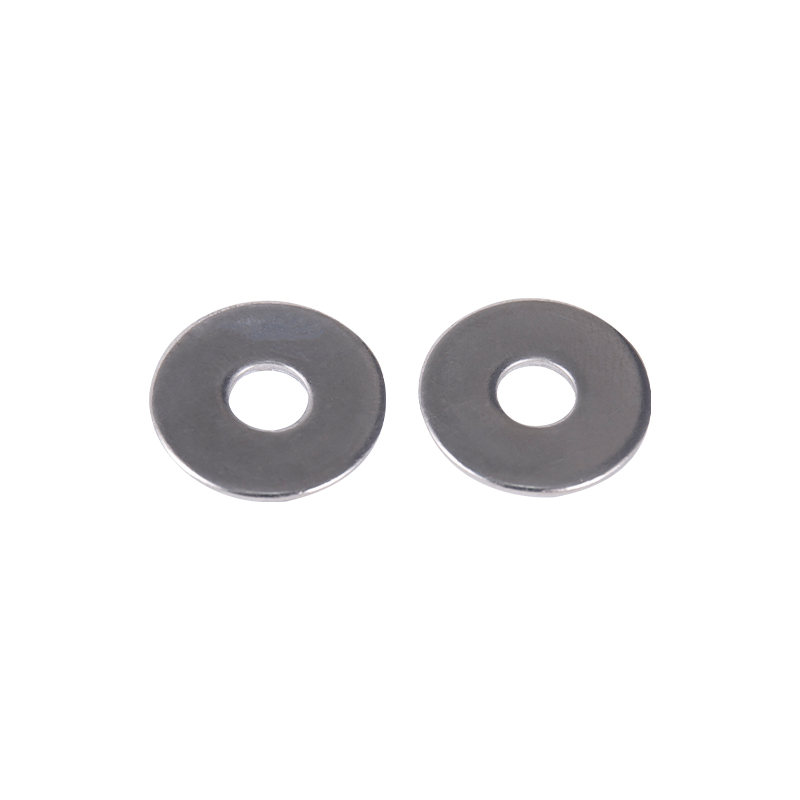
Flat washers and spring washers are fastener accessories widely used in industry...
See Details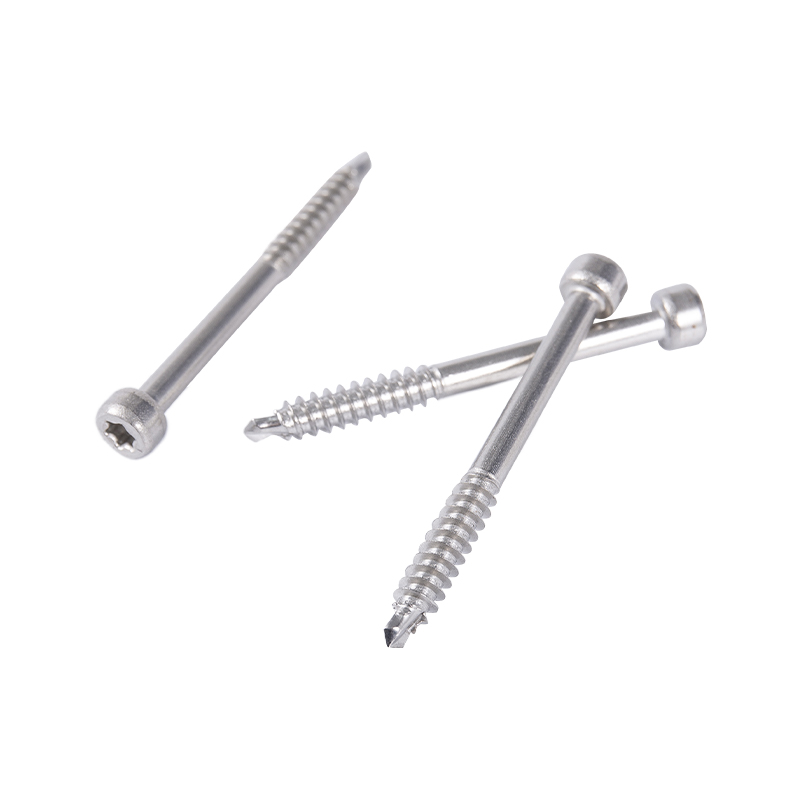
Countersunk, double countersunk, semi-countersunk, trumpet and pan head chipboar...
See Details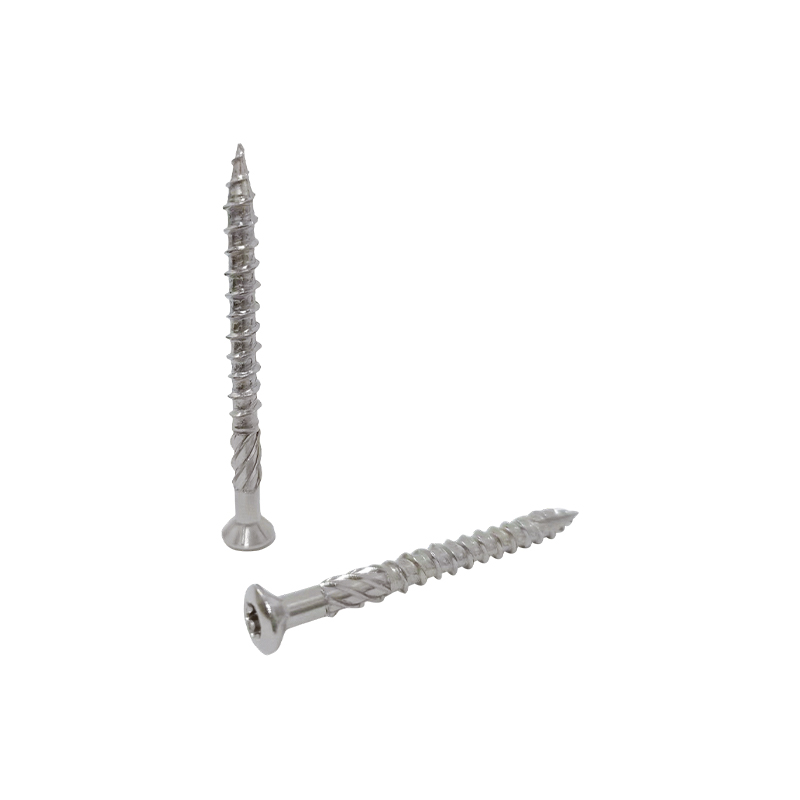
This Semi Countersunk Hexalabular Six-Bevel Rib Chipboard Screw features a speci...
See Details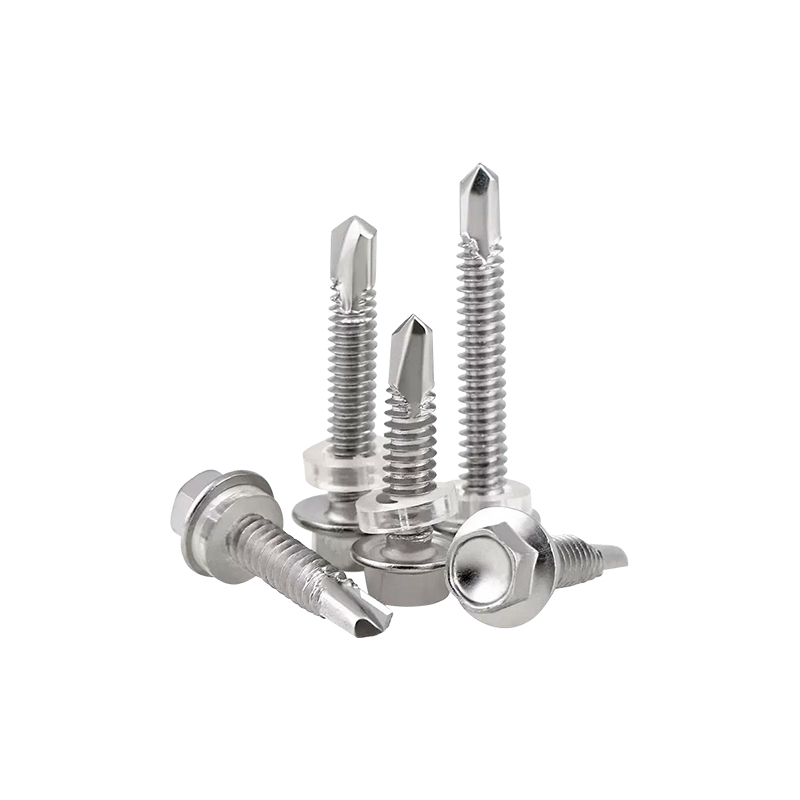
This Hex Flange Head Self Drilling Screw with EPDM Washer offers a thread size r...
See Details+86-13705735391
+86-18868359082
+86-573-83128088
+86-573-83128123
No. 2155, Shuanglong Road, Nanhu District, Jia Xing City, Zhejiang Province
Copyright © Jiaxing Zhongke Metal Technology Co.,Ltd. All Rights Reserved.Custom High Strength Stainless Steel Fasteners Manufacturers Provider