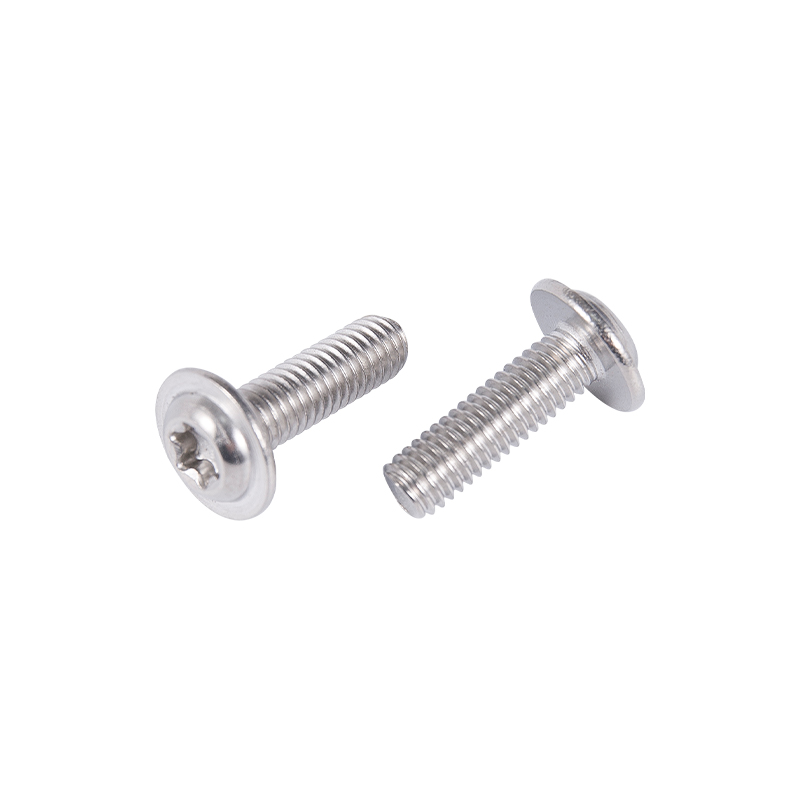
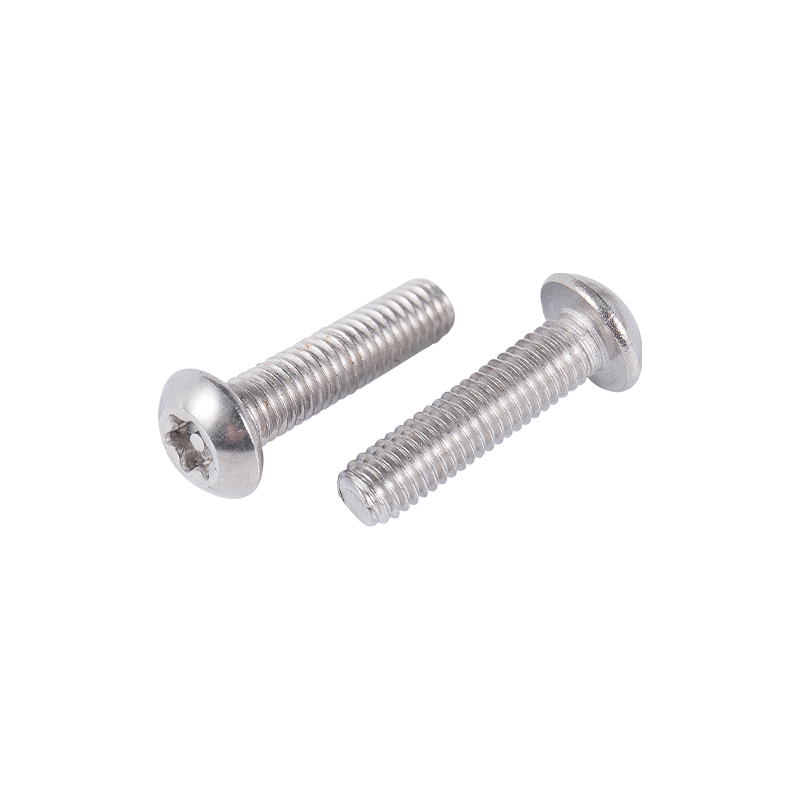
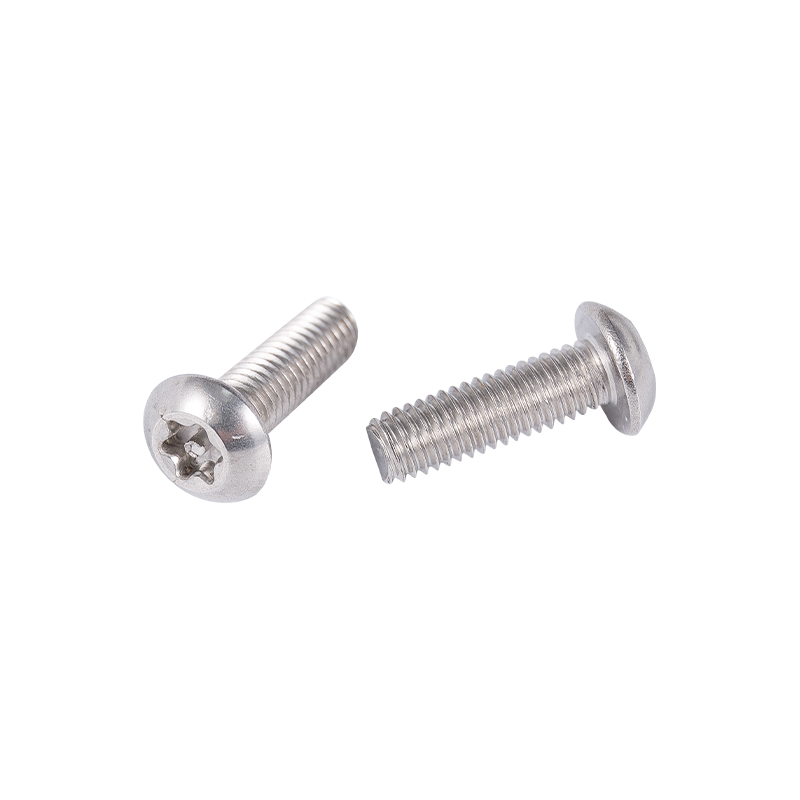
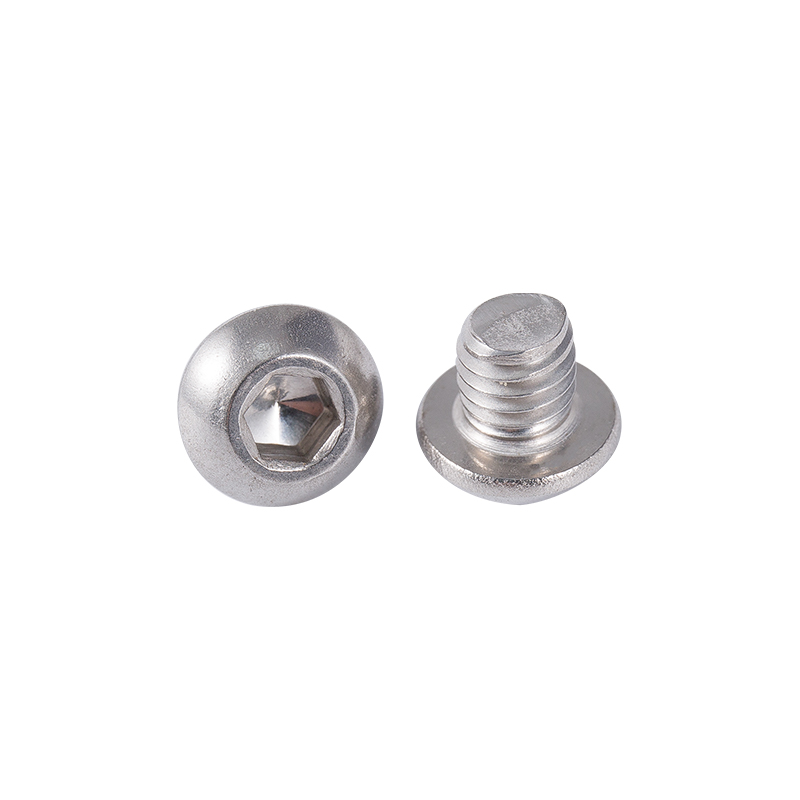
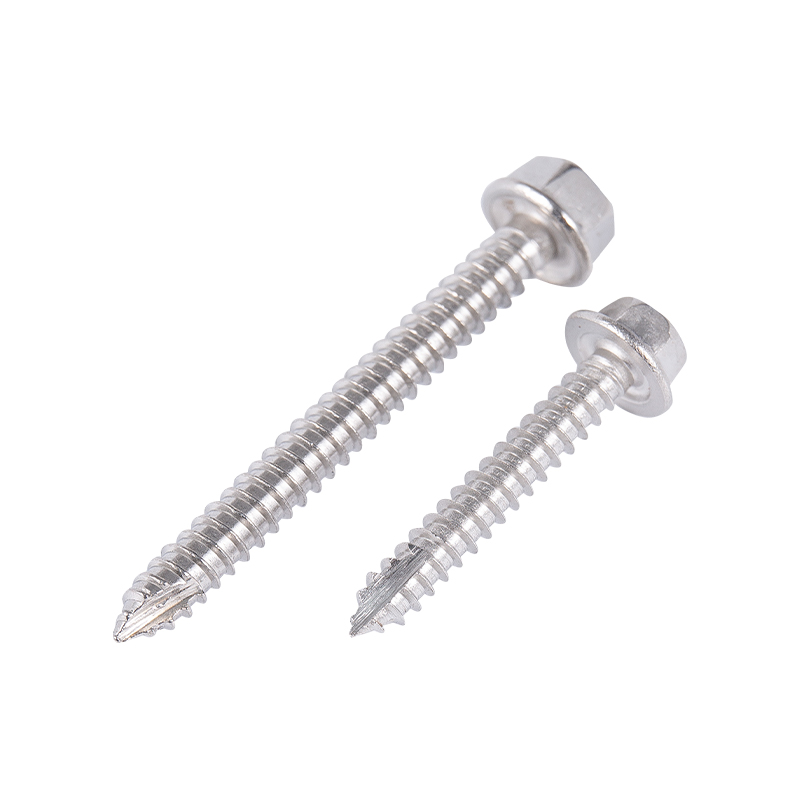
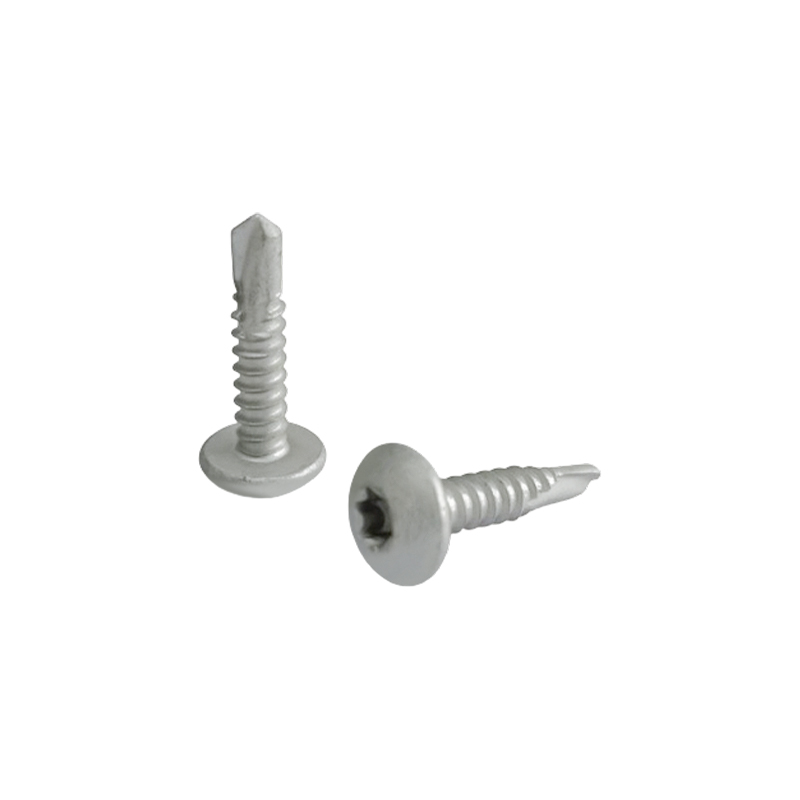
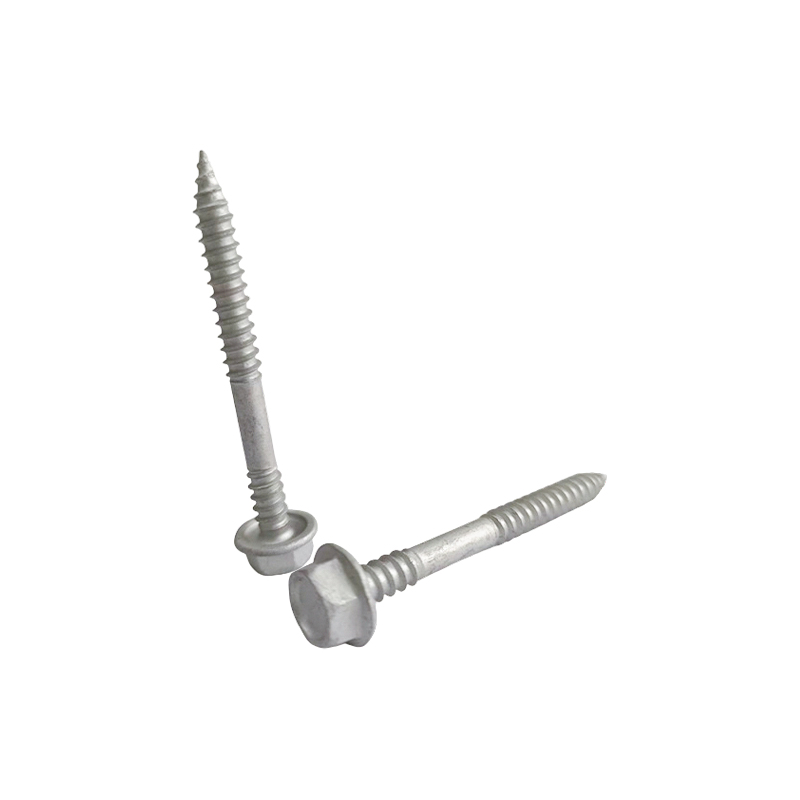
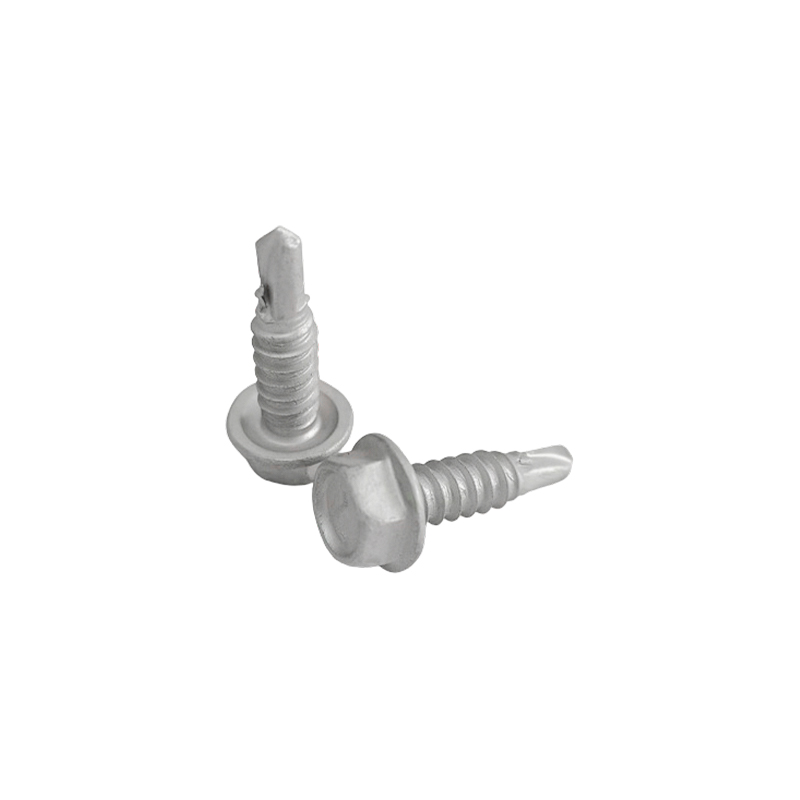
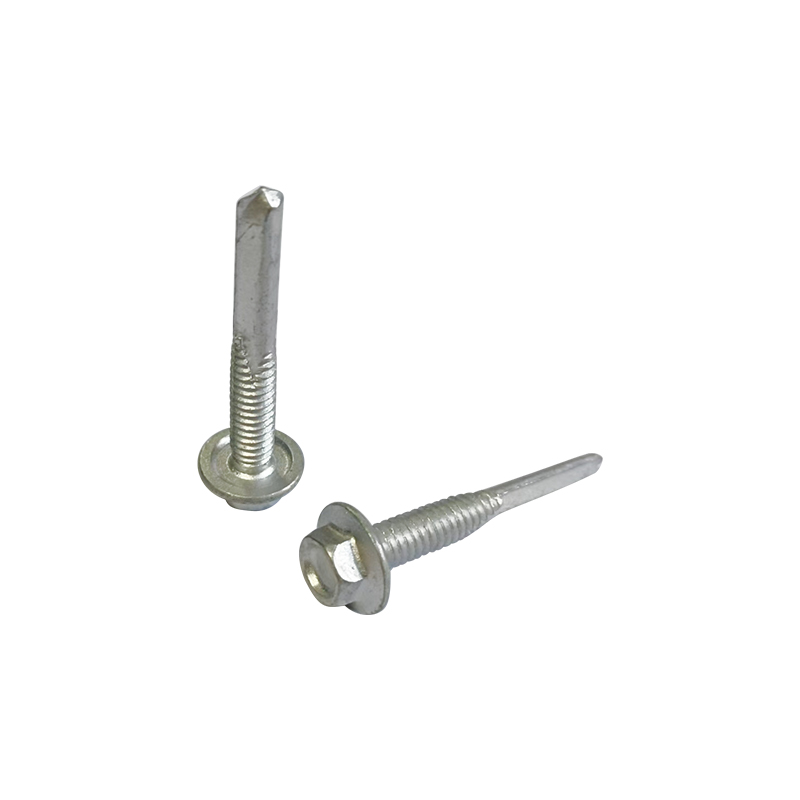
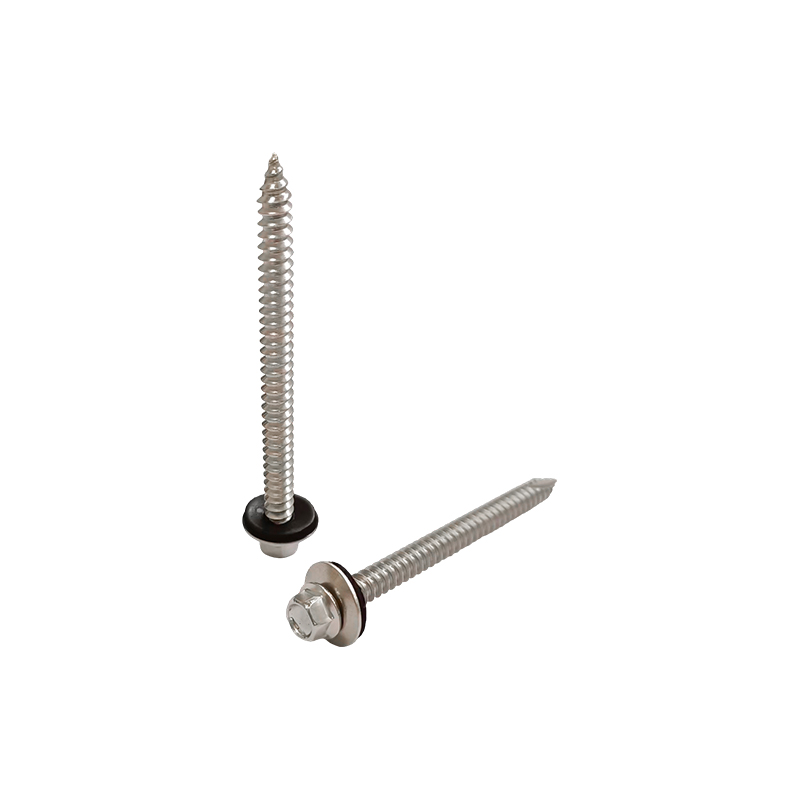
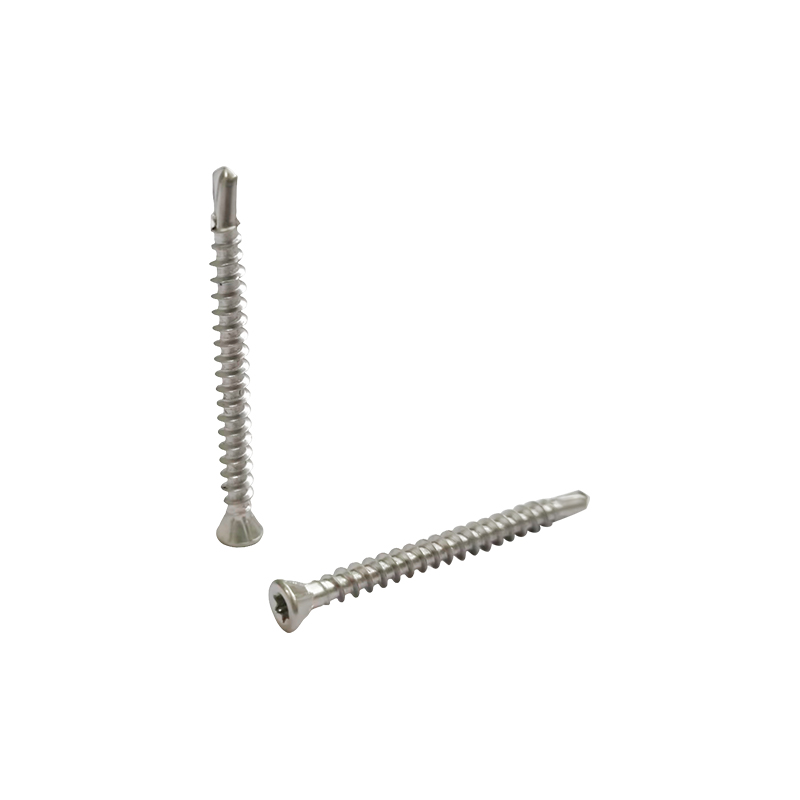
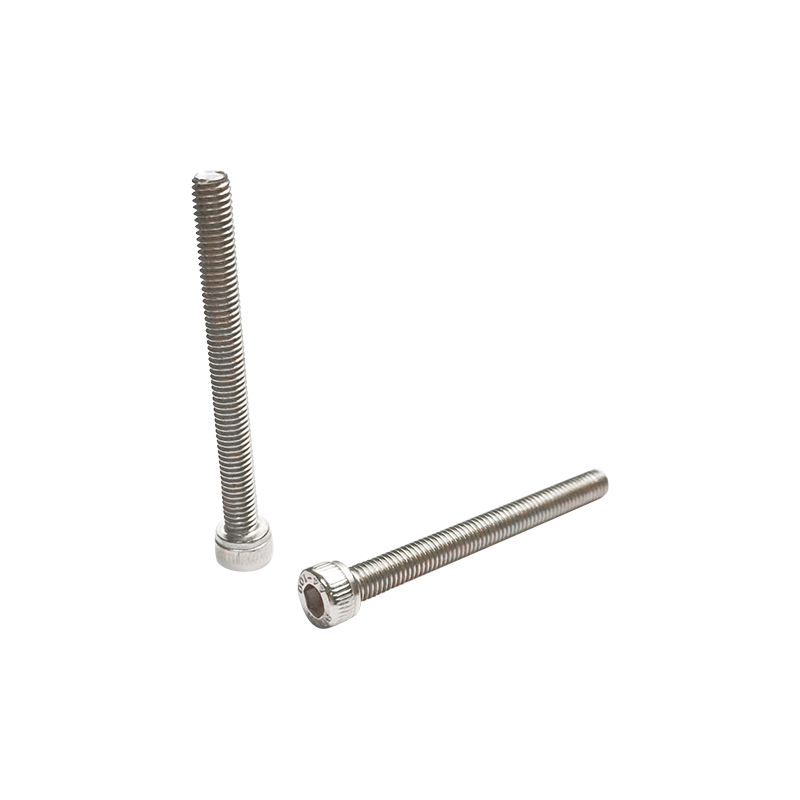
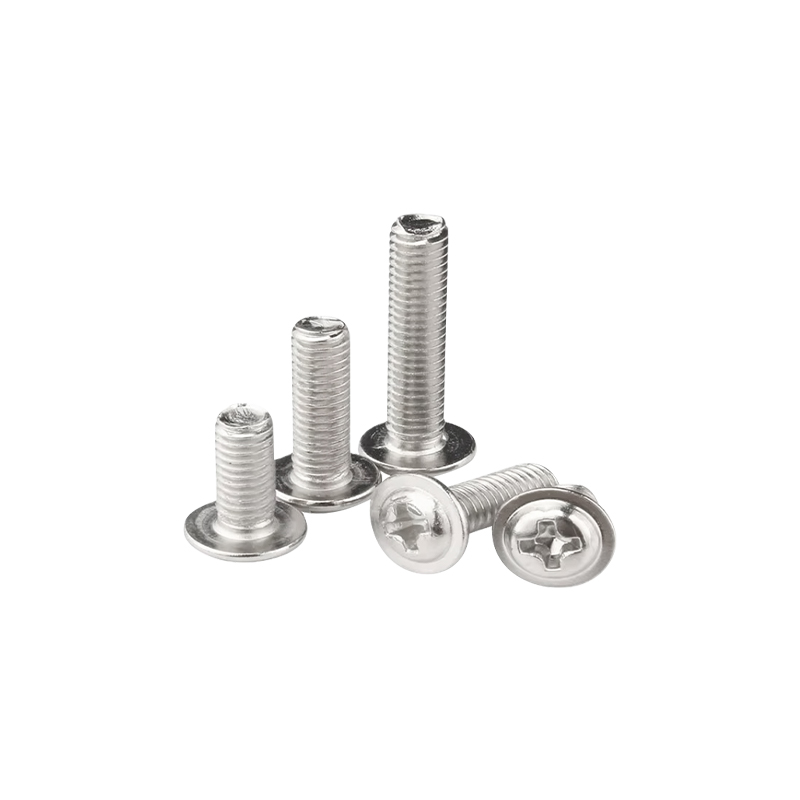
Standard: DIN7985, ISO7045, ANSI/ASME B18.6.3
Material: SUS410, SUS304, SUS316 stainless steel
Specification: M3, M4, M5, M6, M8, 6#, 7#, 8#, 10#, 12#,14#, 1/4”
Surface Treatment: Passivation, Galvanizing, Nickel Plating, Blackening, Head Spraying, Dacromet, Hot Rustoleum, Laspex, Drop Resistant
Product Introduction
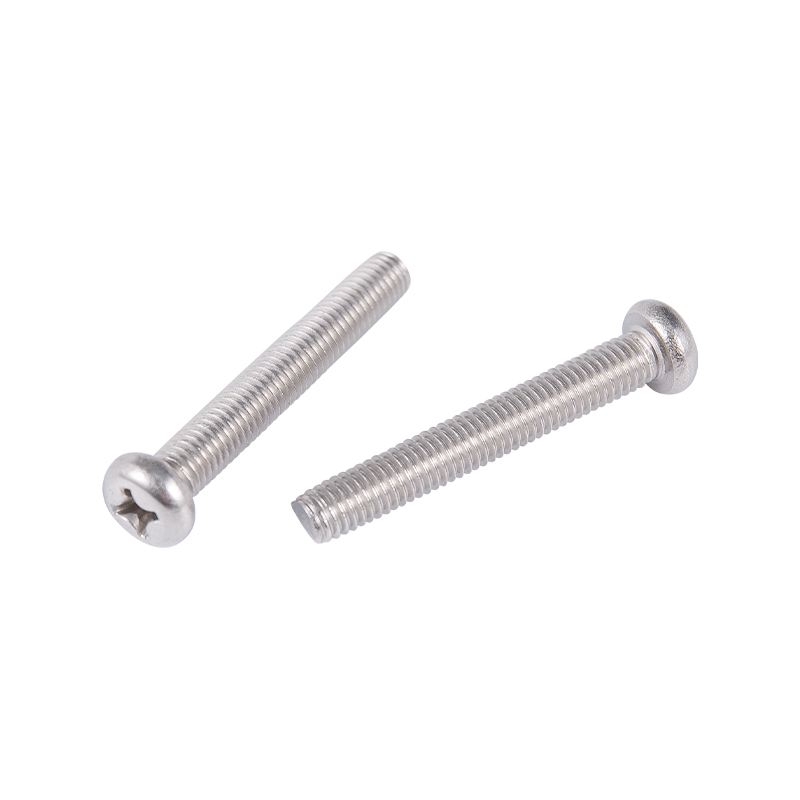
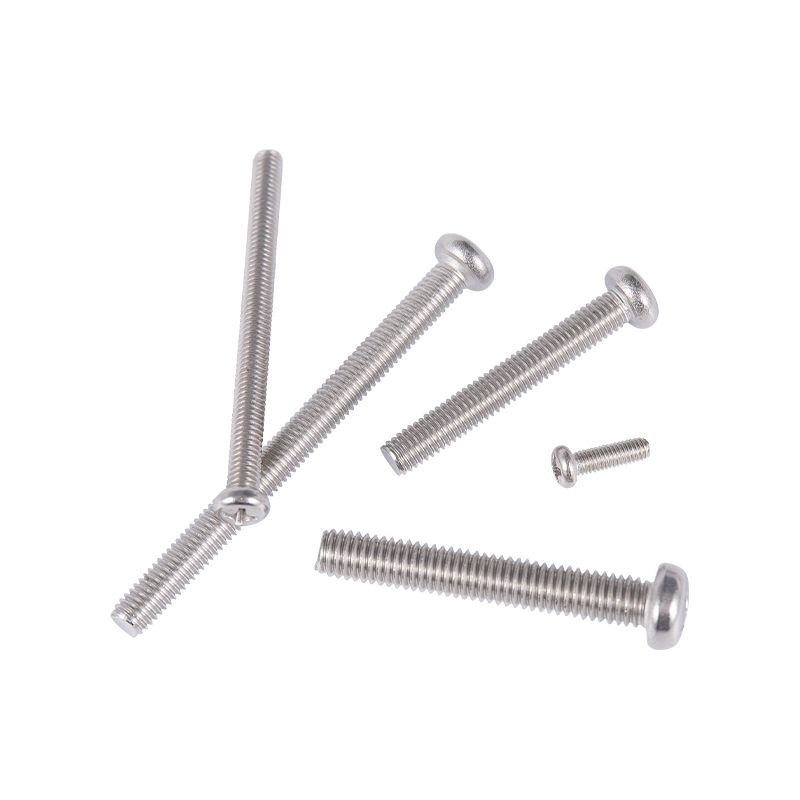
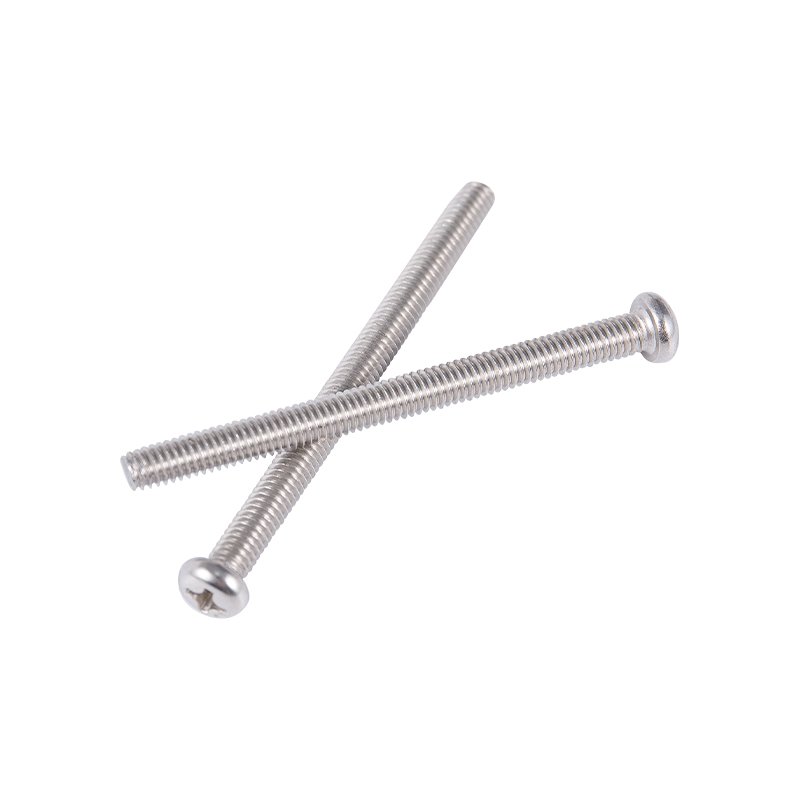
Pan Head Machine Screws are precision fasteners designed for general-purpose metal fastening applications requiring a low-profile head with a flat bearing surface. The pan head configuration provides a flat underside that distributes clamping force evenly across the workpiece surface, making it suitable for securing brackets, fittings, and components in machinery and equipment assemblies. These screws feature machine threads that mate with pre-tapped holes or nuts, providing consistent and reliable engagement. Available in stainless steel (SUS410, SUS304, SUS316) material options, the screws comply with DIN7985, ISO7045, and ANSI/ASME B18.6.3 standards. Multiple surface treatments provide corrosion resistance options for various environmental conditions, including passivation, galvanizing, nickel plating, blackening, and Dacromet finishes. Metric sizes from M3 to M8 and imperial sizes from 6# to 1/4" accommodate diverse application requirements.
Core Advantages
01
Pan Head Configuration
Flat underside provides even clamping force distribution for secure fastening of brackets, fittings, and components.
02
Machine Thread Design
Precision threads mate with pre-tapped holes or nuts for consistent and reliable engagement in machinery assemblies.
03
Multiple Material Options
Available in SUS410, SUS304, and SUS316 stainless steel to meet diverse application requirements.
04
Wide Specification Range
Metric sizes from M3 to M8 and imperial sizes from 6# to 1/4" for comprehensive application coverage.
05
Extensive Surface Treatments
Passivation, galvanizing, nickel plating, blackening, Dacromet, and hot rustoleum finishes for environmental adaptability.
06
Standard Compliance
Manufactured to DIN7985, ISO7045, and ANSI/ASME B18.6.3 specifications for quality assurance.
Product Features
Pan head configuration Flat underside provides even clamping force distribution for secure fastening of brackets, fittings, and components in machinery assemblies.
Machine thread design Precision threads mate with pre-tapped holes or nuts, providing consistent and reliable engagement for general-purpose fastening.
SUS410 stainless steel Provides hardness for applications requiring strength with moderate corrosion resistance.
SUS304 stainless steel Provides general corrosion resistance suitable for indoor and mild outdoor applications with a bright finish.
SUS316 stainless steel Provides marine-grade corrosion protection for harsh environments and chemical exposure applications.
Metric specification range Available in M3, M4, M5, M6, and M8 diameters for diverse machine fastening requirements.
Imperial specification range Available in 6#, 7#, 8#, 10#, 12#, 14#, and 1/4" sizes for North American standard applications.
Surface treatment options Passivation and galvanizing provide corrosion protection; nickel plating offers enhanced appearance; blackening delivers aesthetic matte finish; Dacromet provides high salt spray resistance.
Application Scenarios
General machinery assembly
Equipment enclosures
Electronics chassis
Furniture construction
Automotive components
Instrumentation mounting
Industrial equipment
Architectural metalwork
These pan head machine screws are deployed in general-purpose metal fastening applications requiring a low-profile head with even clamping force distribution. Applications include general machinery assembly, equipment enclosures, electronics chassis, furniture construction, automotive components, instrumentation mounting, industrial equipment, and architectural metalwork where the pan head provides a compact profile and the machine thread offers consistent engagement in pre-tapped holes or with nuts.
Common Questions and Solutions
What is the difference between machine screws and self-tapping screws?
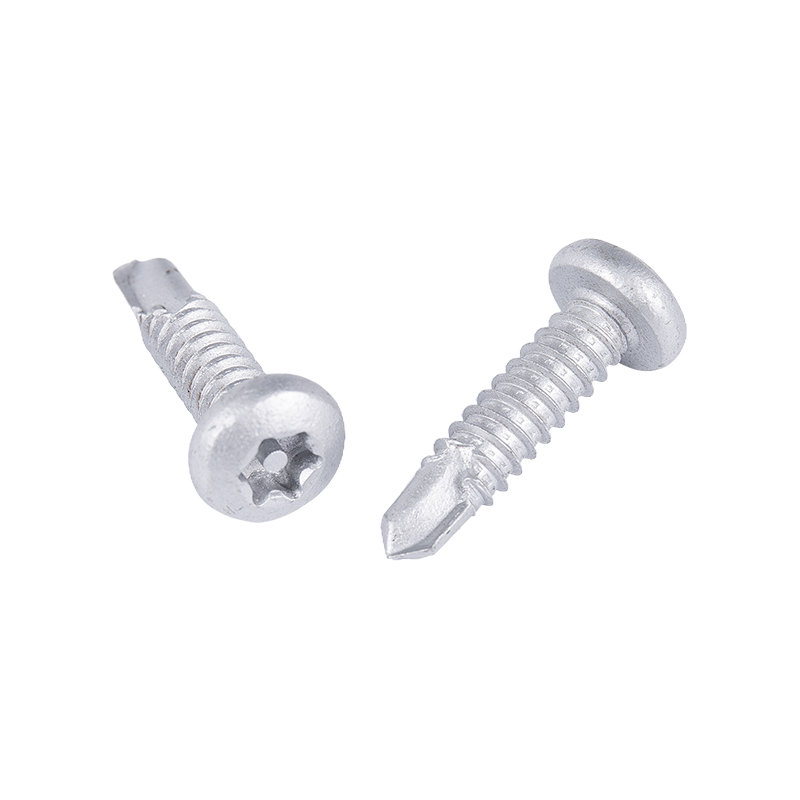
Machine screws feature standard machine threads that require pre-tapped holes or nuts for engagement. Self-tapping screws cut their own mating threads in pre-drilled holes. Machine screws provide consistent thread engagement in precision applications where tapping is already performed.
What is the recommended driver type for these screws?
Pan head machine screws are available with various drive types including Phillips, slotted, hex, and six-lobe. Select the appropriate driver based on the drive configuration specified for your application.
What is the difference between SUS410, SUS304, and SUS316 stainless steel?
SUS410 is martensitic stainless steel providing hardness for structural applications. SUS304 is austenitic stainless steel offering general corrosion resistance. SUS316 provides marine-grade protection with enhanced corrosion resistance in harsh environments.
What surface treatment provides the best corrosion protection?
Dacromet coating provides the highest salt spray resistance. For stainless steel fasteners, passivation enhances the natural oxide layer for improved corrosion resistance. Hot rustoleum offers protection for outdoor applications.
What is the recommended installation torque for these screws?
Installation torque varies by thread size, material, and application. Use torque-controlled drivers to prevent over-tightening. Consult the technical datasheet for recommended torque values based on screw specification and substrate material.
Can these screws be used with nuts?
Yes. Pan head machine screws are designed to mate with standard nuts of the corresponding thread size. Select nuts with matching thread specification and appropriate material compatibility for the application.
Installation Considerations
1
Ensure pre-tapped holes are within specified thread tolerance to prevent thread damage and ensure proper engagement.
2
Select the correct driver type and size that matches the screw head drive configuration to prevent driver slippage and damage.
3
Use torque-controlled installation tools to prevent over-tightening. The pan head should seat against the workpiece surface without damaging the head or surrounding material.
4
When using nuts, apply appropriate torque values and consider using lock washers or thread-locking compounds for vibration resistance.
5
Select the appropriate thread size and length based on the thickness of materials being fastened and thread engagement requirements.
6
For outdoor or corrosive environments, specify appropriate surface treatment such as Dacromet, hot rustoleum, or stainless steel grade based on exposure conditions.


 English
 Español
 عربى
عربى