English
 Español
 عربى
عربى


Countersunk Head Self-Drilling Screws
Cat:Self Drilling Screws
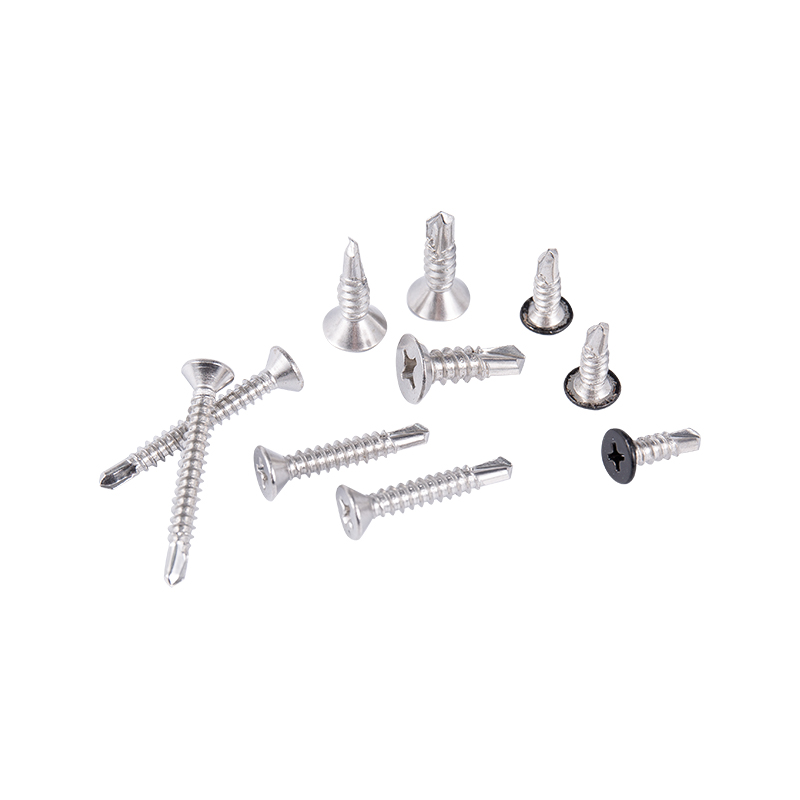
Countersunk self-drilling screws are widely used in furniture manufacturing, arc...
See Details


Content
In the world of metal fabrication, furniture manufacturing, and architectural metalwork, the selection of the right fastener is a critical decision that directly impacts product quality, installation efficiency, and long-term durability. Among the various types of self-drilling fasteners available, the Countersunk Head Self-Drilling Screw stands out as a versatile and reliable solution for applications requiring a flush surface finish. These precision-engineered fasteners combine the efficiency of self-drilling with the aesthetic benefits of a countersunk head, providing secure, flush connections that eliminate protrusions and interference with adjacent components. This article provides a comprehensive technical analysis of Countersunk Head Self-Drilling Screws, exploring their design, material options, surface treatments, and the critical factors that distinguish them from other self-drilling fasteners. For engineers, manufacturers, construction professionals, and procurement specialists seeking high-quality fastening solutions, understanding the nuances of these essential components is fundamental to ensuring product quality and installation reliability.
Before delving into the specific characteristics and applications of these fasteners, it is important to establish a clear understanding of what defines Countersunk Head Self-Drilling Screws. A self-drilling screw is a specialized fastener that combines a drill point with a thread-forming capability, allowing it to drill its own pilot hole and tap threads in a single operation. This eliminates the need for separate drilling and tapping steps, significantly reducing installation time and labor costs. The countersunk head configuration is the defining feature of these fasteners. Unlike flat or pan head designs, the countersunk head features a conical underside that allows the screw to sit flush with or below the surface of the workpiece. This provides a smooth, level appearance and eliminates protrusions that could interfere with adjacent components, finishing operations, or create safety hazards.
The design of the countersunk head is based on a specific included angle, typically 82 degrees or 90 degrees, which corresponds to standard countersink tools used in metal fabrication. When installed, the conical underside of the screw head mates with the countersunk hole, creating a seamless, flush finish. This design is particularly important in applications where surface smoothness is critical, such as furniture manufacturing, architectural metalwork, automotive body panels, and equipment enclosures.
Compared to traditional fasteners requiring pre-drilled holes, Countersunk Head Self-Drilling Screws offer several distinct advantages. The self-drilling capability eliminates the need for pilot holes, reducing installation time and tooling requirements. The countersunk head provides a flush surface finish, eliminating protrusions and enabling subsequent operations such as painting, coating, or assembly of adjacent components. The robust construction ensures reliable performance across a wide range of applications and material thicknesses.
The performance of Countersunk Head Self-Drilling Screws is defined not only by their geometry but also by the materials and specifications used in their manufacture. The selection of appropriate materials is critical for ensuring reliable performance in diverse applications and environments.
Countersunk Head Self-Drilling Screws are available in a range of material options to meet diverse application requirements. The material selection directly impacts the fastener's strength, corrosion resistance, and suitability for specific environments.
Carbon Steel (C1022A): C1022A is a high-carbon steel grade that provides excellent strength and hardness for general metal fastening applications. It is commonly used with corrosion-resistant coatings such as galvanizing or Dacromet to provide protection against environmental exposure. Carbon steel offers high tensile strength and hardness, making it suitable for demanding metal-to-metal fastening applications.
Stainless Steel (SUS410): SUS410 is a martensitic stainless steel known for its excellent hardness and corrosion resistance. It is particularly suitable for applications requiring high strength and moderate corrosion protection. The hardness of SUS410 makes it effective for self-drilling applications, as the drill point must be harder than the material being penetrated.
Stainless Steel (SUS304): SUS304 is the most common austenitic stainless steel, offering excellent general corrosion resistance for a wide range of indoor and outdoor applications. It is suitable for environments where moderate corrosion protection is required without the need for additional surface coatings.
Stainless Steel (SUS316): SUS316 is a marine-grade stainless steel that provides superior corrosion resistance, particularly in environments with high chloride exposure such as coastal areas or marine applications. The addition of molybdenum enhances its resistance to pitting and crevice corrosion.
Countersunk Head Self-Drilling Screws are manufactured to comply with international standards including DIN 7504P, ISO 15482, and ASME/ANSI B18.6.3, ensuring high quality and reliability. The screws are available in a comprehensive range of sizes to accommodate various applications:
Metric Specifications: ST3.5, ST3.9, ST4.2, ST4.8, ST5.5, and ST6.3 diameters, providing options for different material thicknesses and load requirements.
Imperial Specifications: 6#, 7#, 8#, 10#, 12#, 14#, and 1/4" sizes, ensuring compatibility with North American standard applications.
Surface treatments play a critical role in the performance and longevity of Countersunk Head Self-Drilling Screws. The selection of appropriate surface treatment is essential for ensuring corrosion resistance in various environmental conditions.
Passivation: A chemical treatment that removes surface contaminants and enhances the natural oxide layer on stainless steel, improving corrosion resistance. Passivation is commonly used for SUS304 and SUS316 fasteners to maximize their inherent corrosion protection.
Galvanizing: A zinc coating applied through electroplating or hot-dip processes that provides general corrosion protection for carbon steel fasteners. Galvanized screws are suitable for indoor applications and moderate outdoor environments.
Nickel Plating: An electroplated nickel coating that provides enhanced appearance and moderate corrosion resistance. Nickel-plated screws offer a bright, decorative finish suitable for visible applications.
Blackening: A chemical conversion coating that provides a dark, matte finish with moderate corrosion resistance. Blackened screws offer an aesthetic option for applications where appearance is important.
Dacromet Coating: A water-based zinc flake coating that provides high corrosion resistance with extended salt spray protection. Dacromet is particularly suitable for outdoor and industrial applications requiring long-term corrosion protection.
While all self-drilling screws offer the advantage of single-operation installation, the countersunk head provides specific benefits for applications requiring a flush surface finish. The following table provides a direct comparison to guide engineers and procurement specialists in selecting the appropriate fastener for their specific needs.
| Feature | Countersunk Head Self-Drilling | Hex Head Self-Drilling | Pan Head Self-Drilling |
|---|---|---|---|
| Head Configuration | Conical underside, flush mounting | Hexagonal drive, flange bearing surface | Rounded top, flat bearing surface |
| Surface Finish | Flush, level, no protrusions | Protruding, requires clearance | Protruding, requires clearance |
| Primary Advantage | Smooth appearance, allows subsequent operations | High torque capacity | Wide bearing surface, general purpose |
| Ideal Applications | Furniture, architecture, automotive, enclosures, flush assemblies | Structural steel, heavy equipment, infrastructure | General fabrication, sheet metal, light assemblies |
| Material Options | C1022A, SUS410, SUS304, SUS316 | SUS410, varied | Carbon steel, varied stainless |
| Specification Range | ST3.5 to ST6.3, 6# to 1/4" | ST5.5 and larger | ST3.5 to ST6.3 |
| Surface Treatments | Passivation, galvanized, nickel, blackened, Dacromet | Dacromet, varied | Galvanized, varied |
| Installation Torque | Controlled to prevent sinking | High, torque-controlled | Moderate |
The choice between countersunk head self-drilling screws and other head styles ultimately depends on the specific requirements of the application. If the primary need is for a flush surface finish without protrusions, the countersunk head is the ideal choice. For applications requiring high torque capacity and load distribution, hex head may be preferred. For general-purpose applications where appearance is less critical, pan head screws offer a cost-effective alternative.
The applications for Countersunk Head Self-Drilling Screws are extensive, spanning multiple industries from furniture manufacturing to architectural metalwork and automotive assembly.
In furniture manufacturing, Countersunk Head Self-Drilling Screws are widely used for assembling metal frames, attaching components to metal surfaces, and creating connections where a smooth, flush finish is essential. The countersunk head design allows the screw to sit level with the surface, preventing protrusions that could damage upholstery or create an uneven appearance.
In architectural metalwork and building facades, these screws are used for attaching metal panels, creating structural connections, and assembling metal framing systems. The flush finish provided by the countersunk head enables subsequent finishing operations such as painting, coating, or sealing, ensuring a consistent, professional appearance.
In automotive manufacturing and equipment enclosure assembly, Countersunk Head Self-Drilling Screws are used for attaching panels, creating flush connections, and securing components where surface smoothness is critical for aerodynamics, aesthetics, or functionality. The self-drilling capability eliminates the need for pre-drilling, improving production efficiency.
For businesses involved in international trade and manufacturing, sourcing Countersunk Head Self-Drilling Screws from a reliable supplier is paramount. Exporters should prioritize suppliers with a proven track record and established credentials, such as those with extensive industry experience and comprehensive quality control systems. The location of the manufacturer can also be a logistical advantage; for instance, suppliers based in regions with convenient access to major shipping ports can offer more efficient delivery and lower freight costs.
Key quality parameters to consider when evaluating Countersunk Head Self-Drilling Screws include:
Countersunk Head Self-Drilling Screws represent a critical component in the design and assembly of modern metal products and structures. The combination of self-drilling capability, flush mounting design, and material versatility makes these fasteners a reliable choice for a wide range of applications. The availability of multiple material options, including carbon steel and various stainless steel grades, provides engineers and manufacturers with the flexibility to select the optimal fastener for their specific requirements.
For manufacturers, engineers, and construction professionals working in furniture manufacturing, architectural metalwork, automotive assembly, and other sectors, understanding the unique advantages and specifications of Countersunk Head Self-Drilling Screws is essential for informed fastener selection. By choosing high-quality fasteners from a reputable supplier, businesses can ensure the quality, reliability, and longevity of their products. Whether used for creating flush furniture connections, assembling building facades, or securing automotive body panels, these essential components continue to prove their value in the global manufacturing industry.
The countersunk head allows the screw to sit flush with or below the workpiece surface, providing a smooth appearance and eliminating protrusions that could interfere with adjacent components, processes, or finishing operations. The self-drilling capability eliminates the need for pre-drilling, reducing installation time and costs.
Countersunk screws typically use 82-degree or 90-degree angles. Select based on the mating countersink in the workpiece. Verify the head angle against the countersink tool specification to ensure proper seating and flush mounting.
Carbon steel (C1022A) provides high strength for general applications and is typically used with corrosion-resistant coatings. Stainless steel (SUS410) offers hardness for structural applications, SUS304 provides general corrosion resistance, and SUS316 delivers superior marine-grade protection for harsh environments.
Dacromet coating provides the highest salt spray resistance, with tests reaching up to 1000 hours. Hot-dip galvanizing offers corrosion resistance for outdoor structural applications. For stainless steel fasteners, passivation treatment enhances the natural oxide layer for improved corrosion resistance.
Yes, but consider galvanic compatibility. Zinc-plated carbon steel screws can create galvanic corrosion with aluminum in certain environments. Specialized coatings or stainless steel options are recommended for long-term aluminum-to-metal applications.
1. Zhongke. (2026). Countersunk Head Self-Drilling Screws Product Specifications. Zhongke Product Catalog.
2. Zhongke. (2026). About Jiaxing Zhongke Metal Technology Co., Ltd. Company Profile.
3. Zhongke. (2026). News: Fastener Selection for Pre-Threaded Applications. Zhongke Industry News.
4. Zhongke. (2026). News: Selecting the Right Fastener for Metal-to-Metal Connections. Zhongke Industry News.
5. Deutsches Institut für Normung. (2021). DIN 7504P: Self-Drilling Screws for Metal. DIN Standards.
6. International Organization for Standardization. (2022). ISO 15482: Self-Drilling Screws - Specifications. ISO Standards.
7. American Society of Mechanical Engineers. (2021). ASME/ANSI B18.6.3: Machine Screws and Tapping Screws. ASME Standards.
8. American Society for Testing and Materials. (2023). ASTM A954: Standard Specification for Stainless Steel Fasteners. ASTM International.
9. American Society for Testing and Materials. (2022). ASTM B117: Standard Practice for Operating Salt Spray (Fog) Apparatus. ASTM International.
10. Industrial Fastener Institute. (2024). Self-Drilling Screw Design and Application Guide. IFI Technical Bulletin, 22(3), 15-29.
11. National Association of Architectural Metal Manufacturers. (2023). Fastening Guidelines for Architectural Metalwork. NAAMM Technical Report, 19(2), 33-47.
12. International Organization for Standardization. (2023). ISO 9001: Quality Management Systems - Requirements. ISO Standards.
Countersunk self-drilling screws are widely used in furniture manufacturing, arc...
See Details
Monomer gaskets and conjoined gaskets are two types of sealing materials widely ...
See Details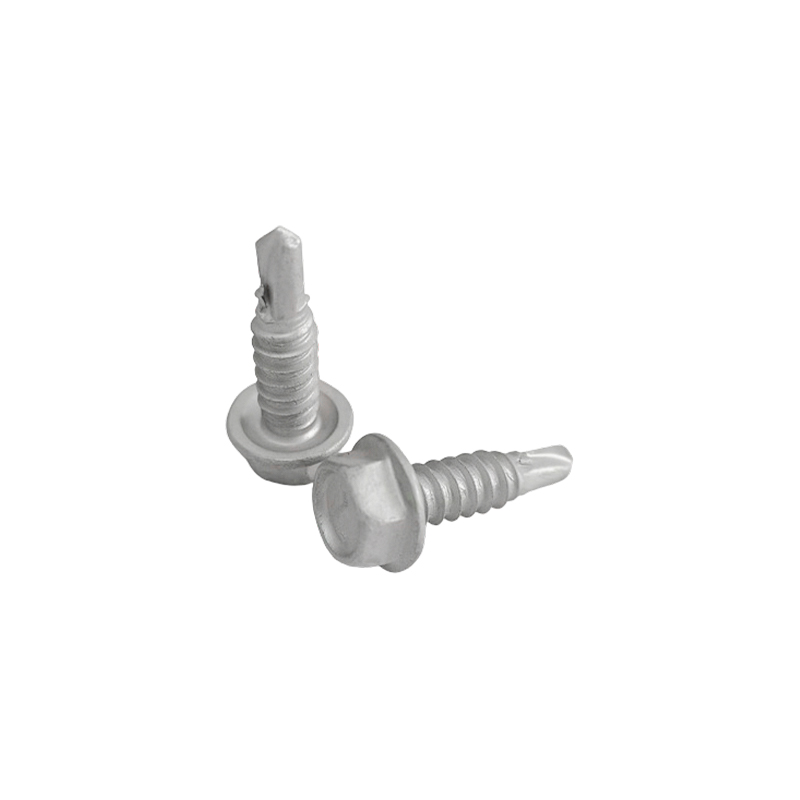
These hexagonal flanged stitching bolts are available in sizes from 1/4 to 14*7/...
See Details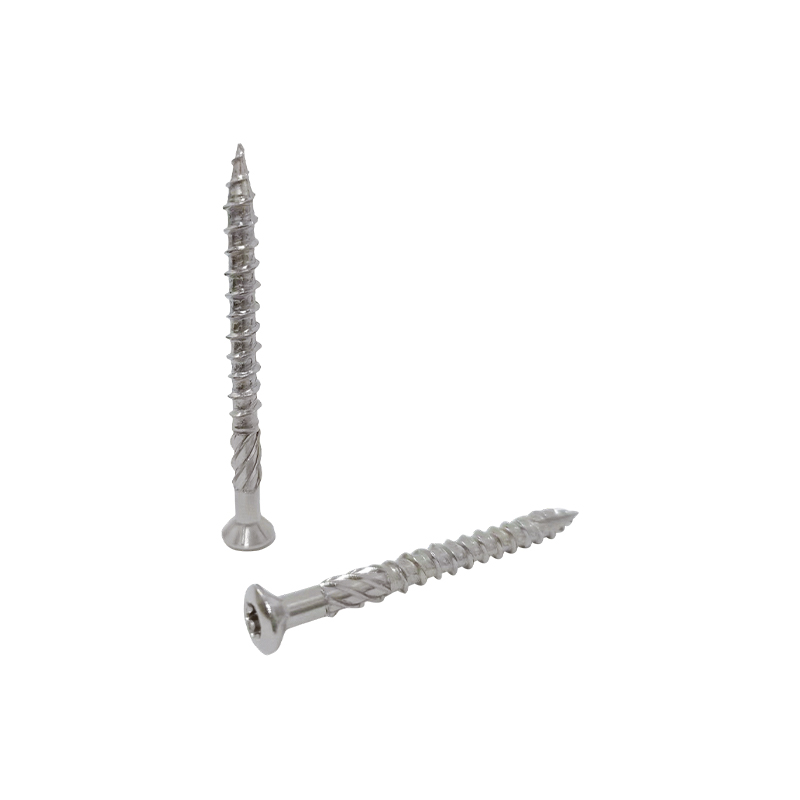
This Semi Countersunk Hexalabular Six-Bevel Rib Chipboard Screw features a speci...
See Details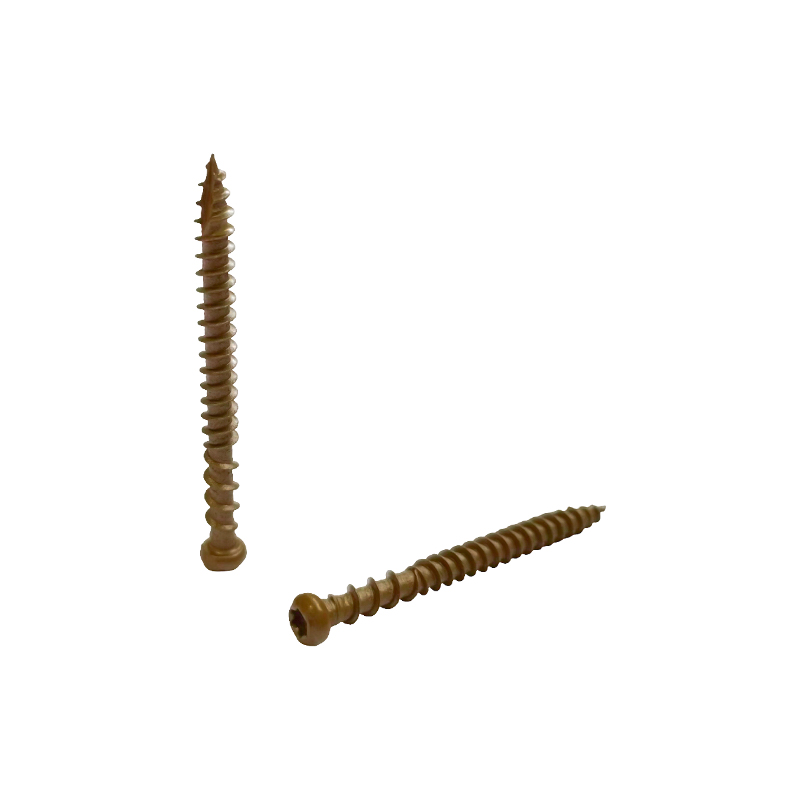
This Round Head Six Lobe Type 17 Self Tapping Screw is manufactured from SUS304 ...
See Details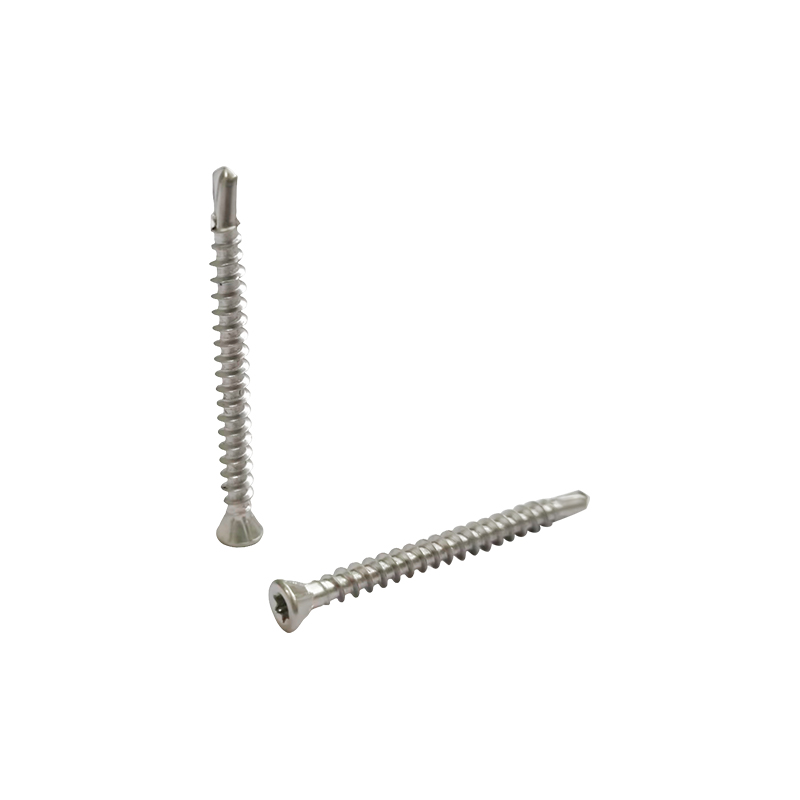
The CSK Six Lobe And Rib Self Drilling Screw is a fastener featuring a specific ...
See Details+86-13705735391
+86-18868359082
+86-573-83128088
+86-573-83128123
No. 2155, Shuanglong Road, Nanhu District, Jia Xing City, Zhejiang Province
Copyright © Jiaxing Zhongke Metal Technology Co.,Ltd. All Rights Reserved.Custom High Strength Stainless Steel Fasteners Manufacturers Provider