English
 Español
 عربى
عربى


Pan Head Self-Drilling Screws
Cat:Self Drilling Screws
Pan Head Self-Drilling Screws are a type of fastener widely used in construction...
See Details


Content
In mechanical engineering and construction, the integrity of an assembly often depends on the smallest components. A bolt nuts washer combination forms the backbone of countless structures, from bridges to heavy machinery. For procurement professionals and engineers, selecting the correct fasteners is not a simple task. It requires a deep understanding of material grades, thread standards, and load-bearing calculations. This article provides a technical overview to help buyers make informed decisions based on real industry standards.
A bolt nut washer assembly functions as a unified mechanical system. The bolt provides the clamping force through its threaded engagement with the nut. The washer serves a critical role: it distributes the load over a larger surface area, prevents damage to the mating material, and reduces the risk of loosening due to vibration. Engineers must consider these three components together because mismatched specifications can lead to premature failure.
Material selection directly determines performance under stress. For steel fasteners, the SAE J429 and ASTM A325 standards define grade markings. A common mistake in procurement is selecting bolts and nuts with different strength grades. When a lower-grade nut is paired with a high-strength bolt, the nut's threads may strip before the bolt reaches its proof load.
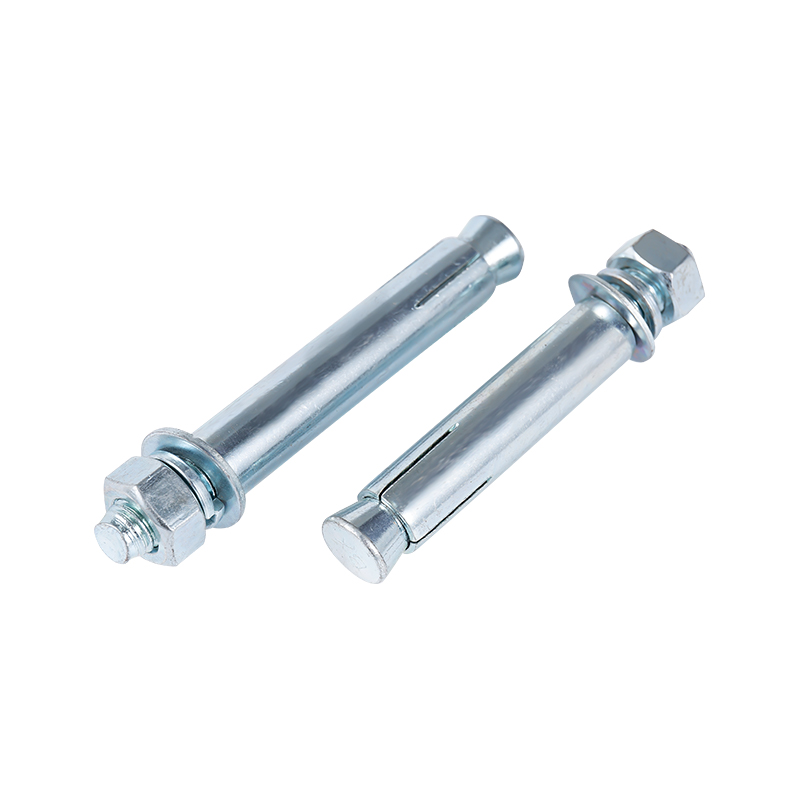
The table below compares common material grades used in industrial fastener assemblies:
| Grade/Standard | Material Type | Tensile Strength (psi) | Typical Applications |
|---|---|---|---|
| SAE Grade 2 | Low-carbon steel | 60,000 - 74,000 | Light-duty, non-critical assemblies |
| SAE Grade 5 | Medium-carbon steel, quenched and tempered | 105,000 - 120,000 | Automotive, machinery, structural connections |
| SAE Grade 8 | Medium-carbon alloy steel, quenched and tempered | 150,000 minimum | High-stress applications, heavy equipment |
| ASTM A193 B7 | Chromium-molybdenum steel | 125,000 minimum | High-temperature, high-pressure bolting |
| Stainless Steel 316 | Austenitic chromium-nickel alloy | 70,000 - 85,000 | Marine environments, chemical processing |
Industry professionals frequently search for specific fastener solutions. Understanding these search patterns helps align product specifications with market demand. The following five long-tail keywords represent high-intent queries from engineers and procurement specialists.
This term focuses on assemblies designed for structural integrity. High-tensile fasteners typically meet SAE Grade 8 or ASTM A325 specifications. When sourcing a high tensile bolt nuts washer set, buyers must verify the proof load and yield strength certifications. These sets are commonly used in bridge construction, heavy equipment manufacturing, and seismic-resistant building frames.
Corrosion resistance is a primary concern in outdoor, marine, and food processing applications. A stainless steel bolt nuts washer assortment typically includes 304 or 316 grade materials. Type 316 offers superior resistance to chlorides and acidic environments. Buyers should request mill test reports to confirm the material composition, especially for projects with strict corrosion protection requirements.
Heavy hex fasteners have larger wrench flats and thicker heads compared to standard hex bolts. The heavy hex bolt nuts washer dimensions are governed by ASME B18.2.1 for bolts and ASME B18.2.2 for nuts. These dimensions matter because they affect the bearing surface and the required clearance. Engineers use heavy hex configurations in structural steel connections where higher torque values are required.
Zinc plating is a common, cost-effective coating for carbon steel fasteners. However, zinc-plated bolt nuts' corrosion resistance depends on the plating thickness and the presence of a chromate conversion coating. Standard electroplated zinc typically provides 50 to 100 hours of salt spray resistance. For outdoor applications, hot-dip galvanized or mechanically galvanized finishes offer significantly longer protection, often exceeding 500 hours in ASTM B117 testing.
Metric fasteners follow ISO standards, with thread pitch specified in millimeters. Ensuring metric bolt nuts washer thread compatibility requires matching the thread pitch, diameter, and tolerance class. Common metric grades include 8.8, 10.9, and 12.9. Grade 10.9 is approximately equivalent to SAE Grade 8. Engineers must verify that the nut's property class matches or exceeds the bolt's grade to maintain assembly strength.
Washers are often overlooked, yet they perform critical mechanical functions. The choice of a washer directly affects the reliability of a bolt-nut-washer assembly.
Proper thread engagement is essential for achieving the full strength of a bolt nuts washer assembly. For steel bolts and nuts, a minimum engagement of one full thread diameter is typically required. For softer materials like aluminum, the engagement length should be at least twice the bolt diameter to prevent thread stripping.
Clamping force, or preload, is created by applying torque to the nut or bolt head. Engineers use the formula T = K × D × F, where T is torque, K is the nut factor (which varies with lubrication and plating), D is nominal diameter, and F is desired preload. For critical assemblies, torque-angle tightening methods provide more consistent preload than simple torque-only control.
For B2B procurement, adherence to recognized standards is non-negotiable. Reputable suppliers provide documentation that verifies compliance with ASTM, SAE, ISO, or DIN specifications. Buyers should request certificates of conformance and, for high-value projects, third-party test reports confirming tensile strength, hardness, and coating thickness.
Industry standards require that the nut's property class be at least equal to the bolt's grade. For example, a Grade 8 bolt must be paired with a Grade 8 or higher nut. If a lower-grade nut is used, the nut's threads will strip under load before the bolt reaches its tensile capacity. This principle applies to both inch-series and metric fasteners, where a 10.9 bolt requires a 10.9 or 12.9 nut.
A flat washer should always be used under the bolt head and nut when the bearing surface is not perfectly flat or when the material is soft. A lock washer may be added, but engineering studies from the Fastener Advisory Council indicate that lock washers do not significantly improve vibration resistance in properly torqued joints. For critical applications, prevailing torque nuts, thread adhesives, or mechanical locking features are more reliable than split lock washers.
Torque requirements depend on the bolt diameter, material grade, lubrication condition, and desired preload. The standard formula is T = K × D × F, where K typically ranges from 0.15 for lubricated fasteners to 0.20 for as-received plated fasteners. You must obtain the recommended torque values from the fastener manufacturer based on the specific coating and lubrication condition to avoid under-tightening or over-tightening, which can cause joint failure.
Zinc-plated fasteners receive a thin electroplated coating, typically 5 to 15 microns thick. This finish provides moderate corrosion resistance suitable for indoor or dry applications. Hot-dip galvanized fasteners are immersed in molten zinc, resulting in a coating thickness of 40 to 100 microns. This provides superior corrosion protection for outdoor, marine, and industrial environments. However, the thicker coating affects thread fit, so hot-dip galvanized nuts are tapped oversized to accommodate the coating on the bolt threads.
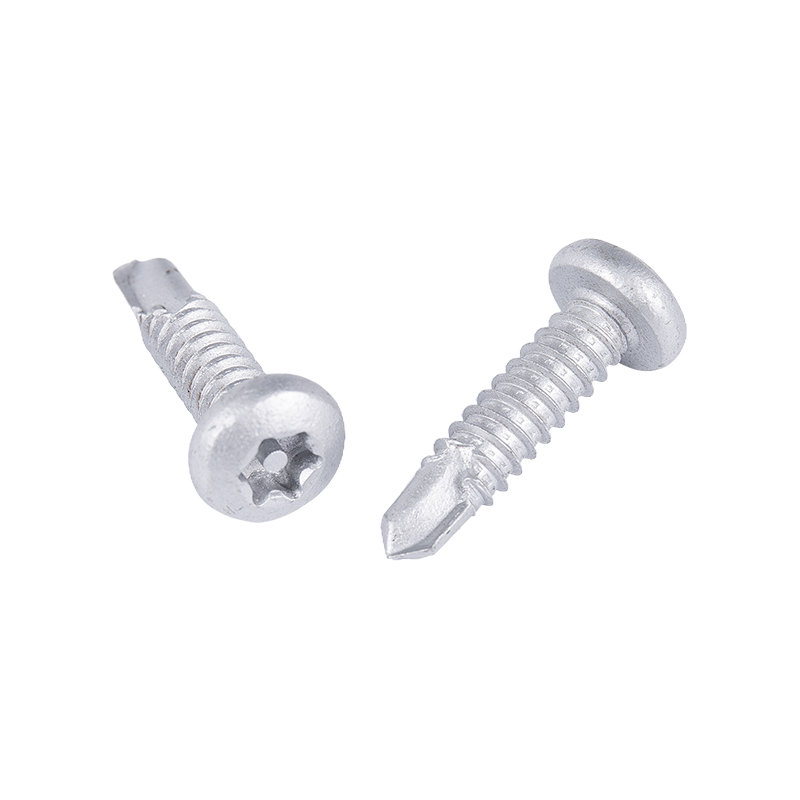
Pan Head Self-Drilling Screws are a type of fastener widely used in construction...
See Details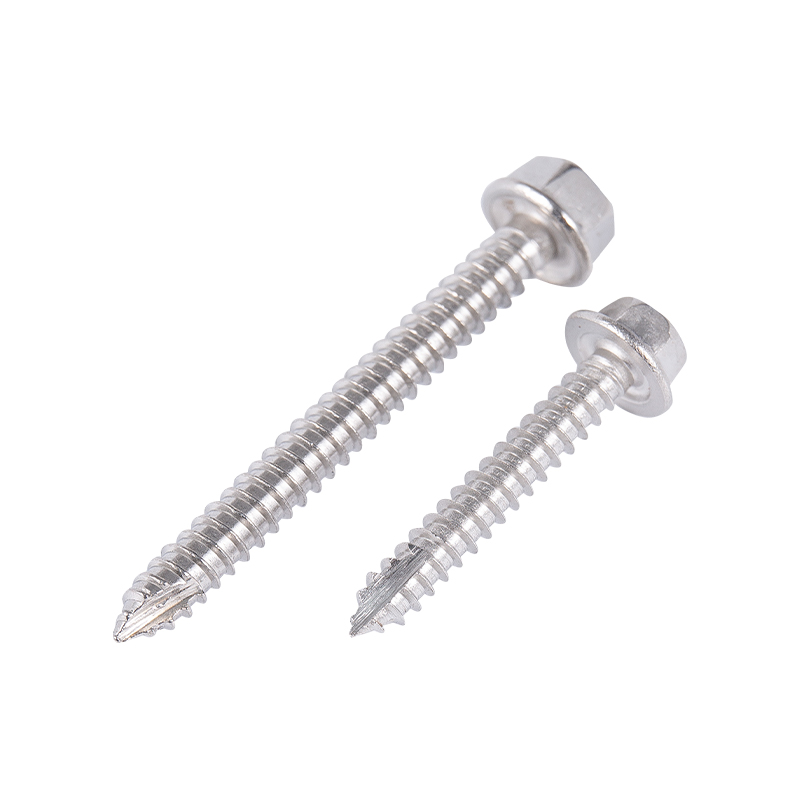
Hexagon head sharp point self-tapping screws are an efficient and convenient fas...
See Details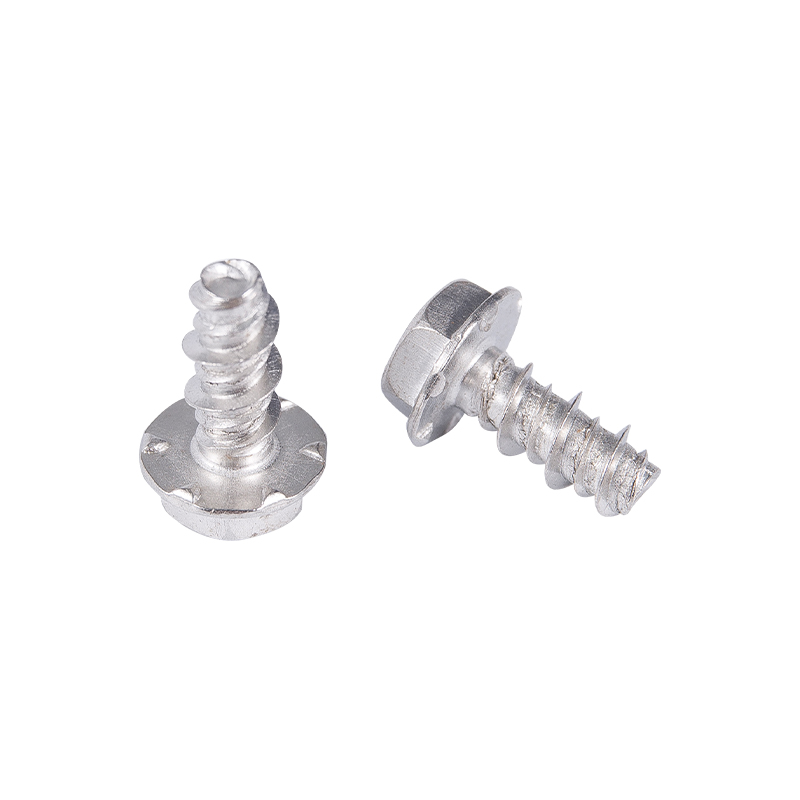
The design feature of the flat-tail self-tapping screw is that the tail has a sc...
See Details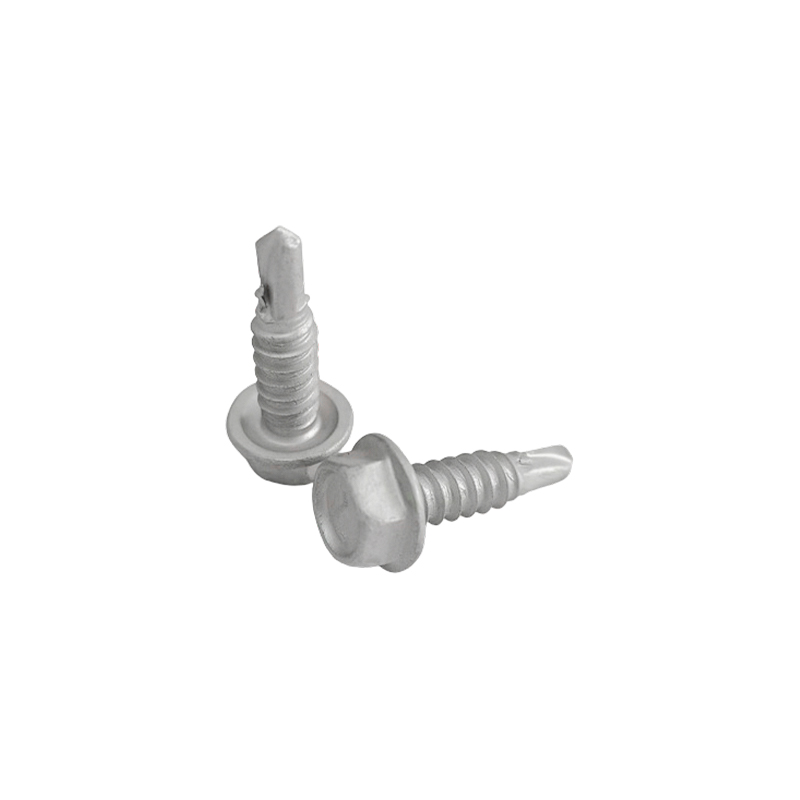
These hexagonal flanged stitching bolts are available in sizes from 1/4 to 14*7/...
See Details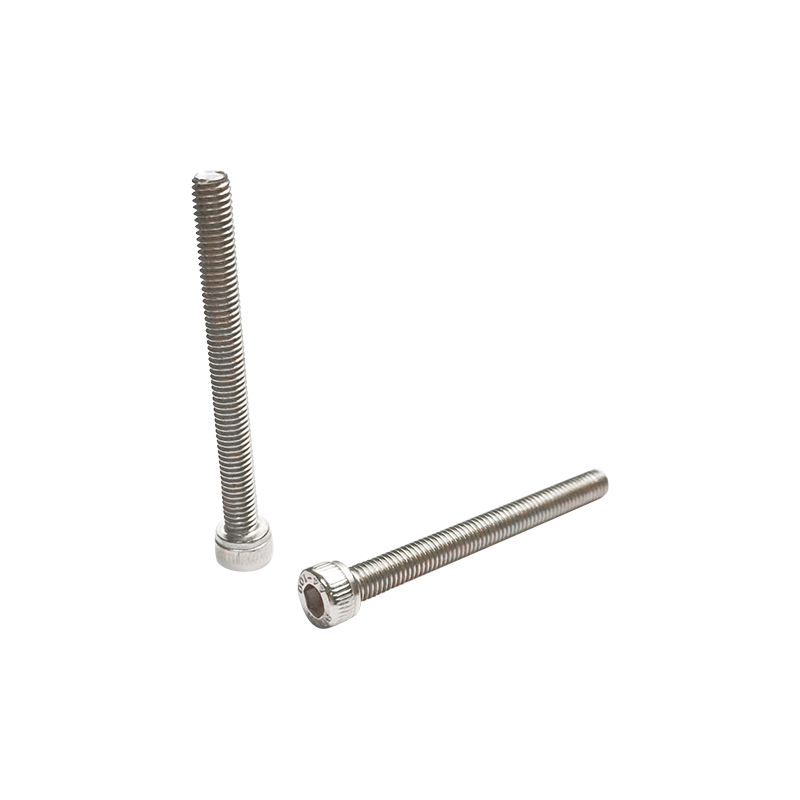
The Socket Cap Head Internal Hexagonal Machine Screw is a threaded fastener char...
See Details+86-13705735391
+86-18868359082
+86-573-83128088
+86-573-83128123
No. 2155, Shuanglong Road, Nanhu District, Jia Xing City, Zhejiang Province
Copyright © Jiaxing Zhongke Metal Technology Co.,Ltd. All Rights Reserved.Custom High Strength Stainless Steel Fasteners Manufacturers Provider