English
 Español
 عربى
عربى


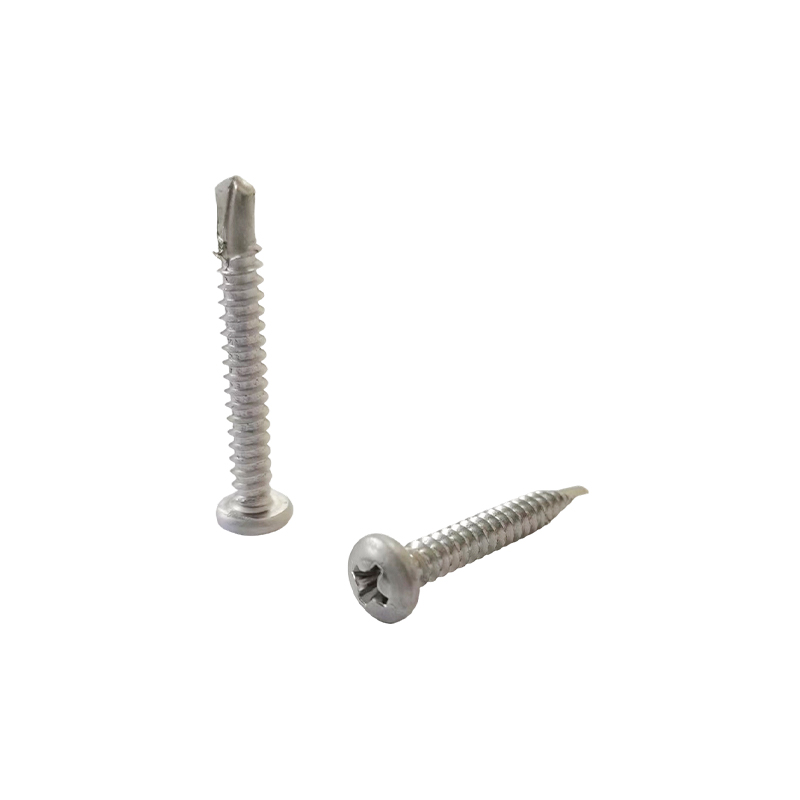
Pan Head Self-Drilling Screws
Cat:Self Drilling Screws
Pan Head Self-Drilling Screws are a type of fastener widely used in construction...
See Details


Content
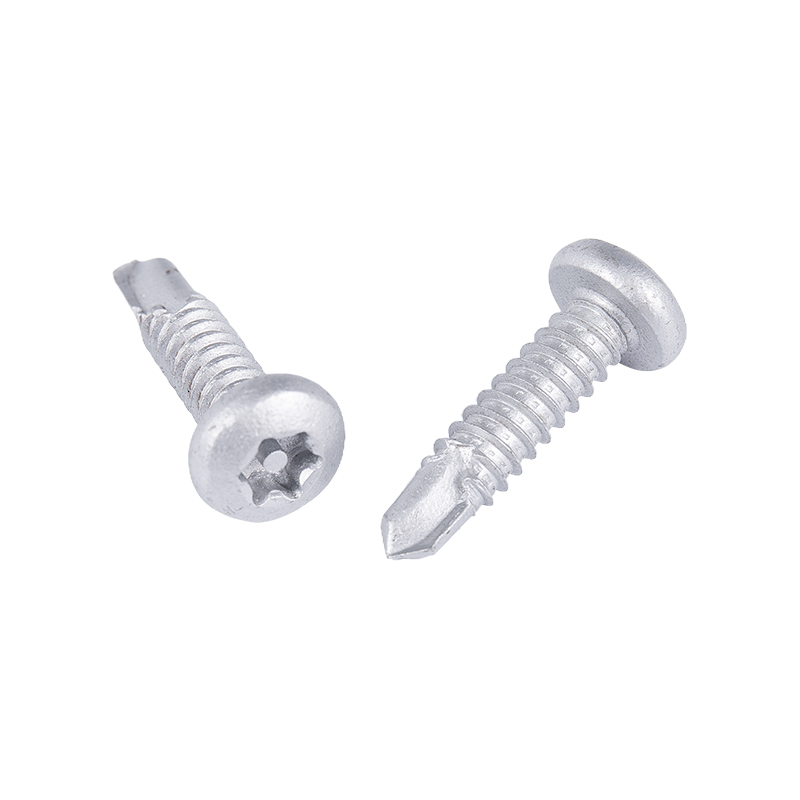
When selecting fasteners for critical applications, understanding the specific capabilities of stainless steel self drilling screws can significantly impact project longevity and structural integrity. These specialized fasteners combine corrosion resistance with self-tapping functionality, eliminating the need for pre-drilling while maintaining superior holding power in demanding environments.
Jiaxing Zhongke Metal Technology Co.,Ltd., located in the Industrial Park of Xinfeng Town, Nanhu District, Jiaxing City, Zhejiang Province, operates as a comprehensive manufacturer specializing in heat treatment equipment development, design, and production. With machinery exclusively imported from Taiwan, the company leverages decades of metallurgical expertise to produce high-strength stainless steel fasteners. As China Custom High Strength Stainless Steel Fasteners Manufacturers Exporter, Jiaxing Zhongke engages in the design, development, and manufacturing of general components, automotive parts, and premium fasteners, providing advanced heat treatment process design and processing services for various metal materials.
Self drilling screws, often referred to as self-tapping or Tek screws, feature a hardened drill point at the tip that enables penetration through metal substrates without pilot holes. This design reduces installation time by 40-60% compared to conventional drilling and tapping methods. The critical distinction lies in the heat treatment process applied to the drill point, which must achieve Rockwell hardness C 50-55 to effectively pierce steel plates up to 12 gauge thickness.
The manufacturing process involves three critical stages:
Selecting the appropriate stainless steel grade requires understanding the trade-offs between hardness, corrosion resistance, and cost. Martensitic 410 stainless steel offers superior hardness through heat treatment, making it ideal for self-drilling applications. Austenitic 316 stainless steel provides exceptional corrosion resistance but requires specialized manufacturing techniques to achieve adequate drill point hardness.
The performance characteristics differ significantly between these grades:
| Property | 410 Stainless Steel | 316 Stainless Steel |
| Hardness (HRC) | 38-45 (bulk), 50-55 (drill point) | 25-30 (bulk), 45-50 (drill point after treatment) |
| Corrosion Resistance | Moderate (resists atmospheric corrosion) | Excellent (resists chlorides and salt spray) |
| Magnetic Properties | Magnetic | Non-magnetic |
| Typical Applications | Metal roofing, general construction | Marine environments, chemical processing |
| Cost Index | 1.0 (baseline) | 1.8-2.2x |
410 stainless steel self drilling screws for metal roofing represent the optimal balance of hardness and cost-effectiveness for above-grade structural applications. The martensitic structure of 410 grade, when properly heat-treated, achieves sufficient surface hardness to penetrate 22-18 gauge steel roofing panels while maintaining enough core toughness to resist shear forces from thermal expansion and wind uplift.
Metal roofing systems experience significant thermal cycling, with surface temperatures ranging from -20°C to 80°C in typical climates. This expansion-contraction cycle places cyclic loading on fasteners, requiring materials with high fatigue resistance. The precipitation hardening capability of 410 stainless steel allows manufacturers to optimize the microstructure for these specific mechanical demands.
Effective roofing screws must address multiple environmental stressors simultaneously. The design parameters include:
Proper installation technique significantly impacts fastener performance. The screw gun torque setting should achieve 15-20 N·m of seating torque without stripping. Over-driving compromises the washer seal, while under-driving leaves gaps for moisture intrusion. Installation speed should not exceed 2500 RPM to prevent work-hardening of the substrate material around the penetration.
Marine atmospheres present the most aggressive corrosion environment for metallic fasteners, with chloride concentrations in coastal air reaching 10-50 mg/m²/day. Standard carbon steel fasteners exhibit pitting corrosion within 6-12 months in these conditions. Hex head stainless steel self drilling screws marine grade must withstand not only atmospheric corrosion but also galvanic coupling with dissimilar metals commonly found in boat construction and dock infrastructure.
The hex head configuration provides specific advantages in marine applications:
The external hex design distributes driving torque across six contact surfaces, reducing the risk of head stripping during installation into hardwoods or thick aluminum extrusions common in marine fabrication. For applications requiring frequent disassembly, such as access panels or removable railings, hex heads accommodate standard socket wrenches without specialized bits.
The production of marine-grade fasteners requires precise control over surface finish and thread geometry. Cold-forming equipment imported from Taiwan enables Jiaxing Zhongke to maintain thread tolerances within ISO 965-2 Class 6g specifications, ensuring consistent engagement with tapped holes or nuts. The surface roughness Ra 0.8-1.6μm achieved through precision rolling reduces crevice corrosion initiation sites.
Stainless steel self drilling screws with rubber washer integrate elastomeric sealing elements directly at the fastener head, creating a pressure-tight seal without secondary gaskets. The washer material—typically EPDM (ethylene propylene diene monomer) or neoprene—must resist UV degradation, temperature cycling from -40°C to 120°C, and compression set over 20-year service life.
The sealing mechanism relies on controlled compression of the washer material between the screw head and substrate. Optimal compression ratios fall between 15-25% of original thickness. Insufficient compression allows water migration; excessive compression causes premature elastomer failure.
These specialized fasteners prove critical in:
Material selection depends on chemical exposure and temperature requirements:
| Washer Material | Temperature Range | Chemical Resistance | UV Stability | Cost Factor |
| EPDM | -50°C to 150°C | Excellent (ozone, weathering) | Superior | 1.0 (baseline) |
| Neoprene (CR) | -40°C to 120°C | Good (oils, moderate chemicals) | Good | 1.2x |
| Silicone (VMQ) | -60°C to 230°C | Excellent (high temp) | Excellent | 2.5x |
| Nitrile (NBR) | -30°C to 100°C | Excellent (petroleum products) | Poor | 0.9x |
316 stainless steel self drilling screws for coastal areas contain 2-3% molybdenum addition to the base 18/8 chromium-nickel composition, providing pitting resistance equivalent numbers (PREN) of 23-28 compared to 18-21 for 304 grade. This enhanced resistance proves critical within 5km of saltwater bodies where chloride-induced stress corrosion cracking threatens standard austenitic grades.
The molybdenum content forms stable carbides that prevent chromium depletion at grain boundaries, maintaining passivation layer integrity even in crevices or under deposits. For structures within 1km of breaking surf, 316 grade represents the minimum specification for structural fasteners.
Lifecycle costing analysis reveals that while 316 grade fasteners cost 80-120% more than 410 grade initially, the 25-30 year service life in coastal environments compares favorably against 5-8 year replacement cycles required for lower grades. The total cost of ownership calculation must include:
Manufacturing self-drilling screws from 316 stainless steel presents metallurgical challenges due to the material's work-hardening characteristics. Jiaxing Zhongke applies proprietary heat treatment protocols developed for their Taiwan-imported equipment, achieving drill point hardness of HRC 45-50 while maintaining the base material's corrosion resistance. The process involves solution annealing at 1050°C followed by controlled rapid cooling, then selective induction hardening of the drill point region.
Heavy duty stainless steel self drilling screws 12 gauge must penetrate 2.7mm (0.105 inch) thick steel substrates while maintaining thread engagement depth sufficient for structural loads. These applications require screws with minimum 5.5mm (#12) or 6.3mm (#14) diameters, with drill points hardened to HRC 52-55 to prevent point deformation during penetration.
Structural engineering calculations for these fasteners consider:
Heavy-duty specifications prove essential in:
Jiaxing Zhongke Metal Technology Co.,Ltd. utilizes their heat treatment equipment expertise to develop custom fastener solutions for extreme-duty applications. The capability to design specialized heat treatment processes allows optimization of case depth and hardness gradients for specific substrate combinations. For 12 gauge steel applications, they provide screws with dual-zone hardness: HRC 52-55 at the drill point transitioning to HRC 32-38 in the shank for optimal torque transmission without brittle fracture.
Selecting a fastener supplier requires evaluation beyond unit pricing. Critical qualification criteria include:
Jiaxing Zhongke's unique position as a heat treatment equipment manufacturer provides deep understanding of metallurgical transformation processes. This expertise translates into superior fastener products through:
The company's location in Jiaxing City, Zhejiang Province, positions them within China's advanced manufacturing corridor, with logistics access to Shanghai Port for international export operations.
410 grade provides adequate performance in coastal environments when protected by paint or coating systems, or when used in non-structural applications with 10-15 year replacement cycles. For permanent structural connections within 1km of saltwater, 316 grade is strongly recommended despite higher initial cost.
Optimal torque depends on washer diameter and material hardness, but generally falls between 12-18 N·m for M5 screws and 18-25 N·m for M6 screws. Using torque-limiting screw guns or clutch mechanisms prevents over-compression. The washer should compress to 75-85% of original thickness without extruding beyond the screw head diameter.
Hex heads provide superior torque transmission and resistance to driver cam-out during installation into dense hardwoods or thick aluminum. Pan heads offer lower profile and better aesthetics for visible applications but require careful torque control to prevent stripping. For submersible or splash-zone marine applications, hex heads with mechanical locking washers provide more reliable clamping force retention.
Screws rated for 12 gauge steel (2.7mm) can typically penetrate up to 4.5mm total steel thickness when drilling through two overlapping 12 gauge sheets. For single-sheet applications in 10 gauge (3.4mm) or 3/16" (4.8mm) steel, specialized heavy-duty points with reduced drill angle (100-105 degrees) and enhanced flute design are required to prevent point breakage.
Jiaxing Zhongke implements continuous monitoring of furnace atmospheres, temperature uniformity surveys per AMS 2750, and statistical sampling of hardness profiles. Their Taiwan-imported equipment features programmable logic controllers (PLC) with recipe management for different fastener specifications, ensuring repeatable metallurgical outcomes. Each production lot undergoes destructive testing of sample fasteners to verify drill point hardness and core toughness meet specification.
Selecting the appropriate stainless steel self drilling screws requires matching material grade, head style, and load capacity to specific environmental and mechanical demands. From 410 stainless steel self drilling screws for metal roofing to 316 stainless steel self drilling screws for coastal areas, understanding the metallurgical and design parameters ensures optimal performance. For specialized applications requiring hex head stainless steel self drilling screws marine grade, stainless steel self drilling screws with rubber washer, or heavy duty stainless steel self drilling screws 12 gauge, partnering with manufacturers possessing deep heat treatment expertise—such as Jiaxing Zhongke Metal Technology Co.,Ltd.—provides assurance of consistent quality and technical support.
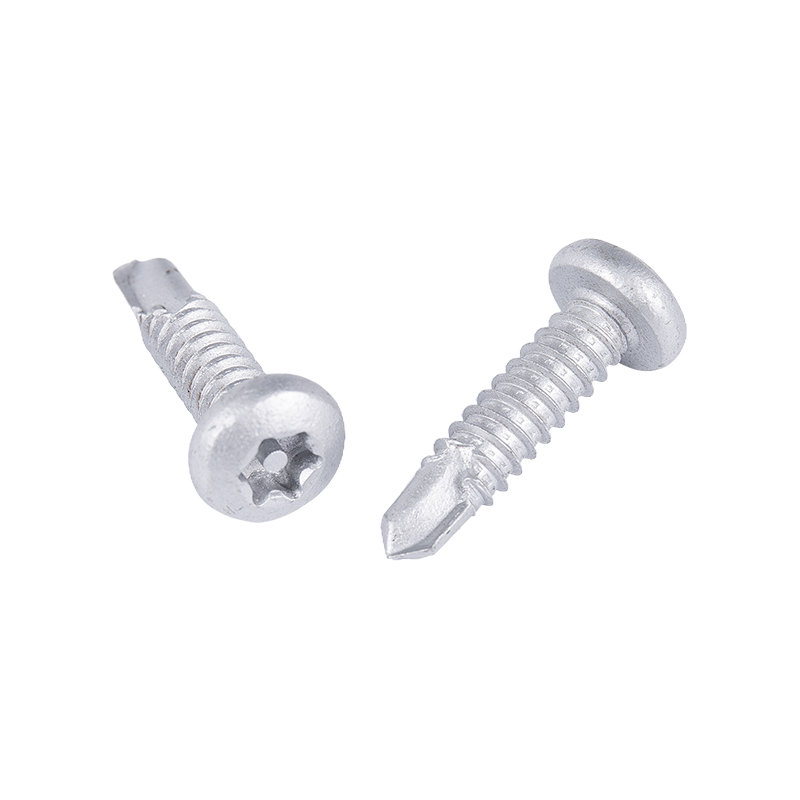
Pan Head Self-Drilling Screws are a type of fastener widely used in construction...
See Details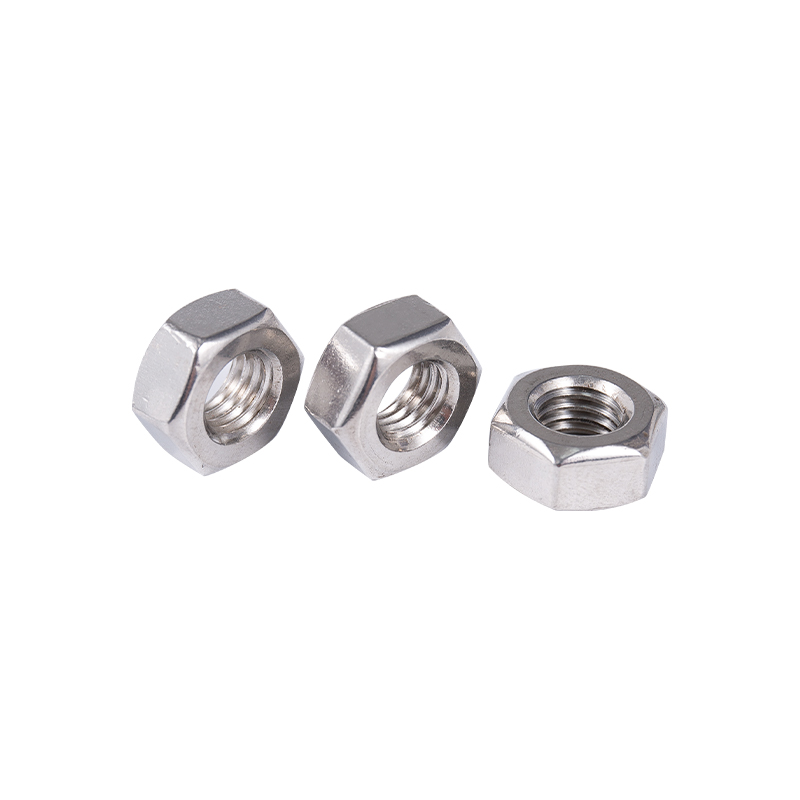
Ordinary nuts, flange nuts and anti-loosening nuts are three common fasteners, e...
See Details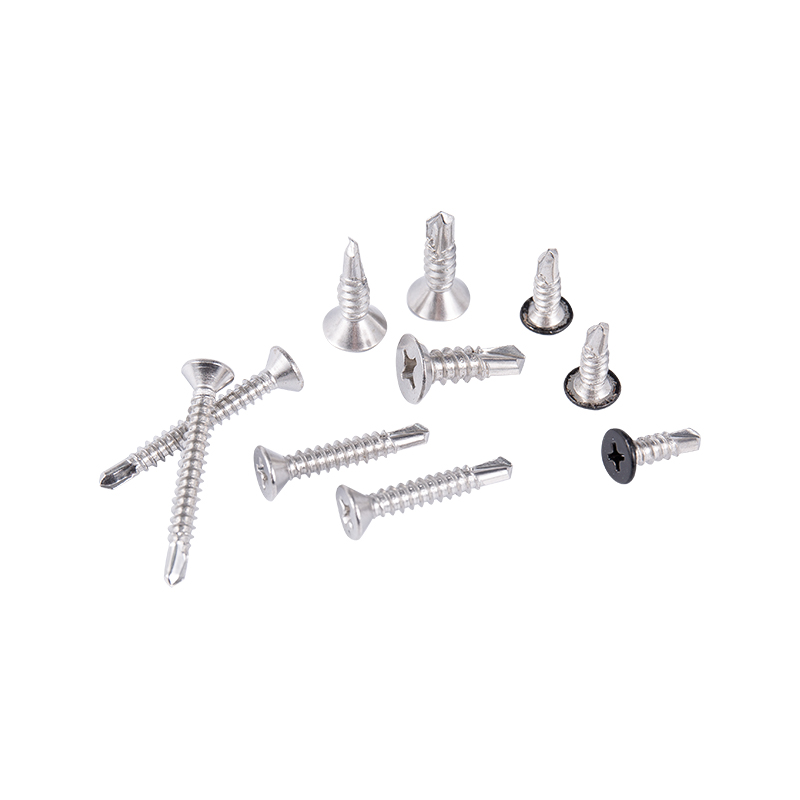
Countersunk self-drilling screws are widely used in furniture manufacturing, arc...
See Details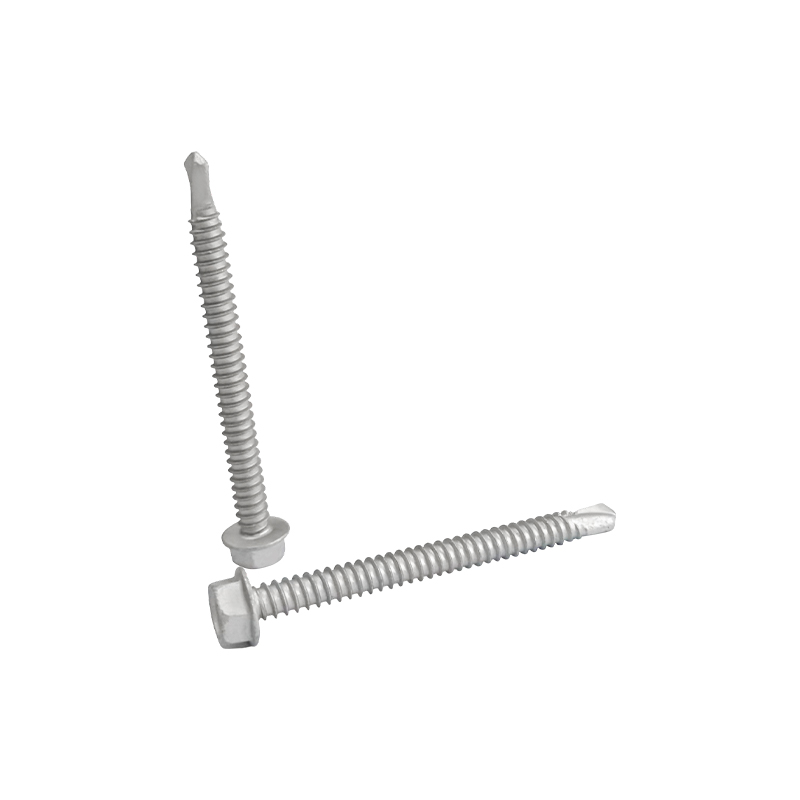
The Hexagonal Flange Self-Drilling Screw is a fastener featuring a hex flange he...
See Details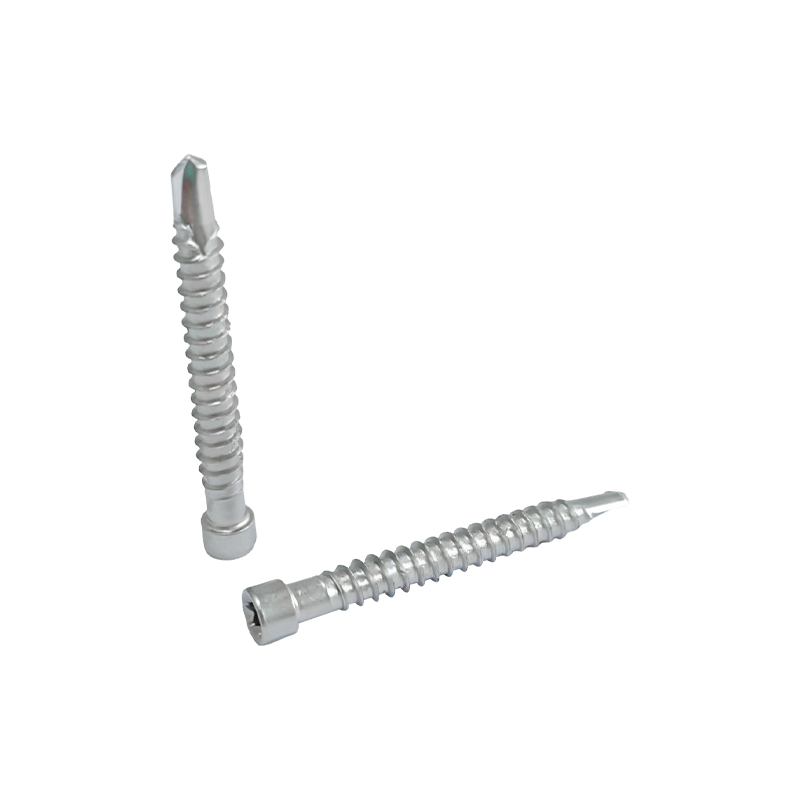
This Cylindrical Head Inner Hexagon Self Drilling Screw features a specification...
See Details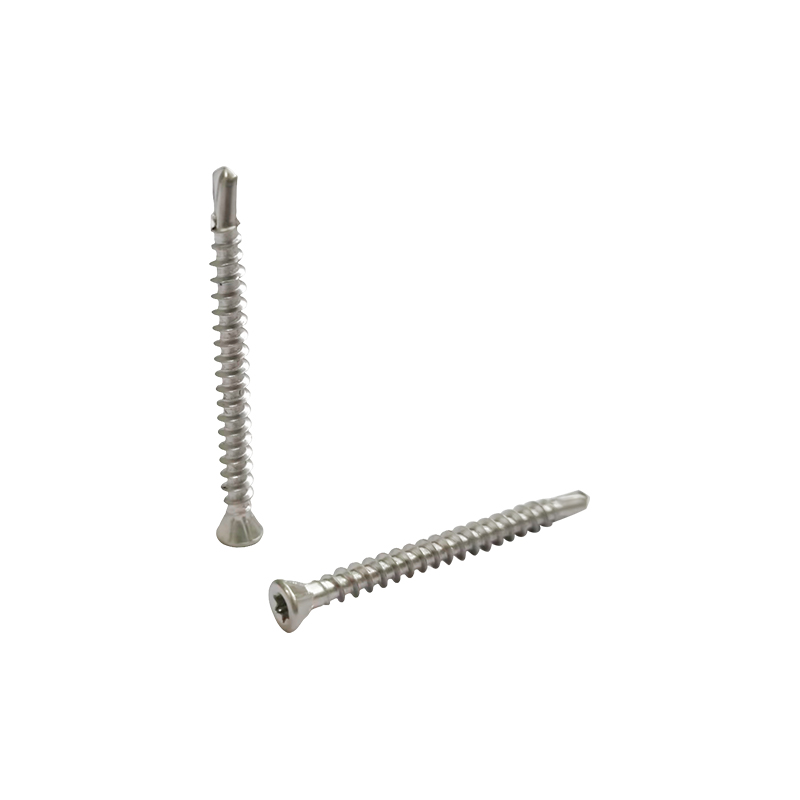
The CSK Six Lobe And Rib Self Drilling Screw is a fastener featuring a specific ...
See Details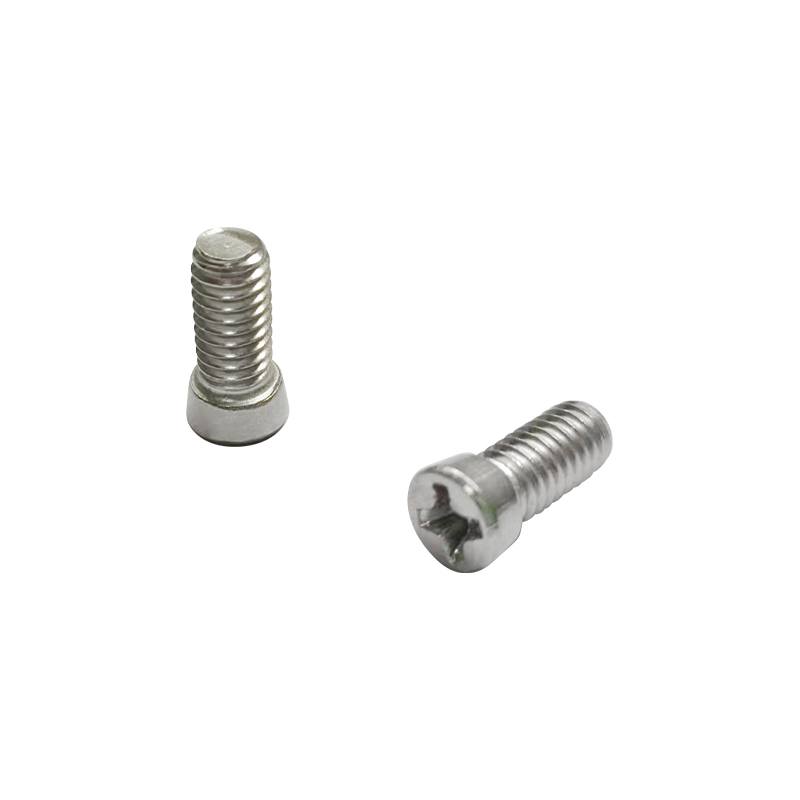
This Cylinder Head Cross Recessed Machine Screw features a specification of M5-0...
See Details+86-13705735391
+86-18868359082
+86-573-83128088
+86-573-83128123
No. 2155, Shuanglong Road, Nanhu District, Jia Xing City, Zhejiang Province
Copyright © Jiaxing Zhongke Metal Technology Co.,Ltd. All Rights Reserved.Custom High Strength Stainless Steel Fasteners Manufacturers Provider