English
 Español
 عربى
عربى


Flat Washer Spring Lock Washer
Cat:Metal Washer
Flat washers and spring washers are fastener accessories widely used in industry...
See Details


Content
Fasteners play a pivotal role in the structural integrity of engineering projects. Among these, Self-Tapping Screws stand out for their ability to create internal threads within a pre-drilled hole. This mechanism eliminates the need for a separate nut or tapping tool, thereby streamlining the assembly process. Engineers value these screws for their efficiency in joining materials ranging from sheet metal to plastic.
The core principle involves the screw's threads displacing or removing material as it is driven in. The leading threads are designed to cut into the substrate, forming a mating thread that provides a tight fit. This process ensures that the fastener resists loosening under vibration. The design of the point and the thread geometry are critical factors that determine the performance of the screw in different base materials.
Selecting the correct fastener requires a deep understanding of the available variants. Not all tapping screws function in the same way, and using the wrong type can lead to joint failure.
Industry professionals often distinguish between thread forming and thread cutting types. Both fall under the umbrella of Self-Tapping Screws, but their interaction with the host material differs significantly. Thread forming screws, often called "Taptite" screws, do not remove material. Instead, they displace the material around the hole to create threads. This method works well for ductile materials like plastic and soft metals. In contrast, thread cutting screws, true to their name, physically remove chips of material, similar to a tap. This design is better suited for harder materials where displacement would cause excessive stress.
The table below highlights the primary differences between these two mechanisms.
| Feature | Thread Forming Screws | Thread Cutting Screws |
| Material Removal | Zero (Displaces material) | Yes (Creates chips) |
| Ideal Material | Soft metals, Plastics, Thin sheet metal | Hard metals, Brittle plastics, Thick steel |
| Joint Integrity | High resistance to loosening due to friction | High clamp load with less driving torque |
| Stress on Substrate | High radial stress | Low radial stress |
Fastener design varies greatly depending on the substrate. Using a screw designed for wood on a metal surface will result in failure. Therefore, understanding the distinction between wood vs metal self-tapping screws is fundamental for procurement managers.
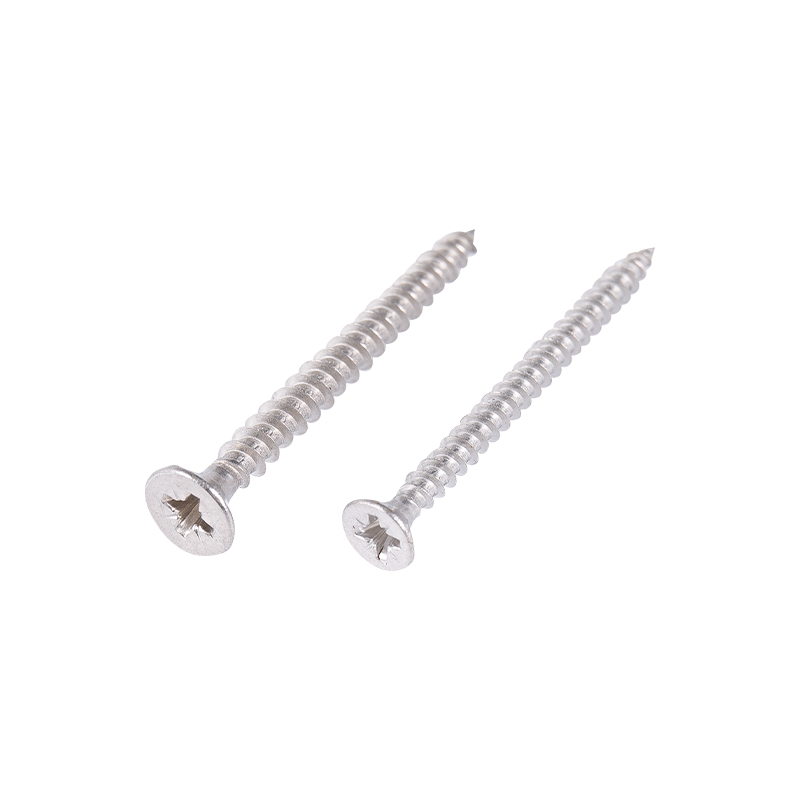
Self-tapping screws for wood typically feature a coarse thread pitch and a sharp point. The coarse threads allow for fast insertion into the fibrous structure of wood. They rely on the sharp point to start the hole without pre-drilling in softwood. Conversely, self-tapping screws for metal studs possess finer threads. Finer threads provide a stronger hold in the thin, dense material of metal studs. These screws often have a drill bit point to pierce the metal before the threads engage. This design prevents the screw from snapping under the high torque required to penetrate steel.
For B2B buyers, technical data is more important than price alone. Performance metrics dictate the safety and longevity of the final product.
Structural engineers must calculate the self-tapping screw load capacity before finalizing a design. Load capacity is not a static number; it depends on the shear strength and tensile strength of the screw material.
Several factors influence the maximum load a screw can bear. The diameter of the screw is the most obvious factor; thicker screws handle higher shear loads. However, the thread engagement depth is equally important. A screw engaged in three full threads will hold significantly less weight than one engaged in five threads. Furthermore, the hardness of the base material affects the pull-out strength. Engineers should consult technical data sheets provided by manufacturers to determine the precise working load limits for specific applications.
Environmental exposure dictates the necessary surface treatment. Zinc plating is a common standard for indoor applications. It provides a thin sacrificial layer that prevents rust. For outdoor or marine environments, hot-dip galvanizing or ceramic coatings offer superior protection. These treatments increase the lifespan of the fastener significantly, reducing maintenance costs over time.
Even the highest quality fastener will fail if installed incorrectly. A comprehensive self-tapping screw installation guide should be part of any assembly protocol.
Proper installation ensures the screw performs as designed. Workers should follow a strict sequence to avoid damaging the fastener or the material.
Over-driving is the most frequent error. It creates excessive stress on the threads, leading to immediate or fatigue failure. Another common mistake is using the wrong driver bit. A worn or incorrect bit can cam out, damaging the drive recess and making removal impossible. Quality control teams should inspect for these issues regularly.
The construction industry consumes the largest volume of Self-Tapping Screws. Their ability to join dissimilar materials makes them indispensable.
In modern drywall construction, steel framing has largely replaced wood. Self-tapping screws for metal studs are specifically engineered for this purpose. They feature a drill point that can pierce light-gauge steel up to 0.88mm thick. The threads are designed to cut into the steel without deforming the stud. This ensures a rigid frame that supports heavy wallboard loads. For heavier gauges, self-drilling screws are preferred, but standard self-tapping variants remain popular for thinner profiles.
Self-Tapping Screws are a sophisticated solution for modern assembly challenges. From the distinction between thread forming vs thread cutting screws to the nuances of self-tapping screw installation guide lines, knowledge is power. By understanding the technical specifications and material requirements, procurement officers can source fasteners that ensure safety and efficiency. The correct fastener not only secures materials but also secures the reputation of the builder.
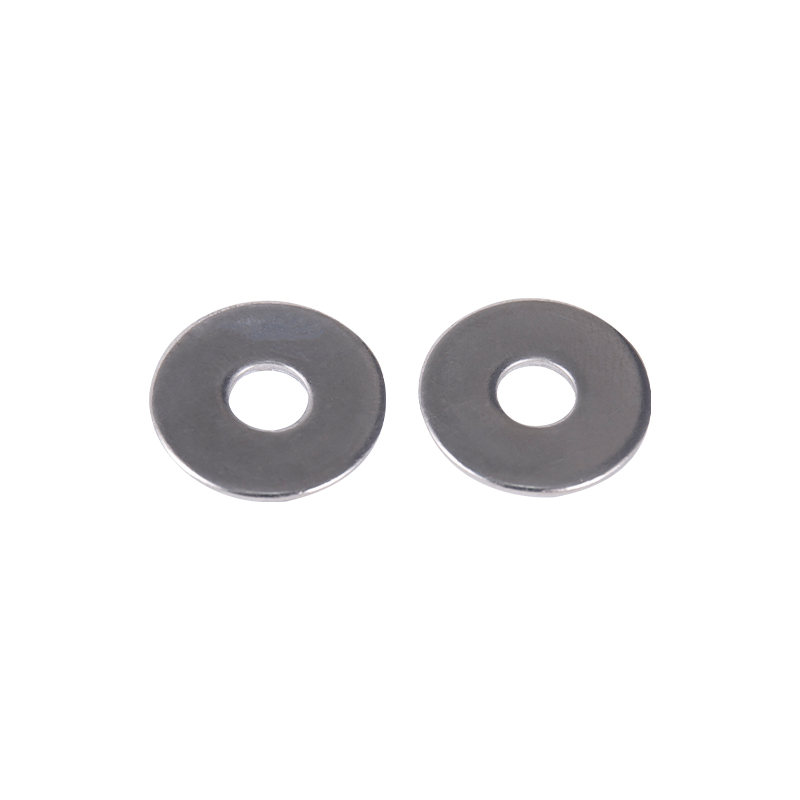
Flat washers and spring washers are fastener accessories widely used in industry...
See Details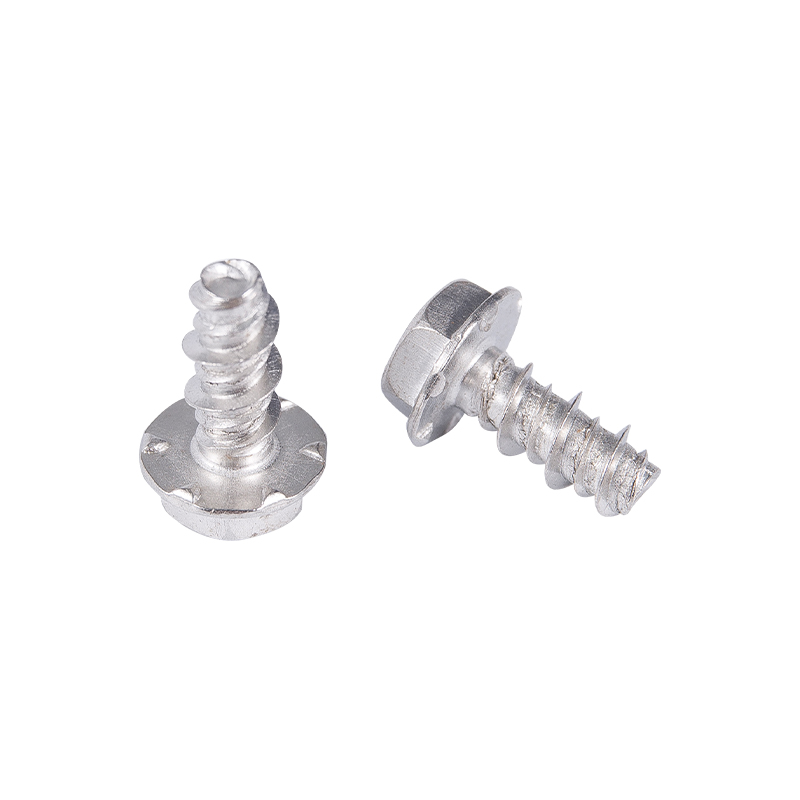
The design feature of the flat-tail self-tapping screw is that the tail has a sc...
See Details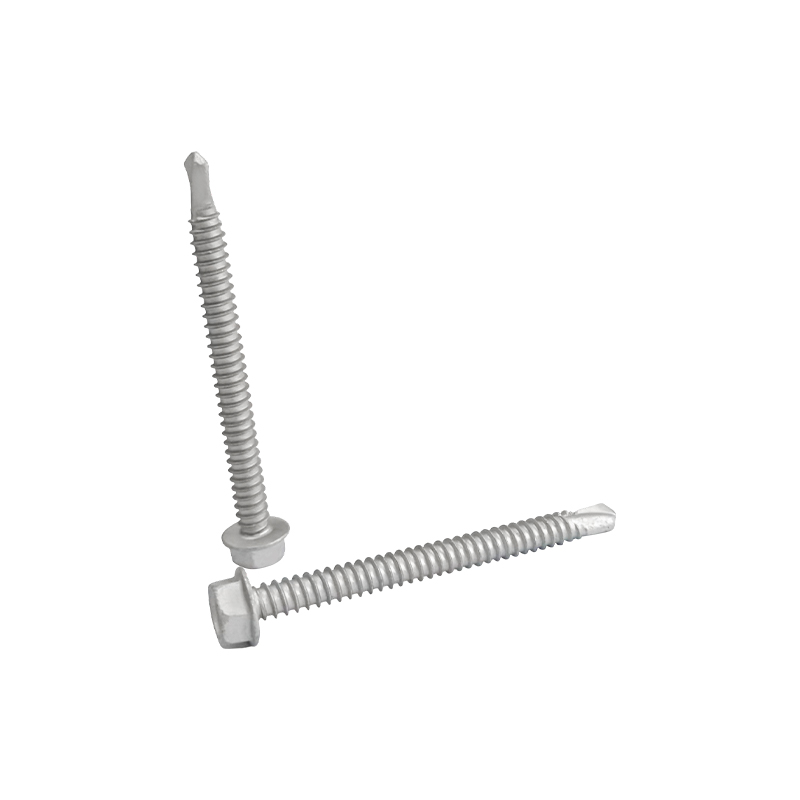
The Hexagonal Flange Self-Drilling Screw is a fastener featuring a hex flange he...
See Details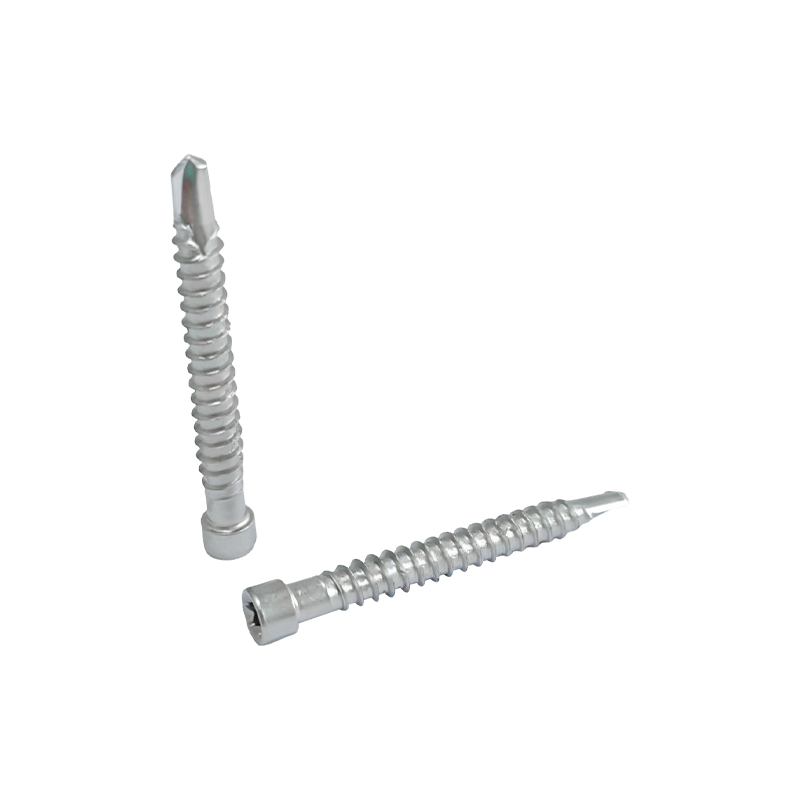
This Cylindrical Head Inner Hexagon Self Drilling Screw features a specification...
See Details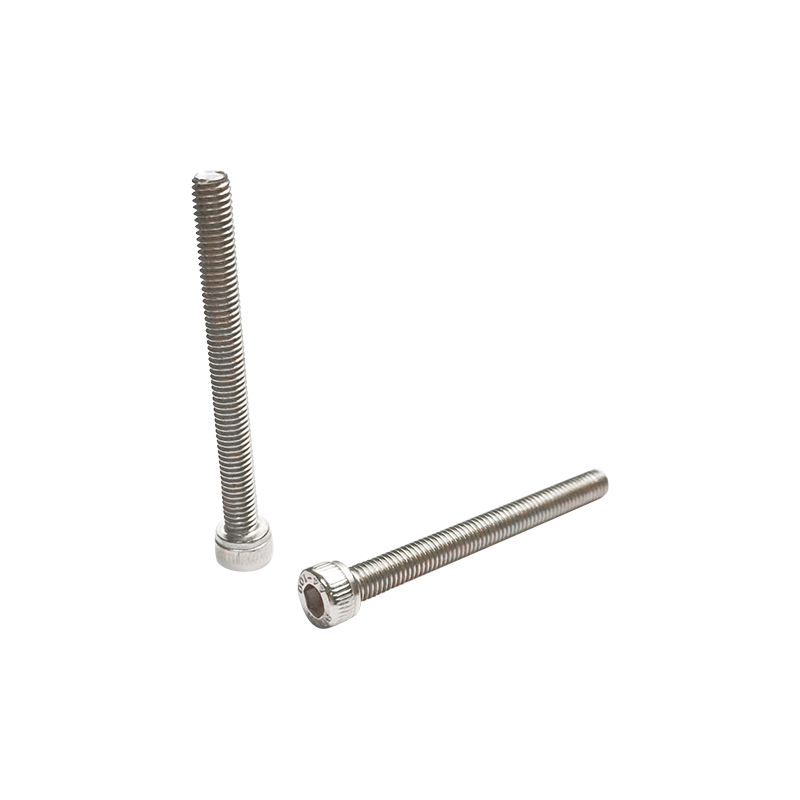
The Socket Cap Head Internal Hexagonal Machine Screw is a threaded fastener char...
See Details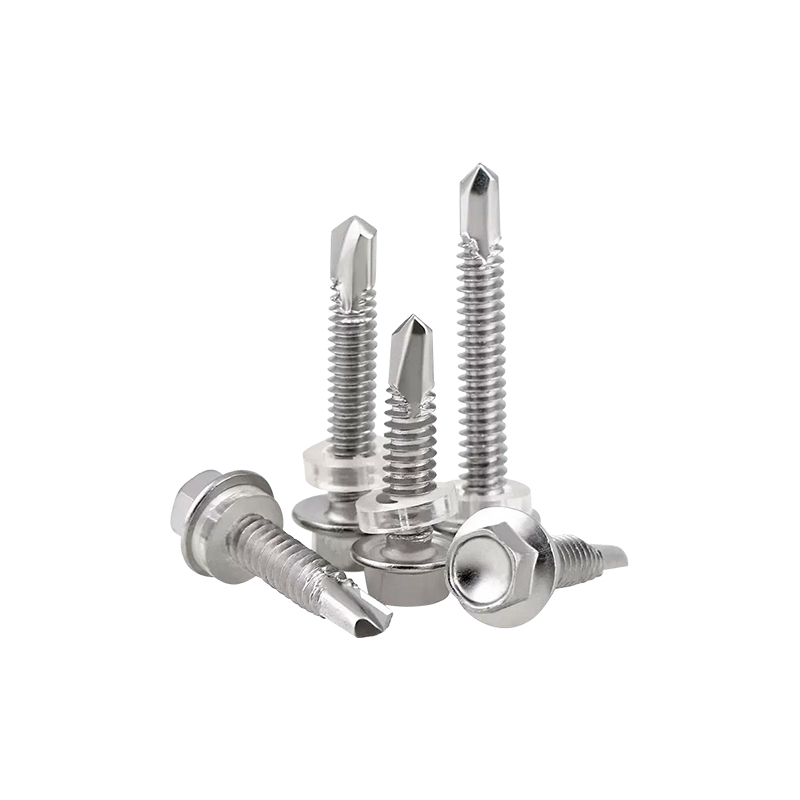
This Hex Flange Head Self Drilling Screw with EPDM Washer offers a thread size r...
See Details+86-13705735391
+86-18868359082
+86-573-83128088
+86-573-83128123
No. 2155, Shuanglong Road, Nanhu District, Jia Xing City, Zhejiang Province
Copyright © Jiaxing Zhongke Metal Technology Co.,Ltd. All Rights Reserved.Custom High Strength Stainless Steel Fasteners Manufacturers Provider