English
 Español
 عربى


Countersunk Head Self-Drilling Screws
Cat:Self Drilling Screws
Countersunk self-drilling screws are widely used in furniture manufacturing, arc...
See Details


Content
A waterproof washer looks like a trivial part until a joint starts weeping after two or three seasons in the sun. In most of those failures the screw is not the problem; the EPDM sealing layer is. The rubber compound decides whether the washer still seals after thousands of hours of UV, ozone, heat cycling and constant compression under a tightened head.
This article breaks EPDM washer quality into the three properties that matter most in specification work: ozone resistance, usable heat range, and compression set. It also explains how the three interact, and what to put in a purchase specification so a low-cost washer does not become an expensive leak.
Ozone resistance keeps the rubber intact. Heat range defines where it can be used. Compression set decides how long it keeps sealing.
EPDM stands for ethylene propylene diene monomer. Its polymer backbone is fully saturated, and that single structural detail explains most of its reputation. Unsaturated rubbers such as natural rubber, SBR and nitrile carry reactive double bonds in the main chain, and those bonds are exactly where ozone and oxygen attack. EPDM has none of them.
EPDM is vulcanised with sulfur or with peroxides. Sulfur-cured grades cost less and stay flexible at low temperature, which suits roofing and general outdoor fastening. Peroxide-cured grades form thermally stable carbon-carbon cross-links and deliver noticeably better compression set and heat ageing, which suits joints under sustained heat or constant clamp load. The two are not interchangeable, so the cure system belongs in the specification rather than in a supplier's discretion.
Ozone exists at low concentration almost everywhere: outdoors, near electrical equipment and motors, around welding operations and air handling units. On a strained rubber surface it attacks double bonds and builds a brittle skin that cracks perpendicular to the strain direction. Once a crack travels through the washer thickness, the seal is gone even though the part still looks whole.
The reference methods are ASTM D1149 and ISO 1431, run on strained specimens inside an ozone chamber. A report only means something when concentration, temperature, strain and duration are stated together.
| Test parameter | Typical condition | What it reveals |
|---|---|---|
| Ozone concentration | 50 pphm | Highly aggressive accelerated level |
| Temperature | 40 °C | Standard chamber condition |
| Strain | 20% elongation, static | Simulates a washer squeezed under a head |
| Duration | 72 h to 168 h | Longer runs separate good compounds from cheap ones |
| Pass criterion | No cracks at 2× magnification | Evidence of a genuinely ozone-stable compound |
A washer that survives 168 hours at 50 pphm and 20% strain without cracking is a serious sealing compound. A datasheet that simply says "ozone resistant" with no numbers is marketing, not evidence.
EPDM is usually quoted for continuous service from about -50 °C to +150 °C, with short excursions higher. The exact window depends on the compound: filler type and loading, plasticiser content, and above all the cure system.
Continuous service: -50 °C to +150 °C
Short-term excursions: up to +175 °C
Low-temperature stiffening: begins below -40 °C
Practical roofing range: -40 °C to +120 °C including solar gain
Above the service limit an EPDM washer does not melt; it ages. The rubber hardens, loses elasticity and gradually stops pushing back against the screw head. Below the low-temperature limit the compound stiffens instead, and a stiff washer cannot conform to the substrate under the head, leaving a fine leak path that appears only during rain or a pressure test.
Hot water and steam are the harshest combination for a sealing washer. A peroxide-cured, low-plasticiser compound that survives 1000 hours at 100 °C in water will usually still show elastic recovery; a heavily oil-extended compound may be permanently deformed.
Compression set is the deformation a rubber fails to recover after being squeezed for a period at a given temperature. It is measured under ASTM D395 Method B, commonly 22 hours at 70 °C or 100 °C with 25% deflection, and reported as a percentage of the original deflection.
Well-compounded EPDM for sealing washers should land below roughly 25% at 70 °C, and the better grades stay under 20%. A compound reporting 40% or more takes a permanent set under a tightened head, and once the washer stops pushing back, the joint loses preload.
A washer never fails suddenly. It takes a set, loses contact pressure, and then water finds the gap on the next cold night.
These three properties are usually evaluated separately, but in service they act together. Heat softens the surface, ozone attacks it, and compression set prevents the rubber from closing the micro-cracks that form.
A compound with excellent ozone numbers but poor set behaviour will still leak, and a compound with low set but a sulfur cure will eventually crack outdoors. Specification should quote all three, not the one that is easiest to test.
A waterproof washer is normally EPDM bonded or assembled onto a steel backing washer, so construction matters almost as much as the compound. Good rubber on a badly bonded washer still leaks.
In a bonded washer the EPDM is vulcanised directly to the metal, so the rubber cannot slip or rotate while the screw is driven. In an assembled or conjoined washer the rubber ring is pre-fitted to the metal washer and held by friction or a retaining lip. Assembled washers are cheaper and simpler to stock, while bonded washers hold their sealing position better when a powered driver installs the fastener at high torque.
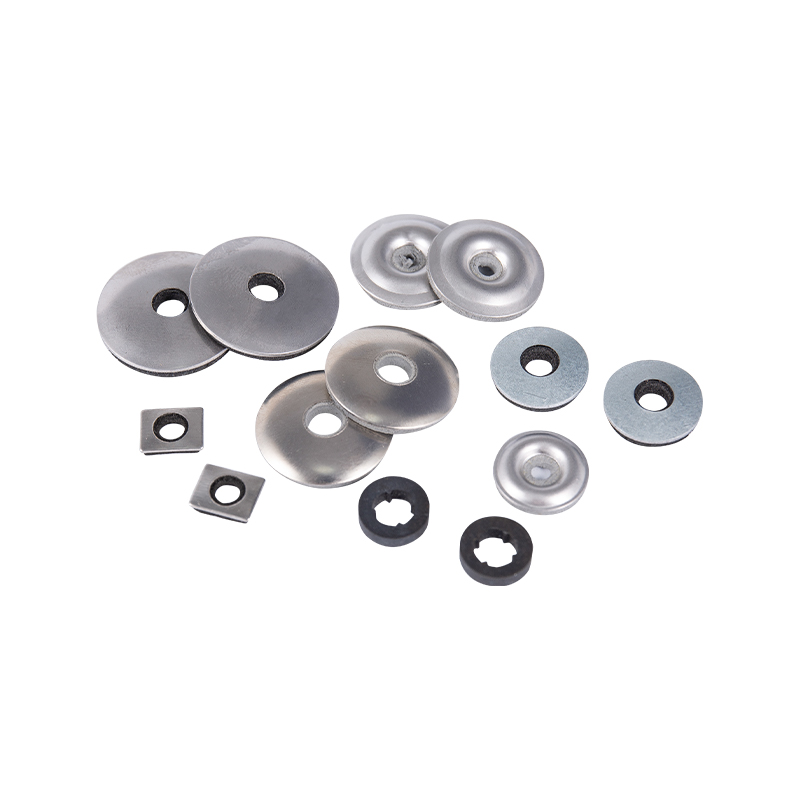 Single and Conjoined Waterproof WashersCompare single bonded and conjoined sealing washer options in SUS430 or SUS304 with EPDM or neoprene rubber for waterproof fastening.View Product →
Sealing washers are usually moulded at 60 to 80 Shore A. Softer compounds conform more easily to uneven surfaces, while harder compounds resist extrusion under high clamp load but demand flatter substrates. Rubber thickness of roughly 1.5 to 3 mm, with at least 1.5 mm of sealing land around the hole, is a common starting point. Metal flat washers and spring lock washers used underneath serve a different purpose: they spread load and resist loosening, but they do not seal.
Use the following points as a purchasing specification rather than a wish list, and ask for test data against each one.
These applications share one characteristic: outdoor or humid service with a fastened joint that has to stay dry.
Many of these joints are assembled with self-drilling or self-tapping screws carrying a pre-assembled EPDM washer, which means the screw and the sealing ring should be specified as a single unit.
 Hex Flange Head Self Drilling Screw with EPDM WasherSpecify screw and sealing ring as one unit: SUS410 self-drilling fastener with integrated EPDM washer for weatherproof sealing and load distribution.View Product →
For a closer look at how sealing washers behave on corrosion-resistant fasteners, see this note on stainless steel waterproof washers.
In a correctly torqued roofing joint, a properly compounded peroxide-cured EPDM washer is commonly expected to remain serviceable for 15 to 20 years. Actual life depends on surface temperature, UV dose, clamp load and how much compression set the compound develops.
For ozone and weathering resistance, generally yes. Neoprene has an unsaturated backbone and will crack under sustained strain in an ozone-rich environment, although it resists oils better than EPDM. Choose EPDM for outdoor sealing and a different elastomer where hydrocarbon contact is unavoidable.
Below 25% at 70 °C for 22 hours is a reasonable floor for general outdoor work. For hot, long-life or high-preload joints, look for 20% or lower and confirm the cure system is peroxide based.
Only with a well-formulated peroxide-cured compound, and even then service life shortens. If the joint sees continuous temperatures at or above 150 °C, a silicone or fluoroelastomer seal is usually the more practical choice.
Almost always because of hydrocarbon contact. Oils, greases, fuel and aromatic solvents swell EPDM severely, softening it and destroying the seal even though ozone and heat resistance were never the limiting factor.
EPDM washer quality is a set of measurable numbers rather than a marketing category. Ask for the cure system, an ozone test with real parameters, a temperature range tied to your joint, and a compression set limit at a stated temperature and duration. Those four answers separate a washer that seals for a season from one that seals for two decades.
Jiaxing Zhongke Metal Technology Co., Ltd. builds industrial heat treatment furnaces alongside a broad fastener range that includes self-drilling screws, machine screws, bolts, nuts and metal washers, with in-house heat treatment, cleaning, optical sorting and salt spray testing listed among its production and inspection facilities.
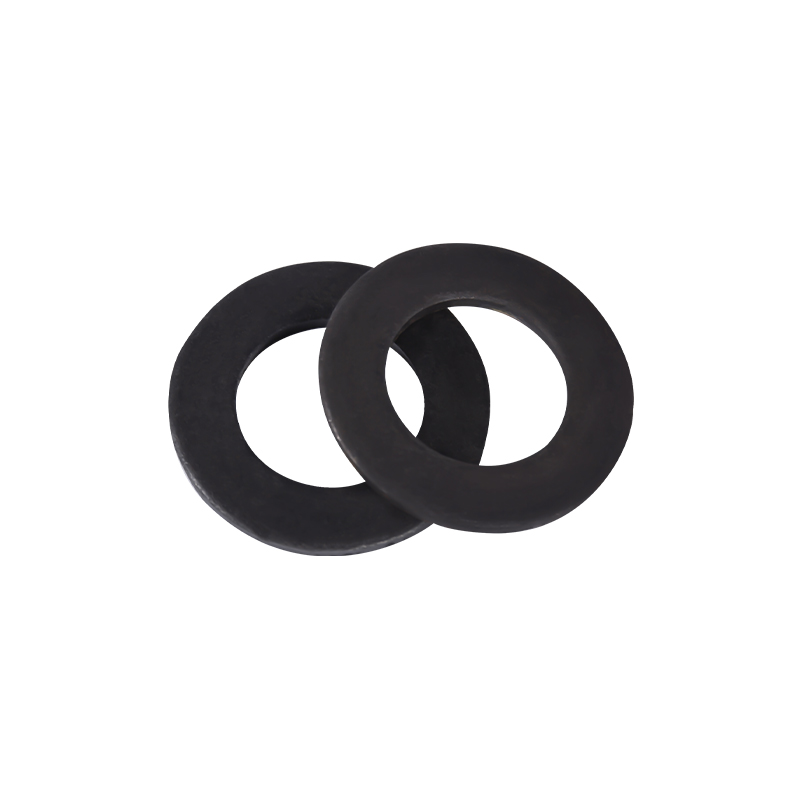 Flat Washers and Spring Lock WashersCarbon steel or SUS410 options for load distribution and surface protection, plus spring locking action against vibration in bolted assemblies.View Product →
If you are specifying an EPDM waterproof washer, share the joint details such as substrate, clamp load, temperature and chemical exposure, then ask for compound data instead of a general description. Contact the team to discuss samples and requirements.
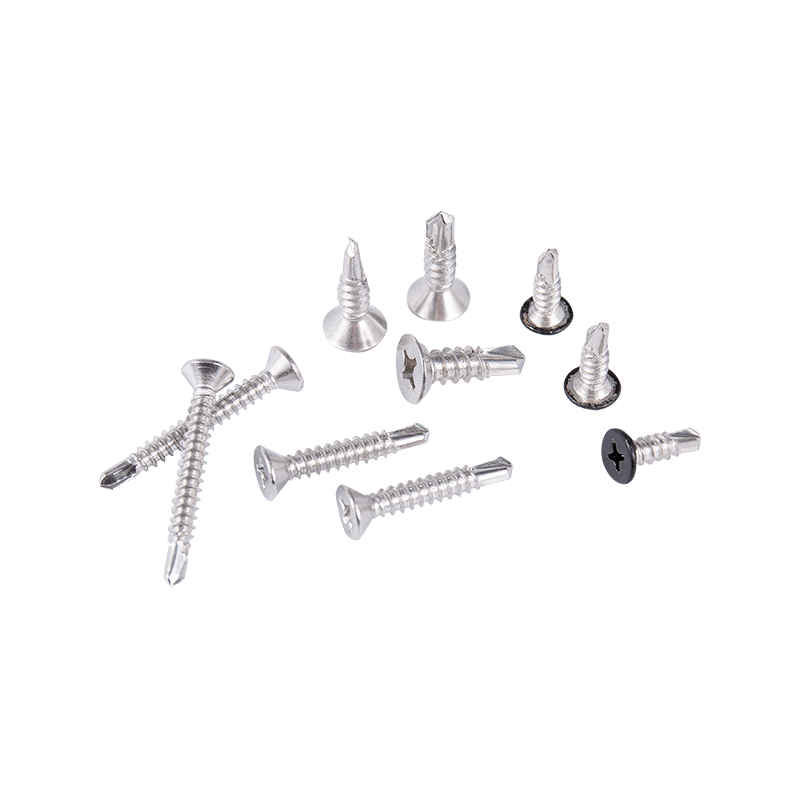
Countersunk self-drilling screws are widely used in furniture manufacturing, arc...
See Details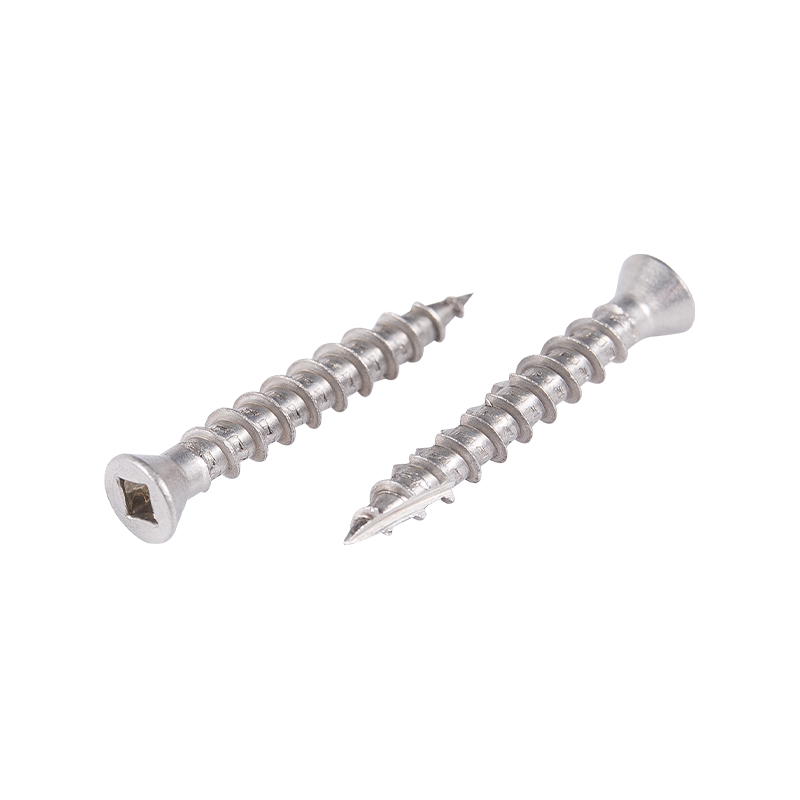
Countersunk, raised-countersunk, trumpet, pan head, round head washer and oval h...
See Details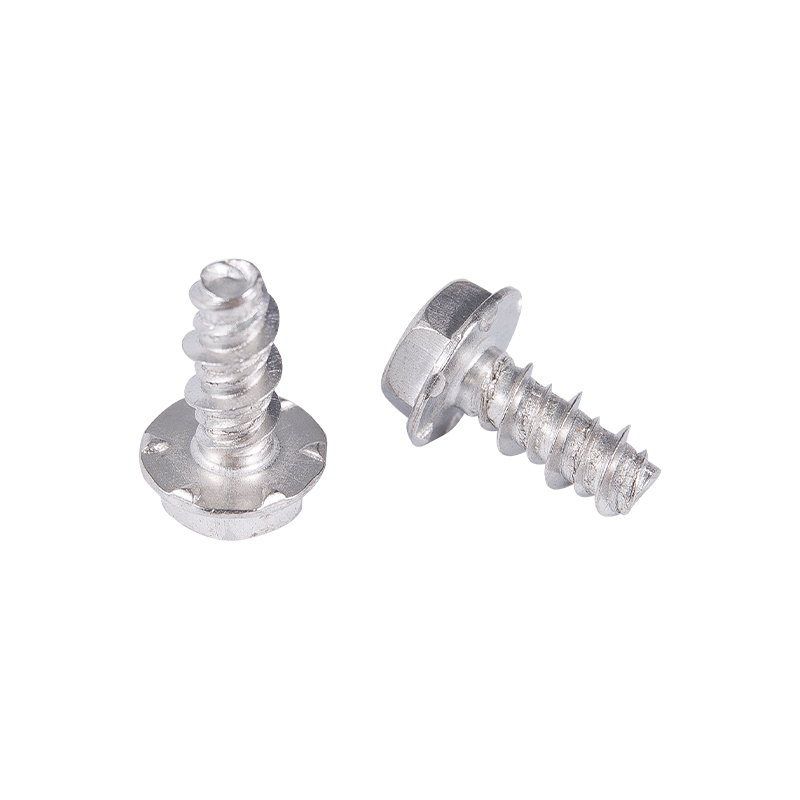
The design feature of the flat-tail self-tapping screw is that the tail has a sc...
See Details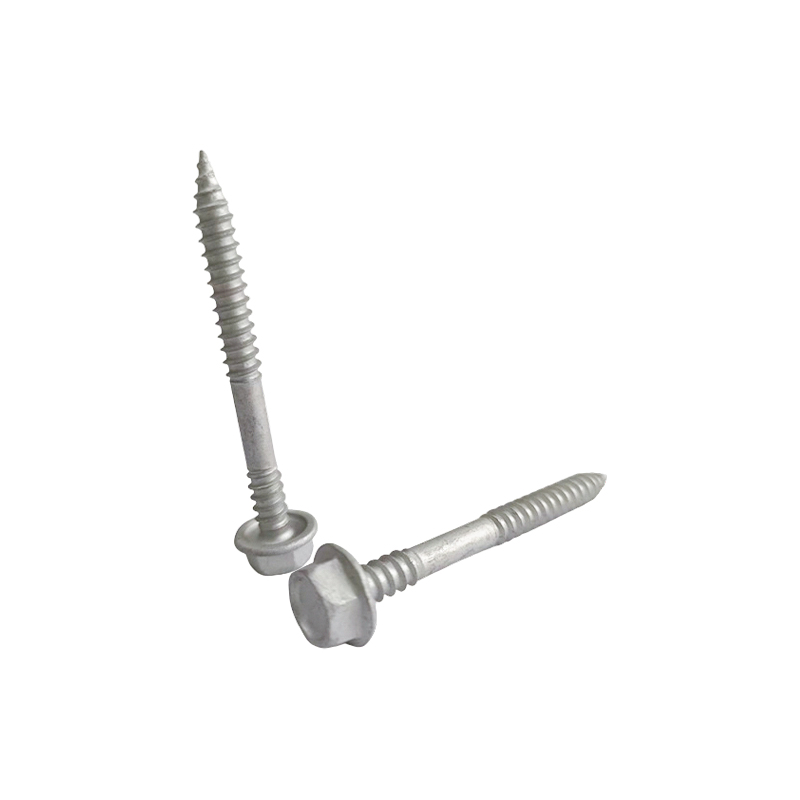
The Hexagonal Large Flange Self-Tapping Screw is a fastener designed for connect...
See Details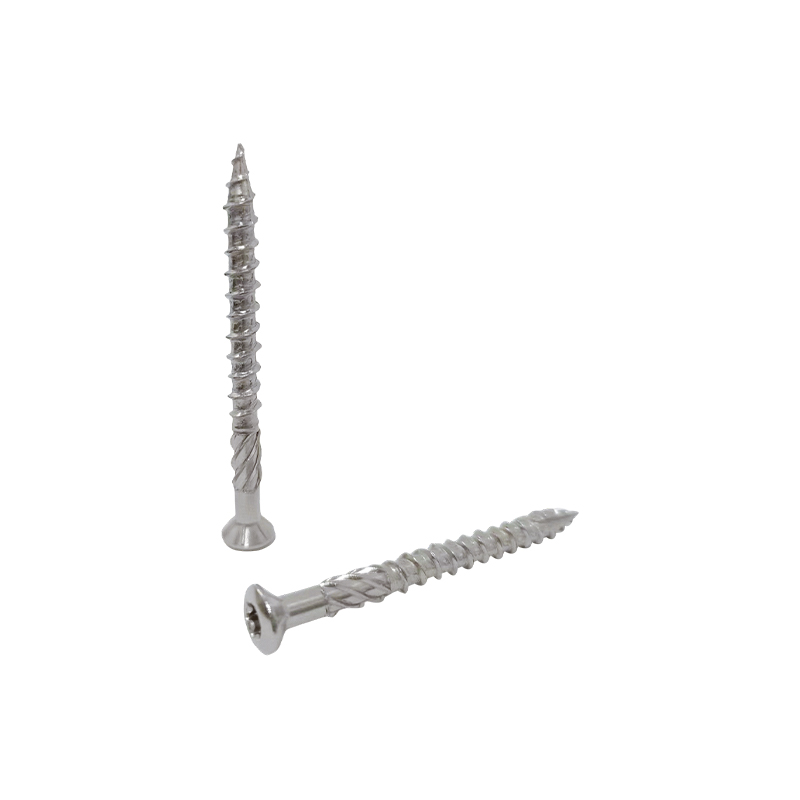
This Semi Countersunk Hexalabular Six-Bevel Rib Chipboard Screw features a speci...
See Details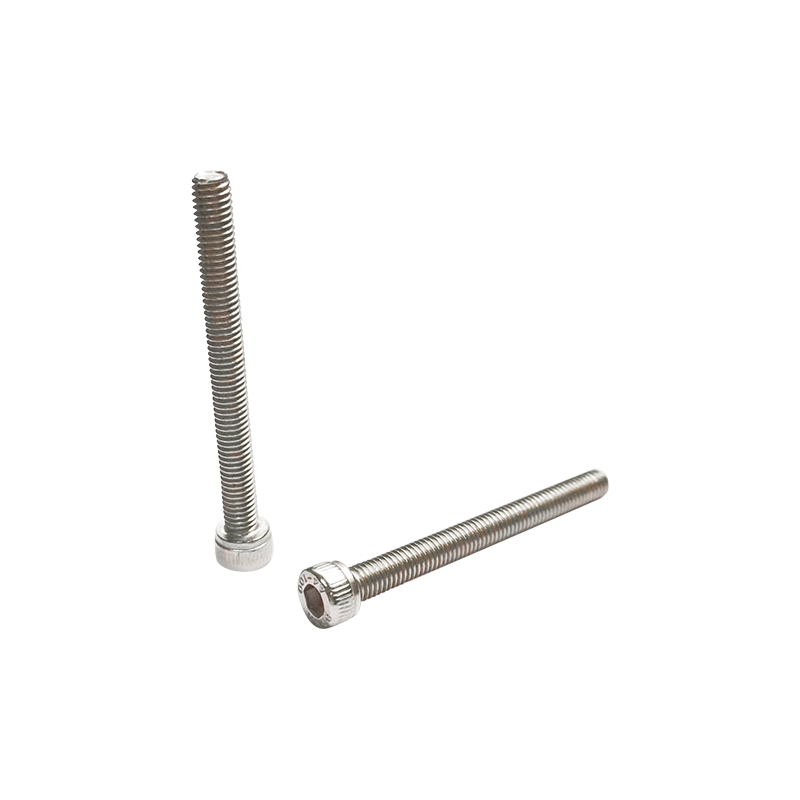
The Socket Cap Head Internal Hexagonal Machine Screw is a threaded fastener char...
See Details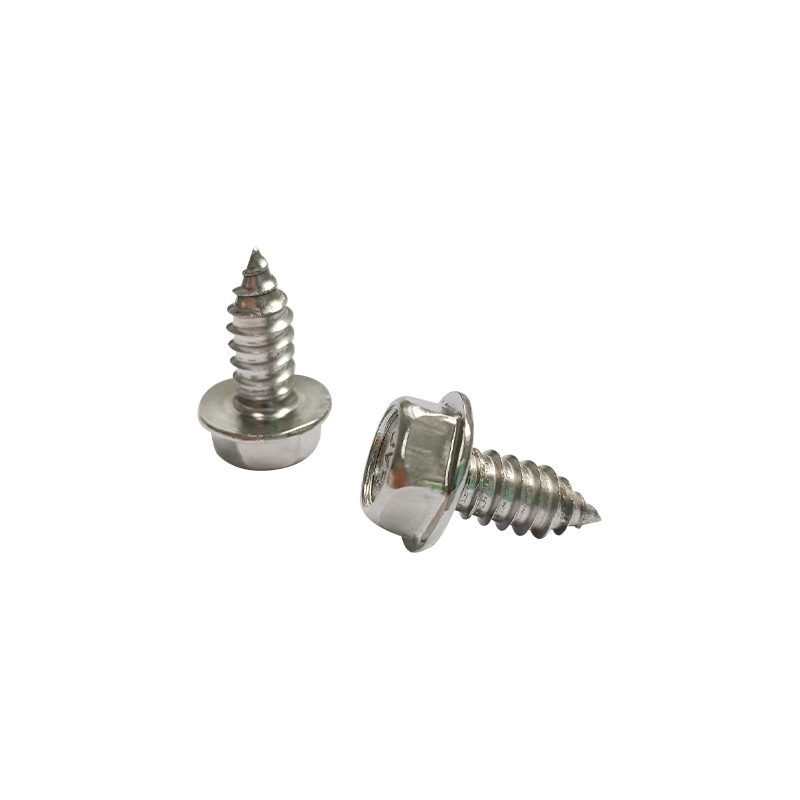
The Hex Head Self Tapping Screw is a threaded fastener with a hexagonal head and...
See Details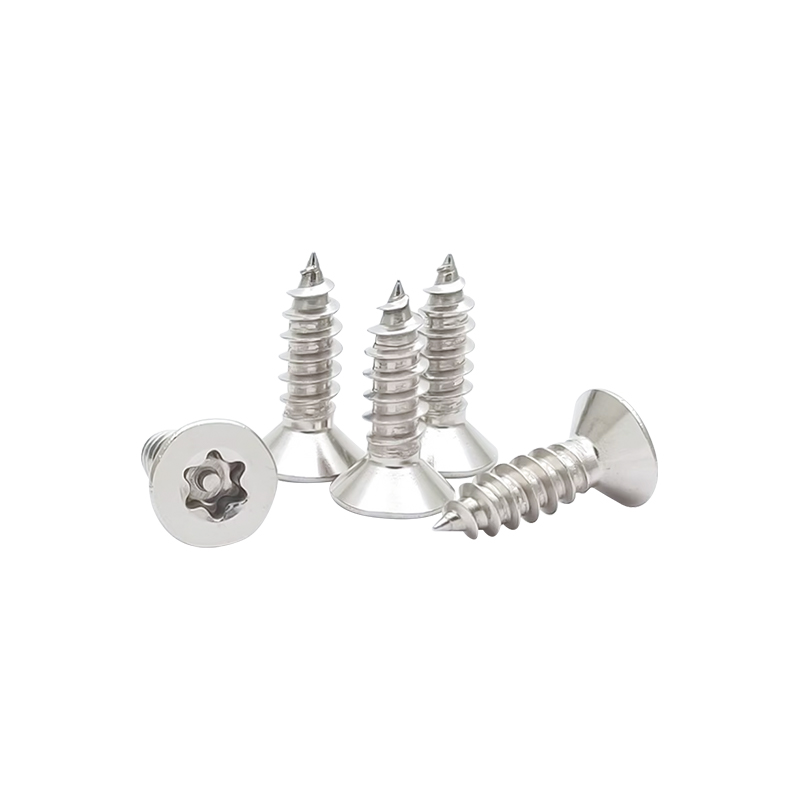
The CSK Head Six Lobe Tamper-Proof Self-Tapping Screw features a tamper-resistan...
See Details+86-13705735391
+86-18868359082
+86-573-83128088
+86-573-83128123
No. 2155, Shuanglong Road, Nanhu District, Jia Xing City, Zhejiang Province
Copyright © Jiaxing Zhongke Metal Technology Co.,Ltd. All Rights Reserved.Custom High Strength Stainless Steel Fasteners Manufacturers Provider