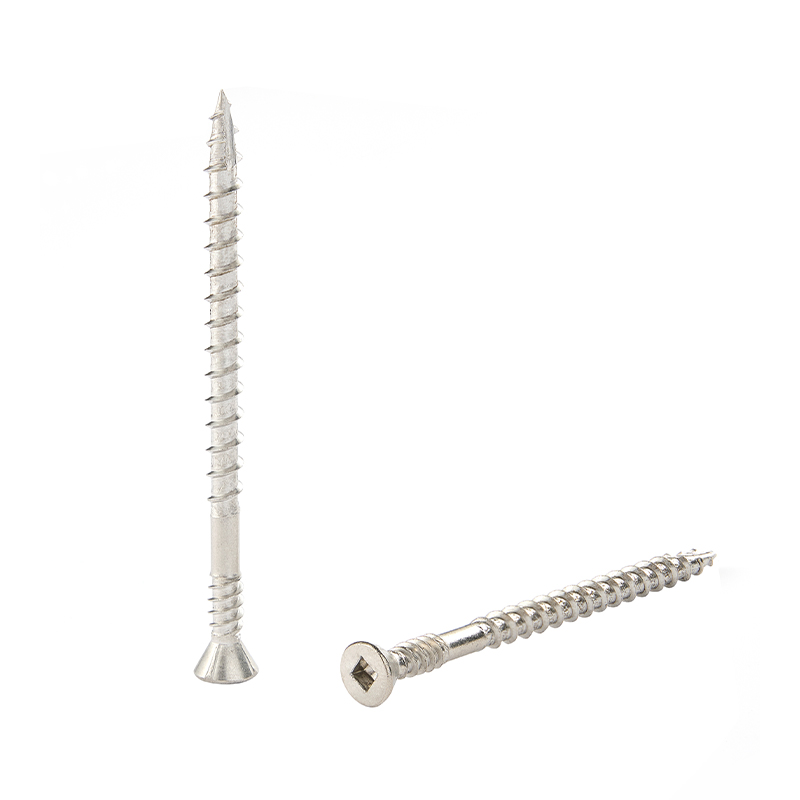
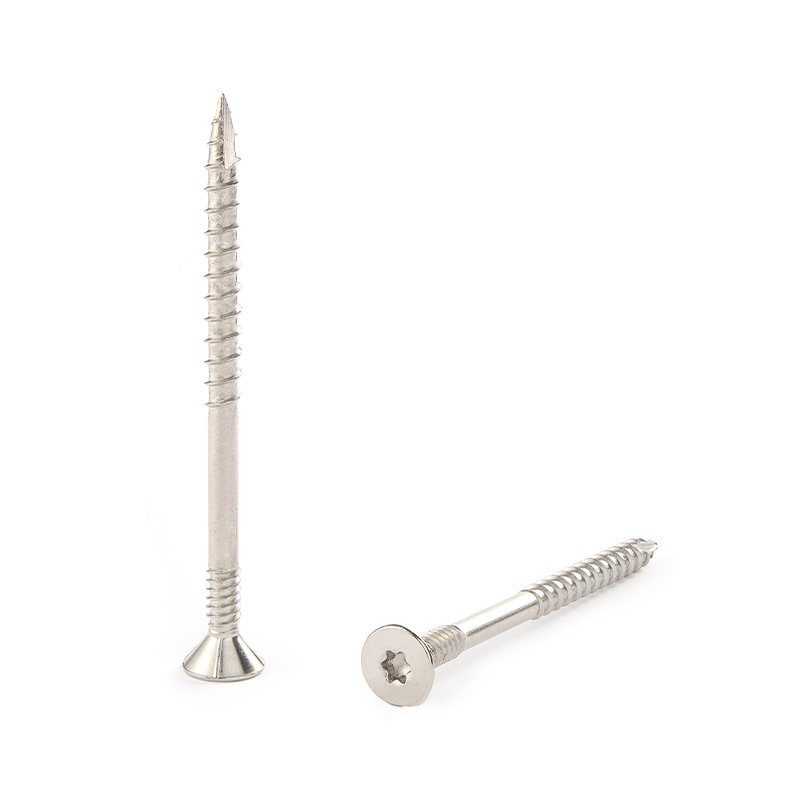
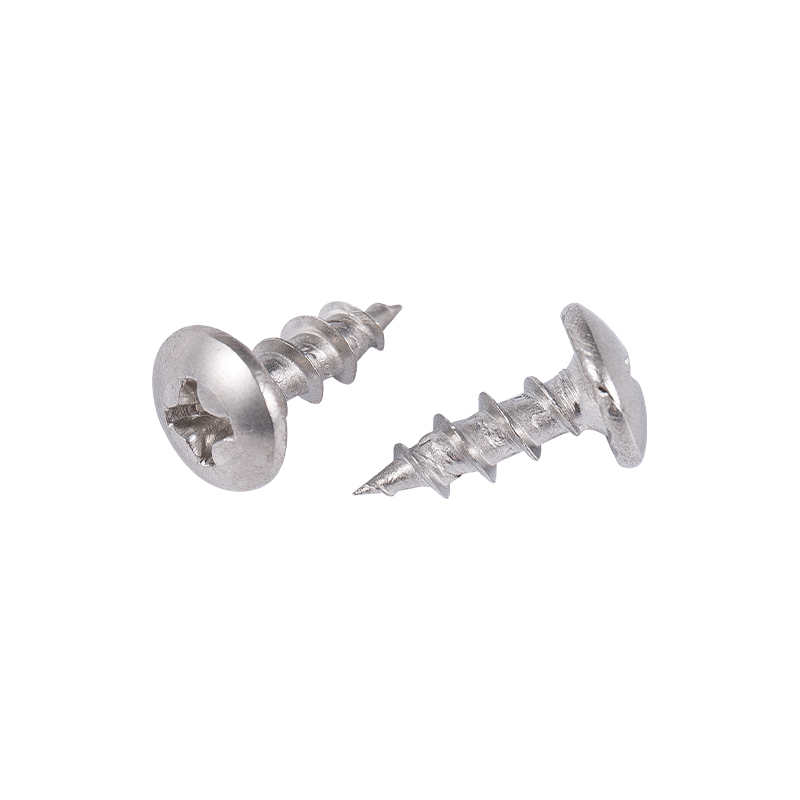
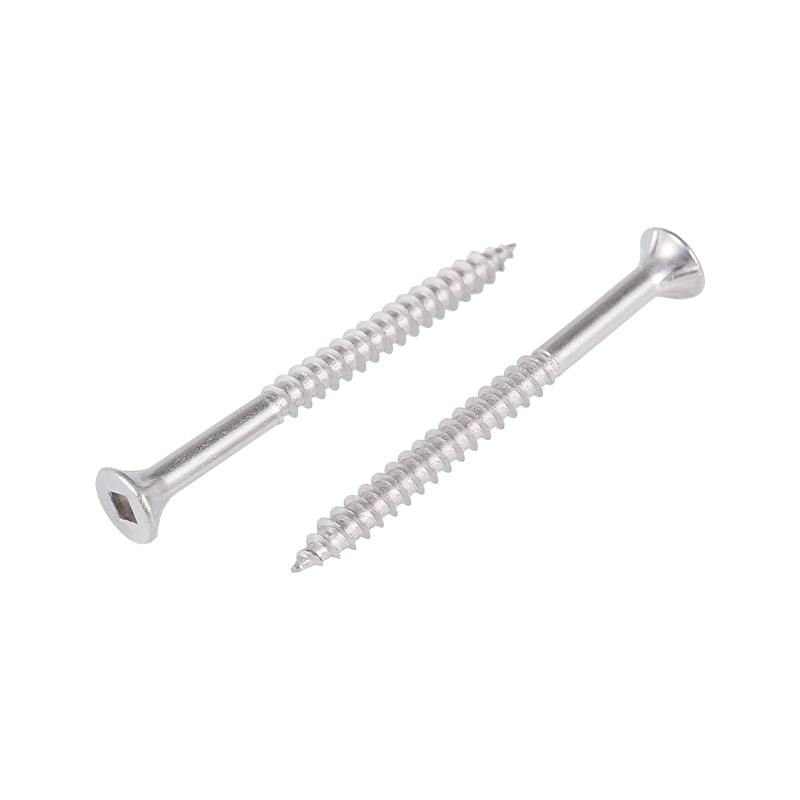
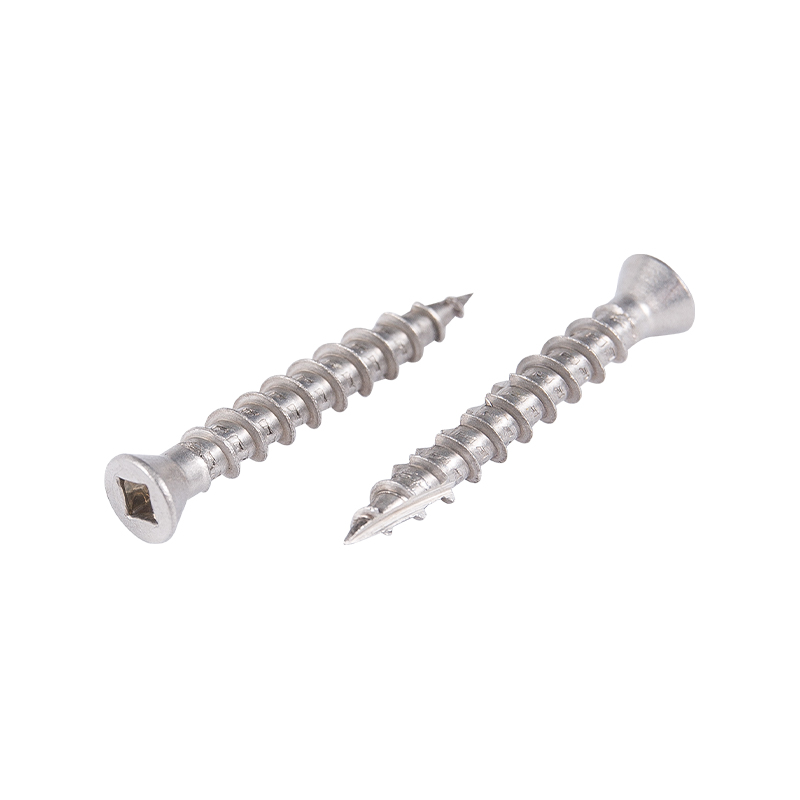
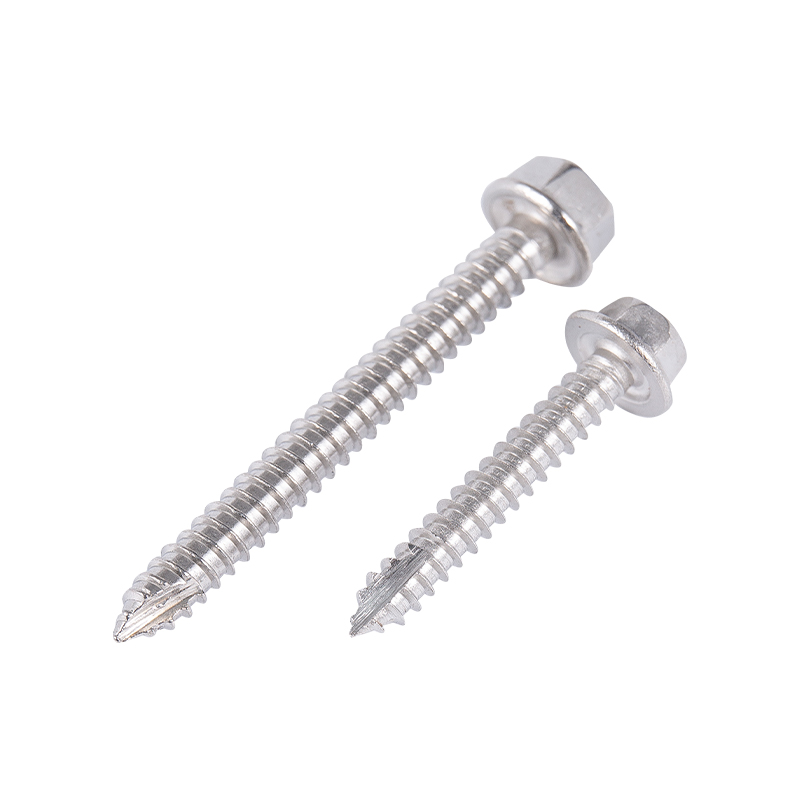
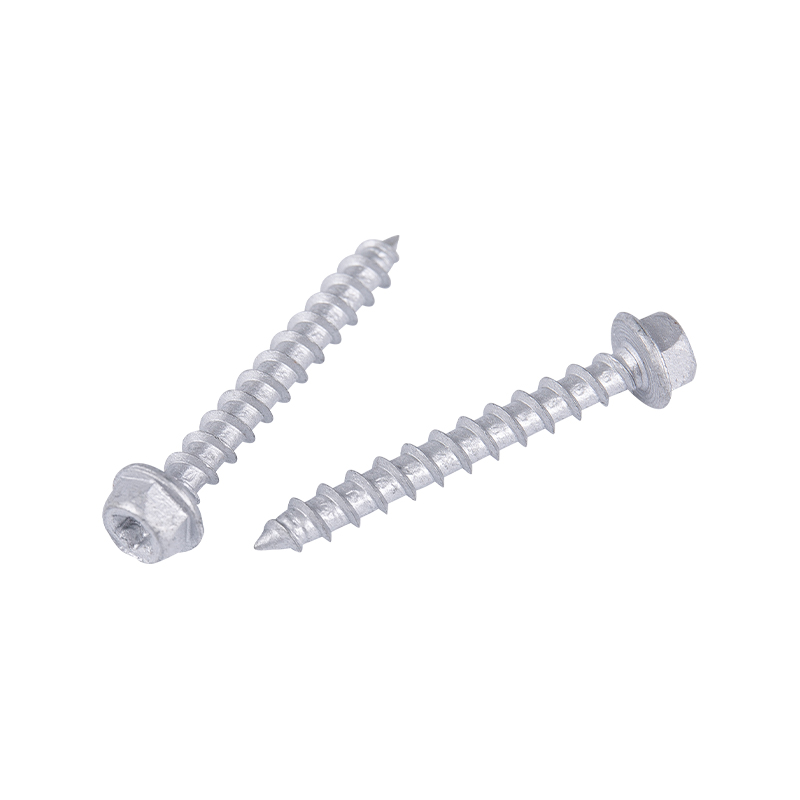
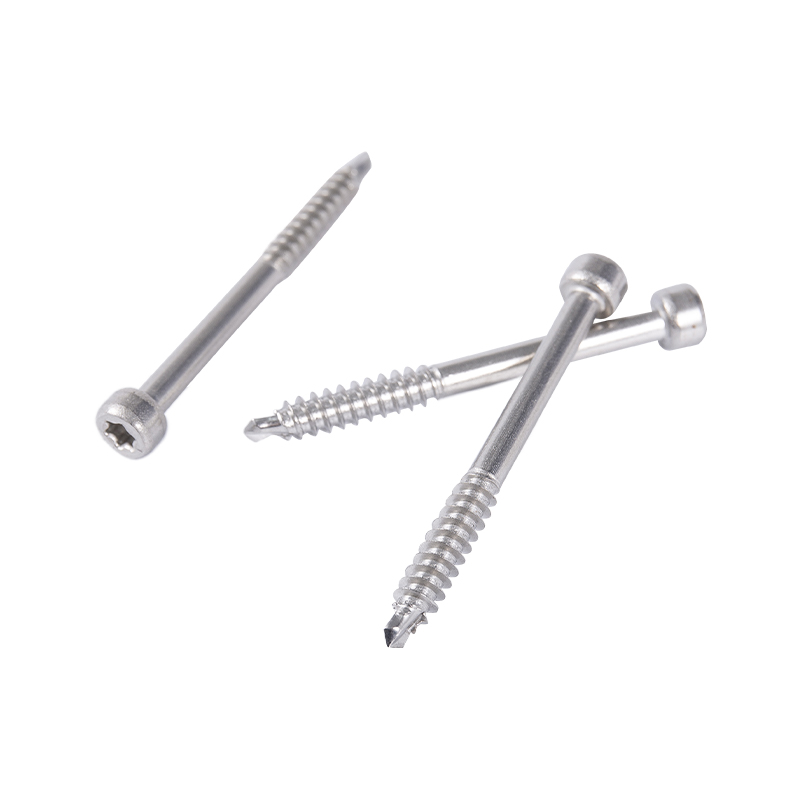
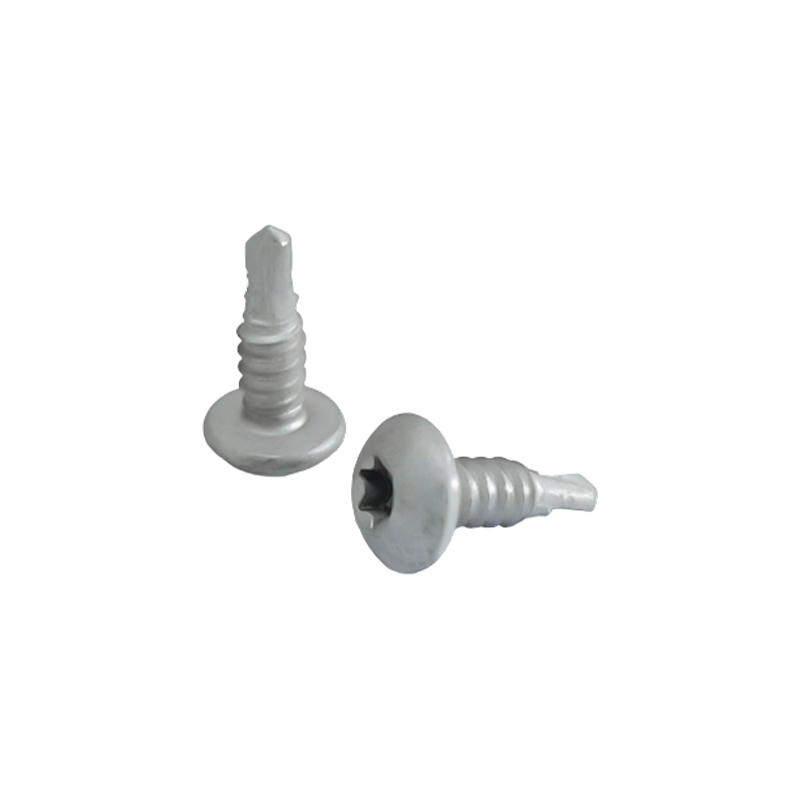
Standard: DIN 18182, GB/T 14210
Material: C1022A,SUS410,SUS304,SUS316
Specification:ST3.5, ST3.9, ST4.2, ST4.8, ST5.5, ST6.3, 6#, 7#, 8#, 10#, 12#,14#, 1/4”
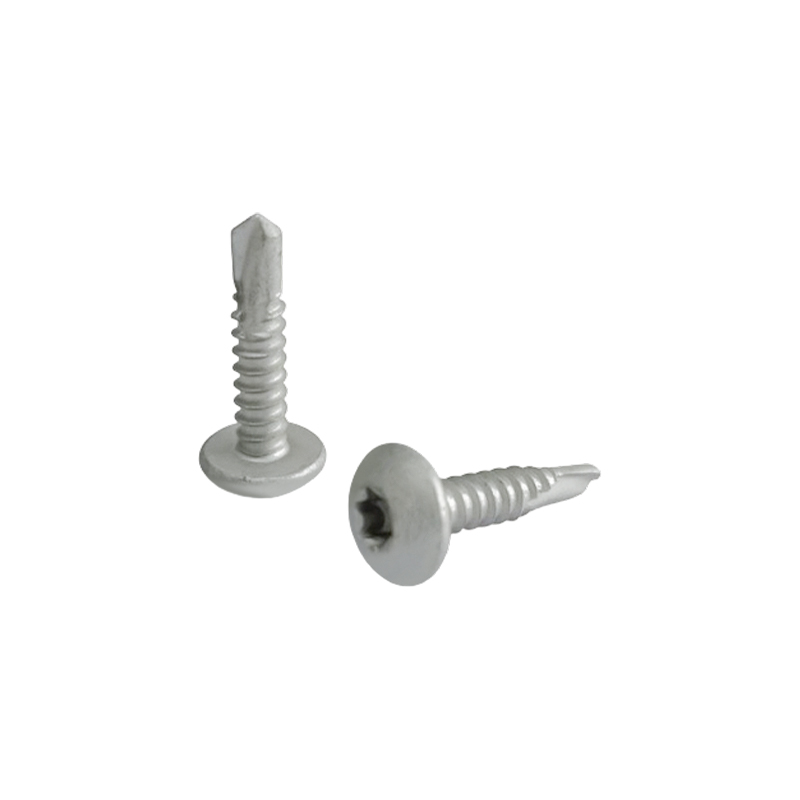
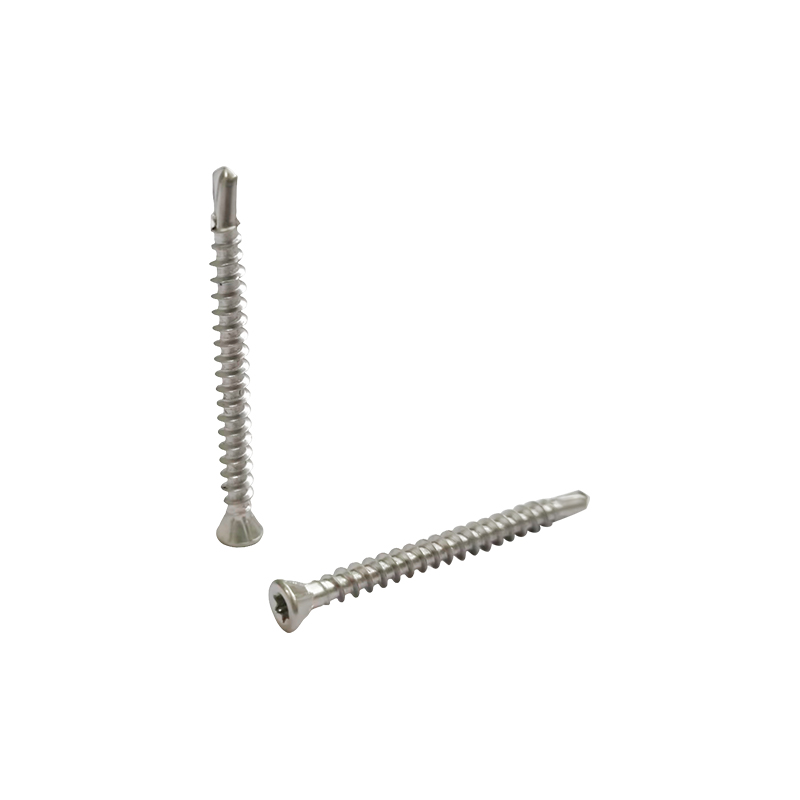
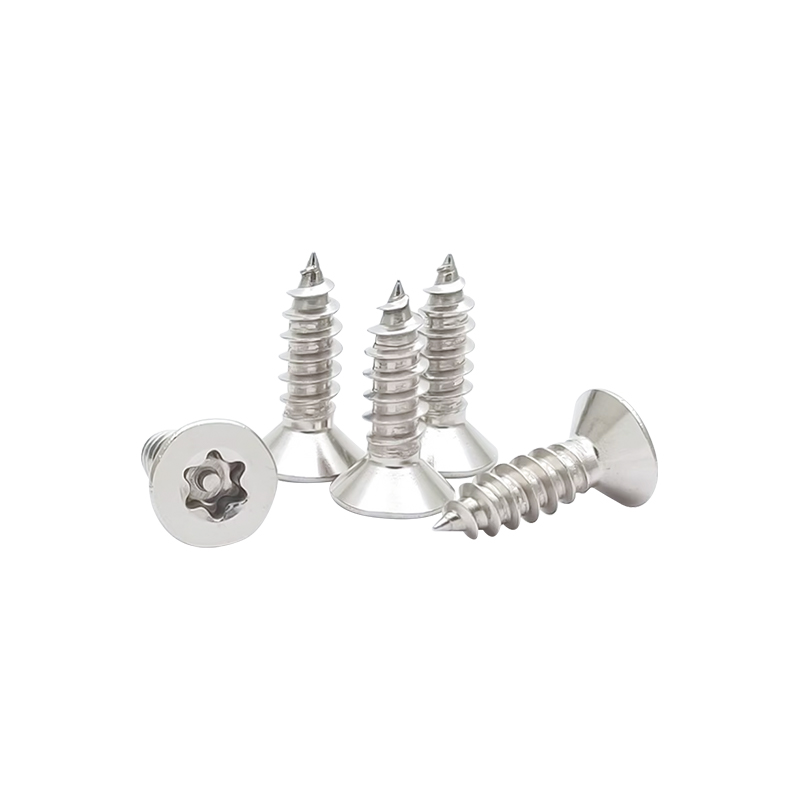
Head type: Countersunk, semi-countersunk, flared, disk, round washer, flat round head
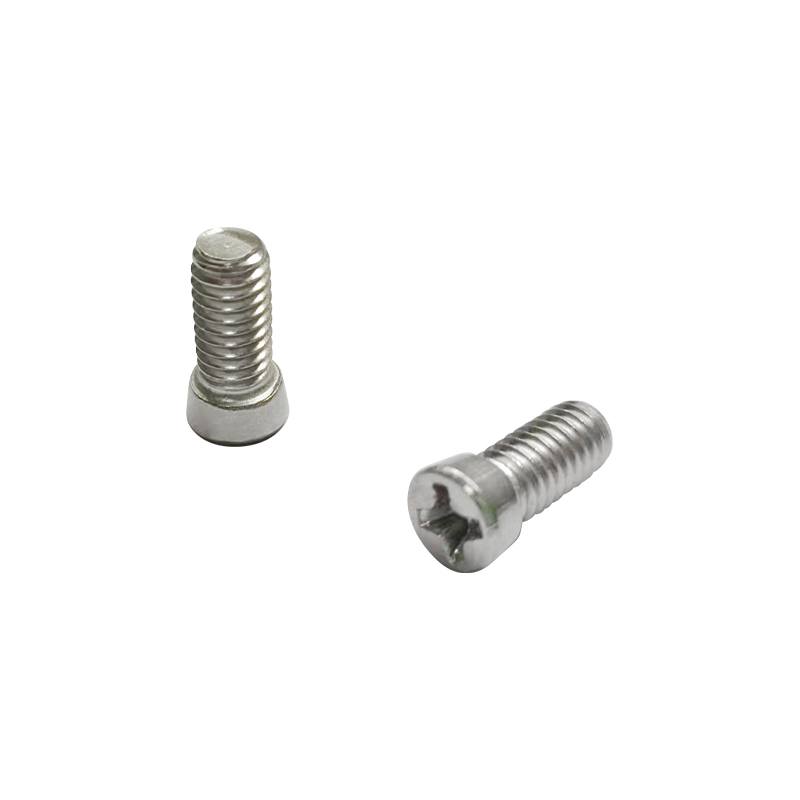
Driving groove: Cross groove, meter groove, plum blossom groove, square groove, hexagon socket
Surface treatment: Passivated, Galvanized, Nickel-plated, Blackened, Head sprayed, Dacromet, Hot Rust, Rasputin
Product Introduction
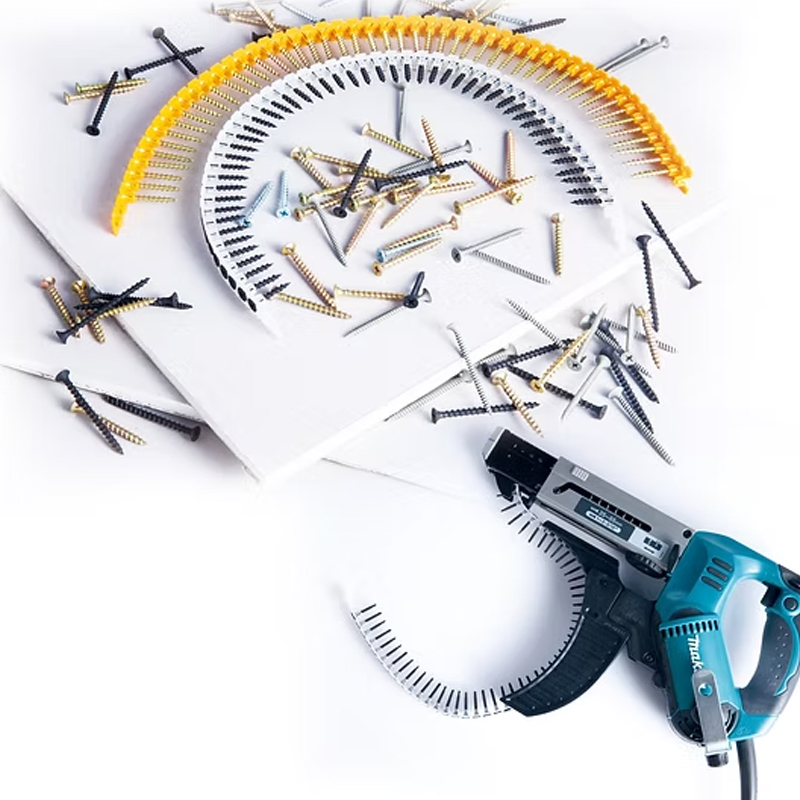
Drywall Screws are specialized fasteners designed for attaching gypsum board, drywall panels, and similar sheet materials to wood or metal framing. Available in multiple head configurations including countersunk, raised countersunk, bugle head, pan head, round washer, and flat round head, these screws provide application-specific solutions for diverse drywall installation requirements. The various drive options including cross groove, meter groove, hexalobular, square groove, and hexagon socket accommodate different installation tool preferences. The sharp point and specialized thread geometry enable easy penetration of drywall panels with reduced surface damage. Manufactured from carbon steel (C1022A) and stainless steel (SUS410, SUS304, SUS316) material options, the screws offer strength and corrosion resistance for various environments. Multiple surface treatments including passivated, galvanized, nickel-plated, blackened, and Dacromet finishes provide environmental adaptability. Metric sizes from ST3.5 to ST6.3 and imperial sizes from 6# to 1/4" accommodate diverse drywall fastening requirements.
Core Advantages
01
Multiple Head Configurations
Countersunk, raised countersunk, bugle head, pan head, round washer, and flat round head for diverse drywall installation requirements.
02
Multiple Drive Options
Cross groove, meter groove, hexalobular, square groove, and hexagon socket accommodate different installation tool preferences.
03
Specialized Thread Geometry
Sharp point and optimized thread design enable easy penetration of drywall panels with reduced surface damage.
04
Multiple Material Options
Available in carbon steel (C1022A) and stainless steel (SUS410, SUS304, SUS316) to meet diverse application requirements.
05
Wide Specification Range
Metric sizes from ST3.5 to ST6.3 and imperial sizes from 6# to 1/4" for comprehensive drywall fastening coverage.
06
Extensive Surface Treatments
Passivated, galvanized, nickel-plated, blackened, Dacromet, and hot rust finishes for environmental adaptability.
Product Features
Multiple head configurations Countersunk head provides flush mounting; raised countersunk offers low-profile appearance; bugle head provides countersinking capability; pan head offers flat bearing surface; round washer head provides load distribution; flat round head offers compact profile.
Multiple drive options Cross groove (Phillips) provides wide tool compatibility; meter groove offers positive engagement; hexalobular reduces cam-out; square groove provides positive torque; hexagon socket enables high torque transmission.
Specialized drywall thread Sharp point and optimized thread geometry enable easy penetration of drywall panels with reduced surface damage and consistent engagement.
Carbon steel material C1022A grade offers strength for general drywall fastening applications with appropriate surface treatment.
Stainless steel material options SUS410 provides hardness; SUS304 offers general corrosion resistance; SUS316 delivers marine-grade protection for moisture-prone applications.
Metric specification range Available in ST3.5, ST3.9, ST4.2, ST4.8, ST5.5, and ST6.3 diameters for diverse drywall fastening requirements.
Imperial specification range Available in 6#, 7#, 8#, 10#, 12#, 14#, and 1/4" sizes for North American standard drywall applications.
Surface treatment options Galvanized and passivated finishes provide corrosion protection; nickel-plated offers enhanced appearance; blackened delivers aesthetic matte finish; Dacromet provides high salt spray resistance.
Application Scenarios
Drywall and gypsum board installation
Interior wall construction
Ceiling systems
Partition walls
Wallboard fastening to metal studs
Wallboard fastening to wood studs
Drywall finishing applications
Moisture-resistant drywall installations
These drywall screws are deployed in interior construction applications requiring secure fastening of gypsum board and drywall panels to framing members. Applications include drywall and gypsum board installation, interior wall construction, ceiling systems, partition walls, wallboard fastening to metal or wood studs, drywall finishing applications, and moisture-resistant drywall installations where the appropriate head type provides required surface finish, the drive option accommodates installation preferences, and the surface treatment provides environmental protection.
Common Questions and Solutions
How do I select the correct head type for drywall installation?
Bugle head screws are most common for drywall as they self-countersink for a smooth finish. Countersunk heads provide flush mounting for finishing. Pan heads are used when a flat bearing surface is required. Round washer heads provide load distribution for softer materials. Select based on application requirements and finishing preferences.
What drive type is recommended for drywall screws?
Phillips (cross groove) is the most widely used drywall drive type. Hexalobular (star) drive provides reduced cam-out for higher torque applications. Square drive offers positive engagement with reduced bit wear. Hexagon socket provides high torque transmission for heavy-duty applications.
What is the difference between drywall screws for wood and metal studs?
Drywall screws for wood studs feature a coarse thread for engagement in timber. Drywall screws for metal studs feature a fine thread for engagement in steel framing. Select the appropriate thread type based on the framing material.
What surface treatment provides the best corrosion protection for drywall screws?
For standard interior drywall, phosphate or galvanized coatings provide adequate corrosion protection. For moisture-prone areas such as bathrooms or kitchens, Dacromet or stainless steel options are recommended. Black phosphate is common for interior drywall applications.
What is the recommended installation depth for drywall screws?
Drywall screws should be driven just below the surface of the paper without breaking through the paper layer. Bugle head screws are designed to self-countersink to the correct depth. Use torque-controlled drivers or drywall screw setters for consistent depth control.
What is the recommended spacing for drywall screws?
Screw spacing varies based on application and building codes. Typically, drywall screws are spaced 12 inches apart on ceilings and 16 inches apart on walls. Consult local building codes and drywall manufacturer specifications for specific requirements.
Installation Considerations
1
Select the appropriate head type based on application requirements including finishing, appearance, and substrate material.
2
Select the appropriate drive type based on installation tool availability and torque requirements.
3
Select the correct thread type based on framing material: coarse thread for wood studs, fine thread for metal studs.
4
Use torque-controlled drivers or drywall screw setters to achieve consistent screw depth without breaking the paper surface.
5
Maintain proper screw spacing as specified by building codes and drywall manufacturer recommendations.
6
For moisture-prone environments, specify corrosion-resistant coatings or stainless steel material options based on exposure conditions.


 English
 Español
 عربى
عربى