English
 Español
 عربى
عربى


Pan Head Self-Drilling Screws
Cat:Self Drilling Screws
Pan Head Self-Drilling Screws are a type of fastener widely used in construction...
See Details


Content
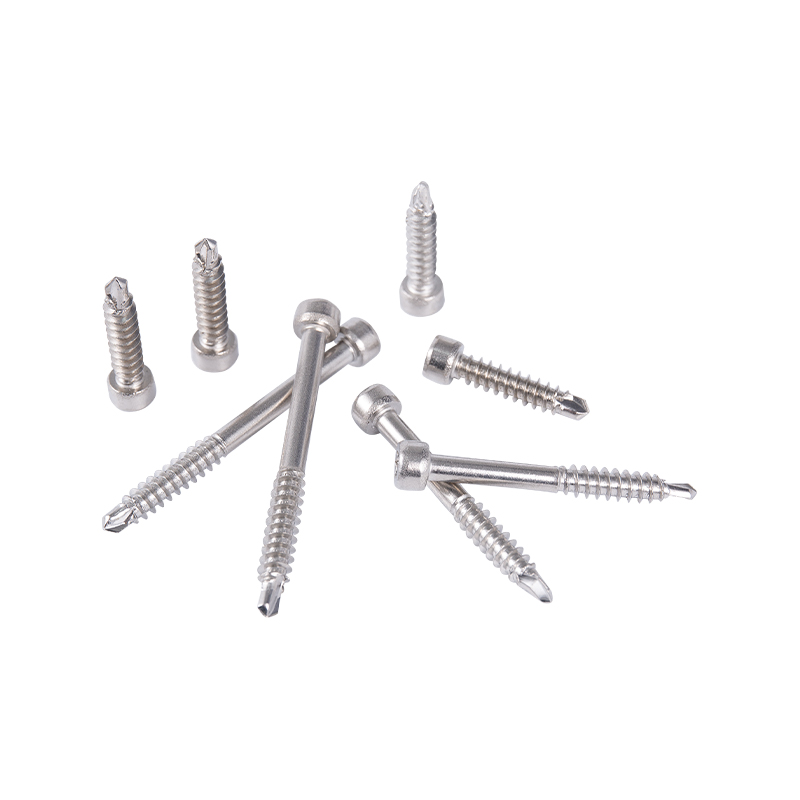
In the world of construction, manufacturing, and DIY projects, the integrity of an assembly often hinges on the smallest component: the fastener. Among these, stainless tech screws have emerged as a premier choice for professionals and enthusiasts who demand reliability, strength, and longevity. But what exactly sets them apart? A tech screw, short for "self-drilling/tapping screw," is engineered with a drill-like point and sharp, hardened threads that can create their own mating thread in various materials without the need for pre-drilling a pilot hole. When this innovative design is forged from stainless steel, the result is a fastener that combines installation efficiency with exceptional environmental resistance. This makes stainless tech screws indispensable for a wide range of applications, from securing metal roofing and cladding to assembling outdoor structures and machinery. Their ability to penetrate and grip materials like sheet metal, wood, and even certain plastics, all while resisting rust and corrosion, addresses critical challenges in both industrial and residential settings. Understanding their specifications, types, and optimal uses is key to selecting the right screw for the job, ensuring not just a secure hold today, but for years to come.
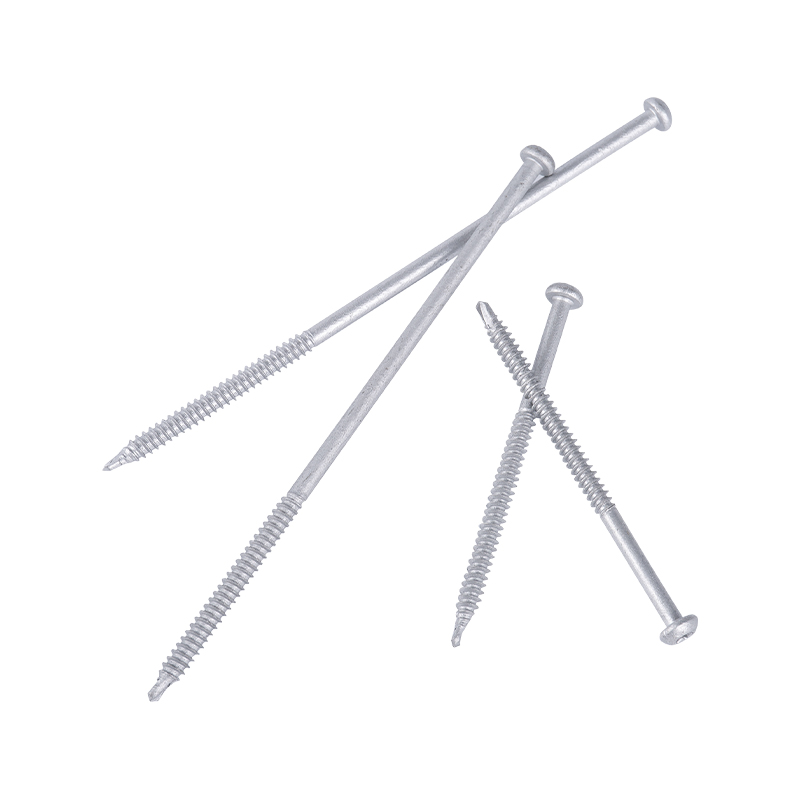
Not all stainless tech screws are created equal. Their performance is dictated by precise specifications, primarily the grade of stainless steel and the screw's dimensional geometry. The grade refers to the alloy composition, which determines its mechanical properties and corrosion resistance. For most general outdoor applications, Grade 304 stainless steel is the standard, offering a great balance of durability and cost-effectiveness. For highly corrosive environments, such as coastal areas or settings exposed to de-icing salts or industrial chemicals, Grade 316 stainless steel, with its added molybdenum content, provides superior pitting and crevice corrosion resistance. Beyond material grade, the design of the screw itself is critical. This includes the thread type (fine or coarse), the length and gauge (diameter), the shape of the drill point, and the configuration of the washer (if integrated). A comprehensive stainless steel tech screw price list will always differentiate products based on these factors, as they directly impact the screw's capability, suitability for specific material thicknesses, and ultimately, its cost. Understanding these specs prevents the common pitfall of using an under-specified screw that could lead to joint failure or premature corrosion.
| Feature | Grade 304 Stainless | Grade 316 Stainless |
| Corrosion Resistance | Very Good for most atmospheres | Excellent, especially vs. chlorides |
| Key Alloy Addition | Chromium, Nickel | Chromium, Nickel, Molybdenum |
| Typical Cost | Standard | Premium (20-30%+ higher) |
| Best For | Inland construction, roofing, general fabrication | Coastal areas, chemical plants, marine hardware |
The drive type of a screw is a crucial, yet sometimes overlooked, specification that affects installation speed, torque transfer, and tooling requirements. For stainless tech screws, several options are prevalent. Phillips head stainless steel tech screws are widely recognized and are often used in applications where a common driver bit is sufficient and cam-out (the driver slipping out under high torque) is not a primary concern. However, for high-torque applications or when driving screws into tough materials, a hex drive (either a standard hex washer head or a socket cap) is often preferred as it provides a more positive engagement, reducing the risk of stripping the drive and allowing for greater installation force. Other types include Torx (or star) drives, which offer excellent torque transfer and reduced cam-out, and square drives. The choice often depends on the trade professional's preference, the available tools, and the specific demands of the installation task. When reviewing a stainless steel tech screw price list, you'll notice that drive type can also influence cost, with more specialized drives sometimes commanding a slight premium due to manufacturing nuances.
When a fastener is destined for an outdoor setting, its ability to withstand the elements becomes the paramount concern. This is where corrosion resistant tech screws for outdoor use prove their worth, and stainless steel variants are at the forefront of this category. Corrosion is the electrochemical degradation of metal, and outdoor environments accelerate this process through constant exposure to moisture, UV radiation, temperature cycles, and pollutants. While coated steel screws offer some protection, the coating can be scratched during installation or wear away over time, creating a point of vulnerability. In contrast, stainless tech screws are inherently corrosion resistant throughout their entire volume. This means that even if the surface is scratched or marred during installation, the underlying material retains its protective passive oxide layer. For projects like metal roofing, deck framing, outdoor furniture, or fence construction, specifying true stainless steel tech screws is a proactive measure against unsightly rust stains, weakened joints, and the costly need for premature replacement. It is a classic example of investing slightly more upfront in materials to avoid significant expense and hassle in the future.
| Environment | Recommended Screw Type | Key Threat |
| Dry, Interior | Standard Zinc-Plated Tech Screws | Minimal |
| General Outdoor (Inland) | Grade 304 Stainless Tech Screws | Rain, Humidity, Pollution |
| Coastal / High-Salt / Industrial | Grade 316 Stainless Tech Screws | Salt Spray, Chlorides, Chemical Splash |
| Areas with De-icing Salts | Grade 316 Stainless Tech Screws | Chloride Runoff |
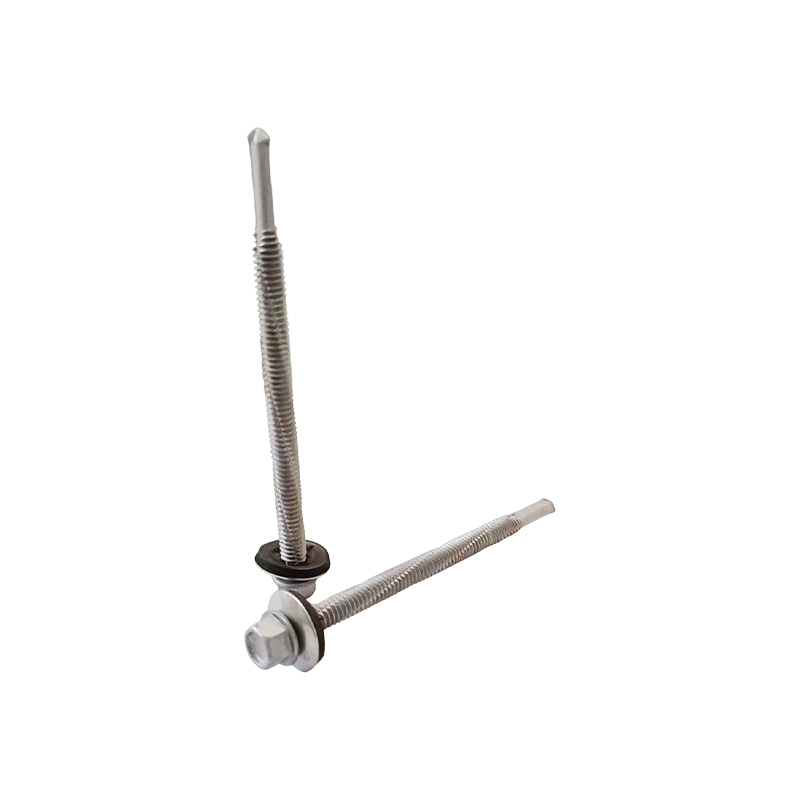
One of the most powerful subcategories of tech screws is the self-drilling stainless steel tech screws for metal. These fasteners are specifically engineered to tackle one of the tougher fastening challenges: joining metal sheets or profiles without pre-punching or tapping holes. Their design incorporates a true drill point, similar to a twist drill bit, at the tip. This point is heat-treated to be extremely hard, allowing it to cut through sheet metal, steel studs, or light structural steel. As the screw is driven, this point drills a clean hole, after which the following threaded section taps its own threads into the newly created hole, forming a tight, secure connection. The efficiency gains are enormous, eliminating the separate drilling step, aligning holes perfectly, and speeding up assembly lines or construction projects dramatically. When selecting self-drilling stainless steel tech screws for metal, it is critical to match the screw's drill point length (often indicated by a number like #1, #2, #3, #4, or #5) to the total thickness of the metal being penetrated. Using a screw with too short a drill point will not fully penetrate, leading to poor thread engagement and a weak joint.
For professionals and large projects, sourcing stainless tech screws efficiently is key. The best approach for where to buy stainless tech screws bulk is typically through specialized industrial fastener distributors, construction supply wholesalers, or reputable online B2B marketplaces that cater to the trade. These suppliers understand technical specifications, can provide material certifications, and often offer volume-based stainless steel tech screw price list discounts. They also carry the full range of types, including Phillips head stainless steel tech screws, hex drives, and specialized self-drilling stainless steel tech screws for metal. Buying in bulk from these channels ensures consistency in quality, access to technical support, and cost-effectiveness compared to retail hardware stores. Always request samples before a large purchase to verify quality and compatibility.
Absolutely, in any application where moisture, corrosion, or long-term integrity is a factor. While the initial purchase price on a stainless steel tech screw price list is higher than for zinc-plated screws, the total cost of ownership is often lower. Zinc plating provides a sacrificial layer that slowly corrodes. Once compromised, the underlying steel will rust, potentially leading to joint failure, stained surfaces, and expensive repair or replacement work. Stainless tech screws, being inherently corrosion resistant, eliminate this risk. For outdoor use, coastal projects, or interior wet areas, they are not just an upgrade; they are the correct technical choice. The investment safeguards the value and appearance of the entire project.
Yes, but with a critical caveat regarding the wood's treatment chemicals. Modern pressure-treated lumber often contains alkaline copper quaternary (ACQ) or copper azole preservatives, which are highly corrosive to standard steel and even to some metals. Stainless steel, particularly Grade 305 and more reliably Grade 316, has excellent resistance to these copper-based compounds. Therefore, using stainless tech screws is actually one of the *recommended* practices for fastening modern pressure-treated wood, especially for critical outdoor structures like decks, docks, and raised garden beds. They prevent the corrosive reaction that can quickly destroy ordinary screws, ensuring the structural integrity of the wooden assembly.
This is a common point of confusion. All self-drilling screws are self-tapping, but not all self-tapping screws are self-drilling.
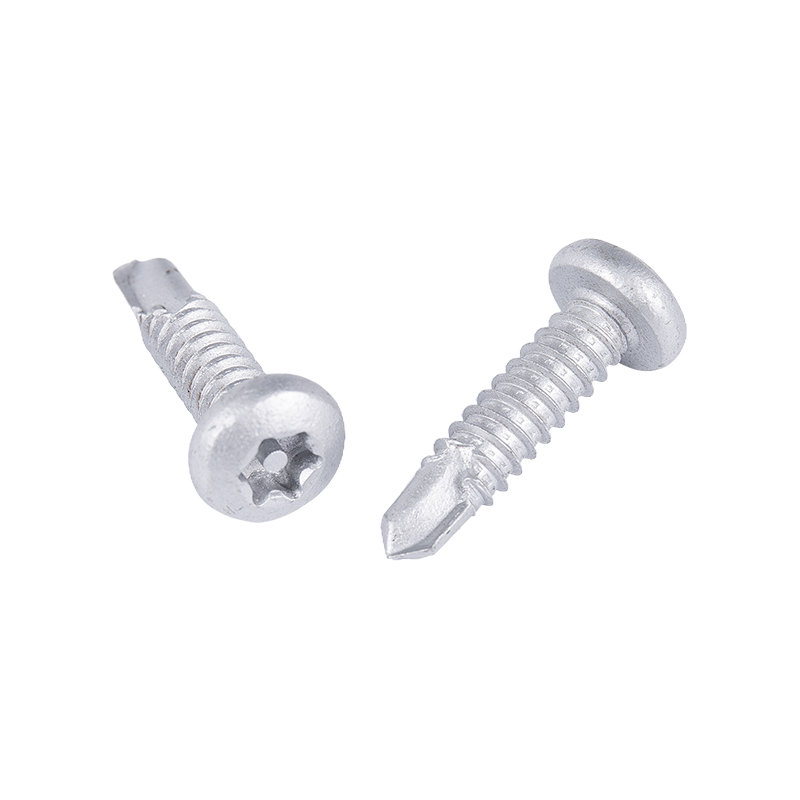
Pan Head Self-Drilling Screws are a type of fastener widely used in construction...
See Details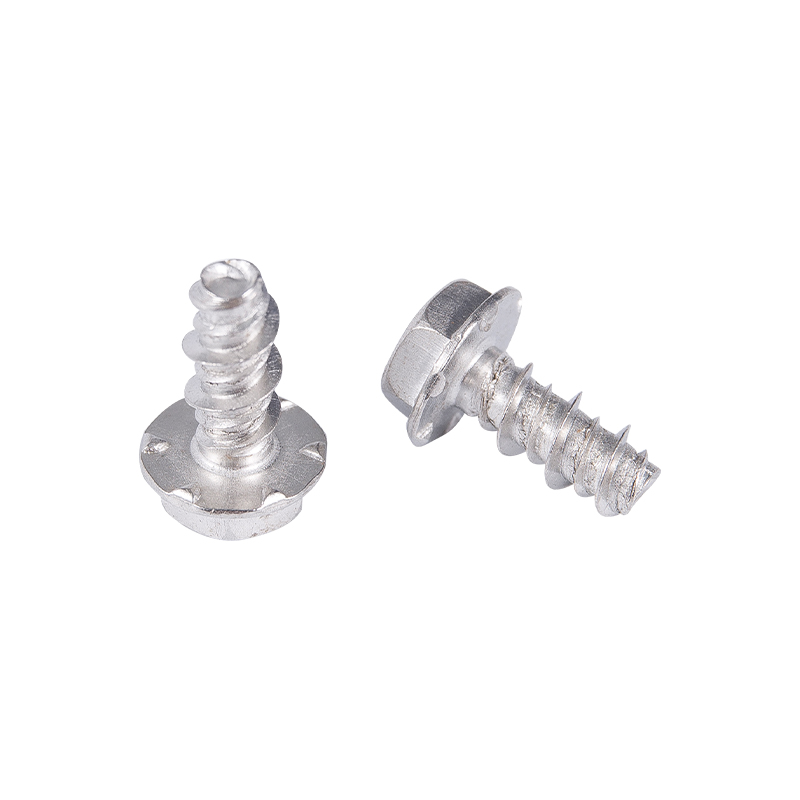
The design feature of the flat-tail self-tapping screw is that the tail has a sc...
See Details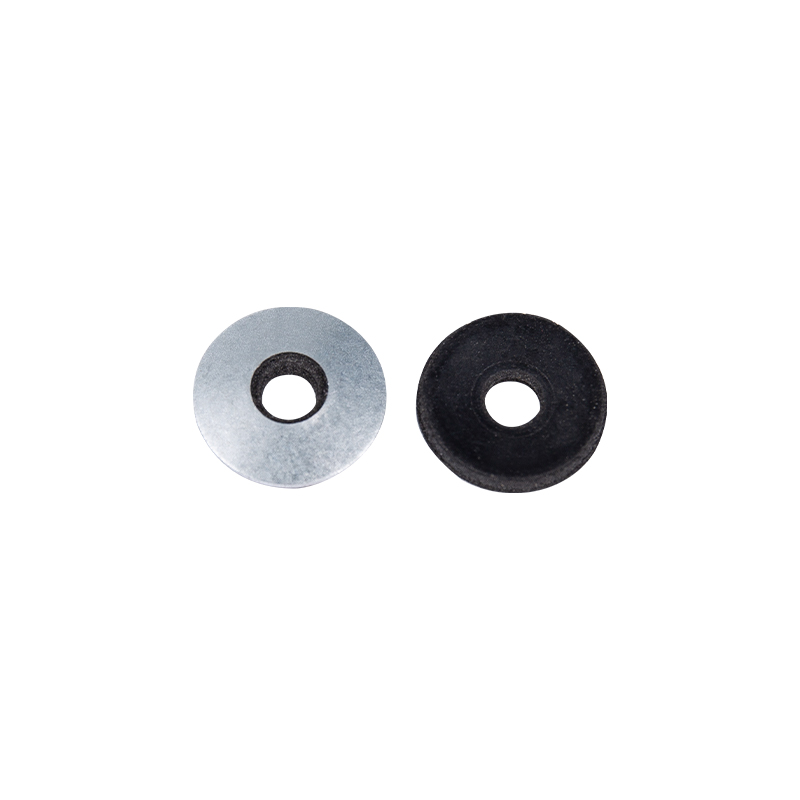
Monomer gaskets and conjoined gaskets are two types of sealing materials widely ...
See Details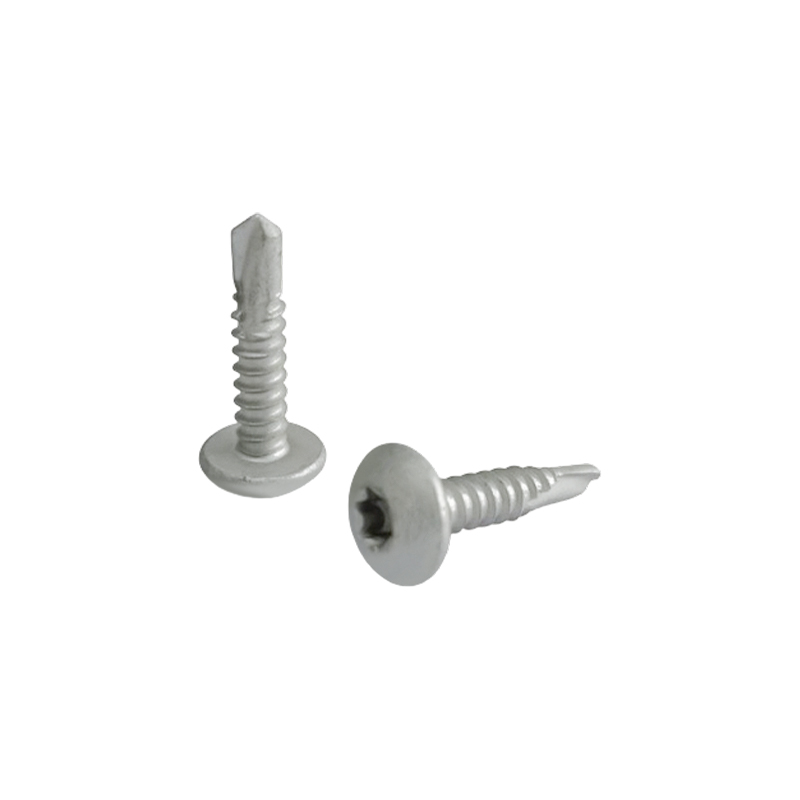
This Pan Head Hexalobular Self Drilling Screw features a specification of 12#-14...
See Details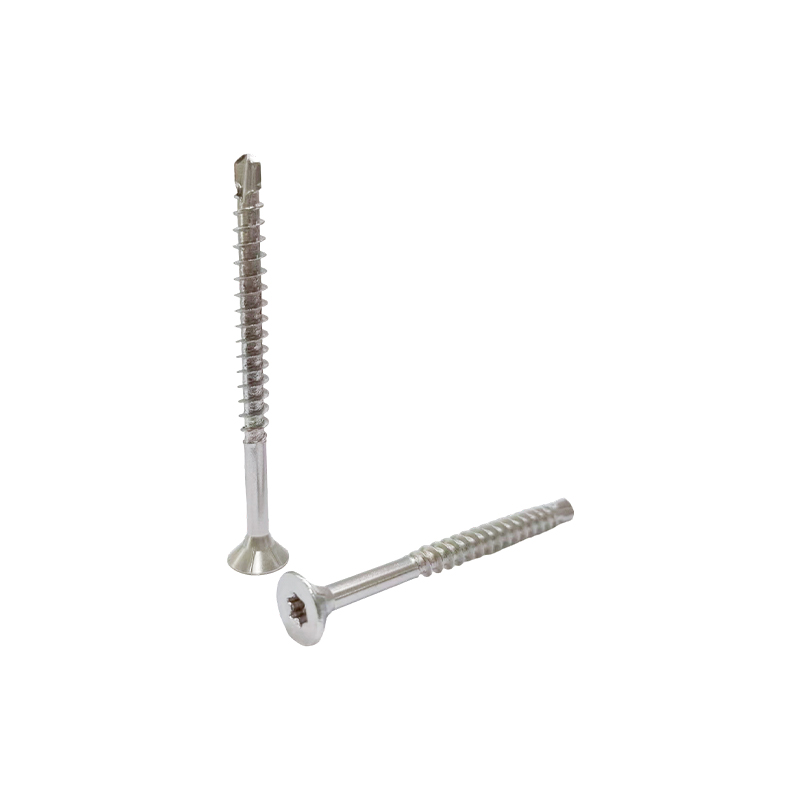
The Double Countersunk Hexalobular Six-Bevel Rib Milled Tail Chipboard Screw is ...
See Details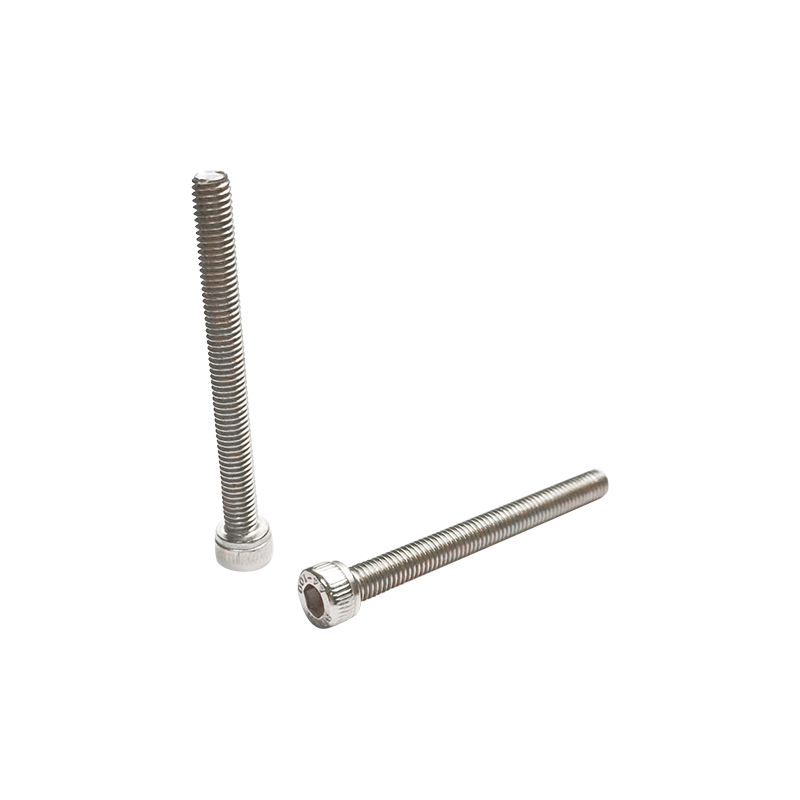
The Socket Cap Head Internal Hexagonal Machine Screw is a threaded fastener char...
See Details+86-13705735391
+86-18868359082
+86-573-83128088
+86-573-83128123
No. 2155, Shuanglong Road, Nanhu District, Jia Xing City, Zhejiang Province
Copyright © Jiaxing Zhongke Metal Technology Co.,Ltd. All Rights Reserved.Custom High Strength Stainless Steel Fasteners Manufacturers Provider