English
 Español
 عربى
عربى


Ordinary nuts Flange nuts Lock nuts
Cat:Nuts
Ordinary nuts, flange nuts and anti-loosening nuts are three common fasteners, e...
See Details


Content
In the world of metal fabrication and construction, the choice of a fastener is a critical engineering decision that impacts structural integrity, installation efficiency, and long-term durability. Among the array of options, stainless steel wafer head self drilling screws have emerged as a premier solution for a wide range of applications. This article provides a professional, in-depth analysis of these fasteners, exploring their unique design principles, optimal use cases, and the technical considerations necessary for specification and installation. We will decode the engineering behind the wafer head, guide you through precise selection for projects like metal roofing, compare them to alternatives, and address common challenges such as removal, offering a comprehensive resource for engineers, contractors, and procurement specialists.
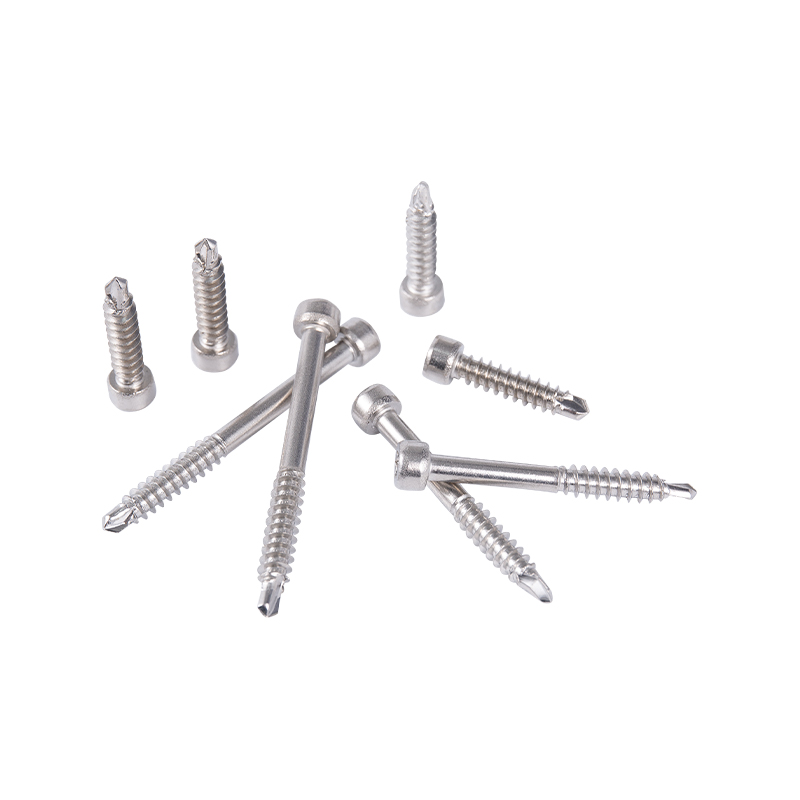
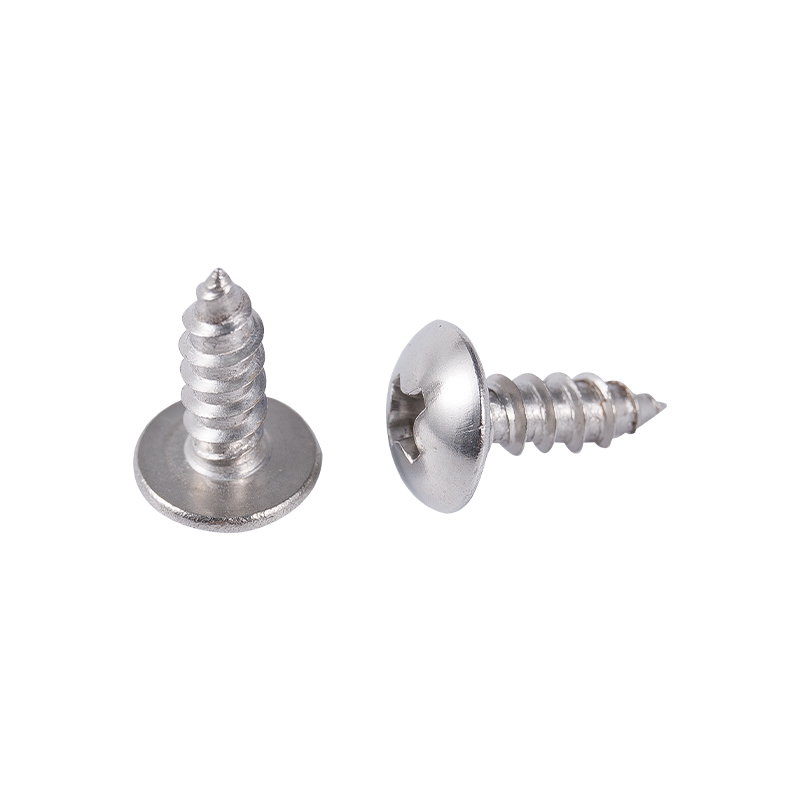
The design of the stainless steel wafer head self drilling screw is a study in efficient force distribution and functional integration. The defining "wafer head" features an exceptionally low-profile, dome-shaped head with a built-in, wide diameter washer (flange). This geometry provides a significantly larger bearing surface than a standard pan or hex head, which distributes clamping force over a broader area. This is crucial for preventing pull-through in thin-gauge metals and for creating a more effective seal against moisture ingress, a key factor in roofing and cladding. The "self-drilling" tip, or point, incorporates a specially hardened drill section that eliminates the need for pre-drilling pilot holes in steel, aluminum, and other metals. This tip drills its own hole, taps threads, and fastens in a single operation, dramatically reducing labor time and tooling costs. The combination of stainless steel construction ensures resistance to corrosion, making these screws ideal for exterior, marine, or chemically aggressive environments.
A common comparison in fastener selection is between the wafer head and the traditional hex washer head. This decision impacts tooling, installation speed, and final appearance.
| Feature | Wafer Head | Hex Washer Head |
| Installation Tool | Requires a standard Phillips, Pozidriv, or TORX bit. Faster bit engagement. | Requires a socket or nut driver. Slower engagement but can handle higher torque. |
| Profile & Aesthetics | Very low profile, smooth appearance. | Higher, more industrial profile. |
| Anti-Rotation Security | Relies on driver bit engagement; can cam-out if over-torqued. | Superior resistance to cam-out due to hexagonal drive, ideal for high-vibration areas. |
| Bearing Surface | Extremely wide, integrated flange. | Smaller washer; may use a separate sealing washer. |
| Primary Application | Sheet metal, roofing, cladding where sealing and low profile are key. | Structural connections, thicker materials where high torque and vibration resistance are critical. |
Selecting the correct stainless steel wafer head self drilling screws is not a one-size-fits-all process. It requires a precise understanding of the application's mechanical demands, environmental exposure, and material compatibility. For instance, in the realm of wafer head self drilling screws for metal roofing, the screws must withstand cyclical wind uplift forces, thermal expansion and contraction of the panels, and decades of exposure to rain, UV radiation, and potential chemical pollutants. The wide wafer head is specifically engineered to clamp the roofing panel and sealant washer firmly against the structural purlin without over-deforming the thin metal, while the stainless steel body resists rust that could stain the roof and weaken the connection. The self-drilling feature allows installers to work rapidly without staging multiple tools for drilling and fastening, a crucial efficiency on large roof areas.
This level of technical precision in material selection and manufacturing is central to the operations of specialized producers. Companies like Jiaxing Zhongke Metal Technology Co., Ltd., with their foundation in advanced heat treatment and metal processing, bring critical expertise to the production of high-strength stainless steel fasteners. Their ability to control the metallurgy—ensuring the drill point is hard enough to pierce metal while the shank retains necessary toughness, and applying precise surface treatments for optimal corrosion resistance—is what separates a reliable fastener from one that fails prematurely in the field.
Correct installation is paramount to achieving the designed performance of any fastener. For self-drilling screws, this involves controlling drill speed and feed pressure to allow the point to efficiently cut metal without overheating or becoming dull. A variable-speed drill with a clutch is essential. The installer should apply firm, steady pressure until the screw "seats" – the sound and feel will change as the drill point completes its work and the threads begin to pull the screw tight. Over-torquing must be avoided, as it can strip the threads in the base metal, deform the wafer head, or damage the sealing washer. A common but challenging issue is dealing with a how to remove stripped wafer head self drilling screw. The low-profile head can be difficult to grip once the drive recess is damaged.
It is not recommended. The chemicals in pressure-treated lumber (like copper) are highly corrosive to many metals, including some grades of stainless steel. This can lead to accelerated galvanic corrosion, severely compromising the fastener's integrity. For pressure-treated wood, specifically rated hot-dip galvanized or ceramic-coated fasteners are the appropriate choice to ensure longevity and structural safety.
The number designation refers to the size and capability of the self-drilling point. A #4 point is designed to drill through a combined material thickness of approximately 1/2 inch (12-13mm) of steel. A #5 point is heavier, designed for thicker materials up to about 3/4 inch (19mm) or for harder metals. Using a point that is too small for the material will cause it to dull quickly and fail to drill, while an overly large point is unnecessary and may be more expensive. Selecting the correct point, like a #4 stainless steel wafer head self drilling screws for medium-gauge steel, is crucial for efficient installation.
Preventing leaks is a system approach. First, always use screws equipped with a high-quality, UV-resistant EPDM sealing washer. Second, ensure the screw is driven perpendicular to the roof surface. Driving at an angle can distort the washer and create a path for water. Third, do not over-tighten. The goal is to compress the washer until it forms a complete seal (it will "mushroom" slightly) but not so much that it is cut or permanently flattened. Properly installed wafer head self drilling screws for metal roofing are the industry standard for leak-free performance due to their wide, compressive head design.
Type 410 stainless steel offers good mechanical strength and moderate corrosion resistance. It is more susceptible to surface rust (particularly in saltwater environments) compared to the 300-series stainless steels like 304 or 316. For critical outdoor applications where appearance and long-term corrosion resistance are paramount, such as architectural metal work or coastal installations, Type 304 or 316 is strongly preferred. The choice hinges on the specific environmental severity and should be informed by a detailed understanding of the corrosion resistance of 410 vs 305 stainless wafer head screws and other grades.
This is a classic sign of "strip-out," where the threads have failed to engage properly in the base material. The most common causes are: 1) Using a screw with a drill point that is too small for the material thickness, so it didn't create a full-sized hole for the threads to grip. 2) Over-torquing the screw, which sheared the threads out of the base metal. 3) Drilling into a material that is too hard or brittle for a self-drilling screw. To resolve this, you will need to address the how to remove stripped wafer head self drilling screw issue (see methods above) and then replace it with a correctly specified screw, possibly in a new location or using a larger diameter screw.
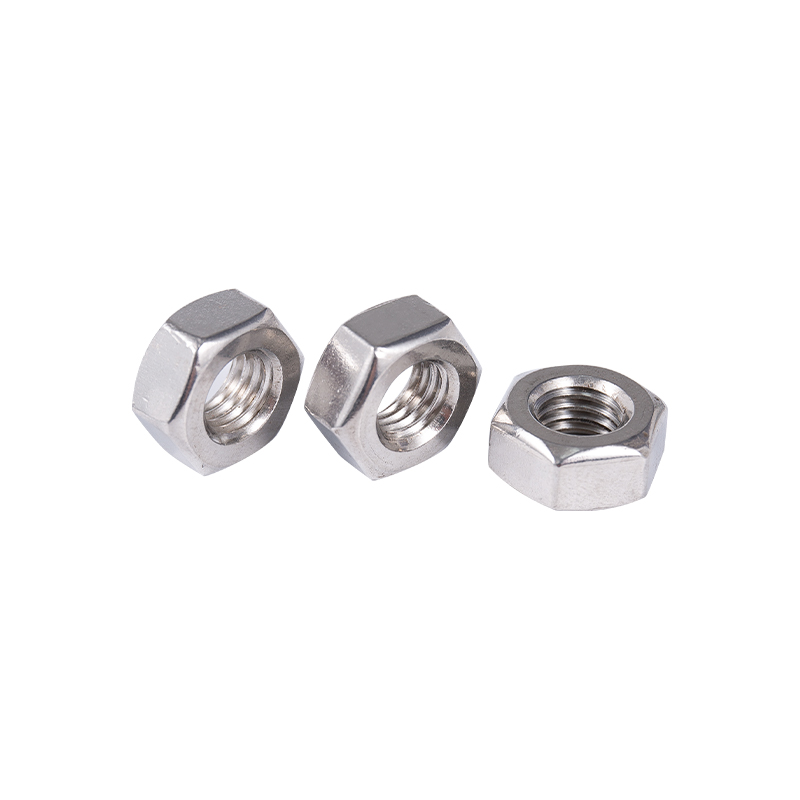
Ordinary nuts, flange nuts and anti-loosening nuts are three common fasteners, e...
See Details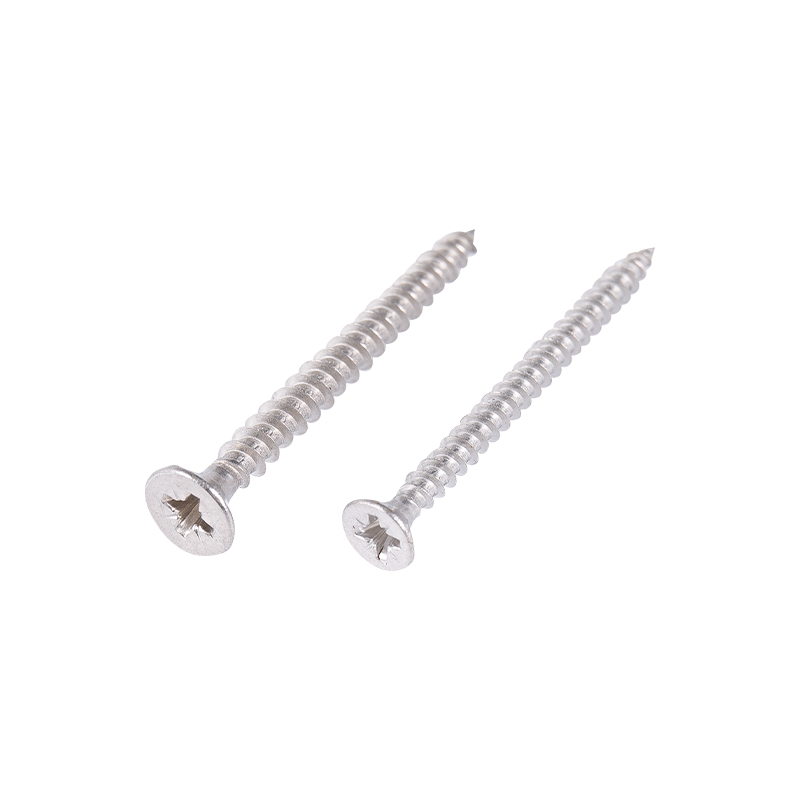
The design features of the countersunk head sharp point self-tapping screws enab...
See Details
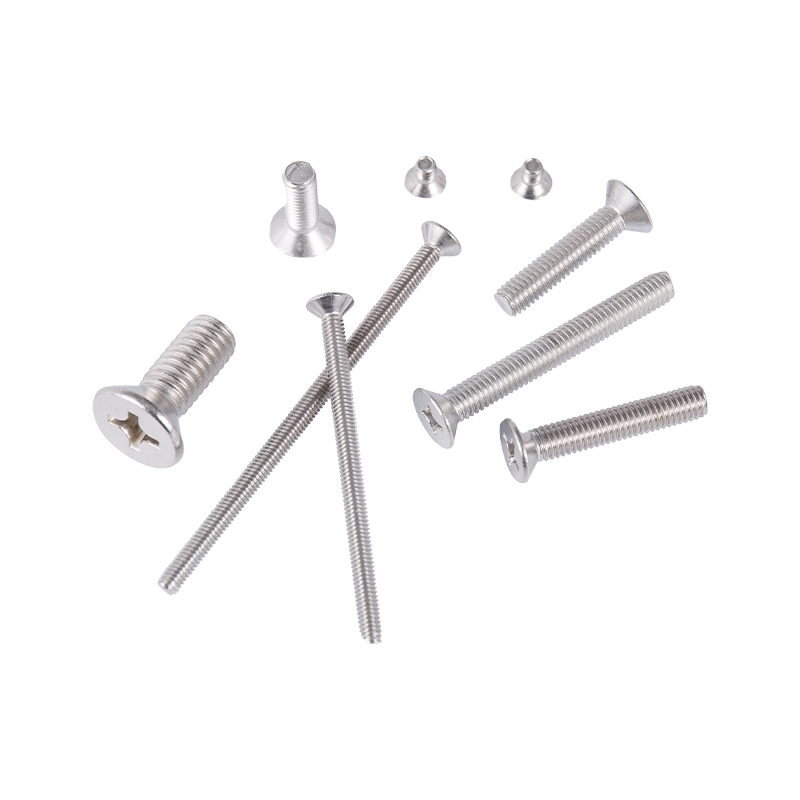
Countersunk machine screws are widely used in machinery, furniture, electronics ...
See Details+86-13705735391
+86-18868359082
+86-573-83128088
+86-573-83128123
No. 2155, Shuanglong Road, Nanhu District, Jia Xing City, Zhejiang Province
Copyright © Jiaxing Zhongke Metal Technology Co.,Ltd. All Rights Reserved.Custom High Strength Stainless Steel Fasteners Manufacturers Provider