English
 Español
 عربى
عربى


Hexagonal Self-Drilling Screws
Cat:Self Drilling Screws
Hexagonal self-drilling screws are an efficient and convenient fastener. This ty...
See Details


Content
Industrial fastening applications demand hardware that maintains integrity under challenging environmental conditions. Stainless steel screws provide the engineered solution that construction, marine, and manufacturing sectors require to secure components reliably while resisting corrosion and mechanical stress. Understanding the material grades, mechanical specifications, and selection criteria helps procurement teams specify fasteners that align with their project requirements and long-term durability expectations.
Stainless steel screws are threaded fasteners manufactured from iron-based alloys containing a minimum 10.5% chromium by weight. This chromium content forms a passive oxide layer on the surface that prevents rust and corrosion. The austenitic 300 series, particularly grades 304 and 316, dominates the screw manufacturing industry due to their excellent formability, weldability, and corrosion resistance.
The base composition includes iron, chromium, and nickel as primary elements. Grade 304 contains approximately 18% chromium and 8% nickel, earning the designation 18/8 stainless steel. Grade 316 reduces chromium content to 16-18% while increasing nickel to 10-14% and adding 2-3% molybdenum, which significantly enhances performance in aggressive environments .
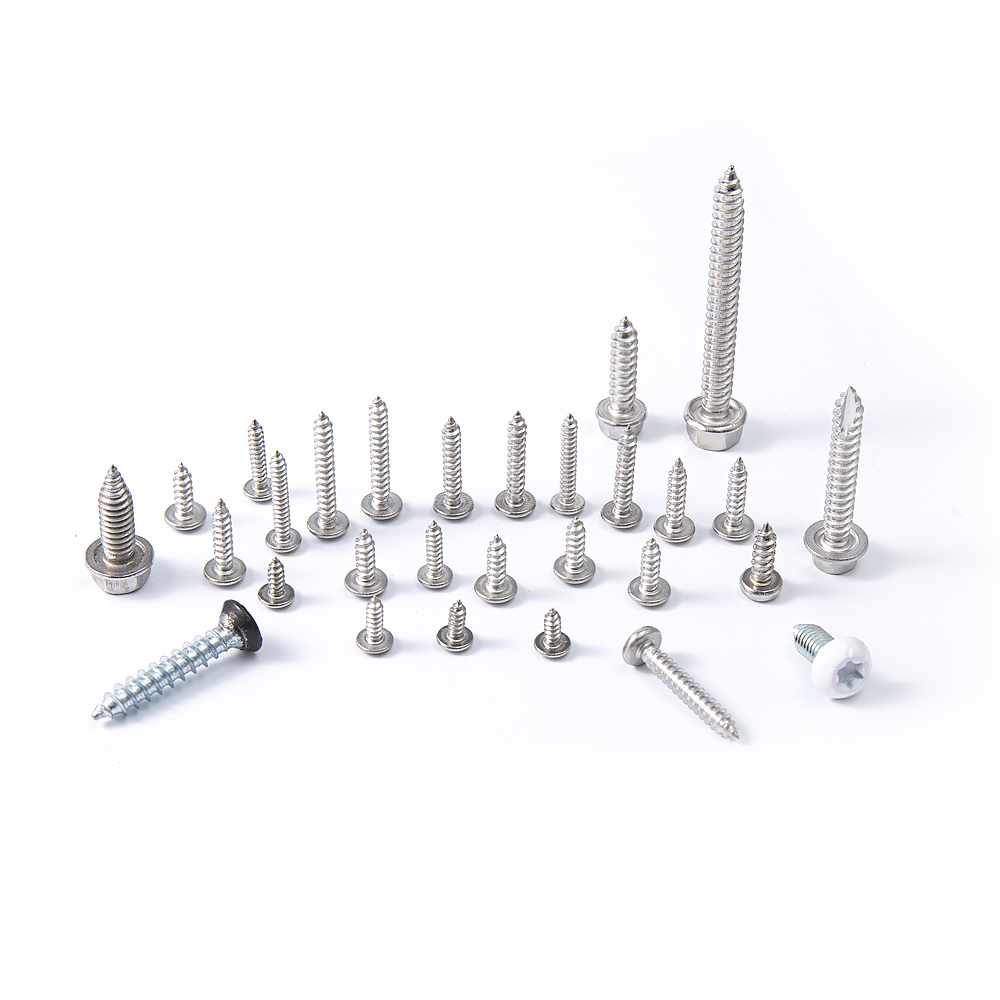
Manufacturers produce stainless steel screws according to standardized dimensional and mechanical specifications. ISO metric thread standards define screw diameters ranging from M4 to M45 for various load requirements. Unified National Coarse and Fine thread standards remain common in North American markets, though metric measurements provide greater precision for international procurement
Cold working processes form the threads and heads while maintaining the material's corrosion-resistant properties. Heat treatment is not required for austenitic grades since these alloys cannot be hardened through thermal processing. However, cold working increases tensile strength and hardness through work hardening mechanisms .
The stainless steel screws 304 vs 316 comparison centers on molybdenum content. Grade 316 incorporates 2-3% molybdenum whilee grade 304 contains none. This single alloying element creates substantial performance differences despite similarities in other components
Both grades share comparable base compositions with 16-20% chromium and 8-14% nickel. Carbon content remains below 0.08% in both materials, with low-carbon variants (304L and 316L) reducing carbon to 0.03% maximum for improved weldability. Manganese, phosphorus, sulfur, and silicon levels remain essentially identical between the two grades .
Molybdenum in grade 316 provides superior resistance to chloride-induced pitting and crevice corrosion. This makes 316 the preferred choice for marine environments, coastal construction, and chemical processing applications where saltwater or aggressive chemicals accelerate degradation.
Grade 304 delivers adequate stainless steel screws corrosion resistance for general atmospheric exposure, indoor applications, and freshwater environments. The material resists organic chemicals, dyestuffs, and a wide range of inorganic chemicals. However, exposure to seawater, de-icing salts, or high-chloride industrial atmospheres may cause pitting corrosion in 304 screws over time.
The following table presents a detailed comparison of stainless steel screws 304 vs 316 specifications:
| Specification | Grade 304 | Grade 316 |
|---|---|---|
| Chromium Content | 18.00% - 20.00% | 16.00% - 18.00% |
| Nickel Content | 8.00% - 10.50% | 10.00% - 14.00% |
| Molybdenum Content | None | 2.00% - 3.00% |
| Carbon Maximum | 0.08% | 0.08% |
| Tensile Strength | 75,000 - 85,000 psi | 80,000 - 100,000 psi |
| Corrosion Resistance (General) | Good | Excellent |
| Chloride Resistance | Moderate | Superior |
| Marine Suitability | Limited | Recommended |
| Relative Cost | Lower | Higher (20-35% premium) |
| Primary Applications | General construction, food equipment, indoor use | Marine, coastal, chemical, medical |
Stainless steel screw strength tensile ratings vary by grade and manufacturing process. Grade 304 screws typically achieve tensile strengths of 75,000 to 85,000 psi, while grade 316 delivers 80,000 to 100,000 psi due to higher nickel content and solid solution strengthening effects
These values compare favorably with carbon steel alternatives but remain lower than heat-treated alloy steel grades such as Grade 8 bolts at 150,000 psi. However, the combination of adequate strength with exceptional corrosion resistance makes stainless steel the optimal choice for applications where environmental exposure would rapidly degrade coated carbon steel fasteners .
Shear strength typically ranges from 60% to 70% of tensile strength for austenitic stainless steels. Engineers must apply appropriate safety factors when calculating load capacities, considering dynamic loads, vibration, and potential stress concentrations at thread roots .
Stainless steel machine screws specifications include various thread configurations optimized for specific applications. Coarse threads provide faster installation and better performance in soft materials or environments prone to thread damage. Fine threads offer approximately 10-15% higher tensile strength in equivalent diameters and superior vibration resistance for precision assemblies.
Self-tapping variants cut or form their own threads in metal, plastic, or wood substrates, eliminating pre-tapping requirements. Thread-forming screws displace material rather than cutting it, creating stronger joints in ductile materials while generating no chips
The following table presents stainless steel machine screws specifications by grade class:
| Screw Grade/Class | Minimum Tensile Strength | Material Type | Common Applications |
|---|---|---|---|
| A2-70 (304) | 700 MPa (100,000 psi) | Stainless Steel 304 | General machinery, architectural |
| A4-70 (316) | 700 MPa (100,000 psi) | Stainless Steel 316 | Marine, chemical, outdoor |
| A4-80 (316) | 800 MPa (115,000 psi) | Stainless Steel 316 (cold worked) | High-stress structural |
| 305 Stainless | 550-650 MPa | Stainless Steel 305 | Decking, outdoor construction |
Atmospheric corrosion rates for stainless steel screws depend on environmental chemistry. Rural atmospheres with minimal pollutants cause negligible corrosion over decades. Urban and industrial environments containing sulfur dioxide or nitrogen oxides accelerate surface degradation, though the effect remains minimal for 304 and negligible for 316 .
Marine environments present the most severe challenge due to the chloride ion concentration in seawater and salt spray. Grade 304 suffers from pitting corrosion in coastal applications, particularly in crevices or under deposits where oxygen concentration cells form. Grade 316 with molybdenum resists these conditions effectively, maintaining structural integrity for 20-plus years in moderate marine exposure.
Chemical processing environments require careful material selection based on specific exposure conditions. Grade 316 withstands sulfuric acid, bromides, iodides, and fatty acids at elevated temperatures better than 304. Both grades resist organic acids and alkalis, though concentrated hydrochloric acid attacks even 316 at high temperatures
Food processing and medical equipment applications benefit from the hygienic properties of stainless steel. The non-porous surface prevents bacterial colonization and withstands aggressive cleaning protocols, including bleach, hydrogen peroxide, and caustic agents. Grade 316L low-carbon variants prevent carbide precipitation during welding, maintaining corrosion resistance in the heat-affected zone.
Stainless steel wood screws applications include decking, fencing, siding, and structural timber connections. Type 305 stainless steel offers optimized performance for wood fastening due to slightly higher work hardening rates that improve thread cutting in dense hardwoods.
Deck screws feature self-drilling points and aggressive thread patterns that reduce splitting while maximizing pull-out resistance. Star-drive heads prevent cam-out during high-torque installation in dense materials. For pressure-treated lumber, stainless steel prevents galvanic corrosion that occurs when dissimilar metals contact chemically treated wood
Marine applications demand grade 316 or 316L for all submerged or splash-zone fasteners. This includes boat hardware, dock construction, pier pilings, and coastal boardwalks. The molybdenum content prevents crevice corrosion in overlapping joints and under gaskets where moisture accumulates .
Above-water applications in coastal zones benefit from 316 screws even when not directly submerged. Salt spray carried by wind deposits chloride ions on surfaces, initiating corrosion in less resistant materials. Grade 316 maintains appearance and structural integrity under these conditions .
Medical devices and implants utilize 316L stainless steel for its biocompatibility and corrosion resistance in physiological environments. The low-carbon content prevents sensitization during sterilization cycles, and the material withstands repeated autoclaving without degradation .
Food processing equipment requires fasteners that resist corrosion from acids, salts, and cleaning chemicals while maintaining hygienic surfaces. Both 304 and 316 meet FDA requirements, though 316 provides longer service life in high-chloride food products such as pickles, sauces, and brined meats.
Procurement teams must verify material authenticity when sourcing stainless steel screws. Visual inspection cannot distinguish 304 from 316 since both grades share an identical appearance. Spectrometric analysis provides definitive identification of alloy composition, though this requires laboratory equipment.
Chemical spot testing offers a practical field verification method. Testing solutions react differently with 304 and 316 based on molybdenum content, producing color changes that indicate grade classification. However, these tests are destructive and should be performed on sample pieces rather than production fasteners
Documentation review represents the most reliable verification approach. Reputable suppliers provide mill test certificates documenting chemical composition, mechanical properties, and compliance with applicable standards. ISO 9001 certification and material traceability records further ensure quality consistency .
Grade 316 commands a 20-35% price premium over 304 due to higher nickel content and molybdenum addition. However, total cost of ownership calculations often favor 316 in aggressive environments. Reduced maintenance, extended service life, and elimination of premature replacement costs offset higher initial investment within the project lifecycle .
For indoor or low-corrosion applications, 304 provides adequate performance at a lower cost. The key procurement decision involves an honest assessment of environmental exposure rather than defaulting to the highest-grade material. Over-specification wastes budget without delivering proportional value, while under-specification risks catastrophic failure.
Stainless steel screws 304 vs 316 differ primarily in molybdenum content. Grade 316 contains 2-3% molybdenum, while 304 contains none. This addition provides grade 316 with superior resistance to chloride-induced pitting and crevice corrosion, making it essential for marine, coastal, and chemical applications. Grade 304 offers adequate corrosion resistance for general atmospheric and indoor use at a lower cost. Both grades share similar tensile strength ranges, though 316 typically achieves slightly higher values.
Stainless steel sscrews'corrosion resistance depends on grade selection and environmental exposure. Grade 304 resists atmospheric corrosion, organic chemicals, and freshwater effectively. Grade 316 withstands seawater, salt spray, chlorides, and aggressive industrial chemicals. The chromium oxide passive film provides self-healing protection when exposed to oxygen. However, contact with dissimilar metals, exposure to hydrochloric acid, or deposition of corrosive salts can compromise performance. Proper grade selection for the specific environment ensures decades of service life.
Stainless steel machine screws specifications include a diameter range from M4 to M45, following ISO metric standards, with tensile strengths of 700-800 MPa for A2 and A4 grades. Thread types include coarse for general applications and fine for high-stress precision assemblies. Lengths range from 6mm to 200mm, depending on application requirements. Drive types include slotted, Phillips, Torx, and hex heads. Procurement should specify thread class, material grade, finish requirements, and applicable standards such as ISO 3506 or ASTM F593.
Stainless steel screw strength tensile ratings typically range from 75,000 to 100,000 ps, depending on grade and processing. Grade 304 achieves 75,000-85,000 psi, while grade 316 delivers 80,000-100,000 psi. Cold working during manufacturing increases strength through work hardening. Class 70 screws provide 700 MPa minimum tensile strength, while Class 80 offers 800 MPa. These values are lower than heat-treated alloy steels, but combined with corrosionresistance they, they provide optimal performance for demanding environments. Engineers should apply safety factors of 2 4to depending on application criticality.
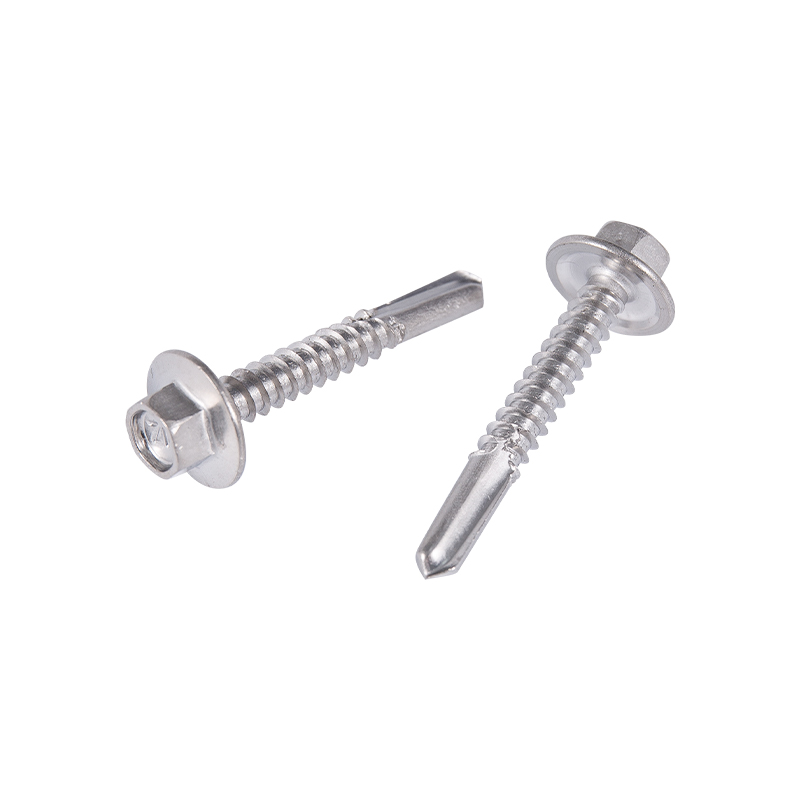
Hexagonal self-drilling screws are an efficient and convenient fastener. This ty...
See Details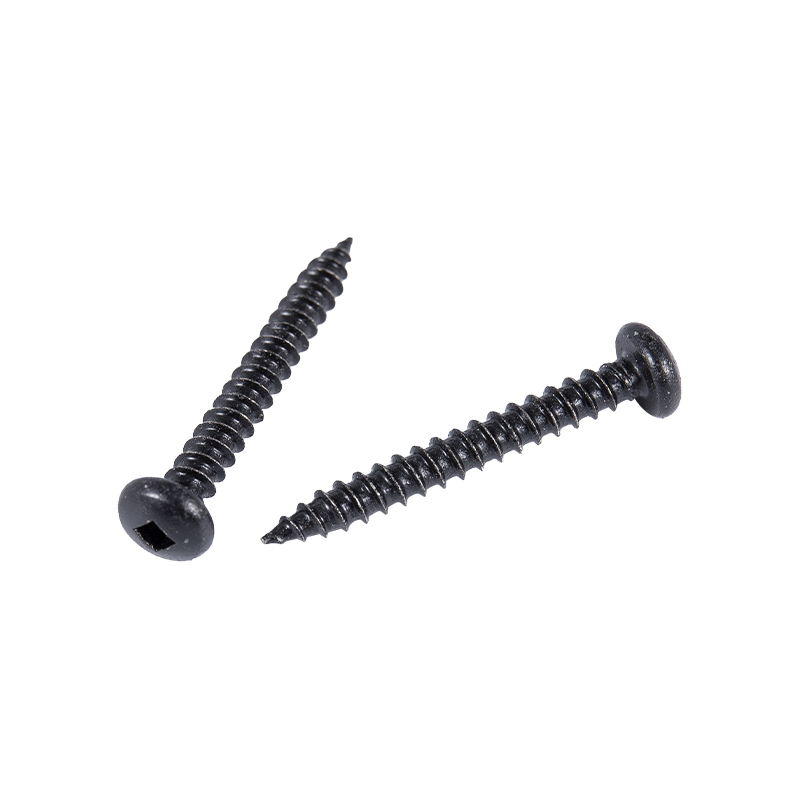
Pan head sharp point self-tapping screws are a type of fastener widely used in c...
See Details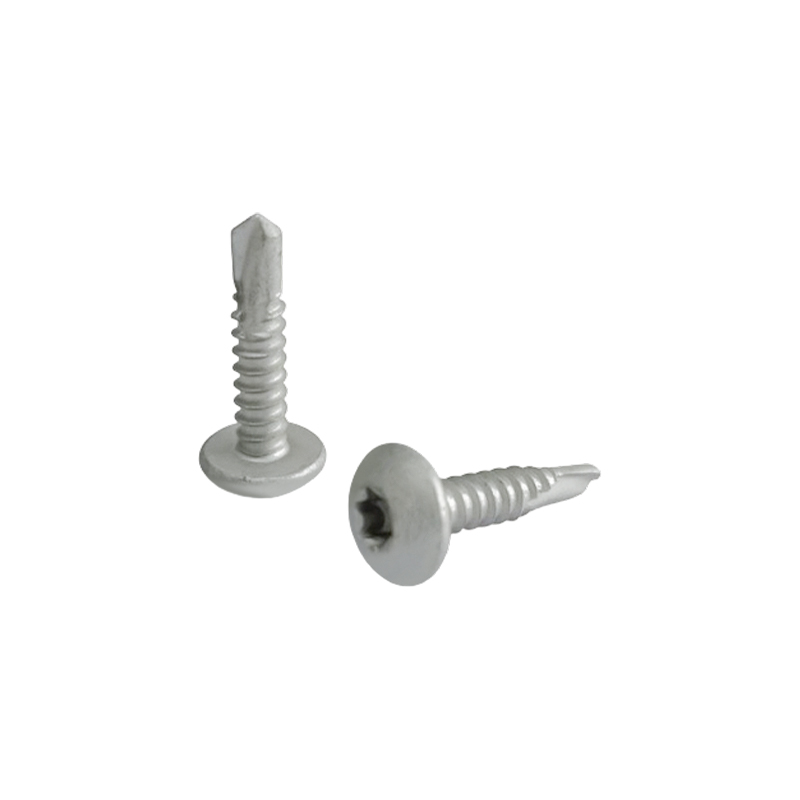
This Pan Head Hexalobular Self Drilling Screw features a specification of 12#-14...
See Details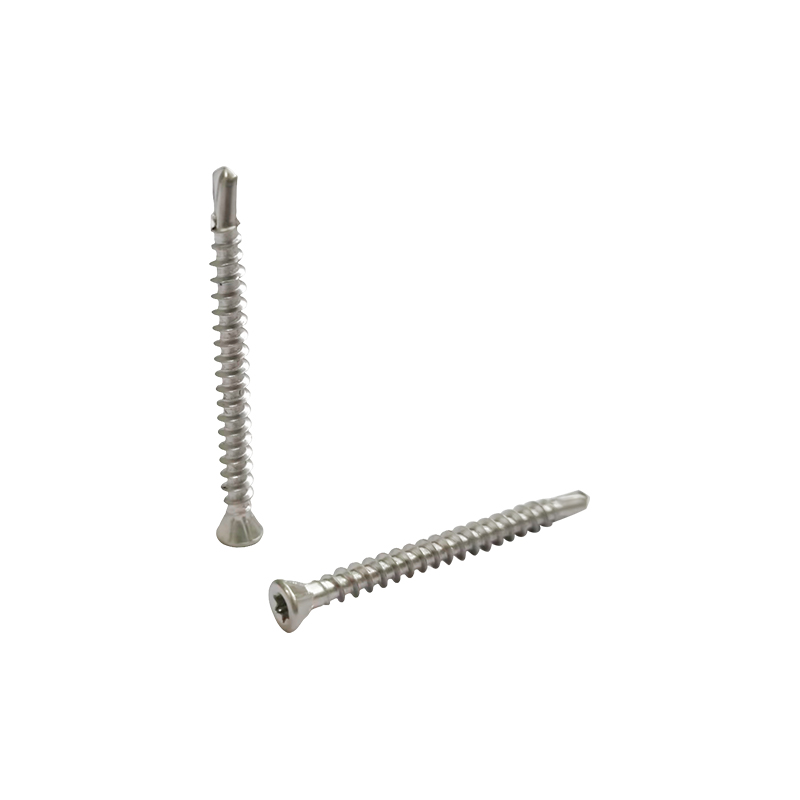
The CSK Six Lobe And Rib Self Drilling Screw is a fastener featuring a specific ...
See Details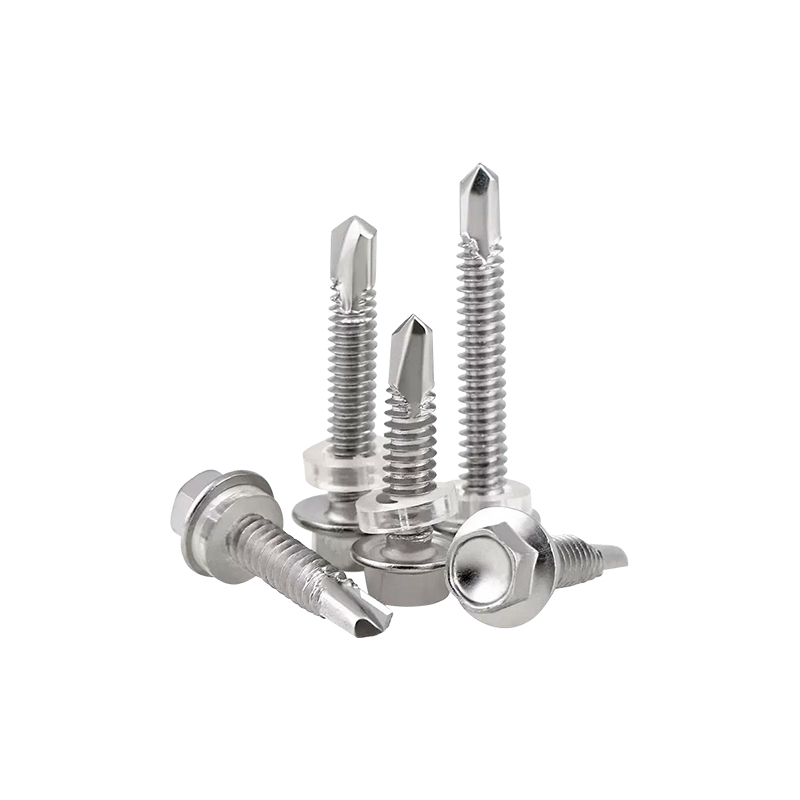
This Hex Flange Head Self Drilling Screw with EPDM Washer offers a thread size r...
See Details+86-13705735391
+86-18868359082
+86-573-83128088
+86-573-83128123
No. 2155, Shuanglong Road, Nanhu District, Jia Xing City, Zhejiang Province
Copyright © Jiaxing Zhongke Metal Technology Co.,Ltd. All Rights Reserved.Custom High Strength Stainless Steel Fasteners Manufacturers Provider