English
 Español
 عربى
عربى


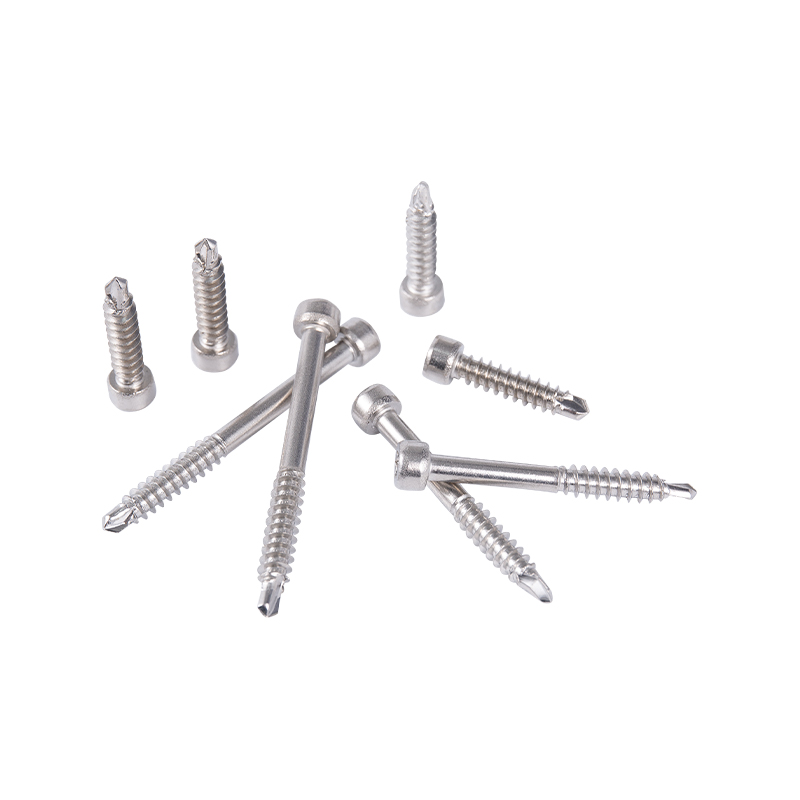
Countersunk Head Self-Drilling Screws
Cat:Self Drilling Screws
Countersunk self-drilling screws are widely used in furniture manufacturing, arc...
See Details


Content
In metal fabrication, construction, and HVAC assembly, fastener selection directly affects installation speed, structural reliability, and long-term maintenance cost. Self-drilling screws are engineered fasteners that combine a drill bit tip with a threaded shank, allowing them to drill, tap, and fasten in a single operation without a pre-drilled pilot hole. This design reduces labor time and eliminates secondary operations on the production line.
The core function of a self-drilling screw depends on the geometry of its tip. Unlike standard fasteners, the point is shaped like a twist drill bit with cutting flutes. When the screw rotates under axial pressure, these flutes remove material and create a clean hole. The thread then engages the substrate immediately as the tip advances, forming a secure mechanical connection in one pass.
The drill point has two primary cutting edges and two relief angles that control chip evacuation. The flute length determines how much material the point can displace before the thread engages. A longer flute is necessary when fastening through thicker substrates. The tip hardness is typically higher than the thread body to prevent premature wear on harder base metals. Most commercial-grade points are milled from medium-carbon steel and then case-hardened to a surface hardness between 60 and 62 HRC.
These two fastener types are frequently confused in procurement and engineering documentation. The functional difference is significant. A self-tapping screw can cut its own thread, but requires a pre-drilled pilot hole. A self-drilling screw creates its own hole and cuts its own thread in a single step. The table below summarizes the key differences relevant to specification and bulk sourcing decisions.
| Feature | Self-Drilling Screws | Self-Tapping Screws |
|---|---|---|
| Pilot hole required | No | Yes |
| Drill tip | Integrated cutting flutes | None (blunt or tapered point) |
| Installation steps | One (drill + tap + fasten) | Two (pre-drill + fasten) |
| Suitable substrates | Steel, aluminum, thin plate | Wood, plastic, soft metal |
| Labor cost | Lower | Higher |
| Tooling requirement | Power screwdriver or drill | Drill press + driver |
Material selection for self-drilling screws is governed by the base substrate, the operating environment, and the required service life. Carbon steel and stainless steel are the two dominant categories in industrial supply chains.
Carbon steel variants offer high hardness and are cost-effective for interior structural applications. Stainless steel self-drilling screws, typically manufactured from 410 martensitic or 304 austenitic alloy, provide corrosion resistance suitable for coastal, chemical, and outdoor environments. The tradeoff is that stainless steel is harder to harden uniformly, which limits maximum substrate thickness. The following table compares the two material classes on criteria relevant to B2B procurement.
| Property | Carbon Steel | Stainless Steel Self-Drilling Screws |
|---|---|---|
| Corrosion resistance | Low (requires coating) | High (inherent) |
| Drill point hardness | 60–62 HRC (case-hardened) | 40–50 HRC (410 grade) |
| Max substrate thickness | Up to 12 mm (steel) | Up to 4 mm (steel) |
| Typical coating | Zinc, phosphate, dacromet | None required |
| Cost index (relative) | 1.0 | 2.5–4.0 |
| Applications | Interior steel framing, HVAC ducts | Roofing, marine, food processing |
Surface treatment extends service life for carbon steel fasteners in moderately corrosive environments. The most common coatings include:
Sizing is defined by thread diameter, shank length, and drill point number. The point number indicates the maximum drillable substrate thickness. A No. 2 point drills up to 0.8 mm of steel, while a No. 5 point can penetrate up to 12.5 mm. Correct point selection prevents point failure and stripped threads during installation.
The self drilling screws size chart below covers the standard point number range and its corresponding substrate capability. These values are based on the ASTM C1002 and DIN 7504 standards used widely in structural and curtain wall applications.
| Point Number | Max Steel Thickness (mm) | Typical Diameter | Common Application |
|---|---|---|---|
| No. 2 | 0.8 | #6–#10 | Light gauge sheet metal, HVAC |
| No. 3 | 2.5 | #8–#14 | Steel studs, light structural |
| No. 4 | 6.0 | #12–#14 | Medium structural steel |
| No. 5 | 12.5 | #14–5/16" | Heavy structural steel, purlins |
Self-drilling screws for metal must match the hardness differential between the point and the substrate. If the substrate is harder than the point, the flutes will wear before breakthrough, causing spin-out. For hot-rolled structural steel above 200 HB hardness, a No. 4 or No. 5 point with a case-hardened carbon steel body is required.
In light-gauge framing and cladding, self-drilling screws for steel sheet typically range from No. 2 to No. 3 point with a wafer, hex, or bugle head configuration. The choice of head type affects pull-through resistance and the clamping force distribution:
Fastener manufacturers publish pull-out and shear values tested to ASTM F1941 and ISO 10666. For a standard No. 3 point screw in 1.5 mm galvanized steel sheet, typical pull-out values range from 1.8 kN to 2.4 kN, depending on thread pitch and engagement length. Engineers specifying fasteners for load-bearing connections should verify values against the specific substrate thickness and material grade in the project documentation.
For distributors, contractors, and purchasing managers sourcing at volume, the following factors should be evaluated systematically:
A self-tapping screw requires a pre-drilled pilot hole and only forms its own thread. A self-drilling screw has an integrated drill point with cutting flutes that creates the pilot hole, taps the thread, and completes the fastening in a single operation. This makes self-drilling screws faster to install and better suited for metal-to-metal connections without pre-preparation.
Point number selection is determined by the total thickness of the substrate stack being fastened. Measure the combined steel thickness through which the screw must drill. A No. 2 point handles up to 0.8 mm, a No. 3 up to 2.5 mm, a No. 4 up to 6 mm, and a No. 5 up to 12.5 mm. Always select the point number rated for the total substrate, not just the top layer.
Yes, but with limitations. Stainless steel self-drilling screws in grade 410 can drill into carbon steel up to approximately 4 mm thick. For thicker or harder steel, the 410-grade drill point may not sustain sufficient hardness to complete a breakthrough. In these cases, a bi-metal screw with a hardened carbon steel drill point and a stainless steel shank provides both corrosion resistance and drilling performance.
For most self-drilling screws for metal in the No. 2 to No. 3 range, an RPM of 2,000 to 2,500 with a torque setting between 5 and 10 Nm is appropriate for power screwdrivers. Higher RPM reduces breakthrough time in thin sheet but increases the risk of stripping in light-gauge materials. Manufacturers typically publish RPM and torque recommendations in their technical data sheets, and these should be followed to maintain warranty and structural compliance.
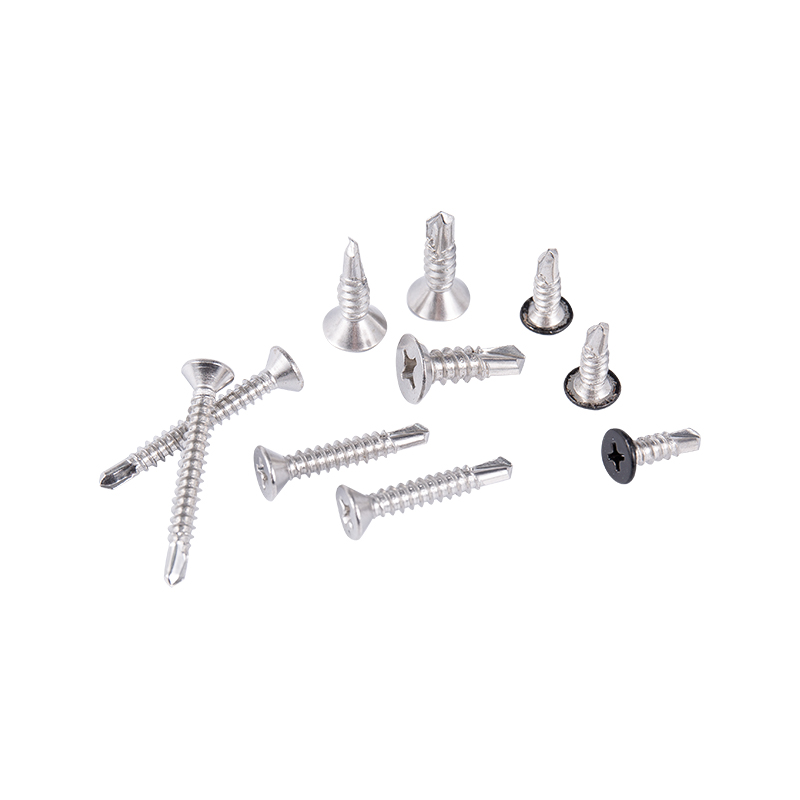
Countersunk self-drilling screws are widely used in furniture manufacturing, arc...
See Details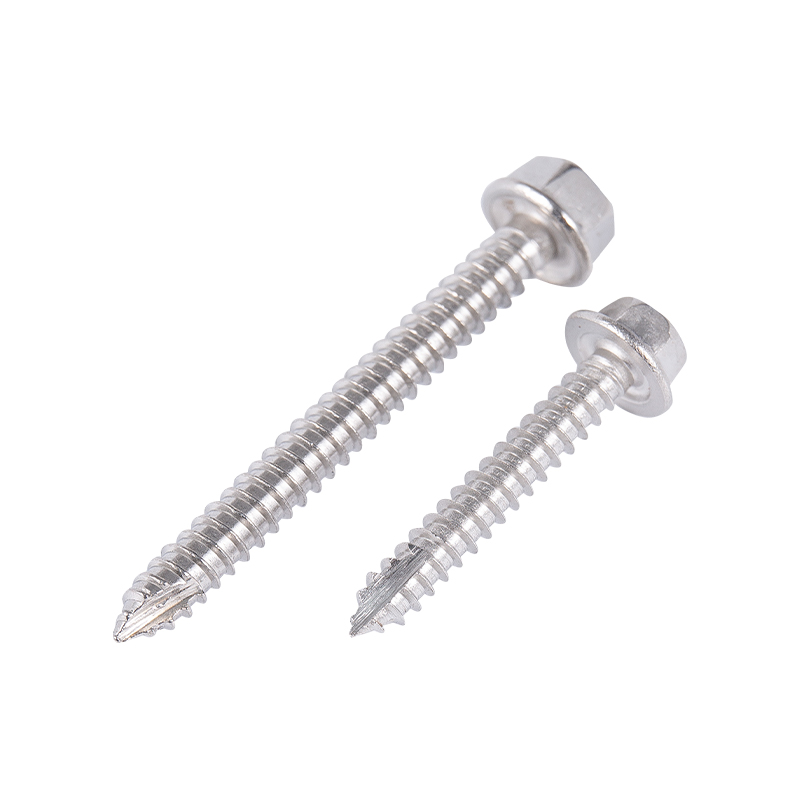
Hexagon head sharp point self-tapping screws are an efficient and convenient fas...
See Details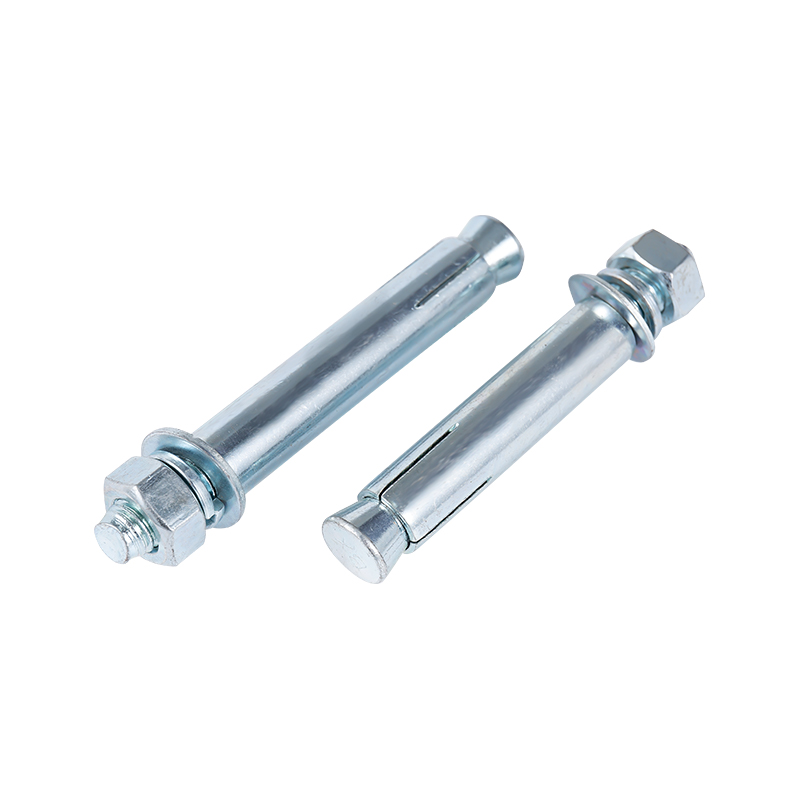
Bolt is a common fastener used in many fields such as machinery, construction, a...
See Details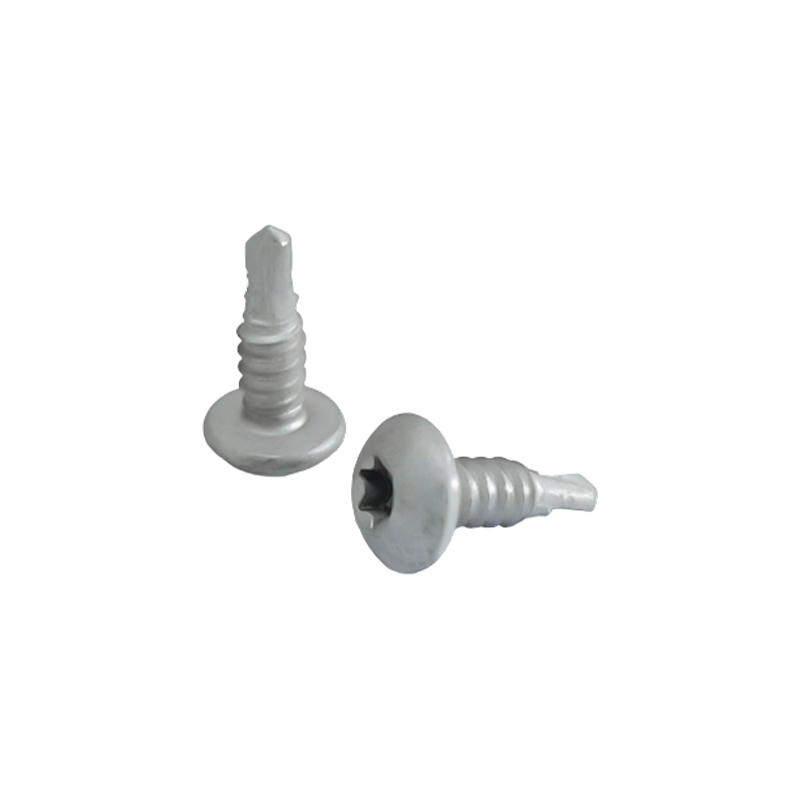
The Pand Head Hexalobular Suture Screw features a hexalobular (Torx) head design...
See Details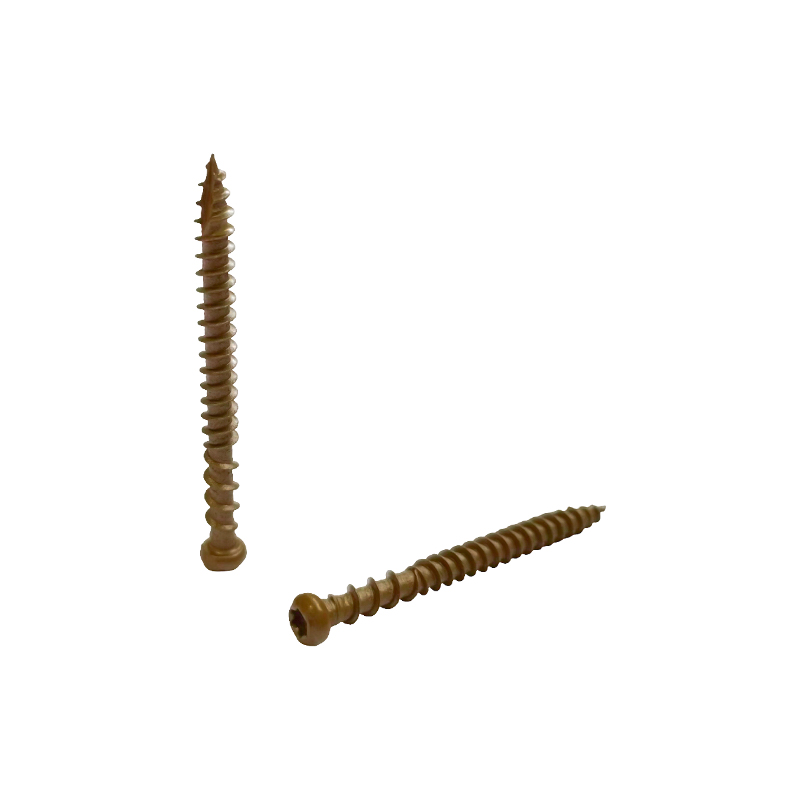
This Round Head Six Lobe Type 17 Self Tapping Screw is manufactured from SUS304 ...
See Details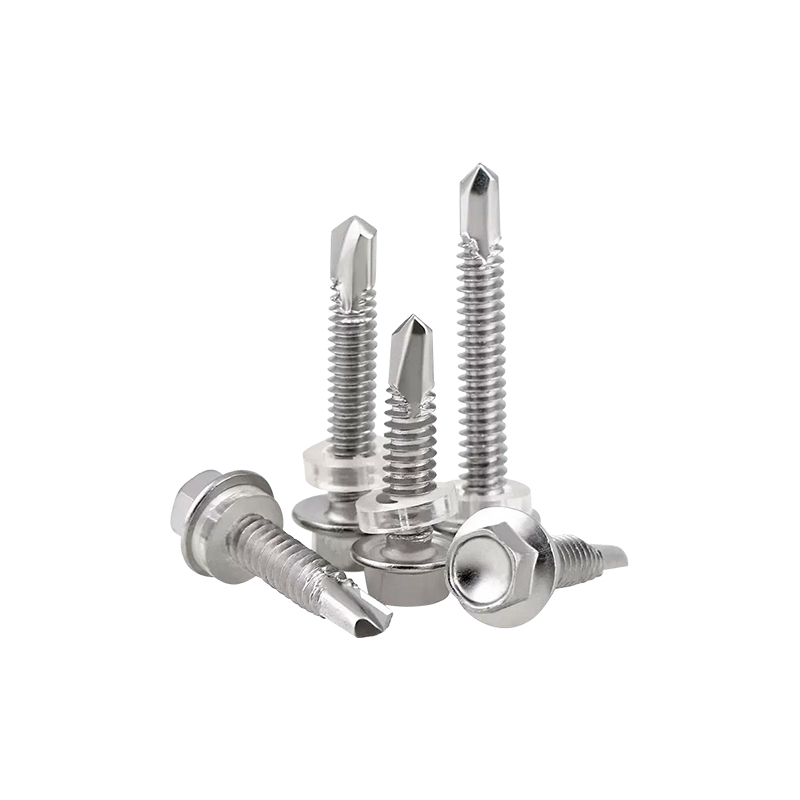
This Hex Flange Head Self Drilling Screw with EPDM Washer offers a thread size r...
See Details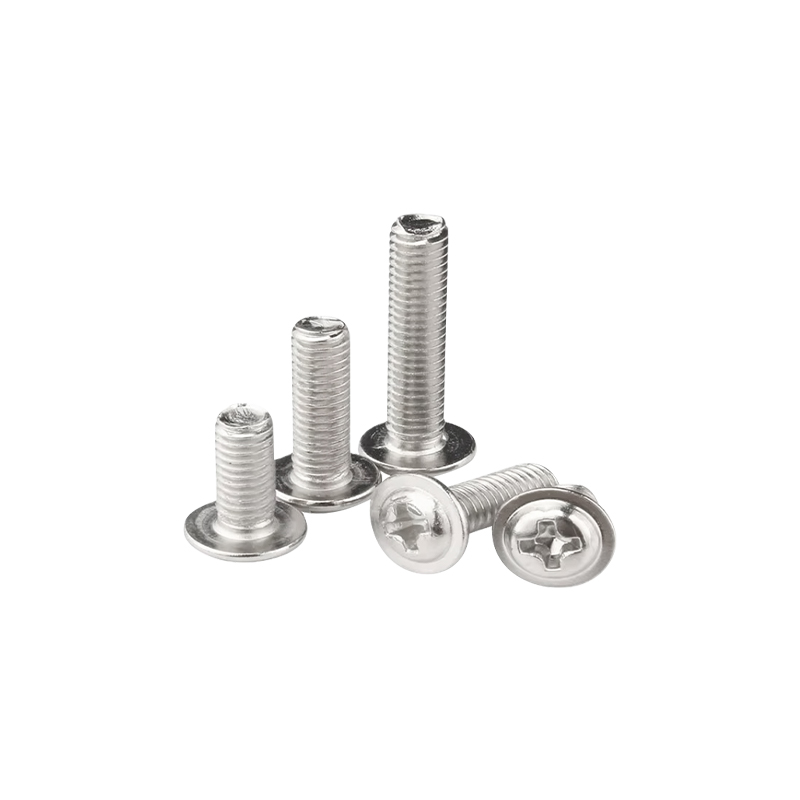
The Round Washer Head Phillips Machine Screw is a threaded fastener characterize...
See Details+86-13705735391
+86-18868359082
+86-573-83128088
+86-573-83128123
No. 2155, Shuanglong Road, Nanhu District, Jia Xing City, Zhejiang Province
Copyright © Jiaxing Zhongke Metal Technology Co.,Ltd. All Rights Reserved.Custom High Strength Stainless Steel Fasteners Manufacturers Provider