English
 Español
 عربى
عربى


All Head Types Bolt
Cat:Bolt
Bolt is a common fastener used in many fields such as machinery, construction, a...
See Details


Content
In the realm of modern metallurgy, the selection of thermal processing equipment determines the structural integrity and longevity of the final product. A stainless steel industrial furnace is not merely a heating chamber; it is a precision-engineered environment designed to manage phase transformations in metals. For high-stakes industries such as automotive and aerospace, the adoption of advanced stainless steel alloys in furnace construction ensures minimal carbon pick-up and superior resistance to high-temperature oxidation.
When dealing with precision components, the material of the furnace itself must withstand the same rigorous conditions as the workpieces. A custom stainless steel industrial furnace for heat treating provides a non-reactive environment essential for maintaining the chemical purity of the load.
| Feature | Stainless Steel Lining | Standard Carbon Steel |
| Maximum Sustained Temp | High (Up to 1150°C depending on grade) | Moderate (Prone to scaling above 500°C) |
| Corrosion Resistance | Excellent in humid/chemical environments | Poor; requires frequent coating |
| Contamination Risk | Ultra-low; ideal for bright annealing | High due to iron oxide shedding |
To achieve the "Bright" finish required for medical and aerospace Grade 5 fasteners, oxygen must be eliminated. This is why leading high temperature stainless steel vacuum furnace manufacturers emphasize airtight integrity and high-speed diffusion pumps.
The technical gap in furnace manufacturing often lies in the control systems and mechanical seals. By utilizing specialized machinery imported from Taiwan, manufacturers can achieve vacuum levels of 10^-5 Pa, ensuring that high-strength stainless steel fasteners remain free of decarburization. This level of precision is vital for general components and automotive parts that demand zero-defect tolerances.
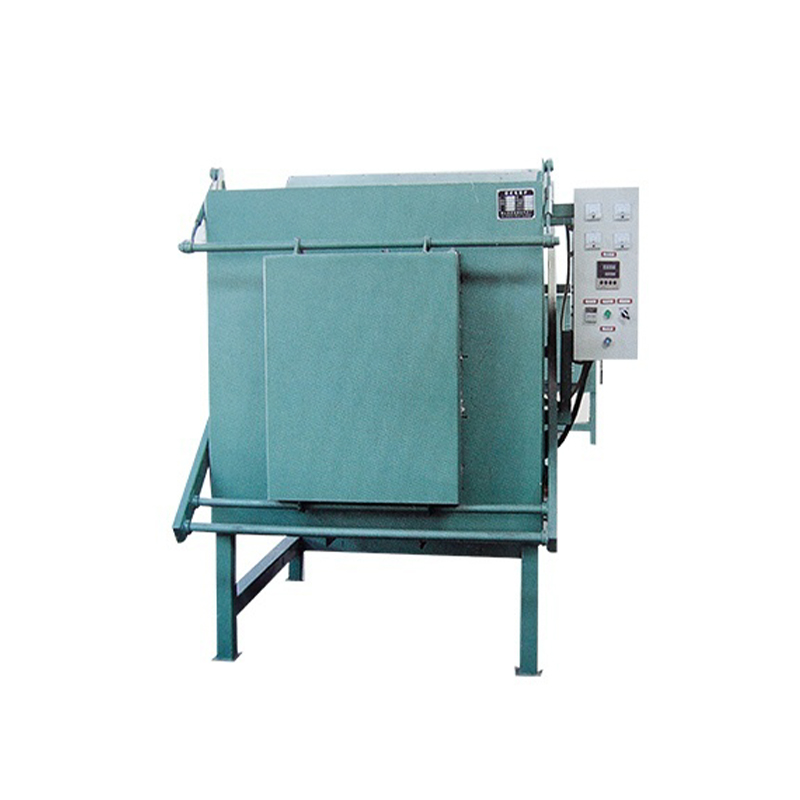
Located in the Industrial Park of Xinfeng Town, Nanhu District, Jiaxing City, Zhejiang Province, Jiaxing Zhongke Metal Technology Co., Ltd. represents the pinnacle of thermal processing integration. As a comprehensive manufacturer, the company focuses on the development and production of elite heat treatment equipment.
Energy consumption accounts for nearly 30% of the operational cost in thermal processing. Designing an energy efficient stainless steel furnace for chemical processing requires optimized ceramic fiber insulation and regenerative burner technology.
| Parameters | Electric Heating Elements | Gas-Fired Radiant Tubes |
| Temperature Uniformity | Superior (+/- 3°C) | Good (+/- 5°C to 10°C) |
| Energy Efficiency | High (Direct conversion) | Variable (Depends on heat recovery) |
| Maintenance Complexity | Low; easy element replacement | High; requires burner tuning |
Purchasing managers must look beyond the initial price tag. An electric vs gas stainless steel industrial furnaces cost analysis reveals that while gas might have lower fuel costs in certain regions, electric furnaces often provide higher yields due to better atmosphere control.
Adhering to strict stainless steel industrial furnace maintenance and safety standards is non-negotiable. This includes regular calibration of thermocouples and testing of emergency shut-off valves in gas systems or insulation resistance in electric systems.
Q1: What is the maximum temperature a stainless steel furnace can handle?
A: Most industrial units using 310S or Inconel-reinforced stainless steel can operate continuously at 1100°C, with some specialized vacuum models reaching higher levels.
Q2: Why is Taiwan-imported machinery preferred for furnace production?
A: Taiwan-imported machinery offers a balance of high-precision CNC machining and advanced PLC control logic, which is critical for the synchronized movement in continuous mesh belt furnaces.
Q3: How does furnace design affect the quality of high-strength fasteners?
A: Proper design ensures uniform heating. Inconsistent temperatures lead to varied hardness levels across a batch, which can cause catastrophic failure in high-strength automotive bolts.
Q4: Can these furnaces be used for both annealing and tempering?
A: Yes, versatile stainless steel industrial furnaces are designed with multi-zone temperature controls to accommodate various heat treatment cycles, including annealing, tempering, and nitriding.
Q5: What safety standards apply to industrial furnaces?
A: Key standards include NFPA 86 (Standard for Ovens and Furnaces) and ISO 13577, focusing on explosion prevention and thermal safety.
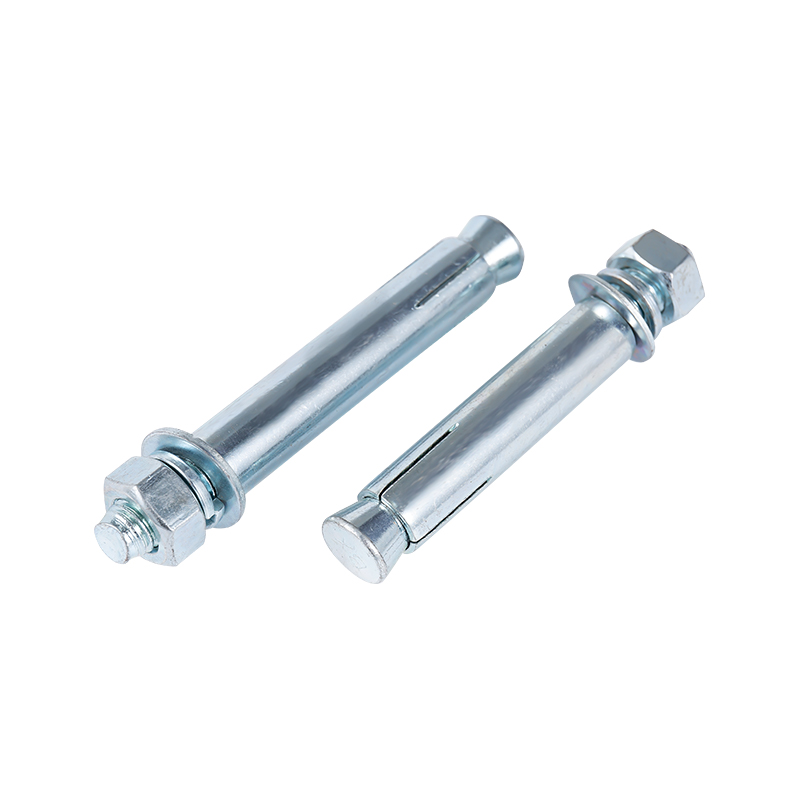
Bolt is a common fastener used in many fields such as machinery, construction, a...
See Details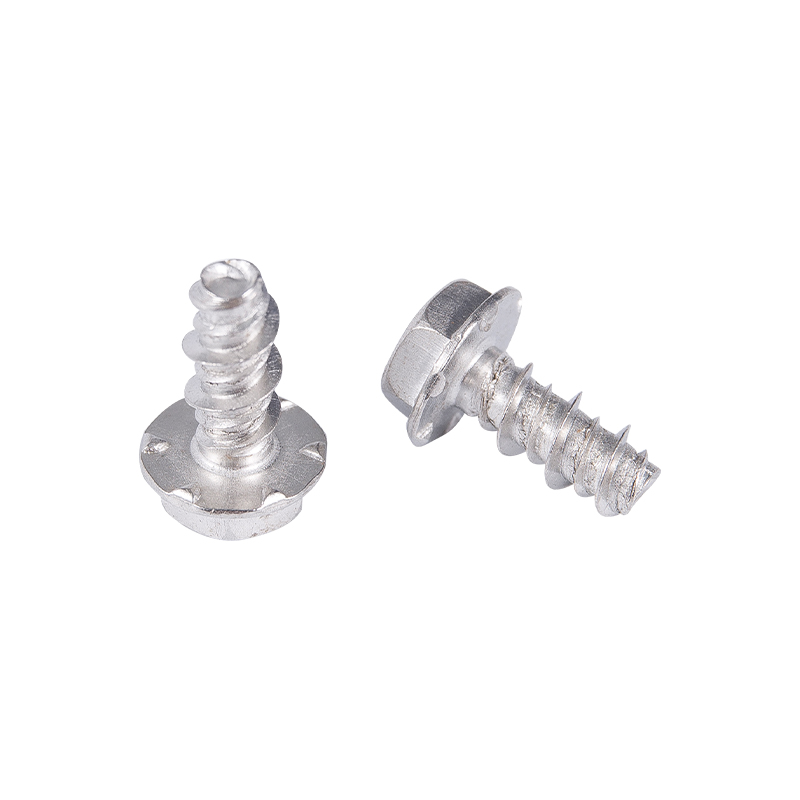
The design feature of the flat-tail self-tapping screw is that the tail has a sc...
See Details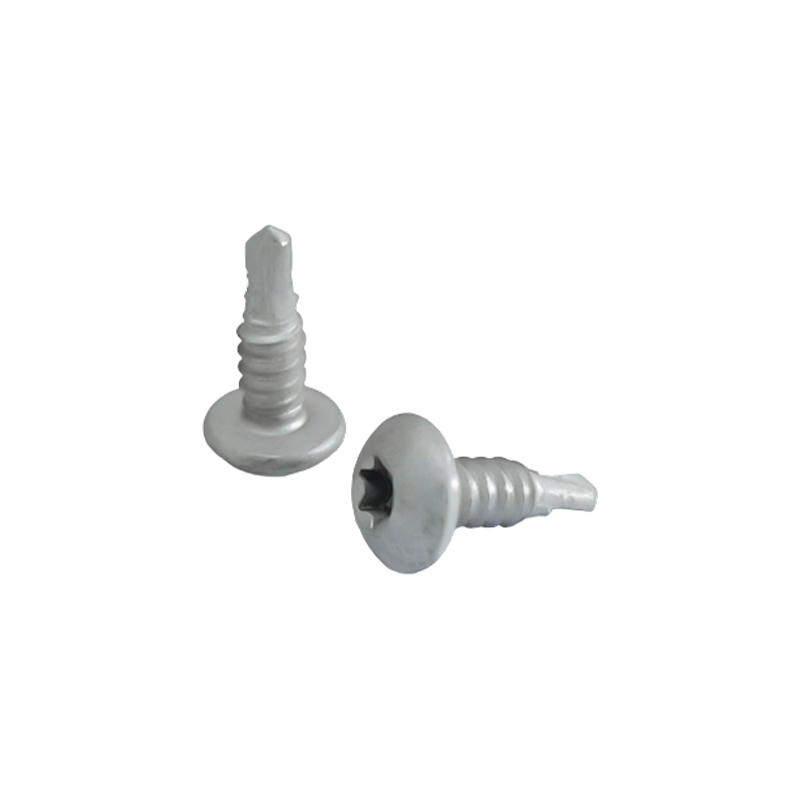
The Pand Head Hexalobular Suture Screw features a hexalobular (Torx) head design...
See Details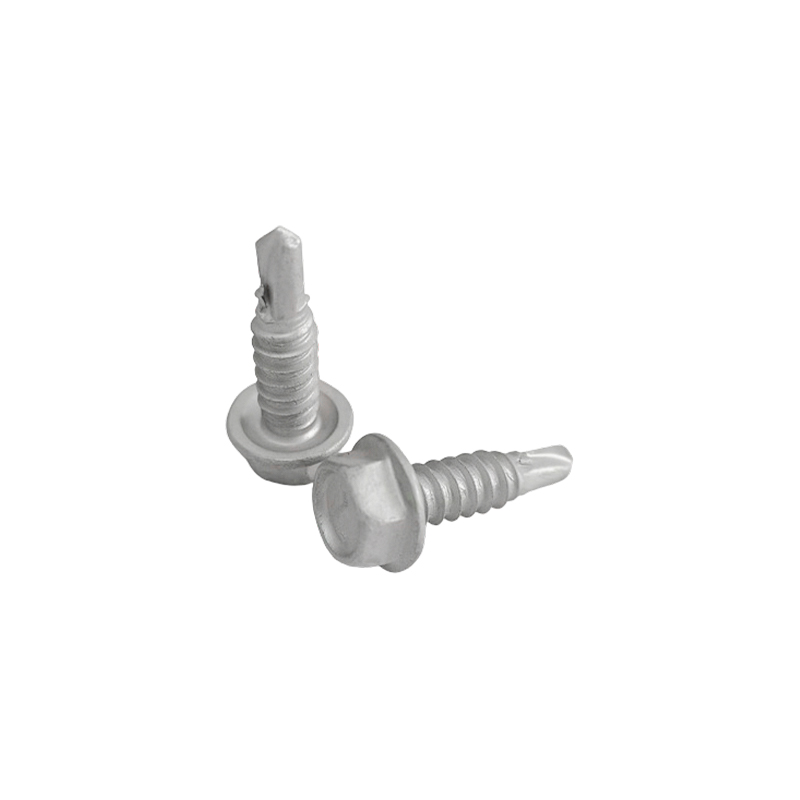
These hexagonal flanged stitching bolts are available in sizes from 1/4 to 14*7/...
See Details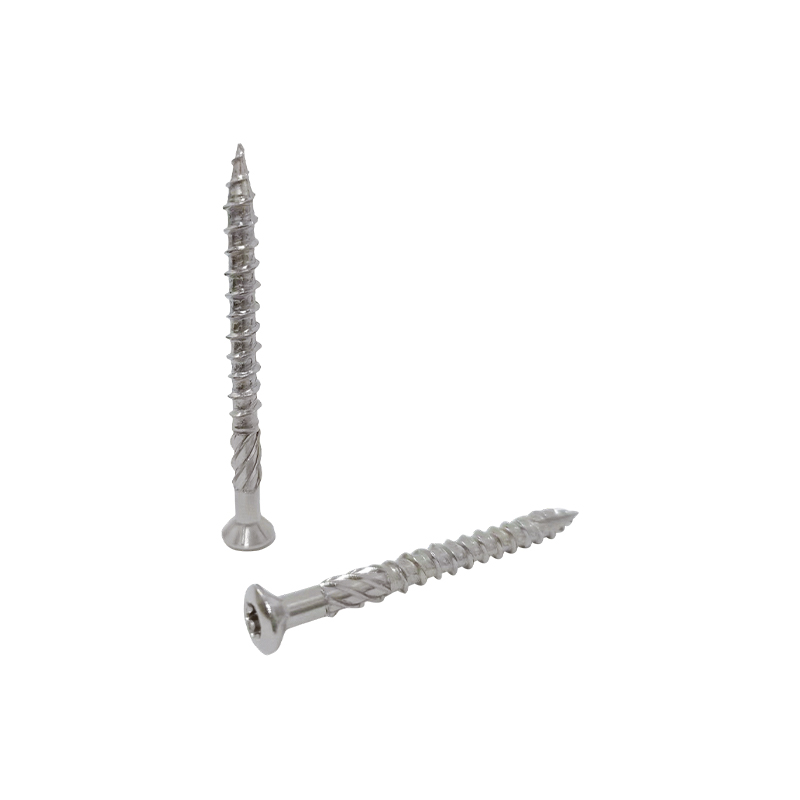
This Semi Countersunk Hexalabular Six-Bevel Rib Chipboard Screw features a speci...
See Details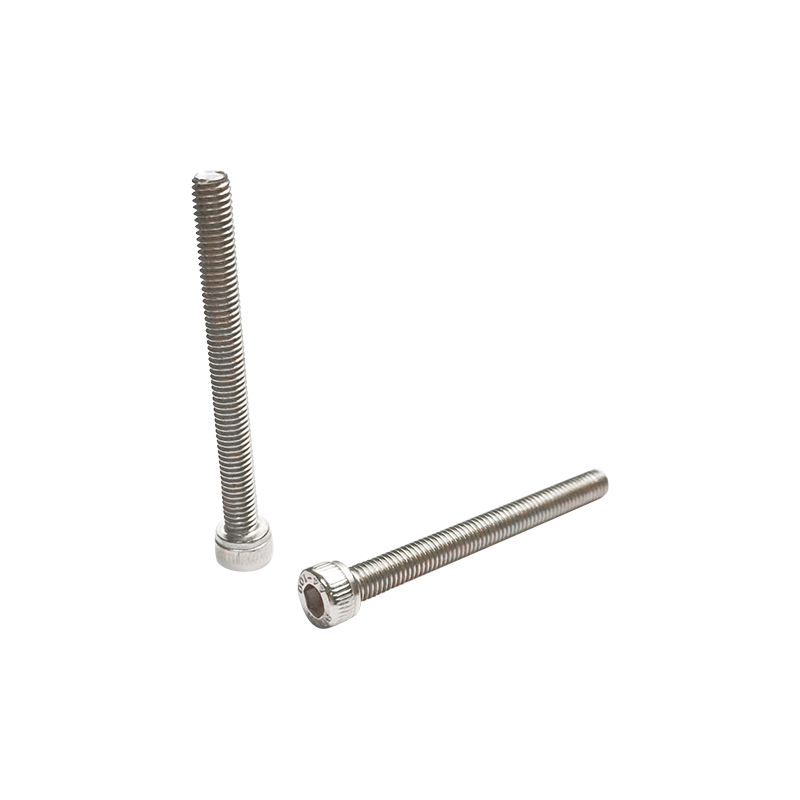
The Socket Cap Head Internal Hexagonal Machine Screw is a threaded fastener char...
See Details+86-13705735391
+86-18868359082
+86-573-83128088
+86-573-83128123
No. 2155, Shuanglong Road, Nanhu District, Jia Xing City, Zhejiang Province
Copyright © Jiaxing Zhongke Metal Technology Co.,Ltd. All Rights Reserved.Custom High Strength Stainless Steel Fasteners Manufacturers Provider