English
 Español
 عربى
عربى


Hexagon Head Sharp Point Self-Tapping Screws
Cat:Self-Tapping Screws
Hexagon head sharp point self-tapping screws are an efficient and convenient fas...
See Details


Content
In the world of sealing solutions, two terms often surface: Waterproof Washer and rubber gasket. While they both prevent leaks and are typically made from elastomeric materials, they serve distinct purposes and are designed for different applications. A common area of confusion is understanding the precise difference between a Waterproof Washer and a rubber gasket. This article provides a technical, practical breakdown of their differences, helping you make the right choice for your specific needs. We will explore their unique designs, materials, and use cases to clarify the distinction once and for all.
Before diving into the differences, it is essential to understand what each component is at its core. Both are sealing mechanisms, but their fundamental design and primary applications set them apart.
A Waterproof Washer is a type of seal that is primarily designed to function under dynamic or rotating conditions, though it is also used in static applications. In many contexts, particularly in plumbing, a "washer" refers to a flat ring with a central hole, used to distribute load and prevent leakage around a threaded fastener or valve stem. The term "waterproof" emphasizes its primary function: to block the passage of water. These washers are typically characterized by their simple, flat, ring-like shape and are often used in faucets, hose connections, and showerheads where they are compressed between two mating surfaces to create a watertight seal.
A rubber gasket is a more general term for a deformable material clamped between two static surfaces to prevent the loss of material or pressure and create a seal. Unlike a washer, a gasket is often used in static applications where there is no relative movement between the mating parts. Gaskets can be cut or molded into complex shapes and are used to seal a wide variety of joints, from pipe flanges to engine components. A gasket can be made from various materials, including rubber, cork, metal, and composite materials, and its design is often tailored to the specific shape and surface imperfections of the components it seals.
While both products prevent leaks, their design, function, and applications differ significantly. The table below outlines the core distinctions.
| Feature | Waterproof Washer | Rubber Gasket |
|---|---|---|
| Primary Function | Sealing around a fastener or valve stem, often with movement. | Sealing between two static, flat surfaces. |
| Typical Shape | Flat, ring-like (toroidal) with a central hole. | Flat sheet, O-ring, or complex custom shapes. |
| Application Type | Dynamic (moving parts) and static. | Primarily static (no movement). |
| Common Uses | Faucets, hose connections, showerheads. | Pipe flanges, engine cylinder heads, pump housings. |
| Design Complexity | Simple, standard sizes. | Highly variable, can include complex geometries. |
To understand the role of a waterproof washer, it is helpful to look at its design and applications in more detail. These washers are workhorses in everyday plumbing.
A waterproof washer is typically a simple ring, often made from rubber or silicone. Its design is generally flat, allowing it to be compressed between two surfaces. The material is chosen for its elasticity and resistance to water, which allows it to deform and fill microscopic gaps when pressure is applied. This deformation is what creates the seal. The primary design principle is straightforward: compression force evenly distributes the washer material to block water passage.
The most common place to find a waterproof washer is in a faucet. They are used in both the handle assembly to prevent water from leaking out of the top and in the valve mechanism itself. Garden hose connections are another classic example; a small waterproof washer sits inside the female end of the hose, sealing against the male end of the spigot. In washing machines, waterproof washers are critical in the fill and drain valve assemblies, ensuring water only flows where intended.
Rubber gaskets are designed for more demanding and diverse sealing challenges. Their ability to conform to irregular surfaces makes them indispensable in many industries.
The design of a rubber gasket can range from a simple flat sheet cut to size to a highly engineered component with specific profiles. For instance, some gaskets feature concave surfaces and seal beads designed to optimize sealing performance under specific compression ratios. A well-designed rubber gasket will have a wide seal width and high surface pressure, preventing foreign objects from entering and creating a leak path. The material selection is also more varied, with options like EPDM, silicone, nitrile, and PTFE-clad rubber to provide resistance to chemicals, high temperatures, and pressure.
Rubber gaskets are used in a vast array of applications. In plumbing, they are used to seal the joints between pipes, such as in a flange connection. In automotive engineering, they seal the cylinder head to the engine block. In the marine industry, specialized gaskets are used in components requiring saltwater resistance. Gaskets are also found in HVAC systems, industrial pumps, and food processing equipment.
Selecting the correct sealing component is critical to the success of any project. Choosing the wrong part will result in leaks, equipment damage, and costly repairs. Use this guide to make the right choice.
This diagram illustrates the basic difference in application. A waterproof washer seals around a fastener or valve stem, while a rubber gasket seals between two flat, stationary surfaces.
The main difference lies in their application. A waterproof washer is typically a flat ring used to seal around fasteners or valve stems, often in dynamic (moving) or static situations. A rubber gasket is a more general seal used between two static, flat surfaces to prevent leaks. Gaskets often come in complex shapes and are used in more demanding conditions such as high pressure, high temperature, or chemical resistance.
It is not recommended. While both provide a seal, a waterproof washer is designed for a different purpose and shape. Using a washer in place of a gasket on a large, flat, static joint like a flange will likely lead to leaks because the washer is too small to bridge the gap and conform to the surface imperfections. It is always best to use the type of seal the application requires.
Consider the mating surfaces and the application. If you are connecting a hose to a spigot or fixing a leaky faucet, you need a waterproof washer. If you are sealing the joint between two sections of pipe using a flange or assembling a pump housing, you need a rubber gasket. Assess if the joint has moving parts or if it is completely static.
Both can be made from various rubbers. However, the specific compound varies greatly. Rubber gaskets can be made from more specialized materials such as EPDM for weather resistance, silicone for high heat, nitrile for oil resistance, or even PTFE-clad rubber for chemical resistance. Waterproof washers are commonly made from rubber or silicone.
No, they are not interchangeable. An O-ring is a specific type of seal with a round cross-section designed to sit in a gland and be compressed. A washer is flat, and a gasket is typically flat but can be custom-shaped. They all serve as seals, but their design, sizing, and installation methods differ significantly.
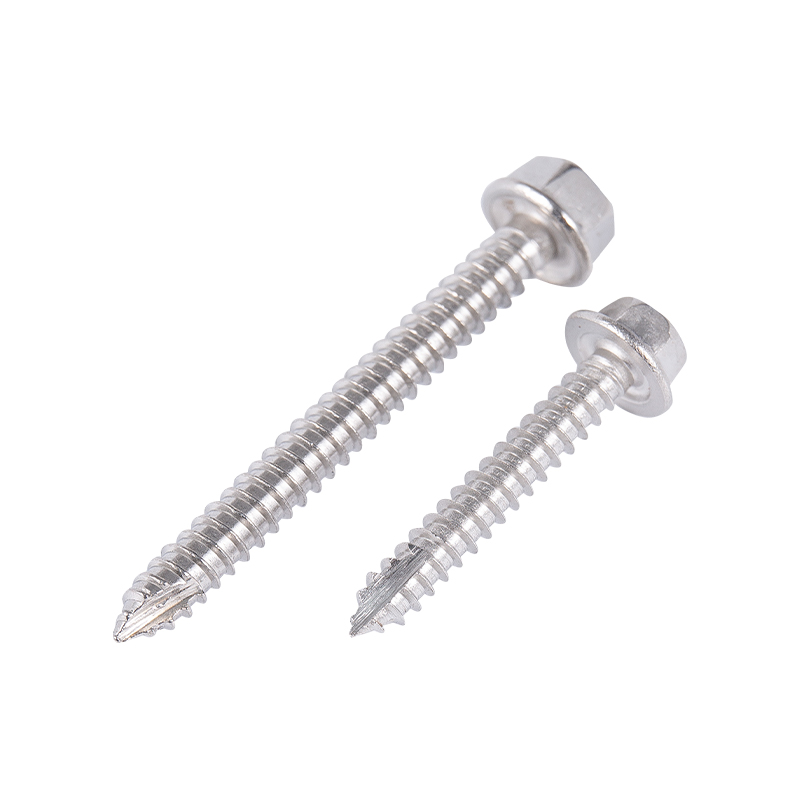
Hexagon head sharp point self-tapping screws are an efficient and convenient fas...
See Details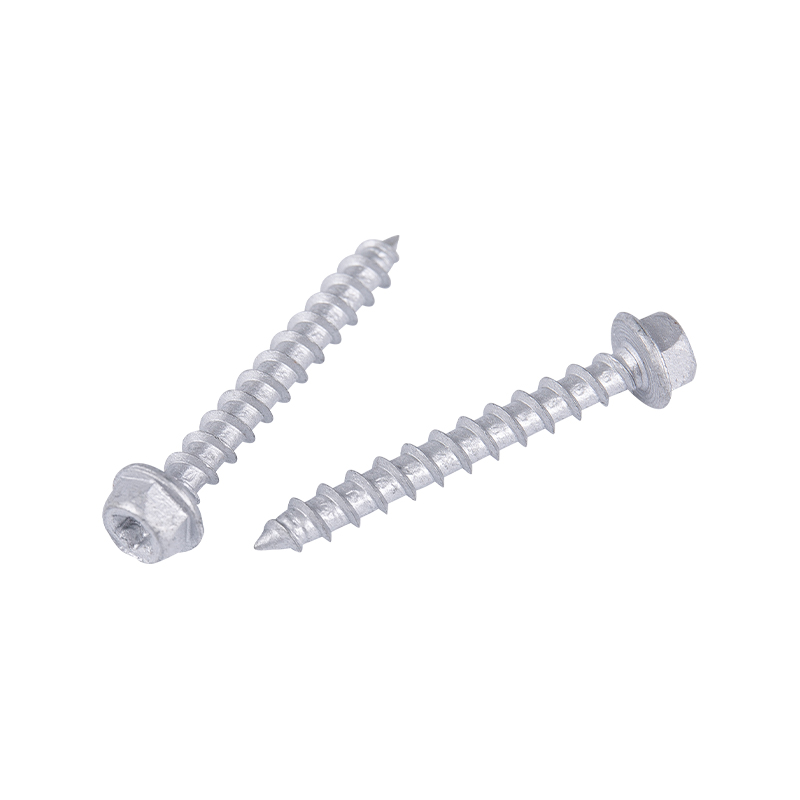
Wood screws are a type of fastener designed specifically for wood and are widely...
See Details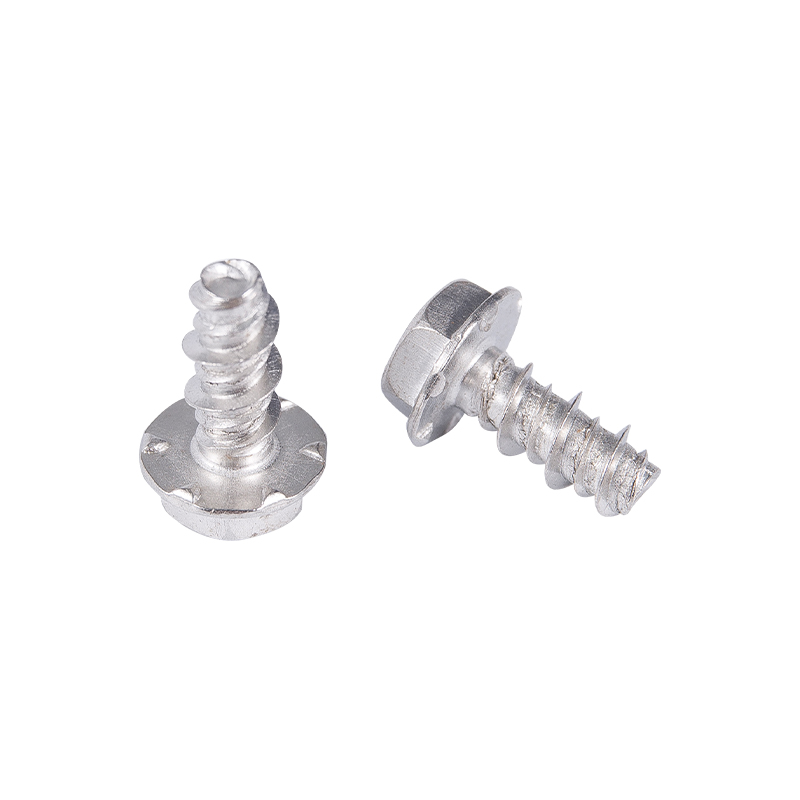
The design feature of the flat-tail self-tapping screw is that the tail has a sc...
See Details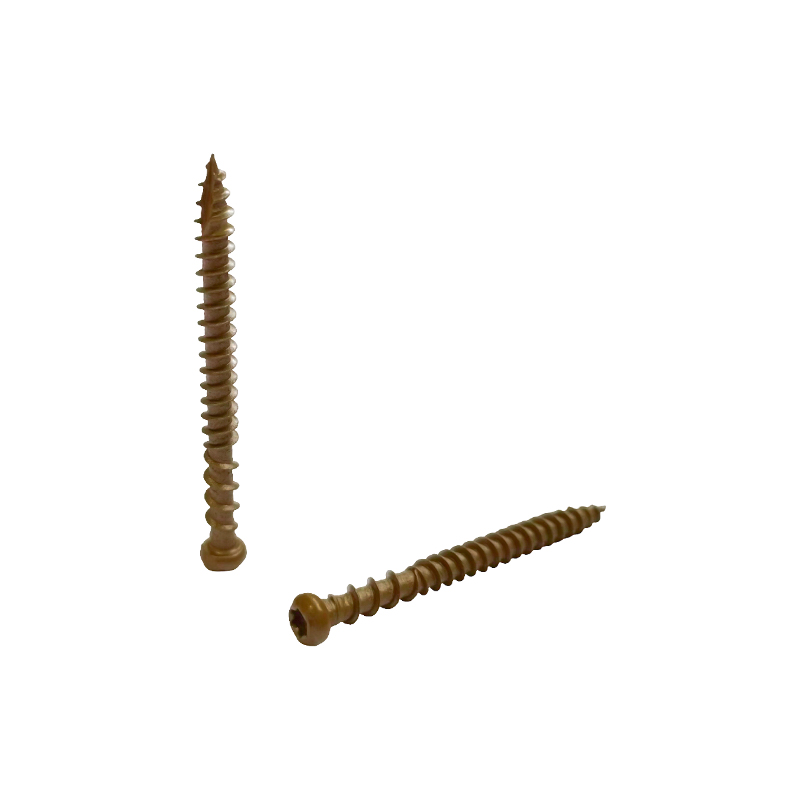
This Round Head Six Lobe Type 17 Self Tapping Screw is manufactured from SUS304 ...
See Details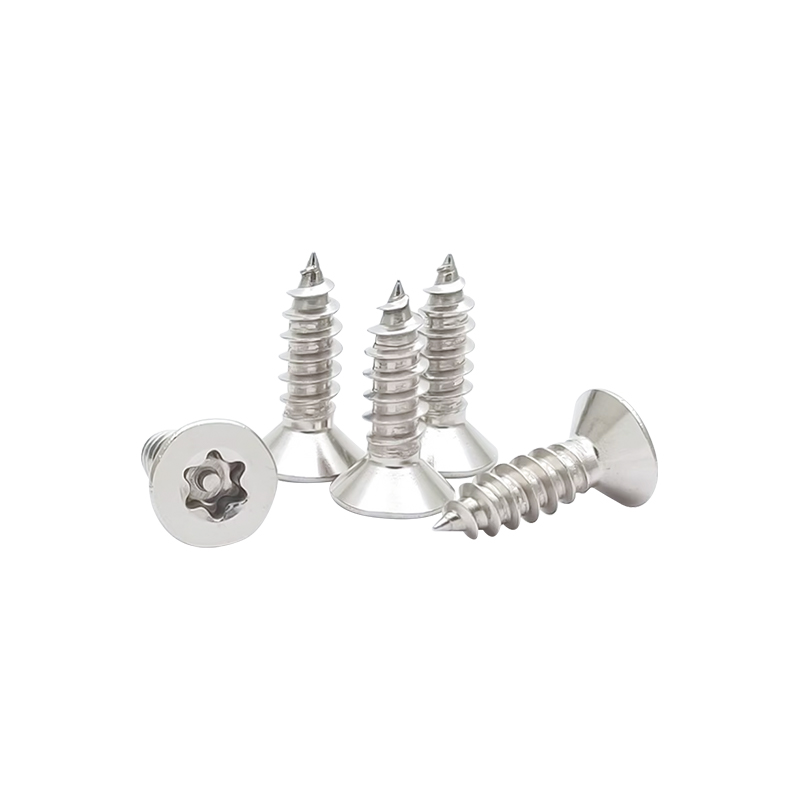
The CSK Head Six Lobe Tamper-Proof Self-Tapping Screw features a tamper-resistan...
See Details+86-13705735391
+86-18868359082
+86-573-83128088
+86-573-83128123
No. 2155, Shuanglong Road, Nanhu District, Jia Xing City, Zhejiang Province
Copyright © Jiaxing Zhongke Metal Technology Co.,Ltd. All Rights Reserved.Custom High Strength Stainless Steel Fasteners Manufacturers Provider