English
 Español
 عربى
عربى


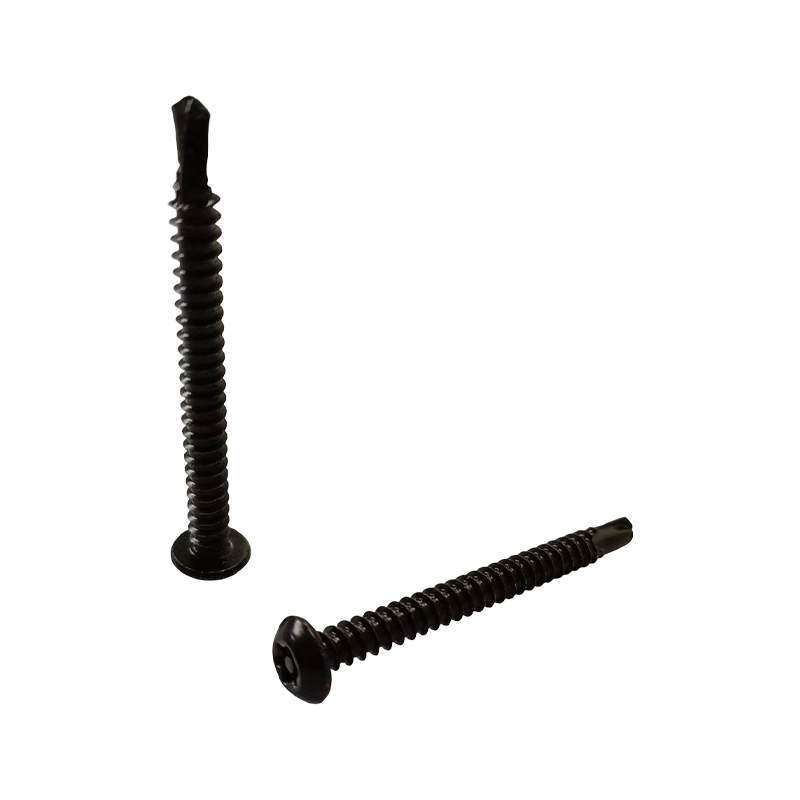
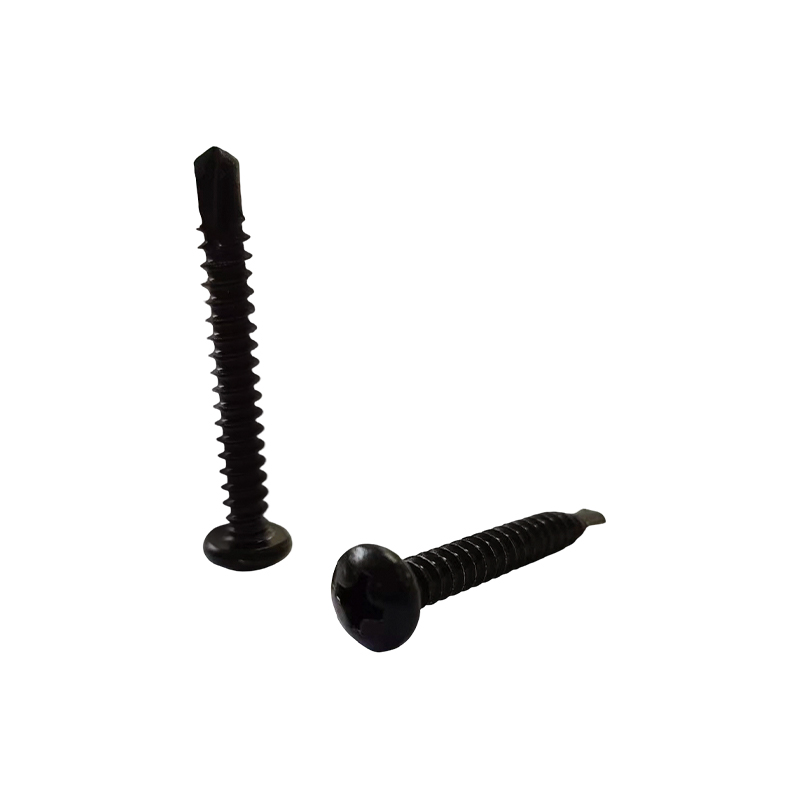
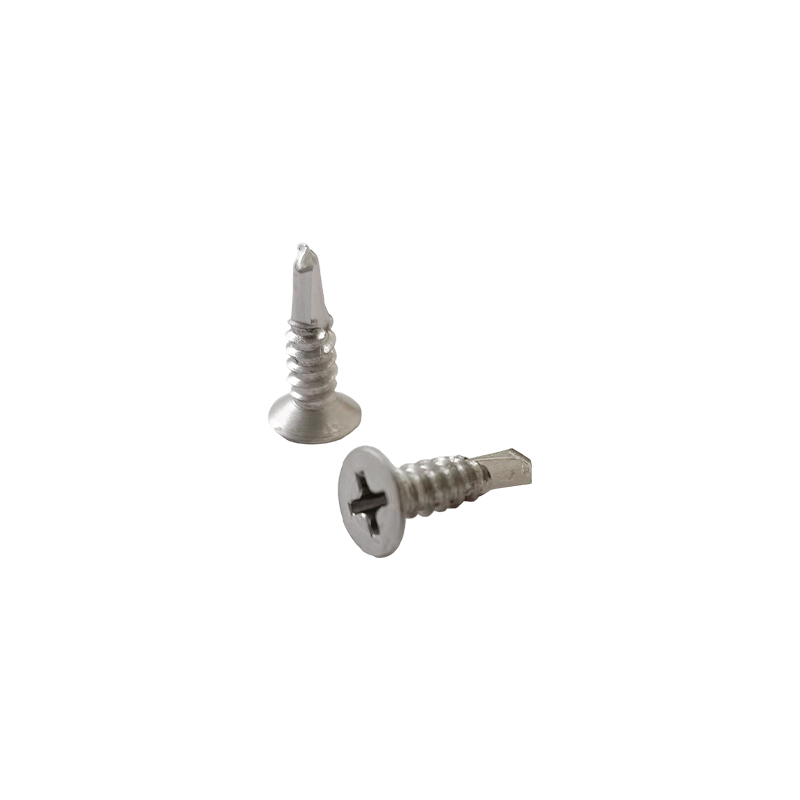
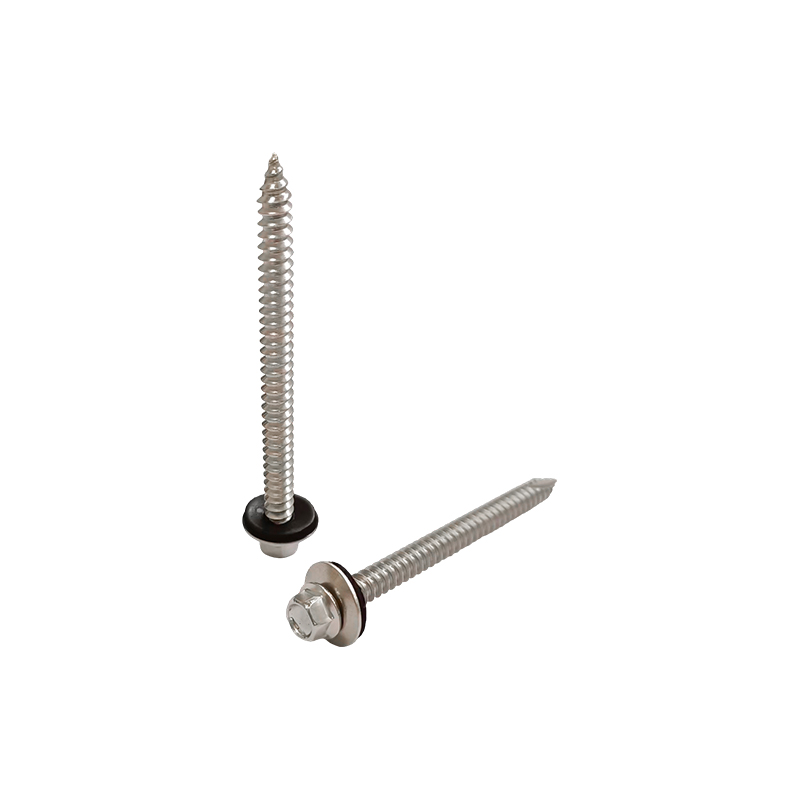
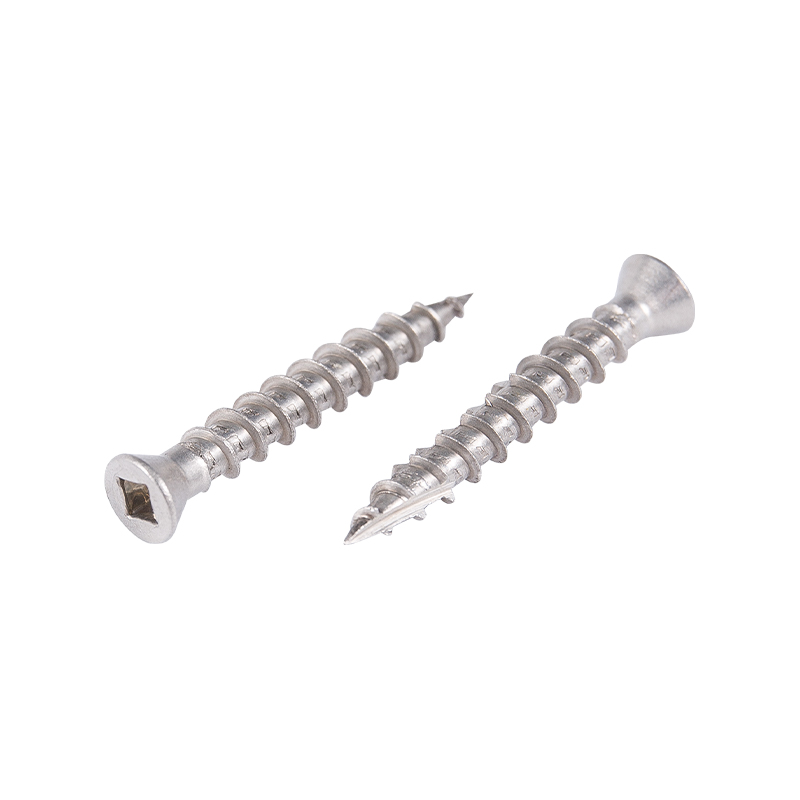
Countersunk head/Raised countersunk head/bugle head/pan head/round head washer/flat round head drywall screws
Cat:Drywall Screws
Countersunk, raised-countersunk, trumpet, pan head, round head washer and oval h...
See Details


Content
In the complex world of industrial manufacturing and construction, the integrity of an assembly is often defined by the quality of its smallest components. Among these, Stainless Steel Nuts play a pivotal role in ensuring the safety, durability, and longevity of structures ranging from household appliances to massive infrastructure projects. These fasteners are not merely utilitarian objects; they are the result of sophisticated metallurgical engineering designed to withstand harsh environmental factors such as corrosion, extreme temperatures, and high pressure. As industries continue to push for higher performance and longer lifecycles for their machinery, the demand for high-quality stainless steel fasteners has surged. Selecting the right nut involves a deep understanding of material grades, threading standards, and mechanical properties. This article explores the critical aspects of stainless steel nuts, highlighting their advantages, specific types, and the advanced manufacturing processes that make them indispensable in modern engineering.
Stainless Steel Nuts are fasteners characterized by their significant alloy steel content, primarily chromium, which forms a passive oxide layer on the surface. This invisible layer is what gives stainless steel its renowned corrosion resistance, making these nuts ideal for use in environments where moisture, chemicals, or salt spray are present. Unlike carbon steel nuts, which may rust and seize over time, stainless steel variants maintain their structural integrity and appearance over decades of use. The versatility of these nuts allows them to be employed in a vast array of sectors, including marine, automotive, construction, and food processing. Their ability to resist galling—a form of wear caused by friction between two metals—makes them particularly valuable in applications where joints may need to be disassembled for maintenance.
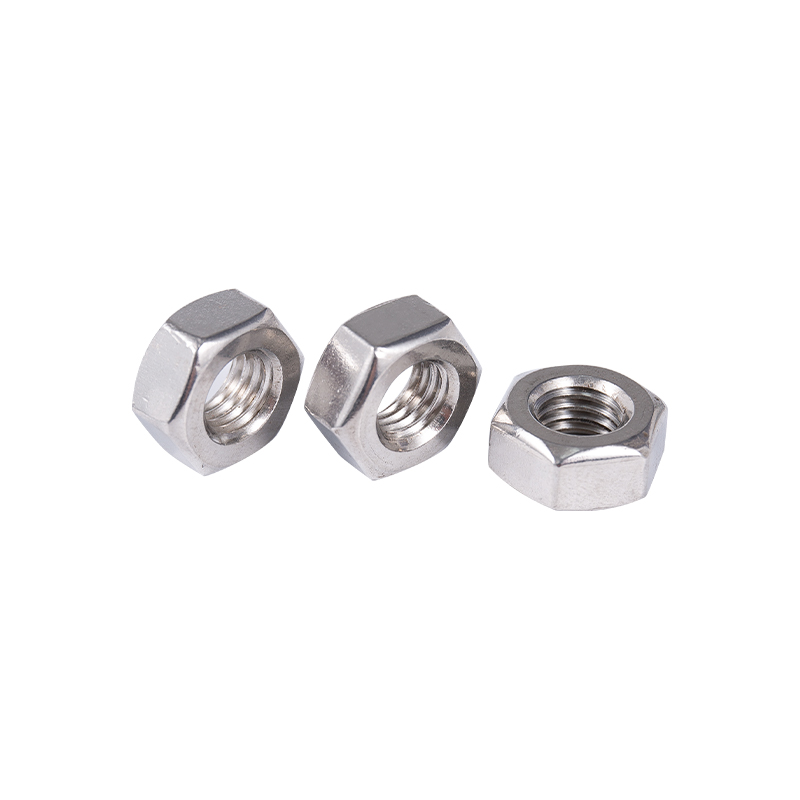
Fasteners are the unsung heroes of engineering, and Stainless Steel Nuts are at the forefront of this category. They provide the necessary clamping force to hold components together, resisting vibrations and dynamic loads that would otherwise cause failure. In modern engineering, the tolerance levels are incredibly tight, requiring nuts that offer precise dimensions and consistent mechanical properties. The choice of a stainless steel nut over a galvanized or plain steel version can dictate the maintenance schedule of an entire structure. By utilizing alloys that resist oxidation, engineers reduce the lifecycle costs associated with replacement and repairs. Furthermore, the aesthetic appeal of stainless steel makes it a preferred choice for visible joints in architecture and consumer-facing products.
The primary advantage of Stainless Steel Nuts is their exceptional resistance to corrosion. This resistance is achieved through the addition of chromium, which reacts with oxygen to form a tough, adherent film of chromium oxide on the surface.
| Property | Stainless Steel Nuts | Carbon Steel Nuts |
| Corrosion Resistance | Excellent | Poor (requires plating) |
| Strength | High (work hardening) | High (consistent) |
| Cost | Maintenance |
When discussing Stainless Steel Nuts, the 300 series austenitic grades are the most common, with 304 Stainless Steel Nuts being the industry standard. This grade, also known as 18-8 stainless steel, contains approximately 18% chromium and 8% nickel. It is prized for its excellent balance of strength, corrosion resistance, and formability. The presence of nickel stabilizes the austenitic structure, giving the nut excellent toughness even at cryogenic temperatures. These nuts are non-magnetic in the annealed condition, which is a critical requirement for specific electronic and medical applications. For manufacturers and engineers, 304 represents the "general purpose" solution that meets the needs of 80% of fastening applications, making it a staple in supply chains worldwide.
The austenitic structure of 304 Stainless Steel Nuts provides them with unique mechanical properties that differ significantly from other steel types. They cannot be hardened by heat treatment but can be strengthened significantly through cold working. This characteristic allows manufacturers to roll threads onto the nuts, increasing the surface hardness and wear resistance of the threads. Additionally, the microstructure of austenitic steel allows it to absorb energy, making these nuts highly resistant to impact. However, designers must be aware of the risk of galvanic corrosion; when stainless steel is coupled with dissimilar metals in an electrolyte, it can accelerate corrosion. Proper insulation or the use of compatible bolts is essential.
While 304 Stainless Steel Nuts are versatile, other grades like 316 (marine grade) are better suited for specific harsh environments. Understanding the differences ensures the right selection for the project.
| Feature | 304 Stainless Steel | 316 Stainless Steel |
| Chromium Content | 18% | 16-18% |
| Nickel Content | Molybdenum | Best Use |
In the global marketplace, standardization is key to interoperability. Metric Stainless Steel Nuts are manufactured according to strict ISO standards, ensuring that a nut produced in one country fits perfectly with a bolt produced in another. The metric system defines the thread pitch (the distance between threads) in millimeters, as opposed to threads per inch in the imperial system. Common metric sizes include M6, M8, M10, and M12, covering a vast range of clamping forces. The use of metric fasteners is predominant in Europe, Asia, and most industrial sectors globally, making Metric Stainless Steel Nuts a universal language of engineering. For American markets, compatibility must be carefully checked, as mixing metric and imperial threads leads to stripping and structural failure.
The production of Metric Stainless Steel Nuts adheres to standards such as ISO 4032 (Hexagon regular nuts) and ISO 4033 (Hexagon high nuts). These standards dictate the dimensions across flats, across corners, and thickness, ensuring precision. Furthermore, property classes such as A2-70 and A4-80 indicate the material composition (304 vs 316) and the tensile strength. A2-70 is the standard classification for 304 Stainless Steel Nuts in metric sizes, where "70" represents the nominal tensile strength in newtons per square millimeter divided by 10. Compliance with these standards is rigorously tested by manufacturers to ensure safety and reliability in critical applications like bridge construction or automotive assembly.
Proper pairing of Metric Stainless Steel Nuts with bolts is essential for the structural integrity of the assembly. The thread pitch must match exactly to distribute the load evenly across the threads.
| Specification | Coarse Thread (M8) | Fine Thread (M8) |
| Pitch | ||
| Application | DurabilityHigh (less stripping risk) | Availability |
Vibration and dynamic loads are the enemies of a secure bolted joint. To combat these forces, Stainless Steel Lock Nuts are engineered to provide self-locking capabilities. These nuts come in various designs, including prevailing torque nuts (nylon insert) and flange nuts (with a serrated face). The prevailing torque type features a nylon ring that deforms elastically when engaged, creating friction that prevents loosening. Flange nuts distribute the clamping force over a larger area and use serrations to bite into the mating surface, effectively locking the nut in place. These specialized nuts are critical in automotive engines, railway tracks, and heavy machinery, where the consequences of a loose fastener could be catastrophic.
The primary function of Stainless Steel Lock Nuts is to maintain clamping force under vibration. Standard nuts rely on tension alone, which can be relaxed by cyclic movement. Lock nuts introduce a secondary locking mechanism.
| Lock Nut Type | Mechanism | Typical Use Case | ||
| Nylon Insert | Friction from polymer | Flange Serrated | Stiff Nut | Jam Nut |
The hexagonal shape is the most common form for Stainless Steel Nuts, simply because it is the most efficient shape for tools. Hex Stainless Steel Nuts are designed to be turned by wrenches or spanners. The six-sided shape provides six points of contact for the tool, reducing the risk of slippage (rounding off) compared to square nuts. Furthermore, hex nuts allow for better accessibility in tight spaces, as they only require a 60-degree rotation of the tool to engage the next flat surface. These nuts are manufactured in both standard height and heavy-duty (thick) versions. Heavy hex nuts are used in high-stress applications where a larger bearing surface is required to distribute the load.
The geometry of Hex Stainless Steel Nuts is a result of centuries of optimization. The hexagon offers the best compromise between the number of wrench flats and the torque that can be applied.
| Design Attribute | Hex Nuts | Square Nuts |
| Wrenching Points | ||
| Tool AccessibilityExcellent | ||
| Corner Stress | ||
| Popularity |
Jiaxing Zhongke Metal Technology Co.,Ltd. stands as a premier manufacturer in the fastener industry, leveraging a unique synergy between heat treatment expertise and precision machining. Located in the Industrial Park of Xinfeng Town, Nanhu District, Jiaxing City, Zhejiang Province, the company has positioned itself as a China Custom High Strength Stainless Steel Fasteners Manufacturer and Exporter. The company's foundation is built on a deep understanding of metallurgy, driven by their specialization in heat treatment equipment development. By utilizing machinery exclusively imported from Taiwan, they ensure the highest standards of precision and consistency. This specialization in heat treatment does not merely support their operations; it defines the quality of their output. The ability to control the thermal processing of materials ensures that every Stainless Steel Lock Nuts or high-strength bolt possesses the optimal mechanical properties required for demanding applications.
What sets Jiaxing Zhongke Metal Technology Co.,Ltd. apart is the vertical integration of their services. They are not just an assembler of components; they are a comprehensive manufacturer engaging in the design, development, and manufacturing of general components, automotive parts, and high-strength stainless steel fasteners. Their facility is capable of providing advanced heat treatment process design and processing services for various metal materials. This capability is crucial for Metric Stainless Steel Nuts that must meet specific tensile strength and hardness requirements. By controlling the heat treatment in-house, they can guarantee the metallurgical structure of the nuts, preventing brittleness and ensuring ductility. This rigorous approach to production empowers industry innovation, allowing them to deliver 304 Stainless Steel Nuts and other products that meet the rigorous standards of automotive and general engineering sectors.
As China Custom High Strength Stainless Steel Fasteners Manufacturers Exporter, the company excels in providing bespoke solutions. They understand that standard Hex Stainless Steel Nuts may not always suffice for specialized high-performance environments.
| Company Strength | Description |
| Core Technology | |
| Equipment Origin | |
| Product Range | |
| Location Advantage |
304 Stainless Steel Nuts are generally non-magnetic when annealed. However, the cold working process used to roll threads or form the nuts can induce slight magnetism. This is a normal physical property change and does not affect the corrosion resistance or mechanical performance of the nut.
Metric Stainless Steel Nuts use the metric system for thread diameter and pitch (distance between threads in millimeters). Imperial nuts use the Unified Thread Standard (UTS), measuring threads per inch (TPI). They are not interchangeable, and using them together will result in cross-threading and failure.
Stainless Steel Lock Nuts should be used in any application subject to vibration or movement. This includes automotive engines, industrial machinery, outdoor equipment, and marine hardware. They prevent the nut from loosening over time, which is critical for safety.
Heat treatment optimizes the microstructure of Hex Stainless Steel Nuts to enhance mechanical properties. Solution annealing relieves stresses and restores corrosion resistance, while processes like work hardening (via cold forming) increase tensile strength, allowing the nuts to handle higher loads.
Countersunk, raised-countersunk, trumpet, pan head, round head washer and oval h...
See Details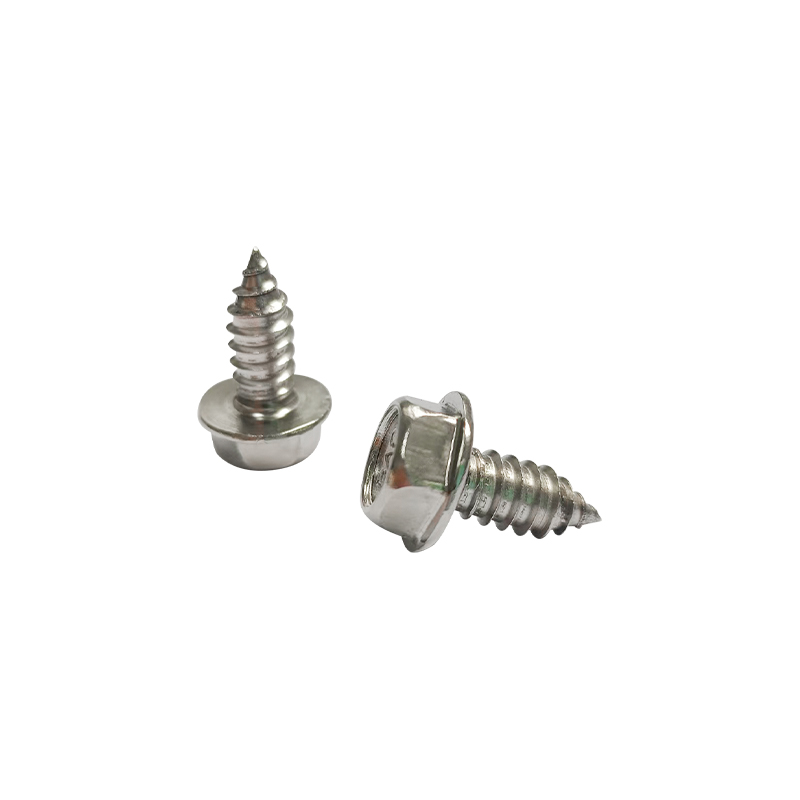
The Hex Head Self Tapping Screw is a threaded fastener with a hexagonal head and...
See Details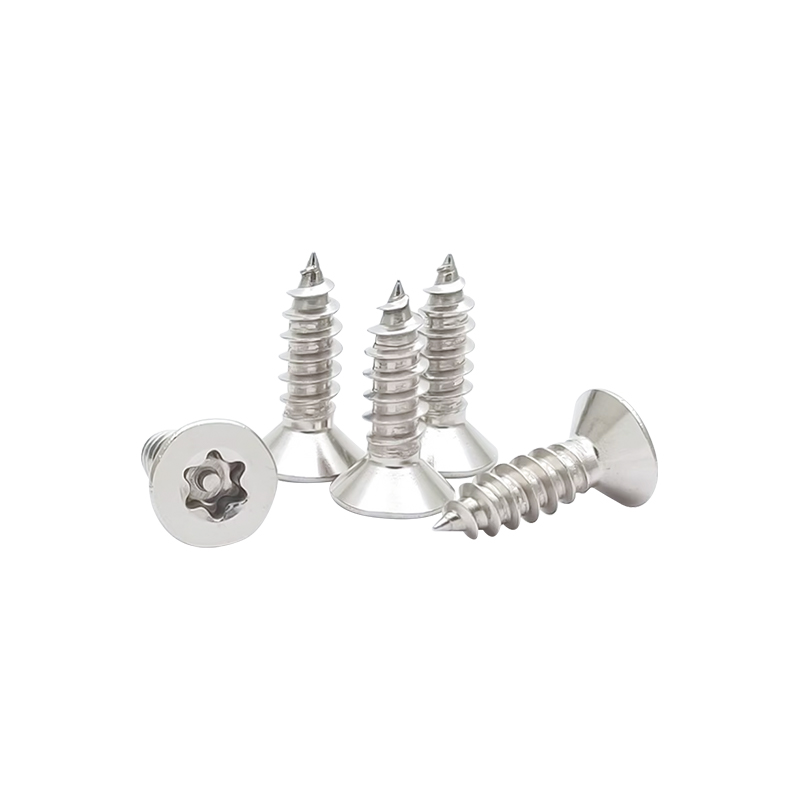
The CSK Head Six Lobe Tamper-Proof Self-Tapping Screw features a tamper-resistan...
See Details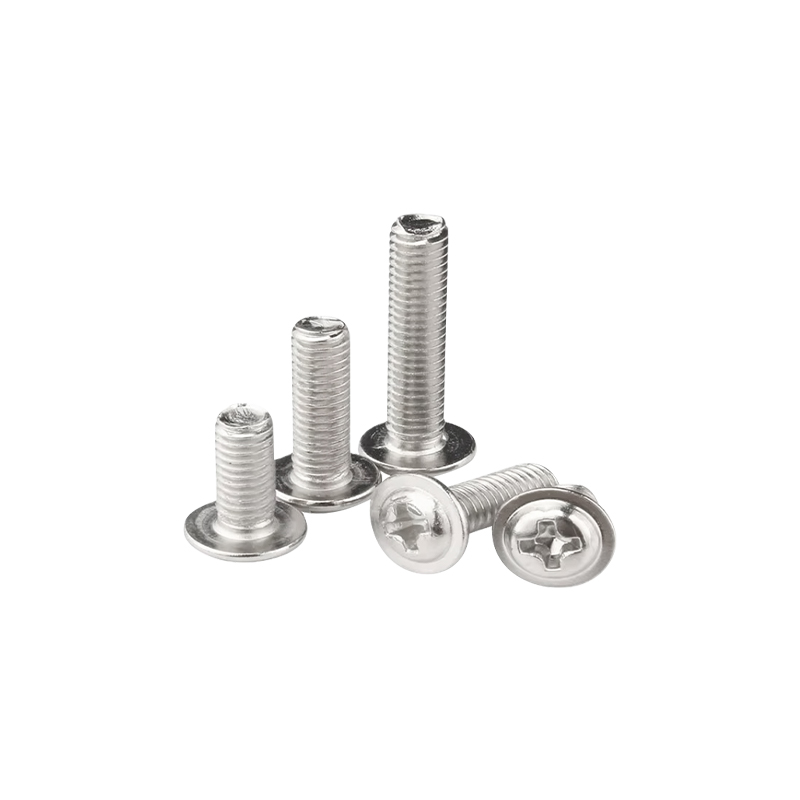
The Round Washer Head Phillips Machine Screw is a threaded fastener characterize...
See Details+86-13705735391
+86-18868359082
+86-573-83128088
+86-573-83128123
No. 2155, Shuanglong Road, Nanhu District, Jia Xing City, Zhejiang Province
Copyright © Jiaxing Zhongke Metal Technology Co.,Ltd. All Rights Reserved.Custom High Strength Stainless Steel Fasteners Manufacturers Provider