English
 Español
 عربى
عربى


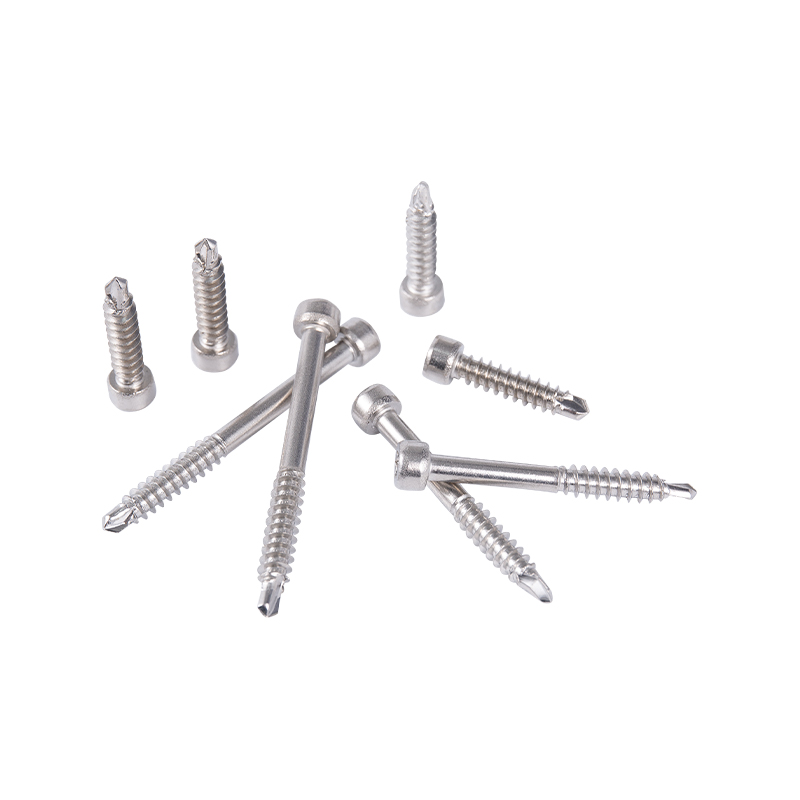
Countersunk Head Self-Drilling Screws
Cat:Self Drilling Screws
Countersunk self-drilling screws are widely used in furniture manufacturing, arc...
See Details


Content
In the complex world of industrial manufacturing and construction, the significance of selecting the correct fastening hardware cannot be overstated. While often overlooked as minor components, nuts play a pivotal role in ensuring the structural integrity and longevity of assemblies. Stainless Steel Nuts have emerged as the preferred choice for engineers and contractors worldwide due to their exceptional mechanical properties and resistance to environmental degradation. Unlike standard carbon steel nuts, which may succumb to rust and weakening over time, stainless steel variants offer a robust solution that guarantees performance in demanding conditions. Whether for architectural projects, marine applications, or heavy machinery, investing in high-quality stainless steel fasteners is a decision that ensures safety, reduces maintenance costs, and enhances the aesthetic appeal of the final structure. This article delves into the technical nuances of stainless steel nuts, exploring material grades, mechanical performance, and the importance of adhering to stringent manufacturing standards.
When sourcing fasteners, understanding the metallurgical differences between various grades is crucial for optimal performance. The two most prevalent grades in the industry are the 300 series, specifically 304 stainless steel hex nuts and 316 marine grade stainless steel nuts. While both belong to the austenitic family of stainless steels and share the fundamental property of non-magnetic behavior, their chemical compositions differ significantly in ways that affect their application suitability. Grade 304 is the industry standard "18-8" stainless steel, containing approximately 18% chromium and 8% nickel, providing excellent corrosion resistance for general-purpose applications. However, for environments exposed to chlorides, such as coastal areas or swimming pools, Grade 316 is superior due to the addition of molybdenum, which drastically increases resistance to pitting and crevice corrosion.
Selecting the wrong grade for a specific environment can lead to premature failure, necessitating costly repairs. For instance, using standard 304 nuts in a marine setting might result in rust formation within months, whereas 316 nuts can withstand such harsh conditions for decades. As a specialized manufacturer, we emphasize the importance of analyzing the operational environment before making a procurement decision. By offering both grades with precise traceability, we ensure that our clients receive components that are chemically optimized for their specific exposure scenarios.
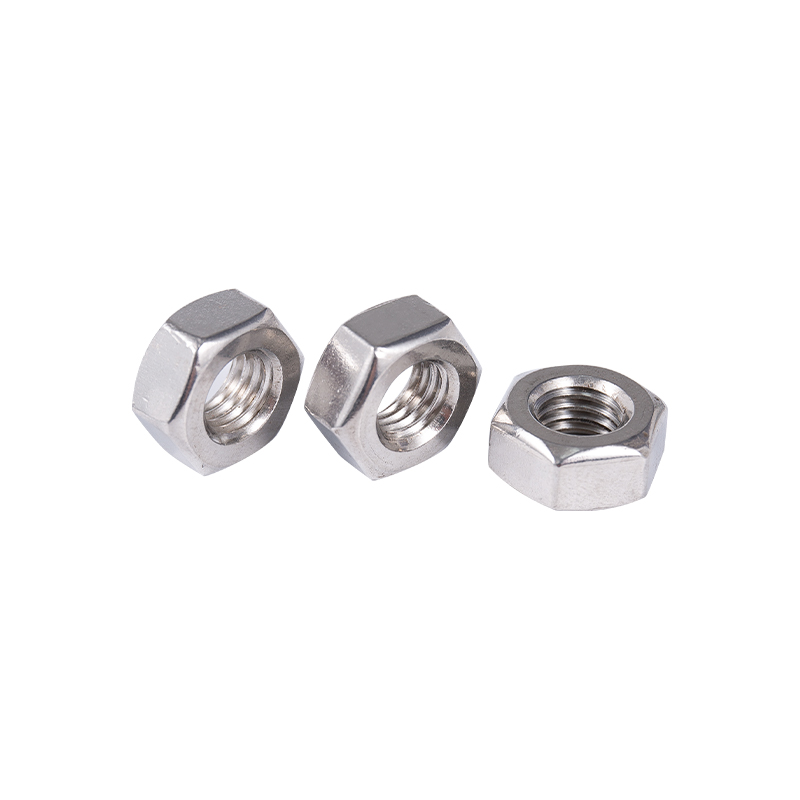
To further clarify the distinctions, the following table provides a technical comparison between these two material grades, aiding procurement managers in making informed decisions.
| Feature | 304 Stainless Steel | 316 Stainless Steel |
| Chromium Content | 18% | 16% |
| Nickel Content | 8% | 10% |
| Molybdenum Content | None | 2-3% |
| Best Application | General-purpose, indoor, dry environments | Marine, Coastal, Chemical environments |
| Corrosion Resistance | Excellent for most applications | Excellent (especially against salt water) |
Beyond chemical resistance, the mechanical integrity of a nut is paramount for safety. High strength stainless steel nuts are engineered to withstand immense shear forces and tensile loads without stripping or deforming. The strength of a stainless steel nut is derived from its austenitic structure, which work-hardens under stress. Unlike carbon steel, which may become brittle, stainless steel retains a degree of ductility that allows it to absorb shocks and vibrations, making it ideal for dynamic machinery and bridges. However, it is important to note that the tensile strength of stainless steel can vary slightly depending on the specific alloy and the manufacturing process, such as cold working versus annealing.
Our production processes are strictly calibrated to maximize these mechanical properties. We utilize advanced cold forging techniques that align the grain structure of the metal, thereby enhancing the load-bearing capacity of each nut. This attention to detail ensures that every nut we produce meets the rigorous demands of heavy industry. Whether used in the construction of skyscrapers or the assembly of heavy mining equipment, our fasteners provide a reliable clamp force that resists loosening under vibration, thereby securing the safety of the entire structure.
Understanding how these properties stack up against other fastening materials can help engineers select the right component for the job. The table below compares the performance metrics of stainless steel against standard carbon steel.
| Property | Stainless Steel Nuts | Carbon Steel Nuts |
| Tensile Strength | High (Especially in cold-worked grades) | Variable (Often high, but brittle if zinc plated cracks) |
| Ductility | High (Can stretch slightly before failure) | Low (Prone to sudden brittle fracture) |
| Corrosion Resistance | Excellent (Inherent, no coating needed) | Poor (Requires plating, which can scratch) |
| Temperature Range | Wide (Maintains properties at high and low temps) | Limited (Loses strength at high heat) |
Consistency is the hallmark of quality in the fastener industry. To ensure interoperability and reliability, manufacturers must adhere to globally recognized standards. One such critical standard is ISO 4032 stainless steel nuts, which specifies the mechanical and dimensional properties of hexagon nuts with widths across flats ranging from 1.6 mm up to 64 mm. Compliance with ISO 4032 guarantees that the nuts produced have the correct thread pitch, width, and height to mate seamlessly with standard bolts from any other compliant manufacturer. As a dedicated stainless steel lock nuts manufacturer, we rigorously test our products against these specifications using calibrated optical comparators and thread gauges to ensure zero deviation from the tolerances.
Sourcing from a manufacturer who understands these standards is vital for B2B procurement. Substandard or non-compliant nuts can lead to assembly line stoppages, product recalls, or catastrophic structural failures. We take pride in our role as a partner in our clients' supply chains, offering not just products, but technical assurance. Our facility is equipped with state-of-the-art sorting and testing machinery to detect surface defects, material inconsistencies, or dimensional errors. By maintaining strict adherence to ISO and DIN standards, we empower our clients to build with confidence, knowing that every fastener meets the highest benchmarks of quality and precision.
The following table highlights the key distinctions between generic, non-compliant manufacturing and our ISO-compliant production, illustrating the value of a trusted partnership.
| Aspect | Compliant Manufacturing (Ours) | Non-Compliant/Generic |
| Standard | ISO 4032 Compliant | None or inconsistent standards |
| Thread Quality | Precision Cut, Smooth | Rough, may cause cross-threading |
| Dimensional Tolerance | High Precision (Zero deviations) | Wide tolerance (Loose fit) |
| Traceability | Full Lot Traceability | No batch tracking |
In summary, the selection of Stainless Steel Nuts is a strategic decision that impacts the durability and safety of engineering projects. From the selection of 304 stainless steel hex nuts for general use to the deployment of 316 marine grade stainless steel nuts for harsh environments, understanding material properties is key. Furthermore, ensuring that these components provide high strength stainless steel nuts capable of withstanding mechanical stress is non-negotiable. By partnering with a specialized stainless steel lock nuts manufacturer who adheres to ISO 4032 stainless steel nuts standards, businesses can secure their supply chain against the risks of failure. We remain committed to delivering excellence in every fastener we produce, ensuring that our clients' projects stand the test of time.
The main difference lies in their chemical composition and corrosion resistance. 304 stainless steel hex nuts contain 18% chromium and 8% nickel, making them suitable for general indoor and dry outdoor applications. In contrast, 316 marine grade stainless steel nuts contain an additional 2-3% molybdenum, which significantly enhances resistance to chlorides and salt water, making them the preferred choice for marine and coastal environments.
Adherence to ISO 4032 stainless steel nuts standards ensures that the fasteners are dimensionally consistent and mechanically reliable. This international standard defines the dimensions, tolerances, and mechanical properties of hexagon nuts, ensuring that they fit perfectly with corresponding bolts from any manufacturer worldwide. This interchangeability is crucial for large-scale projects and maintenance.
It depends on the grade. While high strength stainless steel nuts offer excellent tensile strength and superior ductility, carbon steel nuts often have higher proof loads in certain grades. However, stainless steel nuts generally offer better corrosion resistance and do not require plating, making them stronger and more reliable in corrosive environments where carbon steel would rust and weaken.
When selecting a stainless steel lock nuts manufacturer, look for companies that hold relevant quality certifications and adhere to international standards like ISO. Request Material Test Certificates (MTC) to verify material composition, and inquire about their quality control processes, such as thread gauging and surface inspection. A reliable manufacturer will offer full traceability and technical support.
Yes, both 304 and 316 stainless steel nuts maintain excellent oxidation resistance at high temperatures. They can typically operate continuously at temperatures up to around 870°C (1600°F) without significant scaling. However, it is important to consider that the mechanical strength of the metal decreases as the temperature rises, so load calculations should be adjusted accordingly for high-heat environments.
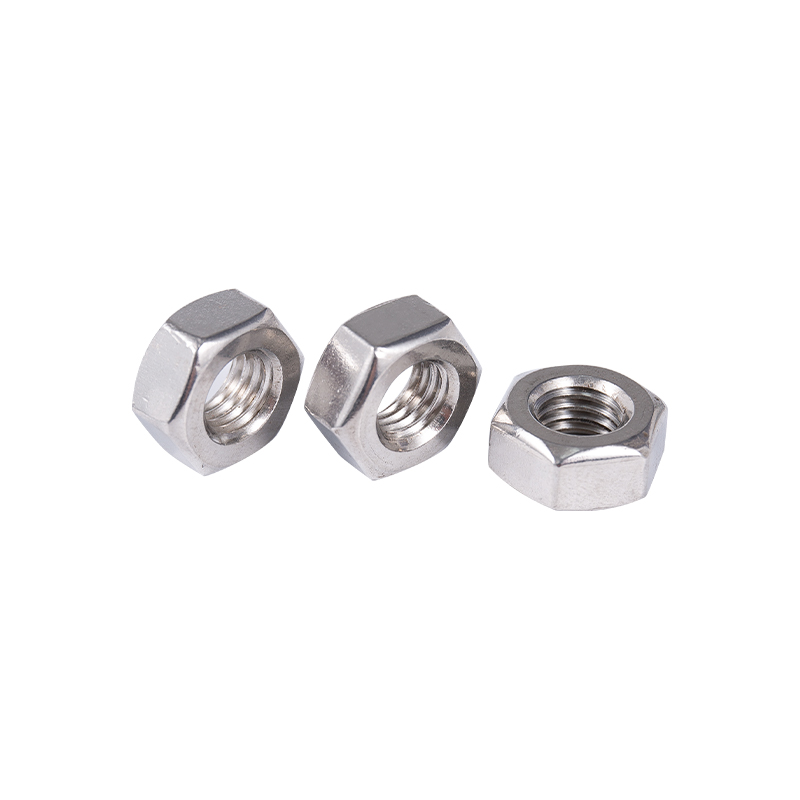
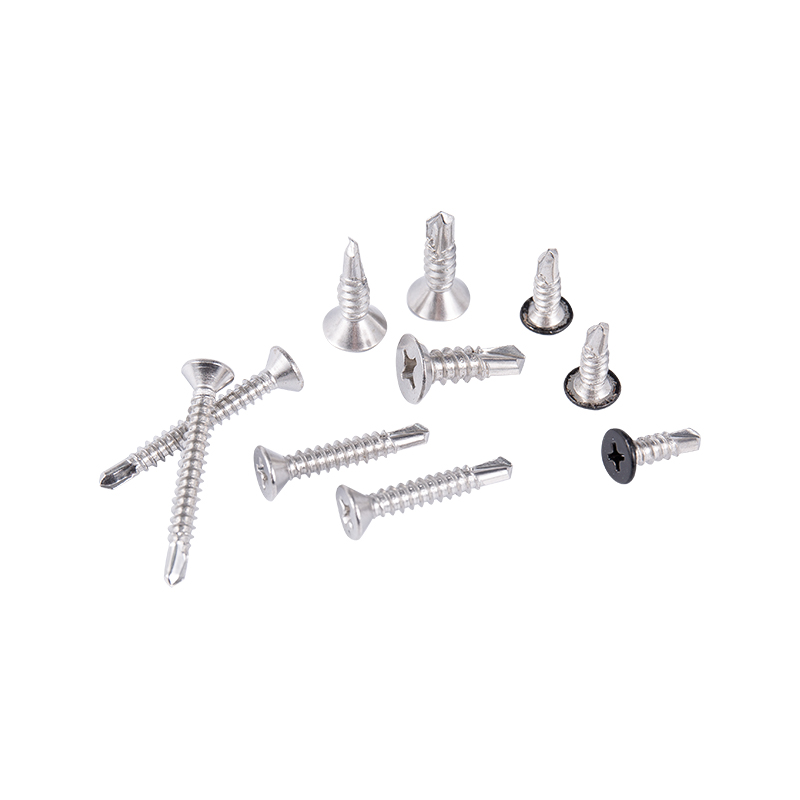
Countersunk self-drilling screws are widely used in furniture manufacturing, arc...
See Details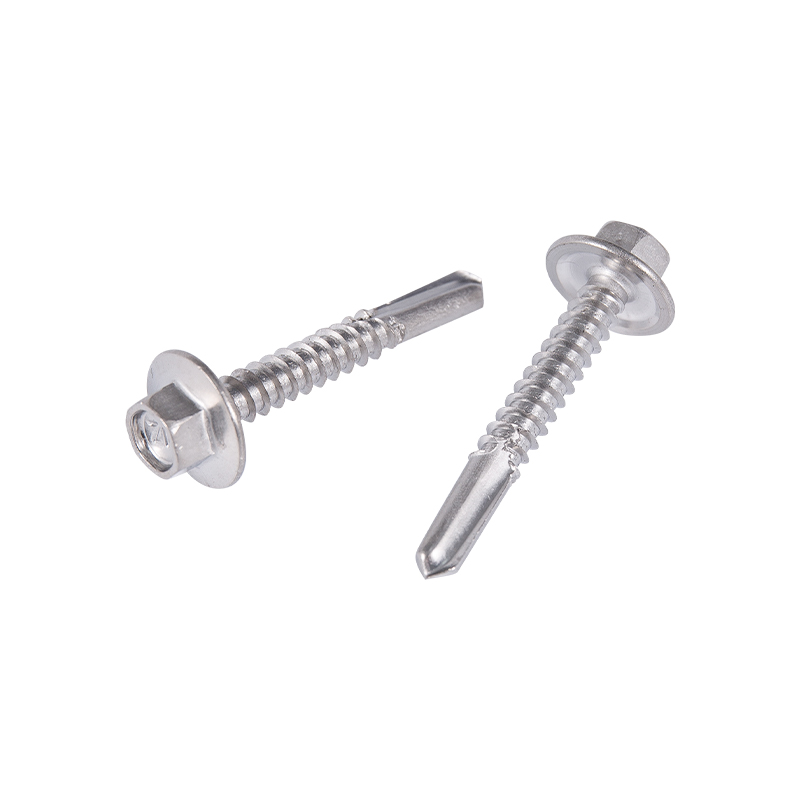
Hexagonal self-drilling screws are an efficient and convenient fastener. This ty...
See Details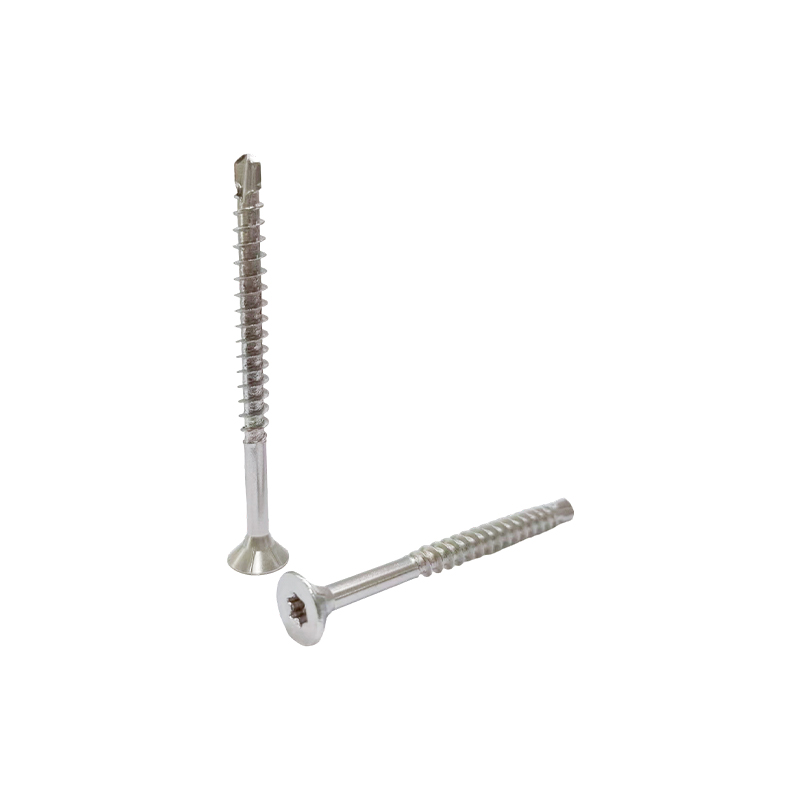
The Double Countersunk Hexalobular Six-Bevel Rib Milled Tail Chipboard Screw is ...
See Details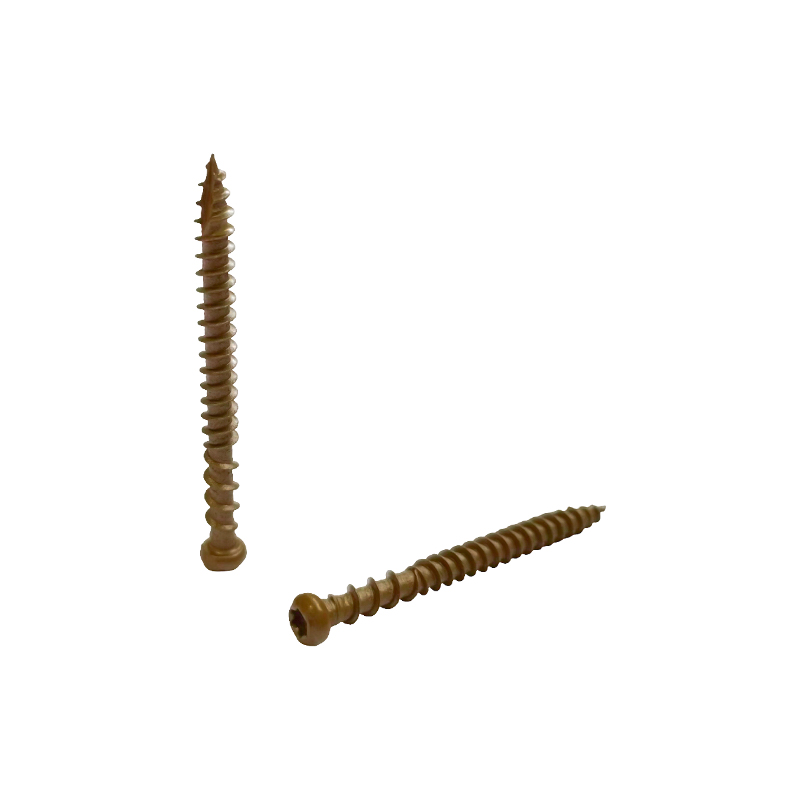
This Round Head Six Lobe Type 17 Self Tapping Screw is manufactured from SUS304 ...
See Details+86-13705735391
+86-18868359082
+86-573-83128088
+86-573-83128123
No. 2155, Shuanglong Road, Nanhu District, Jia Xing City, Zhejiang Province
Copyright © Jiaxing Zhongke Metal Technology Co.,Ltd. All Rights Reserved.Custom High Strength Stainless Steel Fasteners Manufacturers Provider