English
 Español
 عربى
عربى


Countersunk Head Self-Drilling Screws
Cat:Self Drilling Screws
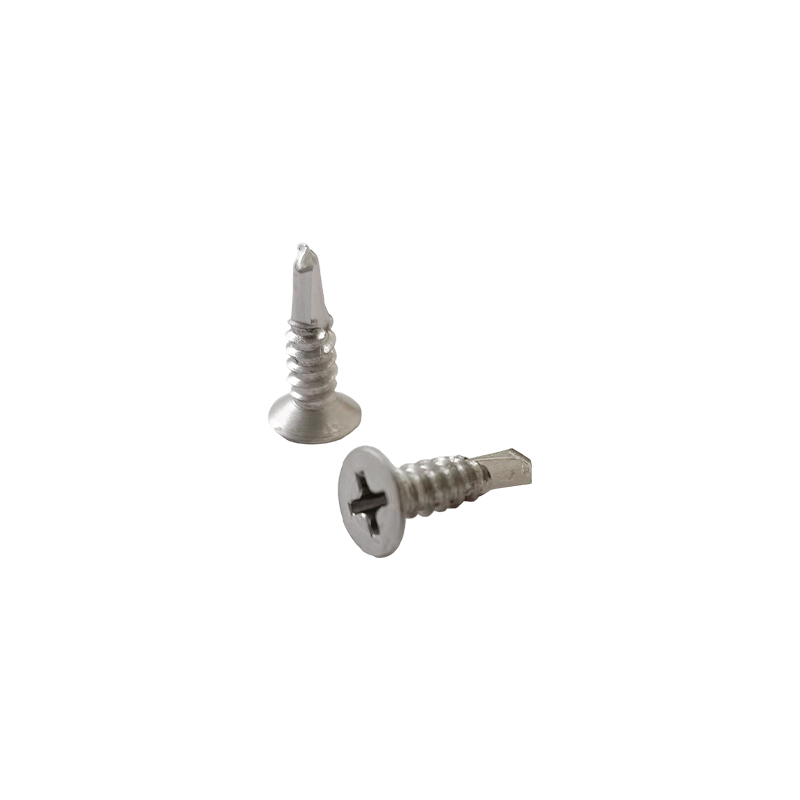
Countersunk self-drilling screws are widely used in furniture manufacturing, arc...
See Details


Content
When it comes to metal roofing projects, using Stainless Steel Self Drilling Screws for Metal Roofing ensures durability, corrosion resistance, and efficient installation. These screws are engineered to penetrate metal without pre-drilling, saving time and labor. Stainless steel construction protects against rust, making them ideal for roofs exposed to harsh weather conditions. Proper screw selection contributes to roof longevity and minimizes the risk of leaks or structural damage.
| Screw Type | Recommended Use |
| Hex head stainless steel | Industrial and commercial roofing |
| Pan head stainless steel | Residential or light metal roofs |
| Washered screws | Enhanced sealing for waterproof applications |
Selecting the correct screw size is critical for ensuring structural integrity and ease of installation. The Best Gauge Sizes for Stainless Steel Self Drilling Screws depend on the material thickness and the weight of the components being fastened. Understanding gauge helps prevent stripping, over-tightening, or under-secured joints. Using the right size maximizes load-bearing capacity and ensures long-term reliability.
| Gauge | Material Thickness |
| #8–#10 | 18–24 gauge metal sheets |
| #12–#14 | 16–18 gauge metal panels |
| #16+ | Heavy-duty steel or structural panels |
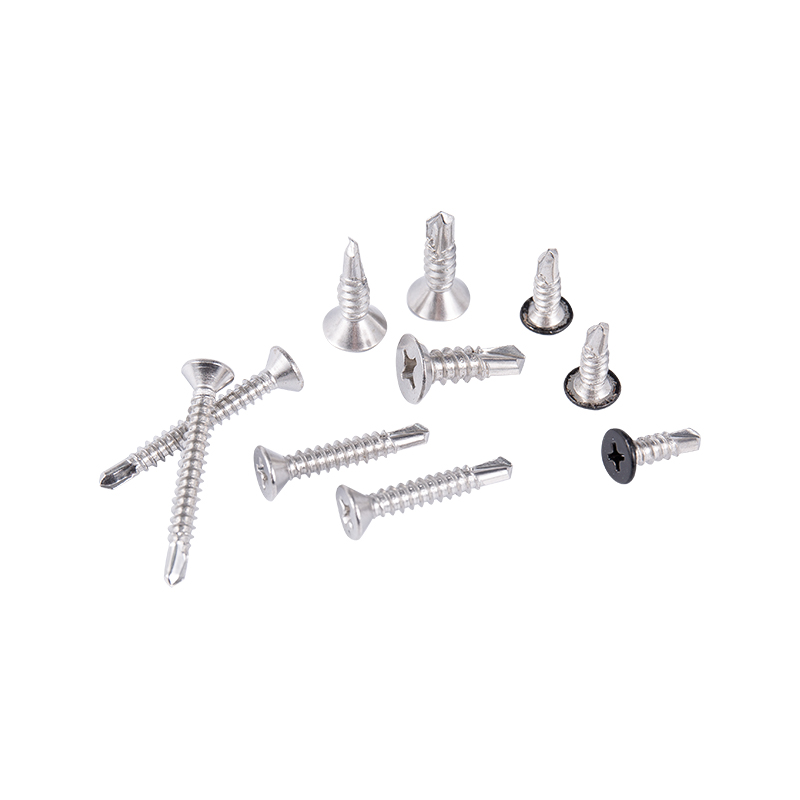
Understanding the differences between Stainless Steel Self Drilling Screws vs Self Tapping Screws Comparison is essential for choosing the right fastener. Self-drilling screws have a drill-shaped tip that eliminates the need for pre-drilling, whereas self-tapping screws require a pilot hole. Choosing incorrectly can lead to installation inefficiencies, material damage, or reduced holding strength. Evaluating project requirements ensures optimal performance.
Corrosion resistance is a major advantage of Corrosion Resistance of Stainless Steel Self Drilling Screws. Stainless steel fasteners withstand moisture, salt, and environmental pollutants, making them ideal for outdoor, coastal, and industrial applications. The durability of stainless steel prevents rust, maintains aesthetic appearance, and reduces long-term maintenance costs. Selecting the correct grade of stainless steel further enhances resistance to pitting and staining.
| Grade | Corrosion Resistance Level |
| 304 Stainless Steel | Moderate outdoor exposure |
| 316 Stainless Steel | Marine and highly corrosive environments |
| 430 Stainless Steel | Indoor or low-moisture environments |
Correct installation is crucial for maximizing the performance of How to Install Stainless Steel Self Drilling Screws Correctly. Using the right tools, torque, and technique prevents stripped threads, material damage, and premature failure. Installing screws at the correct angle with proper pressure ensures a secure, long-lasting hold. This is especially important in roofing and industrial applications where safety and structural integrity are critical.
| Installation Step | Recommendation |
| Tool | Electric drill with adjustable torque |
| Angle | Perpendicular to surface |
| Torque | Moderate, avoid over-tightening |
| Spacing | Follow material specifications for load distribution |
For typical metal roofing, screws in the #12–#14 gauge range are most commonly used. This ensures sufficient holding strength while being compatible with standard sheet thicknesses of 16–18 gauge metal panels.
Yes, using 316-grade stainless steel self-drilling screws is recommended for coastal or high-salinity environments. These screws offer superior corrosion resistance to prevent rusting and maintain structural integrity over time.
Self-drilling screws have a drill-shaped tip that allows them to penetrate metal without pre-drilling, while self-tapping screws require a pilot hole. Self-drilling screws are faster for metal applications, whereas self-tapping screws are better suited for softer materials or pre-drilled holes.
Use an electric drill with adjustable torque, position screws perpendicular to the surface, and avoid over-tightening. Follow spacing recommendations to ensure even load distribution and secure fastening.
Yes, stainless steel offers excellent corrosion resistance. Choosing the correct grade, such as 304 for general outdoor use or 316 for coastal and marine environments, ensures long-term durability and minimal maintenance.
Countersunk self-drilling screws are widely used in furniture manufacturing, arc...
See Details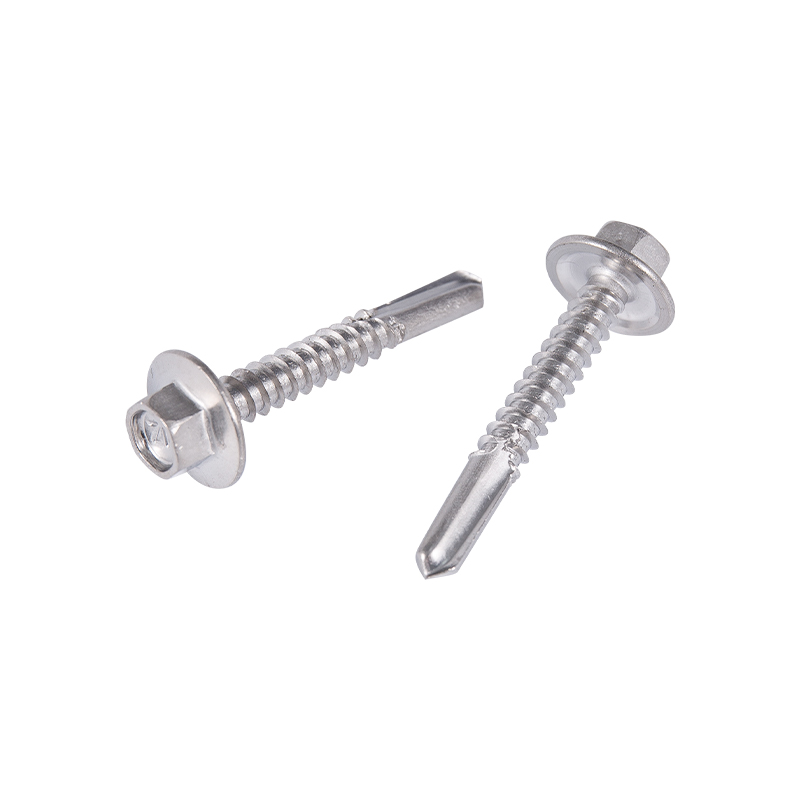
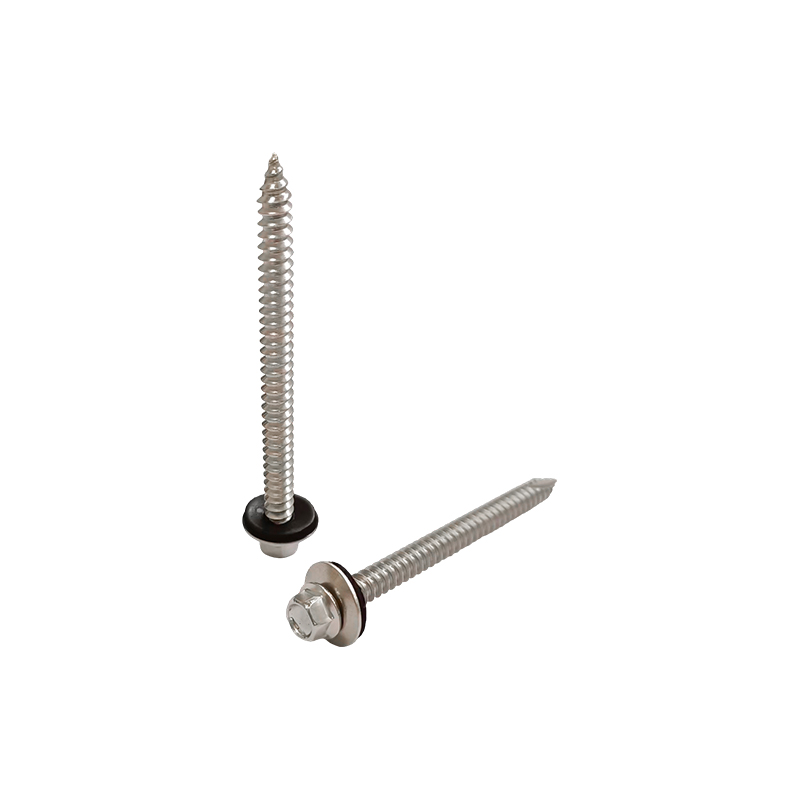
Hexagonal self-drilling screws are an efficient and convenient fastener. This ty...
See Details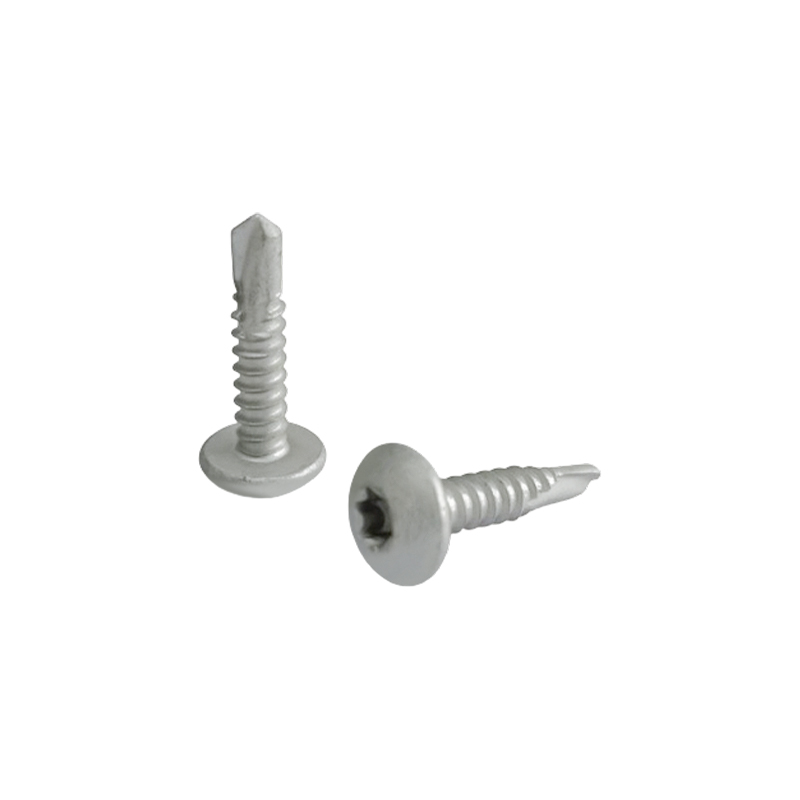
This Pan Head Hexalobular Self Drilling Screw features a specification of 12#-14...
See Details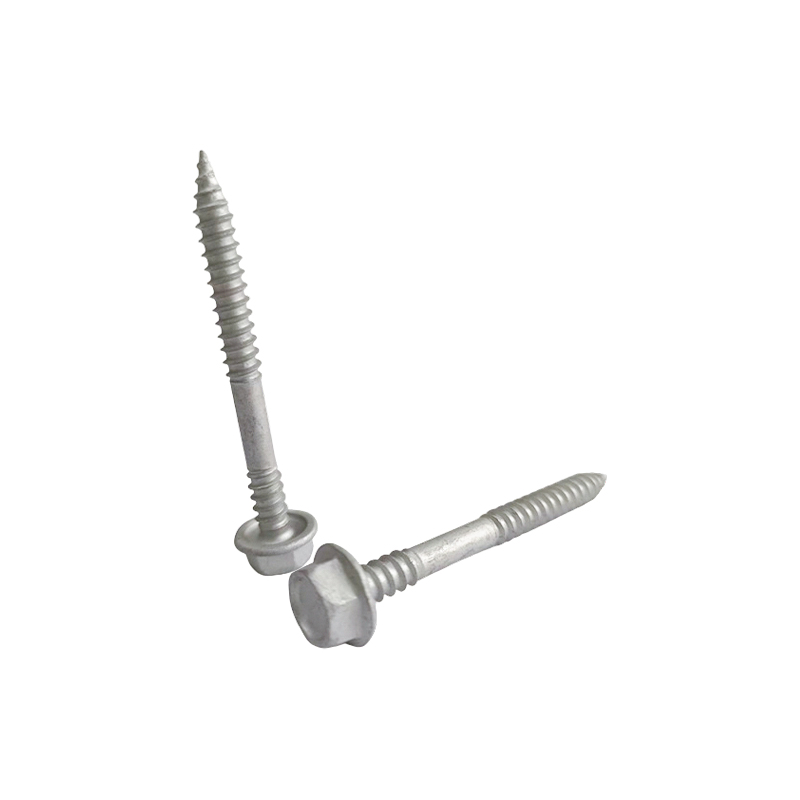
The Hexagonal Large Flange Self-Tapping Screw is a fastener designed for connect...
See Details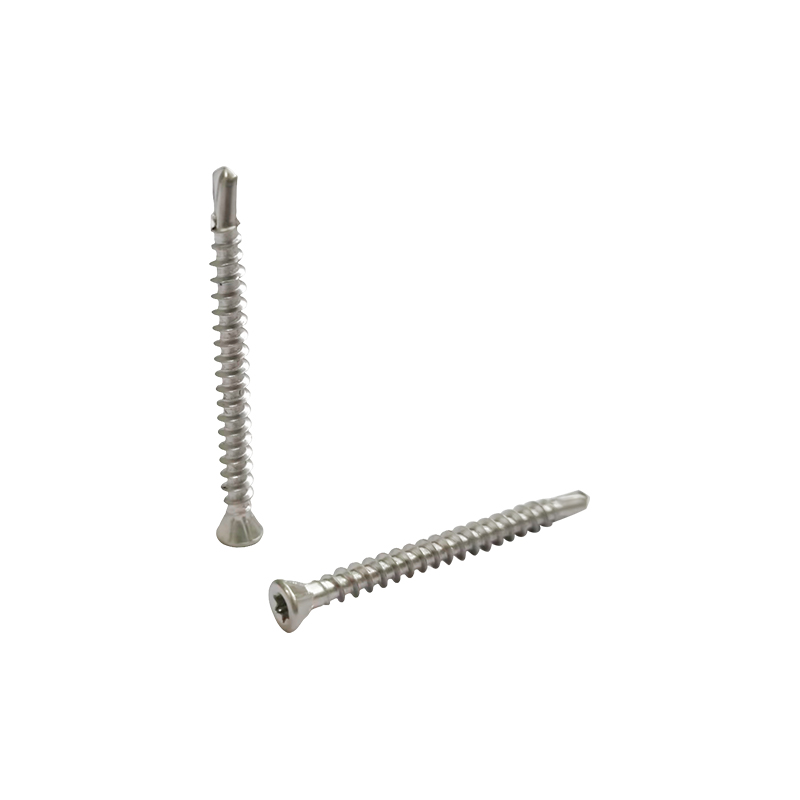
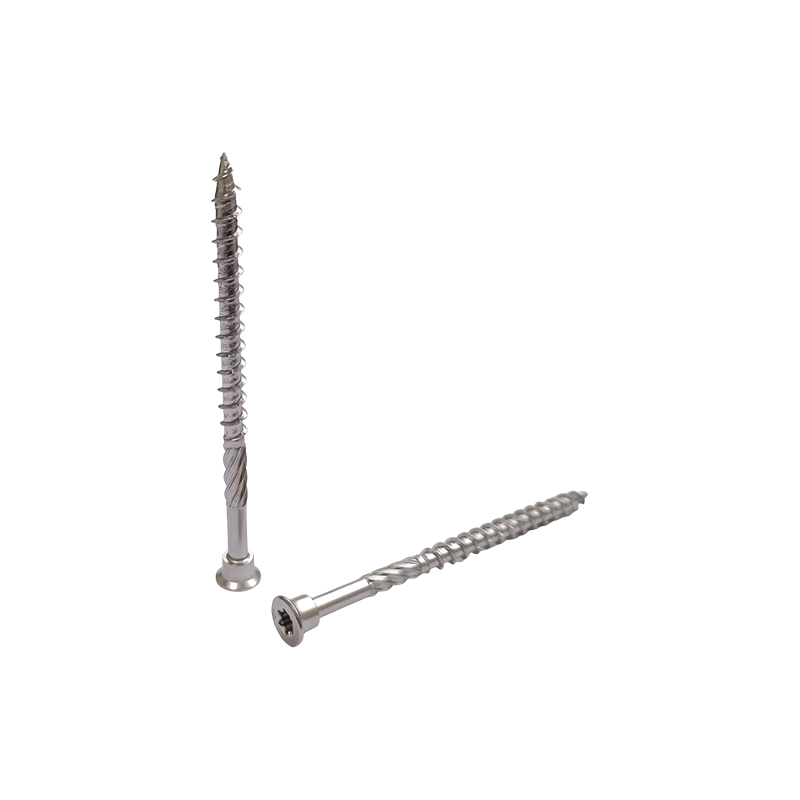
The CSK Six Lobe And Rib Self Drilling Screw is a fastener featuring a specific ...
See Details+86-13705735391
+86-18868359082
+86-573-83128088
+86-573-83128123
No. 2155, Shuanglong Road, Nanhu District, Jia Xing City, Zhejiang Province
Copyright © Jiaxing Zhongke Metal Technology Co.,Ltd. All Rights Reserved.Custom High Strength Stainless Steel Fasteners Manufacturers Provider