English
 Español
 عربى
عربى


Pan Head Self-Drilling Screws
Cat:Self Drilling Screws
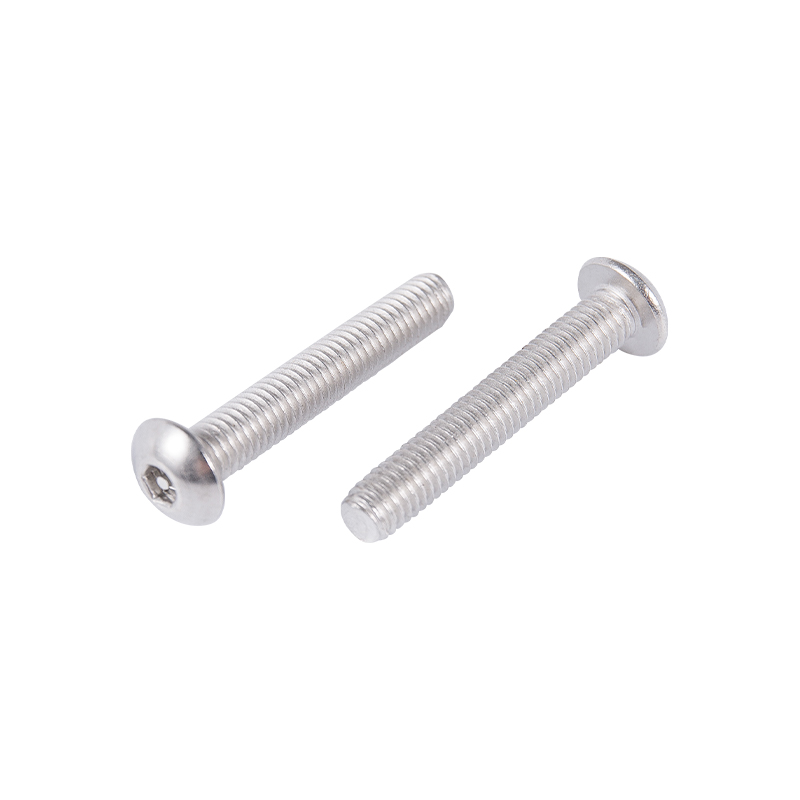
Pan Head Self-Drilling Screws are a type of fastener widely used in construction...
See Details


Content
The global metallurgical industry is currently witnessing a profound transformation as the demand for high-performance alloys intersects with stringent decarbonization targets. At the heart of this shift is the process of smelting stainless steel, a complex metallurgical operation that requires precise control over temperature, chemical composition, and impurity levels. Unlike traditional carbon steel production, stainless steel requires the integration of chromium and nickel, necessitating advanced furnace technologies that can handle high melting points while preventing the oxidation of expensive alloying elements. As we move into 2026, the transition from fossil-fuel-dependent blast furnaces to high-efficiency electric systems is no longer a choice but a necessity for staying competitive in a market that increasingly values "Green Steel" certifications. Modern smelting facilities are now integrating artificial intelligence and real-time melt analysis to ensure that every batch meets the exact specifications required for aerospace, medical, and renewable energy applications.
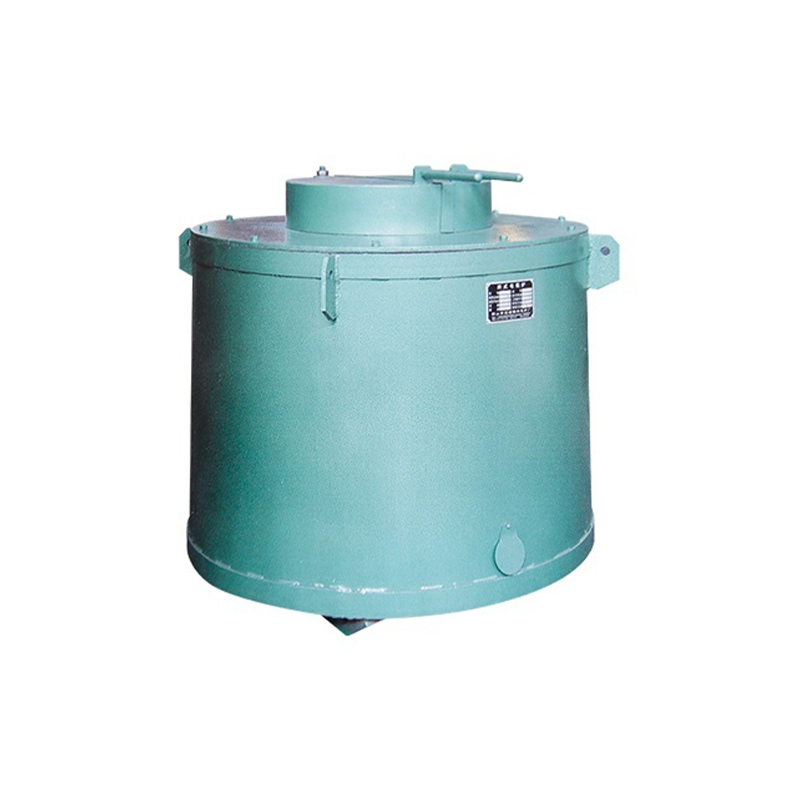
The primary driver of modern metallurgical efficiency is the electrification of the heating process. The smelting stainless steel process in electric arc furnace (EAF) systems has become the industry benchmark for large-scale production, particularly when processing recycled scrap metal. An EAF operates by using high-voltage electric arcs to generate the thermal energy required to liquefy the charge. This method allows for rapid melting cycles and the flexibility to adjust the chemistry mid-process through the addition of ferroalloys. In the context of 2026 standards, EAFs are being optimized with supersonic oxygen lances and bottom-stirring technology to improve homogeneity. Compared to traditional furnace designs, the modern EAF offers a significantly lower carbon intensity, especially when powered by renewable energy sources, making it the preferred choice for high-volume industrial manufacturers.
| Performance Metric | Traditional Blast Furnace | Smelting stainless steel process in electric arc furnace |
| Primary Energy Source | Coke / Coal | Electricity |
| Carbon Footprint | High (CO2 Intensive) | Low (When using Renewables) |
| Scrap Utilization | Limited (10-20%) | High (Up to 100%) |
For specialized foundries focusing on high-value components, the energy efficient induction furnace for smelting stainless steel offers unmatched precision. Induction heating works through electromagnetic induction, where a copper coil creates a fluctuating magnetic field that induces eddy currents within the metal charge itself. This "internal" heating method is exceptionally efficient because it minimizes heat loss to the surrounding environment and ensures a natural stirring effect through electromagnetic forces. This stirring is vital for stainless steel production as it ensures an even distribution of alloying elements like molybdenum and titanium. Furthermore, induction furnaces operate with minimal noise and surface oxidation, which is critical for maintaining the tight tolerances required for high-grade industrial components in the 2026 market.
| Efficiency Variable | Gas-Fired Crucible | Energy efficient induction furnace |
| Thermal Efficiency | 30% - 45% | 85% - 92% |
| Metal Loss (Oxidation) | 2% - 5% | Less than 1% |
| Operational Footprint | Large | Compact / Modular |
The medical and pharmaceutical industries demand stainless steel with ultra-low carbon and nitrogen levels to prevent intergranular corrosion. To meet these needs, high purity smelting stainless steel techniques for medical grades involve secondary refining processes such as Argon Oxygen Decarburization (AOD) and Vacuum Induction Melting (VIM). These techniques allow metallurgists to remove dissolved gases and trace impurities that would otherwise compromise the structural integrity of surgical instruments or implants. According to the World Steel Association's 2025 technology report, the integration of vacuum-tight smelting environments has enabled the production of 'super-clean' steels that exceed the ISO 5832 standards for surgical implants. As a leading provider of metallurgical solutions, our equipment is engineered to maintain the sterile and precise conditions required for these high-stakes applications.
Source: World Steel Association - Steel Technology and Innovation 2025
The environmental cost of mining virgin ore has led to a paradigm shift in material sourcing. Analyzing the environmental impact of smelting stainless steel scrap reveals a massive reduction in resource consumption; recycling stainless steel saves approximately 67% of the energy required to produce it from raw materials. Because stainless steel is 100% recyclable without loss of quality, the "closed-loop" smelting model has become the cornerstone of sustainable manufacturing. Modern melt shops are now designed to pre-heat scrap using off-gas energy, further driving down the kilowatt-hours required per ton of output. This approach not only meets ESG (Environmental, Social, and Governance) criteria but also provides a buffer against the price volatility of raw nickel and chromium ores.
| Environmental Factor | Virgin Ore Smelting | Smelting stainless steel scrap |
| Energy Required | Baseline (100%) | Approx. 33% |
| CO2 per Ton | High | Ultra-Low |
| Water Consumption | Extensive | Minimal |
For industrial enterprises looking to upgrade their facilities, the wholesale smelting stainless steel equipment price 2026 reflects a shift toward automation and modularity. Modern equipment is no longer just a furnace; it is an integrated system featuring automated charging robots, infrared slag monitoring, and energy recovery modules. While the initial capital expenditure for a smart induction or EAF system is higher than legacy equipment, the operational savings—driven by lower energy bills and reduced manual labor—typically yield a full ROI within 36 months. Our company offers comprehensive consulting and customized smelting lines that are "2026-ready," ensuring that your production facility meets both current safety standards and future environmental regulations.
The most energy efficient induction furnace for smelting stainless steel is currently the industry leader for small to medium-sized batches. It offers over 90% thermal efficiency by heating the metal directly through electromagnetic induction, which is far superior to any combustion-based heating method.
The smelting stainless steel process in electric arc furnace systems uses a combination of slag chemistry and oxygen lancing to oxidize and remove impurities like silicon and excess carbon. For higher purity requirements, the melt is usually transferred to an AOD vessel for final refining.
The environmental impact of smelting stainless steel scrap is significantly lower because it bypasses the energy-intensive stages of mining, crushing, and refining virgin ores. This process uses roughly one-third of the energy and produces a fraction of the CO2 emissions.
To achieve high purity smelting stainless steel techniques for medical grades, you generally require a Vacuum Induction Melting (VIM) furnace or an Electroslag Remelting (ESR) unit. This equipment ensures the metal is free from gas inclusions and maintains a perfectly uniform microstructure.
The wholesale smelting stainless steel equipment price 2026 is influenced by the integration of advanced sensors and AI. While the technology is more expensive, the increased efficiency and lower operational costs make these modern systems a more cost-effective choice in the long run.
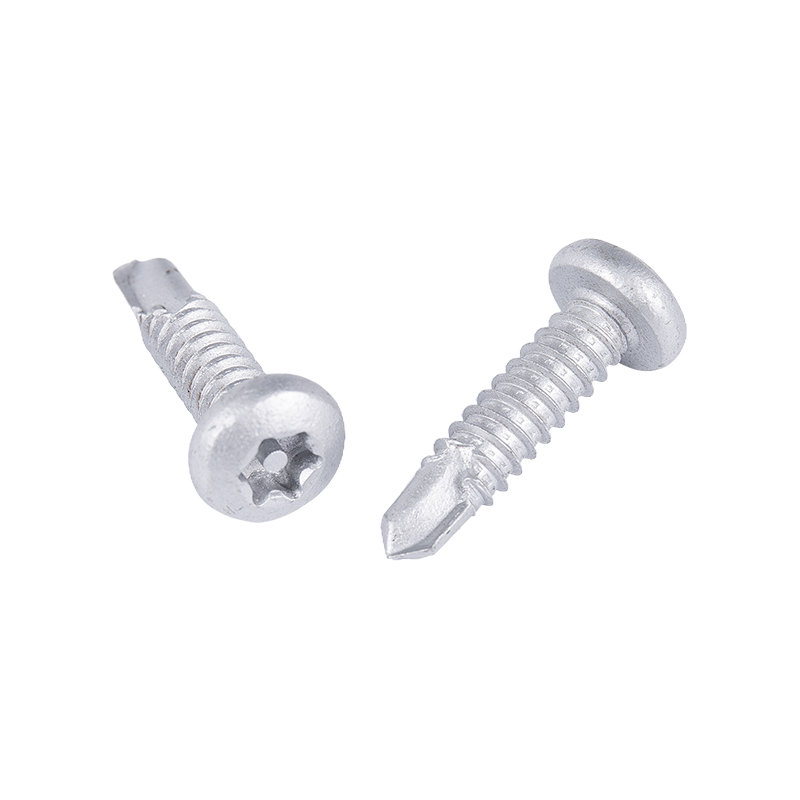
Pan Head Self-Drilling Screws are a type of fastener widely used in construction...
See Details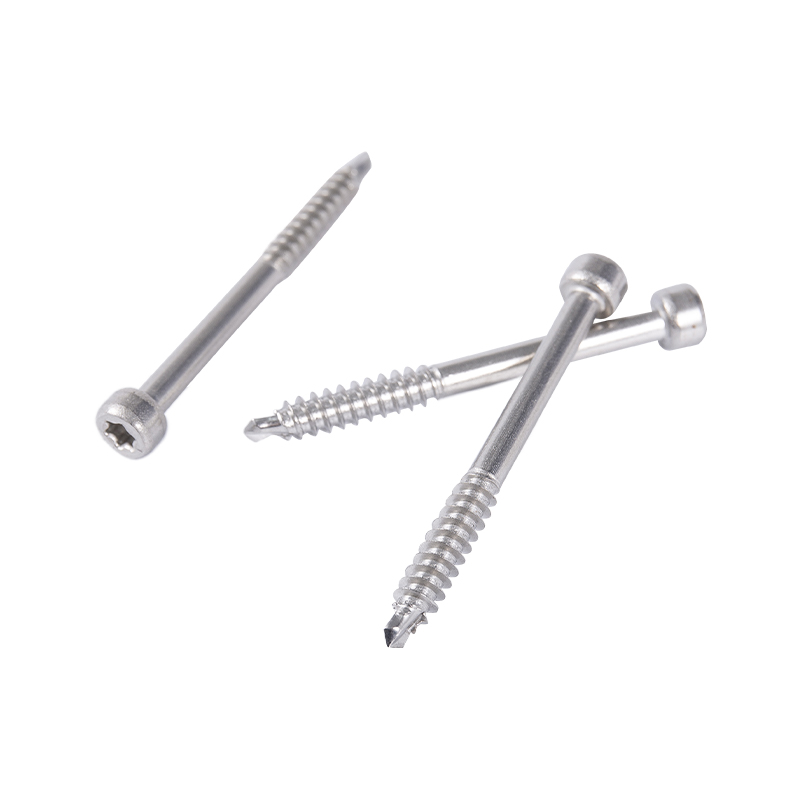
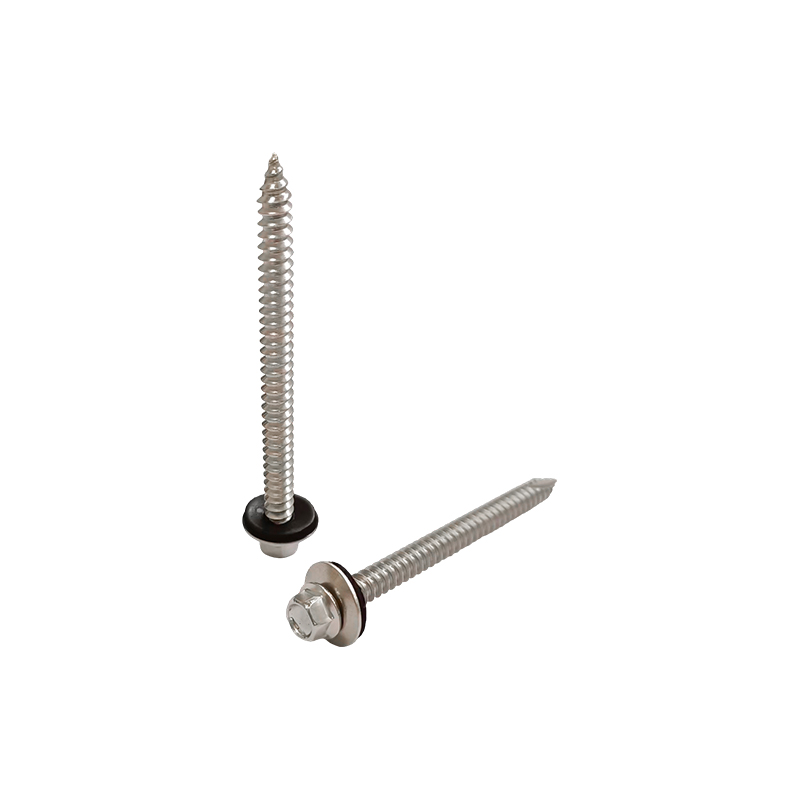
Countersunk, double countersunk, semi-countersunk, trumpet and pan head chipboar...
See Details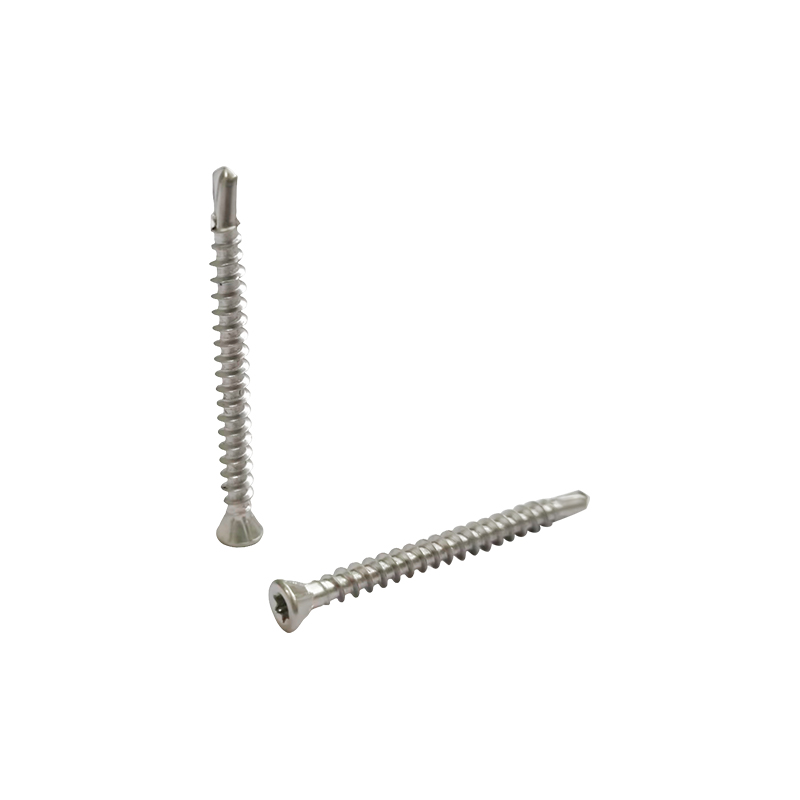
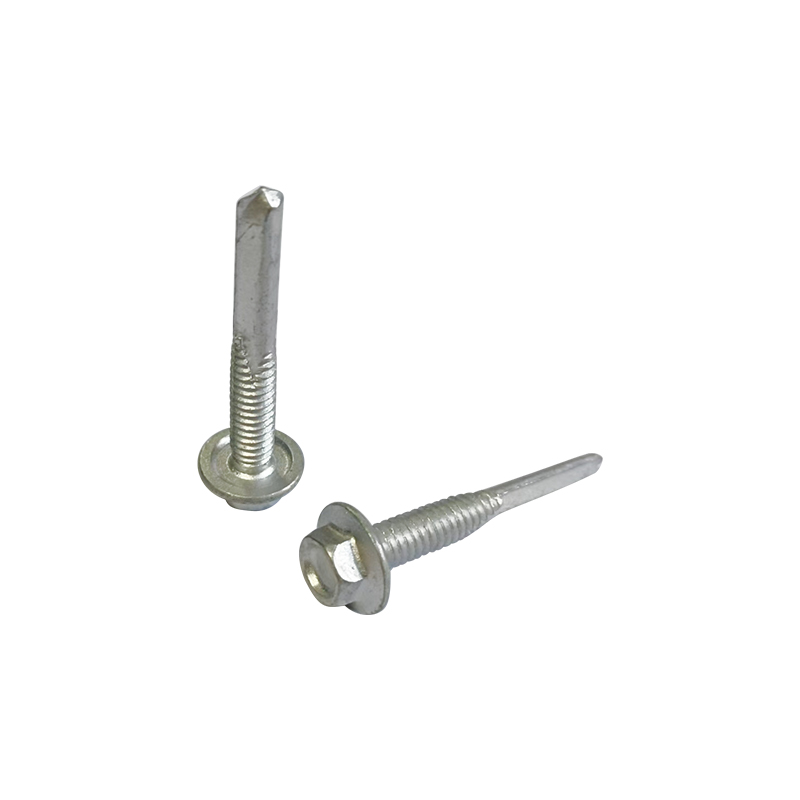
The CSK Six Lobe And Rib Self Drilling Screw is a fastener featuring a specific ...
See Details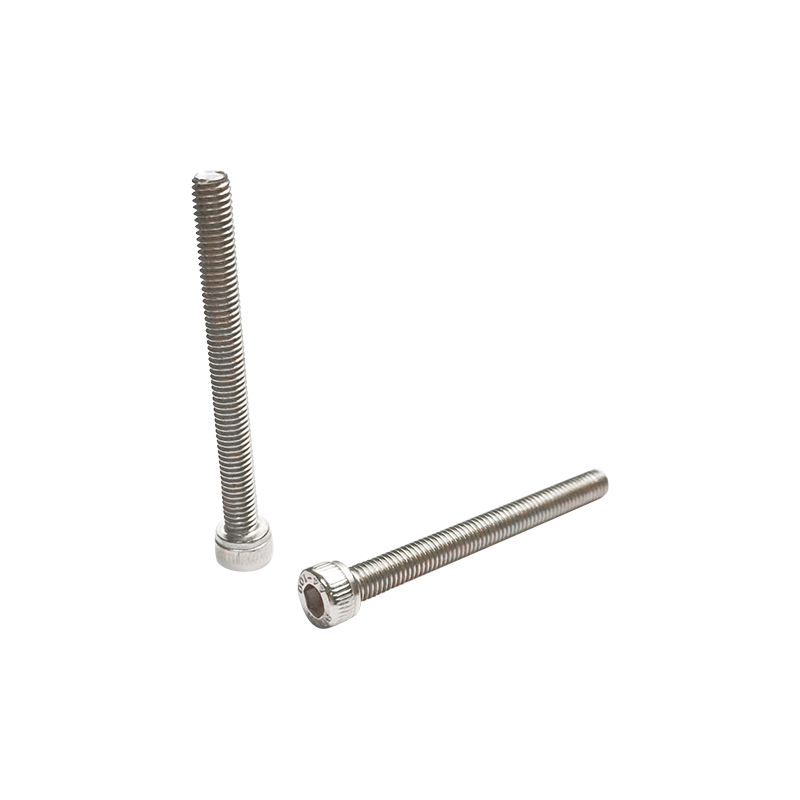
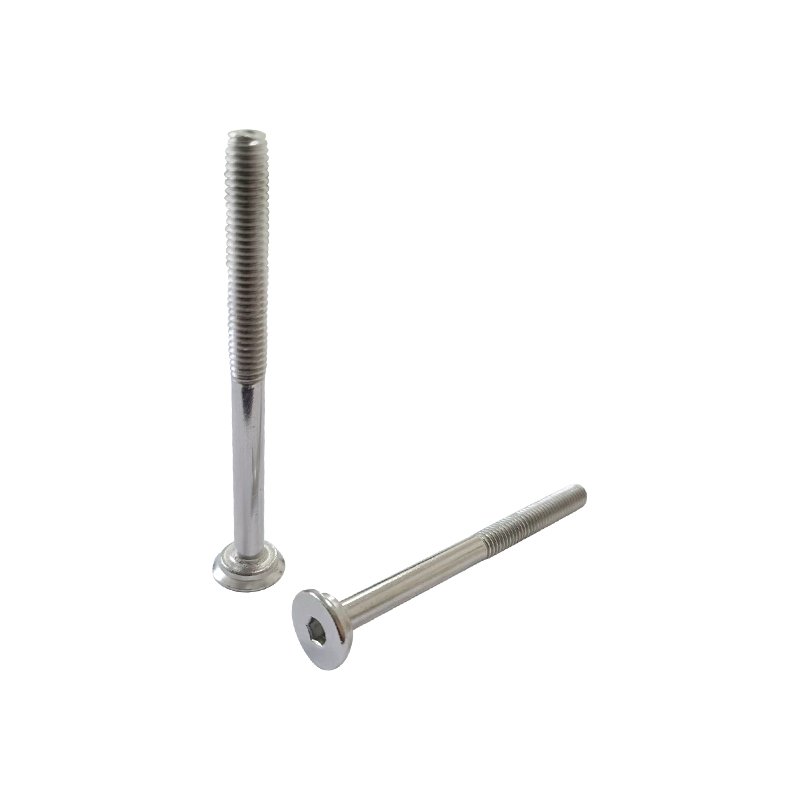
The Socket Cap Head Internal Hexagonal Machine Screw is a threaded fastener char...
See Details+86-13705735391
+86-18868359082
+86-573-83128088
+86-573-83128123
No. 2155, Shuanglong Road, Nanhu District, Jia Xing City, Zhejiang Province
Copyright © Jiaxing Zhongke Metal Technology Co.,Ltd. All Rights Reserved.Custom High Strength Stainless Steel Fasteners Manufacturers Provider