English
 Español
 عربى


Countersunk Head Self-Drilling Screws
Cat:Self Drilling Screws
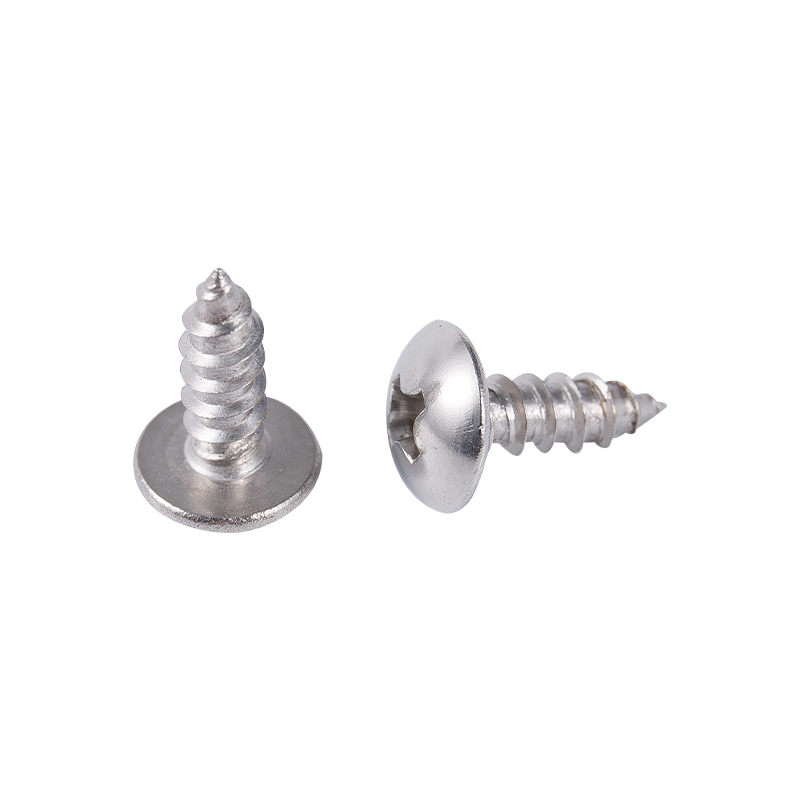
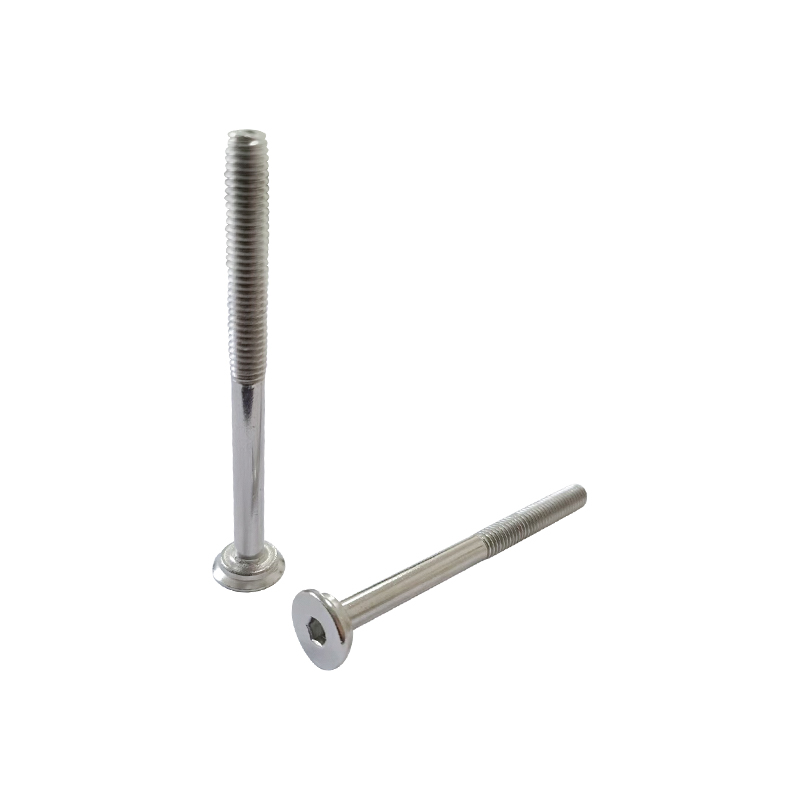
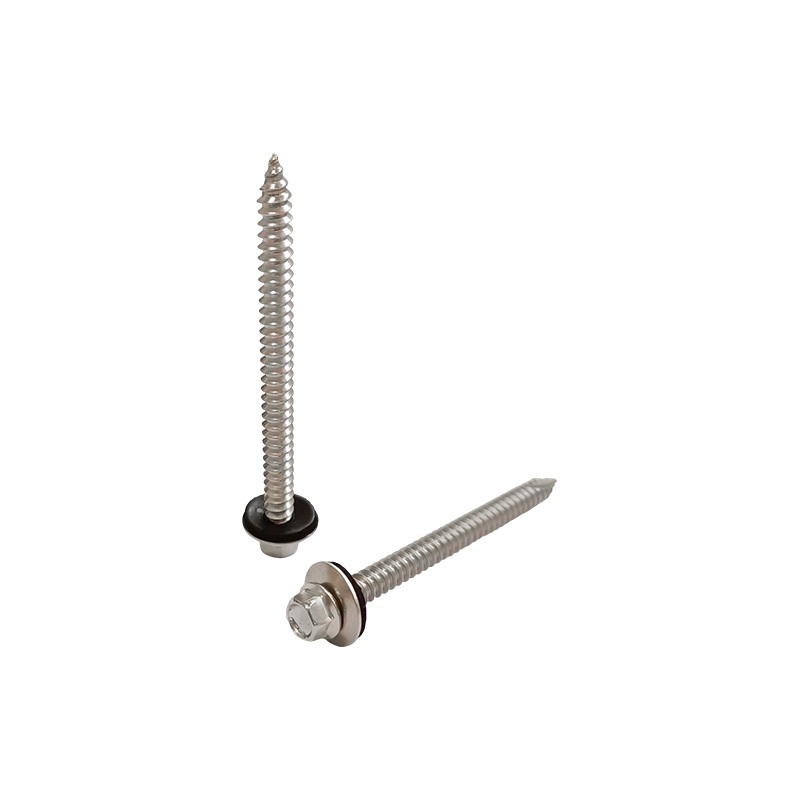
Countersunk self-drilling screws are widely used in furniture manufacturing, arc...
See Details


Content
Cutting nibs are the small raised ribs on the underside of a chipboard screw head, and they are the reason a modern particleboard screw can be driven into a shelf, a cabinet carcass or a flat-pack panel without a pilot hole and without splitting the board.
The nibs work like miniature reamers. As the head approaches the surface, they mill away material in thin shavings instead of compressing it, so the panel never has to absorb the full wedging force of a countersunk bearing face. It is a small detail that changes how the whole joint behaves, and it is worth understanding before you specify, stock or buy fasteners for production.
This guide explains what the nibs actually do, how they interact with head geometry, thread form and point style, and where the technique still has limits. For a wider look at the same family of fasteners in panel products, our article on chipboard screws for fiberboard and MDF applications is a useful companion read.
On a countersunk chipboard screw, the cutting nibs sit on the conical bearing surface beneath the head, usually arranged radially like the spokes of a wheel. Depending on the design they appear as four to six small ribs, wedges or notches that stand slightly proud of the bearing face.
Position matters more than size. Because the nibs are raised, they make contact with the board before the flat or conical bearing surface does. That short head start is what allows them to cut rather than crush. A screw with a perfectly smooth bearing face has to push its way into the panel, and the pressure has nowhere to go except outward toward the nearest free edge.
In many real products the nib and the rib are the same feature. A screw described as having a ribbed head may use a six-bevel rib pattern that combines a reaming edge with a reinforcing ridge, so the head resists distortion while it cuts. What matters when you compare screws is whether that underside has raised cutting edges at all.
Particleboard and MDF are not solid wood. Particleboard is a mat of wood chips bonded with resin, and MDF is a dense, homogeneous fiber board. Neither has the cellular structure that lets solid timber stretch and compress around a fastener. When material has nowhere to move, it cracks.
A screw damages a board in two ways. The threaded section displaces material radially, which is why an oversized screw can split a panel along its length. The head adds a second and often larger problem: a countersunk bearing surface behaves like a wedge with a very wide footprint, pushing outward across the full head diameter rather than along the thread line.
Splitting usually starts at the weakest point, so failures cluster near board edges and ends, around voids and low-density patches in the core, and along the line where the panel is unsupported. Pre-drilling solves this by removing material in advance, but it adds a step and slows assembly. Cutting nibs attack the problem where most of the wedging pressure originates, which is at the head.
The sequence below describes a normal drive with a nibbed chipboard screw into a panel product, with no pilot hole and no countersink.
Key point: the nibs target the head, and the head is where most splitting pressure comes from in particleboard and MDF. That is why a nibbed screw can often be driven without pre-drilling even when the thread alone would still cause damage.
| Stage | Screw without cutting nibs | Screw with cutting nibs |
|---|---|---|
| Head contact | Bearing face presses directly on the surface | Nibs contact first, bearing face follows |
| Material behavior | Compressed and pushed outward | Cut and cleared as shavings |
| Split risk near edges | High | Low |
| Head seating | High torque, head often sits proud | Flush seating at lower torque |
| Surface finish | Raised ring, cracked coating | Level surface with intact laminate |
Head type decides where the nibs can sit and how much material they can clear. Four families cover most chipboard work.
These are the standard choice for particleboard and MDF. A single cone cuts one continuous seat, while a double countersunk version uses two angles so the head sinks deeper with a cleaner transition at the surface.
A shallower cone angle spreads pressure over a slightly larger area, which is useful in thin panels and in boards where a deep countersink would thin the material too much. These are frequently paired with a type 17 point.
Wider bearing faces suit soft board and thin sheet, where the priority is clamping rather than sinking flush. The nibs, when present, sit on the flat underside and still ream the hole mouth.
The important thing is not the name on the box but the underside of the head. If the bearing surface is flat and continuous, the head will still wedge the panel open, no matter how well the thread is designed. Look for raised cutting edges.
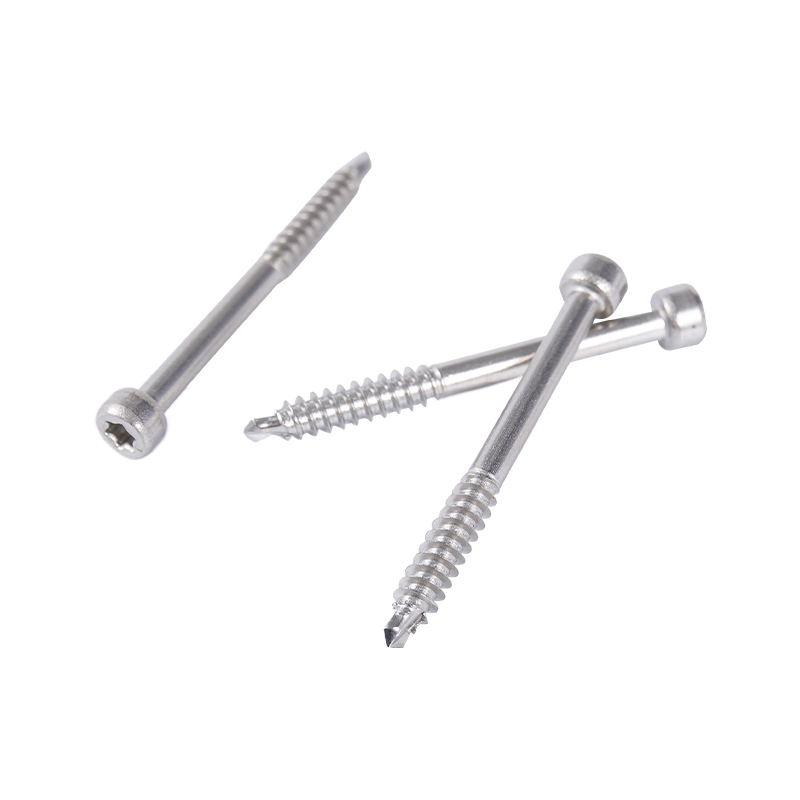 Chipboard Screws with Multiple Head ConfigurationsExplore chipboard screws in several head styles and materials, with sharp points and optimized threads for particle board, MDF, and cabinetry work.View Product →
The nibs only handle the head end of the joint, so the rest of the screw has to cooperate. A coarse, deep single-lead thread with a wide pitch is the classic particleboard pattern, because it engages the chip structure without needing a pilot hole.
In MDF the core is denser and more uniform, and chips have almost nowhere to go. Twin or double threads drive faster and reduce pressure per turn, while a milled tail or a type 17 slotted point gives the dust a path out of the hole instead of compacting it under the head.
Ribs under the head add two benefits at once: they reinforce the head against deformation and they extend the reaming action of the nibs. When the tail of the thread is also milled, the screw cuts its own clearance in the upper section of the hole, which keeps driving torque low right up to the moment the head touches down.
 Double Countersunk Hexalobular Chipboard Screw with Milled TailSUS304 stainless steel screw with six-bevel drive, milled ribs, and milled tail for secure chipboard, MDF, and furniture assembly.View Product →
No single chipboard screw suits every substrate. Use the table below as a starting point when you select a specification for a new assembly or a repair.
| Substrate | Feature to prioritise | Reason |
|---|---|---|
| Particleboard | Coarse thread, nibbed countersunk head | Large chips need deep thread engagement and a clean cut at the head |
| MDF | Twin thread, milled tail or type 17 point, nibbed head | Dense uniform core leaves dust nowhere to go |
| Melamine-faced board | Sharp nibs, controlled countersink | Prevents chipping and a raised ring around the head |
| Plywood | Medium pitch thread, nibbed head | Alternating grain layers split along the plies |
| Hardwood | Nibbed head plus a pilot hole | Dense material resists displacement and needs relief |
| Softwood | Coarse thread, avoid over-driving | Wood compresses easily and the thread can strip |
 Semi Countersunk Type 17 Torx Chipboard ScrewSUS304 stainless steel screw with semi countersunk head, double thread, and Type 17 profile for chipboard, MDF, and furniture.View Product →
Cutting nibs reduce the risk of splitting, but they cannot compensate for poor driving practice. A few habits make the difference.
In most panel products, yes. For particleboard and MDF at normal thicknesses, a nibbed countersunk chipboard screw can be driven directly, provided the screw diameter is proportionate to the board and the driver clutch is set sensibly. For hardwood, dense composites, thin sections and positions close to an edge, keep a small pilot hole.
They are closely related and often combined in one feature. A rib can be purely reinforcing, purely cutting, or both. What identifies a cutting nib is that the raised edge meets the board surface first and shears material away as the head rotates down.
Yes, and they are common there. Pair a nibbed head with a milled tail or a type 17 point so the dust produced by the dense core has an escape route, and drive at moderate speed with a clutch setting that stops the screw at flush.
No. Holding power comes from the thread engagement in the panel, not the head. If anything, a head that seats flush instead of standing proud produces a more even clamp load across the joint and a flatter finished surface.
When you write a specification or place an order, describe the head separately from the thread. List the head style and whether the underside carries cutting nibs or a rib pattern, then the thread form and pitch, the point type, the nominal diameter and length, the material grade, the drive recess and the surface finish.
Those details are what determine whether a screw can be driven without pre-drilling in a given panel. Two screws of identical length and diameter can behave completely differently in the same piece of particleboard if one has a smooth bearing face and the other has cutting edges under the head.
You can review the full chipboard screw range to compare head styles, rib configurations and point options in one place, and match a specification to the board you actually use. Choose the head for the surface, the thread for the core, and the point for the dust, and most split panels disappear before the first pilot hole is ever drilled.
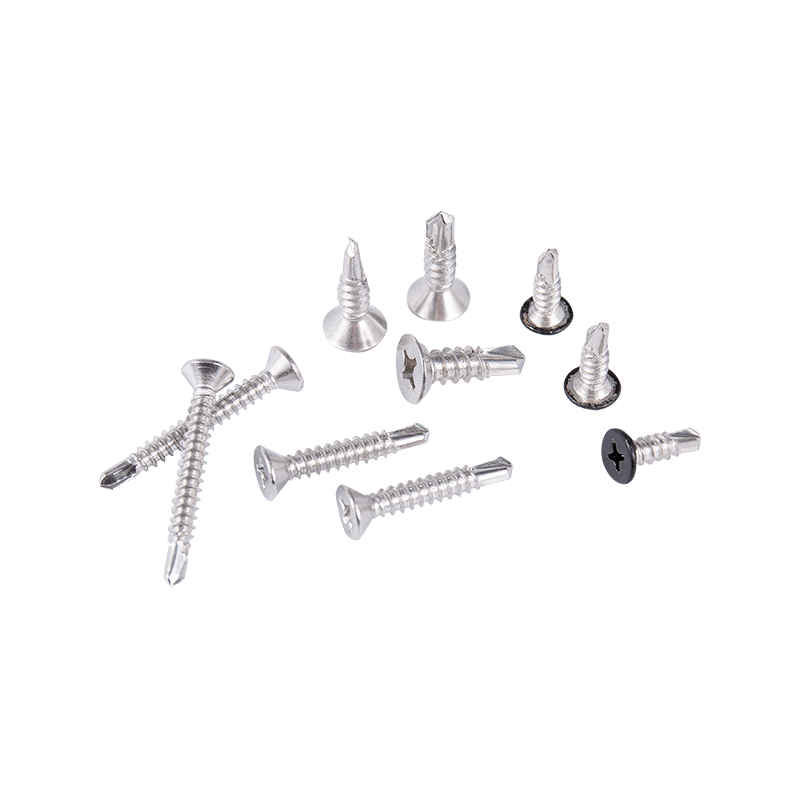
Countersunk self-drilling screws are widely used in furniture manufacturing, arc...
See Details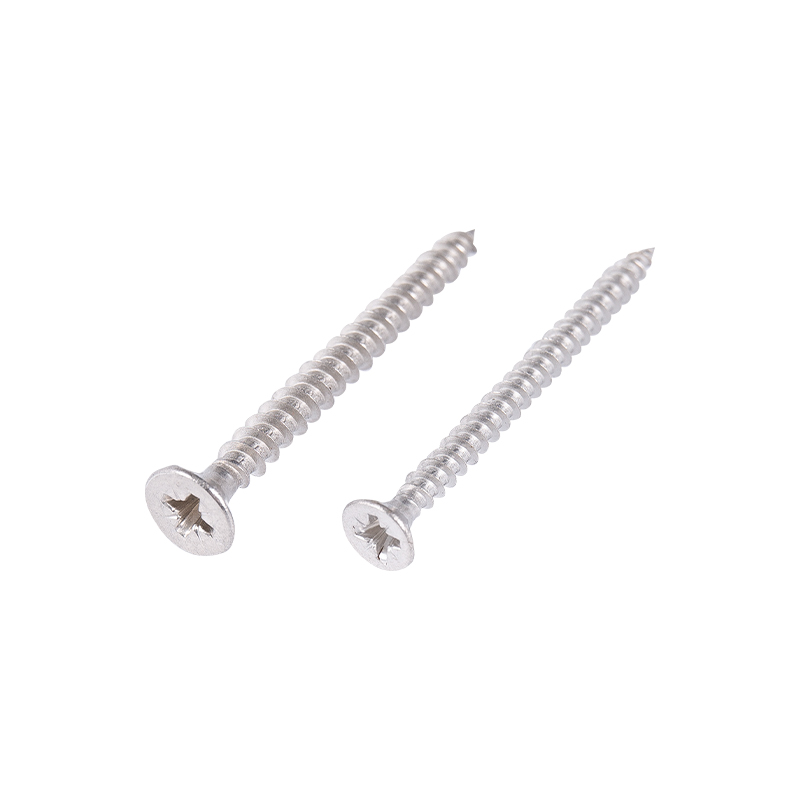
The design features of the countersunk head sharp point self-tapping screws enab...
See Details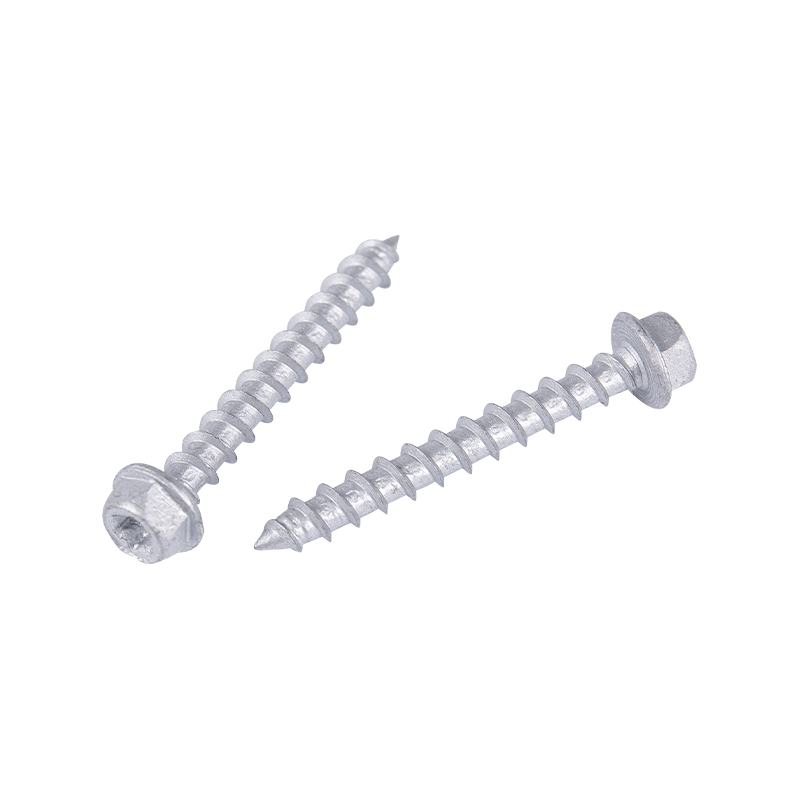
Wood screws are a type of fastener designed specifically for wood and are widely...
See Details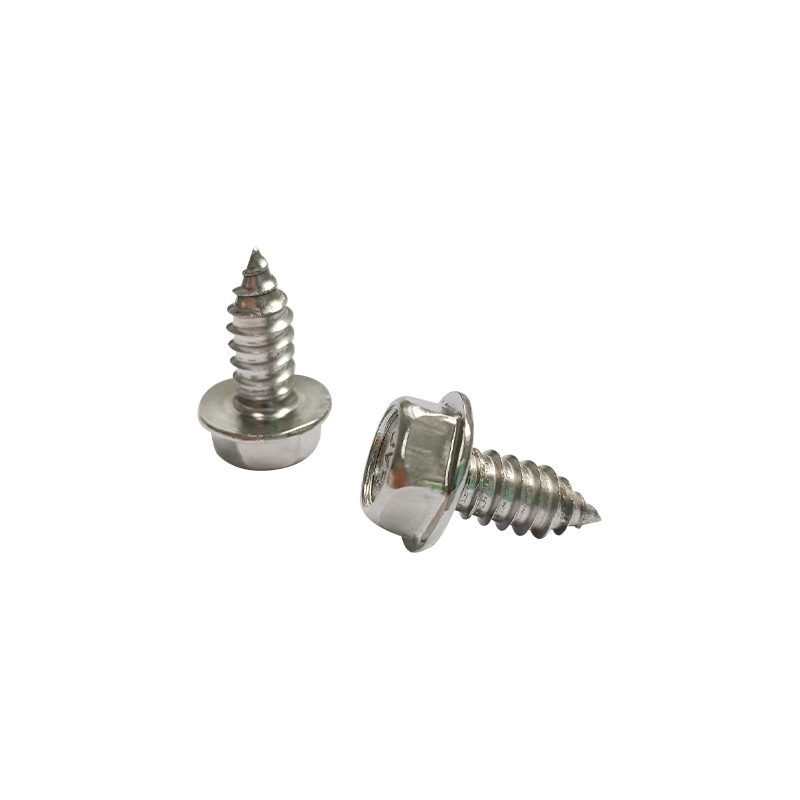
The Hex Head Self Tapping Screw is a threaded fastener with a hexagonal head and...
See Details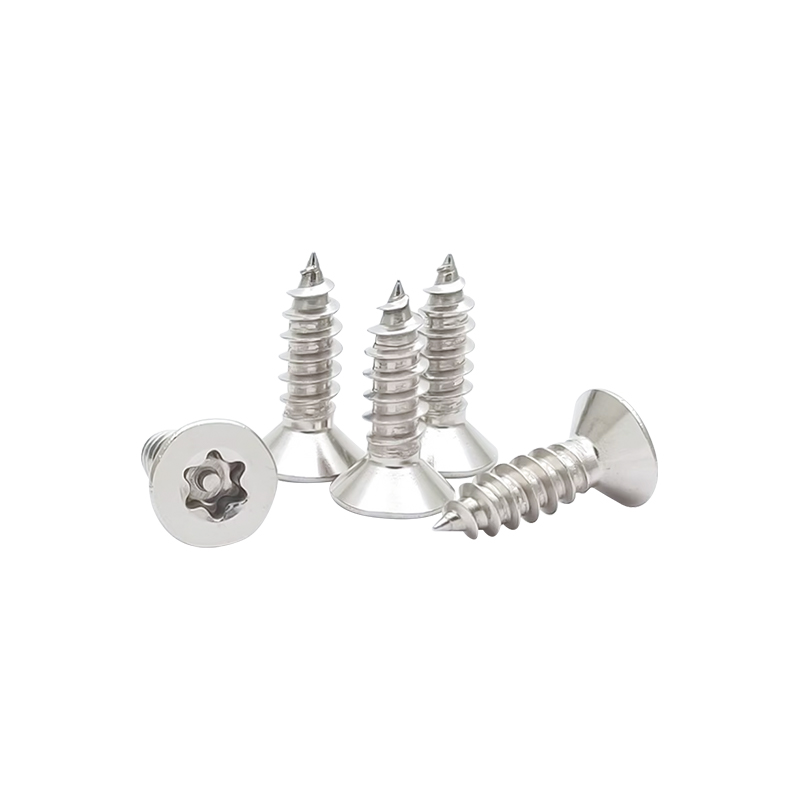
The CSK Head Six Lobe Tamper-Proof Self-Tapping Screw features a tamper-resistan...
See Details+86-13705735391
+86-18868359082
+86-573-83128088
+86-573-83128123
No. 2155, Shuanglong Road, Nanhu District, Jia Xing City, Zhejiang Province
Copyright © Jiaxing Zhongke Metal Technology Co.,Ltd. All Rights Reserved.Custom High Strength Stainless Steel Fasteners Manufacturers Provider