English
 Español
 عربى
عربى


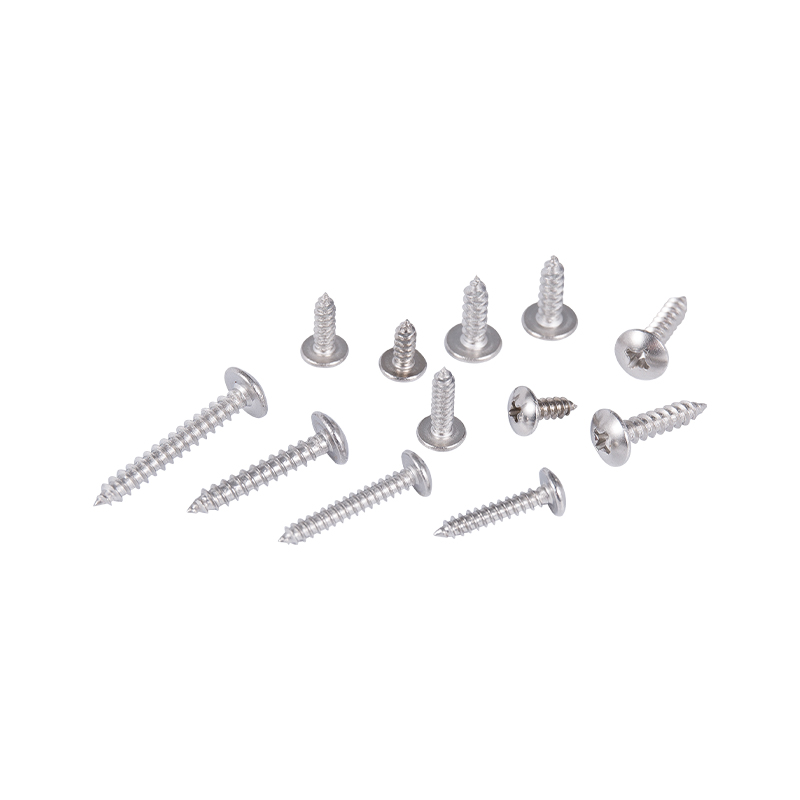
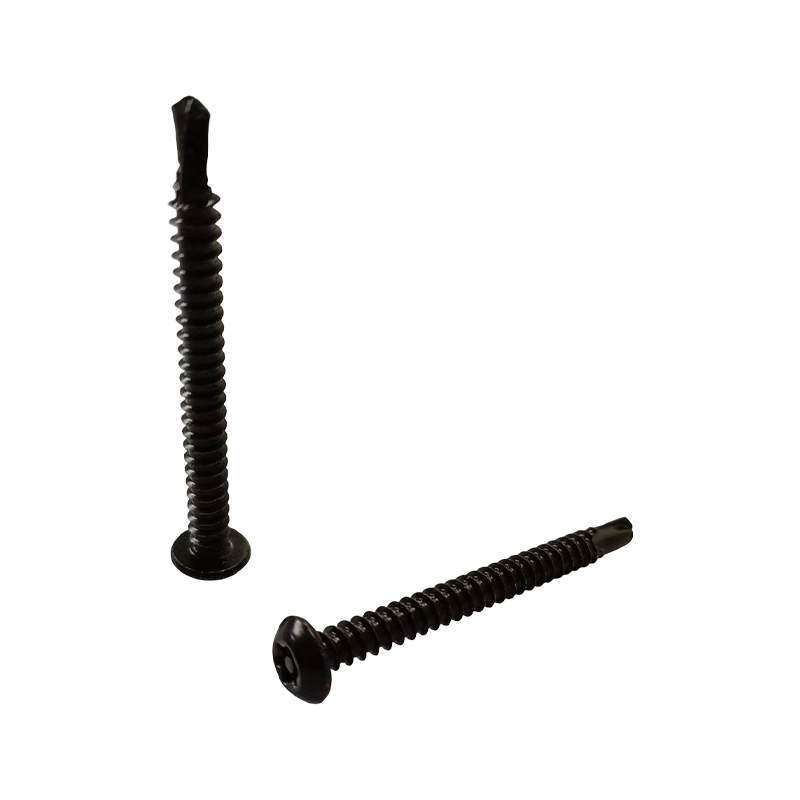
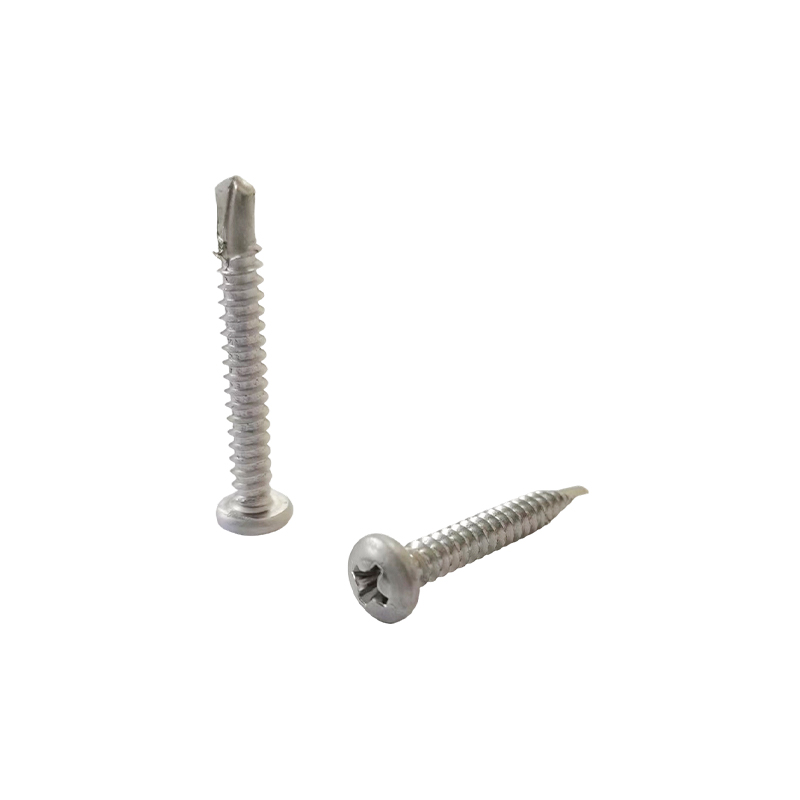
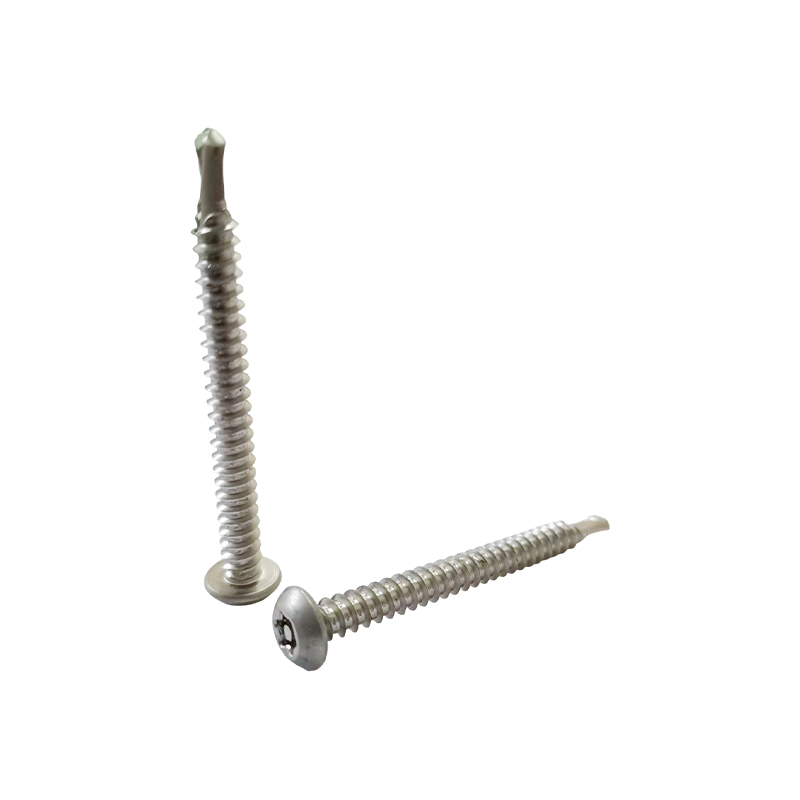
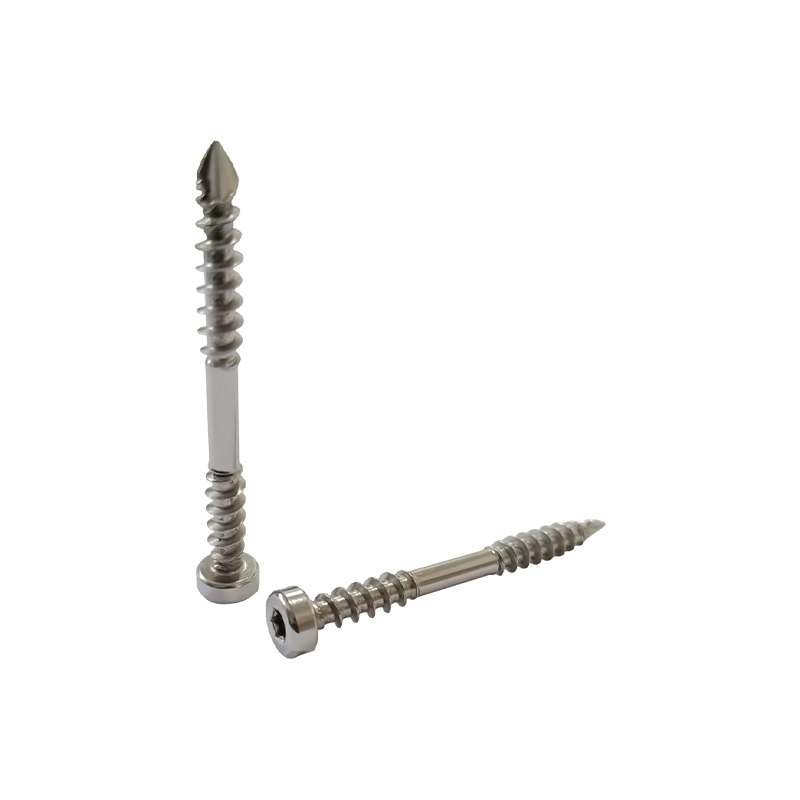
All Head Types Bolt
Cat:Bolt
Bolt is a common fastener used in many fields such as machinery, construction, and automobiles. It connects and fixes two or more parts through the co...
See Details


Material: C1022A, SUS410, SUS304, SUS316
Specification: ST3.5, ST3.9, ST4.2, ST4.8, ST5.5, ST6.3, 6#, 7#, 8#, 10#, 12# , 14#,1/4"
Surface Treatment: Passivated, Galvanized, Nickel-plated, Blackened, Head sprayed, Dacromet, Hot Rust, Rasputin
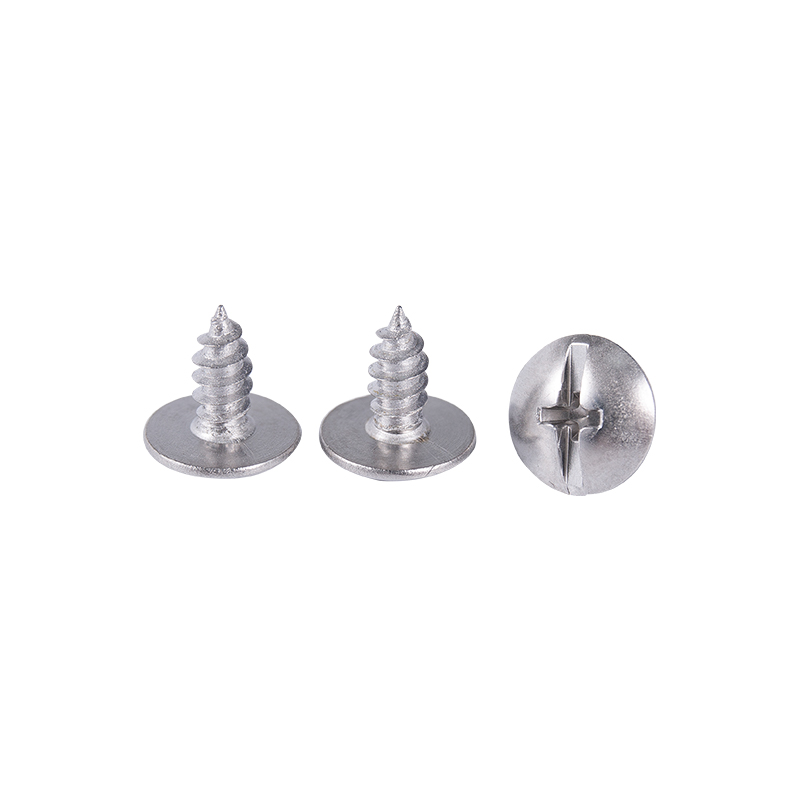
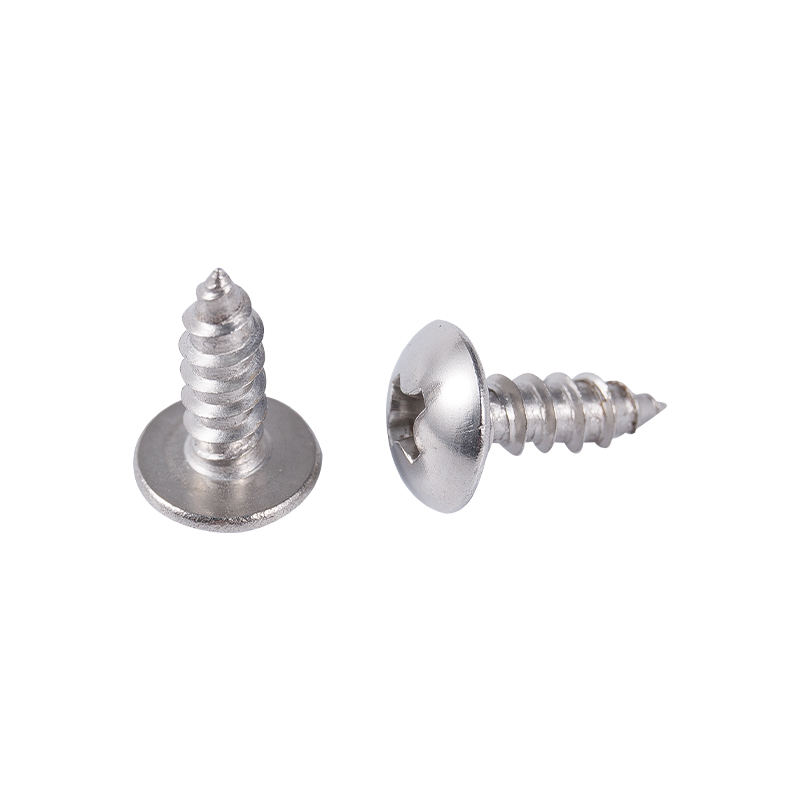
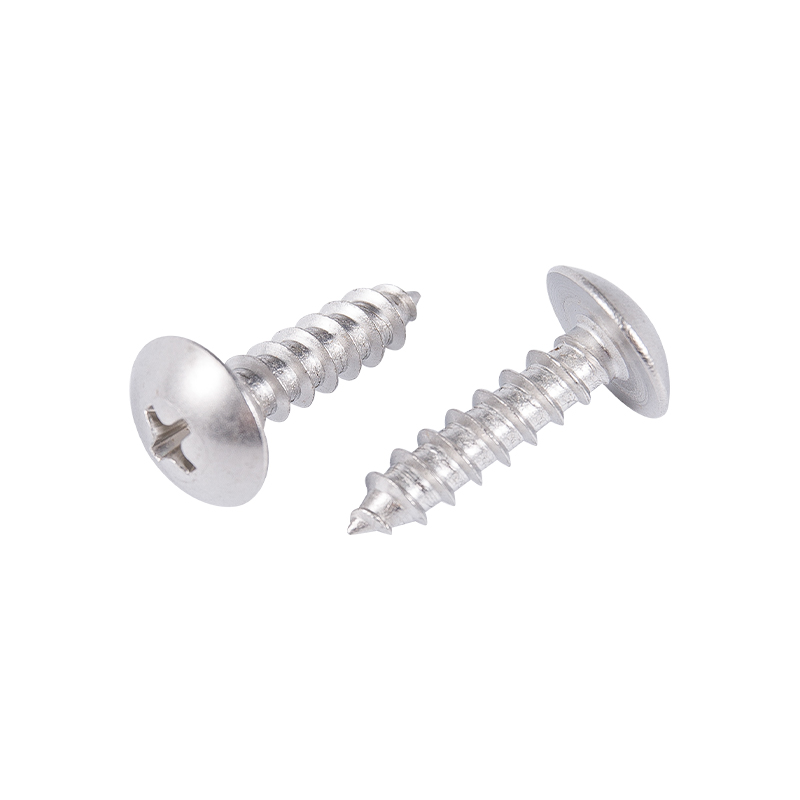
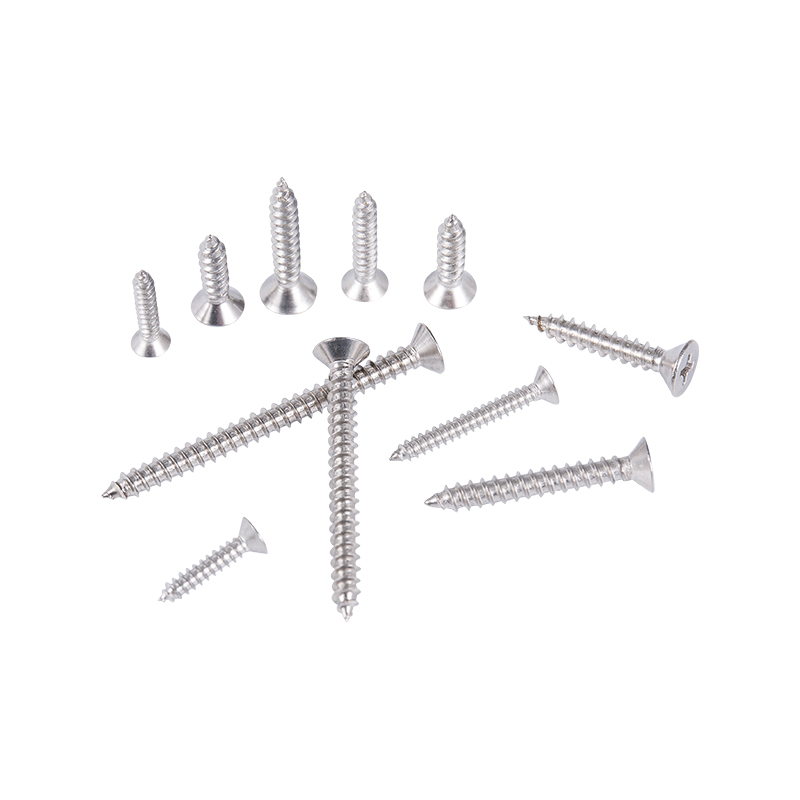
Other Head Types Sharp Point Self-Tapping Screws encompass a range of fastener configurations designed for metal fastening applications requiring specialized head geometries with secure thread engagement in pre-drilled holes. Available in a variety of head configurations including truss, oval, flat, and other custom profiles, these screws provide application-specific solutions for diverse installation requirements. The sharp point design enables precise alignment and entry into pilot holes, facilitating consistent thread formation during installation. These screws cut mating threads in pre-drilled holes, providing secure engagement without requiring a separate tapping operation. Manufactured from carbon steel (C1022A) and stainless steel (SUS410, SUS304, SUS316) material options, the screws offer strength and corrosion resistance for various environments. Multiple surface treatments including passivated, galvanized, nickel-plated, blackened, and Dacromet finishes provide environmental adaptability. Metric sizes from ST3.5 to ST6.3 and imperial sizes from 6# to 1/4" accommodate comprehensive application needs.
This range of sharp point self-tapping screws with alternative head types is deployed in metal fastening applications requiring specialized head geometries with secure thread engagement in pre-drilled holes. Truss head screws provide larger bearing surfaces for soft materials; oval head screws offer low-profile aesthetics for visible applications; flat head screws enable flush mounting with countersunk holes; custom head profiles accommodate unique clearance, appearance, or functional requirements in sheet metal assemblies, equipment enclosures, electronics chassis, furniture construction, architectural metalwork, automotive components, industrial machinery, and custom metal fabrications.
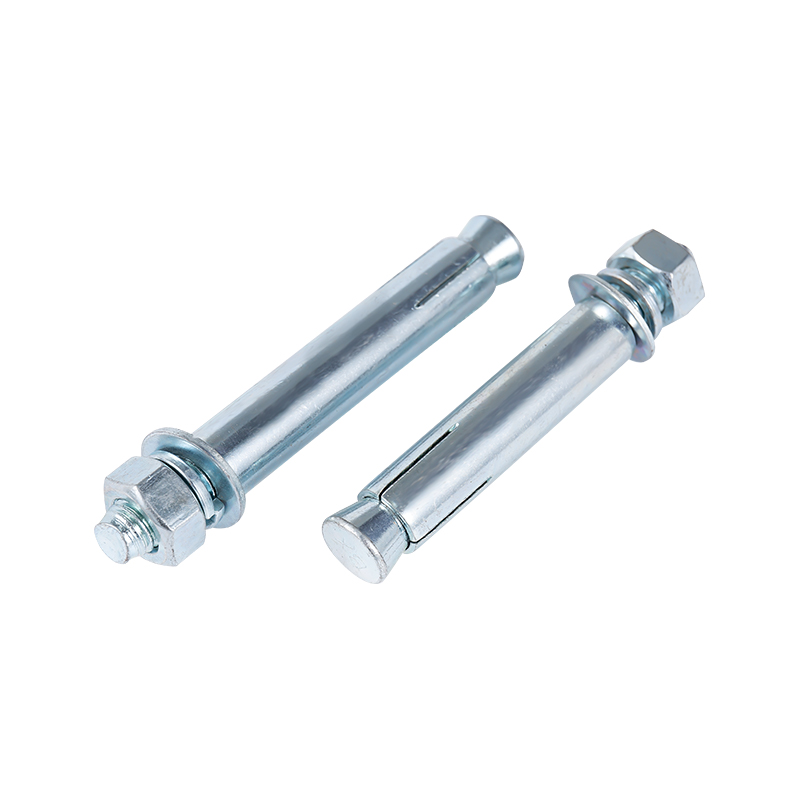
Bolt is a common fastener used in many fields such as machinery, construction, and automobiles. It connects and fixes two or more parts through the co...
See Details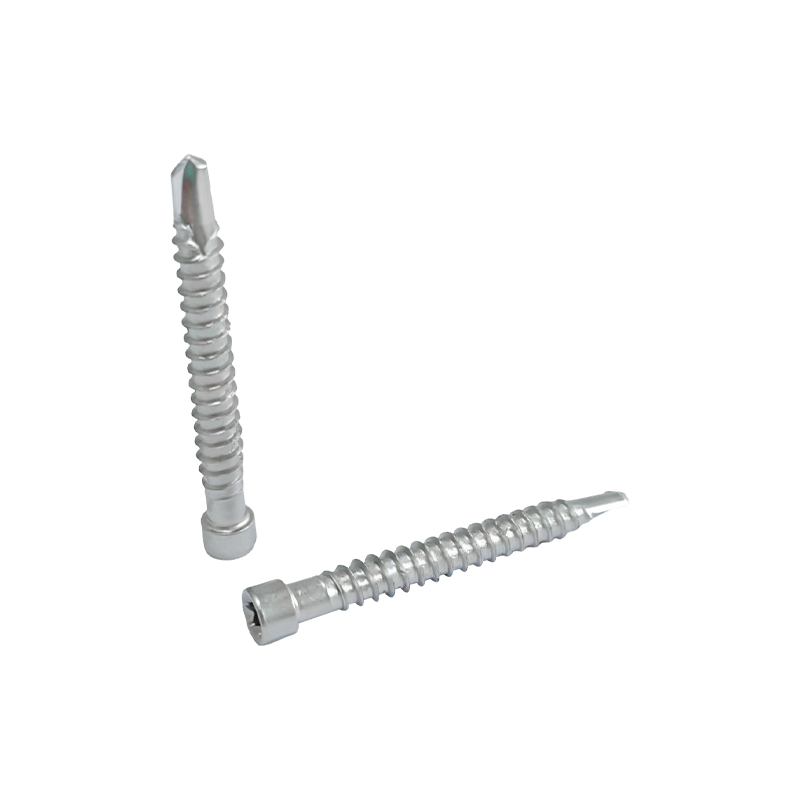
This Cylindrical Head Inner Hexagon Self Drilling Screw features a specification of ST4.2-18*32 and is manufactured from SUS410 stainless steel, with ...
See Details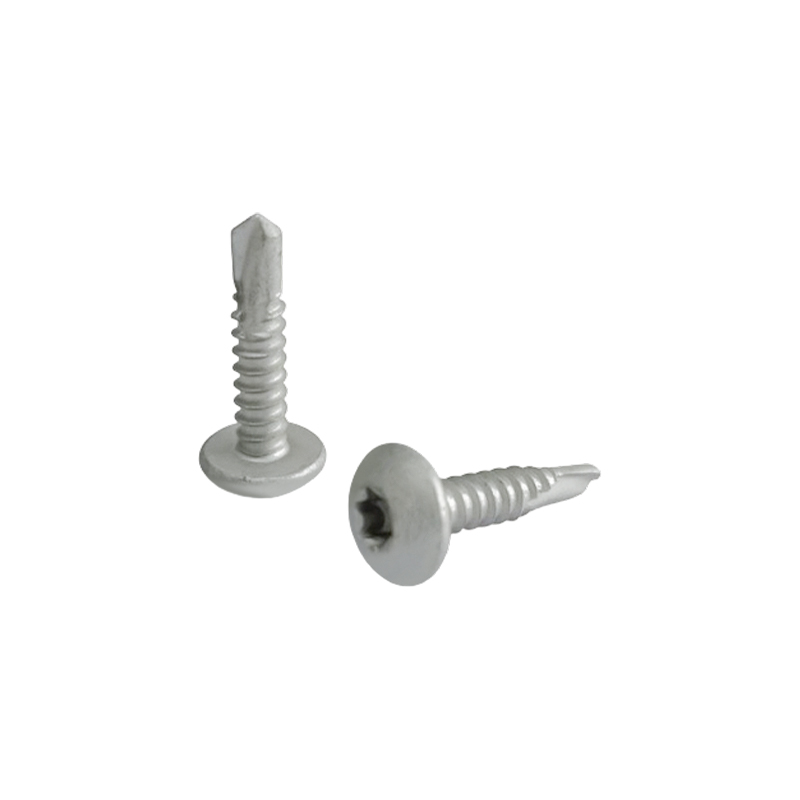
This Pan Head Hexalobular Self Drilling Screw features a specification of 12#-14*1" and a single weight of 4.82g. Manufactured from SUS410 stainless s...
See Details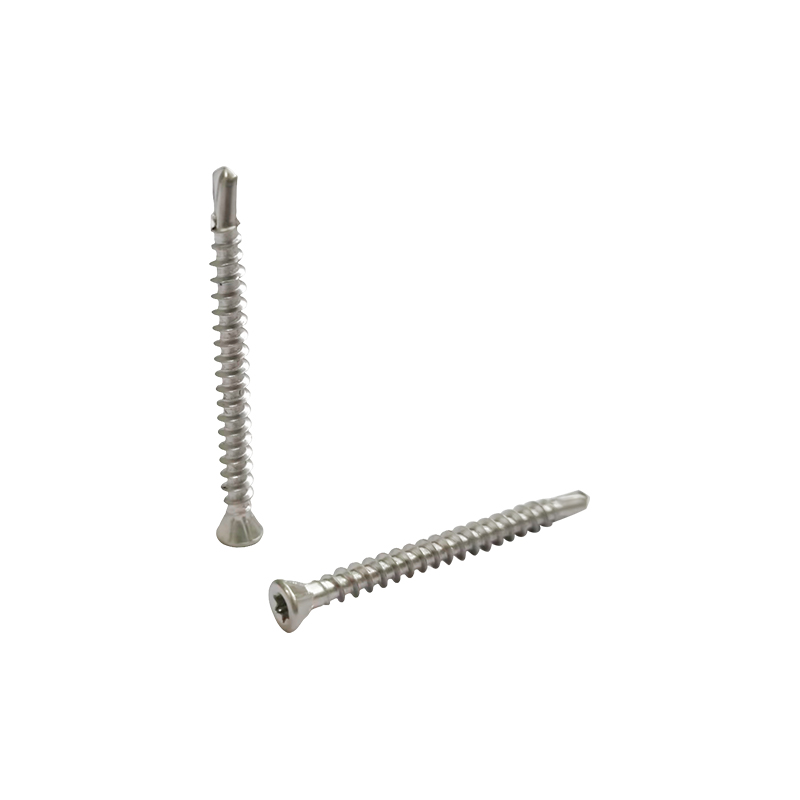
The CSK Six Lobe And Rib Self Drilling Screw is a fastener featuring a specific combination of head, drive, and point geometry. The countersunk (CSK) ...
See Details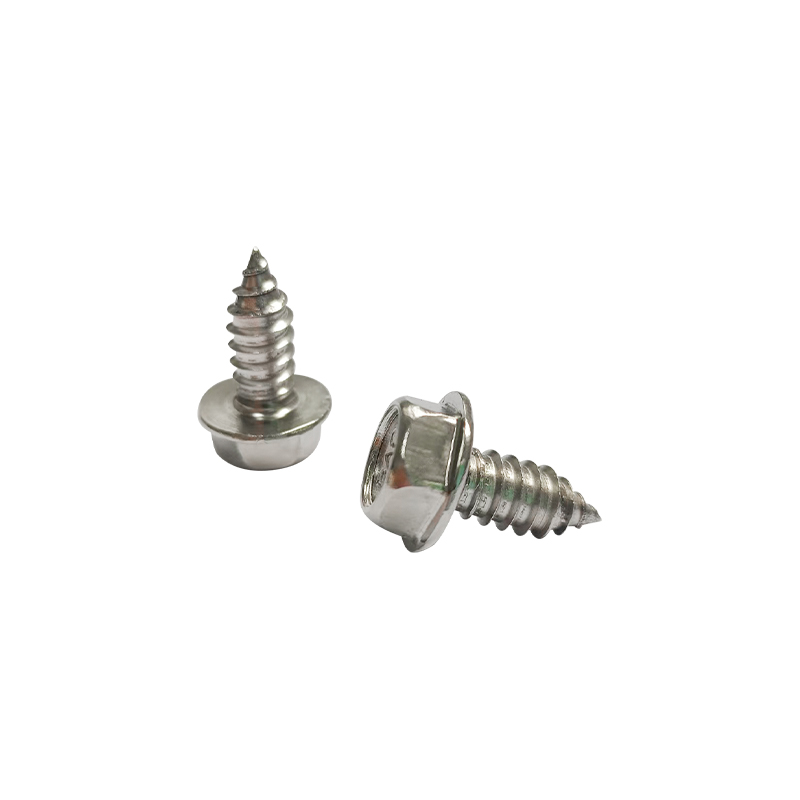
The Hex Head Self Tapping Screw is a threaded fastener with a hexagonal head and a thread-forming or thread-cutting point. The hex head is designed fo...
See Details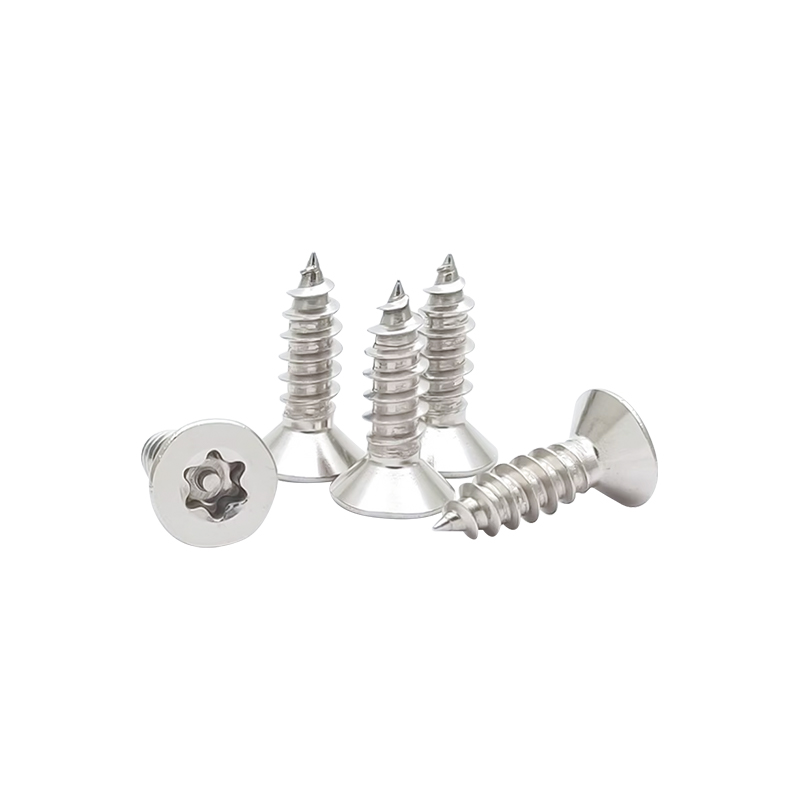
The CSK Head Six Lobe Tamper-Proof Self-Tapping Screw features a tamper-resistant design with a six-lobe (Torx) security head, suitable for applicatio...
See DetailsFounded in
Covered area
Manufacturing equipment
Number of employees
Self-drilling and self-tapping screws are two of the most widely used fasteners in metal construction, HVAC installation, cladding, and light structu...
View MoreA maintenance engineer opens a drawing that specifies 3/8-16 bolts. The supplier asks one question before quoting: UNC or UNF? The answer determines...
View MoreIntroduction In the world of sealing solutions, two terms often surface: Waterproof Washer and rubber gasket. While they both prevent leaks and are t...
View MoreInstalling stainless steel machine screws requires more precision than driving a standard carbon steel fastener. The material properties that make th...
View More+86-13705735391
+86-18868359082
+86-573-83128088
+86-573-83128123
No. 2155, Shuanglong Road, Nanhu District, Jia Xing City, Zhejiang Province
Copyright © Jiaxing Zhongke Metal Technology Co.,Ltd. All Rights Reserved. Wholesale Other Head Types Suppliers, Exporter