English
 Español
 عربى
عربى


Hexagonal Self-Drilling Screws
Cat:Self Drilling Screws
Hexagonal self-drilling screws are an efficient and convenient fastener. This ty...
See Details


Content
Selecting the right screw is rarely about the screw alone; it is about the base material the screw must grip. Drywall screws and chipboard screws look similar at a glance, but they are engineered for different fastening tasks. This guide compares these two fastener families on thread pitch, head profile, and base material selection.
Drywall screws attach gypsum board to steel or wood studs. They use a sharp point, a hardened body, and a head shape that seats below the board surface without tearing the paper facing. Fine-thread versions (Type S) are made for steel studs; coarse-thread versions (Type W) are made for wood studs.
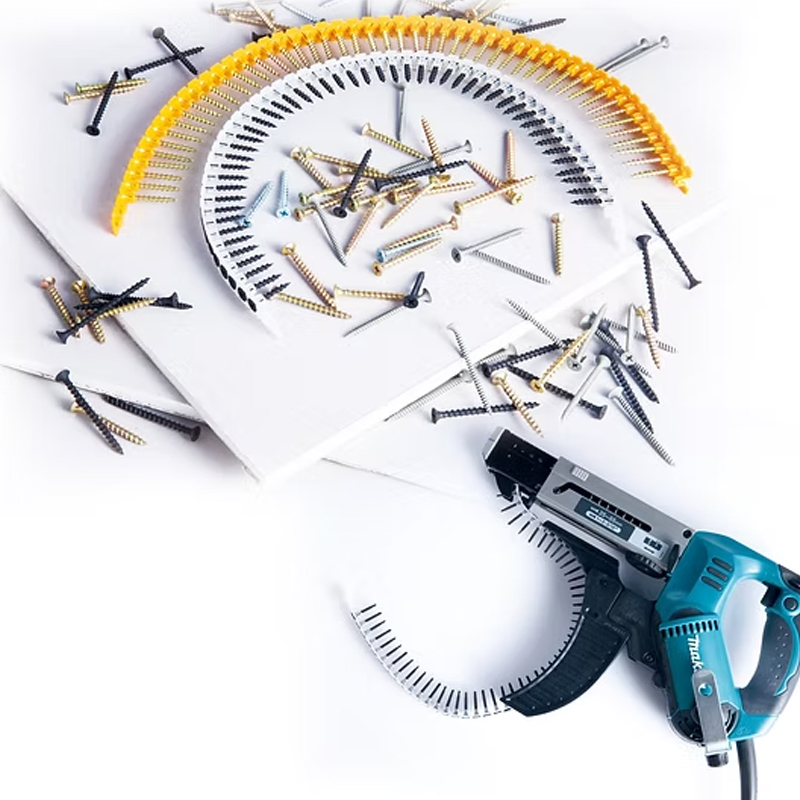 Drywall Screws with Multiple Head Styles for Steel and Wood StudsThese drywall screws come in countersunk, raised-countersunk, bugle, pan, round washer, and flat round head variants, offering versatile fastening for gypsum board, wood, and light steel frames. The page lists common standards and material options, useful for installation-specific needs.View Product →
Chipboard screws are designed for engineered wood products such as particleboard, MDF, plywood, and OSB. Their deeper, more aggressive thread displaces wood fibers and resists pull-out. Many use a type 17 point to reduce splitting, and the head can be countersunk, pan, wafer, or raised countersunk.
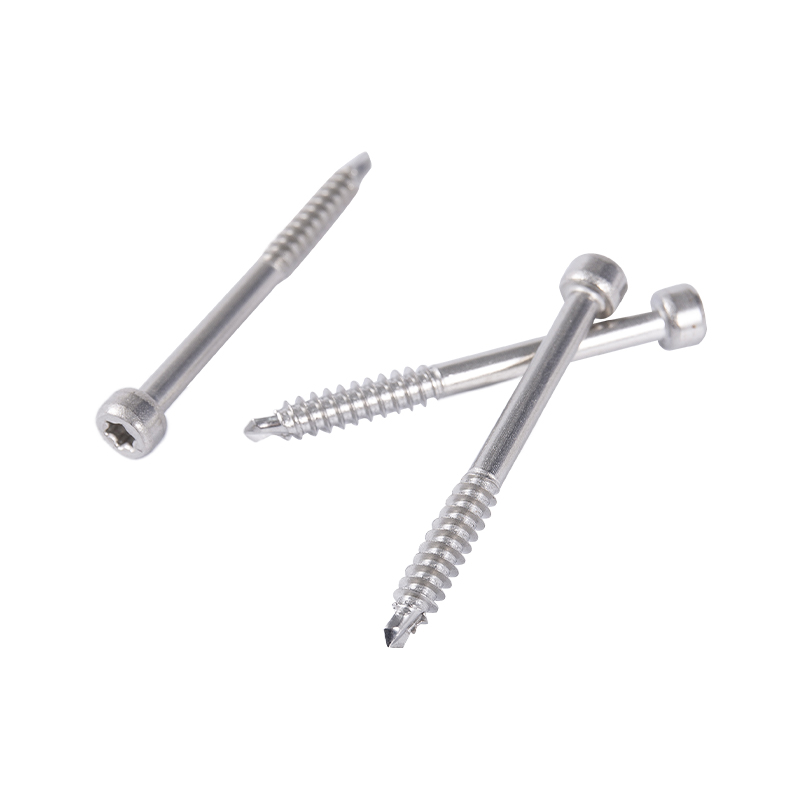 Chipboard Screws in Various Heads for Engineered Wood ApplicationsDesigned for particleboard, MDF, plywood, and OSB, these chipboard screws feature deep aggressive threads and head options like countersunk, double countersunk, raised, bugle, and pan. Available in stainless steel and carbon steel, they suit furniture and construction tasks requiring secure connections.View Product →
Both types are often fully threaded, which confuses buyers. The real difference is not how the screw looks but how it behaves in a given base material.
Thread pitch controls how strongly a screw engages with a material. It is the first parameter to compare when choosing between drywall and chipboard screws.
Fine-thread drywall screws have a smaller pitch, which places more threads inside the thin flange of a steel stud. Coarse-thread versions use a wider pitch that bites into wood studs quickly and lowers the risk of splitting the lumber.
Chipboard screws use a deep, aggressive thread that compacts wood fibers instead of shearing them. In dense particleboard or MDF, the deeper thread increases contact area and improves pull-out strength. Double-thread versions pull the screw into the panel in fewer rotations.
| Thread aspect | Drywall screw | Chipboard screw |
|---|---|---|
| Thread depth | Moderate; must not tear gypsum paper | Deeper thread for dense wood panels |
| Pitch classification | Fine (Type S) for steel studs; coarse (Type W) for wood studs | Medium-to-coarse, deep cutting thread |
| Point design | Sharp point for fast engagement | Sharp point or type 17 for reduced splitting |
| Thread variants | Type S and Type W | Double-thread and partial-thread versions |
The head profile controls how the screw sits on the surface and how much clamping force it can apply.
The standard drywall screw has a bugle head. Its curved underside creates a shallow depression in the gypsum board while leaving the paper facing intact, and the recess is later covered with joint compound. Pan-head variants are used in some steel-stud systems where the head must remain above the surface.
Chipboard screws commonly use countersunk, raised countersunk, pan, or wafer heads. Countersunk styles sit flush with the wood surface so the joint can be sanded or painted; pan and wafer heads provide strong clamping of thin panels but remain visible.
Drive style matters as well. Cross-recessed and six-lobe drives reduce cam-out during high-torque assembly, while hex heads suit heavier screw sizes.
The substrate is the final judge of whether a screw is suitable. Every important difference between drywall and chipboard screws traces back to the material in which the screw must hold.
Gypsum board has a crumbly core and a paper facing that tears easily. The screw must pass through the core and reach the stud behind it: fine thread for steel framing, coarse thread for wood framing.
Particleboard and MDF have no grain, so the thread must cut and compress the material around it. Chipboard screws are tuned for this with deep threads and type 17 points that reduce edge cracking and fiber tear-out.
| Base material | Recommended screw | Selection reason |
|---|---|---|
| Gypsum board to steel stud | Drywall screw, fine thread | Dense thread grip in thin steel without stripping |
| Gypsum board to wood stud | Drywall screw, coarse thread | Quick bite into wood, lower splitting risk |
| Particleboard, MDF | Chipboard screw, type 17 point | Deep thread for pull-out; point reduces cracking |
| Plywood | Chipboard screw, countersunk head | Strong engagement across plies, flush surface |
| Sheet metal | Fine-thread or self-drilling screw | Self-tapping action without pre-drilling |
| High-humidity installations | Coated or stainless steel screw | Prevents early corrosion and surface staining |
The two families differ in every parameter that affects load capacity: thread, point, head, coating, and typical environment.
Application: gypsum board to metal or wood studs.
Thread: fine (Type S) or coarse (Type W).
Head: bugle head for flush seating.
Finish: black phosphate, bright zinc.
Application: particleboard, MDF, plywood, OSB.
Thread: deep cutting thread, type 17 or sharp point.
Head: countersunk, pan, wafer, raised countersunk.
Finish: zinc, yellow passivation, anti-corrosion coatings.
For a broader decision framework across wall, ceiling, and furniture assemblies, read our guide on how to choose the right fastener for your project.
Not recommended. The drywall thread is designed to hold gypsum board against a stud, not to achieve deep engagement in engineered wood panels. In particleboard or MDF, a drywall screw is more likely to strip under load; a chipboard screw gives a more reliable joint.
Because the framing material decides the pitch. Fine-thread Type S screws are made for steel studs, where a tighter pitch produces more contact points inside the thin flange. Coarse-thread Type W screws are made for wood studs, where faster driving and lower splitting risk matter more.
Whenever the base material is an engineered wood product, such as particleboard, MDF, plywood, or OSB, and the joint must resist pull-out. The deep thread, point design, and head profile are tuned for those materials.
Gypsum board installation normally does not require pre-drilling. In dense MDF and particleboard, pre-drilling near panel edges is sometimes necessary to prevent splitting, even with a type 17 point.
For humid conditions, choose a fastener with a heavy anti-corrosion finish or a stainless steel version. Plain bright zinc is suitable for dry interior installations only.
Drywall screws and chipboard screws are not interchangeable categories; they are specialized tools for different base materials. Thread pitch governs engagement, head profile governs seating and finish, and base material selection decides which combination will last through the life of the installation. When procuring in volume, ask the supplier how hardness and coating are controlled; in-house heat treatment and surface treatment lines make batch quality more stable. If your project involves large quantities or custom head profiles and coatings, contact our engineering team to discuss your specification before production.
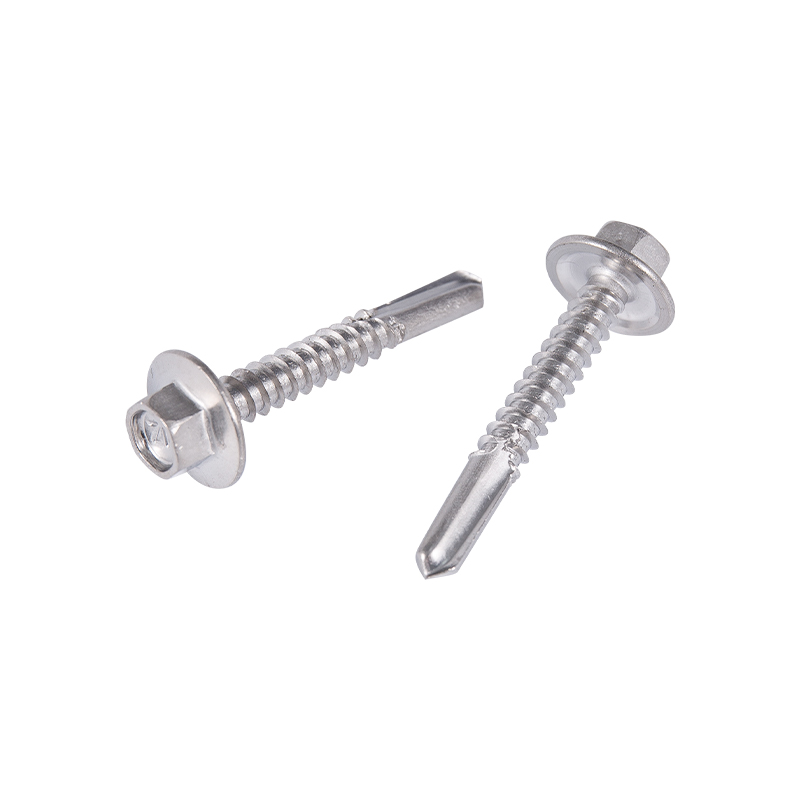
Hexagonal self-drilling screws are an efficient and convenient fastener. This ty...
See Details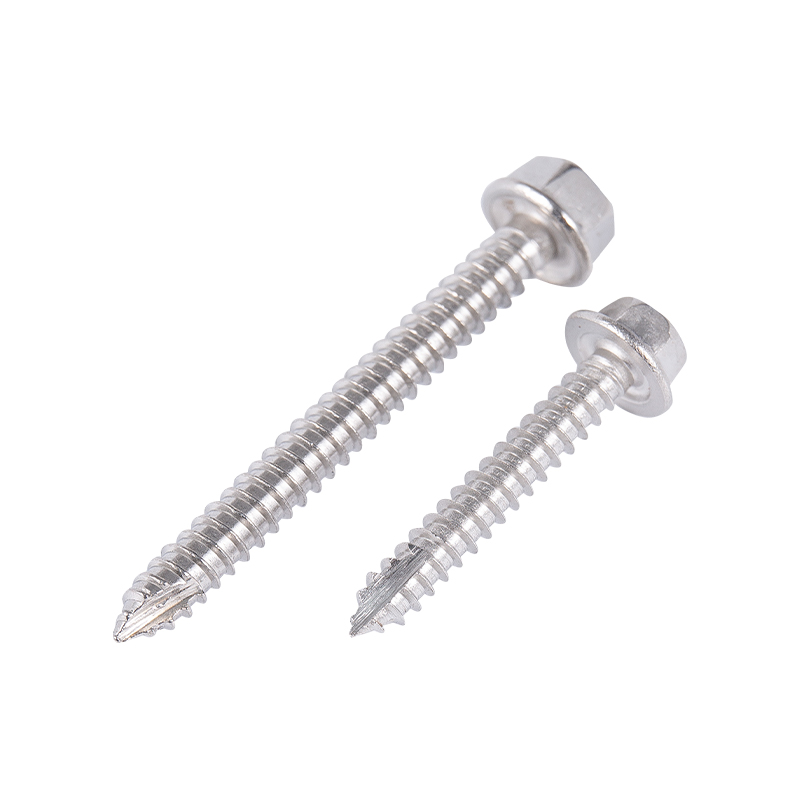
Hexagon head sharp point self-tapping screws are an efficient and convenient fas...
See Details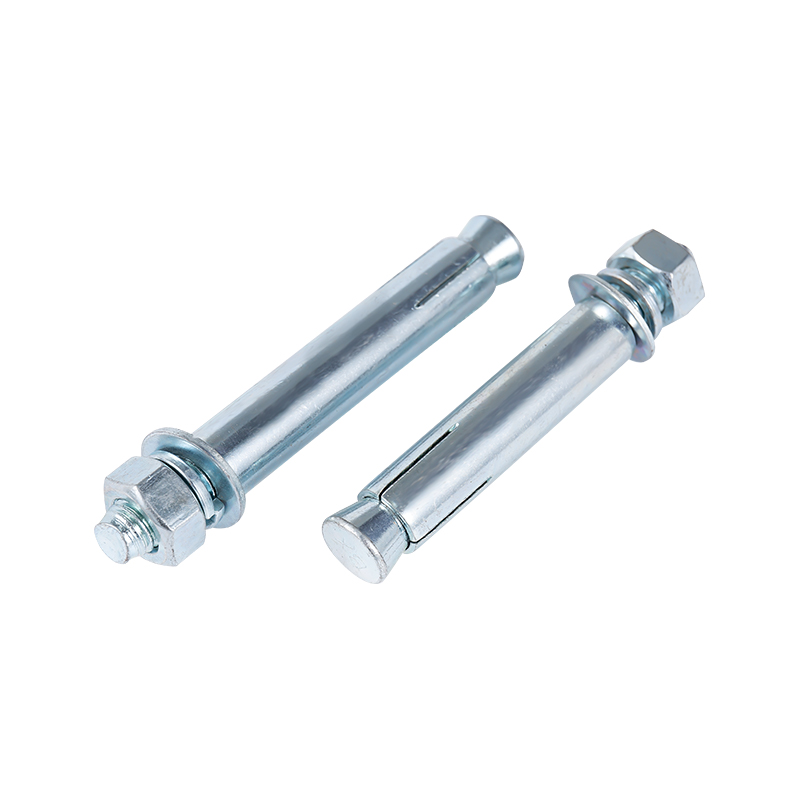
Bolt is a common fastener used in many fields such as machinery, construction, a...
See Details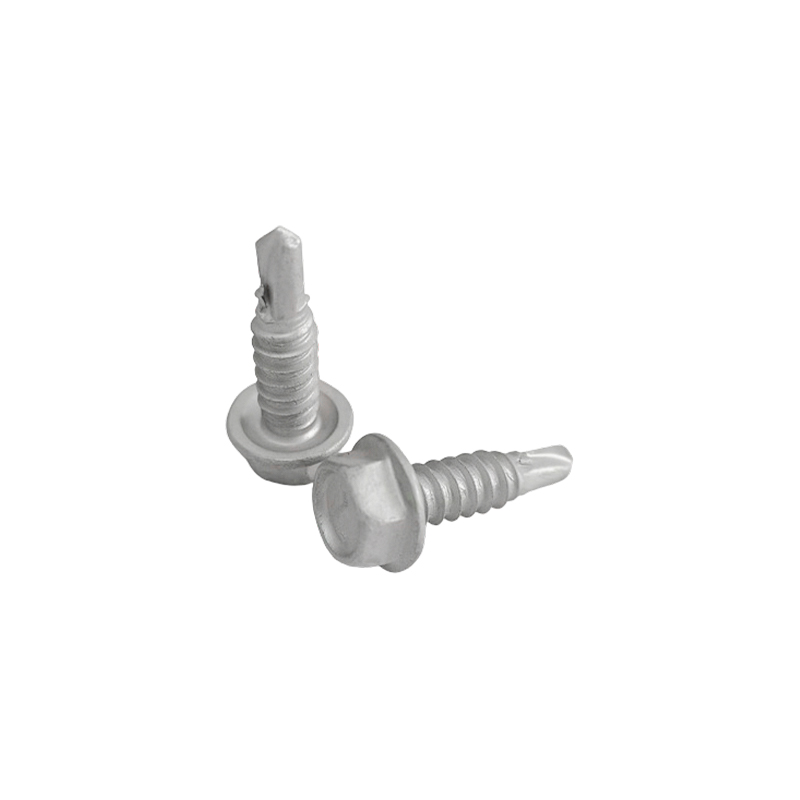
These hexagonal flanged stitching bolts are available in sizes from 1/4 to 14*7/...
See Details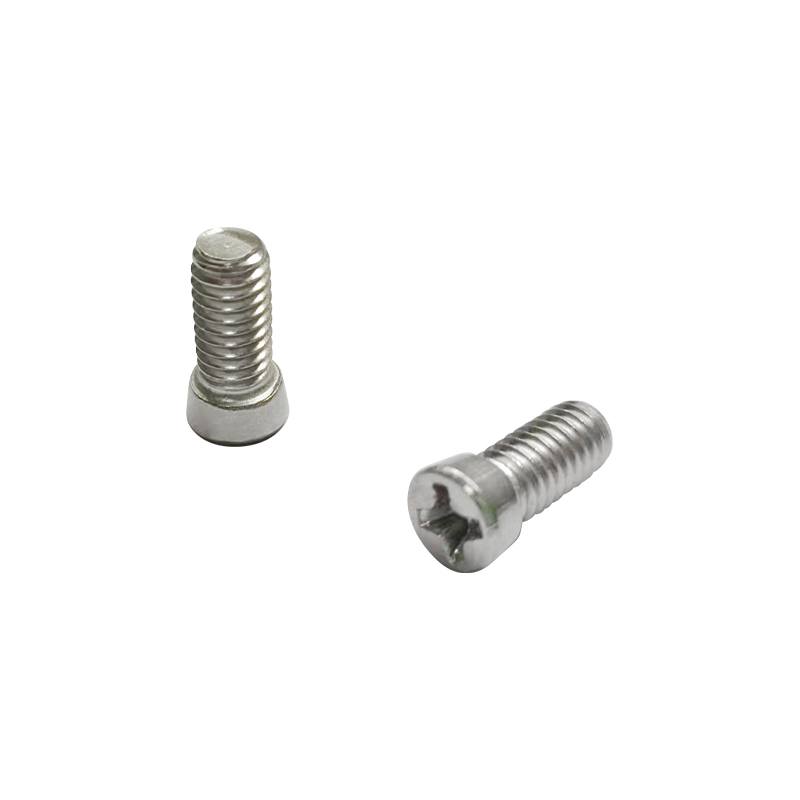
This Cylinder Head Cross Recessed Machine Screw features a specification of M5-0...
See Details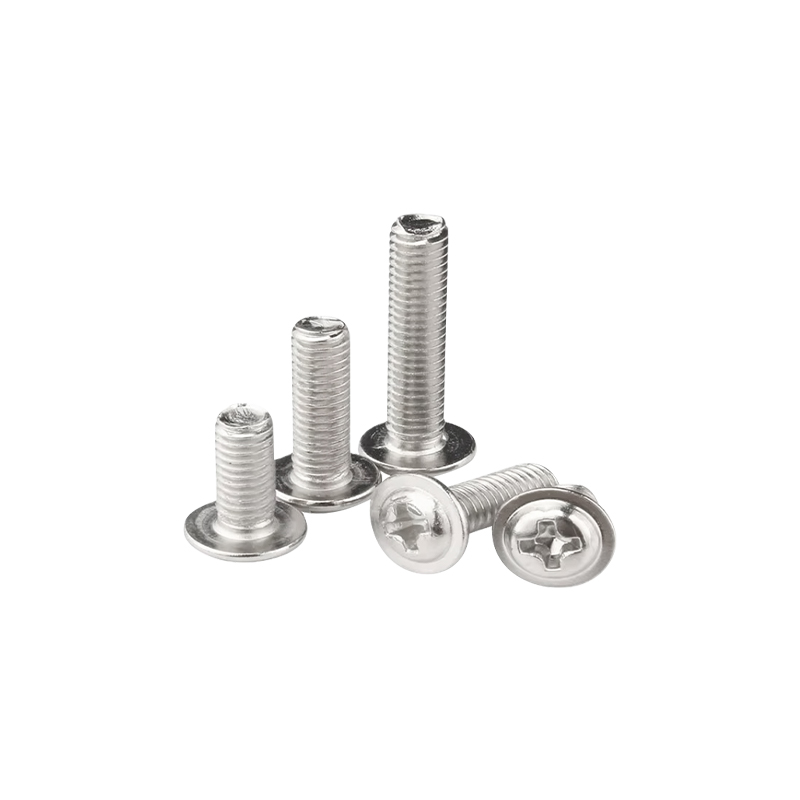
The Round Washer Head Phillips Machine Screw is a threaded fastener characterize...
See Details+86-13705735391
+86-18868359082
+86-573-83128088
+86-573-83128123
No. 2155, Shuanglong Road, Nanhu District, Jia Xing City, Zhejiang Province
Copyright © Jiaxing Zhongke Metal Technology Co.,Ltd. All Rights Reserved.Custom High Strength Stainless Steel Fasteners Manufacturers Provider