English
 Español
 عربى
عربى


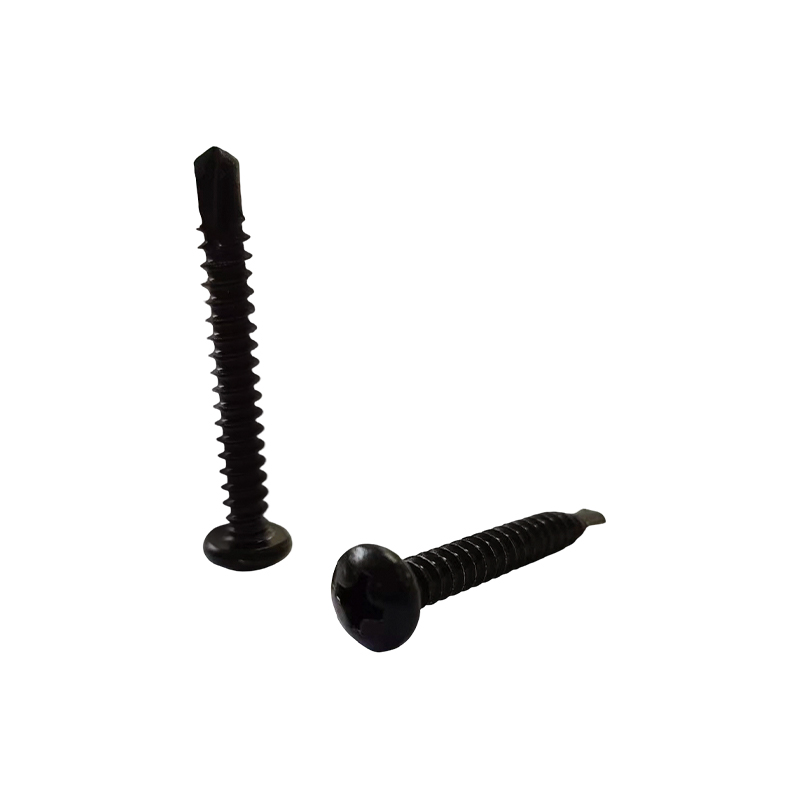
Pan Head Self-Drilling Screws
Cat:Self Drilling Screws
Pan Head Self-Drilling Screws are a type of fastener widely used in construction...
See Details


Content
Bulk orders of metal washers and waterproof washers place severe demands on quality control. A single batch may contain tens of thousands of parts, and every washer must meet the same dimensional, surface, and material standards. Optical sorting machines, also known as light screening systems, have become the decisive tool for eliminating defective parts before shipment. By combining high-speed cameras, precisely controlled illumination, and programmable air ejection, light screening identifies non-conforming metal and waterproof washers in real time and removes them from the product stream. The result is a consistently clean batch, a lower rejection rate at the customer's incoming inspection, and fewer field failures.
Manual inspection has a natural speed limit. Even a skilled inspector checking several thousand washers per hour will eventually miss a scratched surface, a slightly oversized inner diameter, or a damaged rubber lip on a waterproof washer. The human eye cannot reliably measure sub-millimeter tolerances, especially when parts are moving along a production line at high speed.
For bulk orders, the consequences of missed defects are severe. A defect rate of one percent in a 50,000-piece order means 500 defective washers reaching the customer. Some of those parts may cause sealing failures in waterproof applications, leading to equipment downtime, leaks, or assembly-line stoppages at the buyer's facility.
Light screening eliminates the subjectivity of manual inspection. Every washer passes through the same detection zone, and the sorting criteria do not change from the first piece to the last. The system applies an identical quality threshold to piece number one and piece number fifty thousand.
An optical sorting machine combines four core subsystems, each of which plays a specific role in detecting defective washers.
Washers must be presented to the camera system one at a time, in a single layer, and at a controlled speed. Vibratory feeders or rotating discs align the parts on a conveyor so that every washer is fully visible to the detection system. Overlapping parts are rejected or recirculated to ensure that no defect is hidden behind another washer.
High-resolution cameras and sensors capture images of each washer from multiple angles. Some systems use backlighting to measure outer diameter, inner diameter, and thickness with high precision. For waterproof washers, specialized lighting reveals the boundary between the metal core and the rubber or EPDM seal, highlighting missing material, cracks, or improper bonding.
The captured images are processed by image recognition software in real time. Defect libraries contain known failure modes such as burrs, dents, rust spots, plating voids, and seal damage. The software also measures critical dimensions and compares them with the tolerance limits defined for each order.
Parts that fail the inspection are removed by precisely timed air jets when they reach the ejection station. The remaining washers continue to the packing station, while rejected parts fall into a separate container for follow-up analysis. Modern systems record the number and type of defects, providing valuable data on upstream processes such as stamping, heat treatment, and rubber molding.
Light screening covers a broad range of defect types on both metal and waterproof washers. The table below summarizes the failures most commonly found in bulk production.
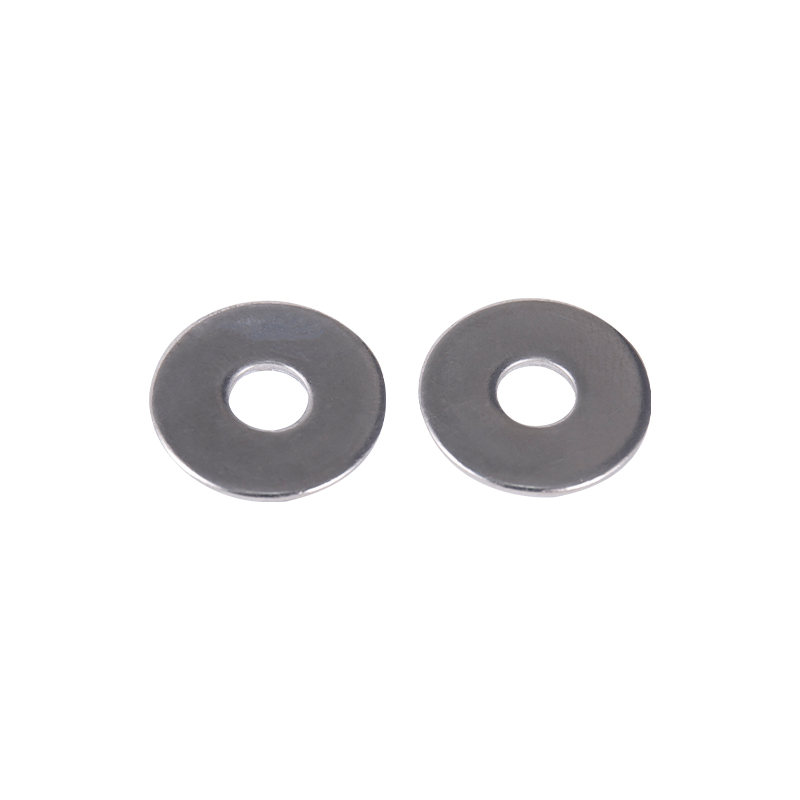 Stainless Steel Flat and Spring Lock Washers for Bulk InspectionThis manufacturer supplies metal washers in high volumes, and its light screening detects a broad range of defects while documenting quality data for distributors and OEMs with strict incoming inspection.View Product →
| Washer Type | Defect Category | Typical Defects Detected |
|---|---|---|
| Metal washers | Dimensional | Wrong outer diameter, undersized inner hole, incorrect thickness |
| Metal washers | Surface | Rust, scratches, discoloration, plating voids, oil stains |
| Metal washers | Structural | Burrs, edge cracks, deformation after stamping or heat treatment |
| Waterproof washers | Seal integrity | Missing rubber, torn lip, delamination of rubber and metal, uneven seal face |
| Waterproof washers | Sealing geometry | Out-of-round profile, off-spec height, damaged pilot hole |
| Both types | Material and coating mix-ups | Wrong alloy or surface finish identified by spectral or color sensors |
The ability to detect such a wide range of defects makes light screening the most comprehensive inspection step in washer production. It also allows the manufacturer to document quality data for every bulk order, which is especially important for distributors and OEMs with strict incoming inspection requirements.
Adopting optical sorting in bulk washer production delivers several measurable advantages:
Because metal washers and waterproof washers are produced in enormous volumes for industrial fastening systems, the economic case for light screening is straightforward: preventing a single large defective shipment from reaching a customer can justify the entire investment. The same assurance extends to rubber-sealed waterproof washers, where a leaking part in the field creates immediate warranty issues.
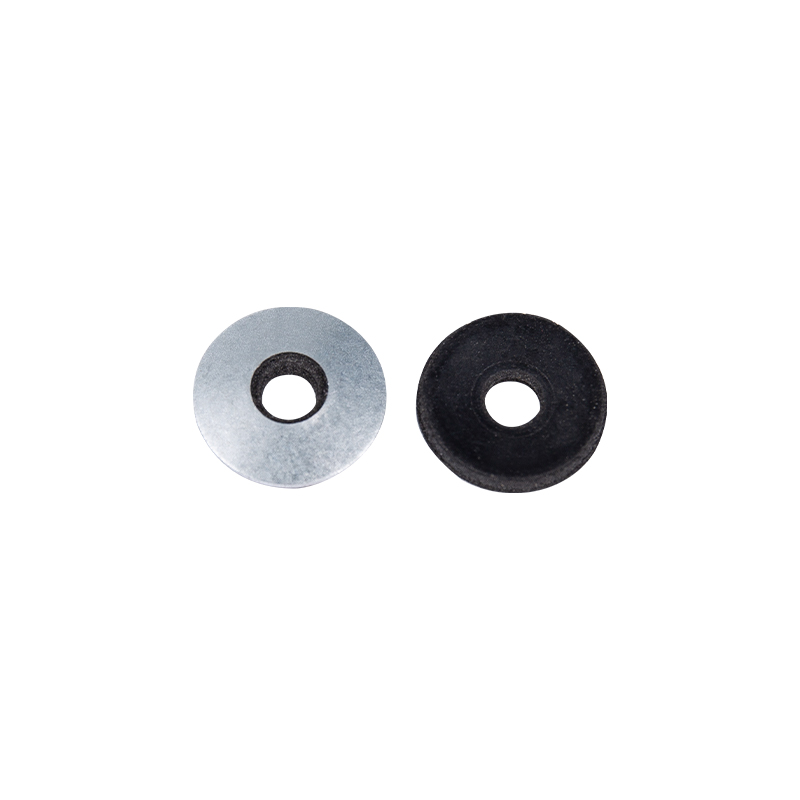 Stainless Steel Waterproof Washers for Reliable SealingThese waterproof washers prevent leaks in fastening systems. The integrated light screening ensures each part is verified before packing, supporting demanding applications where warranty issues are critical.View Product →
Light screening is not a standalone process; it works best when it is positioned correctly within the production flow. In a typical washer manufacturing line, parts move through stamping or punching, optional heat treatment, and surface cleaning before they reach final inspection. Placing the optical sorter immediately before packing ensures that all upstream variations are caught in one final pass.
At our production facility, light screening is an integrated part of the washer manufacturing line. After forming, heat treatment, and surface processing, every metal washer and waterproof washer passes through the sorting station. This arrangement allows the factory to deliver consistent batch quality, including orders that combine flat washers, spring lock washers, and rubber-sealed waterproof washers. For applications that need both sealing and precision loading, single washers and conjoined washer designs are available in the same production flow.
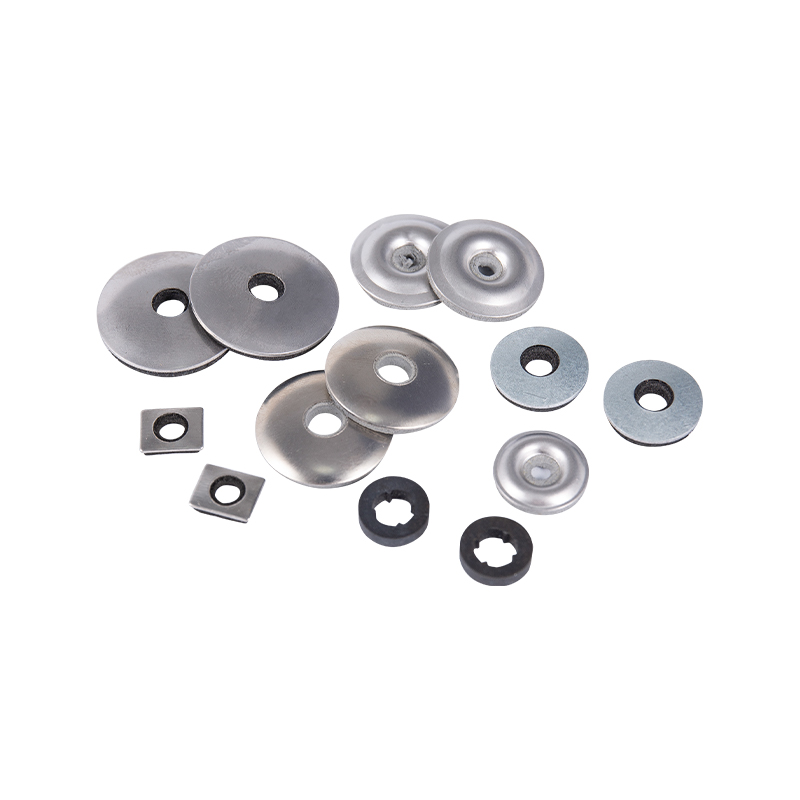 Single and Conjoined Washer Assemblies for Waterproof SealingThese assemblies combine metal and rubber for moisture protection. In the same production flow, light screening verifies every unit, enabling individually checked parts for bulk orders with high reliability.View Product →
For buyers, the practical implication is simple: when you place a bulk order with a manufacturer that operates light screening equipment, you receive parts that have been individually verified rather than statistically sampled. In demanding environments, the choice of the right waterproof washer is as important as the inspection process itself; see how stainless steel waterproof washers meet demanding application requirements.
Not every washer supplier operates optical sorting equipment. When sourcing metal and waterproof washers in bulk, buyers should ask directly about light screening capability: Is the sorter installed inline, or is it used only for batch sampling? What defect categories does the system detect? How are rejected parts handled and documented?
If the supplier cannot demonstrate its sorting process and the defect data it generates, consider a trial order before committing to a large volume.
Multi-sensor configurations that combine color cameras, laser profilers, and dedicated seal inspection modules give the best results for waterproof washer quality. A supplier that can answer these questions in concrete terms is far more likely to deliver consistent parts than one relying solely on visual inspection. Discuss your quality requirements with our engineering team so that the sorting threshold can be set to match your application.
Contact our engineering team to review your washer specifications and quality requirements.
In fastener manufacturing, the two terms are used interchangeably. Optical sorting is the technical description of machine-based visual inspection; light screening is the common name used on the production floor for automated quality inspection of small parts such as washers. Both refer to camera-based detection followed by automatic rejection.
Standard optical sorting inspects surface and dimensional characteristics. Internal cracks in raw material are better detected by eddy current testing or magnetic particle inspection. However, many internal defects produce visible surface signs after stamping or heat treatment, and light screening can catch those indicators during the final inspection pass.
High-volume parts with tight tolerances benefit the most, including flat metal washers, spring lock washers, and especially waterproof washers with rubber or EPDM seals where the sealing geometry must be perfect.
No. Operators are still required to maintain the machine, load the parts, verify defect criteria, and analyze rejected parts. Light screening shifts the workforce from tedious manual inspection to higher-value quality monitoring and process improvement.
For bulk orders of metal and waterproof washers, light screening is no longer an optional upgrade; it is the standard for verifying quality at scale. An optical sorting machine applies consistent thresholds, catches defects that the human eye cannot reliably see, and documents the inspection results for every batch. By working with a manufacturer that has integrated light screening into its production line, buyers gain confidence that every washer delivered has been individually checked and approved.
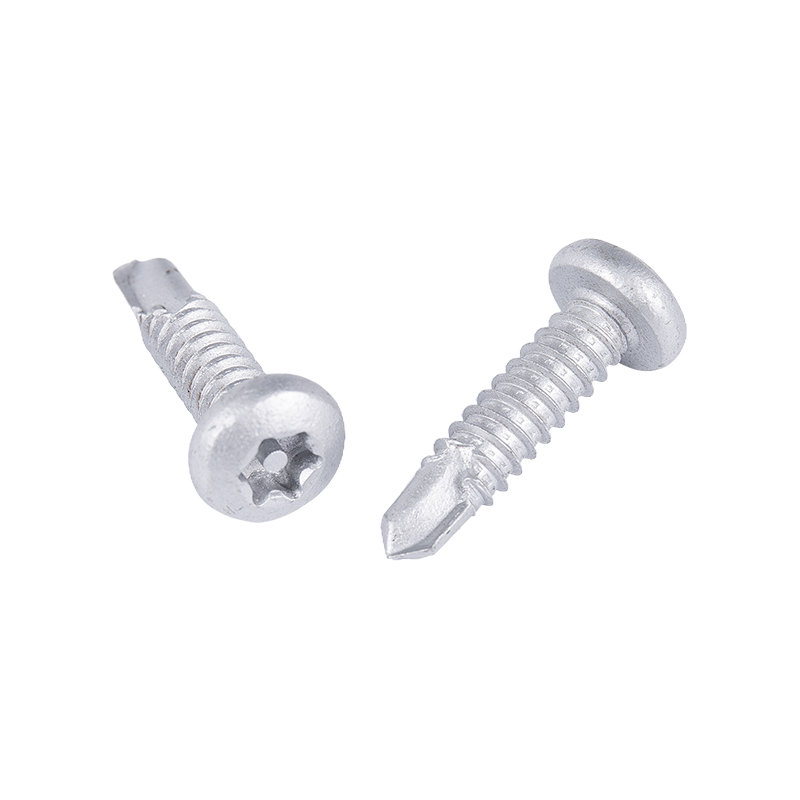
Pan Head Self-Drilling Screws are a type of fastener widely used in construction...
See Details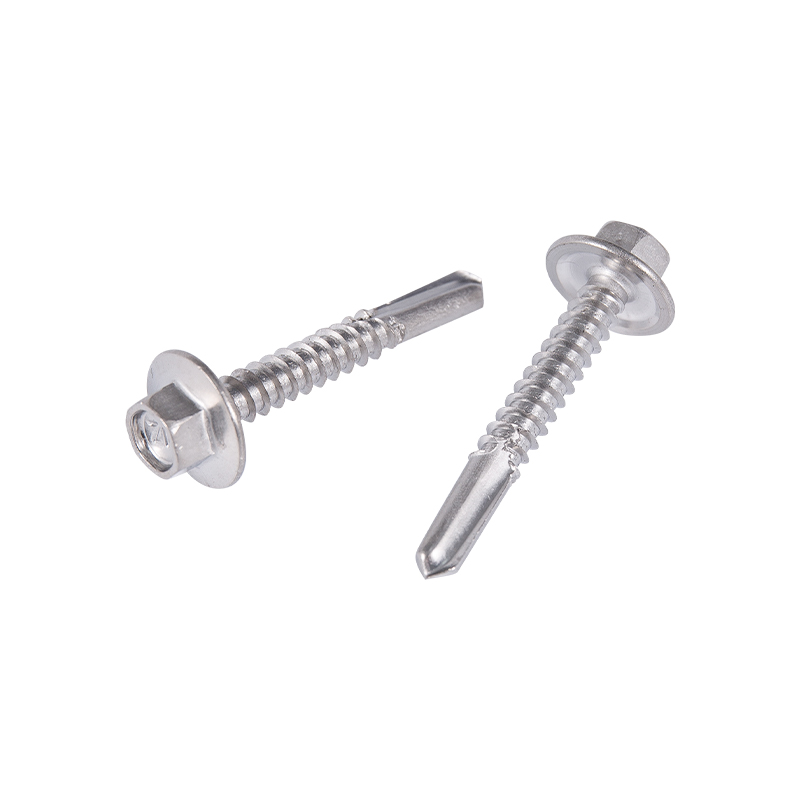
Hexagonal self-drilling screws are an efficient and convenient fastener. This ty...
See Details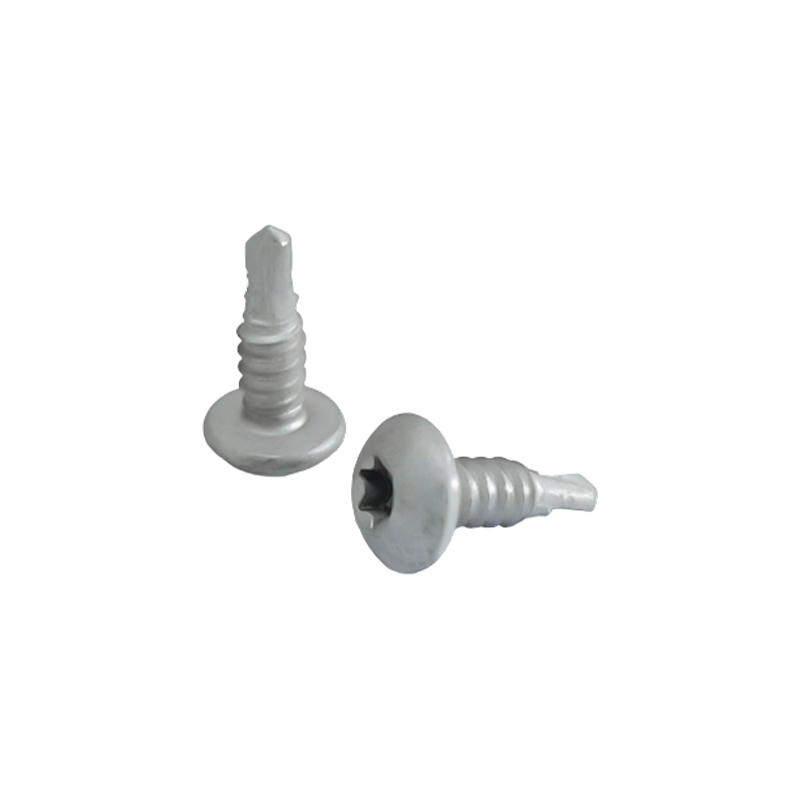
The Pand Head Hexalobular Suture Screw features a hexalobular (Torx) head design...
See Details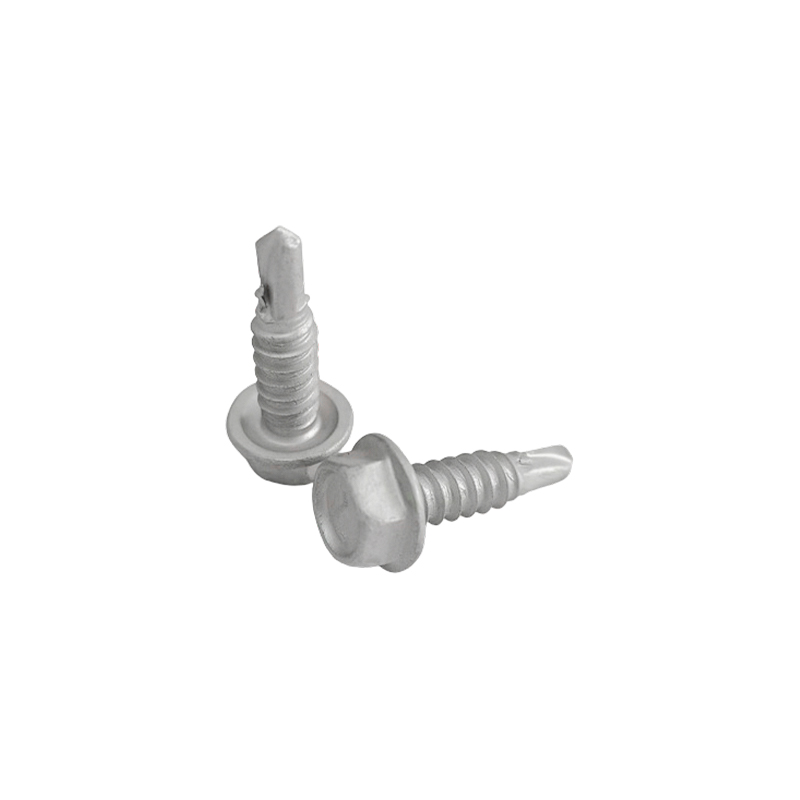
These hexagonal flanged stitching bolts are available in sizes from 1/4 to 14*7/...
See Details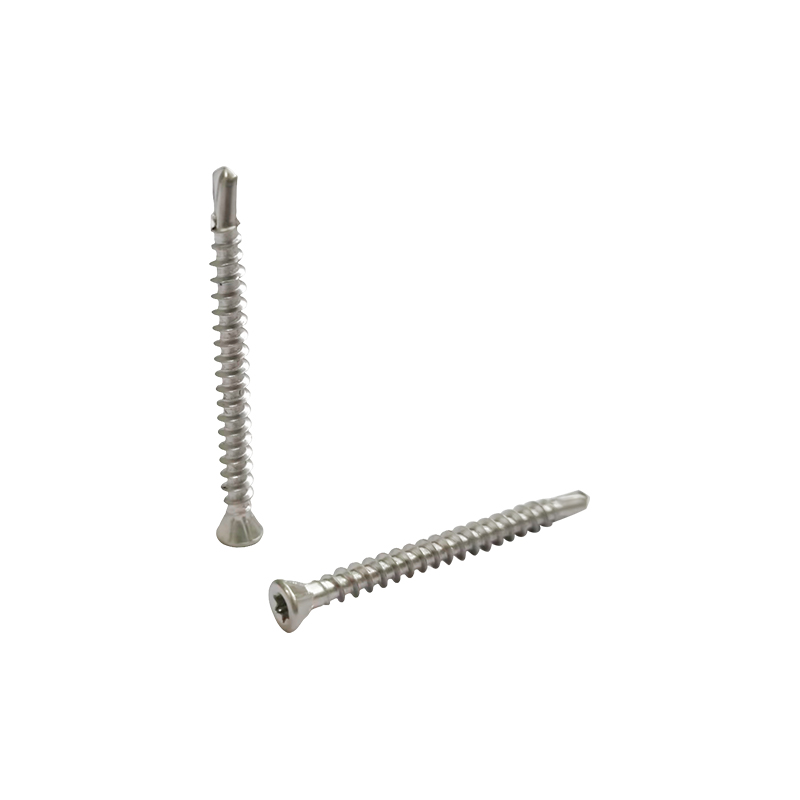
The CSK Six Lobe And Rib Self Drilling Screw is a fastener featuring a specific ...
See Details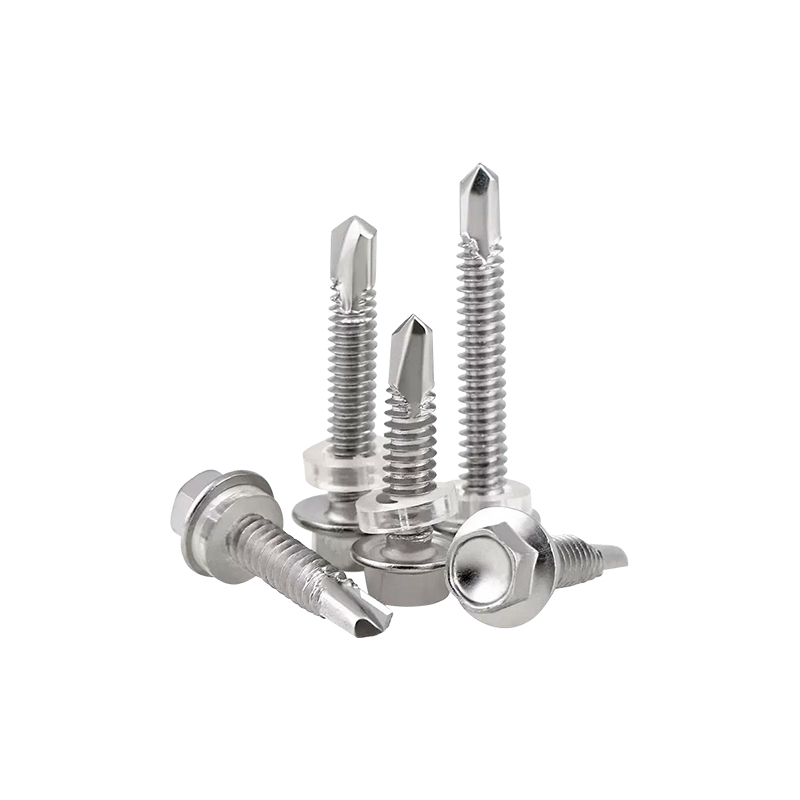
This Hex Flange Head Self Drilling Screw with EPDM Washer offers a thread size r...
See Details+86-13705735391
+86-18868359082
+86-573-83128088
+86-573-83128123
No. 2155, Shuanglong Road, Nanhu District, Jia Xing City, Zhejiang Province
Copyright © Jiaxing Zhongke Metal Technology Co.,Ltd. All Rights Reserved.Custom High Strength Stainless Steel Fasteners Manufacturers Provider