English
 Español
 عربى
عربى


Countersunk Head Machine Screws
Cat:Machine Screws
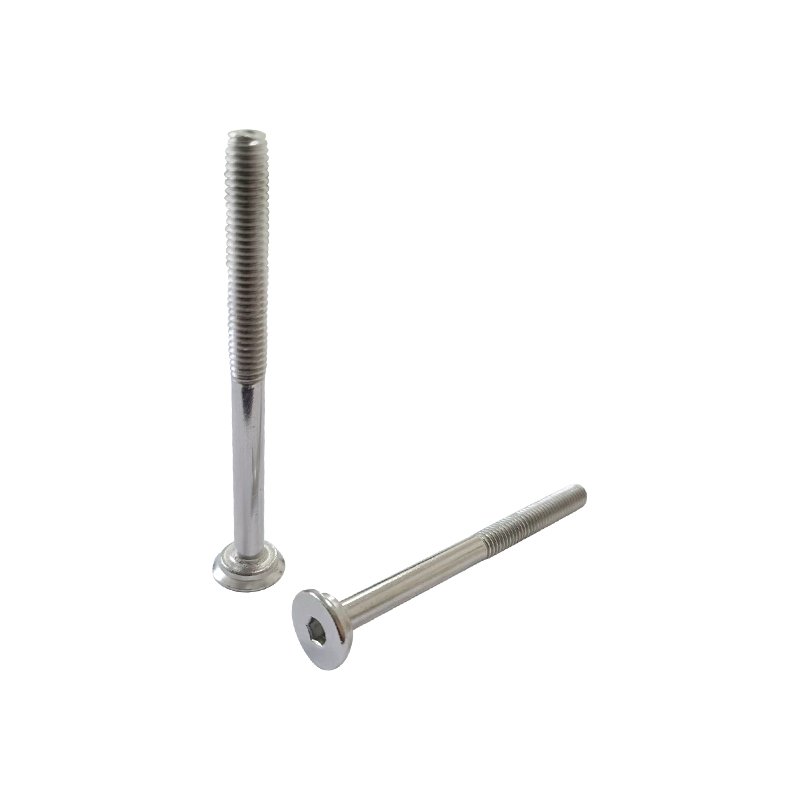
Countersunk machine screws are widely used in machinery, furniture, electronics ...
See Details


Content
Thread galling is one of the most costly and confusing failures in industrial fastening. It can lock a nut onto a machine screw so tightly that the fastener shears before the joint separates. The key to avoiding this condition is not a single magic coating; it is the combination of correct thread fit and deliberate hardness matching between the nut and the machine screw. When these two factors are controlled together, galling can be prevented before it starts.
Thread galling, also called cold welding or galling seizure, occurs when two threaded metal surfaces slide against each other under high pressure. Localized microwelds form at high points, then tear apart, leaving rough and torn material. Each cycle creates new exposed surfaces that weld again, and the process accelerates quickly.
Austenitic stainless steels like 304 and 316 are especially prone to galling because their oxide films are thin and their work-hardening behavior creates hard, abrasive wear particles. However, aluminum, titanium, and even coated carbon steel can gall under severe contact pressure.
Galling is more likely when:
Thread fit defines the amount of clearance or interference between mating threads. In inch-series fasteners, classes 1A/1B, 2A/2B, and 3A/3B describe increasing tightness. In metric fasteners, common tolerance pairs such as 6g/6H and 6e/6H provide similar control over engagement.
Fit matters because it controls how load is distributed across the engaged threads. A correct fit spreads the clamping load over a long helix and reduces local pressure. A fit that is too loose allows the load to concentrate on the first few threads. A fit that is too tight raises friction and can trap contamination, and both conditions increase galling risk.
| Fit Class | Description | Typical Use |
|---|---|---|
| 1A / 1B | Loose clearance fit | Quick assembly with plated or slightly damaged threads |
| 2A / 2B | Normal fit | General machine screw and nut assemblies |
| 3A / 3B | Tight fit | Precision joints with controlled torque and lubrication |
During design, verify the effective pitch diameter rather than relying only on the major diameter. This is where clearance and interference actually appear, and where galling prevention is won or lost.
Hardness matching is often misunderstood. Matching does not mean making the nut and machine screw identical. Identical hardness in identical austenitic stainless steel increases galling risk because both surfaces deform, work-harden, and tear in the same way. The more reliable approach is a controlled hardness differential.
One surface can be intentionally harder than the other, so relative motion is accommodated by burnishing rather than microwelding. In stainless steel assemblies, a harder external thread on the machine screw combined with an annealed or softer internal thread in the nut can prevent galling. However, the differential must be controlled; an extreme difference can turn into abrasive cutting instead of smooth engagement.
Correct hardness matching is not about equal hardness. It is about an intentional relationship that prevents the two threaded surfaces from welding together.
Selecting the right nut is part of this decision, because the nut's material condition, thread length, and hardness distribution determine how load is shared with the machine screw.
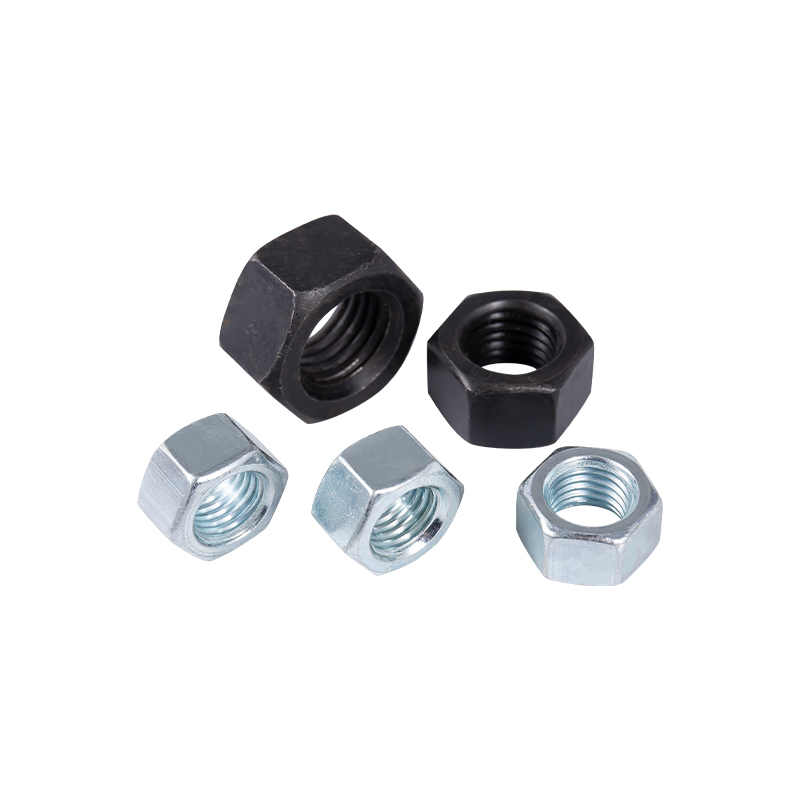 Flange and Lock Nuts for Vibration-Resistant FasteningThis selection covers ordinary, flanged, and self-locking nut types. The flange design adds contact area and stability, while anti-loosening versions help prevent thread loosening under vibration or thermal changes.View Product →
Material pairing can also stop galling. When a machine screw is made from stainless steel, a nut made from silicon bronze or a coated carbon steel will reduce adhesion. But in many industrial products, material choices are fixed by corrosion requirements, so surface finish and coatings become the practical defense.
Surface roughness and cleanliness are critical. Smooth threads have lower friction, but surfaces that are too smooth can promote adhesion. Avoid drawing compounds, sand, metal particles, and moisture inside threaded assemblies. These contaminants create local pressure points and accelerate microwelding.
| Nut Material | Screw Material | Galling Tendency | Practical Approach |
|---|---|---|---|
| Stainless steel | Stainless steel | High | Use lubricant and controlled hardness differential |
| Carbon steel | Stainless steel | Moderate | Zinc or nickel plating reduces adhesion |
| Silicon bronze | Stainless steel | Low | Good for disassembly and marine service |
Heat treatment is the most direct way to control hardness in both nuts and machine screws. High-strength carbon steel fasteners are quenched and tempered to meet a specified hardness range. Stainless steel machine screws can be cold worked or solution annealed to create the hardness relationship needed for anti-galling performance.
Because hardness matching requires precision, the heat treatment process must be consistent across production runs. Modern furnaces with controlled atmosphere and temperature uniformity allow manufacturers to hit narrow hardness windows rather than simply heating fasteners until they look hard enough. To understand how these process decisions affect finished metal parts, see this guide on optimizing industrial heat treatment.
Socket cap head internal hexagonal machine screws are often chosen in precision assemblies because their drive geometry allows controlled torque application and better seating behavior.
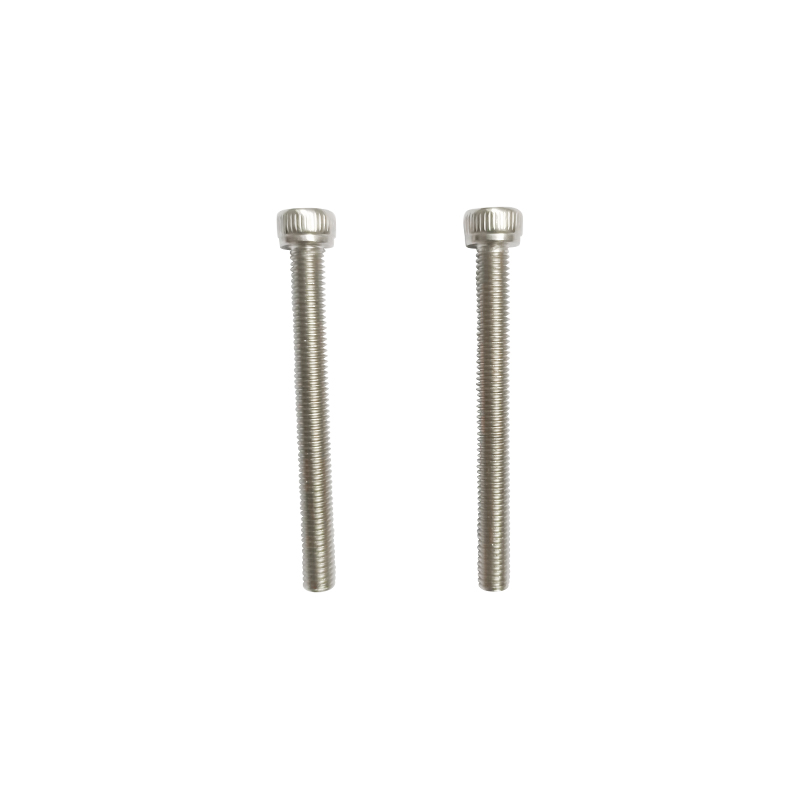 M4-0.7×8 SUS304 Socket Cap Head Machine ScrewThis precision stainless steel screw with an internal hex drive enables controlled torque application in confined spaces. Its bright finish and full-thread design suit precision assemblies where seating behavior and corrosion resistance matter.View Product →
Even with the correct fit and hardness, assembly method decides whether galling actually occurs. The most common cause of sudden seizing is not a design error; it is an assembly process that generates too much friction too quickly.
Assembly speed is a known trigger. Fast rotation generates more local heat and causes more severe adhesion. Slowing down gives the contact points less energy to weld and gives the lubricant time to remain in the thread zone.
Begin with the thread standard and fit class. Confirm the effective diameter with appropriate thread gauges. Next, define the material and hardness requirements. Finally, add the surface treatment or lubricant that matches the service environment.
If the joint is stainless steel and must be disassembled later, use nickel-based anti-seize and avoid copper-based compounds, which can cause galvanic corrosion on stainless steel. For vibrating equipment, consider flange nuts or lock nuts, because they change the load path and reduce the micro-movement that turns into fretting. A broader fastener selection guidance can help you balance these choices with cost and availability.
No. Correct thread fit reduces local contact pressure and improves load distribution, but it does not eliminate the need for hardness control, surface preparation, and lubrication. Galling prevention requires a combination of design and assembly controls.
In most anti-galling designs, a controlled hardness differential is used. A harder external thread with a softer internal thread is common, but the reverse can also work if the materials, surface coatings, and lubricants are selected carefully. The key is avoiding identical soft surfaces from the same alloy family.
No. Galling also occurs with aluminum, titanium, and other ductile metals. Stainless steel is the most common industrial example because of its wide use, work-hardening behavior, and thin oxide film.
Nickel-based anti-seize is often recommended for stainless steel assemblies. Copper-based compounds should be avoided because copper can promote galvanic corrosion in stainless steel threaded joints.
Thread galling prevention starts with design, not with maintenance. A carefully selected thread fit spreads the load, a controlled hardness relationship prevents cold welding, and disciplined assembly keeps the two surfaces separate long enough to seat the fastener. When these principles work together, the nut and machine screw do what they were designed to do: clamp the joint without becoming one piece.
Manufacturers with experience in both heat treatment and fastener production, such as Jiaxing Zhongke Metal Technology Co., Ltd., are in a strong position to support these decisions with process control that reaches all the way from the furnace to the finished thread.
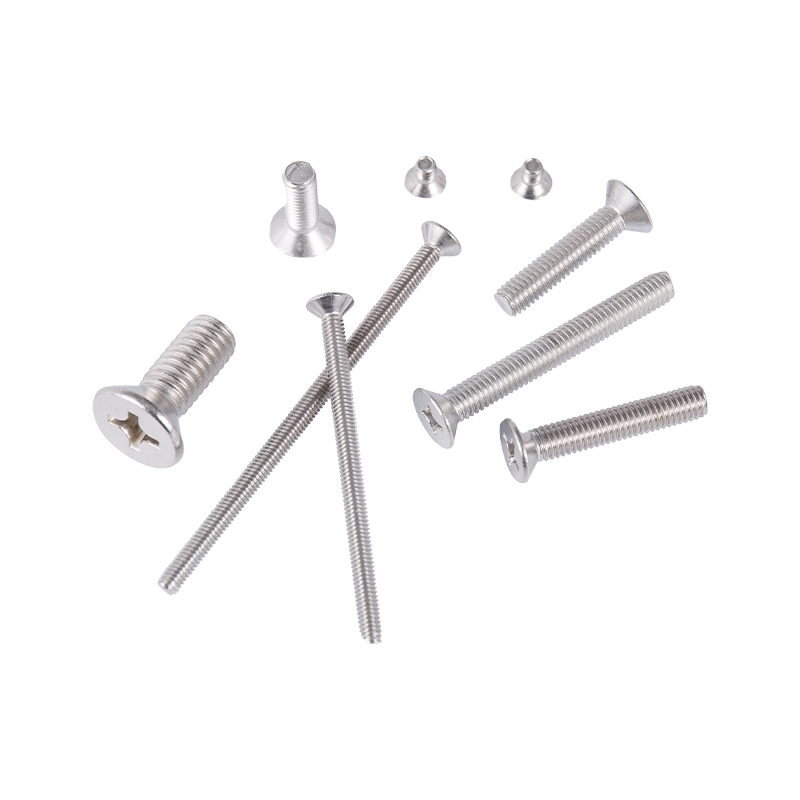
Countersunk machine screws are widely used in machinery, furniture, electronics ...
See Details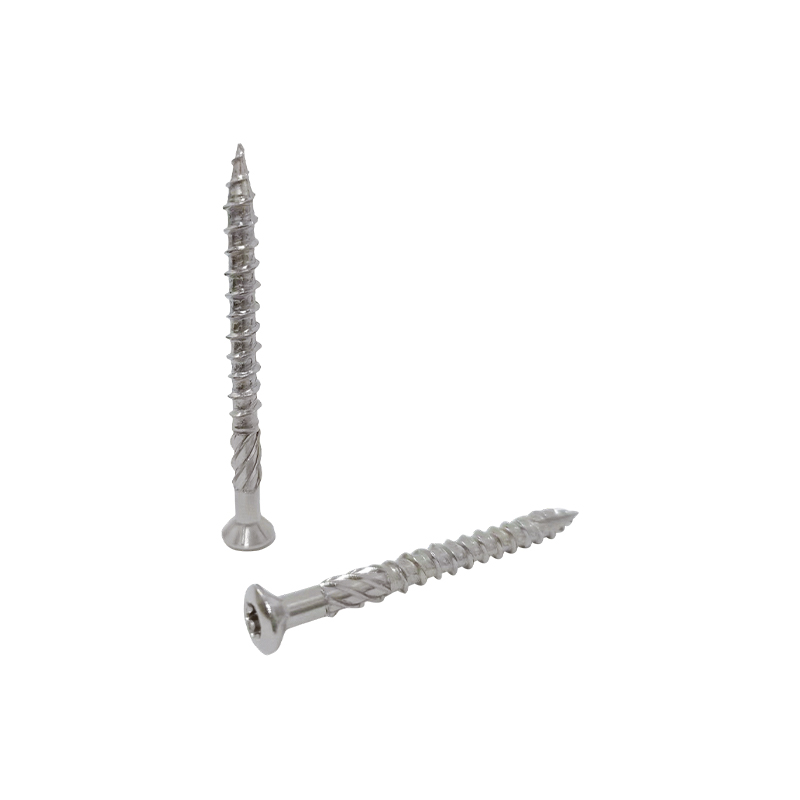
This Semi Countersunk Hexalabular Six-Bevel Rib Chipboard Screw features a speci...
See Details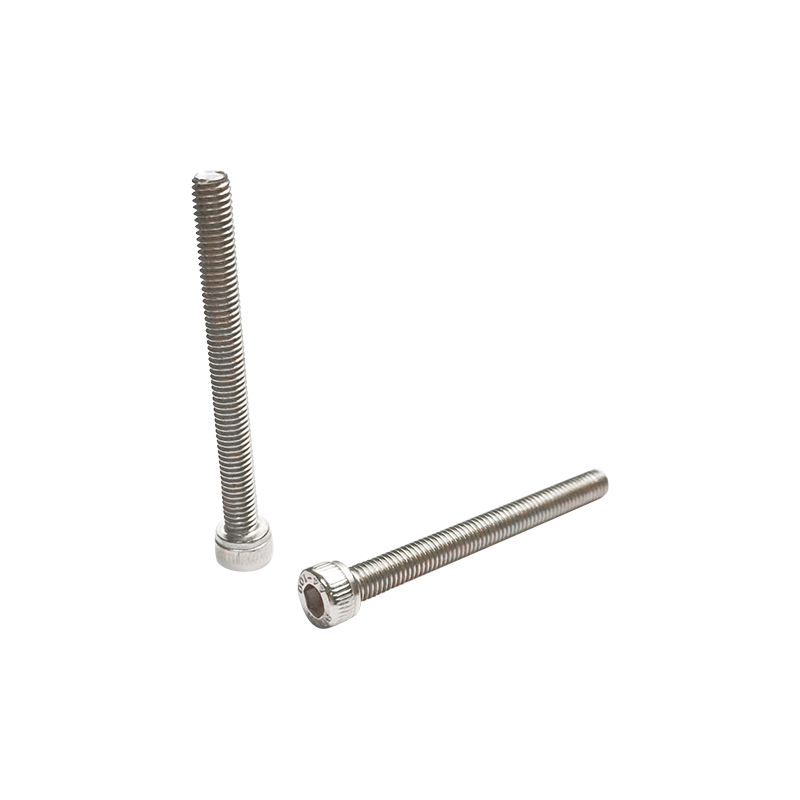
The Socket Cap Head Internal Hexagonal Machine Screw is a threaded fastener char...
See Details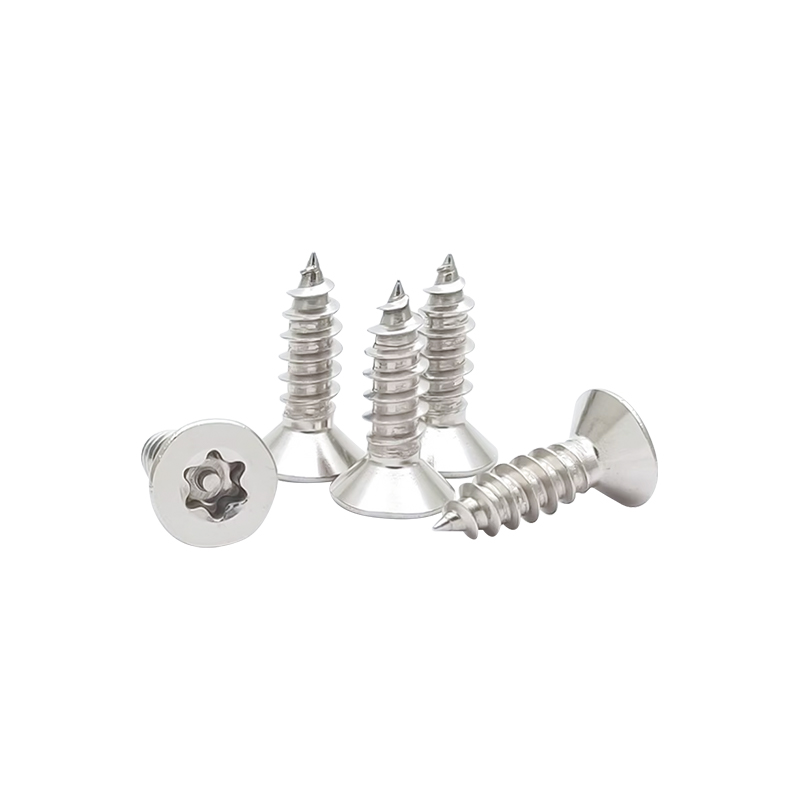
The CSK Head Six Lobe Tamper-Proof Self-Tapping Screw features a tamper-resistan...
See Details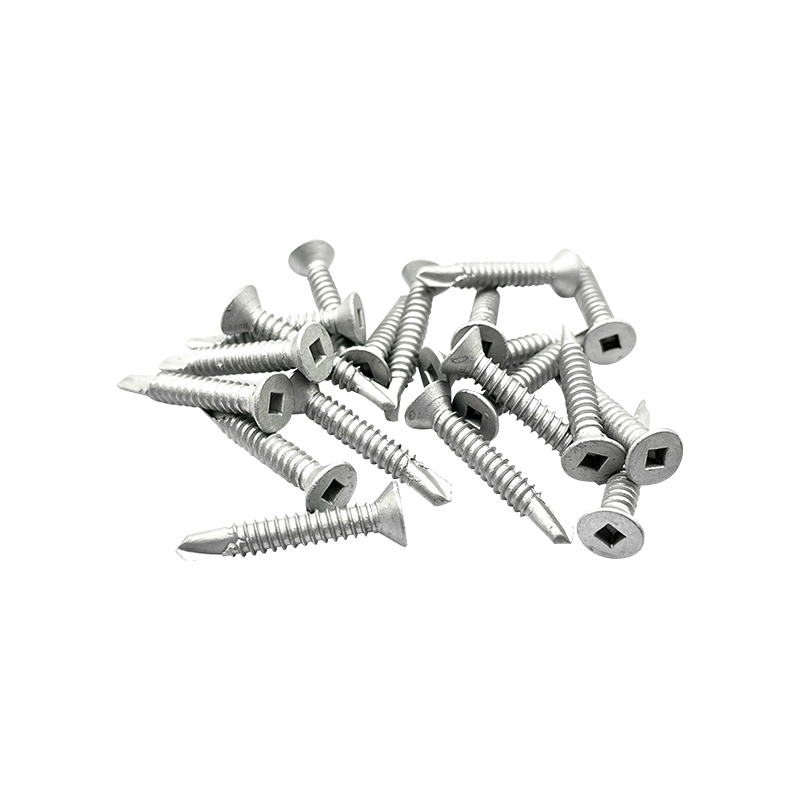
This CSK Head Square Drive Self Drilling Screw features a thread size range of M...
See Details+86-13705735391
+86-18868359082
+86-573-83128088
+86-573-83128123
No. 2155, Shuanglong Road, Nanhu District, Jia Xing City, Zhejiang Province
Copyright © Jiaxing Zhongke Metal Technology Co.,Ltd. All Rights Reserved.Custom High Strength Stainless Steel Fasteners Manufacturers Provider